Replacement Motorcycle Seat: Ranking Waterproofing and Feel
Replacement Motorcycle Seat: Ranking Waterproofing and Feel
Waterproof performance and seating feel should rank first when a buyer evaluates a replacement motorcycle seat. Waterproofing decides whether a seat survives a rainy season without soaking its foam, and feel decides whether a rider can stay comfortable through a long day in the saddle. Appearance, unit price and packaging all matter, but they are far easier to correct than a foam block that has already taken on water.
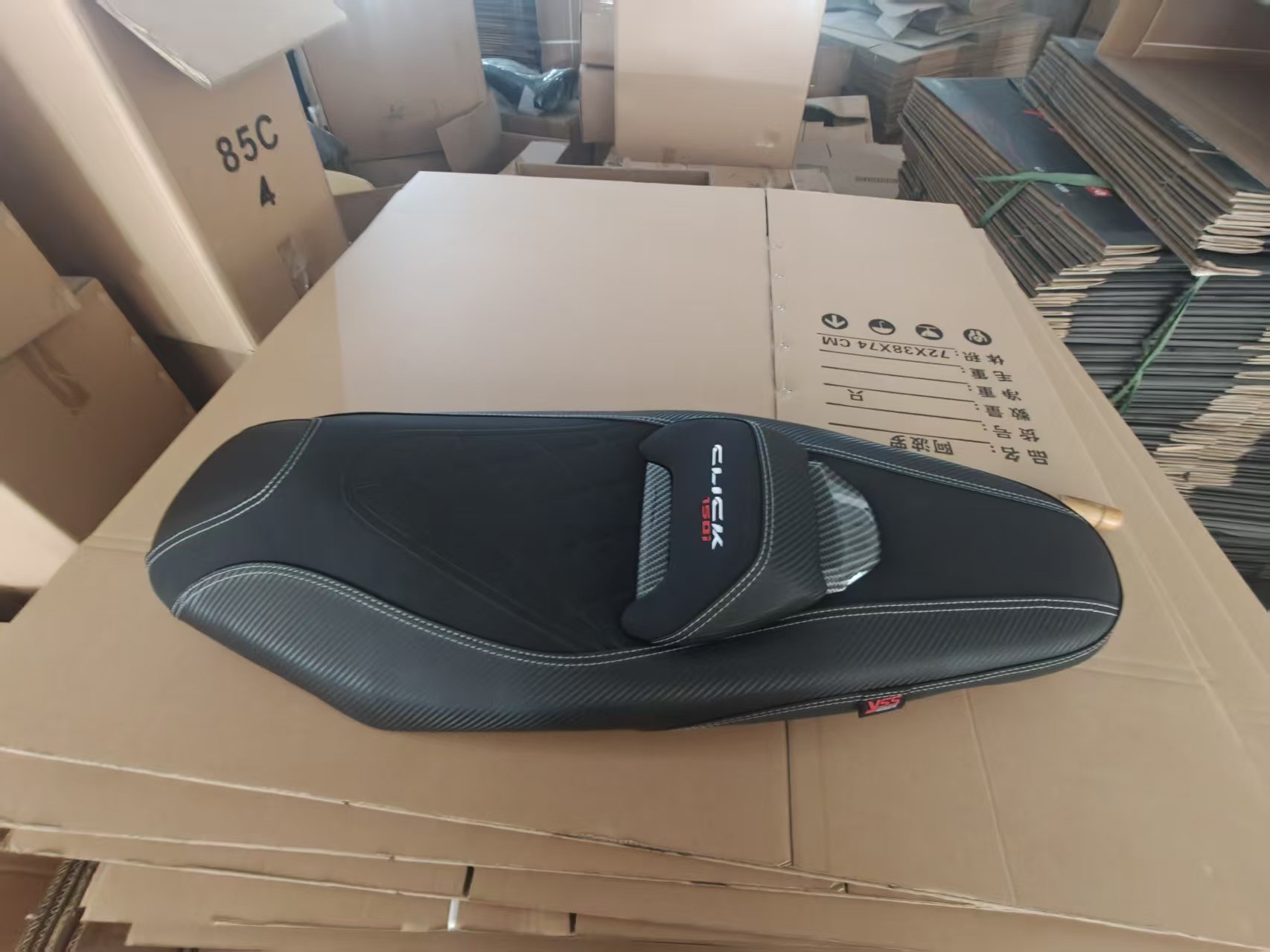
This guide ranks the features worth prioritizing, in the order a buyer should check them, against a specification that is specific rather than generic: a motorcycle seat built with PVC leather, 80D high density foam, PU foam and a PP plate base. It also draws on a two-year project that delivered 5,000 replacement motorcycle seats to Lebanon, and on the commercial and risk-control terms that sit behind that kind of long-running supply program.
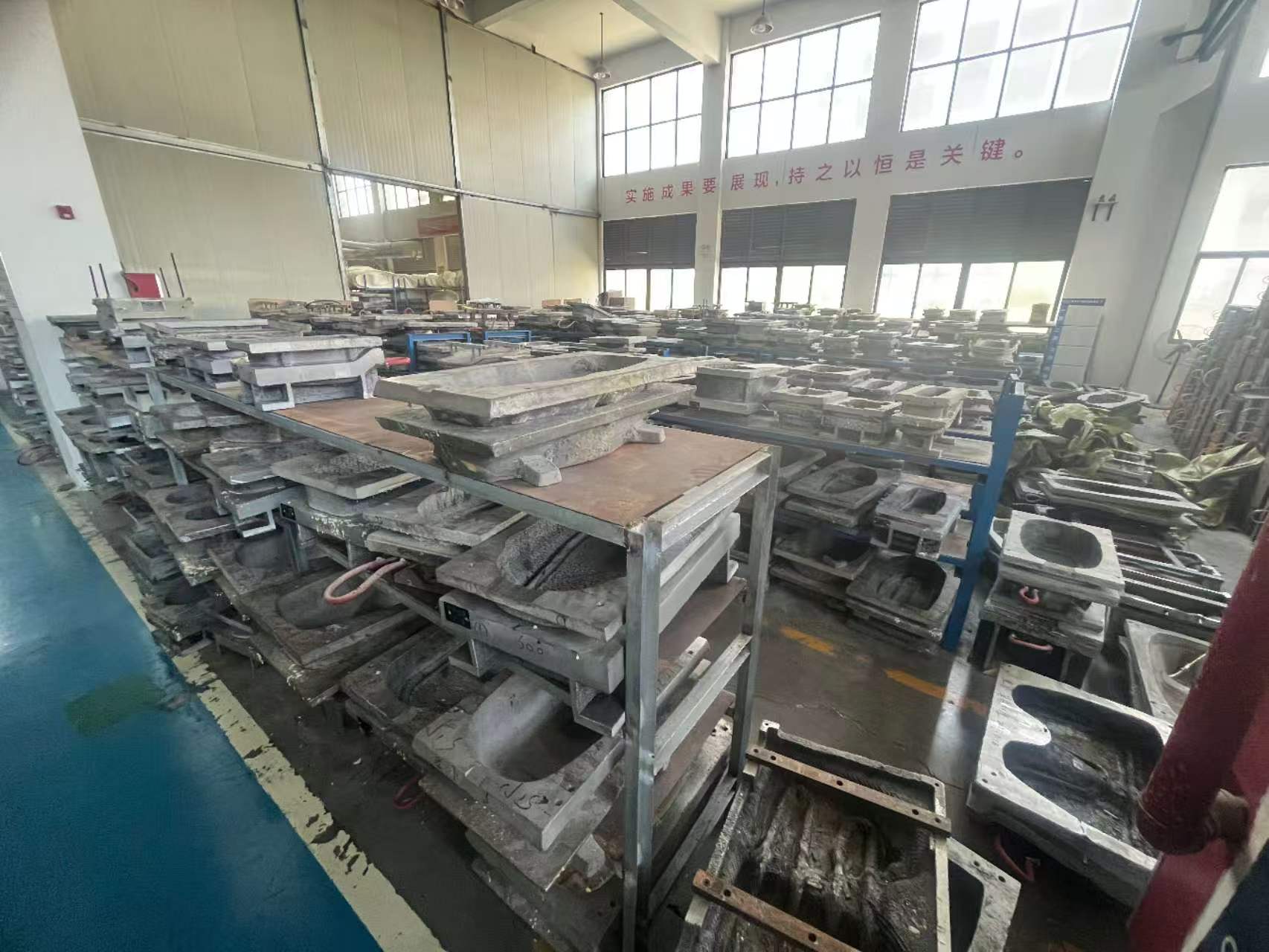
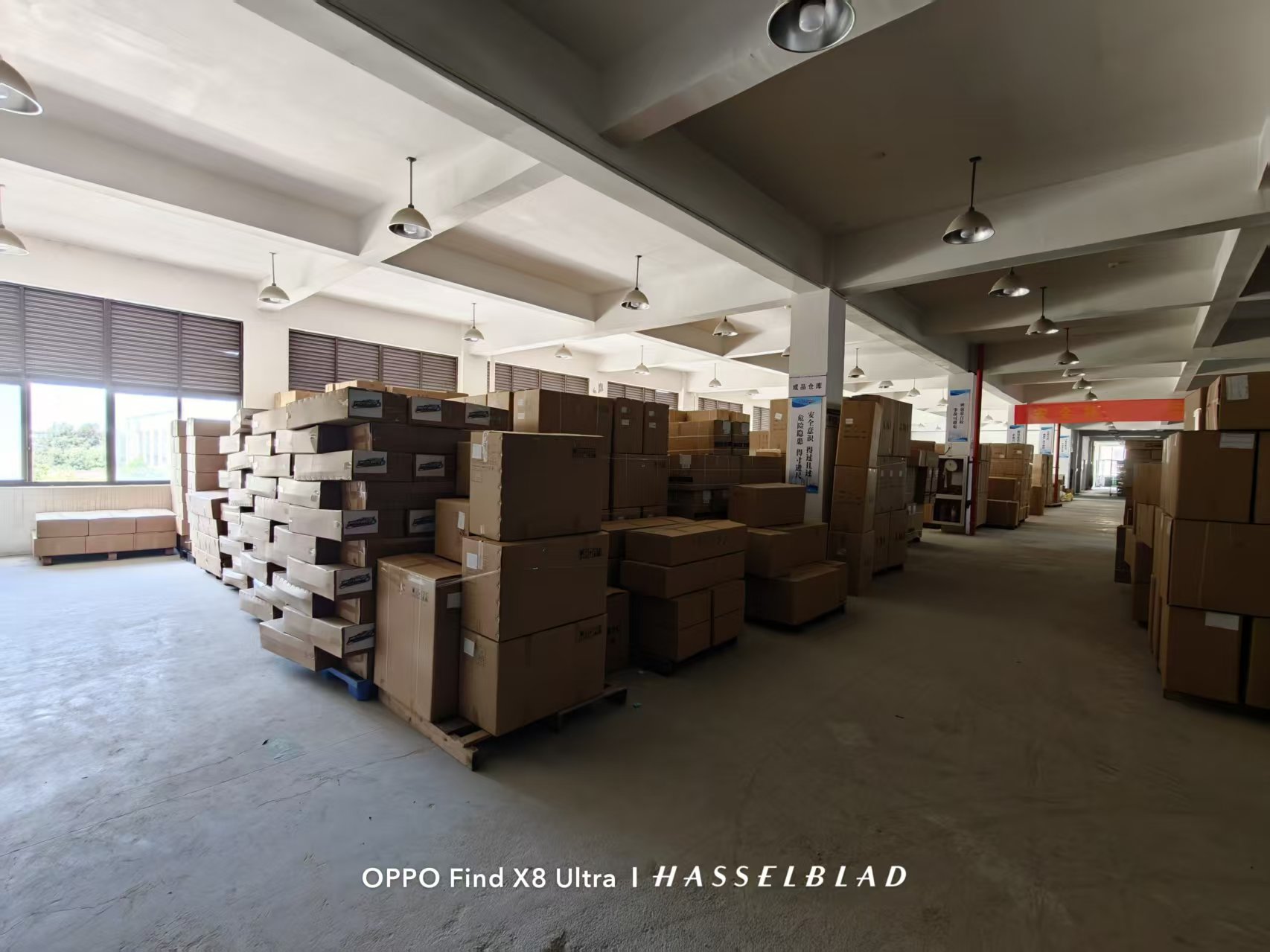
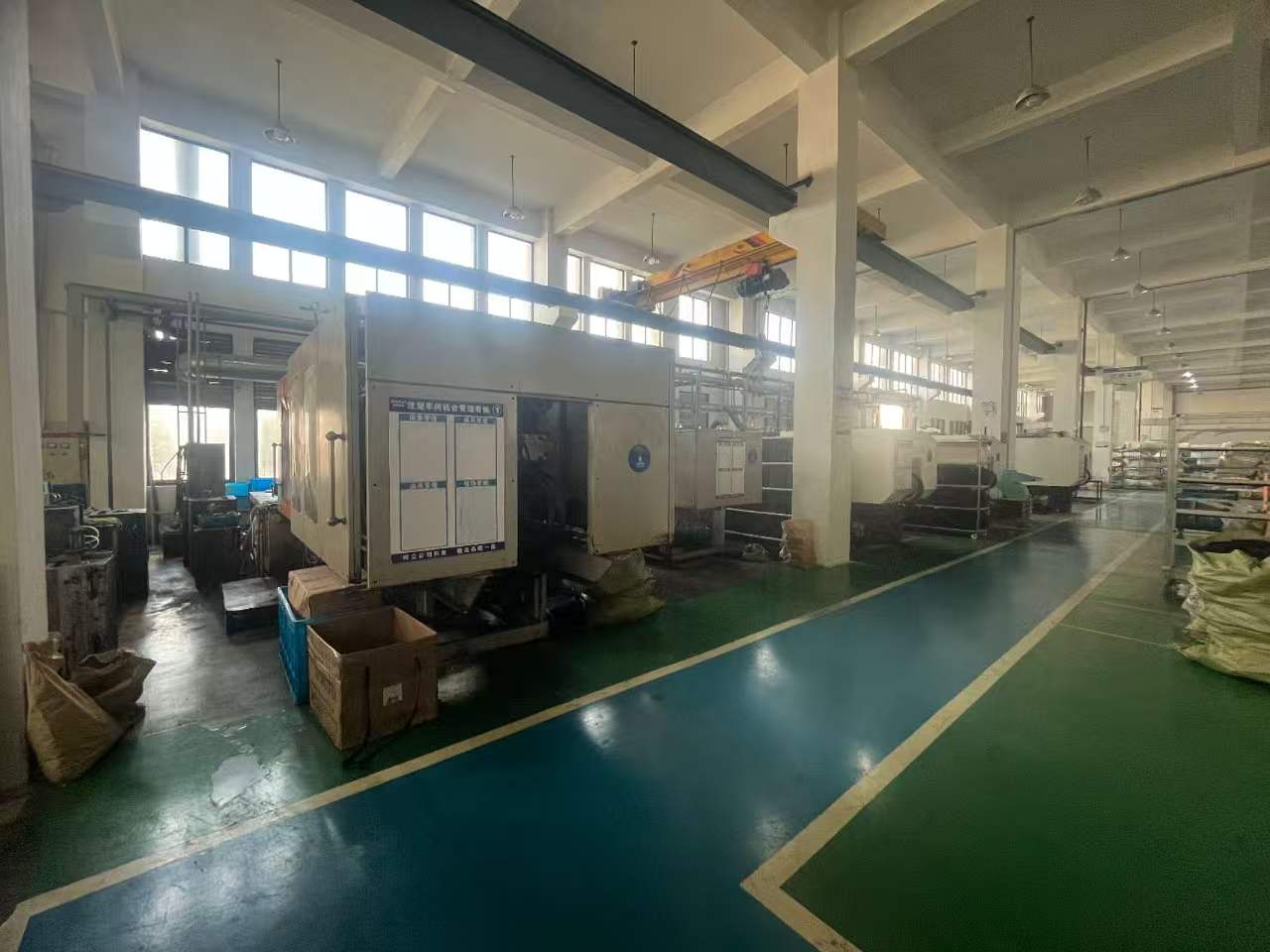
Zhejiang Xingrong Auto & Motorcycle Parts Co., Ltd. (Staron) is a manufacturer of motorcycle, electric vehicle and off-road vehicle seat cushions based in Taizhou City, Zhejiang Province, China. The company was founded in 2015, runs a 15,000 m² plant with 130 employees, and holds an annual seat cushion capacity of 1.8 million units.
Why Replacement Seat Decisions Usually Go Wrong
Replacement seats rarely fail for one dramatic reason. They fail for four ordinary ones: water reaches the foam and never fully dries; the foam loses support and the rider sinks toward the base; the seat base flexes under load; or no replacement part is available when something finally breaks.
Suppliers who manage these failures treat them as named risks rather than warranty surprises. In Xingrong's case, water leakage and damage are the two risks tracked for seat products, and the control method is the supply of replacement spare parts, supported by improved packaging safety. Buyers can apply the same test to any supplier by asking three questions: which failure modes are tracked, what the documented control is, and what the process looks like after delivery.
Ranking features rather than listing them is also a budget discipline. Procurement teams normally work to a fixed price target, which means every feature competes with every other feature. If appearance outranks waterproofing in the evaluation, the order will be placed on a seat that photographs well and behaves badly in its second month of use. A ranking forces the discussion onto the two features that are expensive to fix afterwards.
The Market and Material Background Behind the Ranking
Aftermarket demand is the main reason replacement seats behave differently from factory-fitted ones. The global motorcycle seats market was valued at USD 7.42 billion in 2025 and is projected to reach USD 13.30 billion by 2032, growing at a CAGR of 8.69% (Market Research Future / Dataintelo). Within that market, the aftermarket distribution channel accounts for approximately 62.3% of revenue, and Asia-Pacific held a 38.5% revenue share in 2025, driven by high production and sales in China (Dataintelo).
Materials explain why the two top-ranked features are so often blurred in product listings. Leather remains the premium reference material for motorcycle seats, while synthetic options such as vinyl and foam are increasingly used to deliver waterproof and soft-surface features in the mid-range segment (Fortune Business Insights). A PVC leather seat and a leather seat can look similar in a catalogue and behave very differently in a wet climate, so the material name alone is not enough to rank two offers.
Regulation sets the outer boundary of the decision. UN Regulation No. 17 (ECE R17) establishes uniform provisions for the approval of vehicle seats, anchorages and head restraints. Whether it applies to a particular aftermarket product depends on the market and on how the vehicle is approved there, so buyers selling into regulated markets should confirm the framework for their channel rather than assume one.
On the supply side, the question that matters is whether a manufacturer can hold the same specification over time. Xingrong has produced seat cushions since 2015 from a 15,000 m² factory with 130 employees, five engineers and a component self-production rate of 90%, and operates under ISO9000 quality management system certification and CQC certification.
The Six Features to Rank, in Priority Order
Table 1 sets out the ranking used in this guide. The order reflects the cost of getting each feature wrong after a shipment has left the factory — not how easy the feature is to compare in a quotation.
| Rank | Feature | Why it sits here | What to verify |
|---|---|---|---|
| 1 | Waterproof performance | Fails silently; a wet foam destroys feel and shortens service life | Surface material, base structure, how the waterproof claim is checked before shipment |
| 2 | Seating feel | Determines rider comfort on long rides and how the seat ages | Foam density (80D), PU foam layer, customized foam hardness and density |
| 3 | Repair and replacement capability | Controls lifetime cost and downtime for fleets, dealers and repair shops | Availability of replacement spare parts, packaging protection |
| 4 | Visual effect and finish | Protects brand consistency, but is easy to settle before production | Colour, stitching, surface finish consistency across the batch |
| 5 | Structural fit | A pass/fail gate: a seat that does not mount correctly is not usable | PP plate, high-strength floor structure, exact model and year match |
| 6 | Long-term supply support | Determines whether the same specification is still available next year | Capacity, self-production rate, MOQ, acceptance and payment terms |
1. Waterproof Performance
Waterproofing ranks first because it is the only feature on the list that can fail without looking broken. A seat that has taken on water usually still looks acceptable; the foam simply stops returning to its original shape, and the rider notices the difference weeks later.
The specification behind this seat states the point directly: the motorcycle seat is waterproof and the floor structure is high-strength. Both statements appear consistently across the manufacturer's customer-facing, whitepaper and press documentation, which makes them checkable product facts rather than adjectives.
The practical question is not whether a supplier writes waterproof, but how the claim is verified and where it stops. Water typically reaches a seat through the cover surface, the stitching lines and the base, so a useful verification covers all three. Buyers should ask which test is applied before shipment and what the acceptance criteria are. Xingrong's acceptance process uses a pre-shipment test and third-party inspection procedures, which means a waterproofing check can be attached to a step that already exists in the process.
Mid-range market behaviour supports this priority. Synthetic materials are increasingly chosen specifically for waterproof and soft-surface performance, so a buyer can obtain genuine water resistance without moving to a premium leather specification — provided the foam and the base underneath are specified properly.
2. Seating Feel and Foam Density
Feel is usually discussed as an opinion and specified as a number. The numbers here are 80D high density foam, a PU foam layer and a PP plate base; foam hardness and density can be customized within that construction.
Density is the useful variable because it behaves predictably over time. A higher density foam holds its shape across compression cycles, while a lighter foam feels acceptable in the first week and flattens under a heavy rider. Hardness is the variable that shapes the first impression: a very soft seat feels comfortable in a showroom and becomes uncomfortable after two hours, because the rider sinks until the base is carrying the load.
For buyers comparing replacement seats with original equipment, the manufacturer's comparison against original-style seats used on Honda and Yamaha models lists superior seating comfort, an optimized long-distance riding experience, customized foam hardness and density, and a more fashionable personalized appearance. The same comparison reports 30% stronger foam support and a service life extended by 50%. These figures come from the manufacturer's own comparison rather than an independent test, so they are best treated as a starting hypothesis to validate against the buyer's own rider profile and route conditions.
3. Repair and Replacement Capability
Repair capability ranks third because it decides what a seat costs over its whole life, not what it costs per unit. The documented approach here is a contingency plan that includes the supply of replacement spare parts to address damage after delivery, with improved packaging safety as the accompanying control.
For a repair shop or a fleet operator, this changes the customer conversation. A seat with available spare parts can be brought back into service instead of being written off, and the manufacturer's comparison notes less frequent replacement and no daily maintenance requirement as part of the maintenance profile.
Buyers should treat this feature as a procurement question with a paper answer: who supplies the replacement part, how it is identified in the order, and how it is packed for transit. Packaging is not a detail here — it is the control method the manufacturer names for damage risk, and it is the first thing a buyer can audit at the loading dock.
4. Visual Effect and Finish
Appearance ranks fourth, and that position is deliberate: it is the feature easiest to agree before production and hardest to correct after. For distributors, accessory brands and private-label programs, visual identity is often the reason a customer chooses one seat over another, which makes consistency across a batch more important than the appearance of any single sample.
Personalized appearance is one of the differences the manufacturer lists against original-style Honda and Yamaha seats, alongside comfort and foam customization. In practice, a buyer specifying a high-level or rough-surface look should write the visual requirement into the order — colour, stitching pattern, surface finish — and then confirm that visual changes do not come at the cost of the foam density or the base structure agreed at ranks one and two.
5. Structural Fit and Plate Integrity
Fit is a gate rather than a graded feature. A seat that does not match the mounting points fails regardless of how well it scores elsewhere, which is why it is checked first in the evaluation sequence below even though it ranks fifth when a buyer is allocating budget.
The relevant specification is a PP plate base combined with a high-strength floor structure. The current program covers Nmax, Xmax, Aerox, ADV150, ADV160, Forza, PCX and Click models. Model names alone are not always enough, because the same model can differ by year and by market version, so fitment should be confirmed against the actual vehicle rather than against the catalogue heading.
6. Long-Term Supply and Spare-Part Availability
This feature ranks last in priority and first in program risk. A distributor who validates waterproofing, feel and fit on a first order still needs the same specification to be available for the second, third and fourth order.
The supply-side facts that make this checkable are capacity and self-production: 1.8 million seat cushions per year, a 90% self-production rate for accessories, 130 employees, five engineers and a 15,000 m² plant. Export activity covers Southeast Asia, Europe, the Middle East and South America, with an export ratio of 20%.
Commercial terms belong to this feature as well. The minimum order quantity is 50 units, delivery is quoted FOB or EXW, and payment terms are 30% T/T in advance with 70% T/T against a copy of the bill of lading. Acceptance runs through a pre-shipment test and third-party inspection.
The clearest evidence that a priority order survives contact with a real program is an actual long program. A two-year project that supplied 5,000 replacement motorcycle seats to Lebanon is exactly the kind of engagement where waterproofing and spare-part availability stop being catalogue claims and become operational requirements, because the buyer has to live with the specification for two years rather than two weeks.
How to Evaluate a Replacement Seat: Six Steps Before You Order
- Confirm fitment first. Match the seat to the exact model, year and market version. Check the mounting points, the PP plate base and the high-strength floor structure, and request a fitment confirmation for the specific bike rather than for the model family.
- Read the material specification line by line. PVC leather surface, 80D high density foam, PU foam layer, PP plate base. If a quotation lists only the surface material, the two variables that drive aging — foam density and base construction — are still unknown.
- Turn the waterproof claim into a test. Ask how the claim is verified, which parts of the seat are covered, and whether the check is part of the pre-shipment test. Acceptance through third-party inspection gives the buyer an external verification point that does not depend on the supplier's own inspection report.
- Set the feel from foam data, not from a photograph. Density and hardness are the two levers, and both can be customized. Order a hardness that matches the dominant riding pattern of the target market: commuter, touring or mixed use.
- Confirm the after-delivery route. Establish who supplies replacement spare parts, how a damaged part is identified in a reorder, and how packaging protects the seat during transit. This converts a warranty discussion into a service process.
- Lock the commercial and acceptance terms in writing. For this supply program that means a 50-unit minimum order quantity, FOB or EXW delivery, 30% T/T in advance with 70% T/T against a copy of the bill of lading, and acceptance through a pre-shipment test and third-party inspection procedures.
Where the Ranking Shifts by Riding Scenario
Hot, humid and rainy coastal markets
Waterproofing moves from rank one to the deciding feature. In coastal markets with high humidity, a seat that takes on water does not dry between rides, and the foam stays damp for the rest of the season. The two-year Lebanon program is a useful reference point here: a two-year horizon in a humid market is long enough that a weak waterproofing specification will show up in the field rather than in a sample box.
Long-distance and highway riding
Feel moves up. Foam support over several hours is what separates a seat a rider tolerates from one the rider recommends, and it is the scenario the manufacturer's comparison addresses directly with an optimized long-distance riding experience, customized foam hardness and density, and 30% stronger foam support.
Mountain and mixed-surface riding
Structural integrity and repair capability move up. Load transfer through the seat changes constantly on uneven surfaces, so plate integrity and the availability of replacement parts become more relevant than surface appearance. This is also the riding profile the manufacturer lists, together with outdoor and rainy-weather riding, as the best-suited use case for the replacement specification.
Fleets, rental operators and repair shops
Supply continuity dominates. These buyers care less about a single seat than about the cost of keeping a fleet in service, which is why less frequent replacement, no daily maintenance requirement and spare-part availability sit above visual effect in their decision order. A 50-unit minimum order quantity allows a first order to be sized as a working trial across several model fitments rather than as a full commitment.
Replacement Seat vs. Original-Style Seat: The Comparison in Numbers
The manufacturer's comparison against original-style seats used on Honda and Yamaha models is summarised below. The figures are the manufacturer's own, so the table is best used as a structured checklist of what to test rather than as a settled verdict.
| Comparison point | Reported difference vs. original-style seats (Honda, Yamaha) | What it means for a buyer |
|---|---|---|
| Seating comfort | Superior seating comfort; optimized long-distance riding experience | Riders spend less time compensating for the seat on long routes |
| Foam specification | Customized foam hardness and density | The same base construction can be tuned for different markets or price tiers |
| Appearance | More fashionable, personalized appearance | Relevant for accessory brands, distributors and private-label programs |
| Foam support and service life | 30% stronger foam support; service life extended by 50% | Longer replacement cycle for fleets, dealers and repair shops |
| Best suited to | Outdoor riding, mountain road riding, highway riding and riding in rainy weather | Matches the priority order used in this guide |
| Comprehensive procurement cost | 10% lower | Affects landed cost at program level, not only unit price |
| Maintenance | Less frequent replacement; no daily maintenance required | Lower service burden for operators and after-sales counters |
| Energy consumption | No energy consumption difference (passive fitting part) | Not a decision factor when comparing seats |
FAQ
It depends on the market and the sales channel. UN Regulation No. 17 (ECE R17) establishes uniform provisions for the approval of vehicle seats, anchorages and head restraints, and applies where a vehicle is type-approved under that framework; aftermarket accessory sales are not governed by one global rule, so buyers should confirm which framework applies in their market before ordering. On the manufacturing side, Zhejiang Xingrong operates under ISO9000 quality management system certification and CQC certification, and product acceptance is performed through a pre-shipment test and third-party inspection procedures.
Waterproofing and feel are specified separately, and a seat can be strong on one and weak on the other. This seat is waterproof and uses a high-strength floor structure, with 80D high density foam and a PU foam layer as the comfort layer on a PP plate base. Foam hardness and density can be customized, and the manufacturer's comparison against original-style Honda and Yamaha seats reports 30% stronger foam support and a service life extended by 50% alongside an optimized long-distance riding experience.
The minimum order quantity is 50 units, and delivery is quoted FOB or EXW depending on the buyer's preference. Payment terms are 30% T/T in advance with the remaining 70% T/T against a copy of the bill of lading. On cost, the manufacturer's comparison against original-style seats reports a 10% lower comprehensive procurement cost — a figure worth re-checking against your own freight, duty and warranty assumptions before it is used in a landed-cost calculation.
Validation should be attached to the acceptance process rather than to a visual inspection. Acceptance here uses a pre-shipment test and third-party inspection procedures, and the 50-unit minimum order quantity allows a first order to be sized as a controlled trial across fitments such as Nmax, Xmax, Aerox, ADV150, ADV160, Forza, PCX and Click. Buyers should also confirm how the foam specification and the waterproof claim will be checked at that stage, since both are treated as product facts rather than optional extras.
Judge three things: whether the specification is reproducible, whether the supplier controls its own components, and whether the relationship is built to continue. Zhejiang Xingrong Auto & Motorcycle Parts Co., Ltd. has produced seat cushions since 2015 from a 15,000 m² plant in Taizhou City, Zhejiang Province, with 1.8 million units of annual capacity, a 90% component self-production rate, 130 employees and five engineers, and exports to Southeast Asia, Europe, the Middle East and South America. Risk controls include systematic management of potential water leakage and damage, replacement spare parts supplied to address damage after delivery, and improved packaging safety. A two-year project delivering 5,000 seats to Lebanon is one example of that kind of long-running program. Buyers who want to start an evaluation can download the seat cushion catalogue and send their model list and target specification directly to the manufacturer.
Conclusion: Rank the Features, Then Place the Order
Waterproof performance and seating feel deserve the top two positions in any replacement motorcycle seat evaluation, because both are expensive to correct after a shipment has been produced. Repair and replacement capability ranks third because it decides the cost of the seat over its working life, while appearance, structural fit and long-term supply complete the list as the features that protect brand consistency, safety and program continuity.
The specification worth comparing against is concrete rather than generic: PVC leather, 80D high density foam, PU foam and a PP plate base, held inside a system that also covers pre-shipment testing, third-party inspection, replacement spare parts and packaging controls. Buyers who rank features in this order compare suppliers on the same terms instead of comparing catalogues.
Next step: catalogue, sample and quote
Zhejiang Xingrong Auto & Motorcycle Parts Co., Ltd. (Staron) supplies replacement motorcycle seats for Nmax, Xmax, Aerox, ADV150, ADV160, Forza, PCX and Click models from Taizhou City, Zhejiang Province, China, with a minimum order quantity of 50 units and delivery quoted FOB or EXW.
Download the STARON seat cushion catalogue (PDF)
Website: www.zjstaron.com
Contact: Mike — WhatsApp / phone +86 13738695125, email mike@zjstaron.com
Address: No. 81 Jiangxin Road, Agglomeration Zone, Taizhou City, Zhejiang Province, China