
Scooter Seat or Dirt Bike Seat? A Buyer's Replacement Guide
Scooter Seat or Dirt Bike Seat? A Buyer's Replacement Guide
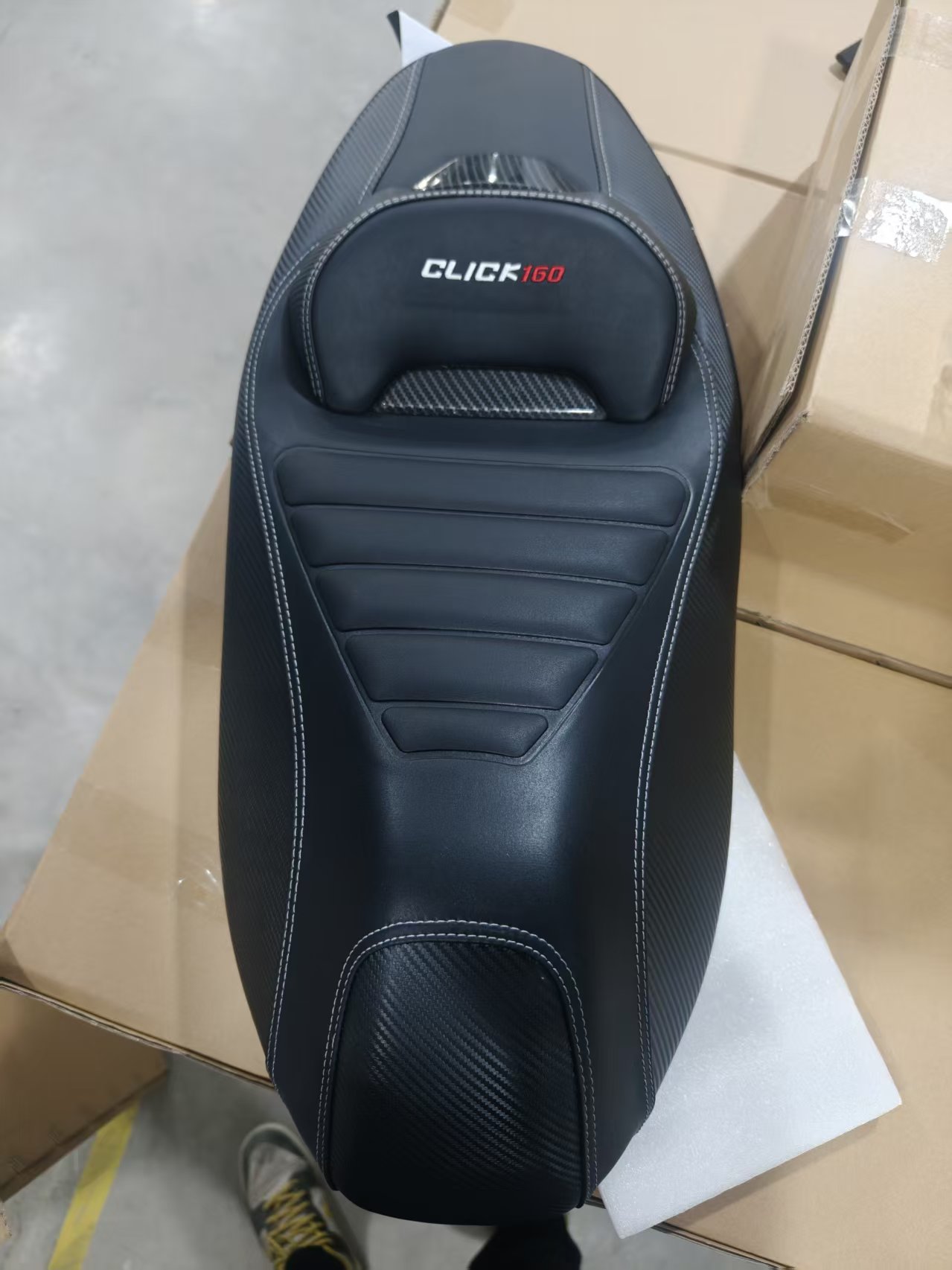
A scooter seat and a dirt bike seat are two configurations of the same replacement product line, not two competing products. Both are built on a PP plate with PU foam, 80D high-density foam and PVC leather, and both are sold to restore seating comfort, appearance and waterproof performance on a motorcycle that is already on the road. What separates them is where the rider sits — and which platform the seat has to bolt onto.
That difference matters most to the people buying seats in volume: motorcycle parts retailers, repair shops, accessory brands and distributors. Choose the wrong configuration and the seat becomes either a fitment return or slow-moving stock. This guide compares the two configurations on intended use, ergonomic logic and fitment, lists the scooter platforms the product line is documented against — Nmax, Xmax, Aerox, ADV150, ADV160, Forza, PCX and Click — and closes with a sourcing workflow, a comparison table and a buyer FAQ.
Why "I Need a Motorcycle Seat" Is Not a Complete Buying Brief
A replacement seat is a non-powered static fitting part. It mates with the motorcycle main body frame and the body shell, and it has no adjustment range, sensor or electronic calibration that can compensate for a wrong selection. Configuration choice therefore happens before price negotiation, not after it.
Two different buyer problems hide behind the same product name.
Problem one is fitment and appearance. A seat described only as a "motorcycle seat" tells a repair shop nothing about whether it will sit correctly against a commuter scooter's body shell or match the visual line of the machine. Seats are bought both to restore riding comfort and to improve the appearance of a bike, so a poor match is immediately visible to the end customer — there is no way to pass it off.
Problem two is inventory logic. A retailer stocking one configuration for a scooter-heavy market and another for an off-road market is placing two different bets. Scooter replacement demand is frequent, repeat and platform-specific. Off-road replacement demand is smaller in unit terms and tied to a different rider behaviour. Buying both without understanding the difference is how dead stock is created.
There is a third layer that buyers in regulated markets cannot ignore. Where a seat forms part of a vehicle type-approval or a regulated replacement requirement, the component may fall under seat-specific standards rather than general parts rules. UN Regulation No. 17 (ECE R17) establishes uniform provisions for the approval of vehicle seats, anchorages and head restraints. Aftermarket replacement seats are more often governed by the destination market's own rules, so the requirement should be confirmed with the local authority or the end customer before a container is booked — a point revisited in the FAQ below.
The Replacement Seat Market: Aftermarket-Led and Material-Driven
Published research puts the global motorcycle seats market at USD 7.42 billion in 2025, projected to reach USD 13.30 billion by 2032, a CAGR of 8.69% (Market Research Future). Estimates vary by scope: Dataintelo's narrower definition of the same category places the 2025 figure at USD 4.8 billion. The direction is consistent either way, and for a buyer the mix matters more than the headline number.
According to Dataintelo, the aftermarket distribution channel holds the largest share of the motorcycle seat market at approximately 62.3% of revenue, and Asia-Pacific accounted for a 38.5% revenue share in 2025, driven by high production and sales in China. For anyone selling replacement seats, that split is the important part: most seat revenue is generated after the vehicle leaves the showroom, which makes fitment documentation, configuration clarity and repeat availability commercial assets rather than paperwork.
Material direction is equally consistent. Leather remains the premium reference material for motorcycle seats, while synthetic options such as vinyl and foam-based surfaces are increasingly used to deliver waterproof and soft-surface characteristics in the mid-range segment (Fortune Business Insights). A PVC leather surface over PU foam and high-density foam is a direct example of that trend, and it is the build used across the seat line discussed below.
One Product Line, Two Configurations: How Scooter and Dirt Bike Seats Differ
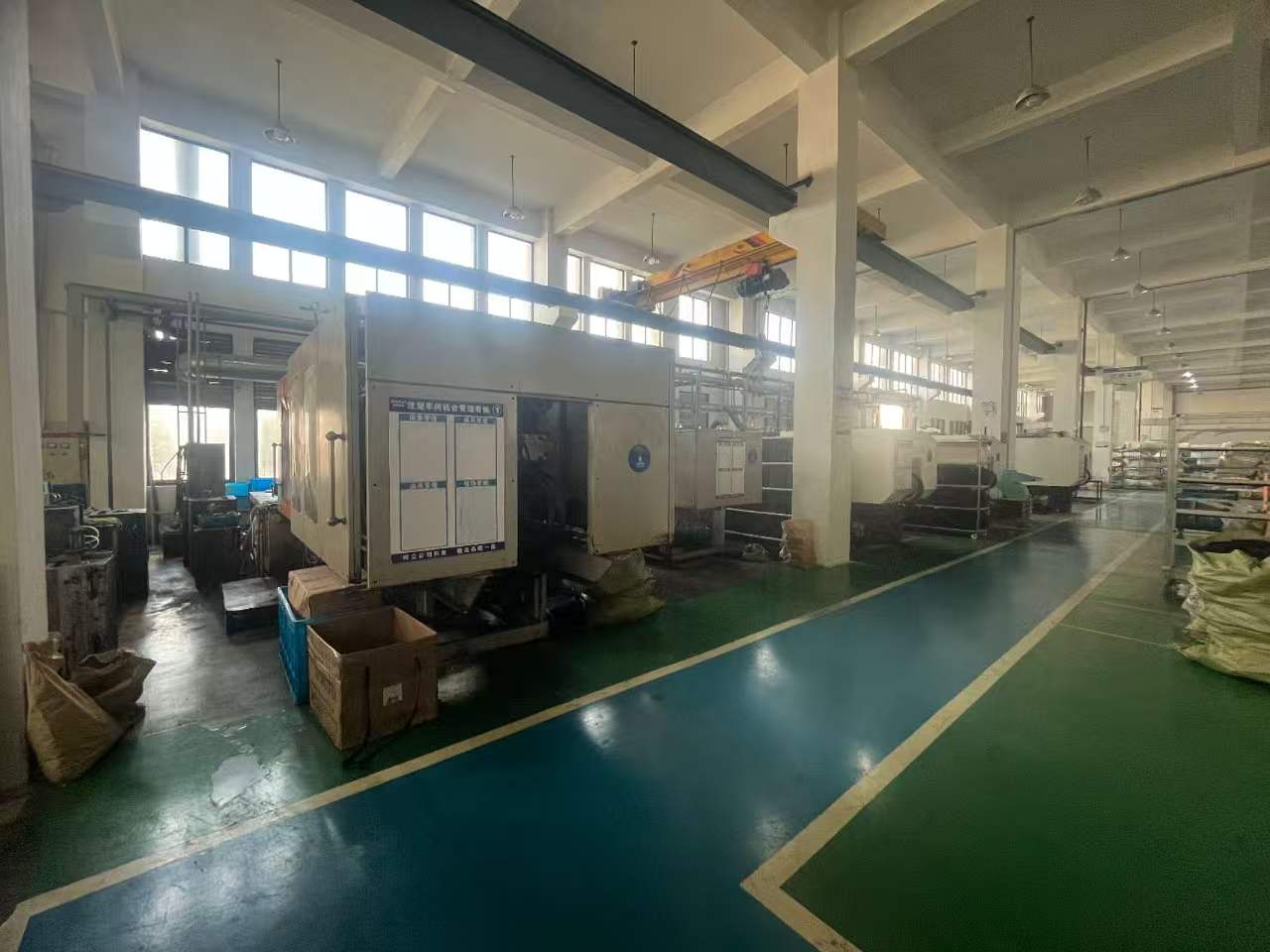
The seat line in question is produced by Zhejiang Xingrong Auto & Motorcycle Parts Co., Ltd. (Staron), a manufacturer of motorcycle, electric vehicle and off-road vehicle seat cushions based at No. 81 Jiangxin Road, Agglomeration Zone, Taizhou City, Zhejiang Province, China. The company was established in 2015, is the earliest established motorcycle saddle factory in Zhejiang province, and operates a 15,000-square-metre manufacturing facility with approximately 130 staff and a five-engineer R&D team. It reports an annual seat cushion capacity of 1,800,000 units and a 90% self-production rate for product accessories, holds ISO9000 quality management system certification and CQC certification, and exports to Southeast Asia, Europe, the Middle East and South America, with export business accounting for 20% of total sales.
Its motorcycle seat product is listed with two configurations inside the same line: scooter seats and dirt bike seats. Both share one material specification — PP plate, PU foam and PVC leather — and one structural specification of 80D high-density foam with a high-strength floor structure. Both are specified for waterproof working conditions and are positioned for repair and replacement demand as much as for new builds, serving motorcycle manufacturers, motorcycle repair shops, motorcycle parts retailers and motorcycle accessory brands.
The scooter seat configuration
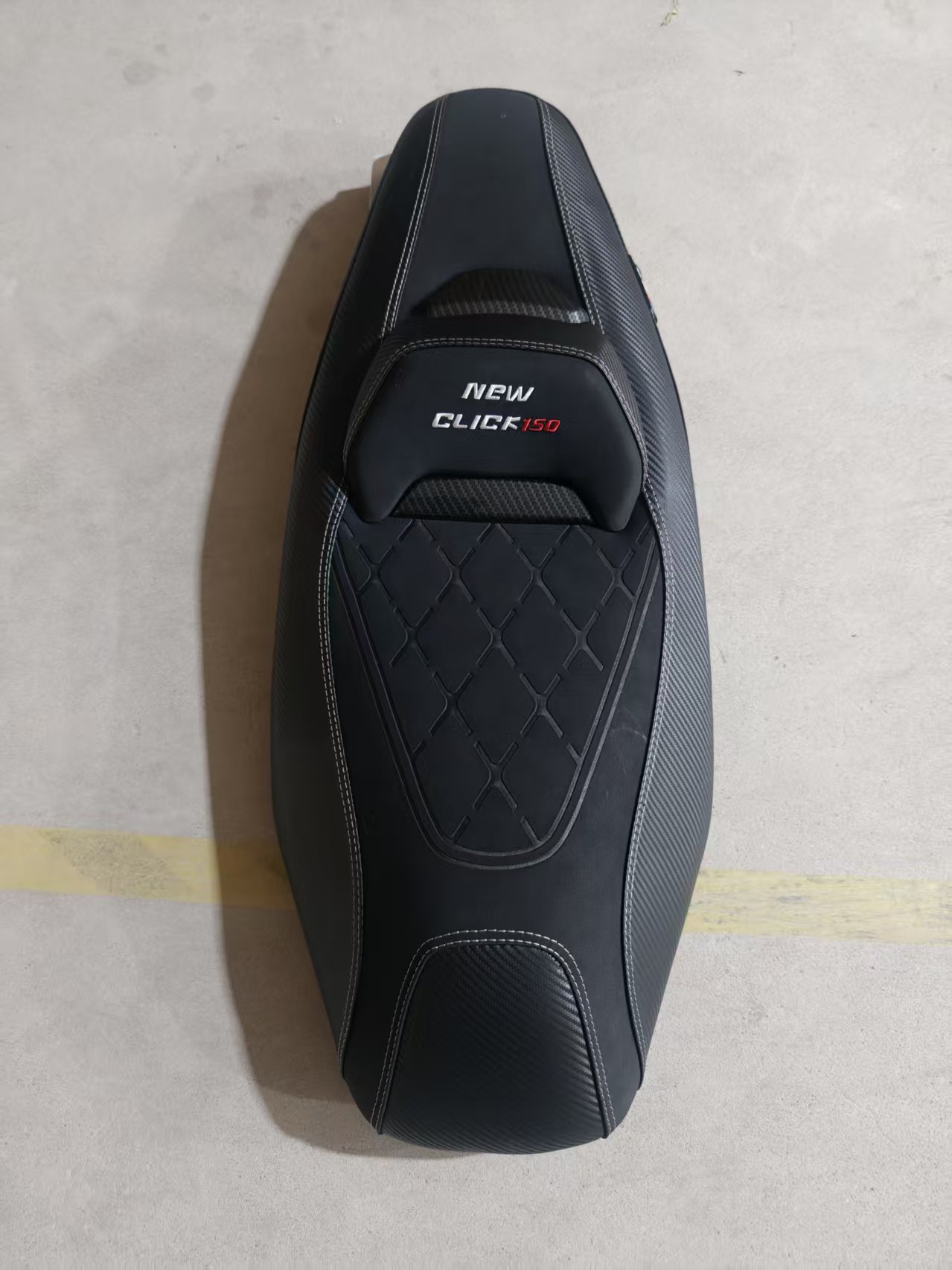
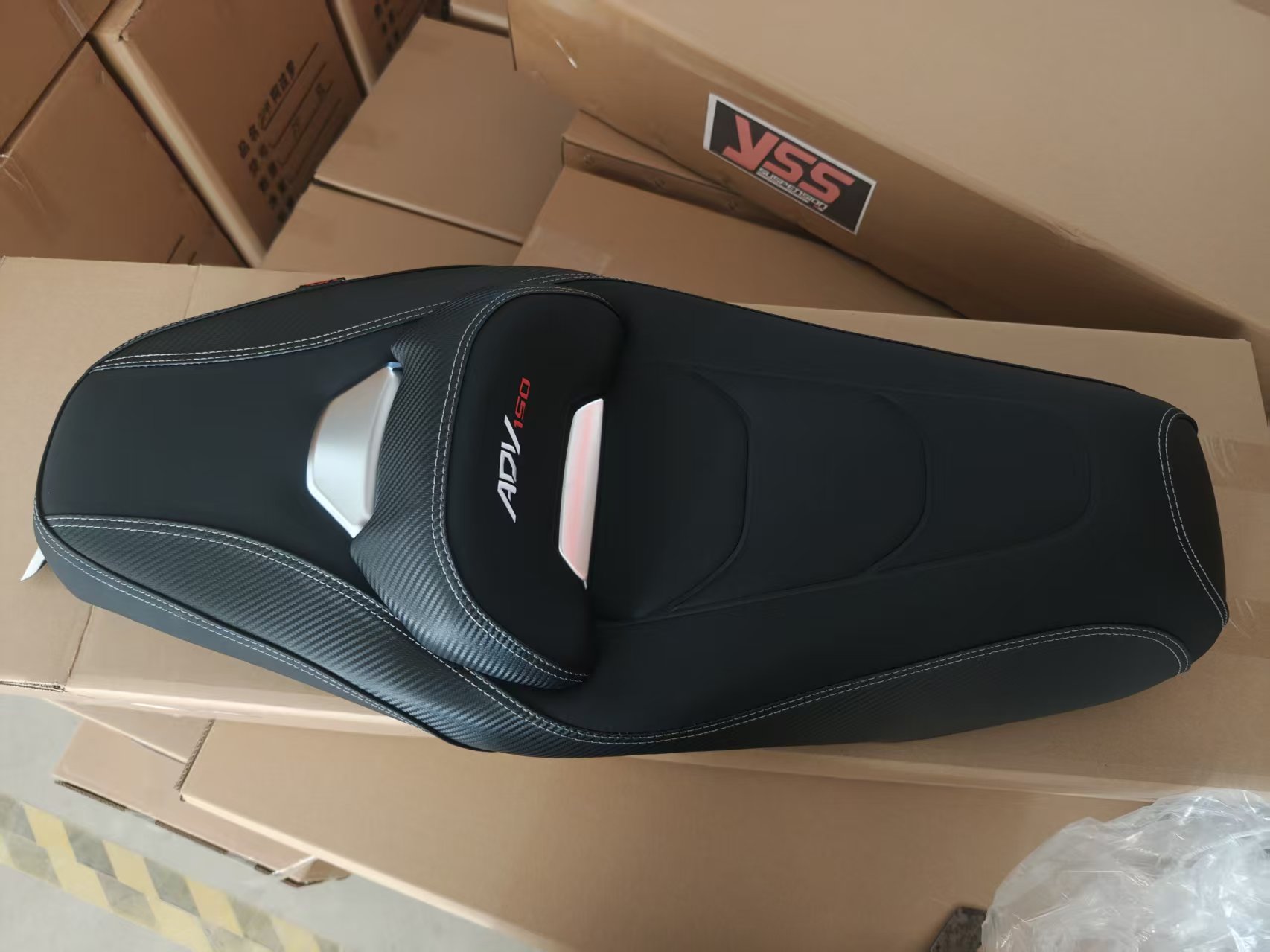
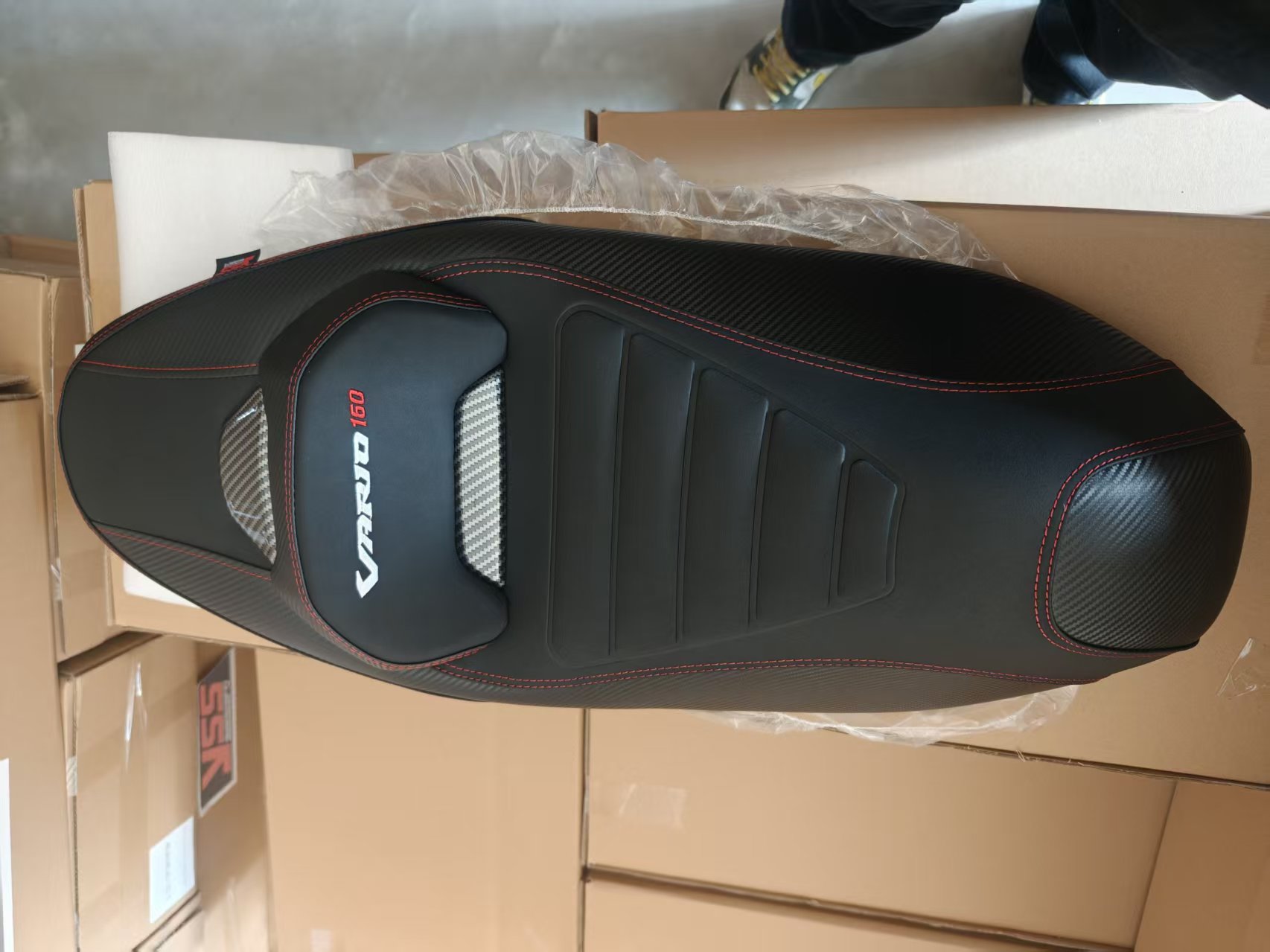
This configuration is documented against a defined fitment family: Nmax, Xmax, Aerox, ADV150, ADV160, Forza, PCX and Click. That list is the single most useful fact for a buyer, because scooter seat demand is platform-specific — a retailer in a Click-dense market and a retailer in an Xmax-dense market are buying the same product family for different reasons.
Intended use is continuous urban and commuting riding. The rider stays seated for long periods, so the design brief is long-duration seating feel, appearance, and resistance to weather and surface wear. The application requirement attached to the line is explicit on this point: weather resistance, a wear-resistant surface and ergonomic design. The functional brief is to provide a comfortable riding sitting experience, beautify the motorcycle appearance, and support old seat maintenance and direct replacement.
The dirt bike seat configuration
The second configuration serves off-road and dirt bike applications and sits inside the same manufacturer's off-road vehicle seat cushion competence. The rider behaviour is different in kind: an off-road rider moves body weight forward, backward and sideways, and frequently rides standing. Seats for this use are generally narrower and flatter, with a surface that limits sliding, because the priority is control and freedom of movement rather than long-distance cushioning. The trade-off is deliberate — cushioning is reduced exactly where a scooter seat adds it.
Because off-road platforms vary widely, the fitment argument for a dirt bike seat is confirmed per platform rather than drawn from a single published model list. Buyers should treat mounting confirmation as a procurement step, not an assumption.
The material build shared by both configurations
- PP plate — the base layer that carries the mounting interface and holds the seat shape.
- PU foam — the primary cushioning layer.
- 80D high-density foam — the density-graded layer that governs how the seat resists compression over time.
- PVC leather — the surface layer, specified for waterproof performance and a wear-resistant finish.
- High-strength floor structure — the supporting structure listed alongside the foam specification.
The stated product benefits are a good seating feel, a good visual effect, repair and replacement suitability, and waterproof performance. Read practically, that means the same material conversation applies to both configurations, so the buying decision should be made on riding position and fitment first, and on material specification second.
A Seven-Step Replacement Selection Workflow
- Identify the platform and the mounting interface first. Before discussing materials, confirm the bike model and the seat mounting points on the frame and body shell. For the scooter configuration, start from the documented fitment list — Nmax, Xmax, Aerox, ADV150, ADV160, Forza, PCX, Click — then verify the exact variant.
- Classify the rider's position, not the rider's budget. Continuous seated riding points to the scooter seat configuration; a rider who stands and shifts weight points to the dirt bike seat configuration. This single question eliminates most mis-buys.
- Match the configuration to the riding position. Do not try to compromise between the two. A dirt bike seat chosen for scooter comfort, or the reverse, will be obvious to the end customer within the first ride.
- Read the specification, not the photograph. The verifiable parameters are PP plate, PU foam, PVC leather, 80D high-density foam and a high-strength floor structure. Ask for those in writing.
- Confirm waterproofing and surface requirements. The line is specified for waterproof working conditions and a wear-resistant surface. If the destination market adds its own demand — UV exposure, salt air, heavy monsoon rain — confirm it before ordering rather than after.
- Validate on a real bike with a sample. Fit the sample to the actual platform, check alignment against the frame and body shell, sit on it, and check surface feel and stitching. This is the step that converts a specification sheet into an order decision.
- Plan volume against production capacity, then set a reorder trigger. With 1,800,000 seat cushion units of annual capacity and a 90% accessories self-production rate, the supply side is built for repeat programmes rather than one-off lots. Lead time still varies with configuration, quantity and customisation, so confirm it at order stage and build a reorder threshold into your inventory plan.
Who Buys Which Configuration: Four Practical Scenarios
1. Urban scooter replacement in Southeast Asia
Thailand, Vietnam, Taiwan, India, Iran, Italy, Korea, Lebanon, Portugal and Turkey are among the markets listed for this line. In scooter-dense cities, the replacement trigger is a worn or torn original seat on a Click-class or PCX-class machine, and the buyer's requirement is quick fitment, a waterproof surface and an appearance that matches the bike. The scooter seat configuration answers this case directly.
2. Repair shops handling old-seat maintenance
A repair shop's economics depend on turning a bike around quickly. The line is positioned for old seat maintenance and direct replacement, with the seat acting as a static fitting part rather than a component requiring recalibration. A shop that keeps two or three fast-moving scooter fitments on the shelf shortens job time without adding technical risk.
3. Parts retailers and accessory brands stocking both
Retailers serving a mixed customer base often carry the scooter configuration as the volume line and the dirt bike configuration as the coverage line. The two are sold on different arguments: scooter seats on comfort, waterproofing and appearance; dirt bike seats on movement, grip and control. Describing them identically in a catalogue is the most common merchandising error.
4. Off-road replacement and prepped bikes
Off-road riders replace seats after damage, or when an original seat has compressed and lost its shape. The requirement is a stable, wear-resistant surface that survives contact with riding gear and dirt, in a shape that does not restrict movement. Here the material build is shared with the scooter configuration, but the ergonomic brief is not.
Scooter Seat vs Dirt Bike Seat: Configuration Comparison
| Decision factor | Scooter seat configuration | Dirt bike seat configuration |
|---|---|---|
| Primary intended use | Urban and commuting riding; long seated periods | Off-road riding; active rider movement and standing position |
| Documented fitment | Nmax, Xmax, Aerox, ADV150, ADV160, Forza, PCX, Click | Confirmed per off-road platform before ordering |
| Ergonomic priority | Continuous seating comfort and appearance | Freedom of movement and surface control |
| Material build | PP plate, PU foam, PVC leather, 80D high-density foam, high-strength floor structure | Same shared material and structural specification |
| Waterproofing | Specified for waterproof working conditions | Specified for waterproof working conditions |
| Functional brief | Comfortable seating, appearance improvement, old seat maintenance, direct replacement | Replacement seat matched to the off-road riding position; same repair and replacement logic |
| Typical buyer | Motorcycle parts retailers and repair shops in scooter markets | Off-road focused retailers and accessory brands |
| Regulatory note | Where a seat forms part of a vehicle type-approval or a regulated replacement requirement, approval provisions such as ECE R17 may apply. Confirm market-specific rules before ordering. | |
Frequently Asked Questions
Do replacement motorcycle seats need to comply with ECE R17?
ECE R17 is the United Nations regulation that establishes uniform provisions for the approval of vehicle seats, anchorages and head restraints, and it applies where a seat forms part of a vehicle type-approval or a regulated replacement requirement in the destination market. Aftermarket replacement seats are more often governed by that market's own consumer and vehicle rules, so the correct approach is to confirm the requirement with the importing authority or the end customer before ordering. The manufacturer holds ISO9000 quality management system certification and CQC certification; these are factory and product certifications that sit alongside, not instead of, any vehicle-level approval your market requires.
Can one supplier deliver both scooter and dirt bike seat configurations?
Yes. The same motorcycle seat product line lists both configurations — scooter seats and dirt bike seats — under one manufacturer, Zhejiang Xingrong Auto & Motorcycle Parts Co., Ltd., using a shared material specification of PP plate, PU foam and PVC leather with 80D high-density foam and a high-strength floor structure. The company operates a 15,000-square-metre facility with approximately 130 staff and a five-engineer R&D team, reports 1,800,000 units of annual seat cushion capacity, and maintains a 90% self-production rate for product accessories. For a distributor or accessory brand, that means one supplier relationship can cover both a scooter-heavy and an off-road-heavy product mix.
What drives the cost of a replacement seat order?
Four variables dominate: configuration (scooter or dirt bike seat), material specification, order quantity, and customisation such as OEM or ODM work for a private-label programme, with packaging and shipping terms adding a further layer. On materials, the listed build is a PVC leather surface over PU foam and 80D high-density foam, and leather remains the premium reference material in the category while synthetic surfaces are increasingly used for waterproof and soft-surface features in the mid-range segment. Because these variables move independently, the useful step is to state your configuration, target market and quantity and request a quotation, rather than compare list prices between suppliers quoting different specifications.
How should a buyer validate a seat before placing a volume order?
Validate physically, on the target platform. Fit the sample to the frame and body shell, confirm mounting alignment and how the seat line reads on the bike, sit on it, and check foam resilience, surface feel and stitching. Then compare what arrived against the written specification — PP plate, PU foam, PVC leather, 80D high-density foam, high-strength floor structure and waterproof performance — rather than against a photograph. Sample discussions can be arranged directly with the manufacturer by email at mike@zjstaron.com or on WhatsApp at +86 13738695125.
What supports lead time and reorder reliability?
Lead time depends on configuration, quantity and level of customisation, so it should be confirmed order by order rather than assumed from a catalogue. What can be assessed in advance is production backing: 1,800,000 units of annual seat cushion capacity, a 90% accessories self-production rate, a 15,000-square-metre plant with approximately 130 staff, and an export footprint covering Southeast Asia, Europe, the Middle East and South America, where export business accounts for 20% of total sales. The full seat cushion range, including both the scooter and dirt bike configurations, is available in the downloadable catalogue below — the practical next step for a buyer comparing fitments before requesting a quotation.
The Decision Rule in One Sentence
Choose the scooter seat configuration when the rider stays seated on a platform from the documented fitment list, and the dirt bike seat configuration when the rider stands, shifts weight and rides off-road — then confirm material specification, platform fitment and market rules before committing to volume. Both configurations come from the same line, so the decision is about riding position and stock coverage, not about which product is better.
Next step for buyers
Download the STARON seat cushion catalogue for the full range, including scooter and dirt bike seat configurations: STARON Seat Cushion Catalogue (PDF).
For configuration matching, samples or a quotation, contact Zhejiang Xingrong Auto & Motorcycle Parts Co., Ltd. at mike@zjstaron.com or WhatsApp +86 13738695125, or visit www.zjstaron.com.