
Top Motorcycle Seat Upgrades for Nmax, Xmax, Aerox, ADV160, Forza, PCX and Click: A Buyer's Ranking
Buyer's Ranking · Scooter Seat Upgrades
Top Motorcycle Seat Upgrades for Nmax, Xmax, Aerox, ADV160, Forza, PCX and Click: A Buyer's Ranking
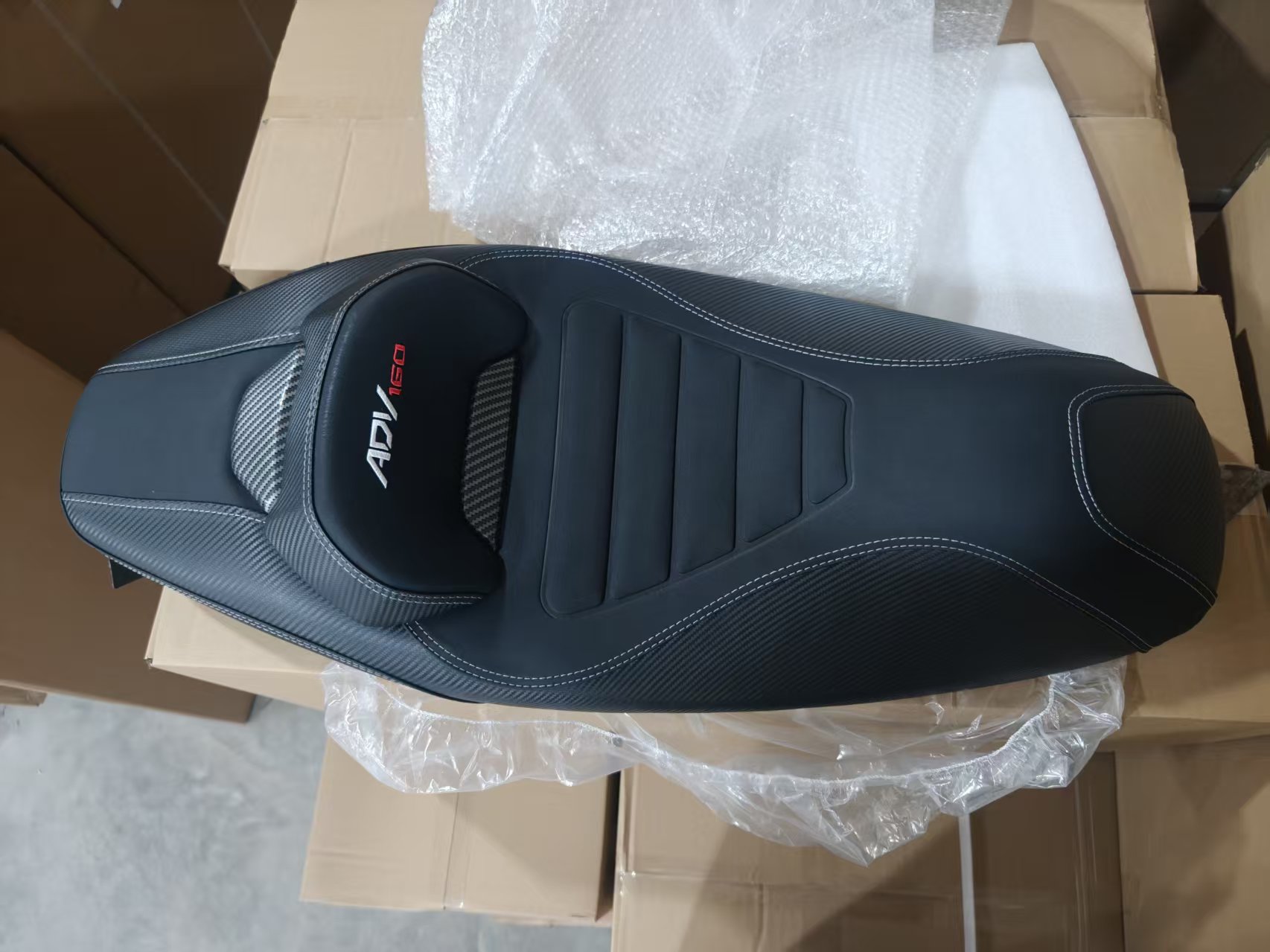
Upgrading the seat on a Yamaha Nmax, Yamaha Xmax, Yamaha Aerox, Honda ADV150, Honda ADV160, Honda Forza, Honda PCX or Honda Click comes down to four checks a buyer can verify before ordering: seating feel, visual effect, repair and replacement capability, and waterproof performance. This ranking orders seat upgrade options for those eight scooter models against exactly those criteria, and states for each entry which configuration applies — scooter seat or dirt bike seat.
Two rules govern the list. First, every entry is built on the same verified construction platform from Zhejiang Xingrong Auto & Motorcycle Parts Co., Ltd. (brand: Staron), a manufacturer of motorcycle, electric vehicle and off-road vehicle seat cushions based in Taizhou City, Zhejiang Province, China: a PVC leather cover, 80D high-density foam, PU foam and a PP plate base with a high-strength floor structure, supported by 100% pre-shipment testing and a 1-year warranty. Second, the ranking order follows the manufacturer's published fitment list for its motorcycle seat program, and the priority checks noted for each model are editorial buyer guidance, not a laboratory score.
If you read only one paragraph, read this one: confirm the model, confirm whether you need a scooter seat or a dirt bike seat, confirm the cover and foam build, and confirm what happens when the seat later needs repair or replacement. Those four confirmations carry most of the value in a seat upgrade.
The Buyer's Problem: Four Criteria Decide Most Seat Upgrades
Seat upgrades fail in four predictable ways, and each one is avoidable with a specification check rather than a test ride.
- Buying on appearance alone. Visual effect is a legitimate criterion — cover design and stitching line color can both be specified — but appearance says nothing about whether the cover is PVC leather or an unspecified vinyl, or whether the foam will hold its shape.
- Treating waterproof performance as a marketing word. Waterproofing is a material and seam property, so it has to be tied to a stated cover material and to pre-shipment testing rather than to a claim.
- Ignoring repair and replacement. A seat is a wear item. Whether it can be re-covered or re-based later depends on the base structure — here, a PP plate with a high-strength floor structure rather than a bonded one-piece shell.
- Confusing scooter and dirt bike configurations. The same manufacturer produces both configurations, so a purchase order that does not state the configuration can deliver the wrong unit.
There is also a sourcing-stage problem that appears after the riding decision is made: minimum order quantity, lead time, acceptance criteria and warranty terms are usually settled late, and late settlement is where upgrade projects lose weeks. In this program the commercial frame is fixed and published: MOQ 50 units, lead time 25–35 days, and a 1-year warranty.
A documented aftermarket example shows what a completed upgrade looks like. A buyer in Lebanon ordered 5,000 pcs of motorcycle seats for motorcycle parts replacement and stayed in the relationship for 2 years; the recorded outcomes were great seating feel, good visual effect and waterproof performance, with repair and replacement capability listed as a highlight of the supply. Those are the same four criteria this ranking uses, which is why the criteria come from case data rather than from a product brochure.
Industry Background: Why Seat Upgrades Are Now a Category of Their Own
The sizing data explains why seat upgrades have become a buying decision rather than an afterthought. The global motorcycle seats market was valued at USD 7.42 billion in 2025 and is projected to reach USD 13.30 billion by 2032, a CAGR of 8.69% (Market Research Future / Dataintelo). Three structural facts sit behind that number.
- Replacement, not first fit, is the volume driver. The aftermarket distribution channel holds the largest share of motorcycle seat market revenue, at approximately 62.3% (Dataintelo). Most seat money changes hands after a seat has already been used.
- Asia-Pacific leads. The region accounted for a 38.5% revenue share in 2025, driven by high production and sales in China (Dataintelo) — the same region where most scooter seat tooling and foam supply is concentrated.
- Materials moved toward synthetics in the mid-range. Leather remains a premium material, while synthetic options such as vinyl and foam are increasingly used to deliver waterproof and soft-surface features in the mid-range segment (Fortune Business Insights). PVC leather covers belong to that trend, not outside it.
One caution on market numbers: published estimates diverge. A broader two-wheeler-adjacent report from Dataintelo puts the same market at roughly USD 4.8 billion for 2025, against the USD 7.42 billion figure from Market Research Future. Both are source-attributed, and the gap is a definition gap rather than a data error. Buyers should use these figures for direction, not as a line item in a business case.
Regulation is the other background fact that touches seat sourcing. UN Regulation No. 17 (ECE R17) establishes uniform provisions for the approval of vehicle seats, anchorages and head restraints, and it is the reference buyers use in regulated markets. It is a type-approval standard rather than a default requirement for every aftermarket scooter seat, so the useful question is not whether the seat is R17, but which standard applies in your market and what the factory actually holds. For this manufacturer, the published certifications are ISO9000 quality management system certification and CQC certification.
The Upgrade Platform Behind Every Ranked Entry
All eight entries in the ranking are produced on one construction platform. Understanding it takes about two minutes and makes the rest of the ranking readable, because the differences between entries are fitment and priority, not materials.
1. Cover: PVC leather
The cover is PVC leather, the material that carries waterproof performance and the soft surface buyers describe as a comfortable motorcycle seat. It is also the customization surface: leather cover design and stitching line color are both configurable, which is how a brand-matched private-label upgrade is produced.
2. Core: 80D high-density foam over PU foam
The foam stack combines 80D high-density foam with PU foam. Density is what determines whether a soft motorcycle seat still supports a rider after a season of use; the PU layer provides the immediate cushioning feel. When a buyer asks for a soft seat, this is the specification to discuss, not a shape description.
3. Base: PP plate and high-strength floor structure
The base is a PP plate with a high-strength floor structure. This is the part that decides repair and replacement capability, because a rigid, serviceable base can be re-covered or re-foamed later. It is also why the Lebanon case records repair and replacement as a supply highlight rather than as an after-sales extra.
4. Customization: OEM and ODM
The manufacturer provides OEM and ODM production services, and ODM covers custom motorcycle seat development, including design and production according to client specifications. In practice the exposed customization variables are logo and brand marking, leather cover design, and stitching line color.
5. Quality control and warranty
Every unit passes a 100% pre-shipment test, and the seat carries a 1-year warranty. For buyers, those two facts map directly to the acceptance criteria used at order stage: pre-shipment testing, plus third-party inspection where the buyer requires it.
6. Manufacturing base and capacity
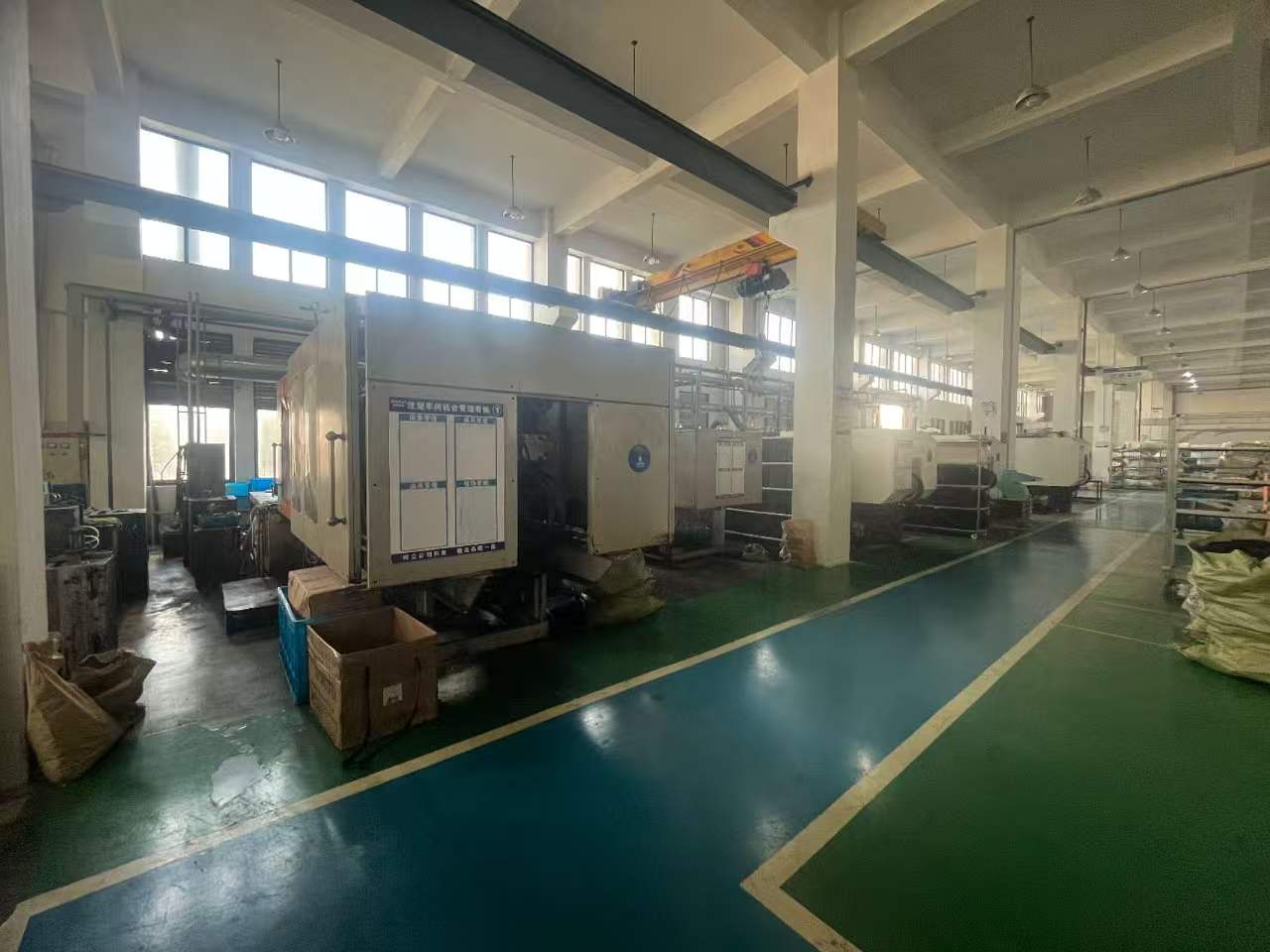
Capacity is a real constraint in seat sourcing, because foam and cover tooling cannot be scaled overnight. Zhejiang Xingrong operates a 15,000 m² plant with 130 employees, founded in 2015, with a monthly seat capacity of 50,000 pcs and an annual output of 1,800,000 units. The accessory self-production rate is 90%, which means most assembly inputs are made in-house rather than brokered, and a 5-engineer R&D team handles custom development. Exports account for 20% of output, with main markets in Southeast Asia, Europe, the Middle East and South America.
The Ranking: Eight Scooter Seat Upgrades, Checked Against Four Criteria
The order below follows the manufacturer's published fitment list for this seat program — Nmax, Xmax, Aerox, ADV150, ADV160, Forza, PCX and Click. Each entry states the configuration that applies and the criterion a buyer should verify first. Materials are constant across all eight, so the practical difference between entries is fitment, use profile and which checks dominate.
#1 — Nmax: verify cover and core first
The Nmax is a scooter platform commonly used for daily commuting and light touring, which puts seating feel and waterproof performance at the top of the check list. Confirm the cover material (PVC leather), confirm the foam stack (80D high-density foam over PU foam), and confirm that the cover is stitched rather than bonded, because seam construction is where waterproof performance is won or lost. Visual effect is the second priority and the easiest to specify: leather cover design and stitching line color are both configurable. Repair and replacement capability is the third check, and it is a base question rather than a cover question — the PP plate and high-strength floor structure decide whether the seat can be re-covered in a later season.
#2 — Xmax: seating feel first, serviceability second
The Xmax is a maxi-scooter platform, and longer, faster rides change the weighting: seating feel moves to first place because a seat that loses support is felt over distance. The specification to confirm is foam density and layering — 80D high-density foam beneath a PU foam cushioning layer — rather than a shape description. Waterproof performance is second, and repair and replacement capability third, because a longer service life makes a serviceable base more valuable than a decorative one. Visual effect comes last on this platform, though logo marking, leather cover design and stitching line color remain available for OEM and private-label orders.
#3 — Aerox: appearance-led, but not appearance-only
Aerox is a sport-styled scooter platform, so visual effect moves to first place in the criteria order — but appearance-led buyers should not skip the material checks. The visual levers available here are leather cover design and stitching line color, both produced on the same PVC leather cover used across the program. Seating feel is second: on a sport-styled scooter the seat is shorter and the rider sits further forward, so shape and foam density together decide comfort, and density is the part that can be written into a purchase order. Waterproof performance and repair and replacement capability complete the list.
#4 — ADV150: waterproofing leads
The ADV150 is an adventure-styled scooter, which usually means mixed road conditions and more exposure to water and dust. That reorders the checks: waterproof performance first, repair and replacement second. The cover is PVC leather and should be confirmed together with the seam specification rather than as a standalone claim. The manufacturer's published fitment list includes the ADV150 as its own entry, so fleets running both ADV150 and ADV160 units can source both from a single seat program instead of splitting the order.
#5 — ADV160: same family, configuration confirmed
The ADV160 sits in the same adventure-styled scooter family and takes the same priority logic: waterproof performance and repair and replacement ahead of appearance. The practical detail for this model is configuration confirmation. The seat program covers both scooter seat and dirt bike seat configurations, and the ADV160 application is a scooter seat, so a buyer sourcing for ADV160 fleets and off-road models at the same time must state the configuration per line item. Beyond that, the specification set is identical to the rest of the ranking.
#6 — Forza: comfort plus long service life
The Forza is a maxi-scooter platform used for longer trips, so seating feel and repair and replacement capability both move up. The comfort side is decided by the foam stack (80D high-density foam plus PU foam); the longevity side is decided by the base (PP plate with a high-strength floor structure). For a Forza buyer planning a multi-season replacement cycle, the repair and replacement question belongs at quotation stage rather than after the first season. Visual effect is the last of the four criteria here, although stitching line color stays configurable.
#7 — PCX: replacement capability leads
The PCX is a widely used commuter scooter platform, and commuter applications are where aftermarket replacement demand concentrates — the aftermarket channel accounts for roughly 62.3% of motorcycle seat market revenue (Dataintelo). For that reason, repair and replacement capability is the first check on this entry, followed by waterproof performance, since commuter scooters are typically parked outdoors. Seating feel and visual effect follow, and both can be specified: foam stack for feel, leather cover design and stitching line color for appearance.
#8 — Click: durability and stock planning
The Click is a commuter scooter platform common in Southeast Asian markets, where it is ridden in dense traffic and year-round wet conditions. Repair and replacement capability and waterproof performance therefore lead the checks, with seating feel third and visual effect fourth. The specification set matches every other entry: PVC leather cover, 80D high-density foam over PU foam, PP plate base with high-strength floor structure, 100% pre-shipment testing and a 1-year warranty. For a distributor running Nmax, Click and PCX parts counters side by side, one seat program covering all eight models simplifies inventory, and the published minimum order quantity of 50 units applies across the program.
Step-by-Step: How to Run an Eight-Model Seat Upgrade Project
The sequence below is written for a buyer running a first order, whether for one model or for several.
- Confirm the platform and the configuration. List the exact models (Nmax, Xmax, Aerox, ADV150, ADV160, Forza, PCX, Click) and state, per line, whether you need a scooter seat or a dirt bike seat. This program produces both configurations, so the configuration must be explicit.
- Rank the four criteria for your market. In wet or coastal markets, waterproof performance should outrank visual effect; in rental or fleet use, repair and replacement should outrank appearance; in retail, visual effect and seating feel usually carry the sale.
- Write the cover and core specification into the order. PVC leather cover; 80D high-density foam plus PU foam. These two lines decide criteria one, two and four.
- Decide the customization level. Standard production, or OEM/ODM with logo and brand marking, leather cover design and stitching line color. ODM also covers custom seat development and production to client specifications.
- Validate with pre-shipment testing. Every unit passes a 100% pre-shipment test, and acceptance criteria can additionally include third-party inspection. Build both into the order documents.
- Fix the commercial terms. Minimum order quantity is 50 units, lead time is 25–35 days, delivery terms are FOB or EXW, and payment terms are 30% T/T in advance with 70% T/T against copy of B/L.
- Plan the service life. Register the 1-year warranty and confirm how re-covering or base replacement will be handled later — this is where the PP plate and high-strength floor structure pay for themselves.
Use Cases: Which Upgrade Path Fits Which Buyer
Motorcycle repair shops and parts retailers. Demand here is replacement-driven, so waterproof performance and repair and replacement capability matter most. The Lebanon order of 5,000 pcs over 2 years is the closest match to this profile: motorcycle parts replacement, with seating feel, visual effect, waterproof performance and repair and replacement all recorded as outcomes.
Motorcycle accessory brands. Private-label buyers should lead with visual effect and seating feel, and use the three exposed customization variables — logo and brand marking, leather cover design, stitching line color — to differentiate the range without changing the underlying platform.
Scooter and motorcycle manufacturers. OEM fitment buyers need a stated configuration, a documented material set and a supply schedule that matches assembly. A monthly capacity of 50,000 pcs and a lead time of 25–35 days define what can be planned.
Importers and distributors in wet or coastal markets. Waterproof performance moves to first place for buyers reselling into Southeast Asia, Europe, the Middle East and South America, the manufacturer's main export markets. PVC leather covers and pre-shipment testing are the two facts to put in front of a technical buyer.
Off-road and dual-purpose programs. The same program produces dirt bike seat configurations, so off-road buyers can consolidate suppliers, provided the configuration is stated on each line item rather than assumed.
Comparison Table: The Eight Models at a Glance
| Rank | Scooter model | Configuration | Verified construction | Priority checks (editorial) |
|---|---|---|---|---|
| 1 | Nmax | Scooter seat | PVC leather cover; 80D high-density foam + PU foam; PP plate / high-strength floor structure | Seating feel → waterproof → visual effect → repair & replacement |
| 2 | Xmax | Scooter seat | PVC leather cover; 80D high-density foam + PU foam; PP plate / high-strength floor structure | Seating feel → waterproof → repair & replacement → visual effect |
| 3 | Aerox | Scooter seat | PVC leather cover; 80D high-density foam + PU foam; PP plate / high-strength floor structure | Visual effect → seating feel → waterproof → repair & replacement |
| 4 | ADV150 | Scooter seat | PVC leather cover; 80D high-density foam + PU foam; PP plate / high-strength floor structure | Waterproof → repair & replacement → seating feel → visual effect |
| 5 | ADV160 | Scooter seat | PVC leather cover; 80D high-density foam + PU foam; PP plate / high-strength floor structure | Waterproof → repair & replacement → seating feel → visual effect |
| 6 | Forza | Scooter seat | PVC leather cover; 80D high-density foam + PU foam; PP plate / high-strength floor structure | Seating feel → repair & replacement → waterproof → visual effect |
| 7 | PCX | Scooter seat | PVC leather cover; 80D high-density foam + PU foam; PP plate / high-strength floor structure | Repair & replacement → waterproof → seating feel → visual effect |
| 8 | Click | Scooter seat | PVC leather cover; 80D high-density foam + PU foam; PP plate / high-strength floor structure | Repair & replacement → waterproof → seating feel → visual effect |
Configuration note: the same seat program also produces dirt bike seat configurations. The eight models above are scooter applications, so the configuration must be confirmed per line item at order stage.
| Program fact | Published specification |
|---|---|
| Production mode | OEM and ODM |
| Customization | Logo and brand marking; leather cover design; stitching line color |
| Minimum order quantity | 50 units |
| Lead time | 25–35 days |
| Monthly capacity | 50,000 pcs |
| Annual output | 1,800,000 units |
| Accessory self-production rate | 90% |
| Plant and team | 15,000 m² plant; 130 employees; founded 2015; 5-engineer R&D team |
| Quality control | 100% pre-shipment test |
| After-sales | 1-year warranty |
| Delivery and payment | FOB or EXW; 30% T/T in advance, 70% T/T against copy of B/L |
| Acceptance criteria | Pre-shipment test; third-party inspection |
| Main export markets | Southeast Asia; Europe; Middle East; South America (20% export ratio) |
FAQ
Are these seat upgrades scooter seats, dirt bike seats, or both?
Both configurations exist in the same program. The product is available in scooter seat and dirt bike seat configurations, and each unit is classified as one or the other. All eight models covered in this ranking — Nmax, Xmax, Aerox, ADV150, ADV160, Forza, PCX and Click — are scooter applications. If your order also includes off-road models, state the configuration on every line item, because the same factory produces both and the purchase order is what separates them.
Can the seat be produced as an OEM or ODM custom seat for a specific model?
Yes. The manufacturer provides OEM and ODM production services, and ODM covers custom motorcycle seat development, including design and production according to client specifications. For custom work, the variables a buyer can control are logo and brand marking, leather cover design, and stitching line color. The underlying construction stays the same and can be stated in the specification: PVC leather cover, 80D high-density foam, PU foam, and a PP plate base with a high-strength floor structure.
What is the minimum order quantity and the production lead time?
The minimum order quantity is 50 units, and the lead time is 25–35 days. Monthly seat capacity is 50,000 pcs, with annual output of 1,800,000 units supported by a 15,000 m² plant and a 90% accessory self-production rate. For distributors ordering several models at once, the MOQ applies to the order rather than forcing a separate minimum per model.
What are the purchasing terms and acceptance criteria?
MOQ is 50 units. Delivery terms are FOB or EXW. Acceptance criteria are a pre-shipment test, with third-party inspection available. Payment terms are 30% T/T in advance and 70% T/T against copy of B/L. Because every unit already passes a 100% pre-shipment test, the acceptance clause mainly fixes the inspection method and the documentation required before release.
What quality and after-sales protection comes with the seat?
Each unit passes a 100% pre-shipment test and the seat carries a 1-year warranty, backed by the manufacturer's ISO9000 quality management system certification and CQC certification. For a first order, the practical next step is to request a sample for the specific model or models you sell, and to download the current STARON seat cushion catalog before finalizing the specification.
Conclusion: The Four Checks That Decide a Seat Upgrade
The ranking above is not a beauty contest. For Nmax, Xmax, Aerox, ADV150, ADV160, Forza, PCX and Click, the four criteria that decide value — seating feel, visual effect, repair and replacement capability, and waterproof performance — all resolve to specifications a buyer can write down: a PVC leather cover, an 80D high-density foam layer over PU foam, a PP plate base with a high-strength floor structure, 100% pre-shipment testing and a 1-year warranty. Only the weighting changes by model and market.
Confirm the model and the configuration, weight the four criteria for your market, specify the materials, validate with pre-shipment testing, and fix the commercial terms (50-unit MOQ, 25–35 day lead time, FOB or EXW, 30% / 70% T/T). That sequence converts a seat upgrade from a gamble into a repeatable order.
Next step: request a sample for your specific model or a quotation for a mixed-model order from Zhejiang Xingrong Auto & Motorcycle Parts Co., Ltd. (Staron). Email mike@zjstaron.com or call / WhatsApp +86 13738695125. Address: No. 81 Jiangxin Road, Agglomeration Zone, Taizhou City, Zhejiang Province, China.