What Is Tarpaulin? A Buyer's Guide to PVC and Coated Fabrics
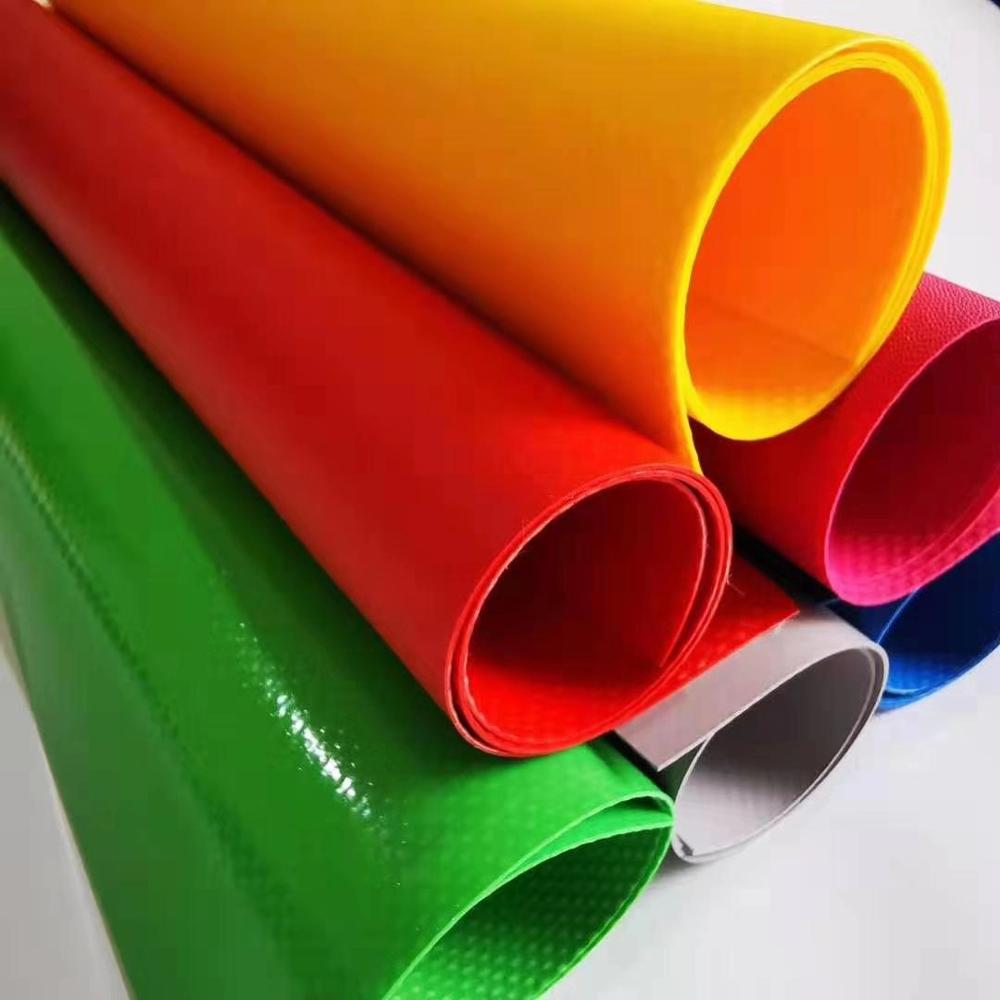
A tarpaulin is a flexible coated or laminated textile used to cover, shelter, contain or protect goods, equipment and structures. That definition is accurate, and on its own it is almost useless for buying decisions — because "tarpaulin" describes a job to be done, not a material recipe. This guide explains what tarpaulin actually is, how the main constructions differ, which performance figures matter, and how buyers in the research stage should shortlist China PVC tarpaulin manufacturers without relying on price per square metre alone.
The Problem: One Word, Many Constructions
Two products sold under the name "PVC tarpaulin" can behave completely differently in service. The difference is rarely visible in a product name. It sits in four places: the base cloth, the polymer coating, the additive package, and the finishing process.
A buyer comparing quotations on price per square metre is comparing a number without comparing the material behind it. A lighter coating weight, an unstabilised polymer, or a base cloth with lower tear strength can all reduce the quoted price while shortening the service life of the finished cover. In the same way, a fabric that passes a flame-retardant test at one standard may not meet a different standard required by the destination market.
The practical consequence is that tarpaulin should be specified by construction plus performance, not by product name. A useful specification answers five questions before any price discussion starts:
- What base cloth carries the load — polyester or fiberglass?
- Which polymer coats it — PVC, TPU, or another compound?
- What performance envelope is required — waterproofing, UV exposure, temperature range, flame retardancy?
- Which standard or certification applies in the destination market?
- Which finishing step is needed — welding, printing, eyelets, or cut-to-size?
Written this way, quotations become comparable, and suppliers can respond to the same technical brief.
Industry Background: Where Tarpaulin Sits in 2026
The global tarpaulin sheets market was valued at USD 7.8 billion in 2026 and is projected to reach USD 12.6 billion by 2036, according to a forecast published by Future Market Insights. Demand is spread across construction, agriculture, industry, transportation, aviation, disaster relief and recreation — a distribution that explains why the category contains so many different fabric constructions rather than one standard product.
Because tarpaulin sits at the boundary between plastics and textiles, trade classification is not always obvious. PVC-coated textile fabric is primarily classified under HS Code 5903.10.90 for China exports. Where the textile is fully encased rather than visibly coated, the same material may fall under HS Code 3921.90 as a plastic sheet. Buyers should confirm the intended classification with their supplier and their customs broker before shipment, because the two headings can carry different duty treatment.
The wider family of technical coated fabrics is also expanding beyond weather protection. The global projector screens market, for example, was estimated at USD 3.62 billion in 2026, with a 6.3% CAGR forecast to 2034. That segment consumes coated and black-backed fabrics with optical requirements — a different specification discipline from a truck cover, but built on the same coating and lamination base.
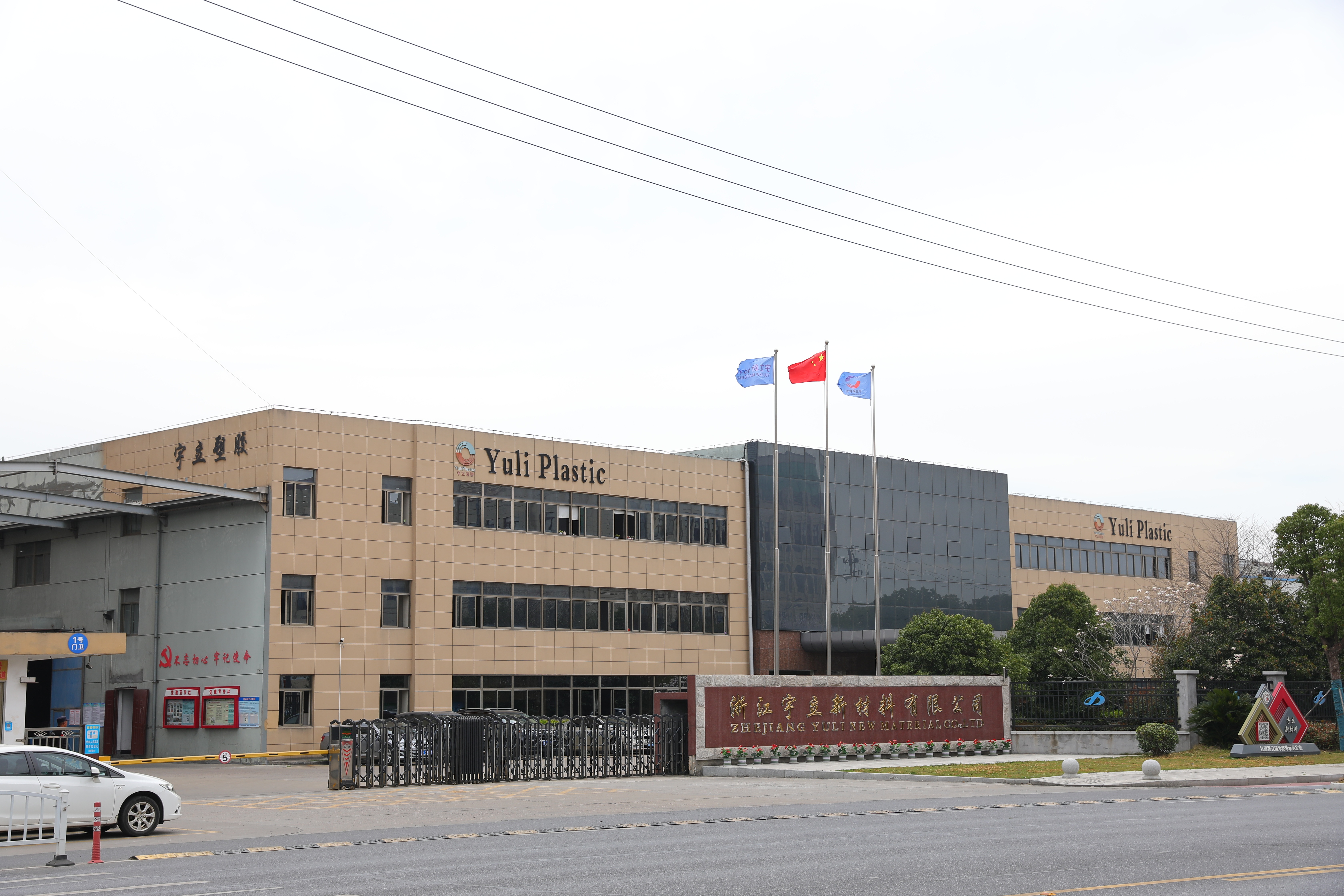
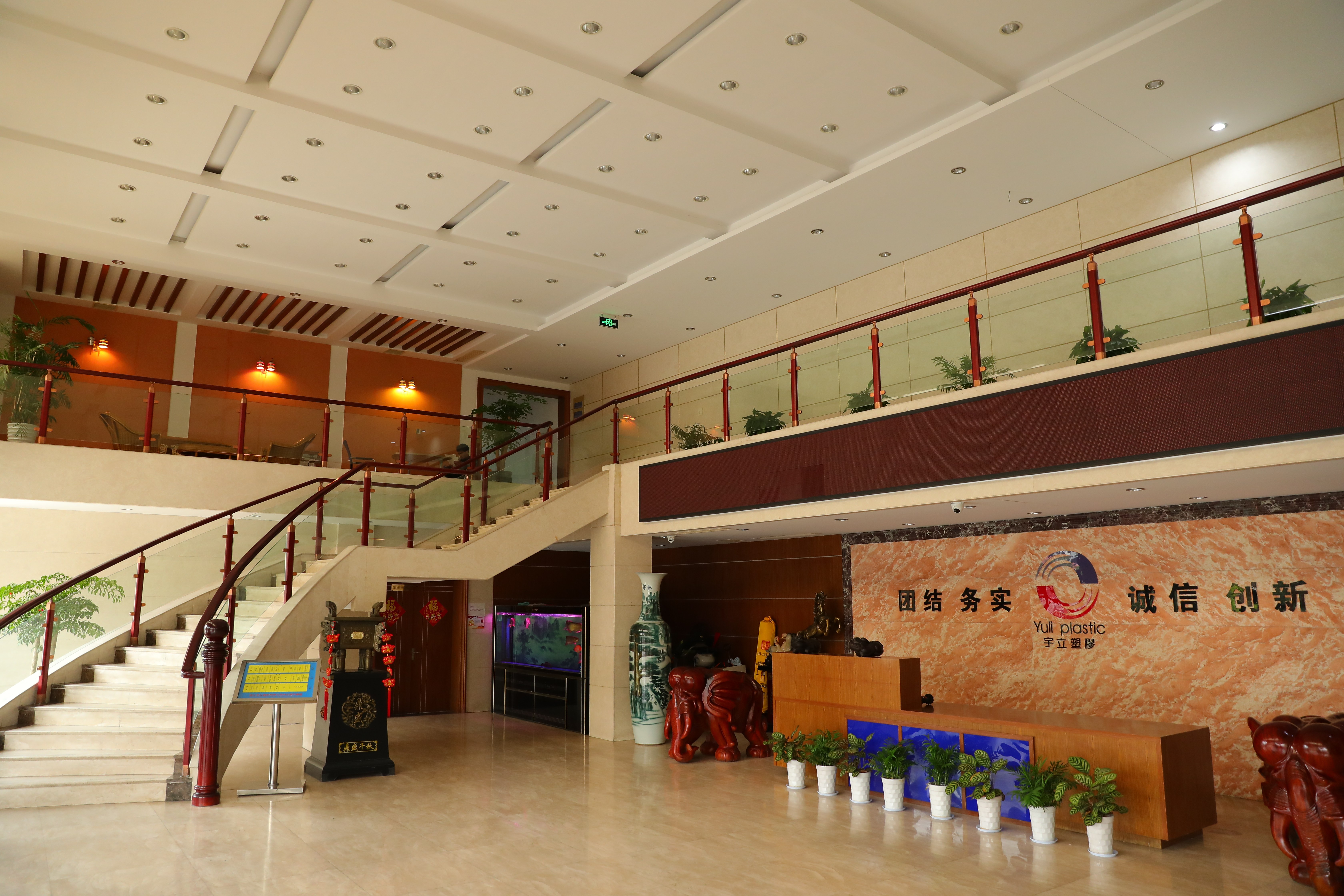
This is the context in which ZHEJIANG YULI NEW MATERIAL CO.,LTD operates. Founded in November 2005, the company is a national high-tech enterprise specialising in high-performance fiber base fabric coating and industrial new materials, with a registered capital of RMB 40 million, approximately 300 employees, and a manufacturing facility covering 54,000 square metres. It reported operating revenue of nearly RMB 500 million in 2025. Its main product is tarpaulin, and its portfolio extends across architectural membrane materials, environmental materials, tent materials, inflatable materials, projection screen fabrics, transportation and storage materials, aviation materials, equipment encapsulation materials and fire emergency materials. Export accounts for 60% of total sales, with major markets in the EU and USA, and products delivered to over 100 countries and regions.
How a Coated Tarpaulin Is Actually Built
Understanding the build order is the fastest route to reading a specification sheet correctly. A coated tarpaulin is produced in three layers of decision: base cloth, coating compound, and finishing.
1. The Base Cloth
The base cloth carries mechanical strength. In the Yuli range, the composite construction consists of a PVC coating applied to either a polyester base cloth or a fiberglass base cloth. The choice changes the behaviour of the finished fabric:
- Polyester base cloth is the standard carrier for general-purpose tarpaulin, tent fabric and covers.
- Fiberglass base cloth is used where dimensional stability and high-temperature tolerance matter — the fiberglass window curtain and fiberglass blackout fabric options in the range use a fiberglass base cloth rather than polyester.
2. The Coating Compound
The coating determines the functional surface. Yuli operates calendering, coating, laminating, printing and surface treatment lines, which is what allows a single manufacturer to serve both heavy-duty covering applications and optical applications such as projection screen fabric.
Model YLCL is a PVC tarpaulin within a coated tarpaulin range that spans PVC tarpaulin, TPU tarpaulin, tent fabric, PVC fabric, blackout fabric, inflatable fabric, vinyl, coated tarpaulin, cover, RV awning, PVC roller blinds fabric and fiberglass window curtain. TPU tarpaulin appears in the same range as an alternative polymer option where a different coating chemistry is required.
3. The Performance Envelope
For the range as a whole, the stated operating parameters are:
- Cold resistance: −30 °C
- Heat resistance: +70 °C
- Waterproof, with hydrostatic pressure ≥3000 mm H₂O
- UV stabilised
- Anti-mildew treatment
- Flame retardant options meeting M1/M2, NFPA701 and EN13501-1
4. Product Families and What Each One Is For
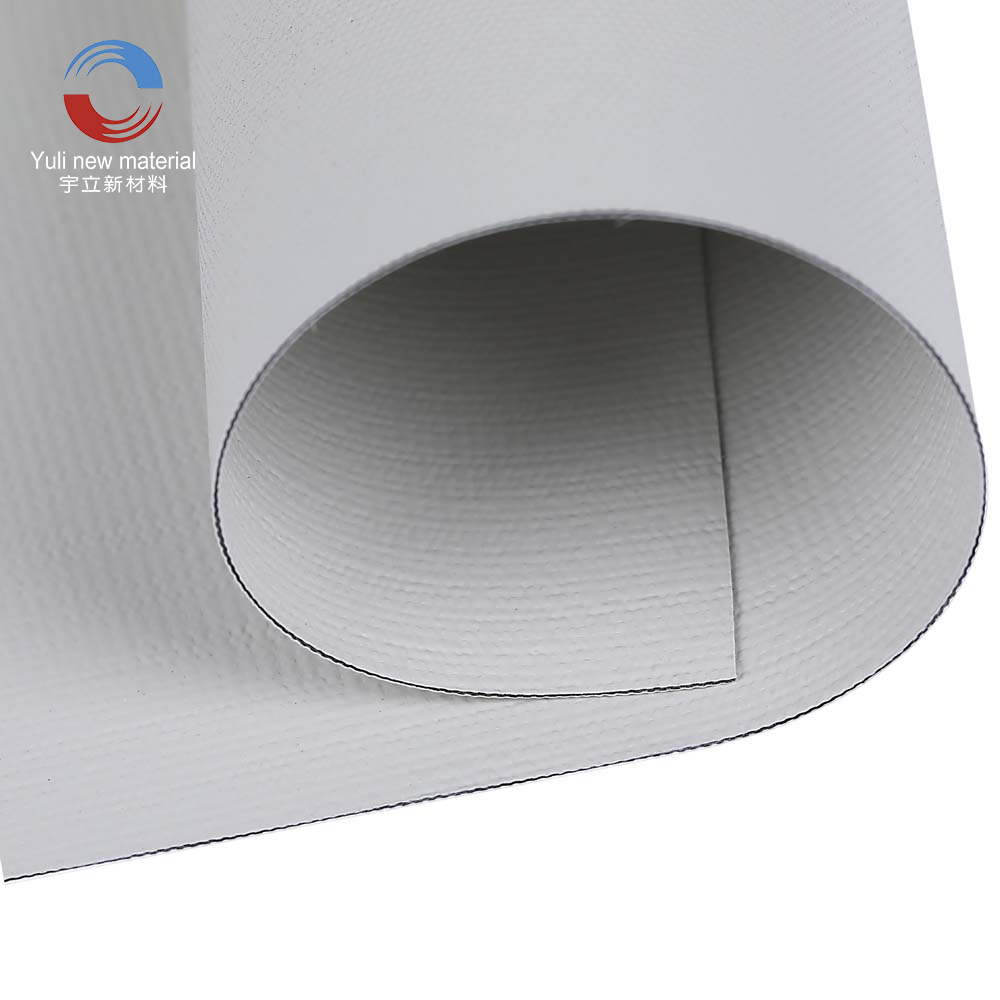
PVC tarpaulin. The workhorse construction: waterproof and UV resistant, with high tensile strength and resistance to tearing and abrasion. It is weatherproof and resistant to mildew and acid, easy to clean, weldable, and available with flame retardant treatment. Typical uses are truck covers, warehouse protection, tents and outdoor protection.
PVC blackout roller fabric. A 100% blackout fabric with good privacy performance, heat insulation and UV blocking. It is anti-mildew and wipeable, with a smooth surface and stable rolling behaviour. Flame retardant grades are available, and the blackout roller fabric is described as REACH compliant. It serves office, hotel and home roller blind applications.
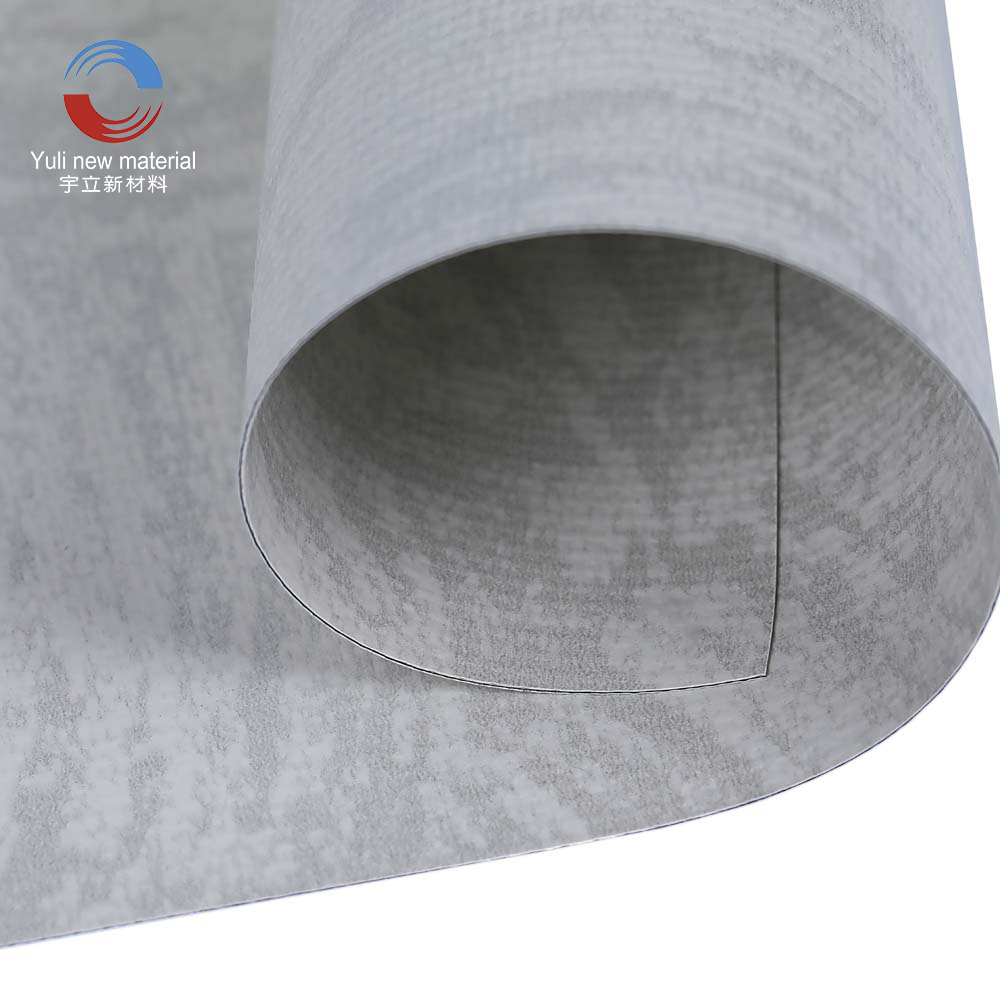
PVC projection screen fabric. A matte surface with no glare, good colour reproduction and a wide viewing angle, with a black backing for high contrast. It is flat and wrinkle resistant, waterproof, and available with anti-static and flame retardant options. It is used for home theatre, meeting rooms and exhibition screens. One reference point in the fiberglass projection screen fabric line — Model P8008 — carries 1.0 gain and a 110-degree viewing angle.
Tent fabric, inflatable fabric, RV awning, cover and banner materials. These are all cut from the same coating capability but differ in weight, finish and reinforcement. Tent fabric in particular is weight-driven, and Yuli's own material guidance for tents points to 650 gsm, 750 gsm and 850 gsm depending on the duty required.
Specifying a Tarpaulin: A Step-by-Step Method
The following sequence works for most first-time buyers, and it converts a vague requirement into a quotation-ready brief.
Step 1 — Define the duty, not the product name
Write down what the fabric must survive: sun exposure hours, wind loading, abrasion from straps or cargo, contact with chemicals, indoor or outdoor installation, and expected replacement cycle. Everything downstream follows from this.
Step 2 — Choose the base cloth
Polyester for general covering, tents and covers. Fiberglass where dimensional stability or higher temperature exposure is the constraint, as in fiberglass window curtain and fiberglass blackout fabric.
Step 3 — Choose the polymer
PVC tarpaulin covers the majority of covering, tent, awning and inflatable applications. TPU tarpaulin is the alternative in the same range when a different coating chemistry is needed.
Step 4 — Set the weight
Weight drives strength, hand-feel, packing volume and freight cost. For tents, the material guidance is:
| Tent duty | Indicated fabric weight |
|---|---|
| Lightweight / short-cycle use | 650 gsm |
| General-purpose tent fabric | 750 gsm |
| Higher-demand, longer service | 850 gsm |
Step 5 — Specify the performance values
Use numeric targets rather than adjectives. State the required hydrostatic pressure (the range baseline is ≥3000 mm H₂O), the temperature range (−30 °C to +70 °C at baseline), and whether UV stabilisation and anti-mildew treatment are mandatory or optional for the application.
Step 6 — Specify compliance by standard name
Flame retardancy must be quoted against a named standard, not a general claim. The standards referenced in this range are M1/M2, NFPA701 and EN13501-1. For roller blind and interior applications, confirm REACH status for the specific fabric. At manufacturer level, Yuli holds ISO9001, ISO14001 and ISO45001 management system certifications, alongside recognitions including National High-tech Enterprise, National Specialized, Sophisticated, Unique and Innovative "Little Giant" Enterprise, and the Zhejiang Export Famous Brand title.
Step 7 — Validate before committing
Request a sample of the exact construction, not a generic swatch. Check weight, hand, coating adhesion, weldability and colour against the brief. Only then move to a production quotation.
Where Tarpaulin Is Used
Truck covers and cargo protection
The product is designed for truck cover, warehouse and tent scenarios, with outdoor equipment covers and cargo covers as typical application scenarios. The relevant properties are tear resistance, weldability and weatherproofing.
Tents and awning structures
Tent and awning projects are a core use case, with waterproofing and UV resistance as the stated special requirements. The matched processing equipment for these applications is a welding machine, which reflects how the finished structure is actually assembled.
RV awnings and roller blinds
RV awning and PVC roller blinds fabric are separate items in the range. The roller blind fabric adds blackout, heat insulation and a stable rolling behaviour to the standard coated fabric base.
Inflatable structures
Inflatable fabric is listed within the same portfolio, alongside equipment encapsulation and fire emergency materials — applications where the coating must hold air or water rather than simply shed rain.
Projection and display
Projection screen fabric, blackout fabric and banner material are used in AV and display work. These applications are specified on optical behaviour — gain, viewing angle, glare and contrast — rather than on weather resistance.
How Buyers Evaluate China PVC Tarpaulin Manufacturers
For a buyer in the research stage, the shortlist question is not "who is cheapest" but "who can hold the same specification across repeat orders". Five criteria do most of the work:
- Range breadth. A manufacturer that already produces tent fabric, inflatable fabric, blackout fabric and projection screen fabric is more likely to have the coating and finishing equipment your construction requires.
- In-house coating capability. Yuli operates 20 advanced PVC calendering, lamination and knife-coating lines, plus finishing workshops — a complete chain from raw material through semi-finished and finished goods. Vertical control reduces the risk of a specification drifting between batches.
- Testing and R&D depth. The company runs a Provincial Enterprise Technology Center and a Provincial High-tech Enterprise R&D Center, and maintains industry-university-research cooperation with institutions including Zhejiang Sci-Tech University and Jiangnan University.
- Certification scope. Check that the flame-retardant standard named in your brief is one the supplier can actually document, and that management system certification covers the production site.
- Export experience in your market. With 60% of sales exported and the EU and USA as major markets, a supplier's existing market mix is a useful signal of familiarity with destination-market documentation.
Comparison: Product Families in a Coated Fabric Range
The table below compares the product families for which construction and property data are documented in this range. It is a specification-orientation table, not a ranking — the right choice depends on the application, not on which row appears first.
| Product family | Construction | Documented properties | Typical application |
|---|---|---|---|
| PVC tarpaulin (Model YLCL) | PVC coating on polyester or fiberglass base cloth | Waterproof (≥3000 mm H₂O), UV stabilised, anti-mildew, high tensile strength, tear and abrasion resistant, weldable, flame retardant available | Truck cover, warehouse, tent, outdoor protection |
| PVC blackout roller fabric | PVC coating on base cloth, blackout grade | 100% blackout, heat insulation, UV block, anti-mildew, wipeable, smooth surface, stable rolling, flame retardant, REACH compliant | Office, hotel and home roller blinds |
| PVC projection screen fabric | PVC coating with black backing | Matte, no glare, good colour reproduction, wide viewing angle, flat and wrinkle resistant, waterproof, anti-static and flame retardant optional | Home theatre, meeting room, exhibition screen |
| Fiberglass window curtain / fiberglass blackout fabric | Fiberglass base cloth | Fiberglass base rather than polyester; blackout variant available | Window curtain and blackout applications |
| Fiberglass projection screen fabric (Model P8008 reference) | Fiberglass base cloth | 1.0 gain, 110-degree viewing angle | Projection screen surfaces |
TPU tarpaulin, inflatable fabric, vinyl, RV awning and banner materials sit within the same range but are specified per project. Buyers should request the construction sheet for the exact item rather than assume the properties of one family apply to another.
Frequently Asked Questions
Which flame-retardant and management certifications should a PVC tarpaulin supplier be able to document?
Ask for the standard by name rather than a general "flame retardant" claim. In this range, flame retardant options are referenced against M1/M2, NFPA701 and EN13501-1. At company level, ZHEJIANG YULI NEW MATERIAL CO.,LTD holds ISO9001, ISO14001 and ISO45001 management system certifications. For interior roller blind fabrics, REACH compliance is stated for the PVC blackout roller fabric. The correct answer depends on your destination market — confirm which standard your customer or regulator requires before the order, not after.
What weight of tarpaulin is best for tents?
Yuli's material guidance for tent applications indicates 650 gsm, 750 gsm or 850 gsm depending on the duty the tent must handle. Heavier fabric generally suits higher-demand or longer-service structures, while lighter fabric reduces packing volume and freight weight. The weight decision should be made together with the base cloth and coating choice, because a heavier cloth with an unsuitable coating will not automatically outperform a lighter, correctly specified one.
Why do PVC tarpaulin quotations from different suppliers vary so much?
Price differences usually track four variables: base cloth type and weight, coating weight and polymer grade, the additive package (UV stabiliser, anti-mildew treatment, flame retardant), and the finishing steps applied. Trade classification can also change landed cost — PVC-coated textile fabric is primarily classified under HS Code 5903.10.90 for China exports, while a fully encased material may fall under HS Code 3921.90 as a plastic sheet. Comparing two quotations without matching construction and HS heading compares two different products.
Can buyers request a sample before placing an order?
Yes — sampling is the normal way to validate a coated fabric specification. Request the sample against the written brief: base cloth, polymer, weight, colour, surface finish and the performance values you need. The sample should be the exact construction you intend to order, not a general-purpose swatch, because properties such as hand, weldability and coating adhesion vary between constructions. To start a sample or specification review with ZHEJIANG YULI NEW MATERIAL CO.,LTD, contact the sales team at sales@yuliplastic.com or via WhatsApp on +86 13757320732.
What affects lead time on a PVC tarpaulin order from China?
Lead time is driven by how many production steps the order passes through. A plain coated roll moves faster than an order that also requires flame retardant treatment, printing, surface treatment or cut-to-size finishing. Volume, colour matching, welding or fabrication into finished covers, and export documentation all add stages. Because Yuli runs calendering, coating, laminating, printing and surface treatment in one facility, the sequence can be planned as a single schedule — but the request should still state the finishing steps up front so the timeline reflects the real production route.
Conclusion: Specify the Construction, Then Choose the Supplier
Tarpaulin is a family of coated and laminated constructions, and the label on its own tells a buyer very little. The useful information is the base cloth, the polymer, the weight, the performance envelope and the standard the material is tested against. Once those five points are written down, quotations become comparable, samples become meaningful, and the supplier conversation moves from price to specification.
For buyers starting that process, ZHEJIANG YULI NEW MATERIAL CO.,LTD offers a documented starting point: PVC tarpaulin under Model YLCL within a range that covers PVC tarpaulin, TPU tarpaulin, tent fabric, PVC fabric, blackout fabric, inflatable fabric, vinyl, coated tarpaulin, cover, RV awning, PVC roller blinds fabric, fiberglass window curtain and fiberglass blackout fabric; a stated performance baseline of −30 °C to +70 °C, hydrostatic pressure ≥3000 mm H₂O, UV stabilisation and anti-mildew treatment; flame retardant options against M1/M2, NFPA701 and EN13501-1; and ISO9001, ISO14001 and ISO45001 management system certification.
Next Step
If you are specifying a coated fabric for a tent, cover, awning, inflatable, roller blind or projection application, the fastest route is to send the construction and performance requirements directly to the technical sales team. Ask for a sample of the exact construction, and request a quotation against the written brief.
ZHEJIANG YULI NEW MATERIAL CO.,LTD
Website: www.yuliplastic.com
Email: sales@yuliplastic.com
Tel / WhatsApp: +86 13757320732
Address: No.28 Hongqi road, Haining, China
Download the full product catalogue: Yuli New Material product brochure (PDF)
Have Questions or Need More Details?
Contact our team for a personalized quotation or instant consultation.
Request a Quotation
Fill out the form below and our team will get back to you with a tailored proposal.
WhatsApp Direct Chat
Prefer to chat in real-time? Message us on WhatsApp for instant assistance & quick answers.
- Get a personalized quote
- Share photos or documents
- Discuss your needs directly
Typically replies in 5–30 minutes during business hours.