
Submersible Pump vs. Surface Pump: A Head-to-Head Decision for Water Supply and Drainage
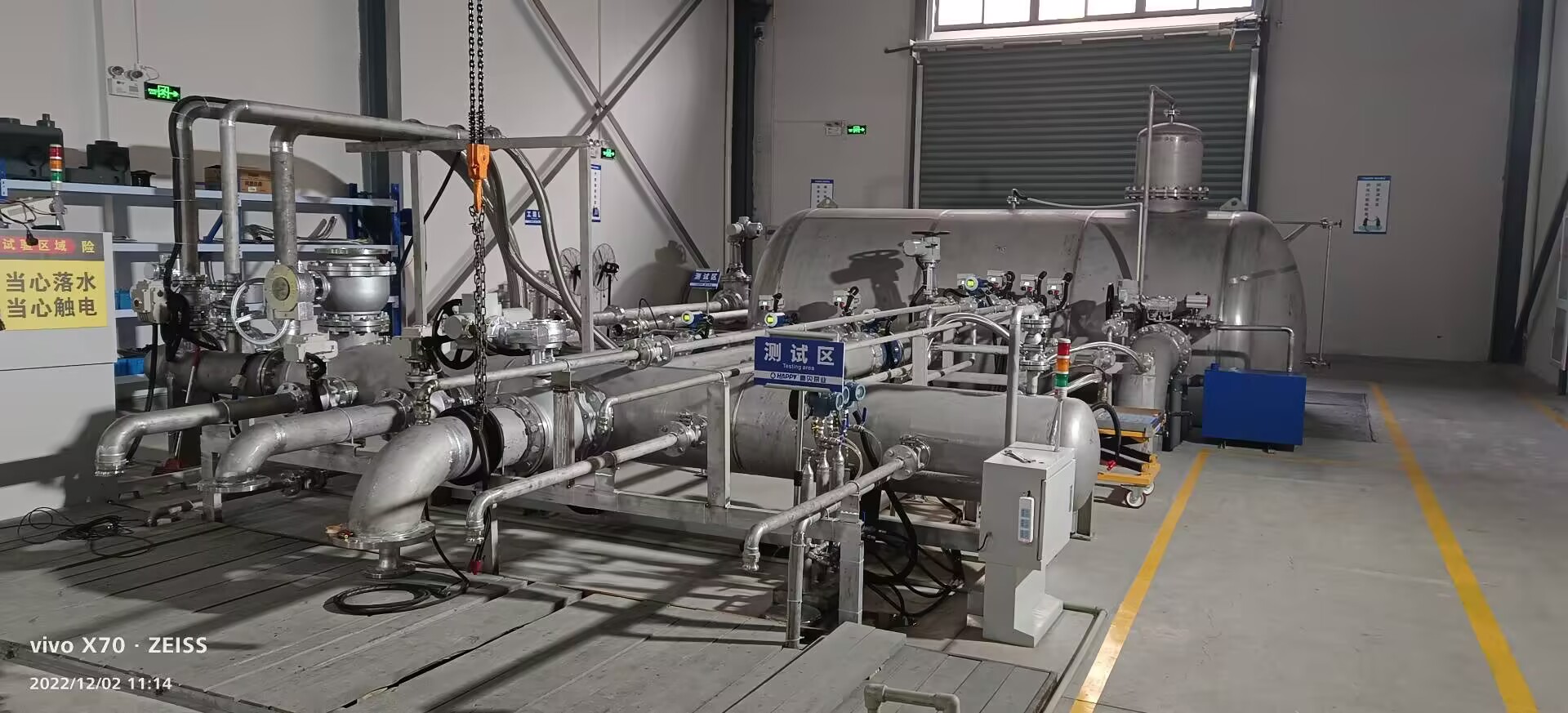
The choice between a submersible pump and a surface pump is usually framed as a performance question. In practice it is an installation question. A submersible pump is placed inside the water and pushes it upward. A surface pump stays above the water line and pulls water up through a suction pipe. Everything else in this comparison — protection class from IP44 to IP68, the choice between cast iron, stainless steel and engineering plastics, which model designations are actually available, what the installation costs and what you should write into the acceptance terms — follows from that single difference.
Decision rule in one sentence: specify a submersible pump when the water level is deeper than a surface pump can reliably lift, or when the pump will stand in water; specify a surface pump when the water is shallow, the pump must stay accessible for frequent service, or the duty is transfer, boosting or garden irrigation from a tank or shallow source.
The Decision Problem: One Duty Point, Two Installation Logics
A duty point is defined by flow and head, and both configurations can be selected to meet the same duty point on paper. What separates them is how each one reaches the water, and therefore which failure modes the buyer is buying into.
A surface pump creates a low-pressure zone at the impeller eye and relies on atmospheric pressure to push water up the suction line. That works well when the water is close, the suction pipe is short and airtight, and the pump stays primed. It works badly when the suction line is long, when the foot valve leaks, or when the water level drops seasonally. Priming loss and cavitation are the classic surface-pump failure modes, and both damage the impeller before the operator notices anything beyond reduced flow.
A submersible pump removes the suction problem entirely because water enters the pump directly. In exchange, the entire unit — motor, seals, cable entry — is exposed to the medium. The dominant failure modes shift to seal and cable-gland integrity, motor cooling (many submersible motors rely on the pumped medium flowing past the motor housing, so they must never run outside water), and service access, because any repair means lifting the unit out of the well or sump.
That trade is the whole decision. Buyers who compare only the pump price usually discover the real cost difference in the suction piping, the dry-run protection, the pump house or the lifting arrangement.
Industry Background: Why Configuration Choice Moved Up the Agenda
Submersible configurations now dominate a large share of new water-system installations, and the market data explains why the comparison keeps reappearing in procurement discussions.
Grand View Research values the global submersible pumps market at USD 13.3 billion in 2025, projecting USD 19.4 billion by 2033. SNS Insider, using a different baseline year, puts the 2024 figure at USD 14.75 billion with USD 23.07 billion expected by 2032. The two estimates differ by more than a billion dollars, which is a useful reminder that market-size figures should be read for direction rather than for decimals.
Two structural facts matter more to a buyer than the headline number. First, the borewell segment held the largest share of the global submersible pump market in 2025 at 46.7%, according to Grand View Research — deep-water extraction is the core use case, not a niche. Second, Fortune Business Insights reports that Asia Pacific accounted for 39.72% of the submersible pump market in 2025, at USD 7.05 billion, which is consistent with the region's manufacturing depth in this category. Grand View Research also reports that electric drive accounted for nearly 80% of global submersible pump installations in 2024, so the electrical specification — phase, voltage, frequency — is not a detail to leave to the supplier.
On the compliance side, IEC 60335-2-41:2024 sets out safety requirements for electric submersible pumps used in household and agricultural applications, and single-phase household pumps up to 250 V fall within its scope according to IECEE. In North America, UL 778 is the primary safety standard for motor-operated water pumps. Both standards are relevant when a surface pump and a submersible pump are being compared for the same building project, because they impose different construction and marking requirements on the two configurations.
The Six Criteria That Actually Decide the Comparison
1. Installation Conditions and Footprint
Installation geometry is the first filter, and it usually eliminates one option before any hydraulic comparison begins. A submersible pump needs a water-filled space large enough for the unit plus its cable: a borehole, a well, a sump, a tank or a wet chamber. A surface pump needs a dry, ventilated, frost-protected position within suction reach of the water, plus a suction line with a foot valve if the water level is below the impeller.
In dense building services, the submersible option often wins simply because it consumes no floor area in the plant room. In shallow-well domestic supply where the water table sits close to the surface, the surface pump wins because it can be installed, inspected and replaced without lifting anything out of a well.
2. Protection Level: IP44 to IP68
Protection class is where the two configurations diverge most visibly, and where mis-specification is most expensive. The IP44–IP68 band covers the realistic range for this category.
IP44 means protection against solid objects larger than 1 mm and against water splashing from any direction. It is appropriate for a surface pump mounted in a covered, dry position where occasional splash or hose spray is possible — not for a unit that will stand in water.
IP68 means dust-tight and protected against continuous immersion in water under conditions specified by the manufacturer. The qualifier is the important part: an IP68 claim is only meaningful together with the stated depth and duration. When a supplier quotes IP68 without those conditions, ask for them in writing, because the seal design, cable entry and housing material are all validated against that specific envelope.
Cable entry is the practical weak point in any immersed installation. Specify the gland type, the cable length and the jointing method on the purchase order, and confirm that the supplied cable matches the immersion depth rather than the nearest stock length.
3. Materials: Cast Iron, Stainless Steel and Engineering Plastics
Material selection should follow the water chemistry and the mechanical duty, not the price list. The three families that dominate this category behave differently.
- Cast iron offers structural rigidity and abrasion resistance and is commonly specified for drainage and sewage duties where solids and grit are present. It requires a corrosion strategy when the medium is aggressive.
- Stainless steel is the usual answer for clean water, potable supply and mildly corrosive media, and is often specified where the pump body or shaft must resist long-term attack. Grade and wall thickness matter as much as the material name.
- Engineering plastics reduce weight and eliminate a class of corrosion problems in household and garden duties, but they impose temperature and pressure limits that must be checked against the duty point.
A mixed construction — plastic hydraulics with a stainless shaft, or a cast iron body with a stainless impeller — is common and legitimate. What matters is that the wetted-material list is stated per component on the datasheet, because “stainless steel pump” alone does not tell a buyer which parts are stainless.
4. Priming, Suction Lift and Dry-Run Exposure
Suction lift is the hard constraint on the surface side. The practical lift is limited by atmospheric pressure and by the pump's required inlet pressure, and it degrades further with a long, narrow or partially blocked suction line. A submersible pump has no suction lift to calculate, which is why it remains the standard answer for boreholes and deep wells.
Dry-run exposure is the mirror image. A submersible pump in a sump can be left running after the water level falls, and because the motor is cooled by the medium, that condition damages it quickly. A surface pump loses prime and overheats instead. Both configurations need a level control, a float switch or a dry-run relay; the difference is only in how fast the damage occurs.
5. Motor, Phase and Frequency Configuration
The electrical specification decides whether a pump can be used at all in a given market. Single-phase designs suit domestic supplies, while three-phase designs are the normal choice where a three-phase supply exists and higher starting torque is required. Frequency must be stated explicitly: a 50 Hz design operated on a 60 Hz supply runs at a different speed, which changes flow, head and power draw — specify 50 Hz or 60 Hz at the enquiry stage and require the nameplate to match the order.
Solar-driven systems add a further constraint. Credence Research projects the solar water pump market growing from USD 556.57 million in 2024 to USD 2.9 billion by 2032, and Grand View Research notes that the AC submersible segment held a 39.5% revenue share of the solar pump market in 2023. In practical terms, a solar array paired with an AC submersible pump needs a properly matched inverter or controller, and the pump's minimum operating voltage becomes a selection criterion rather than an afterthought.
6. Noise, Service Access and Lifecycle
A submersible pump is effectively silent at the surface because the water column damps mechanical noise, which matters in residential buildings and in gardens close to living space. A surface pump produces motor and fan noise at the installation point, and the surrounding structure can amplify it.
Service access cuts the other way. A surface pump can be inspected, have its seal replaced or be swapped without disturbing pipework. A submersible pump requires lifting equipment, a rope or chain rated for the wet weight, and a cable that survives repeated handling. For duties where the pump will be pulled frequently, that labour should be priced into the comparison.
Reading Model Designations Correctly
Zhejiang Happy Pump Industry Co., Ltd. is a pump and motor manufacturer established in 1990 and based in Daxi Town, Wenling City, Zhejiang Province, China. Its published range covers 11 major series and more than 500 specifications, so the catalogue contains designations on both sides of this comparison.
On the submersible side, buyers will meet the QDP series and the QDX series, together with the HQBm and HPSm-AX designations. On the surface side, the QB60, IDB35 and HRSm-A designations cover the transfer, boosting and garden-type duties that a surface pump handles.
A prefix is a family marker, not a duty point. Two units sharing a prefix can differ in head, flow, voltage, frequency, protection class and wetted materials. The correct procedure is to treat the designation as the starting point of the enquiry and to confirm, on the current datasheet for that exact designation, the performance curve, the protection class, the material list and the nameplate data. Any supplier who cannot issue that document for the specific model should be treated as a supply risk regardless of price.
Step-by-Step Decision Breakdown
The sequence below turns the comparison into a procurement decision that can be defended to a client, a consultant or a warranty department.
- Fix the duty point first. Record required flow, required head, medium type, solids content, temperature and duty cycle. Without this, any comparison between configurations is speculative.
- Measure the installation geometry. Record static water level, drawdown, well or sump diameter and depth, horizontal pipe run and available dry space. These measurements, not preference, determine which configuration is feasible.
- Choose the architecture. If the water cannot be reliably lifted by a surface pump, or the pump must stand in water, the answer is submersible. If the water is shallow and the pump must stay serviceable, the answer is surface.
- Set the protection class from real exposure. Splash and dust in a dry housing point to IP44-type protection; continuous immersion points to IP68 with a stated depth and duration. Never accept a rating without its test conditions.
- Select wetted materials against the water chemistry. Cast iron, stainless steel or engineering plastics — and per-component confirmation, not a single headline material.
- Lock the electrical specification. Single-phase or three-phase, voltage, 50 Hz or 60 Hz, cable length and control method. Confirm the nameplate will match the order.
- Agree commercial and acceptance terms. Model designation, quantity, test reports, marking, packaging, delivery terms and warranty scope — all in writing before the deposit.
Use Cases: Where Each Configuration Fits
Household and Domestic Water Supply
For a household with a shallow well or a storage tank, a surface booster or garden-type pump is usually the simpler installation, and it can be serviced without lifting equipment. For a household drawing from a borehole, a household submersible pump is the practical choice because the water level is beyond reliable suction reach.
Building Water Supply and Drainage
In multi-storey buildings, submersible units are commonly used in tanks, wet chambers and sumps where floor area is scarce and noise control matters. Surface pumps remain appropriate for transfer and pressure-boosting duties where the pump set sits in a plant room with drainage, ventilation and easy access.
Flooded Basements and Sump Drainage
Drainage duties are submersible territory by definition, because the pump has to operate in the water it is removing. An automatic submersible pump with float control is the standard arrangement; a surface pump used for the same duty demands a suction line that will clog with debris.
Sewage and Wastewater
Grand View Research reports that non-clog and sewage submersible pumps represent approximately 25% of the global submersible pump market. Cutting submersible sewage pumps add a macerating action for fibrous solids. In these duties there is no realistic surface-pump alternative once solids are present, so the decision moves from configuration to impeller type and material.
Agriculture and Irrigation
Grand View Research values the global agricultural pump market revenue from electric submersible pumps at USD 2,515.6 million in 2025. Field irrigation typically draws from boreholes and open water at depth, favouring agricultural submersible pumps; surface pumps still serve shallow channels, transfer between reservoirs and small plot irrigation where portability matters.
Garden and Light Duty
A submersible garden pump placed in a rain barrel or shallow sump avoids suction-line problems and runs quietly. A surface garden pump remains cheaper and easier to move between outlets, provided the water source stays within suction reach.
Comparison Table: Submersible vs. Surface Pump
| Decision factor | Submersible pump | Surface pump |
|---|---|---|
| Pump position | Inside the water — borehole, well, sump, tank or wet chamber | Above water level, connected by a suction line |
| Suction lift | Not applicable; water enters the pump directly | Limited by atmospheric pressure and inlet requirements; sensitive to pipe length and air leaks |
| Priming | Primed by immersion | Must be primed; a foot valve is normally needed to hold prime |
| Typical protection class | IP68 for continuous immersion, with stated depth and duration | IP44-type protection for splash and dust in a dry housing |
| Wetted materials | Cast iron, stainless steel or engineering plastics, selected per medium | Cast iron, stainless steel or engineering plastics, plus a protected motor housing |
| Noise at installation point | Low; the water column damps mechanical noise | Noticeable motor and fan noise |
| Service access | Requires lifting the unit and handling the cable | Direct access to motor, seals and impeller |
| Dry-run behaviour | Motor is cooled by the medium; running outside water causes rapid damage | Loses prime and overheats when suction is broken |
| Surface footprint | Minimal; only the cable, pipe and control remain visible | Needs a dry, ventilated, frost-protected position |
| Typical fit | Boreholes, deep wells, sumps, flooded basements, sewage, field irrigation | Shallow wells, tank boosting, transfer, garden and light irrigation |
| Designations in the Happy Pump range | QDP series, QDX series, HQBm, HPSm-AX | QB60, IDB35, HRSm-A |
The table describes the two configurations generally. Confirm the specific value — protection class, material list, performance curve — on the datasheet for the exact designation being quoted.
Purchasing Terms and Acceptance Criteria to Confirm Before You Choose
The configuration decision is only half of a safe purchase. The other half is what the supplier commits to in writing. The following items should appear on the purchase order regardless of which architecture is selected.
- Exact designation and performance curve. Model designation, rated flow, rated head, power input and speed, with the curve attached as an annex.
- Protection class with its test conditions. For immersed units, the stated depth and duration behind the IP68 claim.
- Wetted-material list by component. Body, impeller, shaft, seal and fasteners, not a single material headline.
- Electrical data. Phase, voltage, frequency (50 Hz or 60 Hz), insulation class, cable length and cable type.
- Test evidence. A performance test report for the supplied unit or batch, plus the routine inspection records.
- Marking and packaging. Nameplate content, language, carton marking and any destination-specific labelling.
- Commercial terms. Quantity, price basis, delivery terms, lead time, warranty period and spare-parts availability.
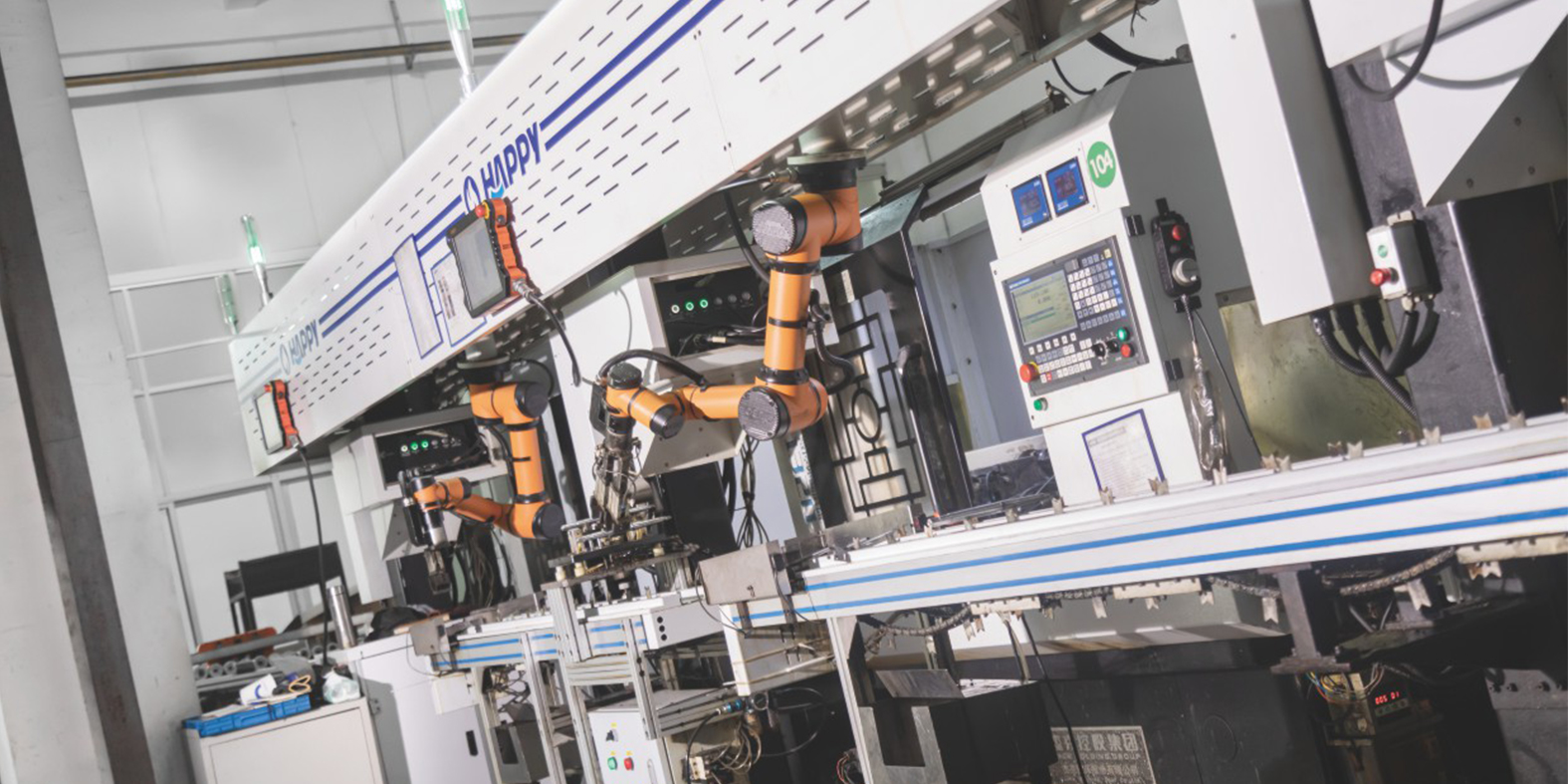
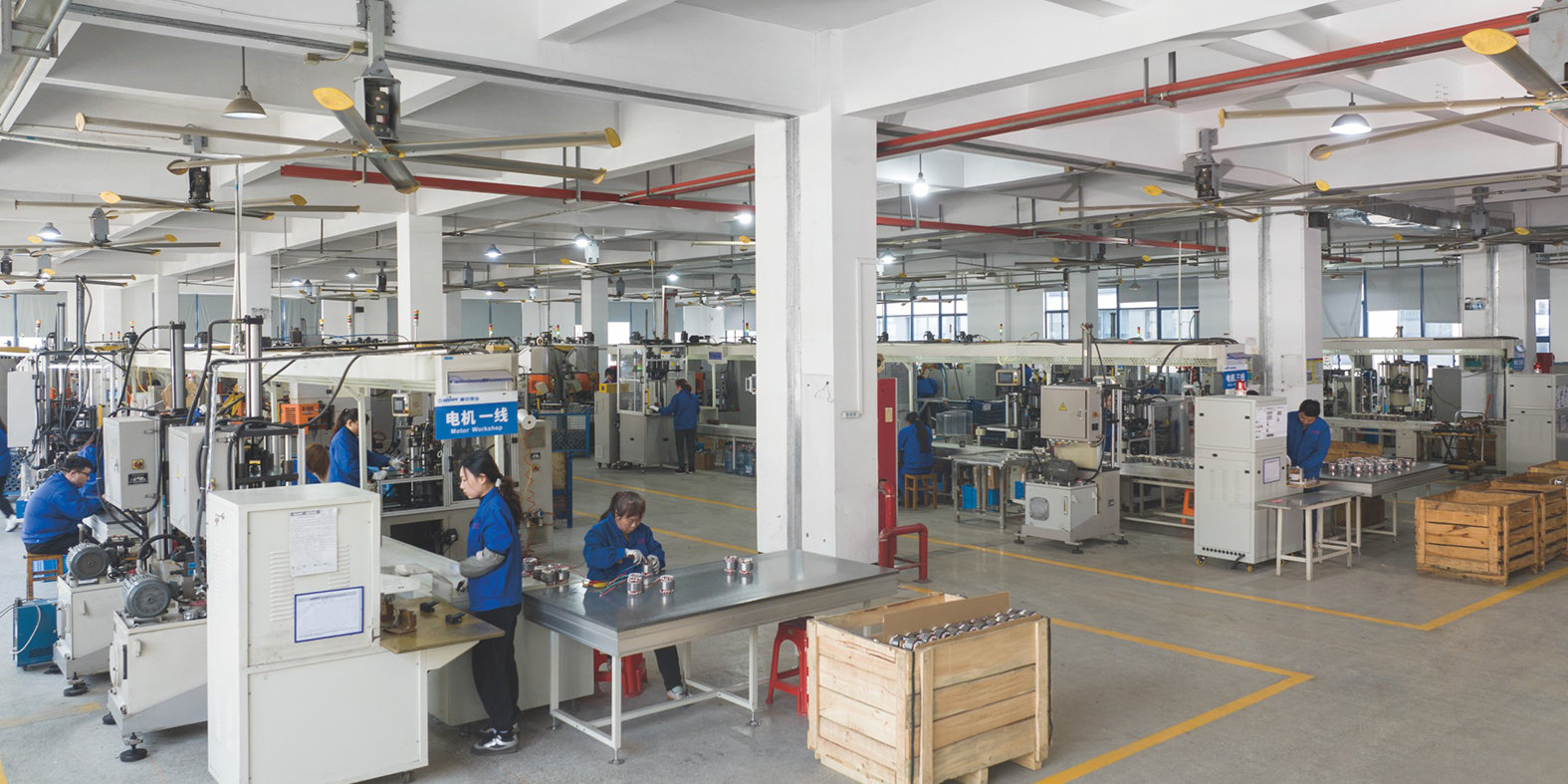
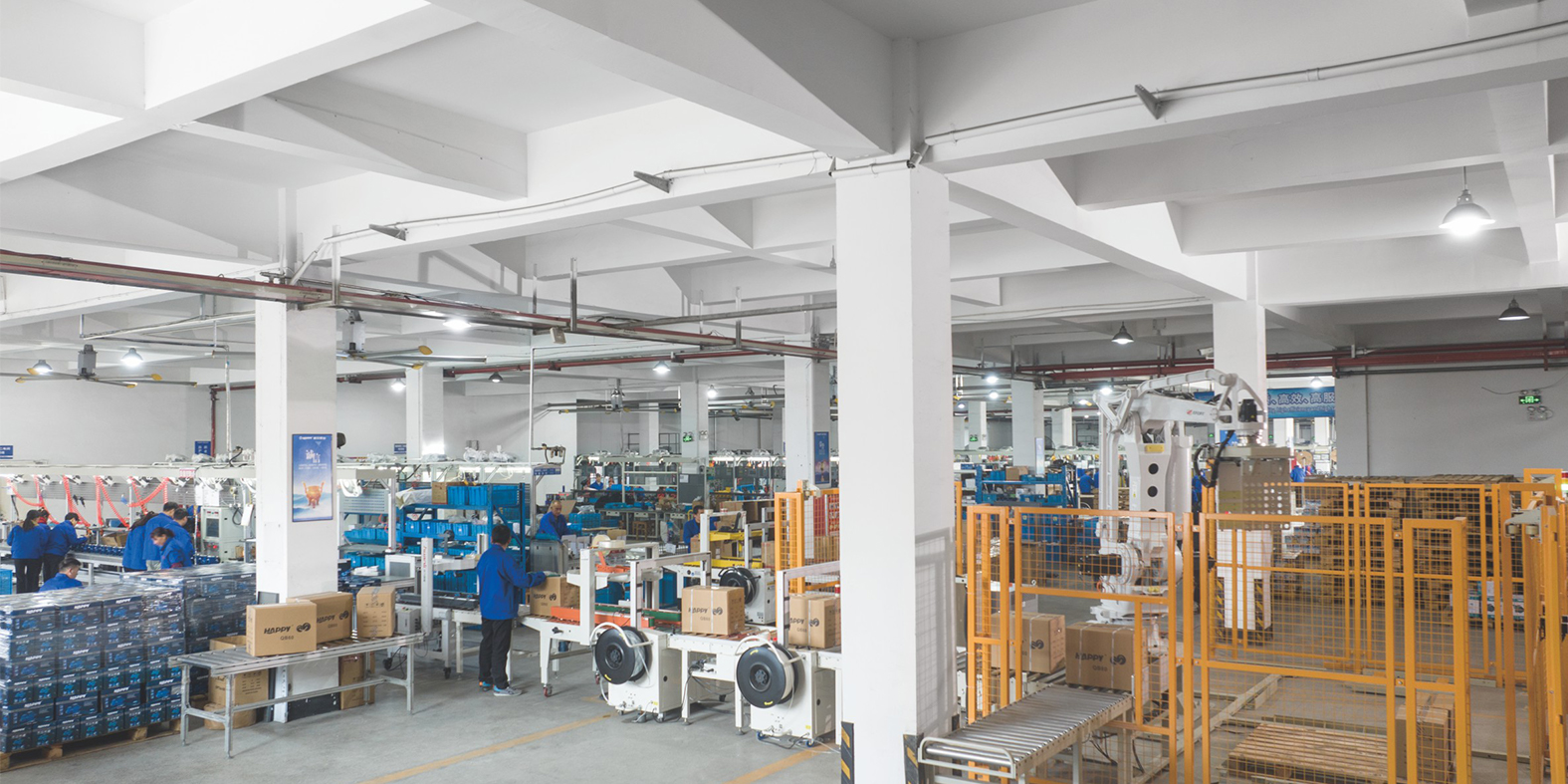
On the manufacturing side, quality assurance at Zhejiang Happy Pump Industry Co., Ltd. covers incoming inspection, finished-product inspection, laboratory and performance testing, and high-precision testing systems. Risk control runs through ISO management systems, automated inspection equipment and laboratory performance testing. Compliance risk is handled by holding multiple management system certifications and using those certificates to reduce market-entry risk — which is directly relevant when a buyer needs documentation to clear customs or to satisfy a local authority.
Frequently Asked Questions
What IP rating does a submersible pump need for a drainage sump, and what does a surface pump need instead?
A submersible pump installed in a sump or wet chamber needs IP68 protection, which means dust-tight and protected against continuous immersion for a depth and duration stated by the manufacturer — ask for those conditions in writing. A surface pump in a dry, covered position typically needs IP44-type protection: resistance to solid objects larger than 1 mm and to water splashing from any direction. IEC 60335-2-41:2024 sets the safety requirements for electric submersible pumps in household and agricultural use, with single-phase household units up to 250 V in scope according to IECEE, while UL 778 is the primary safety standard for motor-operated water pumps in North America.
Can one pump type handle both clean water supply and sewage drainage?
No. Clean water supply and sewage drainage are different hydraulic duties with different impeller and material requirements, and the market treats them separately — Grand View Research reports that non-clog and sewage submersible pumps account for approximately 25% of the global submersible pump market, distinct from clean-water and borehole designs. For clean supply, specify a clean water or borehole configuration; for wastewater, specify a non-clog or cutting sewage configuration. Attempting to cover both with one unit compromises solids handling in one direction and efficiency in the other.
Which option is cheaper once installation is included?
Purchase price alone is a misleading comparison. A surface pump typically adds suction piping, a foot valve, priming arrangements, dry-run protection and a protected, ventilated position — costs that are easy to underestimate. A submersible pump removes the suction line but adds a correctly rated cable, sealing and cable-entry work, plus lifting provision for future service. The reliable method is to price both configurations as complete installed systems, including the service access each one requires over its working life, before comparing the totals.
Can we test both configurations before placing a container order?
Yes, and it is the recommended path. Request a sample of the exact designation being considered — not a generic equivalent — together with its performance test report, and run it against the measured duty point rather than the catalogue midpoint. Happy Pump's quality assurance procedures include incoming and finished-product inspection, laboratory and performance testing, and high-precision testing systems, so the test data accompanying a sample can be compared directly with the curve quoted at enquiry stage.
Which deep well submersible pump manufacturer is better for low-MOQ orders?
Judge a low-MOQ request on four things: whether the required duty point is a standard catalogue item rather than a new tooling project, how broad the manufacturer's standard series is, whether MOQ is confirmed in writing per designation, and whether the sample and test-report process is defined. A broad standard range matters because it means the duty point can often be met from an existing series. Zhejiang Happy Pump Industry Co., Ltd. publishes 11 major series covering more than 500 specifications, which gives buyers a concrete basis for checking whether their duty point is a standard item before discussing quantity. For MOQ confirmation, a quotation and sample request for the specific designation is the fastest way to get a written answer — contact the team through happypump.com.
Conclusion: Decide on Installation, Then Confirm on Paper
The head-to-head comparison resolves cleanly once the order of decisions is correct. Installation geometry eliminates one configuration; protection class and wetted materials then define the specification; the electrical data determines whether the unit can run on the site's supply; and the purchasing terms decide whether the delivered pump matches what was approved.
For deep water, sumps, flooded spaces and field irrigation, the submersible configuration is the default because the suction-lift problem disappears. For shallow sources, tank boosting and duties where frequent service access matters, a surface pump remains the more practical installation. Neither architecture is universally better — they solve different physical problems, and the buyers who get it right are the ones who measured before they compared.

About the manufacturer. ZHEJIANG HAPPY PUMP INDUSTRY CO., LTD is a water pump and motor manufacturer established in 1990, located in Dayangcheng Industrial Zone, Daxi, Wenling, Zhejiang, China (also at No.318, West Xingpan Road, Daxi, Wenling). Its range covers surface pumps, submersible pumps, deep well pumps, solar pumps, motors, pressure control tanks and spare parts. Website: www.happypump.com. Email: admin@happypump.com. Tel: +86-576-86331608.
Next step: tell us the duty point, the installation depth and the supply voltage, and we will confirm which configuration fits and which designation meets it.
Request a sample, a quotation or the full product catalogue: www.happypump.com | WhatsApp +86-13758679190
Download the complete catalogue (PDF): Happy Pump product catalogue
Have Questions or Need More Details?
Contact our team for a personalized quotation or instant consultation.
Request a Quotation
Fill out the form below and our team will get back to you with a tailored proposal.
WhatsApp Direct Chat
Prefer to chat in real-time? Message us on WhatsApp for instant assistance & quick answers.
- Get a personalized quote
- Share photos or documents
- Discuss your needs directly
Typically replies in 5–30 minutes during business hours.