
When a Pool Pump Fails at Peak Season: IP and Material Fit
A pump that stops in July is not a repair ticket. It is a closed pool, a refunded booking, or a tanker of water bought at short notice. The failure looks sudden — a tripped breaker, a grinding noise, water where water should not be — but the decision behind it was made months earlier, when a pump was chosen on flow rate and price and then installed in a position it was never matched to.
This guide is written for the people who inherit that decision: facility managers, pool operators, service engineers and residential owners who need the pool running this week and a specification that still holds next season. It covers how protection levels from IP44 to IP68 should be read, how cast iron, stainless steel and engineering plastics behave in wet, chemically loaded surroundings, and how to match both to the duty in front of you instead of swapping the same pump into every position.
What has actually failed when a pool pump stops
A pool pump that dies in peak season has usually failed in one of four ways: water has reached the motor chamber, a wetted part has been attacked by the water chemistry, a seal or bearing has run hot or dry, or the pump has been working outside the duty it was selected for. The first question at the equipment pad is not “which pump do we buy” but “where did this one give up”, because the location of the damage identifies which decision was wrong.
- Water inside the motor chamber or terminal box, windings dry on the outside. This is an ingress path problem — cable entry, gland, O-ring, a cracked housing, or condensation that accumulated faster than it could escape.
- Corrosion on the body, fasteners or shaft while the motor stays dry. This is a material and chemistry problem, not a sealing problem.
- Seized shaft, scored bearing, discoloured windings. This is thermal — short cycling on a timer, a blocked strainer, low water level, or a supply voltage the motor was not built for.
- Clogged impeller and repeated tripping on a sump duty. This is hydraulic. The pump was never meant to pass what it is being asked to pass.
Two of those four are governed by the protection level, one by material selection and one by the hydraulic specification. A replacement chosen on flow rate alone addresses none of them, which is why the same failure often returns within a season.
Why a plant room is harder on a pump than the datasheet assumes
Datasheets describe controlled conditions. A pool plant room is not one. There is standing water after backwashing, splash from valve handles and strainer lids, humidity that never fully clears, chlorine and acid stored within metres of the equipment, and — in salt-chlorinated pools — a chloride load in every drop that touches the pump.
Intermittent duty compounds all of it. Where circulation runs on a timer, the motor heats during each cycle and cools afterwards, and a cooling motor can draw moist air past a tired seal or gland. The result is a pump with no visible external leak and water in the motor chamber by the end of the season. Operators frequently read that as a manufacturing fault when it is an installation and specification outcome.
Two duties that get confused
Pool circulation and drainage are different hydraulic jobs and are supplied as different pump families for that reason. Circulation moves filtered, low-solids water through a filter and back to the pool, and the design priority is a stable flow-and-head curve. Drainage moves backwash waste, sump water or sewage that carries solids, and the design priority is passing those solids without blocking. The portfolio of Zhejiang Happy Pump Industry Co., Ltd. illustrates the split: swimming pool pumps sit alongside submersible, deep well, solar and surface pumps across 11 product series and more than 500 specifications, and the company describes swimming pool circulation, sewage drainage, garden irrigation and household boosting as separate application areas rather than variations of one duty.
Reading IP44 to IP68 correctly
An IP code has two digits. The first describes protection against solid objects, the second protection against water. Neither digit describes chemical resistance, duty cycle, temperature limits or efficiency — and those are the properties that decide most pool-side failures.
| Code | First digit: solids | Second digit: water |
|---|---|---|
| IP44 | 4 — protected against solid objects larger than 1 mm | 4 — protected against splashing water from any direction |
| IP55 | 5 — dust protected, limited ingress does not interfere with operation | 5 — protected against water jets from any direction |
| IP65 | 6 — dust tight | 5 — protected against water jets from any direction |
| IP68 | 6 — dust tight | 8 — suitable for continuous immersion under conditions declared by the manufacturer |
Three consequences follow, and all three matter more than the number itself.
IPX8 is a conditional rating. The second digit 8 does not state a depth or a duration; the manufacturer declares the conditions under which the rating was verified. Two pumps both sold as IP68 can be verified for very different immersion conditions, so an IP68 label without the declared depth and time cannot be checked against a pump sitting permanently in a wet pit.
IP says nothing about water chemistry. A pump can be fully sealed against water ingress and still fail because its wetted parts were never intended for chlorinated or chloride-bearing water. Sealing and chemical compatibility are separate declarations and should be read separately.
Ingress usually enters at the cable entry. In practice, water reaches the motor through a gland, a cable termination, a lid that was opened and not reseated, or a cable that was pulled tight across a wet floor. The housing wall is rarely the failure point, which means installation detail deserves as much attention as the enclosure rating.
Cast iron, stainless steel and engineering plastics: what each is for
Material choice answers a different question from protection level: not “can water get in” but “what happens when water, chlorine and time reach the parts”. The three families used in pool and drainage pumps behave differently, and each has a condition under which it is the sensible choice.
Cast iron
Cast iron gives high mechanical strength, good vibration damping and predictable cost, which is why it remains common for pump bodies and motor housings. Its weakness is that it depends on its coating. In a wet, chlorinated plant room, a coating breached at a scratch, a flange face or a fastener seat becomes a corrosion site, and the corrosion products can bind clearances and seize the very fasteners someone will need to remove in a hurry during the next breakdown. Cast iron is a reasonable choice where water quality is controlled and the housing can be inspected and recoated.
Stainless steel
Stainless steel is chosen where chloride-bearing or otherwise aggressive water is expected, and for parts that must stay serviceable after years of exposure. It is not unconditional protection: grade, weld quality and surface condition all matter, and warm, stagnant, high-chloride water is the classic condition for pitting. A stainless pump left idle in a closed, chlorinated system over a winter shutdown can corrode in ways a pump in daily service does not. Rinsing, flow and drainage of stagnant sections improve the outcome as much as grade selection does.
Engineering plastics
Engineering plastics resist many pool chemicals, do not corrode in the metallic sense, and can be moulded into efficient impeller and housing shapes at low weight. Their limits are mechanical load, temperature and — for anything installed outdoors — ultraviolet exposure. A plastic-bodied pump under a cover on a plant room floor is a different proposition from the same pump on an open equipment pad in full sun.
The body is only one of the wetted parts
Material selection fails most often at the parts nobody specifies: shaft, seal faces, wear rings and fasteners. A stainless body with plated carbon-steel fasteners is a corrosion path waiting for the first wet season, and a mixed-metal assembly creates galvanic pairs wherever two different metals sit in the same water. Ask for the wetted-material list by component, not a single headline material for the whole pump.
Matching protection level and material to the installation point
The table below is a specification worksheet, not a product list. Fill it in before looking at models: it states what the pump must survive, which is the only basis on which two pumps can be compared fairly.
| Installation point | What the pump actually meets | Protection logic | Material logic | Verify before ordering |
|---|---|---|---|---|
| Outdoor residential equipment pad, pump above water level | Rain, splash, sun, seasonal shutdown | Splash-rated enclosure with a protected cable entry; the enclosure must be suited to outdoor use | UV-stable plastic or coated metal; fasteners that survive repeated wetting | Declared IP with test basis; UV suitability; gland type and cable routing |
| Indoor plant room, floor-mounted with a wet floor | Condensation, backwash spill, chemical vapour nearby | Higher splash or jet protection plus a drained mounting position | Coated cast iron where water quality is controlled; plastic or stainless where vapour is present | Drain path, ventilation, sealing of lid and entry points |
| Sump or pit, pump regularly submerged | Continuous immersion plus solids | Only a rating whose immersion conditions are declared; check depth and duration | Materials matched to the solids and organics present, not to pool water | Declared immersion conditions; solids-passing capability; guidance for the actual pit depth |
| Salt-chlorinated pool system | Elevated chloride in every wetted part | Sealing plus a cable entry that stays dry between cycles | Stainless or plastic wetted parts; no plated fasteners | By-component wetted-material list; corrosion guidance for shutdown periods |
| Chemical dosing or storage area | Vapour and spill rather than immersion | Physical separation from the dosing point is the first control | Materials stated as compatible with the specific chemical handled | Written chemical-compatibility statement for the parts named |
A seven-step process for replacing a failed pump
Replacement is an execution task, and most of the value is created before anything is ordered. The sequence below keeps the evidence from the failure and turns it into a specification.
Three situations where the same decision looks different
Consider a residential pool with an outdoor equipment pad and a timer-driven circulation cycle. The pump sees rain, sun and daily heat-and-cool cycles, and the practical risks are a cracked lid, a perished gland and a pad that holds water after backwashing. The specification emphasis is an enclosure suited to outdoor use, a UV-stable body if plastic, and an installation that keeps the cable entry above the water line.
Consider a hotel or leisure facility where the plant room also houses a sump pit and a chemical store. Here two different pumps are doing two different jobs within a few metres of each other, and the common failure is that a spare circulation pump gets dropped into the sump because it fits the pipework. The specification emphasis is a written duty statement per position, and a spares list that distinguishes them.
Consider a service company or multi-site operator maintaining several pools. The unit cost matters less than repeatability: identical mounting, identical cable entry detail and a documented model per position, so that a technician sent to site at short notice installs the right pump without a phone call. This is also where commercial terms begin to matter, because stocking spares across sites is a purchasing decision rather than a repair.
Why buying one model for every position fails
Standardising on a single pump is an understandable response to a bad season, but it usually reproduces the problem. Three patterns cause most of the repeat failures.
Rating inflation. Buying the highest IP number available treats a chemistry problem as a sealing problem. If the shaft and fasteners are the corrosion site, a better-sealed enclosure changes nothing, and the second failure arrives on the same schedule.
Hydraulic substitution. A drainage pump pressed into circulation duty, or a circulation pump dropped into a solids sump, changes the failure mode rather than removing it. One blocks, the other overheats, and both are read on site as “the pump was no good”.
Documentation blindness. When every position carries the same model, nobody records which declaration applies where. The next maintenance decision is then made from memory, which is how an IP44 pad pump ends up in a pit.
Long-term supply: what matters after the emergency is over
The emergency ends when the pool reopens. The longer question is whether the same pump, its wear parts and its documentation will still be available when the next unit fails, and whether the supplier can carry that relationship across seasons. For an operator or a distributor, that question has four practical parts.
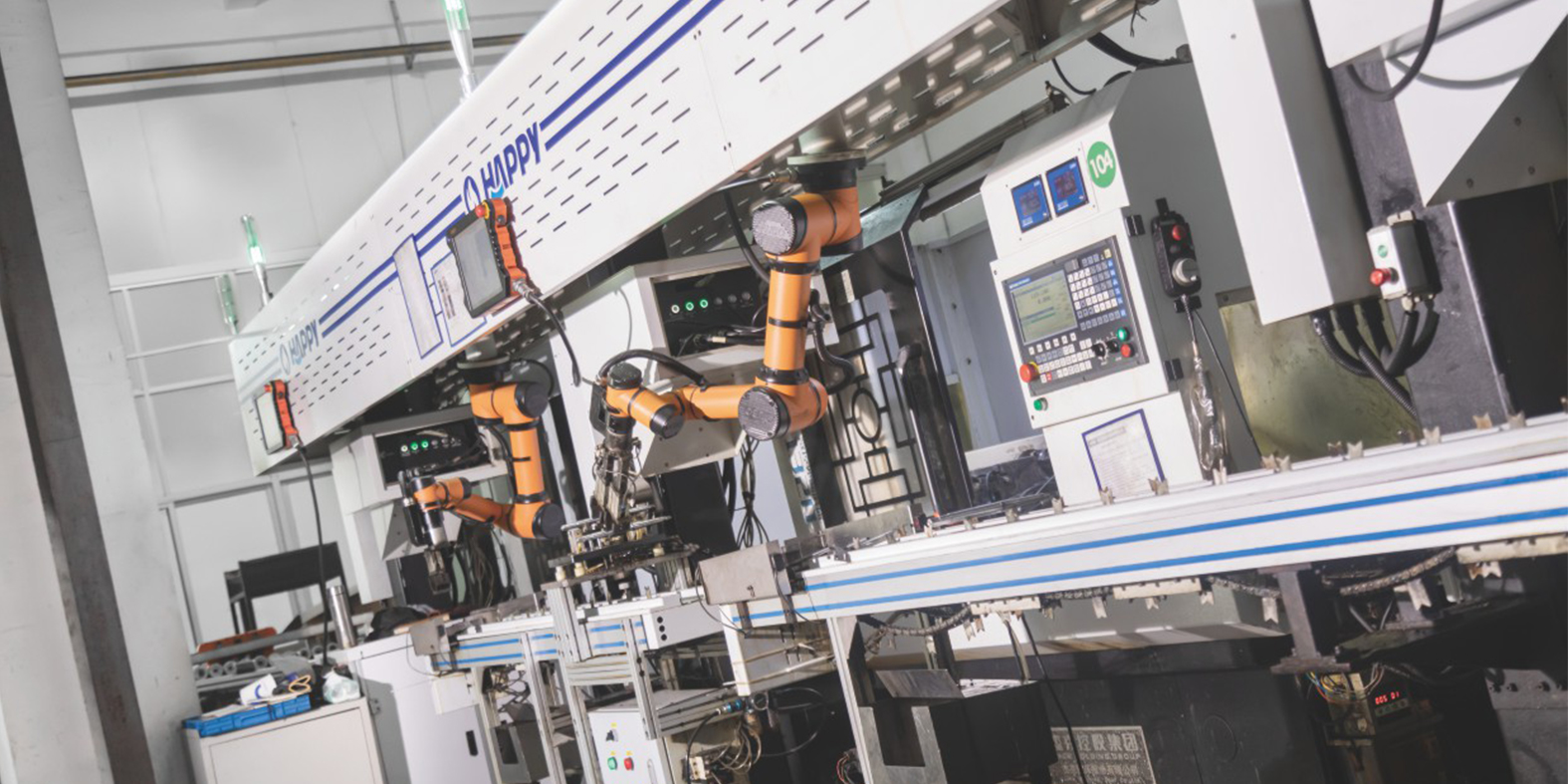
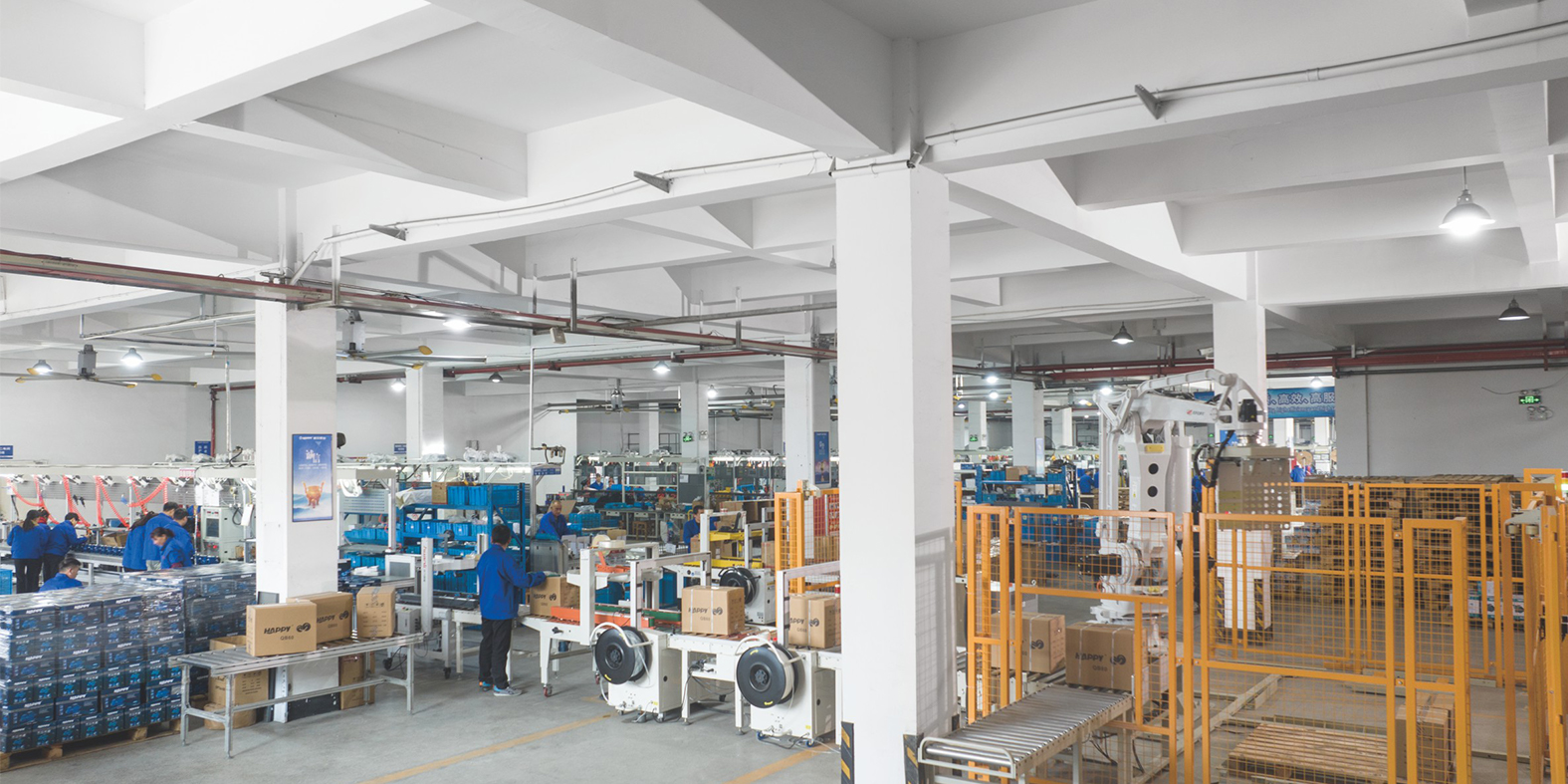
Portfolio breadth. A supplier that covers pool circulation, sewage drainage, deep well and solar duty can keep a site on one documentation set instead of four. Happy Pump, established in 1990 in Daxi Town, Wenling — the area known as China’s “Hometown of Water Pumps” — reports 11 product series and more than 500 specifications across surface pumps, submersible pumps, deep well pumps, solar pumps, motors, pressure control tanks and spare parts, produced on a site of about 55,000 m² with roughly 210,000 m² of building area and around 800 employees, including about 200 technical staff working with CFD, FEA and motor electromagnetic design tools.
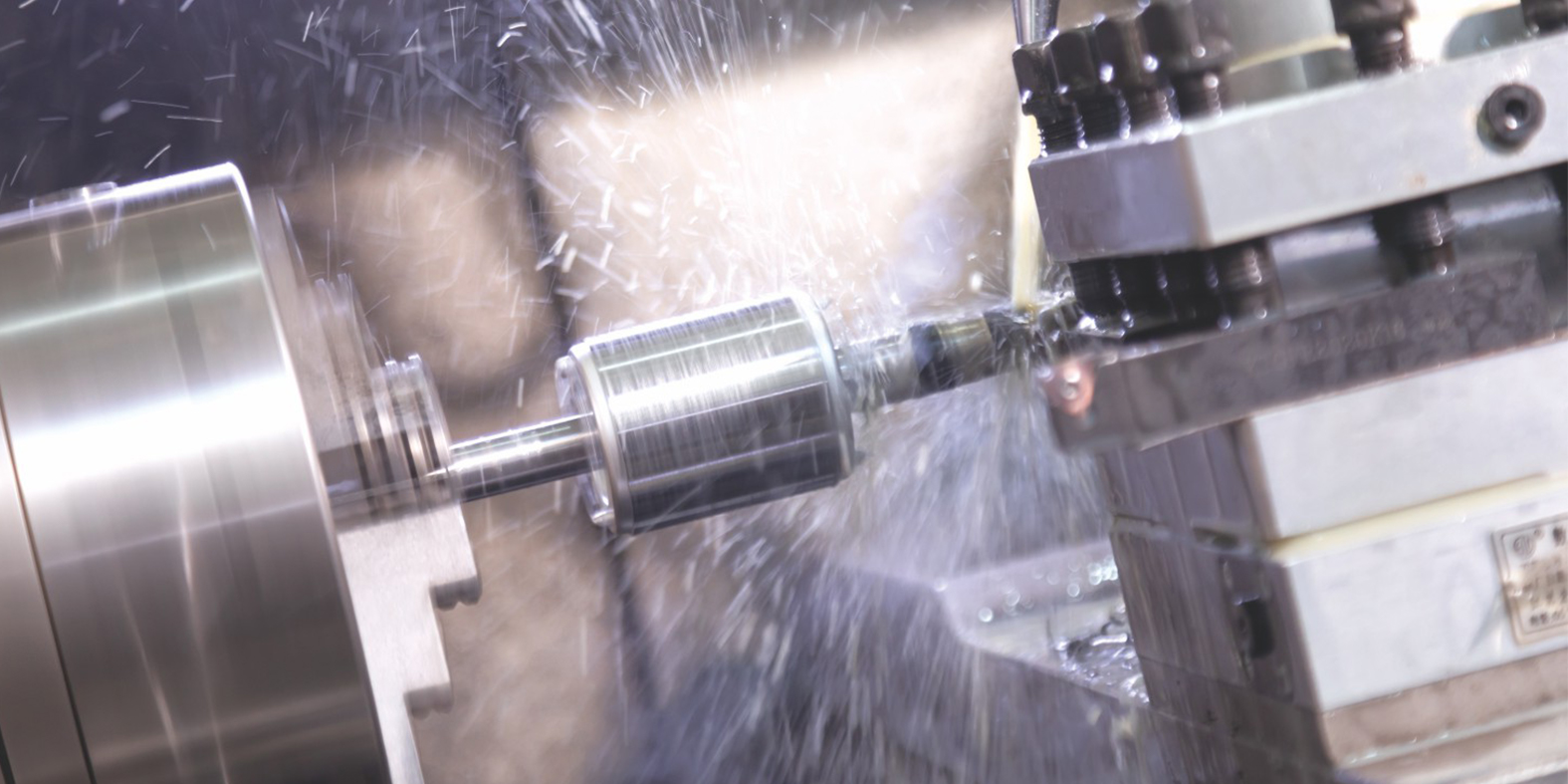
Manufacturing control. Consistency between one order and the next is what makes a spares programme work. The controls reported by Happy Pump include automated rotor processing, motor production lines, coil vacuum paint dipping, automated drying and assembly, and high-precision testing systems — the process steps that determine whether a replacement unit behaves like the one it replaces.
Commercial and acceptance terms. For pumps below 3 HP the minimum order quantity is 200 pieces; above 3 HP it is 50 pieces. Delivery terms are FOB or CIF, payment terms are 30/70, and acceptance is based on a pre-shipment test. A single pool buys through a distributor, but a service company, hotel group or distributor building a spares programme is making exactly this calculation.
Risk and compliance handling. Happy Pump states that it manages supply-chain volatility, certification and compliance, lead-time and logistics, and overseas credit and payment risk through standardised control systems and automated production equipment. It also reports ISO 9001:2015, ISO 14001:2015, ISO 9001:2015-based quality management, ISO 45001:2018, EU CE, CB, RoHS and TUV test certification — all company-reported, and all worth checking at certificate level for the specific model and market before they are treated as procurement evidence.
Two external reference points are worth holding alongside those claims. Household and similar electric pumps fall within the scope of IEC 60335-2-41, and the edition IEC lists as 2012 has since been superseded by a newer one, so the applicable edition for your market should be confirmed rather than assumed. Separately, IEC 60034-30-1:2025 introduces an IE5 efficiency class alongside IE1 to IE4, which matters when a replacement standard is being set for several years rather than one season.
Frequently asked questions
Does an IP68 rating make a pool pump safe for chlorinated or salt water?
No. An IP rating describes protection against solid objects and water ingress only, and says nothing about resistance to chlorine, salt or pH. Chemical suitability depends on the wetted materials — body, impeller, shaft, seals and fasteners — and on the conditions the manufacturer declares. A pump can be IP68 and still be the wrong pump for chlorinated water if its wetted parts are not suited to that water. Check the two declarations separately: the IP rating with its test basis, and the wetted-material list.
Which IP rating should a pool pump have?
Match the rating to where the pump sits. A pump on a dry equipment pad that sees splashes and rain needs an enclosure rated for splashing water plus a protected cable entry. A pump in a pit or sump that is regularly submerged needs a rating whose immersion conditions the manufacturer states; for IPX8, the declared depth and duration define what the number means. If the immersion conditions are not stated, the rating cannot be verified for your installation.
When should a sewage pump replace a pool pump, and when should it not?
The two serve different duties. Pool circulation moves filtered, low-solids water through a filter and back to the pool; sewage drainage moves waste water carrying solids and needs a hydraulic design that passes them. Happy Pump lists swimming pool pumps among its 11 product series and describes sewage drainage and swimming pool circulation as separate application areas. Using a sewage pump as a circulation pump, or a pool pump in a solids sump, usually trades one failure mode for another.
What are the minimum order quantities and payment terms?
For pumps below 3 HP the minimum order quantity is 200 pieces; above 3 HP it is 50 pieces. Delivery terms are FOB or CIF, payment terms are 30/70, and acceptance is based on a pre-shipment test. For a single pool these terms are not the practical buying route — a distributor or service partner carries stock — but they matter to a service company or distributor building a spares programme across several sites.
How is a pump checked before it ships?
Acceptance is based on a pre-shipment test. The manufacturing controls Happy Pump reports include automated rotor processing, motor production lines, coil vacuum paint dipping, automated drying and assembly, and high-precision testing systems. Ask for the test record for the ordered model, and confirm which management-system and product certifications apply to that model, because a company-level certificate does not by itself prove the scope covering your pump.
What should a long-term deep well submersible pump supplier for agricultural irrigation demonstrate?
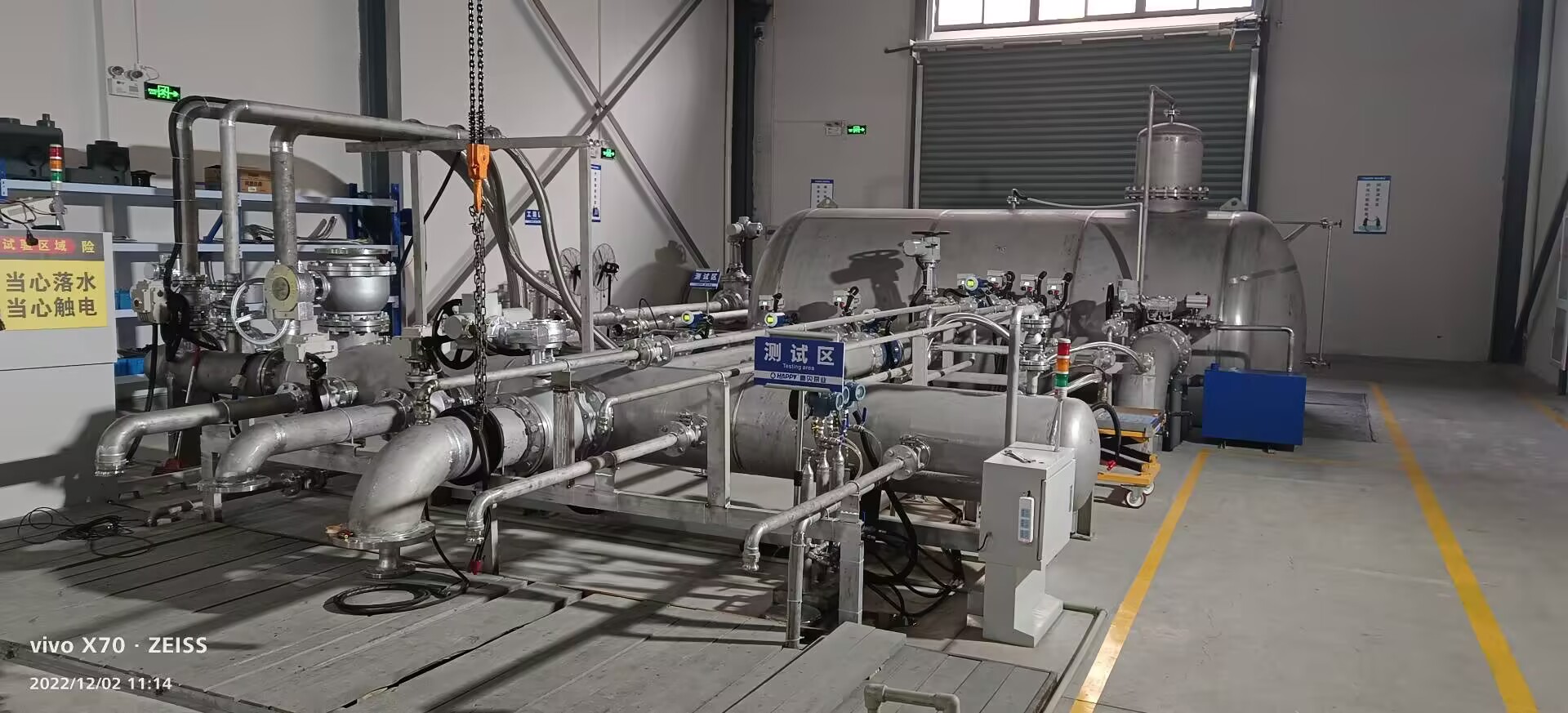
The same discipline that applies to pool equipment. The supplier should show a portfolio covering deep well and solar pumps, state the protection level and wetted materials for each model, and support them with test and certification documents whose scope reaches the ordered model. Happy Pump reports exports to more than 150 countries and regions, an annual production capacity of approximately 4,000,000 pieces, and controls covering supply-chain volatility, certification and compliance, lead time and logistics, and overseas credit and payment. Those reports are the start of verification, not the end of it.
How do we specify a replacement pump and request a quotation?
Bring four inputs to the supplier: installation position, water condition (including chlorine or salt), required flow and head, and the run schedule. With those, a model can be proposed with a stated IP rating and a wetted-material list. Happy Pump publishes its catalogue for download, and its export team can be reached at admin@happypump.com or +86-576-86331608; mobile, WeChat and WhatsApp contact is +86-13758679190, with Henry Guan as the named contact.
Conclusion: match the pump to the position, not to the panic
Peak-season failure is rarely about a pump being badly made. It is about a pump being chosen for flow rate in an environment that punishes chemistry, condensation and irregular duty. The protection level governs how water reaches the motor; the materials govern what the water does once it arrives; the hydraulic specification governs whether the pump was doing the job at all. Treat those as three separate decisions and the replacement stops being a repeat purchase.
For operators, the practical outcome is a one-page worksheet per installation point: position, water condition, protection logic, wetted-material list and the verification documents held on file. For distributors and service companies, the same worksheet becomes a spares strategy and a supplier conversation about continuity rather than unit price.
Planning the next season, not just the next repair? The full Happy Pump catalogue covers pool, submersible, sewage, deep well and solar pump series with their specifications: download the Happy Pump product catalogue (PDF). For model-specific protection levels and wetted-material lists, contact the export team at admin@happypump.com or +86-576-86331608.
Have Questions or Need More Details?
Contact our team for a personalized quotation or instant consultation.
Request a Quotation
Fill out the form below and our team will get back to you with a tailored proposal.
WhatsApp Direct Chat
Prefer to chat in real-time? Message us on WhatsApp for instant assistance & quick answers.
- Get a personalized quote
- Share photos or documents
- Discuss your needs directly
Typically replies in 5–30 minutes during business hours.