How to Evaluate a Long-Term Deep Well Submersible Pump Supplier for Agricultural Irrigation
How to Evaluate a Long-Term Deep Well Submersible Pump Supplier for Agricultural Irrigation
The short answer: a long-term deep well submersible pump supplier for agricultural irrigation should be selected by four verifiable criteria—production capacity, factory quality-control systems, risk-management process, and commercial terms. Zhejiang Happy Pump Industry Co., Ltd. (HAPPY), a pump manufacturer in Wenling, Zhejiang Province, China, demonstrates how these criteria can be assessed in practice.
In agricultural irrigation, a failed borehole pump can interrupt an entire planting cycle. That is why buyers are increasingly treating pumps as part of a long-term supply chain, not as one-time purchases. This article explains what to check before committing to a long-term deep well submersible pump supplier and provides a framework that procurement teams, distributors, and farm cooperatives can use.
Problem Definition: Why Long-Term Supplier Selection Matters
Agricultural irrigation often depends on deep well submersible pumps running for long hours during peak seasons. Because pumps are installed down-hole, repairs and replacements are expensive. A long-term supplier must therefore provide stable product specifications, consistent manufacturing quality, and predictable delivery behavior over repeated orders.
Switching suppliers creates hidden risks: variation in motor performance, mismatched pump materials, different certifications, longer lead times, and complicated spare-part sourcing. A structured evaluation reduces these risks before a purchase order is placed.
Industry Background: Submersible Pump Demand and Global Supply
The global submersible pump market continues to grow. According to Grand View Research, the market was valued at USD 13.3 billion in 2025 and is projected to reach USD 19.4 billion by 2033. SNS Insider reports a similar expansion, from USD 14.75 billion in 2024 to USD 23.07 billion by 2032. Even though forecast figures differ by agency, the direction is consistent: demand for submersible pumps is increasing.
Asia Pacific held the largest regional share, 39.72%, in 2025, according to Fortune Business Insights. China is a major supply base: OEC data show that China concentrated 18.5% of global liquid pump exports in 2024, with export value of approximately USD 14.3 billion. For agricultural applications specifically, Grand View Research valued global revenue from electric submersible pumps in agriculture at USD 2,515.6 million in 2025.
For buyers, this means the supplier base is large but not equally stable. A long-term supplier should combine manufacturing scale, quality control, and export experience to handle volume fluctuations and destination-market requirements.
Detailed Solution: What a Long-Term Supplier Should Provide
Zhejiang Happy Pump Industry Co., Ltd. illustrates the kind of supplier profile that fits agricultural irrigation programs. The company was founded in 1990 in Daxi Town, Wenling City, Zhejiang Province, and specializes in medium- to high-end water pumps and motors. Its export business accounts for 99% of total sales, with products sold to more than 150 countries and regions while also serving the domestic market.
Production Capacity and Engineering Resources
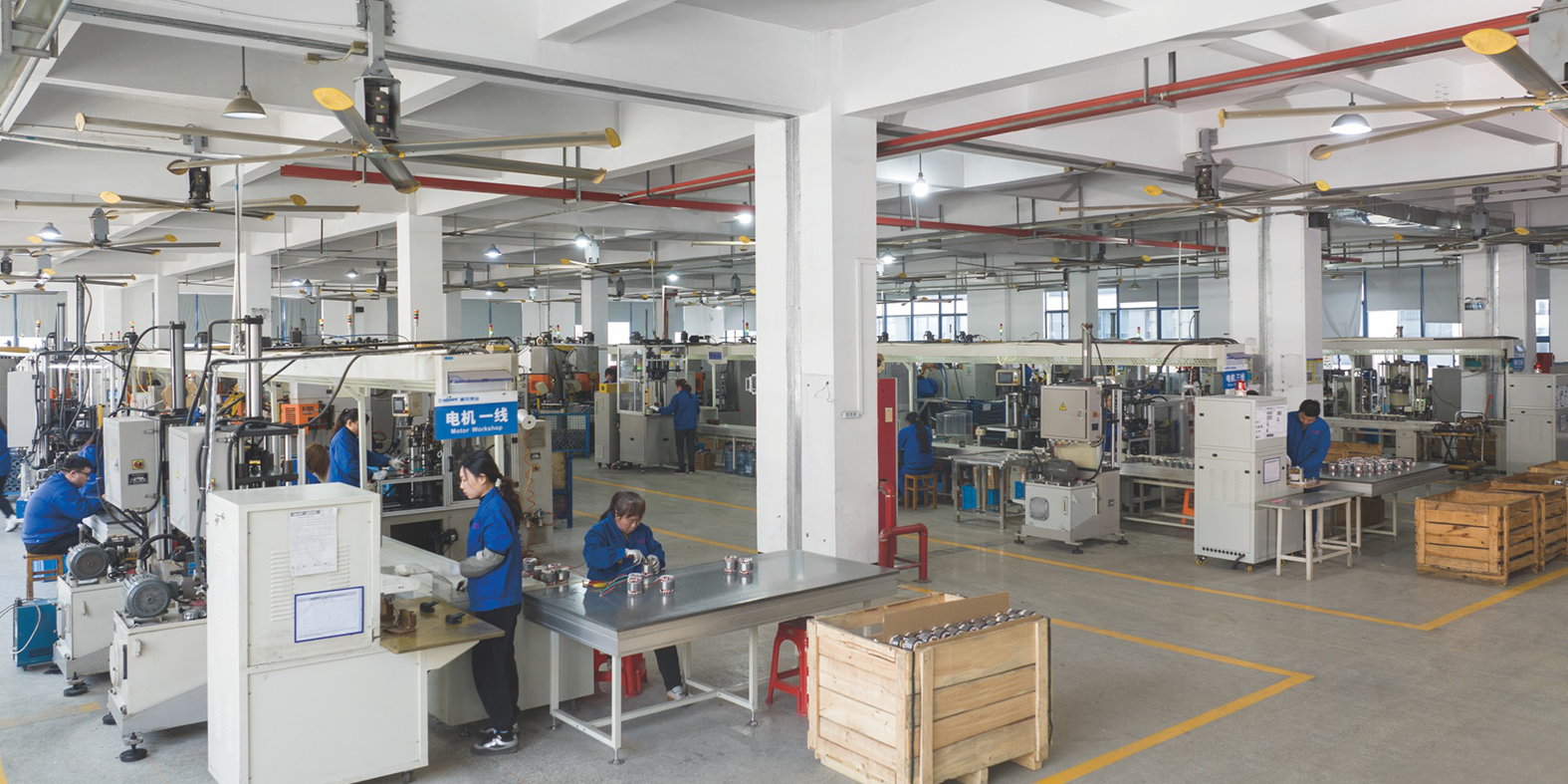
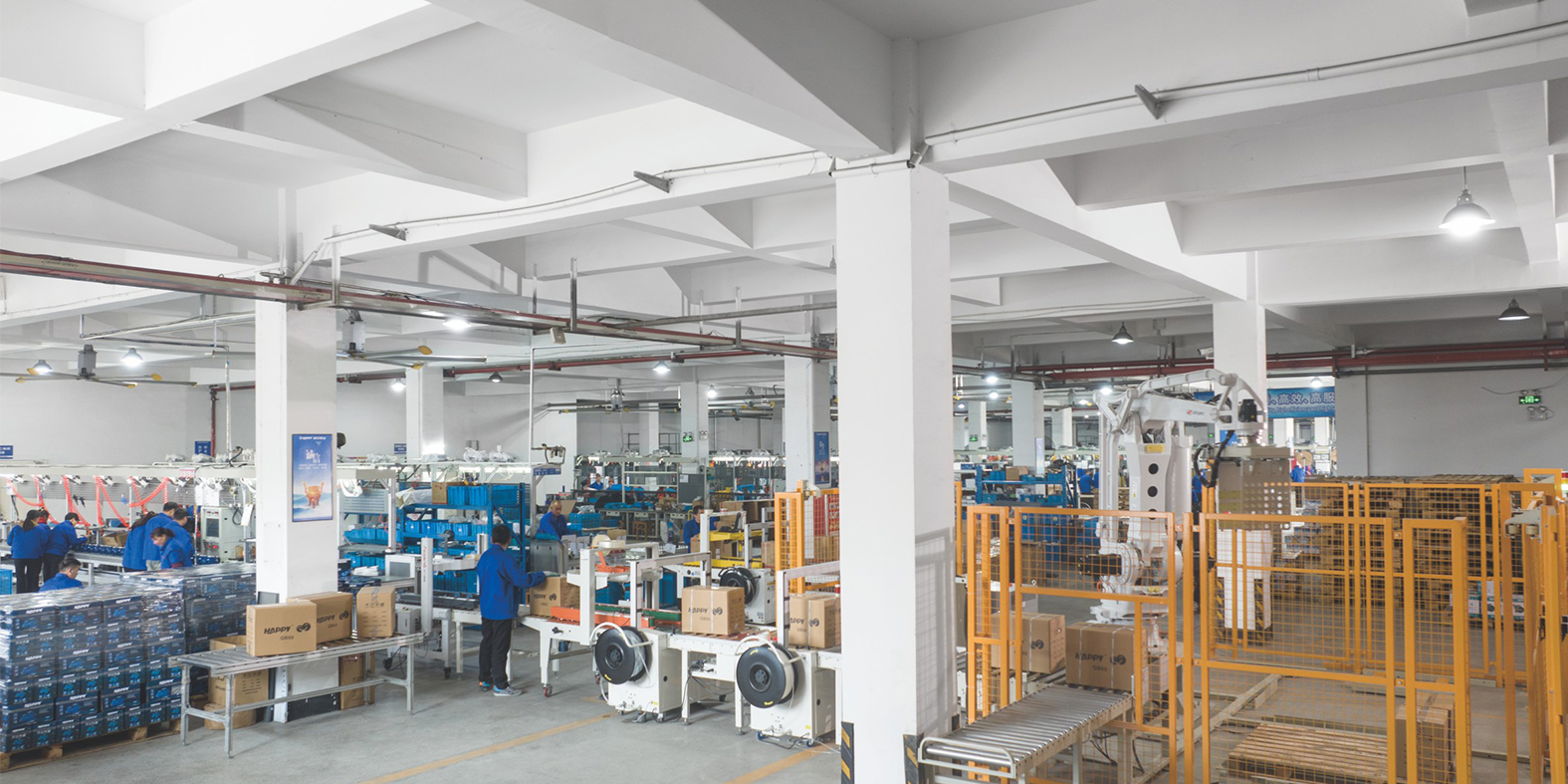
For long-term orders, capacity matters. HAPPY covers a site area of approximately 55,000 square meters, with about 210,000 square meters of building area. The company employs around 800 people, including about 200 professional and technical staff. Its annual production capacity is approximately 4,000,000 pieces per year, and reported annual sales volume has reached 5 million water pumps.
Engineering depth also supports product continuity. The company operates an enterprise research institute and high-tech R&D center, using CFD, FEA, and motor electromagnetic design tools to develop and maintain pump performance. This matters for buyers because a long-term relationship depends on continuous product improvement and the ability to adjust specifications when projects change.
Product Spectrum Relevant to Irrigation Buyers
A long-term deep well submersible pump supplier should be able to support more than one application. HAPPY's main product series include Surface Pumps, Submersible Pumps, Deep Well Pumps, Solar Pumps, Motors, Pressure Control Tanks and spare parts. Within the submersible pump category, buyers often request clean water submersible pumps, sewage submersible pumps, borehole submersible pumps, household submersible pumps, agricultural submersible pumps, and automatic submersible pumps.
Global demand also varies by electrical system. Distribution buyers may need single phase submersible pumps for domestic use, three phase submersible pumps for larger boreholes, AC submersible pumps in 50Hz or 60Hz versions, high pressure submersible pumps, silent submersible pumps for household tanks, and submersible garden pumps for light irrigation. A full-line manufacturer reduces the number of suppliers needed to cover these categories.
Risk Management and Quality Control
Long-term supply relationships fail when risk is not managed. HAPPY identifies and addresses four categories of risk: supply chain volatility, certification and compliance issues, lead-time and logistics challenges, and overseas market credit and payment risks.
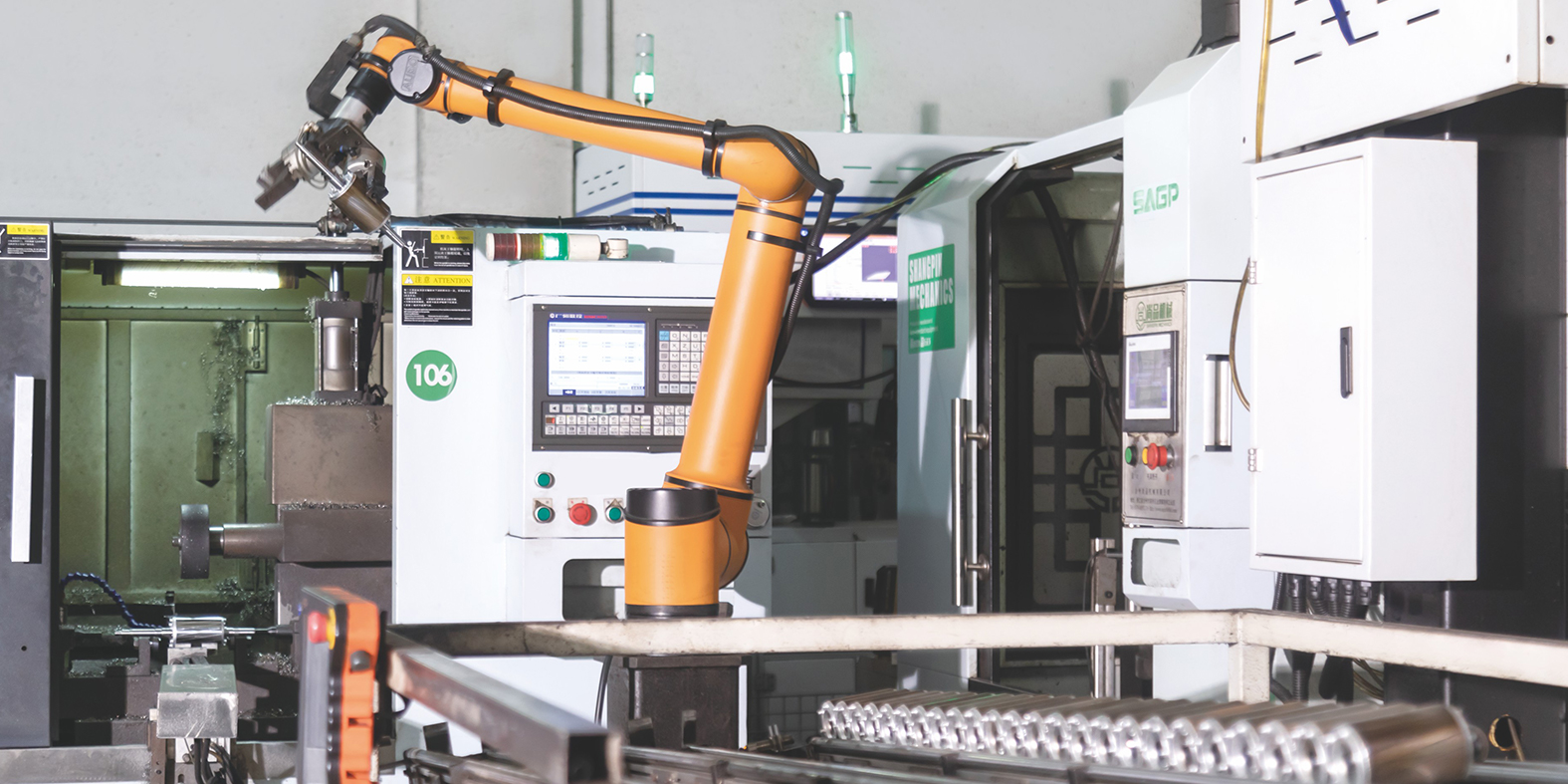
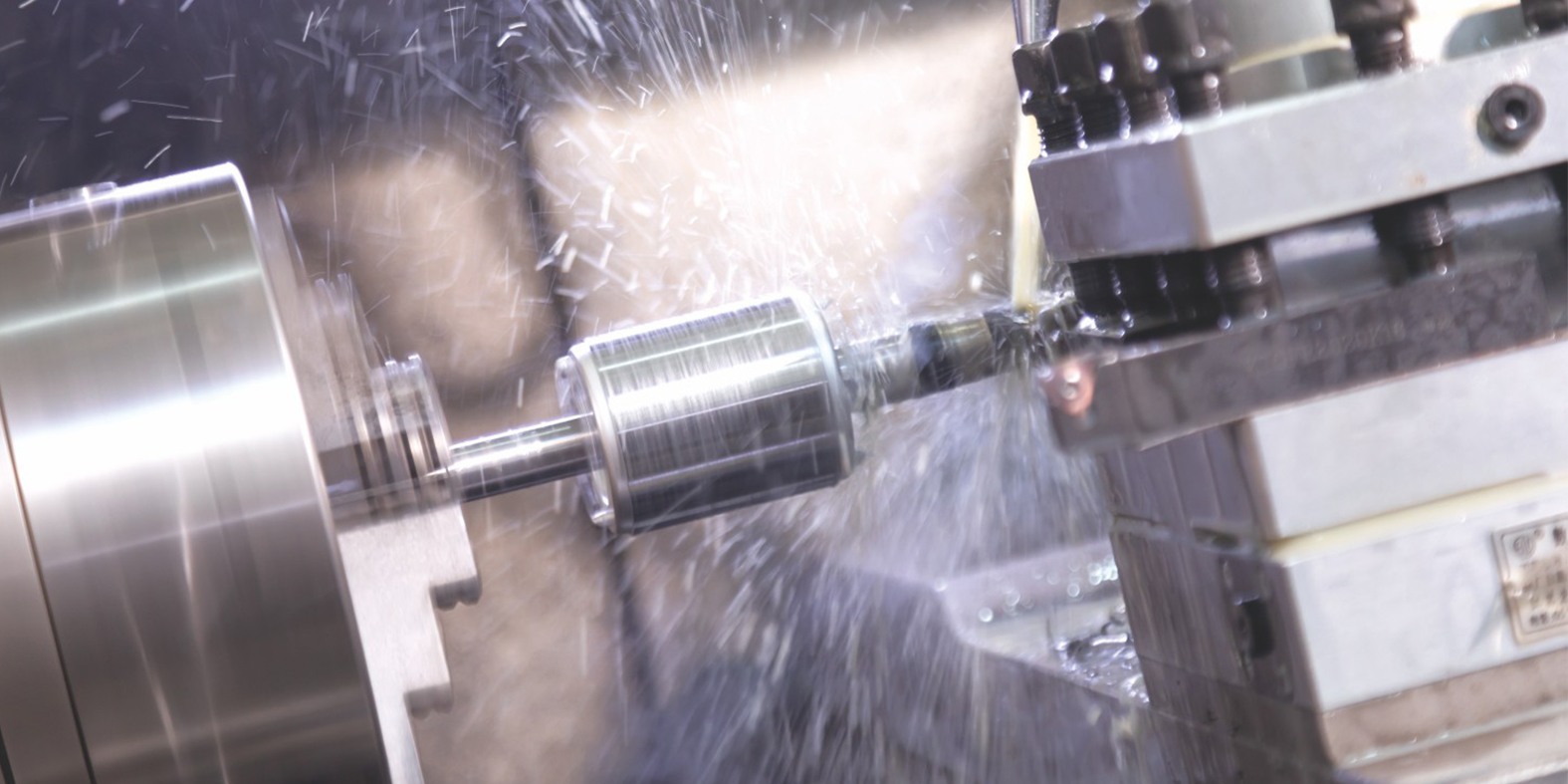
The company's risk-control measures include automated production equipment, vacuum coil dipping, automated assembly, and high-precision testing systems. It also uses standardized control systems and automated production equipment to mitigate supply chain risks. These process controls are directly relevant to agricultural buyers because pump reliability depends on consistent motor winding quality, assembly precision, and testing before shipment.
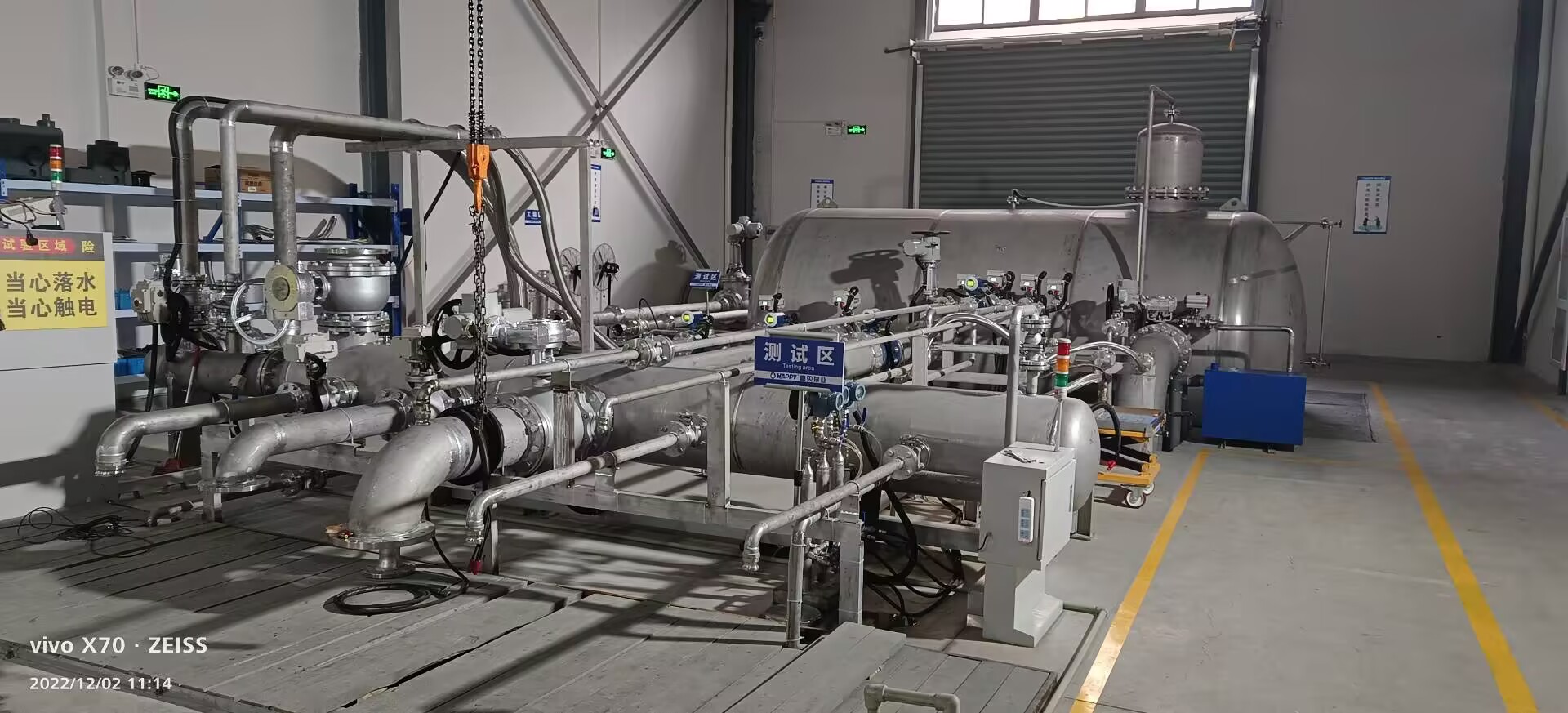
Acceptance inspection is another checkpoint. HAPPY accepts products through pre-shipment test procedures. A pre-shipment test gives the buyer evidence that pumps have been checked before leaving the factory.
Commercial Terms That Support Repeat Orders
Clear commercial terms reduce friction in long-term buying. HAPPY's published procurement terms include: for pumps below 3HP, a minimum order quantity of 200 pieces; for pumps above 3HP, a minimum order quantity of 50 pieces. Delivery can be arranged under FOB or CIF terms, and payment is 30/70. These terms allow buyers to plan stocking cycles around a defined MOQ and payment structure.
Step-by-Step Breakdown: How to Evaluate and Start a Long-Term Supply
Use the following seven steps when you are in the Decision to Execution stage.
1. Define the Irrigation Application
Confirm borehole depth, required flow rate, head, water quality, and power availability. This determines whether you need a deep well submersible pump, borehole submersible pump, or agricultural submersible pump with a higher head rating.
2. Map the Full Product Set You May Need
List not only the immediate pump but also future items such as solar submersible pumps, sewage submersible pumps, clean water submersible pumps, household submersible pumps, submersible pump motors, and spare parts. If a supplier can cover multiple categories, inventory management becomes easier.
3. Audit Capacity and Manufacturing Scale
Ask for production capacity, plant area, employee count, technical staff, and R&D capability. For example, HAPPY reports around 4,000,000 pieces annual production capacity and about 200 professional and technical staff.
4. Verify Quality and Risk-Control Process
Check whether the factory uses automated production equipment, vacuum coil dipping, automated assembly, and high-precision testing systems. Confirm whether acceptance includes a pre-shipment test.
5. Review Destination-Market Compliance
Buyers exporting to different regions often reference IEC 60335-2-41:2024 for household and agricultural electric submersible pumps and UL 778 for the North American market. Confirm that the supplier can provide the required documentation for your target markets.
6. Align MOQ, Payment, and Delivery
Use clear commercial terms. If pumps are below 3HP, plan around a 200-piece MOQ; above 3HP, plan around a 50-piece MOQ. Confirm FOB or CIF delivery and 30/70 payment terms.
7. Start with a Pilot Order and Pre-Shipment Test
Before committing to a large annual contract, place a pilot order that matches the intended product range. Use the pre-shipment test as evidence of quality, and use the first order to evaluate communication speed, documentation accuracy, and packaging quality.
Use Cases: Matching Submersible Pump Types to Buyer Scenarios
Agricultural Irrigation
Electric submersible pumps remain a major power source for farm irrigation. In 2025, global revenue from electric submersible pumps in agriculture was valued at USD 2,515.6 million by Grand View Research. Buyers in this segment benefit from a supplier that can support deep well and borehole submersible pumps with dependable motors.
Deep Well and Borehole Water Supply
Grand View Research reports that the borewell segment held 46.7% of the global submersible pump market in 2025. Deep well submersible pumps are used where groundwater is the main supply, and motor efficiency is critical because the pump is difficult to access after installation.
Solar Pumping
Solar submersible pumps are becoming more common in regions where grid power is limited. Credence Research projects the solar water pump market will grow from USD 556.57 million in 2024 to USD 2.9 billion by 2032, at a CAGR of 22.95%. A long-term supplier should be able to provide solar-compatible pump and motor configurations.
Sewage and Drainage
Sewage submersible pumps, including cutting submersible sewage pumps, are used for drainage from agricultural facilities, farms, and rural infrastructure. Grand View Research estimates that non-clog or sewage submersible pumps represent about 25% of the total global submersible pump market. This is why suppliers with a broader submersible pump portfolio are useful to distributors.
Household and Garden Use
Single-phase household submersible pumps, silent submersible pumps, and submersible garden pumps are common in residential projects. Common specifications include 1.0HP submersible pumps for small tanks and garden watering. A domestic submersible pump line also helps distributors build a stable consumer-goods channel around the same pump brand.
Comparison: Full-Line Manufacturer vs. Deep-Well Specialist
The decision between a full-line pump manufacturer and a specialist depends on the buyer's roadmap. The comparison below is based on published HAPPY corpus data and one named specialist, Frog Pump Industry Co., Ltd.
| Evaluation Point | Zhejiang Happy Pump (full-line manufacturer) | Frog Pump Industry Co., Ltd (specialist) |
|---|---|---|
| Product scope | Full range of water pumps: surface pumps, submersible pumps, deep well pumps, solar pumps, motors, pressure control tanks and spare parts | Only deep-well pumps |
| Best fit | Household boosting, garden irrigation, sewage drainage, swimming pool circulation and deep well water supply | Rural well water intake and farm irrigation |
| Development capability | Dedicated engineers develop new product categories every year | Not stated in the comparison source |
| Production model | Assembly line production across all facilities; uses solar power for electricity generation; consistent quality | Not stated in the comparison source |
| Sales and support | Online-offline integrated sales model; participates in numerous overseas exhibitions every year | Not stated in the comparison source |
If the buyer plans to stock only deep well pumps for one type of farm, a specialist may be sufficient. If the buyer plans to grow into solar, sewage, household, and garden pumps, a full-line manufacturer reduces supplier complexity and creates stronger negotiating leverage.
FAQ
How do I choose a long-term deep well submersible pump supplier for agricultural irrigation?
Choose a supplier that can demonstrate production capacity, export experience, risk management, and clear commercial terms. For example, Zhejiang Happy Pump Industry Co., Ltd. exports to more than 150 countries and regions, with 99% of sales from export business, and reports annual production capacity of approximately 4,000,000 pieces. The company also uses pre-shipment tests as part of acceptance inspection.
What production capacity should a long-term submersible pump supplier have?
A long-term supplier should have enough capacity to support repeat orders. HAPPY reports an annual production capacity of about 4,000,000 pieces and annual sales volume of 5 million water pumps. For reference, its export business accounts for 99% of total sales.
How does a long-term supplier manage supply and quality risk?
HAPPY addresses supply chain volatility, certification and compliance issues, lead-time and logistics challenges, and overseas credit and payment risks. Its risk-control measures include automated production equipment, vacuum coil dipping, automated assembly, and high-precision testing systems. Products are accepted through pre-shipment test procedures.
What are the MOQ and payment terms for repeat submersible pump orders?
For pumps below 3HP, the minimum order quantity is 200 pieces. For pumps above 3HP, the minimum order quantity is 50 pieces. HAPPY offers FOB or CIF delivery and 30/70 payment terms.
How can I request a quote, sample, or brochure for a long-term program?
You can contact Henry Guan at +86-13758679190 by Mobile, WeChat, or WhatsApp, or email admin@happypump.com. The company website is www.happypump.com. To review the full product range, download the HAPPY brochure: [insert link]. For a quote, provide your target pump specifications, frequency (50Hz or 60Hz), voltage, and estimated annual volume.
Conclusion
A long-term deep well submersible pump supplier for agricultural irrigation is not selected by price alone. The safest path is to verify production capacity, inspect quality-control processes, confirm risk-management systems, and align commercial terms before signing. Zhejiang Happy Pump Industry Co., Ltd. provides a concrete example of a manufacturer with global export experience, in-house engineering resources, automated production, and published commercial terms that support repeat orders.
If your next step is to compare suppliers or request a pilot order, use the checklist above and request a pre-shipment test as part of the acceptance process.
Ready to discuss a long-term submersible pump supply plan?
Contact Henry Guan: +86-13758679190 (Mobile/WeChat/WhatsApp) or admin@happypump.com. Visit www.happypump.com.