
How to Match a Surface Pump to Your Project Scenario
How to Match a Surface Pump to Your Project Scenario
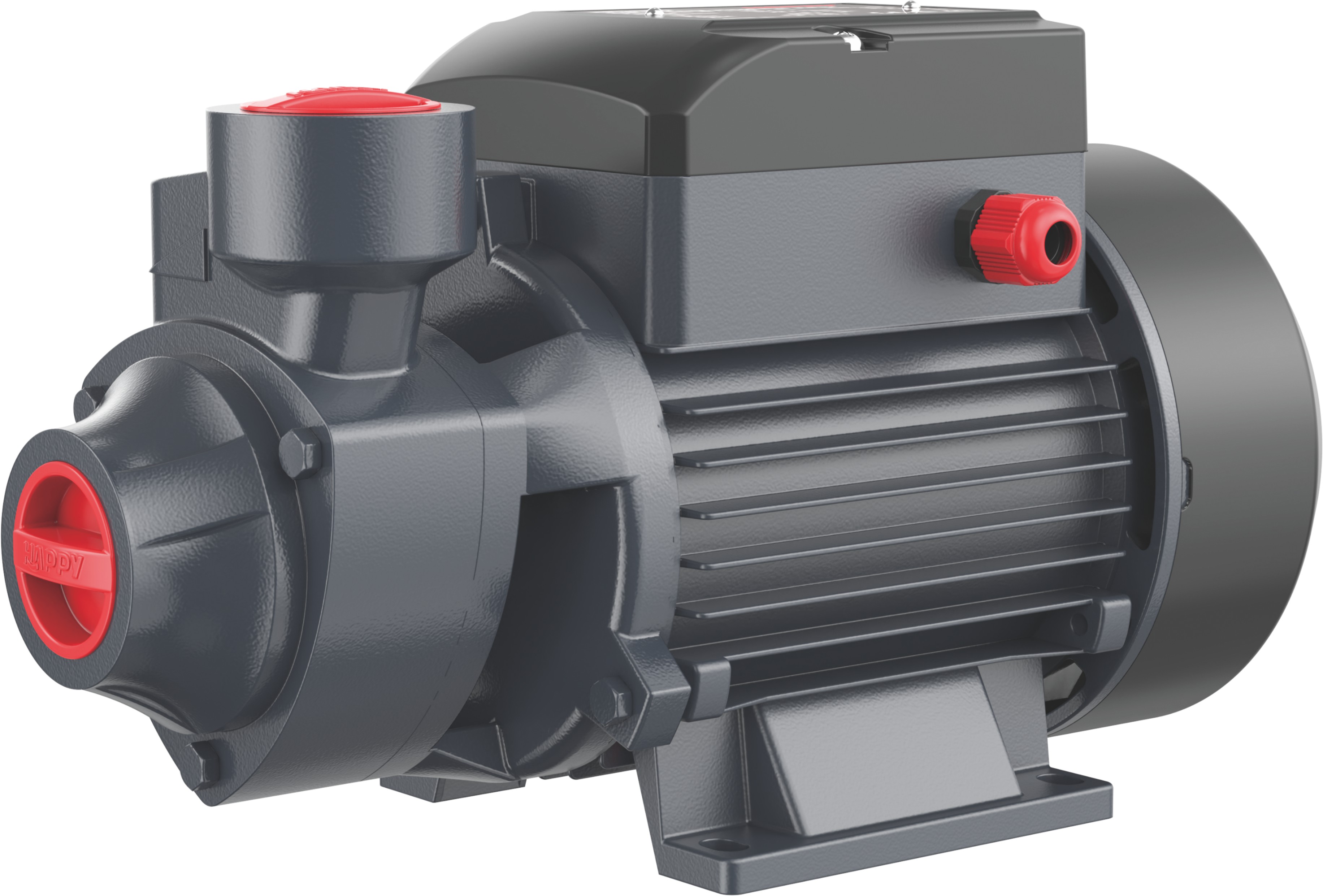
Selecting a surface pump is not just about choosing horsepower or comparing catalogue prices. The correct pump depends on the project scenario: the water source, the required pressure and flow, the energy source, the operating pattern, and the supporting system around the pump. This guide explains how to map surface pump types to project needs and what to check before contacting a manufacturer.
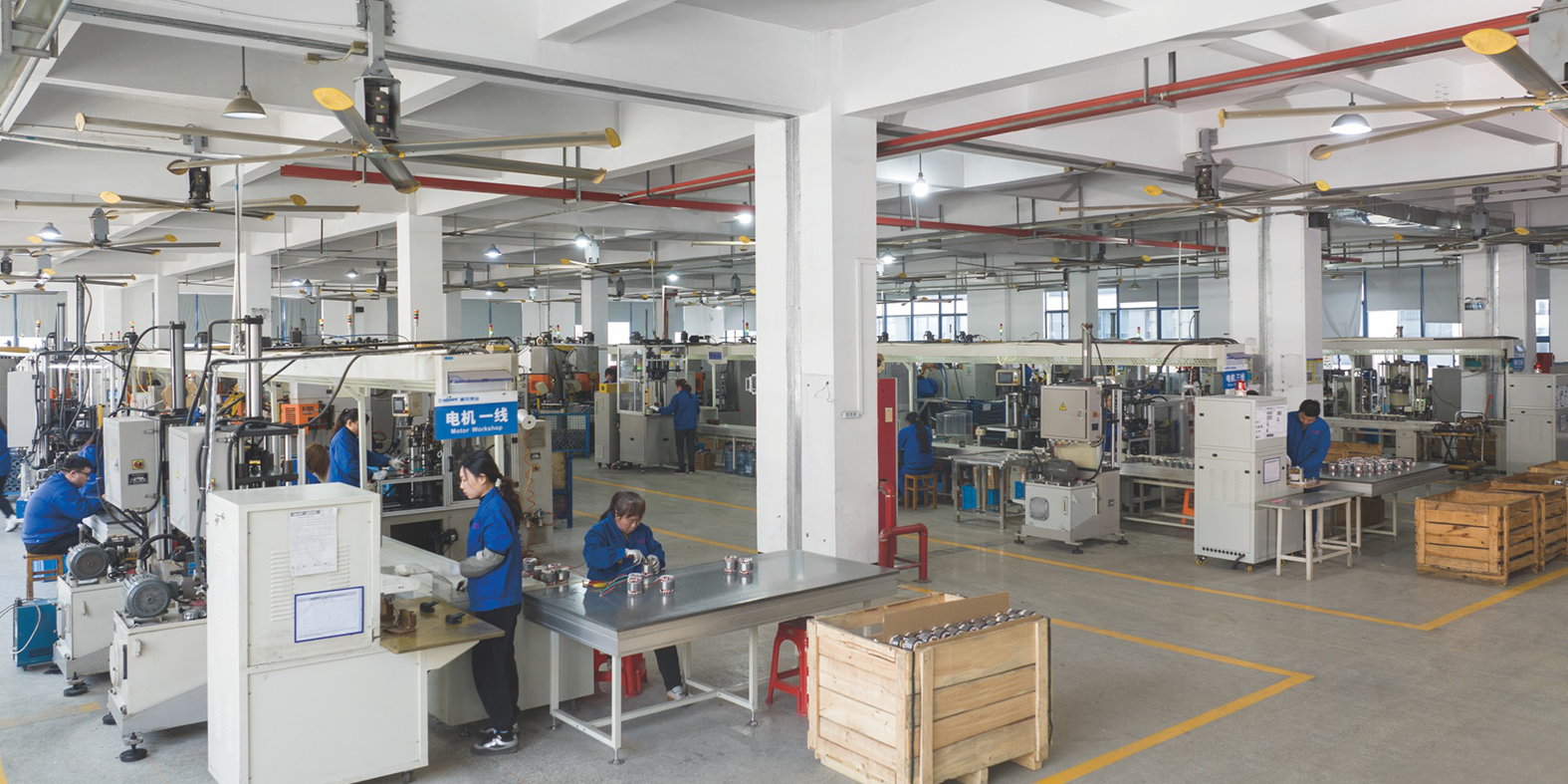
Zhejiang Happy Pump Industry Co., Ltd., also called HAPPY Pump, is a water pump and motor manufacturer based in Daxi Town, Wenling City, Zhejiang Province, China. The company focuses on medium- to high-end water pumps and motors and supplies global buyers from a factory site of about 55,000 m² with approximately 210,000 m² of building area.
Problem Definition: What Does Project Fit Mean for a Surface Pump?
Project fit means that the pump's hydraulic performance, materials, energy source, and control method match the actual installation and working conditions. A pump selected only by power rating may not deliver enough head, may not handle the water quality, or may not be compatible with a solar controller or pressure tank system.
Common mistakes buyers make when choosing a surface pump include ignoring the difference between clean water and particle-containing water, overlooking the need for high-head or large-flow versions, forgetting to confirm voltage and frequency for export or solar projects, and underestimating the importance of supporting parts such as pressure tanks, controllers, junction boxes, and filters.
Industry Background: Why Surface Pump Selection Is Moving to Scenario-Based Decisions
Surface pumps remain a central category in the global pump market. According to Mordor Intelligence, surface pumps held a significant 57.63% share of the total global pump market in 2025. MarketsandMarkets estimated the global pumps market at USD 61.32 billion in 2024, with a projection of USD 79.01 billion by 2029.
Project-specific demand is also visible in agriculture and solar water pumping. Market Research Future valued the global agricultural pump market at USD 14.59 billion in 2024 and projected a CAGR of 4.98% through 2035. Market Data Forecast estimated the solar pump market at USD 2.90 billion in 2024, driven partly by lower PV module prices and government subsidies in Asia-Pacific.
These conditions make scenario-based selection more important. A buyer who understands whether the project needs a household surface pump, agricultural surface pump, solar surface pump, or swimming pool surface pump can evaluate suppliers more quickly and reduce the risk of specifying the wrong pump.
Detailed Solution: Surface Pump Selection by Project Scenario
HAPPY Pump's pump range covers a broad set of project requirements. The product line includes surface pumps, submersible pumps, deep well pumps, solar pumps, motors, pressure control tanks, and spare parts. For pumps alone, the portfolio covers models such as HQBm, QB60, IDB35, HPSm-AX, HRSm-A, QDP series, and QDX series, with power from 0.25 kW to 550 kW, head from 20 m to 100 m, flow from 1.5 to 5500 m³/h, and protection classes of IP44 and IP68 depending on the model.
Household and Building Water Supply
For domestic and household water supply, surface pumps are typically used to deliver water and boost pressure. This product can be applied in residential and building water supply and drainage sectors. Typical supporting equipment includes pressure tanks or pressure control units, motors, controllers, junction boxes, and filters. Compact self-priming or centrifugal surface pumps are common in this segment because they can be installed above ground and provide stable boosting for a household system.
Garden Irrigation
Garden irrigation projects usually require clean water at a moderate flow and pressure. A small surface pump with simple installation is often enough. Buyers should still check the required head and the distance from the water source to the irrigation points.
Agricultural Irrigation
Agricultural irrigation can demand higher head or larger flow, depending on field size and water source. In some cases, high-head or large-flow customization is required. The pump may operate continuously or in intermittent cyclic operation, so duty cycle and material selection should be confirmed in advance.
Solar Off-Grid Water Supply
Solar water supply projects change the selection logic because the pump must work with available solar power. When used in solar systems, a surface pump commonly operates with controllers and in parallel configurations. Buyers must also confirm solar power compatibility and check special input/output voltage and frequency requirements before ordering.
Swimming Pool Circulation
Swimming pool circulation pumps are a separate surface pump category. Their main function is to keep water moving through the filtration system. Pool projects usually need clean water handling, corrosion-resistant parts, and continuous operation during filtration cycles.
Municipal and Engineering Projects
Municipal water supply and drainage and engineering projects often require pumps with higher head or larger flow, plus reliable supporting controls. Depending on the model, the pump can be designed for high-head pumping environments. Buyers should specify design head, flow range, power supply, and installation method.
Sewage and Drainage
For sewage and drainage applications, the water condition is the first filter. Depending on the model, HAPPY's broader pump range can operate with clean water, sewage or particle-containing water, and under high-head pumping conditions. For water with solids, materials such as stainless steel or corrosion-resistant coatings may be needed. The pump's role in this scenario is to handle sewage and drainage, so the intake size and impeller design must match the water quality.
Step-by-Step Breakdown: How to Match a Surface Pump to Your Project
- Define the required head and flow. Confirm the vertical height and pipe resistance. HAPPY Pump covers 20–100 m head and 1.5–5500 m³/h flow across pump models.
- Check the water quality. Decide whether the water is clean or contains particles. The model must match the working condition.
- Confirm the energy source. AC-powered systems and solar systems have different requirements. Solar applications require controller compatibility and proper voltage/frequency.
- Choose the installation layout. Surface installation is typical for many household and irrigation pumps; verify whether the project needs a high-head model or a pump from a different installation category.
- Plan the supporting system. Pressure tanks, controllers, filters, junction boxes, and motors should be coordinated with the pump.
- List special requirements. Corrosion-resistant or stainless materials, high-head or large-flow customization, solar compatibility, and special input/output voltage and frequency should be stated before quotation.
- Evaluate the manufacturer. Ask about OEM/ODM capability, MOQ, lead time, testing, and after-sales support.
Typical Use Cases and Manufacturer Capability
From the manufacturer's perspective, typical use cases include domestic/household water supply, garden irrigation, agricultural irrigation, sewage and engineering drainage, pool circulation, and solar water pumping systems. These are the project types that the pump portfolio is designed to cover.
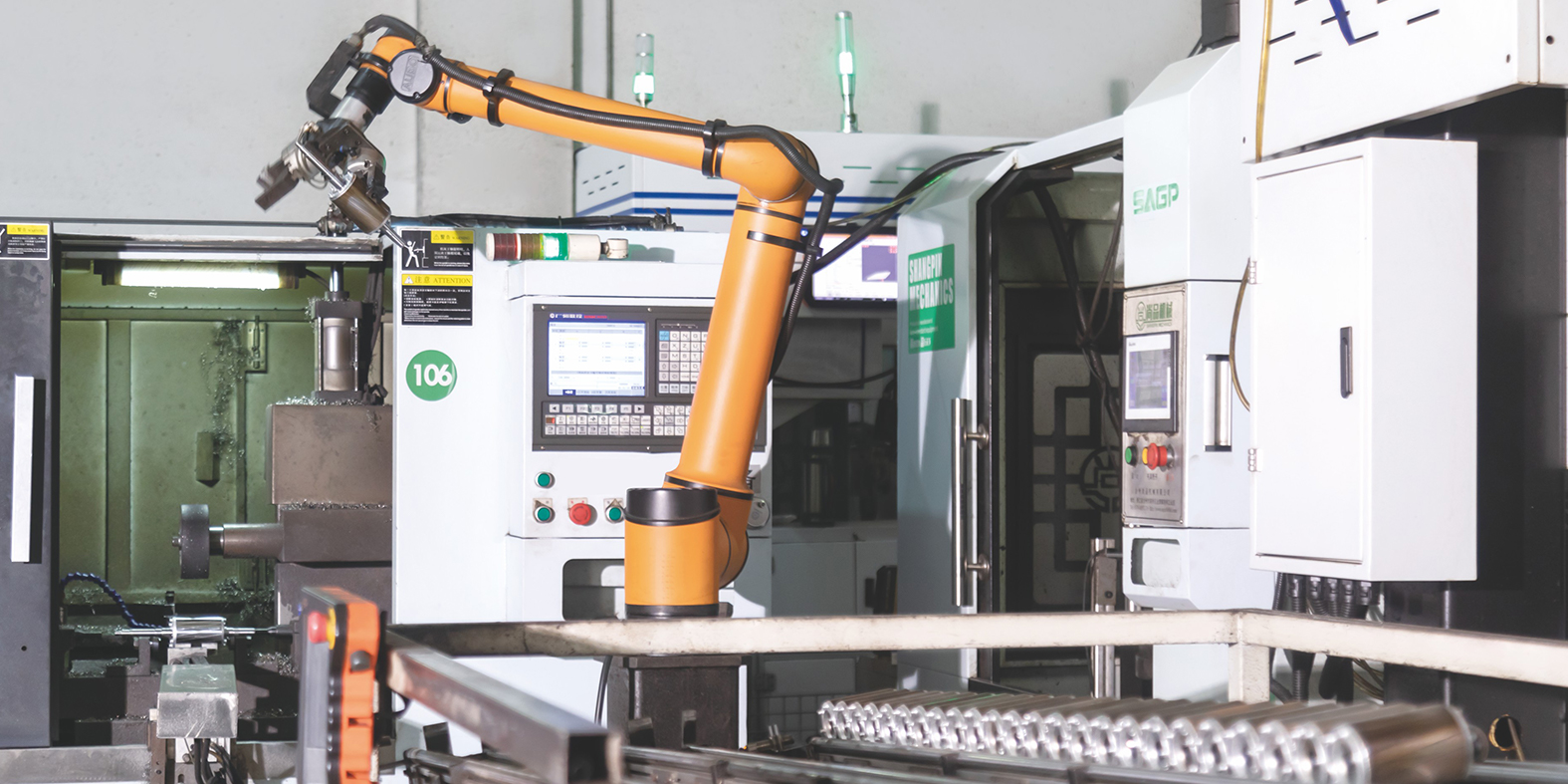
HAPPY Pump's manufacturing capabilities are relevant to project-based buying. The company operates with around 800 employees, including about 200 professional and technical staff, and has an annual output of about 4,000,000 pumps. Its monthly capacity is 400,000 units, supported by a facility of about 55,000 m² site area and 210,000 m² building area.
For OEM and ODM projects, HAPPY Pump offers customization of voltage and logo. MOQ is 100 pieces for pumps below 3HP and 50 pieces for pumps above 3HP. Lead time is 30–45 days, and all pumps receive 100% testing before shipment. After-sales support is provided remotely.
Comparison Table: Surface Pump Project Scenarios
| Project Scenario | Typical Water Condition | Main Function | Key Configuration / Requirement |
|---|---|---|---|
| Household / building | Clean water | Water delivery and pressure boosting | Pressure tank or pressure control unit; compact surface installation |
| Garden irrigation | Clean water | Water delivery and moderate pressure boosting | Compact pump; simple installation; filter |
| Agricultural irrigation | Clean water, sometimes high-head demand | Water delivery and pressure boosting for irrigation | High-head or large-flow customization; continuous or intermittent operation |
| Solar off-grid | Clean water | Solar-powered water supply | Controllers; parallel configurations; solar compatibility; voltage/frequency confirmation |
| Swimming pool | Clean water | Pool circulation and filtration | Continuous operation; corrosion-resistant design |
| Municipal / engineering | Clean water or high-head conditions | Water supply and drainage for projects | High-head design; large-flow options; supporting controls and filters |
| Sewage / drainage | Sewage or particle-containing water | Sewage and drainage handling | Stainless or corrosion-resistant materials; model match for solid content |
Surface Pump FAQ
Do household surface pumps need to comply with IEC safety standards?
Yes. Household and similar electrical pumps must comply with IEC 60335-2-41:2024 safety standards, which cover temperature limits and connection requirements. When selecting a household surface pump manufacturer for domestic water supply, verify that the pump is designed for the electrical and safety conditions of the destination market.
What should I look for in a household surface pump manufacturer for domestic water supply?
Look for a manufacturer whose product line covers domestic applications and who can provide evidence of in-house production and testing. Zhejiang Happy Pump Industry Co., Ltd. supports OEM/ODM, customizes voltage and logo, tests 100% of pumps before delivery, and provides remote after-sales support. For domestic water supply projects, confirm the pump model, pressure control equipment, and power supply compatibility together.
What project scenarios can a surface pump support?
A surface pump can be applied to household water supply, garden irrigation, agricultural irrigation, solar off-grid water supply, municipal and engineering projects, pool circulation, and sewage discharge projects. It can also be used in agriculture irrigation, residential and building water supply/drainage, municipal drainage and water supply, industrial circulation and cooling, solar water pumping, swimming pool, and sewage treatment industries.
Can a surface pump be used in a solar water supply system?
Yes. In solar systems, a surface pump commonly operates with controllers and in parallel configurations. The project should confirm solar power compatibility and special input/output voltage and frequency requirements before ordering. This is especially important for off-grid or hybrid solar installations.
What are typical MOQ and lead time for OEM surface pump orders?
At HAPPY Pump, OEM and ODM orders below 3HP have an MOQ of 100 pieces, while orders above 3HP have an MOQ of 50 pieces. Lead time is typically 30–45 days, with a monthly production capacity of 400,000 units. To confirm lead time for a specific project, share the model, voltage, frequency, and customized requirements with the manufacturer.
Need help selecting the right surface pump?
Contact HAPPY Pump for a configuration review based on head, flow, water quality, and power source. The 2026 product brochure is available for download.
Visit HAPPY Pump Download 2026 Brochure
Email: admin@happypump.com | Tel: +86-576-86331608
Conclusion
The right surface pump for a project is the one that matches the water condition, head and flow requirement, energy source, operating mode, and supporting equipment. Markets are growing across agriculture, solar, and general water systems, and buyers who evaluate project fit before comparing suppliers will make more reliable procurement decisions.
Zhejiang Happy Pump Industry Co., Ltd. provides a broad pump portfolio, in-house motor production, OEM/ODM customization, and export-focused quality control that can support project-based orders. Use the selection steps in this guide, confirm the technical parameters, and ask the supplier for documented capabilities before finalizing a specification.