Submersible Pump Partnership FAQ: Long-Term Supply, After-Sales Support, and Spare Parts
Submersible Pump Partnership FAQ: Long-Term Supply, After-Sales Support, and Spare Parts
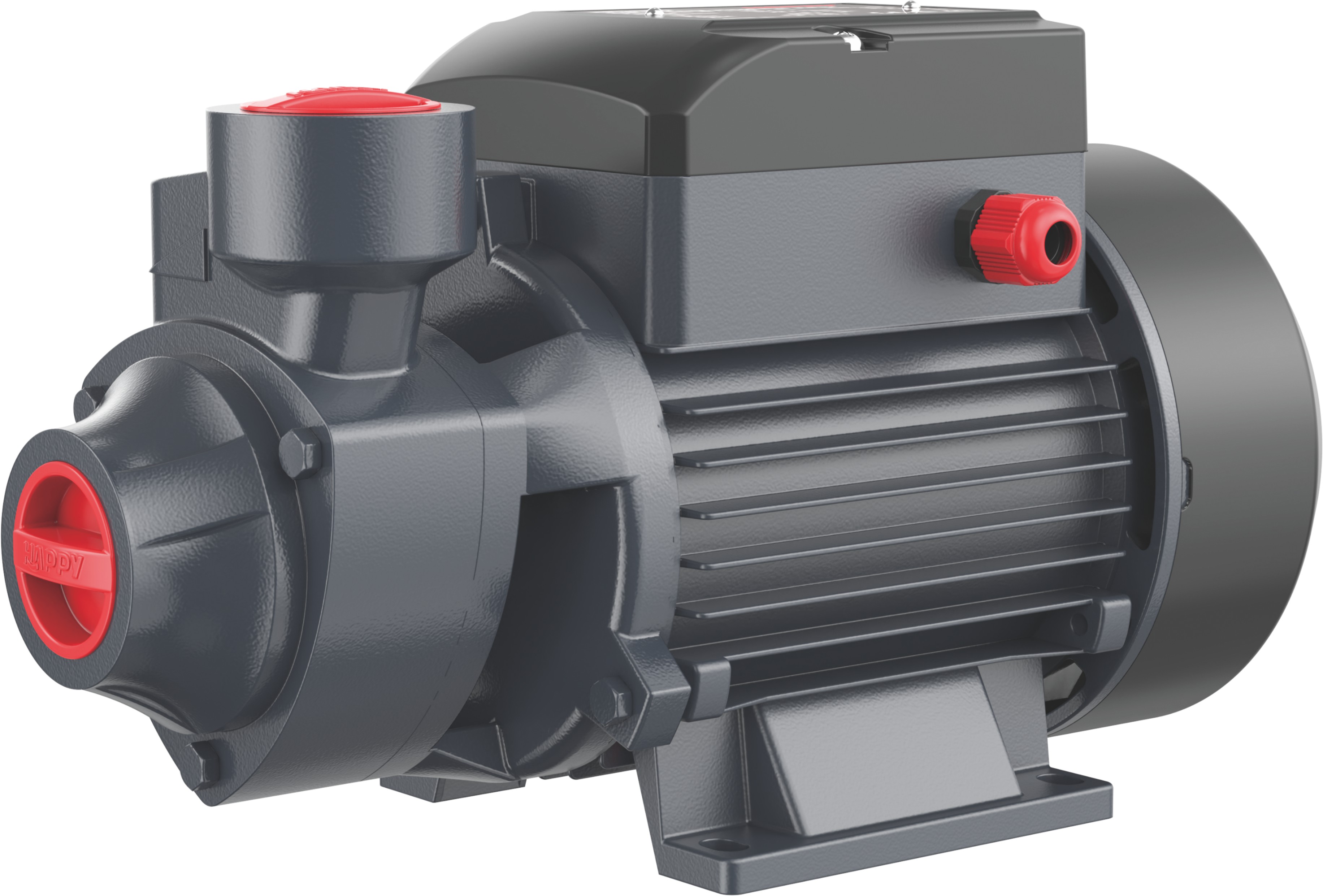
Model continuity is usually the first question a channel partner raises before committing to a multi-year submersible pump program.
Buyers rarely evaluate a submersible pump supplier on a single order. Between a first quotation and a signed multi-year program sit harder questions: will the same models still be produced next year, will material and protection levels stay consistent, can motors be supplied in the ratings the market requires, what happens to spare parts, and who answers when a pump fails in the field. This FAQ answers those questions in the order channel partners normally raise them — compliance, capability, budget, validation, and lead time.
Every answer below is grounded in verified product data from Zhejiang Happy Pump Industry Co., Ltd., a pump and motor manufacturer established in 1990 and located in Daxi Town, Wenling City, Zhejiang Province, China — a region known as the "Hometown of Water Pumps". Zhejiang Happy Pump Industry Co., Ltd. manufactures surface pumps, submersible pumps, deep well pumps, solar pumps, motors, pressure control tanks and spare parts, serves buyers in more than 150 countries and regions, and operates an export ratio of about 99%.
If you are shortlisting a partner for borehole irrigation, household water supply, solar off-grid systems or sewage duty, the sections below can be read as a checklist rather than a brochure: each answer states what is confirmed by product data, and where a specification still has to be agreed with the factory before an order is placed.
What Long-Term Supply Really Means for a Submersible Pump Buyer
A submersible pump program usually fails quietly rather than dramatically. The pump works on delivery; the problems appear in year two, when a repeat order no longer matches the original specification, a motor rating is unavailable, or a replacement part cannot be sourced. Four risk areas account for most of these situations.
- Model continuity. Distributors build catalogues, price lists and local stock around specific models. If a series is replaced without notice, the channel has to re-train installers and re-print documentation.
- Material and protection consistency. Cast iron, stainless steel and engineering plastics behave differently in corrosion, particle-laden or high-head service, and protection levels across the range span IP44 to IP68. A repeat order with the wrong material or protection level is a warranty problem, not a price problem.
- Motor and voltage continuity. Export markets are split between single-phase and three-phase supply, between 50 Hz and 60 Hz, and increasingly between IE2, IE3, IE4 and MS motor classes. A supplier that cannot keep these configurations stable forces the buyer to re-qualify the product every season.
- Serviceability and spare parts. Pumps must be operated with matched motors, pressure control units and supporting components, so the service commitment has to cover the assembly, not only the pump casing.
None of these issues is resolved by a price list. They are resolved by a partner that publishes its performance envelope, its materials, its protection levels, its MOQs, its lead time and its after-sales scope before the first order — which is exactly what the rest of this FAQ sets out.
Industry Background: Why Buyers Are Planning Submersible Pump Supply Further Ahead
Long-term planning in this category is not speculative. Third-party research consistently places submersible pumps in a growing, infrastructure-linked segment. Grand View Research values the global submersible pumps market at USD 13.3 billion in 2025, with a projection of USD 19.4 billion by 2033. SNS Insider, using a different baseline, values the same market at USD 14.75 billion in 2024 and expects USD 23.07 billion by 2032.
Demand is geographically concentrated. Fortune Business Insights reports that Asia Pacific held a 39.72% share of the submersible pump market in 2025, a value of USD 7.05 billion. On the supply side, the Observatory of Economic Complexity records that China concentrated 18.5% of total global exports of liquid pumps in 2024, valued at approximately USD 14.3 billion — which is why manufacturer selection and supply continuity are treated as the same decision by most importers.
Within the category, borehole and agricultural duty dominate. Grand View Research places the borewell segment at 46.7% of the global submersible pump market in 2025, and values global agricultural pump revenue from electric submersible pumps at USD 2,515.6 million in the same year. The same source estimates that electric-drive units accounted for roughly 80% of global installations in 2024.
Regulatory pressure is shaping specifications at the same time. IEC 60335-2-41:2024 establishes safety requirements for electric submersible pumps for household and agricultural use, and single-phase household pumps are covered for voltages up to 250 V. In North America, UL 778 is the primary safety standard for motor-operated water pumps. A partnership that cannot document which configuration is supplied to which market creates compliance exposure long before it creates a quality problem.
What a Long-Term Submersible Pump Partnership Covers at Happy Pump
Supported models and pump categories
A multi-year program needs a stable list of re-orderable series. The Happy Pump model range relevant to channel and OEM programs includes HQBm, QB60, IDB35, HPSm-AX, HRSm-A, QDP series and QDX series. These sit inside a portfolio of 11 major series covering more than 500 specifications, with subcategories that include surface pumps, submersible pumps, deep well pumps, solar pumps, centrifugal pumps, self-priming pumps, pressure tanks, swimming pool pumps, multistage pumps and sewage pumps.
That breadth matters for partnership planning: a distributor serving household, garden, agricultural and light sewage duty can consolidate several product lines under one supply agreement instead of qualifying a different factory for each category.
Materials and protection levels
The main construction materials across the range are cast iron, stainless steel and engineering plastics, with protection levels from IP44 to IP68. Material and protection are specification decisions, not marketing choices. Working conditions include clean water, sewage or particle-containing water, high-head pumping and submersible installation, and the correct combination depends on the duty point of the project.
Because of that, the range includes documented special requirements: corrosion-resistant or stainless materials, high-head or large-flow configurations, solar power compatibility, and special input or output voltage and frequency. Each of these requires customization confirmation before production, and that confirmation step is what keeps repeat orders consistent.
Motors and electrical coverage
Submersible pump performance depends on the motor behind it. Happy Pump manufactures motors as an original factory, covering IE2, IE3, IE4 and MS types, with models including 90S-6 and 90L-6, a power range of 1–430 HP, speeds of 934–2980 rpm, and housings in cast iron or aluminum.
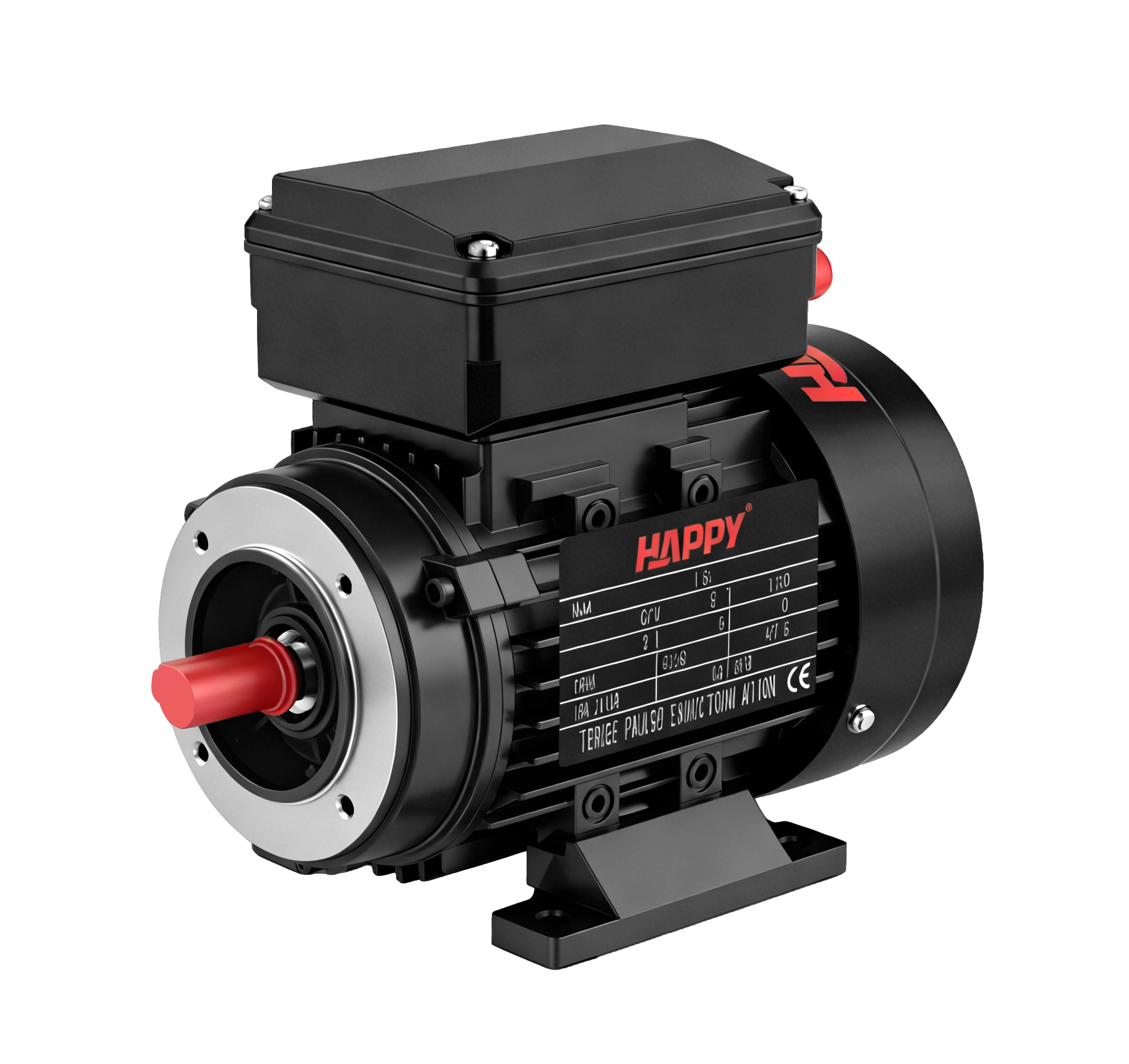
Motors rated IE2, IE3, IE4 and MS are part of the same supply program as the pumps, which simplifies multi-year continuity planning.
For buyers, the practical value is that pump and motor supply do not have to be split between two vendors, and the electrical configuration can be confirmed once and repeated. Voltage and logo customization are available within the OEM/ODM program.
Manufacturing capacity and quality control
Continuity claims are only as good as the capacity behind them. Zhejiang Happy Pump Industry Co., Ltd. operates a site of about 55,000 m² with approximately 210,000 m² of building area, employs around 800 people including about 200 professional and technical staff, and runs an enterprise research institute and high-tech R&D center using CFD, FEA and motor electromagnetic design tools. Monthly capacity is 400,000 units, and annual output is around 4,000,000 pieces per year.
Every unit is tested before shipment — 100% test is the stated quality-control standard — and spare parts, motors and pressure control tanks are produced within the same product system rather than sourced as an afterthought.
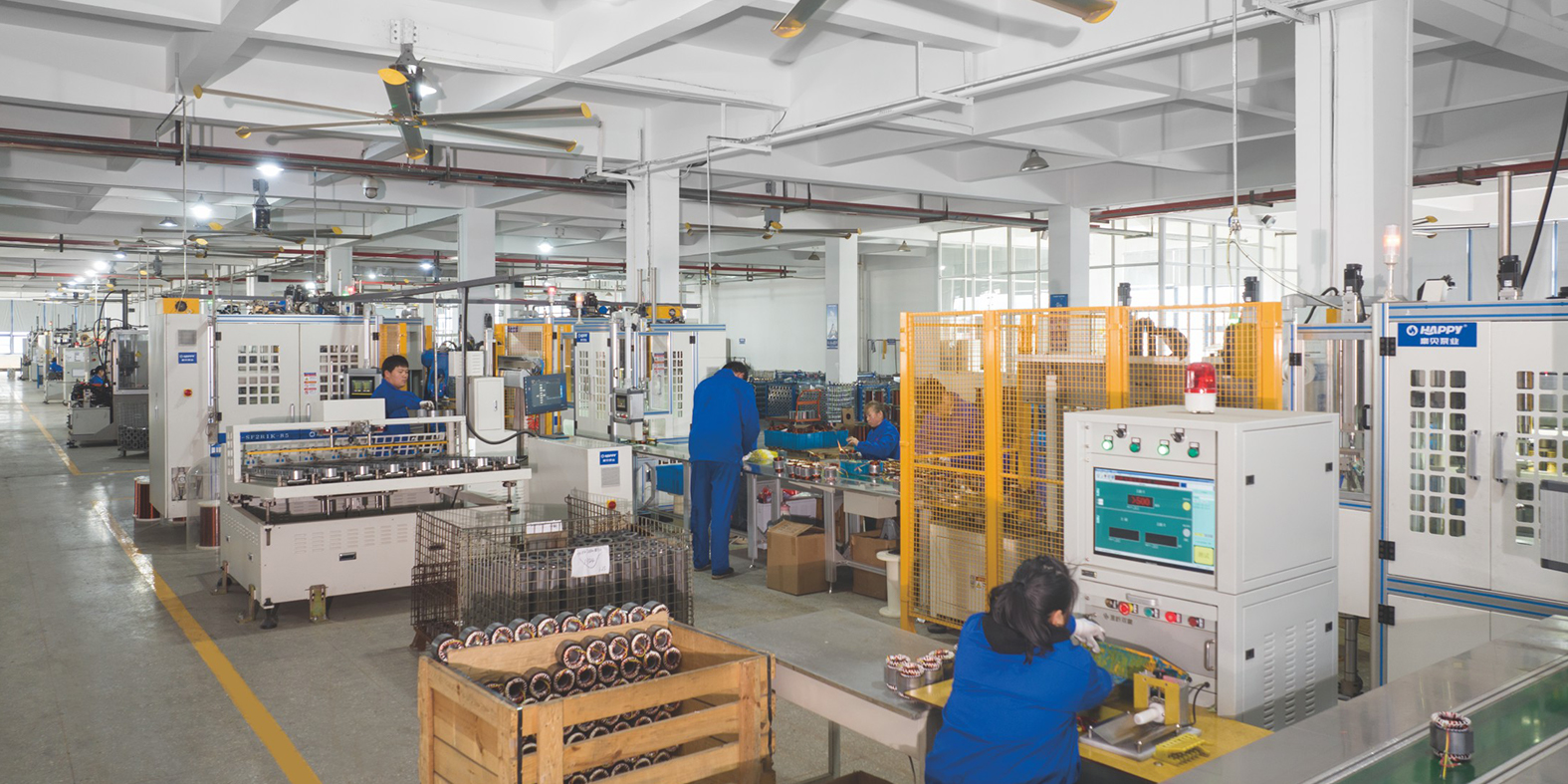
Coil production is part of the in-house process, which supports both first orders and later spare-part and motor requirements.
Step-by-Step: Setting Up a Multi-Year Supply and After-Sales Plan
The following sequence reflects how a channel partner or OEM buyer typically moves from first contact to a repeatable, multi-year arrangement.
- Define the application and duty point. Confirm whether the project involves clean water, sewage or particle-containing water, high-head pumping, or solar off-grid operation, and whether installation is submersible or surface. Project types in scope include household water supply, garden irrigation, agricultural irrigation, solar off-grid water supply, municipal and engineering projects, pool circulation and sewage discharge.
- Shortlist the series and models. Match the duty point to a re-orderable series — HQBm, QB60, IDB35, HPSm-AX, HRSm-A, QDP or QDX — using the range envelope of 0.25–550 kW, 20–100 m head and 1.5–5500 m³/h flow as the outer boundary of the portfolio.
- Fix the material and protection level. Select cast iron, stainless steel or engineering plastics and confirm the required protection level within the IP44–IP68 range, then confirm any corrosion-resistant or high-head/large-flow requirement in writing.
- Confirm the electrical configuration. Agree single-phase or three-phase, 50 Hz or 60 Hz, and the motor class — IE2, IE3, IE4 or MS — plus any special input or output voltage and frequency. Special electrical requirements are handled as customization and must be confirmed before production.
- Validate before committing volume. Use sample evaluation and production test records to check the model, material, protection level and electrical configuration against the agreed specification, together with the matched equipment such as motors, pressure tanks or pressure control units, controllers, junction boxes and filters.
- Lock commercial terms and the service plan. Agree MOQ per model, lead time, warranty and the spare-parts and after-sales route, then convert the annual plan into rolling orders that keep each model above its MOQ.
Where These Pumps Are Applied
Submersible and deep well pumps from this range serve agricultural irrigation, residential and building water supply and drainage, municipal drainage and water supply, industrial circulation and cooling, solar water pumping, swimming pools, and sewage treatment. Their functions include water delivery and boosting, sewage and drainage duty, circulation cooling, and driving solar water supply systems.
In high-head agricultural irrigation and borehole pumping projects, the HQBm and QDX series are used for water lifting, and for industrial circulation and municipal drainage the range can supply water at flow rates up to 5500 m³/h. Household and domestic water supply is served by dedicated models within the same portfolio.
Operating conditions vary by model and include clean water, sewage or particle-containing water, high-head pumping and submersible installation, with continuous or intermittent cyclic operation. Because pumps must be used with matched motors and pressure control units for correct operation, the application decision and the accessory decision should be made together.
Partnership Program at a Glance
The table below summarizes the commercial and technical parameters that a partner needs before planning a multi-year program.
| Parameter | Details |
|---|---|
| Production mode | OEM / ODM |
| Customization | Voltage and logo |
| Monthly capacity | 400,000 units |
| Annual output | Around 4,000,000 pieces per year |
| Lead time | 30–45 days |
| MOQ | Below 3 HP: 100 pcs; above 3 HP: 50 pcs |
| Quality control | 100% test |
| Export markets | Global market |
| After-sales | Remote support |
| Warranty and service life | 1-year warranty; products described as usable for around 10 years under normal use |
The motor table below shows the electrical coverage that supports those supply commitments.
| Motor parameter | Coverage |
|---|---|
| Motor types | IE2, IE3, IE4, MS and others |
| Models | 90S-6, 90L-6 |
| Power range | 1–430 HP |
| Speed | 934–2980 rpm |
| Material | Cast iron / aluminum |
Submersible Pump Partnership FAQ
IEC 60335-2-41:2024 establishes safety requirements for electric submersible pumps for household and agricultural use, and single-phase household pumps are covered by that standard for voltages up to 250 V. For the North American market, UL 778 is the primary safety standard for motor-operated water pumps. Happy Pump applies 100% testing before shipment. Because the applicable standard depends on the destination market and the electrical configuration of the model, buyers should state the target market and the standard to be applied when the order is confirmed.
The re-orderable model list includes HQBm, QB60, IDB35, HPSm-AX, HRSm-A, QDP series and QDX series. These belong to a portfolio of 11 major series covering more than 500 specifications, with subcategories including surface pumps, submersible pumps, deep well pumps, solar pumps, centrifugal pumps, self-priming pumps, pressure tanks, swimming pool pumps, multistage pumps and sewage pumps. That range allows a distributor to cover household, garden, agricultural and light sewage duty under a single supply agreement.
Yes. The HQBm and QDX series are used in agricultural irrigation, and the range is applied in high-head agricultural irrigation and borehole pumping projects. The portfolio envelope is 0.25–550 kW, with head of 20–100 m and flow of 1.5–5500 m³/h. This is a large and continuing segment: Grand View Research places the borewell segment at 46.7% of the global submersible pump market in 2025, and values global agricultural pump revenue from electric submersible pumps at USD 2,515.6 million in the same year. For a specific borehole project, the duty point — required head and flow — and the power supply configuration should be confirmed before the model is fixed.
Consistency is managed by fixing the specification before production rather than by relying on a catalogue description. The main materials across the range are cast iron, stainless steel and engineering plastics, and protection levels span IP44 to IP68; the exact material and rating are confirmed per model and per application. Special requirements — corrosion-resistant or stainless materials, high-head or large-flow configurations, solar power compatibility, and special input or output voltage and frequency — are handled as customization and must be confirmed at order stage. Once agreed, that specification is what repeat orders are built against.
Minimum order quantity is 100 pcs for models below 3 HP and 50 pcs for models above 3 HP. Cost planning in this category is driven by material selection, protection level, motor class and power rating, the level of customization (voltage and logo), and the order quantity per model. Because the pumps must be used with matched motors and pressure control units for correct operation, a realistic program budget covers the matched equipment as well as the pump itself rather than treating the pump as a standalone item.
Validation in this range follows the confirmed specification: check the model against the duty point, confirm the material and protection level, confirm the electrical configuration (single-phase or three-phase, 50 Hz or 60 Hz, and any special voltage or frequency), and review the 100% test applied before shipment. Sample evaluation and quotation requests are handled directly through the contact details at the end of this article, together with the current product catalogue.
Lead time is 30–45 days. Behind that commitment, monthly capacity is 400,000 units and annual output is around 4,000,000 pieces per year. For multi-year planning, the practical approach is to fix an annual volume per series, then convert it into rolling orders that keep each model above its MOQ — 100 pcs below 3 HP, 50 pcs above 3 HP. Planning at series level rather than at individual order level is what prevents gaps when demand shifts between household, agricultural and sewage duty.
After-sales is delivered through remote support, and products carry a 1-year warranty, with normal use described as around 10 years. Spare parts are part of the product system itself: the company produces surface pumps, submersible pumps, deep well pumps, solar pumps, motors, pressure control tanks and spare parts, and the motor range — IE2, IE3, IE4 and MS types, models 90S-6 and 90L-6, 1–430 HP, 934–2980 rpm, cast iron or aluminum housings — is supplied from the same factory as the pumps. For partners planning several years of service, that shared source is what makes replacement and motor continuity realistic rather than theoretical.
Next Step: Plan the First Year, Then the Years After
A submersible pump partnership is a specification exercise before it is a purchasing exercise. The models are known (HQBm, QB60, IDB35, HPSm-AX, HRSm-A, QDP, QDX), the material and protection options are defined (cast iron, stainless steel and engineering plastics; IP44–IP68), the electrical coverage is defined (IE2, IE3, IE4 and MS motors across 1–430 HP), and the commercial framework is defined (MOQ 100 pcs below 3 HP and 50 pcs above 3 HP, 30–45 day lead time, 100% test, 1-year warranty, remote after-sales support). What remains is confirming the duty points for your market and setting the rolling volume plan around them.
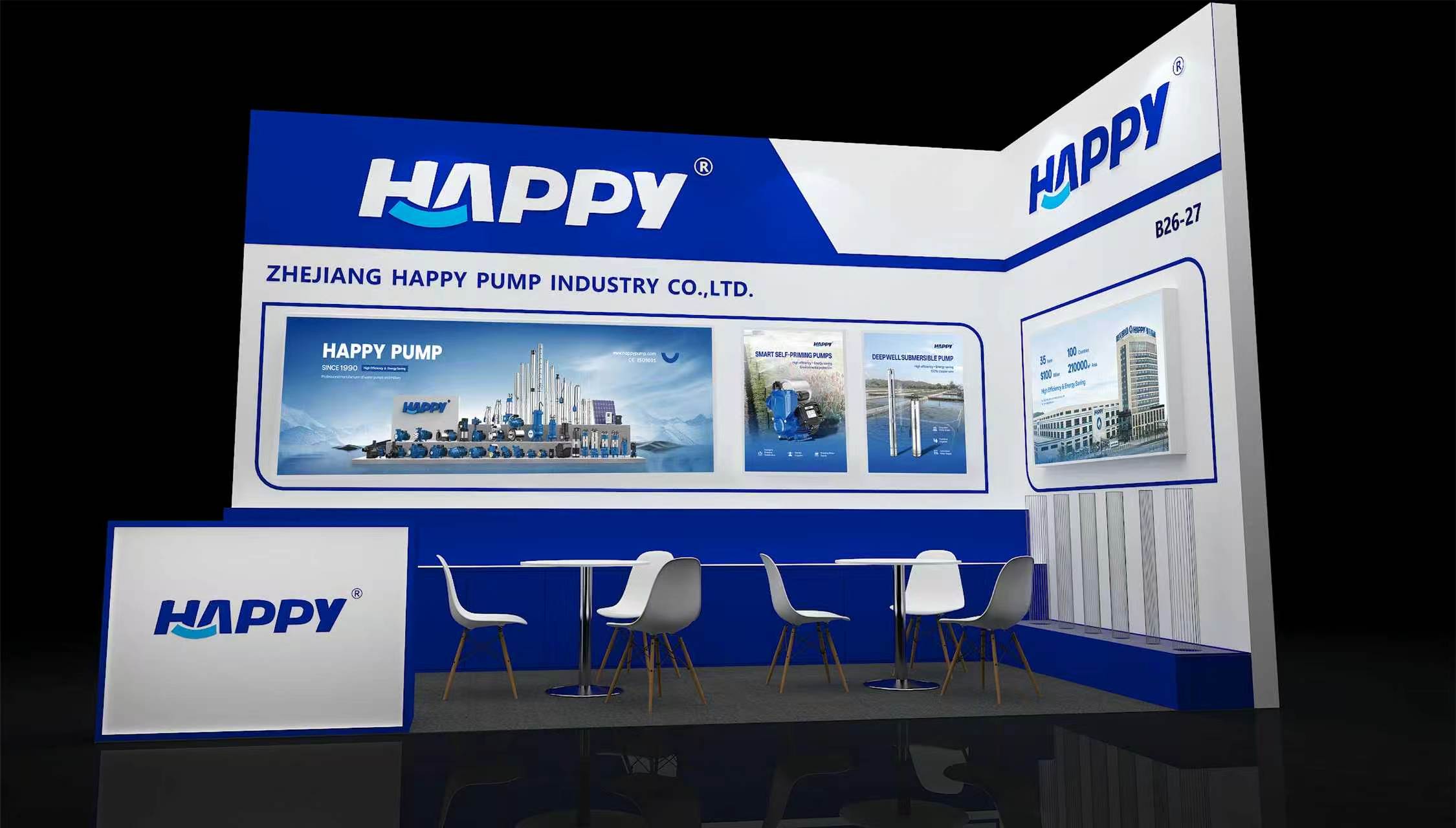
Most partnership terms — models, materials, protection levels and service scope — are agreed before the first volume order.
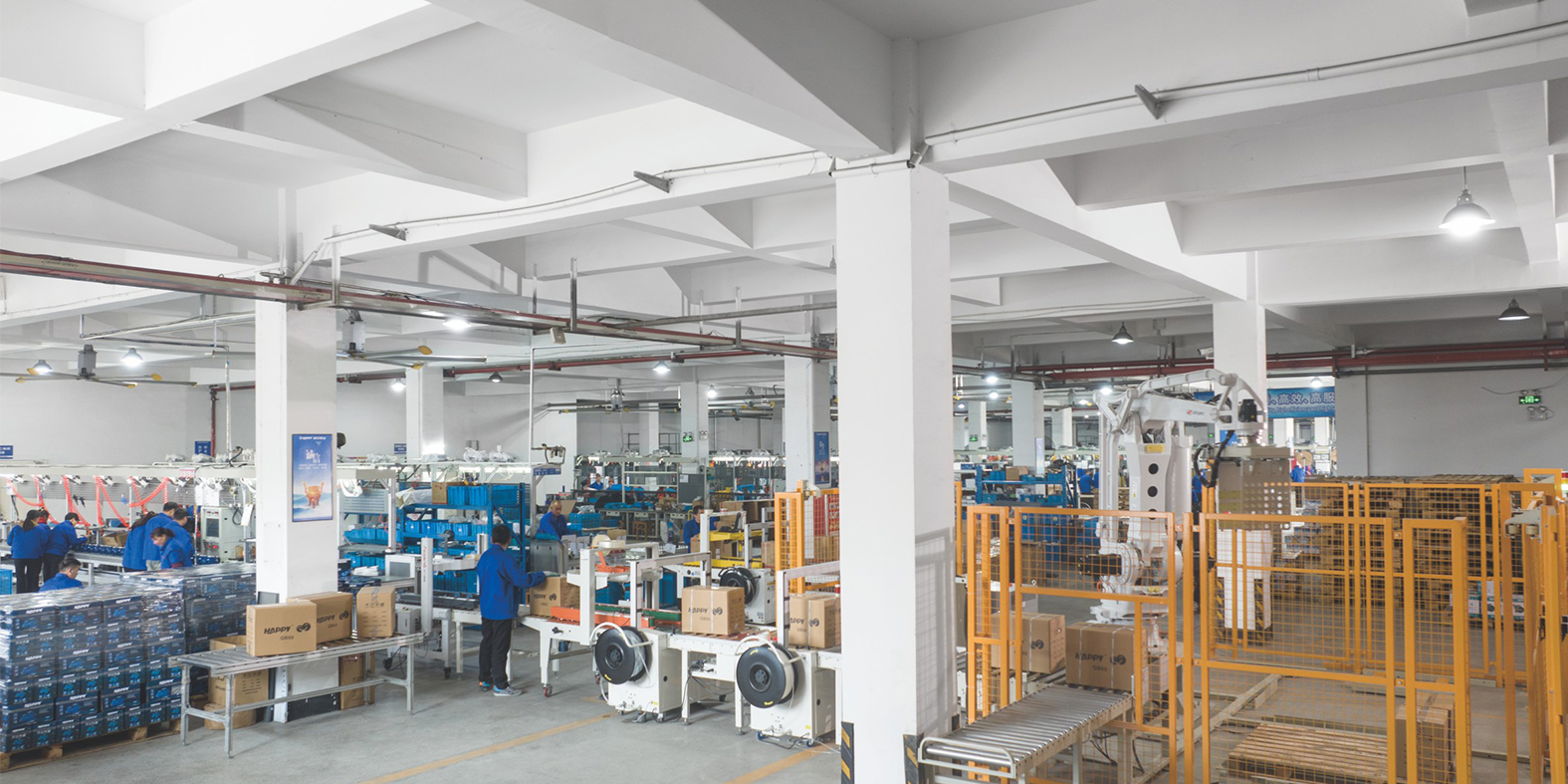
Packing and shipment are handled inside the same facility that produces the pumps, motors and spare parts.
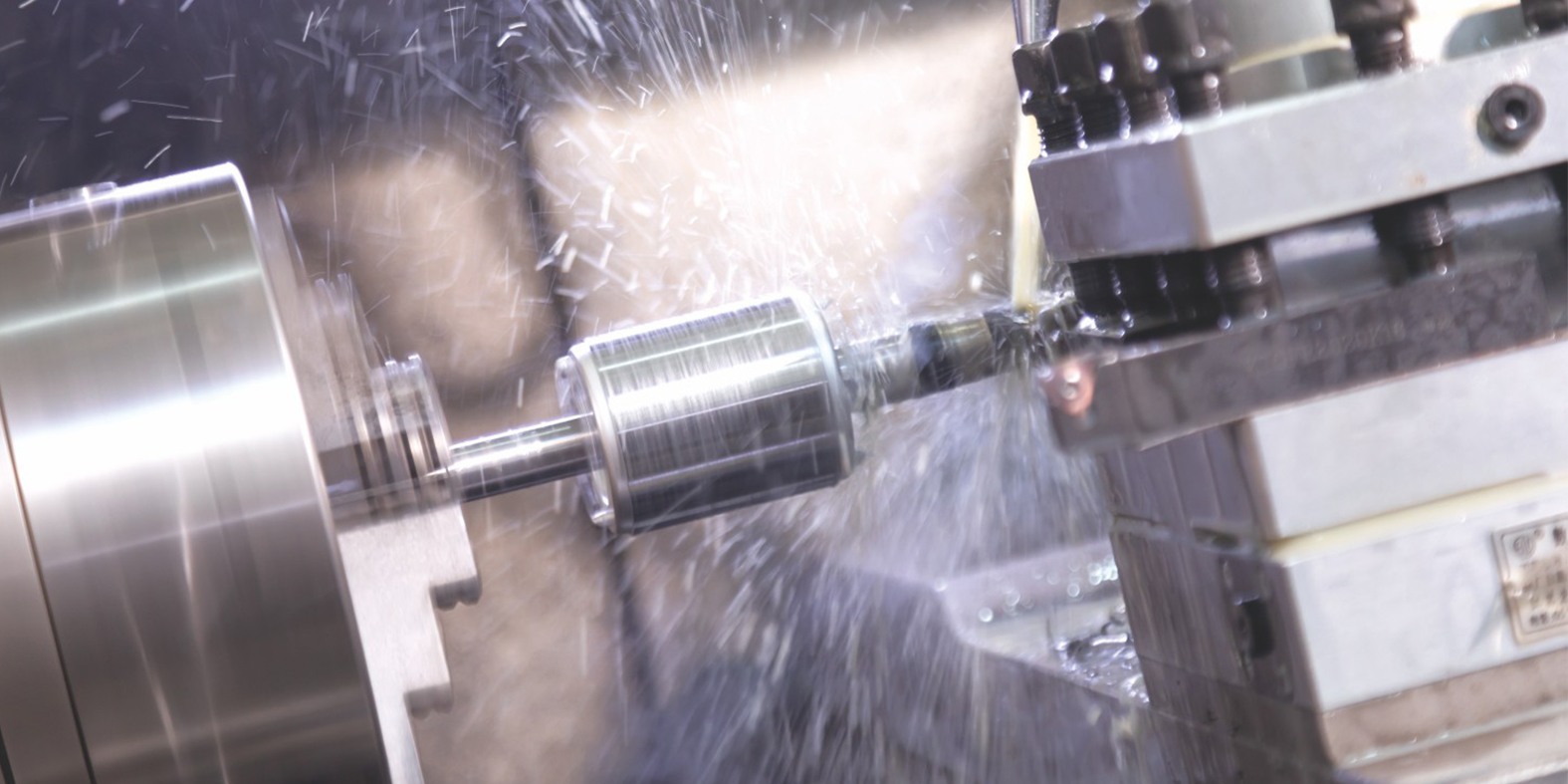
Motor and rotor production inside the factory supports both new pump orders and later replacement requirements.
Request a quotation, catalogue or sample evaluation
To plan a multi-year submersible pump program, send your duty points, target models and annual volume estimate to Zhejiang Happy Pump Industry Co., Ltd. Quotation, catalogue and sample requests are answered directly by the sales team.
Website: www.happypump.com
Email: admin@happypump.com / guan@happypump.com
Tel: +86-576-86331608
Mobile / WeChat / WhatsApp: +86-13758679190
Address: Dayangcheng Industrial Zone, Daxi, Wenling, Zhejiang / No.318, West Xingpan Road, Daxi, Wenling, Zhejiang
Download the 2026 Happy Pump catalogue (PDF): Happy Pump product catalogue