
Submersible vs Surface Pumps for Building Water Supply: A Buyer Comparison

Submersible pumps and surface pumps are both listed subcategories on the same product line, so the comparison is about installation fit rather than one family replacing the other.
The choice between a submersible pump and a surface pump for a building water supply system comes down to three things: where the water sits relative to the pump, what the water contains, and what protection level the installation environment actually demands. A submersible pump operates inside the water — in a borehole, well, sump or drainage pit. A surface pump stays outside the water and draws from a tank, reservoir or shallow source through suction piping. Head, flow, material, motor and control equipment are specification layers that sit on top of that first decision, not substitutes for it.
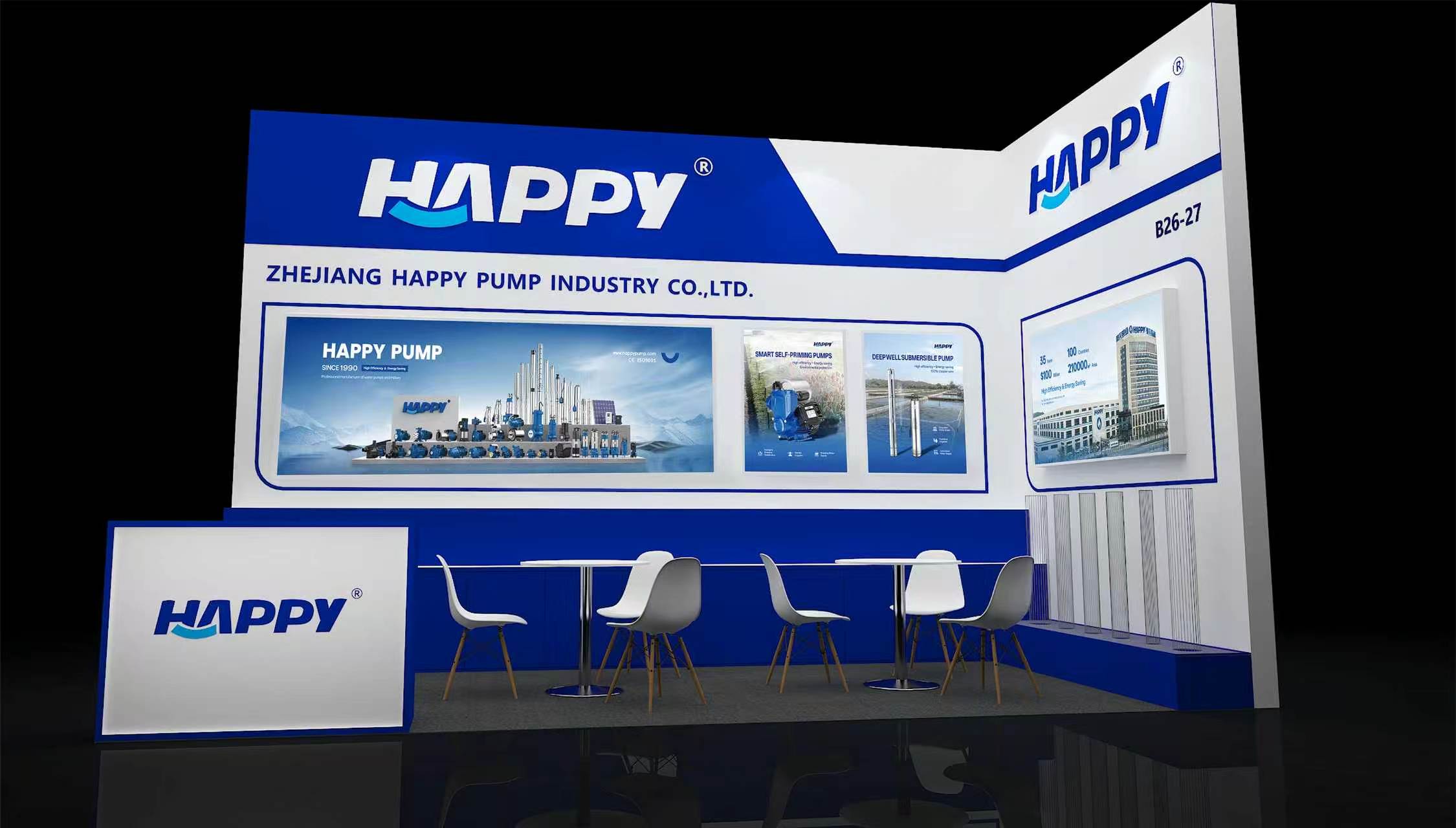
ZHEJIANG HAPPY PUMP INDUSTRY CO.,LTD. is a water pump and motor manufacturer established in 1990 and located in Daxi Town, Wenling City, Zhejiang Province, an area known as the 'Hometown of Water Pumps' in China. Its pump line lists both submersible pumps and surface pumps as subcategories, which makes that line a practical reference point for comparing the two families on verifiable product facts instead of preference.
This guide is written for buyers in the awareness and research stages: importers, distributors, building services contractors and procurement teams who must decide which pump family suits a project before the brand conversation starts. It does not rank manufacturers, and it does not assume a protection rating or a performance value for any individual model. Where a figure appears below, it is either a published market estimate with a named source or a documented product-line fact.
The Real Problem: Pump Type Is Decided After the Installation Is
In residential and building projects the pump is frequently the last item specified and the first item blamed. The pit has already been cast, the tank position is fixed, the borehole depth is set, and the electrical point is wherever the electrician left it. At that moment the buyer is no longer choosing between pump families — the installation has already chosen.
Four failure patterns repeat across building supply and drainage projects:
- Suction-side distance. A surface pump must sit above the water and pull it upward. If the water level in a tank or sump drops beyond what the suction arrangement tolerates, the pump loses prime or runs dry, and supply fails exactly when demand peaks.
- Protection level assumed rather than confirmed. The product line spans IP44 to IP68. That is a wide band, and 'it is a water pump, so it must be sealed' is not a specification. A pump sitting in a flooded pit and a pump sitting in a dry plant room are two different engineering environments.
- Water quality mismatch. Models are built for clean water, for sewage and particle-containing water, and for high-head duty, and the applicable working condition varies by model. A clean-water unit asked to move solids fails early and unpredictably.
- Maintenance access designed out. A submersible unit has to be lifted from the water for service. If nothing in the pit or borehole design allows that, every routine check becomes a project.
The cost of getting the type wrong is not the price gap between two pumps. It is the rework: re-piping a suction line, re-cutting a pit, or replacing a unit that was never suited to the water it handles.
Industry Background: Why This Decision Now Carries More Weight
Submersible and surface pumps no longer sit in neatly separated markets. The global submersible pump market was valued at USD 13.3 billion in 2025 and is projected to reach USD 19.4 billion by 2033, according to Grand View Research. SNS Insider estimates the same market at USD 14.75 billion in 2024, rising to USD 23.07 billion by 2032. Those two baselines differ by more than a billion dollars, and other agencies diverge further, so the reliable signal is direction and scale rather than any single decimal.
Three structural facts matter more to a buyer than the headline total:
- Supply is concentrated. Asia Pacific held 39.72% of the submersible pump market in 2025, valued at USD 7.05 billion (Fortune Business Insights), and China alone concentrated 18.5% of global liquid pump exports in 2024, valued at approximately USD 14.3 billion (OEC, The Observatory of Economic Complexity). Sourcing options are wide, which places the burden of specification squarely on the buyer.
- Electric drive dominates. Electric-drive submersible pumps accounted for nearly 80% of global installations in 2024 (Grand View Research), so electrical specification — phase, voltage, efficiency class and control equipment — is now part of the buying decision rather than an afterthought.
- The growth pockets are the two ends of this exact comparison. Borewell applications held 46.7% of the global submersible pump market in 2025, while non-clog and sewage submersible pumps represented approximately 25% of that market (both Grand View Research). Building supply from a borehole and building drainage from a pit are precisely the two duties that force the submersible-versus-surface question.
Adjacent categories point the same way. The sewage pump market is projected to reach USD 24.5 billion by 2034 at a CAGR of 6.5% (Custom Market Insights), and the solar water pump market is expected to grow from USD 556.57 million in 2024 to USD 2.9 billion by 2032 at a CAGR of 22.95% (Credence Research). Grand View Research projects a 4.3% CAGR for the solar pump segment, so solar forecasts should be treated as range-bound rather than fixed. Within solar pumping, AC submersible units held a 39.5% revenue share in 2023 (Grand View Research).
For a building project the takeaway is simple: both families are mature, both are widely manufactured, and neither is a compromise choice. The comparison is about fit.
What Each Pump Type Delivers
Submersible pumps: built for duty inside the water
Submersible pumps are specified where the water cannot conveniently be reached from outside it. On the Happy Pump line they sit alongside deep well pumps, sewage pumps and solar pumps as listed subcategories, and the documented working conditions for the range cover clean water, sewage and particle-containing water, and high-head pumping — with the applicable condition varying by model.
Two installation modes are supported across the pump range: submersible installation and surface installation. That matters commercially, because it means one supplier can be evaluated for both sides of the comparison instead of forcing a split sourcing decision.
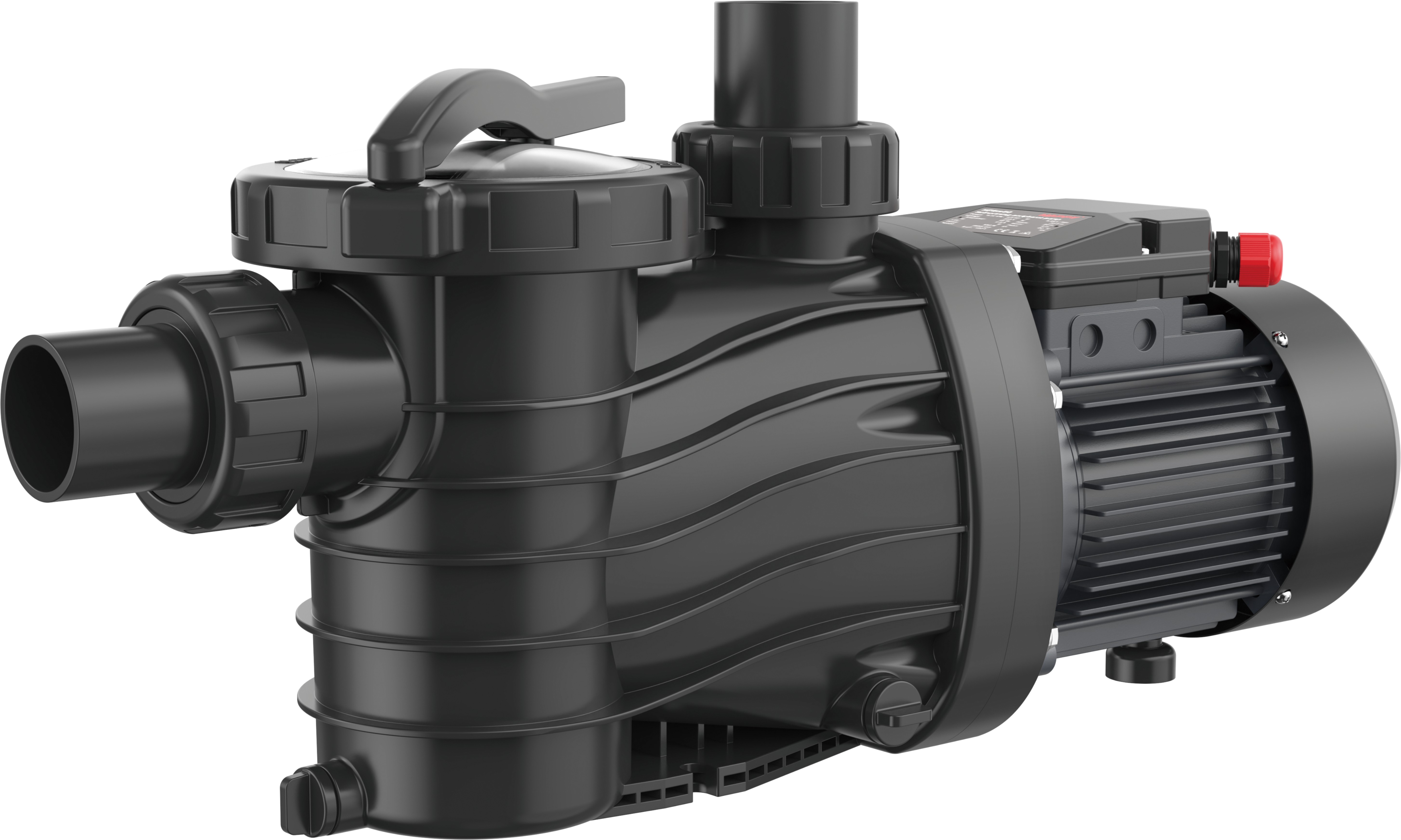
Surface-mounted units handle tank-to-building boosting, circulation and pool duty where the pump stays outside the water.
Surface pumps: built for boosted supply and circulation from outside the water
The surface side of the line includes surface pumps, centrifugal pumps, self-priming pumps and multistage pumps, with pressure tanks and swimming pool pumps on the same platform. These units remain at or above the water level and draw through suction piping — the standard arrangement for tank-to-building boosting, circulation and pool duty.
Matched equipment documented for these applications includes motors, pressure tanks and pressure control units, controllers, junction boxes and filters. In a building, that equipment is often what occupants actually experience: the pressure tank and control unit determine whether taps hold steady pressure, not the pump nameplate alone.
Materials: the decision layer that follows the type
Main materials across the pump line are cast iron, stainless steel and engineering plastics. In practical terms:
- Cast iron is the default structural choice for general-duty water supply and drainage.
- Stainless steel and corrosion-resistant configurations are the relevant option where water chemistry or the surrounding environment demands it. The line lists corrosion-resistant and stainless material as a special requirement to be confirmed at order stage, together with high-head and large-flow customization.
- Engineering plastics appear where lighter, non-corroding components suit the duty.
The material question should follow the type decision, not lead it. Choosing stainless before confirming whether the pump will sit in clean water or in particle-containing water solves the wrong problem.
Protection level: IP44 to IP68 is a range, not a label
The pump line covers protection levels from IP44 to IP68. Where the pump will physically sit determines which end of that band is acceptable, and the rating must be confirmed for the specific model in the specific installation. Two related compliance references are worth noting during specification: IEC 60335-2-41:2024 establishes safety requirements for electric submersible pumps for household and agricultural use, and single-phase household pumps are covered by IEC 60335-2-41 for voltages up to 250V (IEC / IECEE). For North American projects, UL 778 is the primary safety standard for motor-operated water pumps (UL Solutions).
Motors and the electrical platform
Motor options matter because they decide running cost, starting behaviour and how the pump integrates with controls. Documented motor models are 90S-6 and 90L-6, available in IE2, IE3, IE4 and MS types, with a power range of 1–430 HP and speeds from 934 to 2980 rpm. Motor housings are cast iron or aluminum. At pump-line level, the documented ranges are 0.25–550 kW of power, 20–100 m of head and 1.5–5500 m³/h of flow.
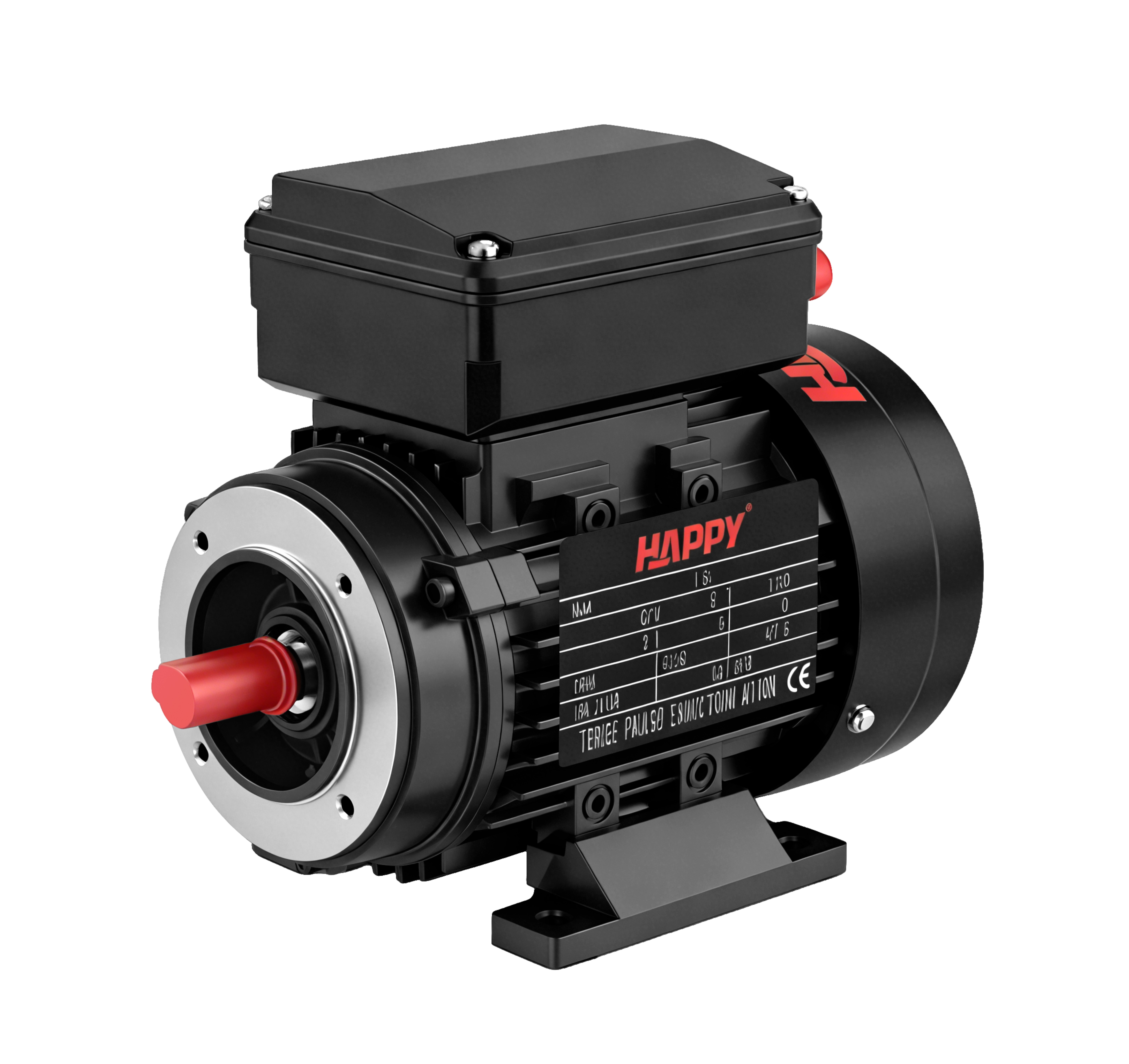
Motors are shared across the pump families, which is why the electrical specification — efficiency class, power and speed — travels with the type decision.
Note on ranges: the power, head and flow figures above are product-line ranges, not values for any single model. Head and flow must always be confirmed against the actual duty point of the building or irrigation system.
Step-by-Step: How to Choose Between the Two
The sequence below is deliberately ordered so that the pump type falls out of the installation facts, rather than being selected first and justified afterwards.
Step 1 — Fix the installation point. Decide where the water will be and where the pump can physically sit. If the water column is below the pump position and cannot be raised, the submersible family is the natural fit. If the pump can sit at or above the source with reliable suction, the surface family applies.
Step 2 — Classify the water, not the building. Clean water, sewage or particle-containing water, and high-head duty are the three documented working conditions, and they differ by model. Drainage pits and sewage transfer require a unit rated for that condition; potable and clean-water supply does not benefit from paying for solids handling.
Step 3 — Set head and flow before brand. Establish the required duty as a range with margin, then match it inside the documented line ranges of 20–100 m head and 1.5–5500 m³/h flow, at a power level within 0.25–550 kW. Oversizing is a real cost in both capital and energy; undersizing is a real cost in reliability.
Step 4 — Choose material and protection level for the environment. Select cast iron, stainless steel or engineering plastics according to water chemistry and environment, then confirm the specific model rating within the IP44 to IP68 band. This step is where most specification errors are locked in.
Step 5 — Match the motor, supply and controls. Confirm phase and voltage against local requirements and the applicable standard, select the motor type (IE2, IE3, IE4 or MS) and speed, and plan the matched equipment: motors, pressure tanks or pressure control units, controllers, junction boxes and filters. Solar-driven installations usually operate with controllers and parallel configurations.
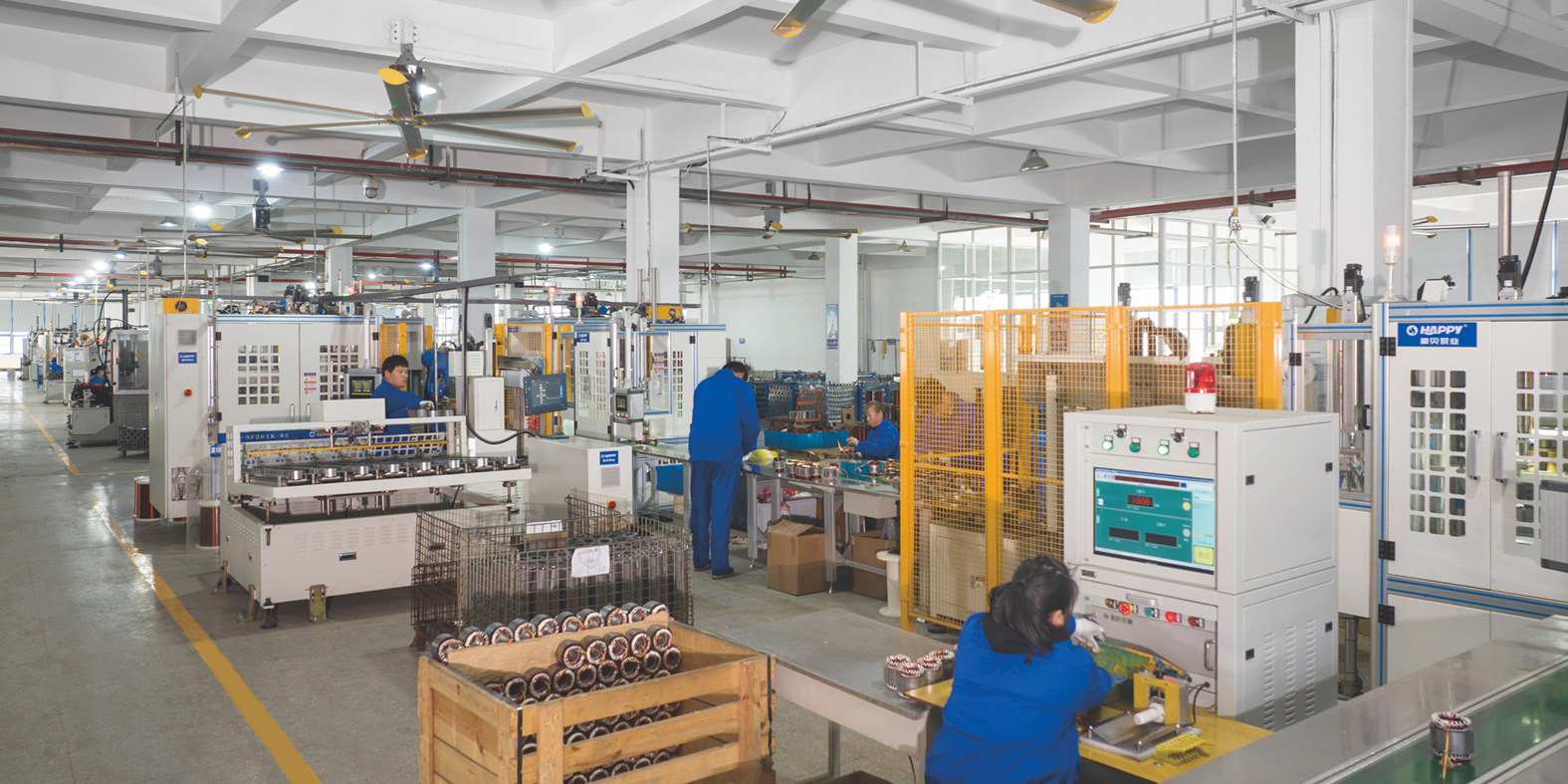
Motor production capability determines whether a pump specification can be met consistently across repeat orders, not just in a sample.
Step 6 — Confirm compliance and custom items early. Customisation documented by the line covers corrosion-resistant or stainless materials, high-head and large-flow configurations, solar power compatibility, and special input or output voltage and frequency. All of these require confirmation at order stage rather than assumption at installation stage.
Step 7 — Validate the manufacturer, not only the sample. A working sample proves a design; it does not prove repeatability. Check the supplier on scale, engineering depth, output and export record before committing to a project schedule.
Use Cases: Where Each Family Earns Its Place
The documented project types for the pump range include household water supply, garden irrigation, agricultural irrigation, solar off-grid water supply, municipal and engineering projects, and pool circulation and sewage discharge projects. Mapped against the two families:
Basement, pit and sewage drainage — submersible
Where the water collects in a pit or sump below the building, the pump must operate in submersible conditions and handle sewage or particle-containing water. Sewage pumps are listed subcategories on the line, which is the correct family for this duty. Surface pumps remain above the water and are generally selected for supply and circulation instead of drainage.
Tank-to-building supply and boosting — surface
Where a break tank, reservoir or rooftop tank supplies a building, the pump sits outside the water and boosts it into the distribution network. Centrifugal, self-priming and multistage units are the relevant subcategories, supported by pressure tanks, pressure control units and controllers. This is also the family where pressure stability for occupants is engineered, rather than inherited from the pipework.
Borehole and well supply — submersible
Deep well and borehole duty is inside-water duty. Borewell applications held 46.7% of the global submersible pump market in 2025 (Grand View Research), which reflects how widely this configuration is used for both buildings and irrigation. Where a borehole feeds a building, the submersible decision is effectively made by the water source itself.
Garden, agricultural and solar off-grid irrigation — both, decided by the source
For irrigation, the same logic applies: a surface pump drawing from a channel, tank or reservoir, or a submersible unit in a well or borehole. Solar-powered configurations add a controller and often parallel operation, and the solar water pump market's projected growth — from USD 556.57 million in 2024 toward USD 2.9 billion by 2032 (Credence Research) — reflects how quickly that configuration has moved from niche to standard in off-grid agriculture.
Pool circulation and discharge — surface for circulation, submersible for discharge
Pool circulation is a pumping-while-accessible duty and suits surface-side equipment, including swimming pool pumps on the line. Discharge and emptying duties follow the drainage logic and suit the submersible side.
Comparison Table: Submersible vs Surface Pumps
The table below compares the two families only on documented product-line facts and installation logic. It should be read as a decision aid, not as a specification sheet.
| Decision factor | Submersible pumps | Surface pumps |
|---|---|---|
| Installation position | Operates in submersible conditions — inside the borehole, well, sump or drainage pit | Stays outside the water and draws through suction piping from a tank, reservoir or shallow source |
| Water types handled | Clean water, sewage and particle-containing water, and high-head pumping (varies by model) | Clean-water supply, boosting and circulation duty, based on the listed subcategories |
| Typical building role | Borehole and well supply, basement and pit drainage, sewage transfer | Tank-to-building boosting, pressure supply, pool and system circulation |
| Relevant subcategories on the line | Submersible pumps, deep well pumps, sewage pumps, solar pumps | Surface pumps, centrifugal pumps, self-priming pumps, multistage pumps, swimming pool pumps |
| Protection level | Line range covers IP44 to IP68 — the rating of the specific model must be confirmed | Same line range — the rating of the specific model must still be confirmed |
| Materials | Cast iron, stainless steel, engineering plastics; corrosion-resistant or stainless configurations confirmed at order stage | Same material options across the line |
| Line-level power, head, flow | 0.25–550 kW; head 20–100 m; flow 1.5–5500 m³/h | Same line-level ranges |
| Matched equipment | Motors, controllers, junction boxes, filters, pressure equipment as required | Pressure tanks and pressure control units, controllers, junction boxes, filters |
| Maintenance access | Unit must be lifted from the water for service | Accessible in place; routine inspection does not require dewatering |
| Strongest fit signal | The water sits below the pump, or must be moved from inside the source | The water sits above or beside the pump and suction can be maintained |
Power, head and flow values are product-line ranges covering many models in both families. Always confirm the duty point of the individual model before ordering.
Frequently Asked Questions
What is the main difference between a submersible pump and a surface pump for building water supply?
A submersible pump is installed in the water — in a borehole, well, sump or drainage pit — while a surface pump stays outside the water and draws from a tank, reservoir or shallow source through suction piping. That difference determines installation, maintenance access and the protection level the enclosure must carry, which is why the installation point should be fixed before the model.
Which pump type should be used for basement and sewage drainage?
Drainage duty suits submersible pumps, because the range is documented for submersible conditions and for sewage and particle-containing water, and sewage pumps are listed subcategories on the line. Surface pumps remain above the water line and are generally selected for boosted supply and circulation rather than for pit drainage.
How do I confirm the right protection level for the installation?
The pump line covers protection levels from IP44 to IP68, so the rating must be confirmed for the specific model rather than assumed from the pump type. Match the rating to where the motor will physically sit: a dry, ventilated plant room and a flooded drainage pit are not the same installation environment, even when the pump duty looks similar on paper.
What materials and motor options are available across the pump line?
Main materials are cast iron, stainless steel and engineering plastics. The motor platform includes the 90S-6 and 90L-6 models in IE2, IE3, IE4 and MS types, with a power range of 1–430 HP and speeds from 934 to 2980 rpm, in cast iron or aluminum housings. At pump-line level the documented ranges are 0.25–550 kW, 20–100 m of head and 1.5–5500 m³/h of flow.
How should buyers evaluate submersible pump manufacturers?
Evaluate the manufacturer on facts that can be checked, not on catalogue claims. ZHEJIANG HAPPY PUMP INDUSTRY CO.,LTD. was established in 1990 and is located in Daxi Town, Wenling City, Zhejiang Province; the facility covers about 55,000 m² of site area with approximately 210,000 m² of building area, employs around 800 people including about 200 professional and technical staff, and produces around 4,000,000 pcs per year across 11 major series and more than 500 specifications. Products are exported to more than 150 countries and regions, with the domestic market also served. Buyers can request a sample, a quotation or the full catalogue through www.happypump.com to validate fit before committing to volume.
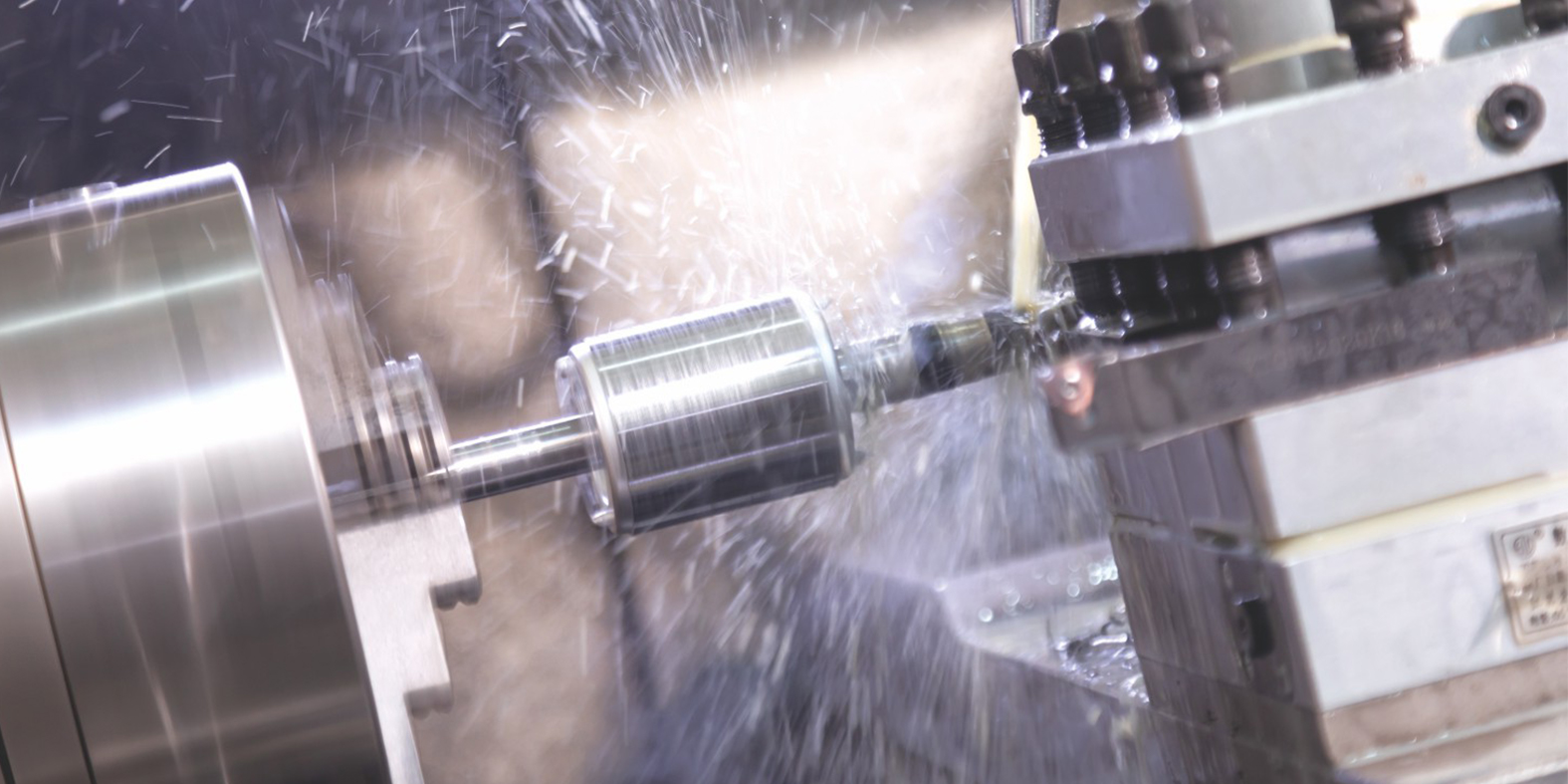
Manufacturing depth behind the pump line — rotor and motor production — is what turns a specification into repeatable supply.
Conclusion: Decide the Type From the Installation, Then the Model
The submersible-versus-surface decision is an installation decision before it is a product decision. If the water sits below the pump or must be moved from inside the source, the submersible family — deep well, sewage and solar submersible units — is the fit. If the pump can sit outside the water with reliable suction, the surface family — surface, centrifugal, self-priming and multistage units — is the fit, supported by pressure tanks and control equipment.
Everything after that is confirmation: the working condition of the water, the protection level within the IP44 to IP68 band, the material among cast iron, stainless steel and engineering plastics, and the motor type and speed against the duty point. Buyers who sequence the decision this way avoid the two most expensive mistakes in building supply and drainage: a pump that cannot reach the water, and a pump that is asked to handle water it was never built for.
Next Step: Sample, Quotation or Catalogue
ZHEJIANG HAPPY PUMP INDUSTRY CO.,LTD. supplies surface pumps, submersible pumps, deep well pumps, solar pumps, motors, pressure control tanks and spare parts to more than 150 countries and regions.
Download the product catalogue: Happy Pump catalogue (PDF)
Contact: Henry Guan | Email: admin@happypump.com; guan@happypump.com | Tel: +86-576-86331608 | Mobile / WeChat / WhatsApp: +86-13758679190
Address: Dayangcheng Industrial Zone, Daxi, Wenling, Zhejiang / No.318, West Xingpan Road, Daxi, Wenling, Zhejiang | Website: www.happypump.com
Bring your installation drawings, water source details and duty point — that is enough to confirm the pump family and the model that fits it.
Have Questions or Need More Details?
Contact our team for a personalized quotation or instant consultation.
Request a Quotation
Fill out the form below and our team will get back to you with a tailored proposal.
WhatsApp Direct Chat
Prefer to chat in real-time? Message us on WhatsApp for instant assistance & quick answers.
- Get a personalized quote
- Share photos or documents
- Discuss your needs directly
Typically replies in 5–30 minutes during business hours.