
Surface Pump Long-Term Partnership FAQ: Certifications, Models, and After-Sales Support
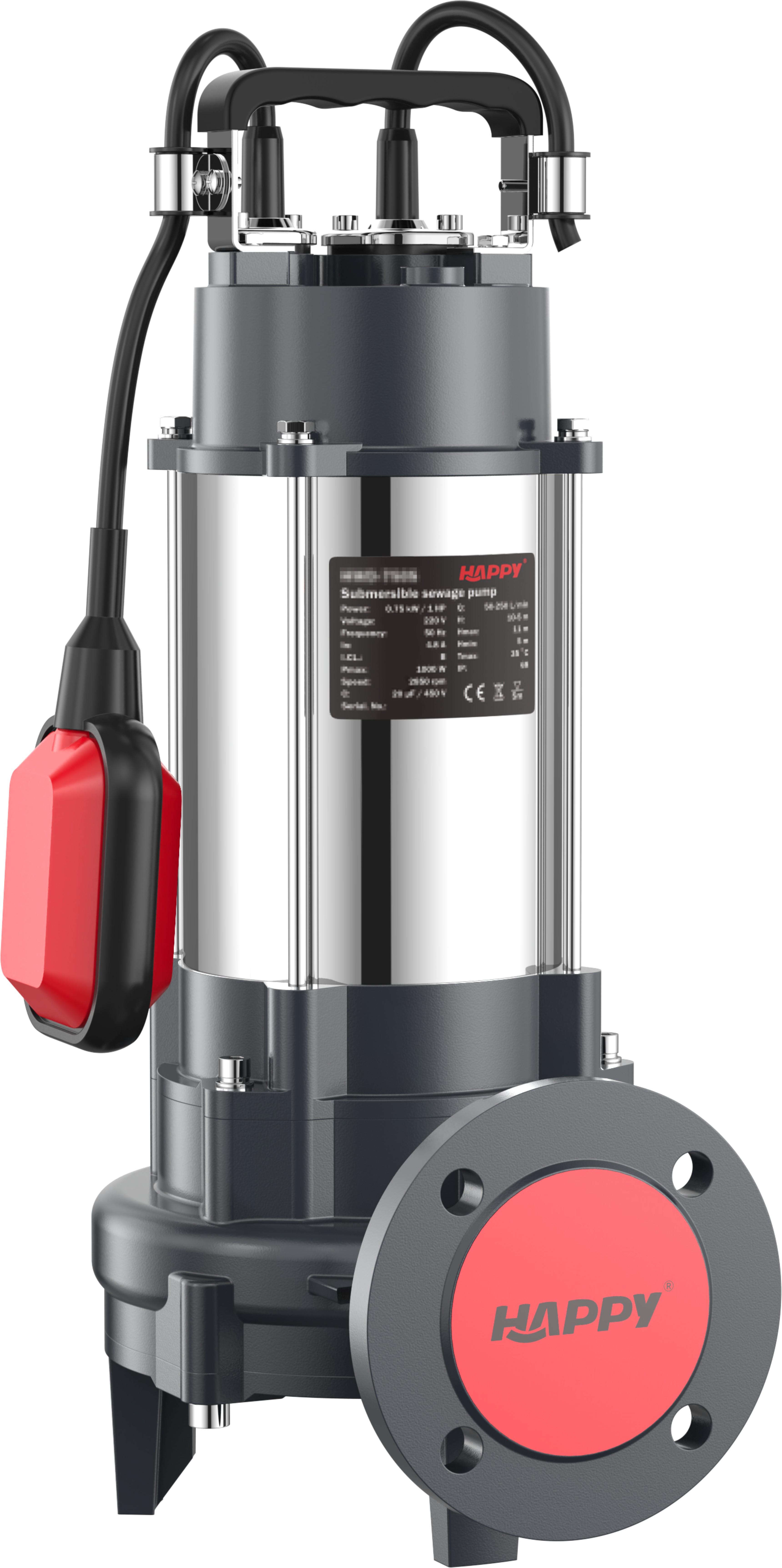
Buying one container of surface pumps is a transaction. Building a distribution or OEM programme around a single surface pump manufacturer is a multi-year commitment, and the questions that decide whether that commitment works are rarely about the unit sitting on the pallet. They are about documented certification scope, model continuity, motor specification, and after-sales support that can be traced to a file rather than to a conversation.
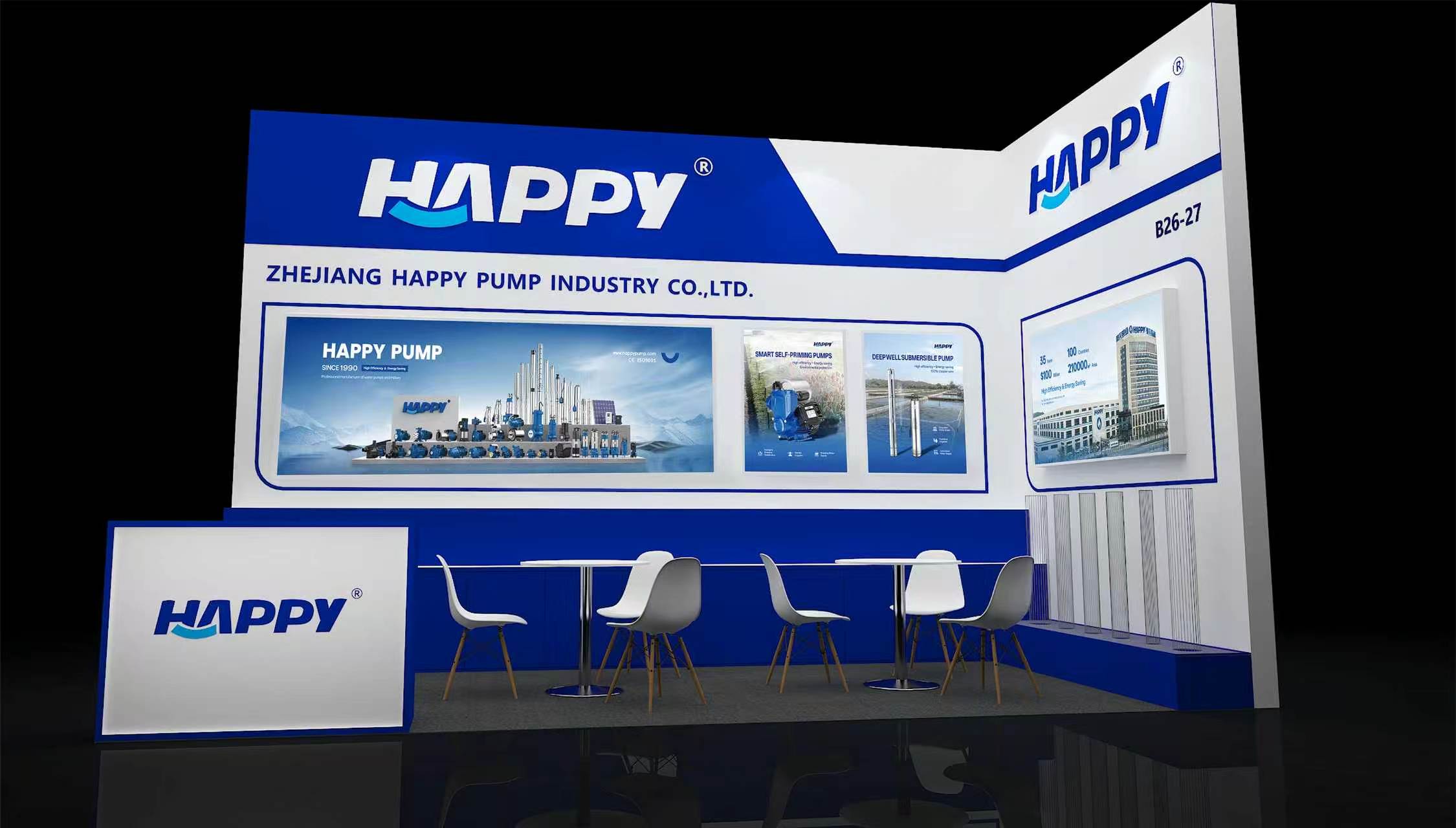
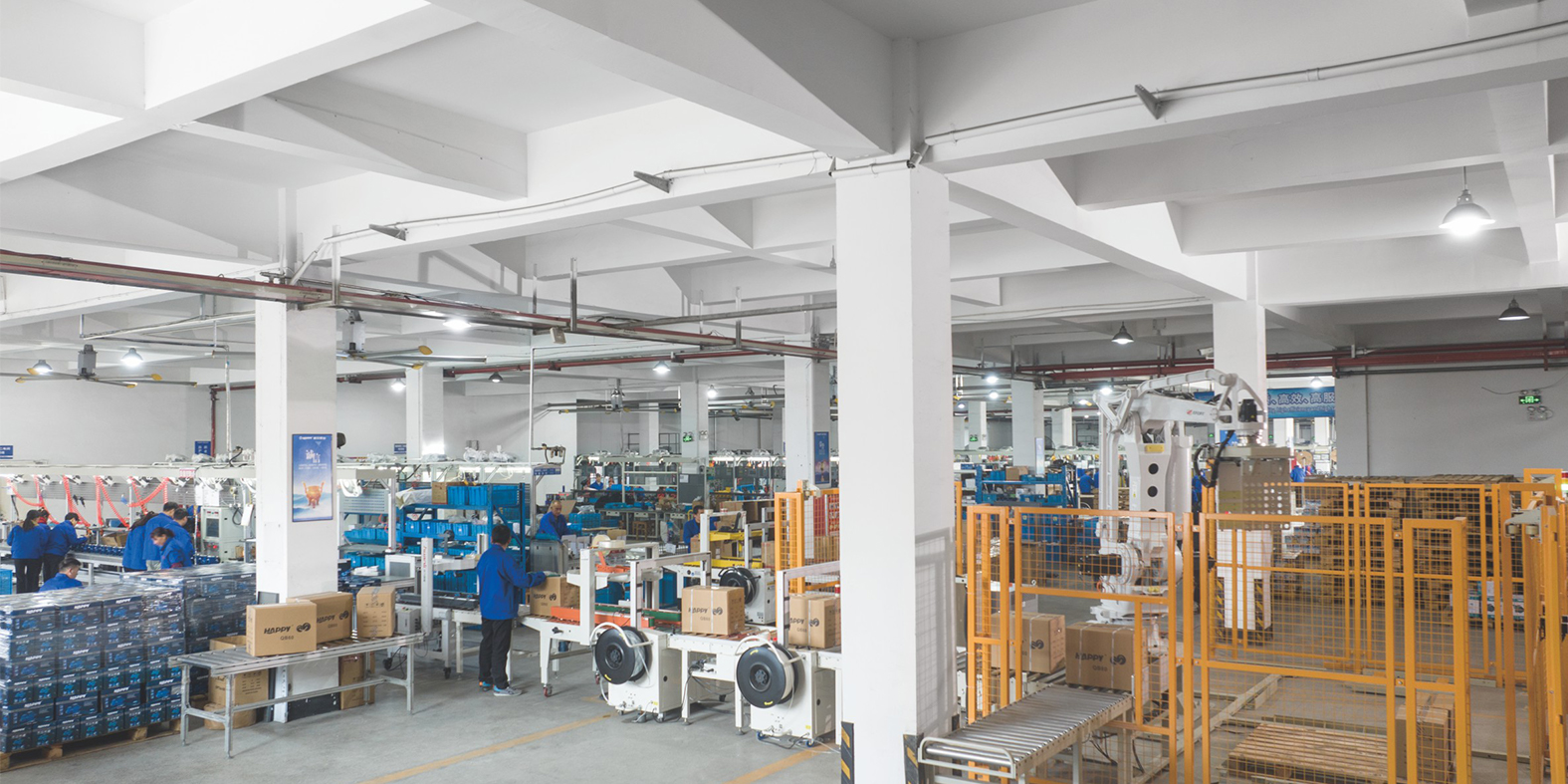
This article is written as a buyer–supplier FAQ for distributors, importers and OEM buyers who are evaluating long-term surface pump cooperation. The supplier referenced throughout is Zhejiang Happy Pump Industry Co., Ltd., founded in 1990 and located in Daxi Town, Wenling City, Zhejiang Province — an area known domestically as the “Hometown of Water Pumps.” The company manufactures surface pumps, submersible pumps, deep well pumps, solar pumps, motors, pressure control tanks and spare parts on a 55,000 m² site with approximately 210,000 m² of building area. Around 800 people work there, including about 200 professional and technical staff, and the company reports that 99% of its products are exported to more than 150 countries and regions.
How to use this page. The sections below follow the order a partnership actually gets tested in: the problem, the market context, the documented solution, a step-by-step programme build, application fit, a reference table, and then the questions distributors and OEMs ask most often — certifications, models, motors, MOQ, lead time, samples and after-sales.
Problem Definition: Where Long-Term Surface Pump Partnerships Actually Break Down
Surface pump programmes rarely fail because the first shipment was wrong. They fail at the documentation layer, normally in one of three places.
- Certification scope gap. A distributor holds a CE document, but the model or motor build actually being shipped is outside the declared scope — or an EMC file exists without a matching low-voltage file, so the compliance story is incomplete when a retailer, tender authority or customs officer asks for it.
- Model continuity gap. The catalogue lists many models, but the partner cannot tell which of them share a hydraulic platform, a protection class, or a compatible motor frame. Reordering therefore becomes guesswork, and a replacement unit may not match the installed one.
- Support articulation gap. After-sales is described as “support” without a warranty period, a failure-handling route, or a way to verify that the replacement matches the original compliant build.
All three are documentation problems rather than engineering problems, and all three can be answered before the first purchase order is signed. That is the practical purpose of the questions collected in this article.
Industry Background: Why the Surface Pump Category Supports a Multi-Year Commitment
Surface pumps are not a narrow niche. Mordor Intelligence placed surface pumps at 57.63% of the total global pump market in 2025, which makes them the dominant segment rather than a specialist one. The wider pumps market was estimated by MarketsandMarkets at USD 61.32 billion in 2024, projected to reach USD 79.01 billion by 2029. Two adjacent segments that surface pump suppliers commonly serve are also growing: Market Research Future valued the global agricultural pump market at USD 14.59 billion in 2024 with a projected CAGR of 4.98% through 2035, and Market Data Forecast valued the solar pump market at USD 2.90 billion in 2024, driven partly by falling PV module prices and government subsidies in Asia-Pacific.
For a distributor, the relevant conclusion is not the headline number. It is that surface pumps sit across household water supply, building services, irrigation, pool circulation and light municipal and industrial duty at the same time — which means one supplier relationship can support several product lines and several customer types, provided the model range and the compliance documents cover all of them.
Compliance is the constraint that separates suppliers in practice. Household and similar electrical pumps must comply with IEC 60335-2-41:2024, the International Electrotechnical Commission standard that covers temperature limits and connection requirements for this product family. A supplier that can map its models to that standard, and to the applicable European conformity references, removes a recurring objection from the distributor’s sales conversation.
Detailed Solution: What Is Documented Across the Surface Pump Programme
Certification coverage: CE, EMC and LVD
Three references apply across the water pump series, and each one answers a different question a buyer may raise.
| Document | Issuing body | Reference number | What it addresses |
|---|---|---|---|
| CE | ECES | CE-5072-160326 | Conformity documentation covering the water pump series for the European market |
| EMC | OViS-CERT | OViS202507249E | Electromagnetic compatibility of the electrical product |
| LVD | OViS-CERT | OViS202507249L | Electrical safety under the Low Voltage Directive |
The practical value of publishing reference numbers is speed. A distributor facing a tender question, a retailer onboarding form or a customs enquiry can quote CE-5072-160326, OViS202507249E or OViS202507249L directly instead of waiting for the factory to respond. For household and similar electrical pumps, IEC 60335-2-41:2024 is the underlying safety standard that governs temperature limits and connection requirements, and it is the reference a technical buyer is most likely to check against the data sheet.
Model and specification coverage inside one agreement
The model list available for long-term programmes includes HQBm, QB60, IDB35, HPSm-AX, HRSm-A, QDP series and QDX series, inside a portfolio that spans surface pumps, centrifugal pumps, self-priming pumps, multistage pumps, swimming pool pumps, sewage pumps, submersible pumps, deep well pumps, solar pumps and pressure tanks.
Programme-level technical ranges are stated as follows:
- Power: 0.25–550 kW
- Head: 20–100 m
- Flow: 1.5–5500 m³/h
- Protection: IP44 and IP68
- Main materials: cast iron, stainless steel and engineering plastics
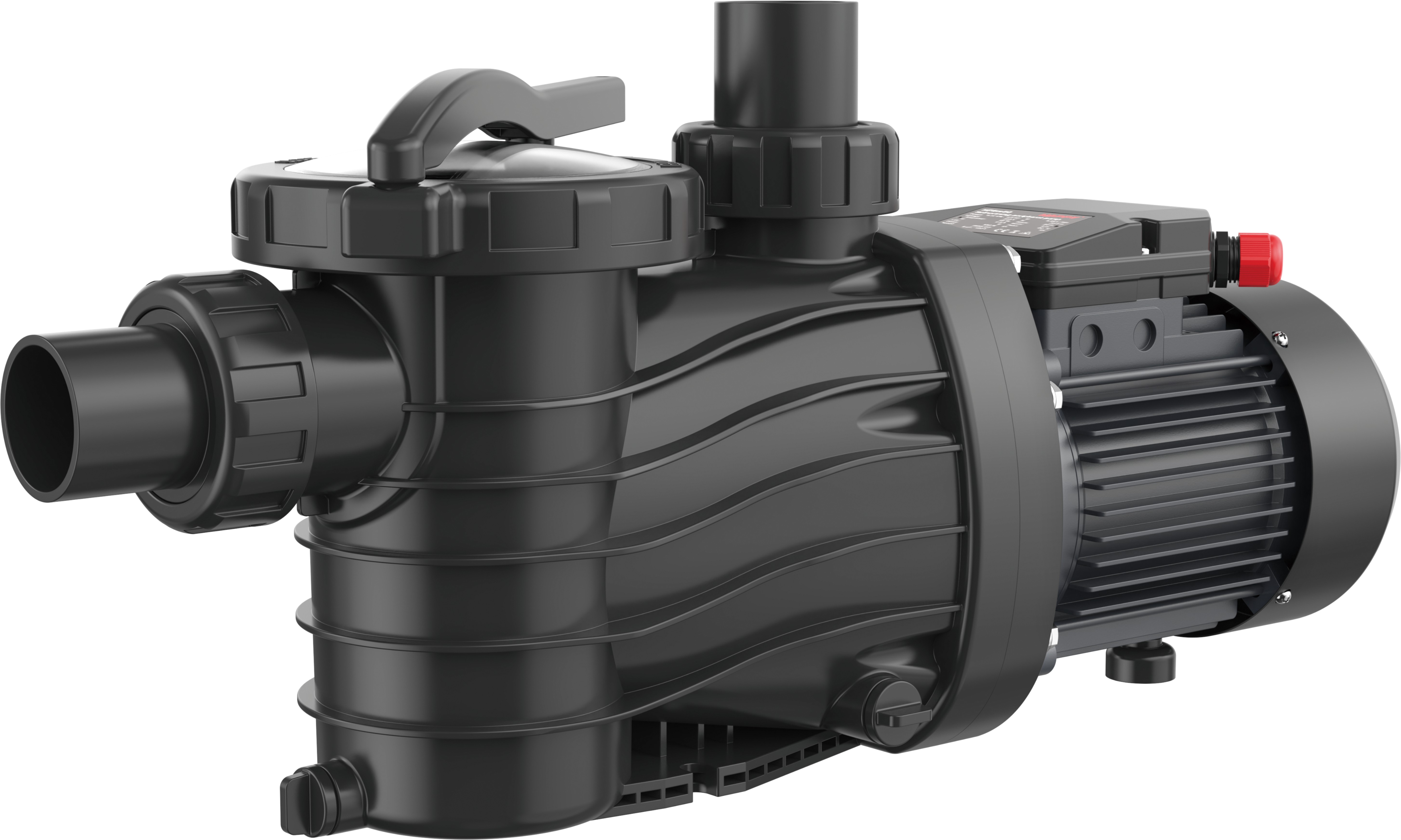
One honest limitation belongs in the same paragraph as the specification range: these are portfolio-level values. Individual models within HQBm, QB60, IDB35, HPSm-AX, HRSm-A, QDP or QDX do not each span 0.25–550 kW or 1.5–5500 m³/h. When a distributor builds an order sheet, the correct method is to select the model first and then confirm that model’s own flow, head, power, protection class and material against its data sheet. Treating the portfolio range as a per-model specification is the single most common sourcing error in this category.
Motor options that anchor a long-term programme
Because motors are manufactured in the same factory as the pumps, the motor build can be locked as part of the supply agreement rather than sourced separately. Available motor configurations include IE2, IE3, IE4 and MS efficiency categories, with frame references such as 90S-6 and 90L-6, a power range of 1–430 HP, speeds of 934–2980 rpm, and housings in cast iron or aluminium.
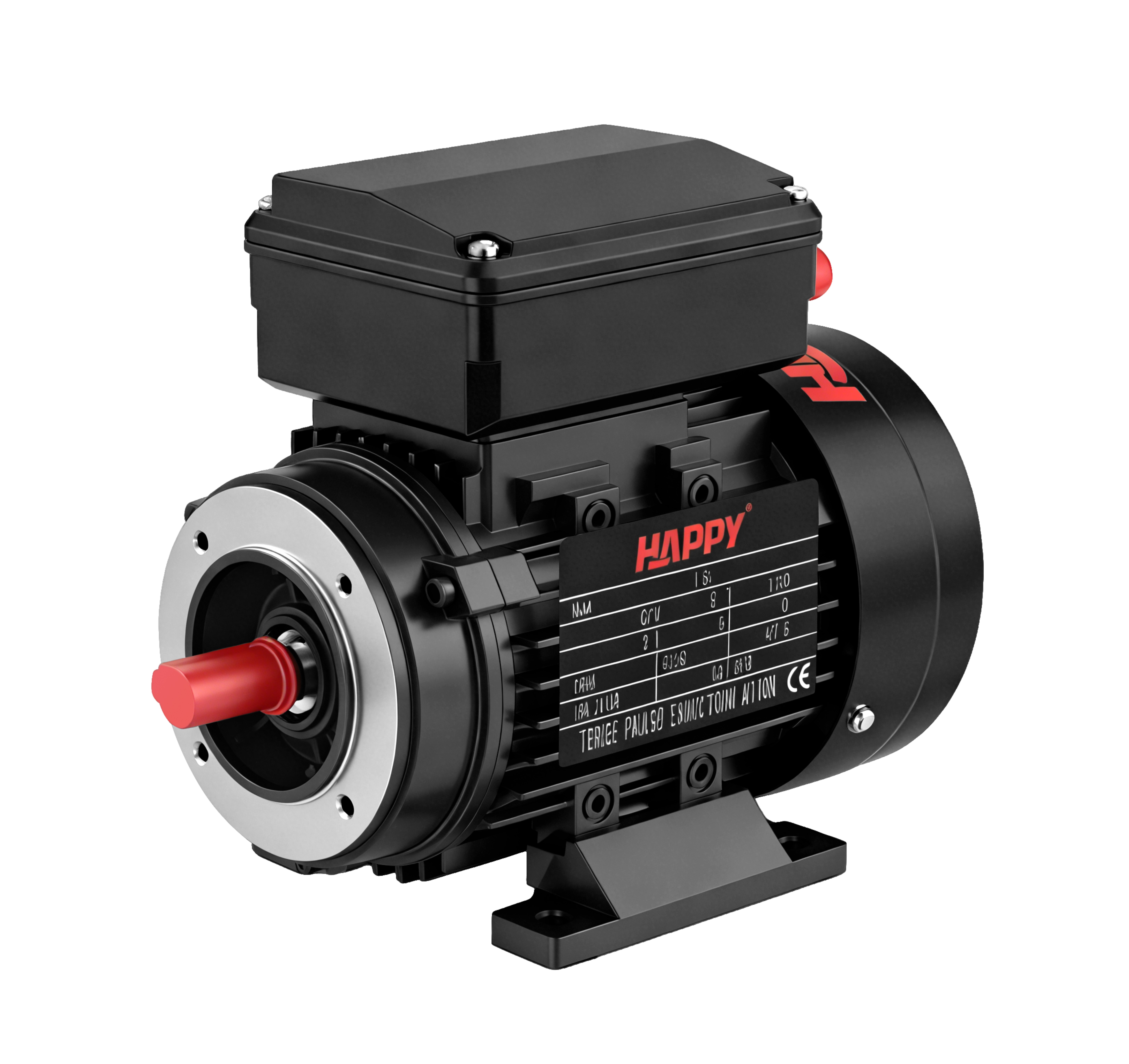
Why this matters for a multi-year relationship: when a market moves to a higher efficiency class, or when a customer requires a specific frame or speed, the change is handled inside the same documentation set. The partner does not have to re-qualify a third-party motor supplier, and the pump–motor combination shipped in year three can still be matched to the certification references established in year one.
After-sales support anchored in documented compliance
After-sales in a long-term surface pump programme is mostly a matching exercise. A field failure is resolved quickly when the partner can answer three questions: which model code was installed, which motor build was inside it, and which certification references covered that build. When those three data points exist, a replacement or a motor swap returns the installation to a documented configuration. When they do not, service becomes an open-ended exchange of photographs.
The documented service frame for the programme includes a 1-year warranty, remote support for technical questions, and 100% testing of units. Product use is reported at around 10 years under normal operating conditions, which is the figure to use when a distributor is projecting replacement-cycle demand or spare-part stocking levels rather than unit sales.
Long-Term Partnership Comparison Table
The table below maps what a distributor or OEM normally needs to confirm against what is documented for this surface pump programme. It is a procurement check, not a ranking.
| What a long-term partner needs to confirm | What is documented |
|---|---|
| European conformity reference | CE, reference CE-5072-160326, issued by ECES |
| Electromagnetic compatibility reference | EMC, reference OViS202507249E, issued by OViS-CERT |
| Electrical safety reference | LVD, reference OViS202507249L, issued by OViS-CERT |
| Applicable product safety standard | IEC 60335-2-41:2024 — household and similar electrical pumps; temperature limits and connection requirements |
| Model coverage in one agreement | HQBm, QB60, IDB35, HPSm-AX, HRSm-A, QDP series, QDX series |
| Programme technical range | 0.25–550 kW power; 20–100 m head; 1.5–5500 m³/h flow |
| Ingress protection | IP44 and IP68 |
| Body materials | Cast iron, stainless steel, engineering plastics |
| Motor specification | IE2, IE3, IE4, MS categories; frames 90S-6 and 90L-6; 1–430 HP; 934–2980 rpm; cast iron or aluminium |
| Customisation | Voltage and logo |
| Order quantity | Below 3 HP: MOQ 100 pcs. Above 3 HP: MOQ 50 pcs |
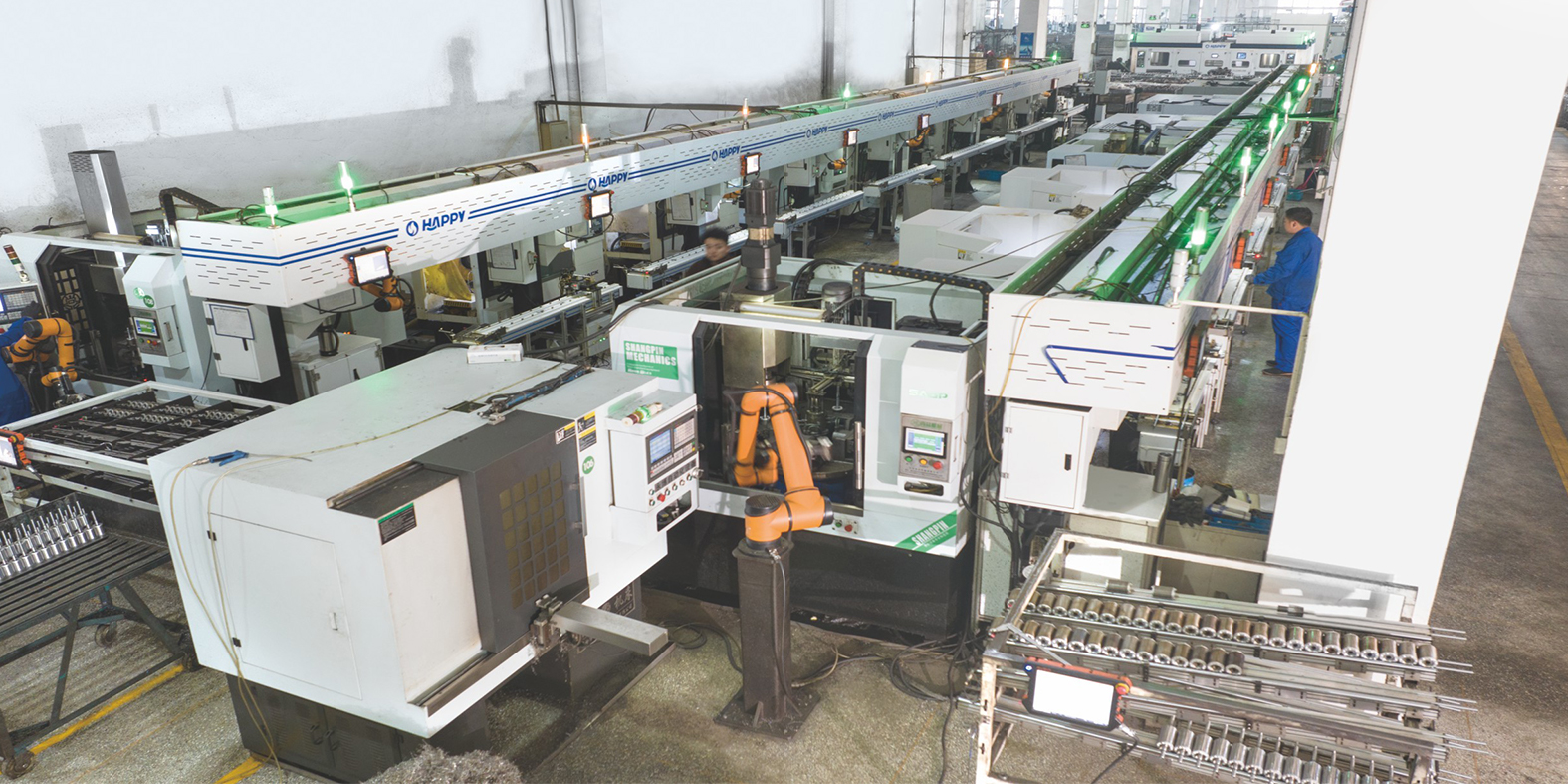
| Delivery | Lead time 30–45 days; monthly production capacity reported at 400,000 units |
| Quality control | 100% test |
| Warranty and service | 1-year warranty; remote support; normal use around 10 years |
Step-by-Step Breakdown: Structuring a Long-Term Surface Pump Programme
The sequence below reflects the order in which the questions in this FAQ are normally raised during a supplier evaluation.
- Define the destination markets and their mandatory documents. Establish which conformity references the market requires, then check that CE-5072-160326, OViS202507249E and OViS202507249L cover the series you intend to sell. Where household pumps are involved, align the technical file with IEC 60335-2-41:2024.
- Build the model list, model by model. Start from the customer applications you already serve, and map them to specific models — for example HQBm, QB60, IDB35, HPSm-AX, HRSm-A, QDP or QDX — rather than to the portfolio range. Confirm each model’s flow, head, power, protection and material individually.
- Lock the motor specification. Decide the efficiency class (IE2, IE3, IE4 or MS), frame (for example 90S-6 or 90L-6), power and speed, and record them in the agreement so repeat orders are reproducible.
- Validate with samples. Because pumps and motors come from the same factory, a sample can be tested as a matched assembly rather than as two components from different sources.
- Agree the commercial frame. Confirm MOQ (100 pcs below 3 HP, 50 pcs above 3 HP), the 30–45 day lead time, and whether voltage and logo customisation is required for your market.
- Document the service route. Write down the 1-year warranty, the remote support channel, and the data points (model code, motor build, certificate references) that will be used to handle field questions.
- Review annually. Re-check certification validity, model status, motor class and the application mix you actually sold. Adjust the model list rather than expanding it indefinitely.
Use Cases: Where the Range Fits
Municipal and industrial duty
The range is used in municipal drainage and water supply, and in industrial circulation and cooling. Operation can be continuous or intermittent cyclic, and units are designed for high-head pumping environments, which suits pressure-critical building services and industrial loops.
Residential, domestic and building water supply
Household and domestic water supply is one of the core applications, alongside residential and building water supply and drainage and garden irrigation. In these installations the decisive specification is usually the protection class and the material choice: IP44 or IP68 depending on the installation position, and cast iron, stainless steel or engineering plastics depending on water quality and the corrosion expectation.
Agriculture and solar pumping
Agricultural irrigation and solar off-grid water supply are covered applications. In solar systems, the product commonly operates with controllers and in parallel configurations, so the pumping unit is specified as part of a system rather than as a standalone item. Special requirements in this application include solar power compatibility, corrosion-resistant or stainless materials, high-head or large-flow customisation, and confirmation of special input and output voltage and frequency.
Pool circulation and sewage
Swimming pool circulation and sewage treatment are also inside the application envelope. Depending on the model, the product operates with clean water, with sewage or particle-containing water, under high-head pumping conditions, and in submersible conditions. In their respective applications the units deliver water and boost pressure, or handle sewage and drainage. Field installations therefore need supporting equipment such as motors, pressure tanks or pressure control units, controllers, junction boxes and filters.
FAQ: Certifications, Models, and After-Sales Support
Which certifications cover the surface pump series, and what do the reference numbers mean?
Three references apply across the water pump series: CE, reference CE-5072-160326, issued by ECES; EMC, reference OViS202507249E, issued by OViS-CERT; and LVD, reference OViS202507249L, issued by OViS-CERT. CE-5072-160326 is the conformity documentation for the European market, OViS202507249E addresses electromagnetic compatibility, and OViS202507249L addresses electrical safety under the Low Voltage Directive. Household and similar electrical pumps additionally fall under IEC 60335-2-41:2024, which covers temperature limits and connection requirements. Because the reference numbers are published, a distributor can answer a customs, tender or retailer compliance query without waiting for a factory response.
Which models and specifications can sit inside one long-term supply agreement?
Model coverage includes HQBm, QB60, IDB35, HPSm-AX, HRSm-A, QDP series and QDX series, inside a portfolio that spans surface pumps, centrifugal pumps, self-priming pumps, multistage pumps, swimming pool pumps, sewage pumps, submersible pumps, deep well pumps, solar pumps and pressure tanks. Programme technical ranges are 0.25–550 kW power, 20–100 m head and 1.5–5500 m³/h flow, with IP44 and IP68 protection and cast iron, stainless steel or engineering plastics as main materials. These are portfolio ranges, not per-model values, so every ordering line should be confirmed against the individual model’s data sheet before it is added to the agreement.
What should a distributor check in a household surface pump manufacturer for domestic water supply?
For domestic water supply, five checks are decisive: whether the model is intended for household and domestic water supply duty; whether protection class and materials match the installation (IP44 or IP68, cast iron, stainless steel or engineering plastics); whether the certification references cover the exact unit being shipped; whether a motor efficiency class and frame can be fixed for repeat orders; and whether warranty and technical support are defined in writing. Household and similar electrical pumps also fall within IEC 60335-2-41:2024, so the manufacturer should be able to show how the model is treated against that standard.
What are the MOQ and lead time for long-term surface pump supply?
Below 3 HP, the minimum order quantity is 100 pcs; above 3 HP, it is 50 pcs. Lead time is 30–45 days, with monthly production capacity reported at 400,000 units. Customisation is available for voltage and logo, which is normally what allows a distributor or OEM programme to carry its own brand on the product. Production mode is OEM/ODM, and 100% testing is applied to units.
Can we validate samples before committing to a long-term programme?
Sample validation is the recommended first step, and it should test more than the hydraulic curve. Because the same factory manufactures both pumps and motors, a sample can be validated as a matched pump-and-motor assembly, covering the model code, protection class, material, motor efficiency class and frame (for example 90S-6 or 90L-6), power and speed. Documentation is part of the sample round as well: confirm which certification reference applies to the build being tested before the order quantity is scaled. This is also the point to confirm any voltage or logo customisation for your market.
How is after-sales support handled — and what does it depend on?
After-sales runs on remote technical support, a 1-year warranty and documented compliance, with product use reported at around 10 years under normal operating conditions. In practice, most service questions involve motor replacement, voltage adaptation or duty conditions, which is why support is faster when the partner holds the certificate references, the model code and the motor specification — IE2, IE3, IE4 or MS category, 90S-6 or 90L-6 frame, 1–430 HP, 934–2980 rpm — for the unit in the field. With those three data points, a replacement returns the installation to a documented configuration.
Next step: sample, quote or full catalogue
If you are evaluating a long-term surface pump programme, the fastest way to close the open questions in this article is to test one build. Request a sample or a quotation for the models you intend to run, and include your destination market so the correct certification reference is confirmed at quotation stage. The full range, specifications and application data are available in the downloadable catalogue.
Download the HAPPY Pump product catalogue (PDF)
Email: admin@happypump.com · guan@happypump.com
Tel: +86-576-86331608 · WhatsApp: +86-13758679190
Website: www.happypump.com
Conclusion
A surface pump partnership holds together when three things are documented at the start: the conformity references that cover the series (CE-5072-160326, OViS202507249E and OViS202507249L, alongside IEC 60335-2-41:2024 for household and similar electrical pumps), the model list with per-model specifications (HQBm, QB60, IDB35, HPSm-AX, HRSm-A, QDP and QDX within a 0.25–550 kW, 20–100 m head, 1.5–5500 m³/h programme), and the service frame that tells an engineer how to match a field unit back to a compliant build.
Zhejiang Happy Pump Industry Co., Ltd. manufactures pumps and motors in the same facility in Wenling, Zhejiang, which is what makes the motor specification — IE2, IE3, IE4 or MS category, 90S-6 or 90L-6 frame, 1–430 HP, 934–2980 rpm — part of the partnership conversation rather than a separate sourcing project. For distributors and OEMs whose applications span household water supply, building services, irrigation, solar pumping, pools and sewage, that single-source structure is the difference between a purchase and a programme.
Have Questions or Need More Details?
Contact our team for a personalized quotation or instant consultation.
Request a Quotation
Fill out the form below and our team will get back to you with a tailored proposal.
WhatsApp Direct Chat
Prefer to chat in real-time? Message us on WhatsApp for instant assistance & quick answers.
- Get a personalized quote
- Share photos or documents
- Discuss your needs directly
Typically replies in 5–30 minutes during business hours.