
Surface Pump Spec Guide: Flow, Head, Power and IP Ratings Decoded
Four numbers decide whether a surface pump fits a project: flow rate, head, shaft power and ingress protection class. In the surface pump range of Zhejiang Happy Pump Industry Co., Ltd., those parameters are documented as 1.5–5500 m³/h flow, 20–100 m head, 0.25–550 kW power and IP44 or IP68 protection, with main construction materials of cast iron, stainless steel and engineering plastics. This guide explains what each parameter governs, how the designations HQBm, QB60, IDB35, HPSm-AX, HRSm-A, QDP and QDX sit inside that envelope, and how the same figures map onto industrial circulation, municipal water and building water supply duties.
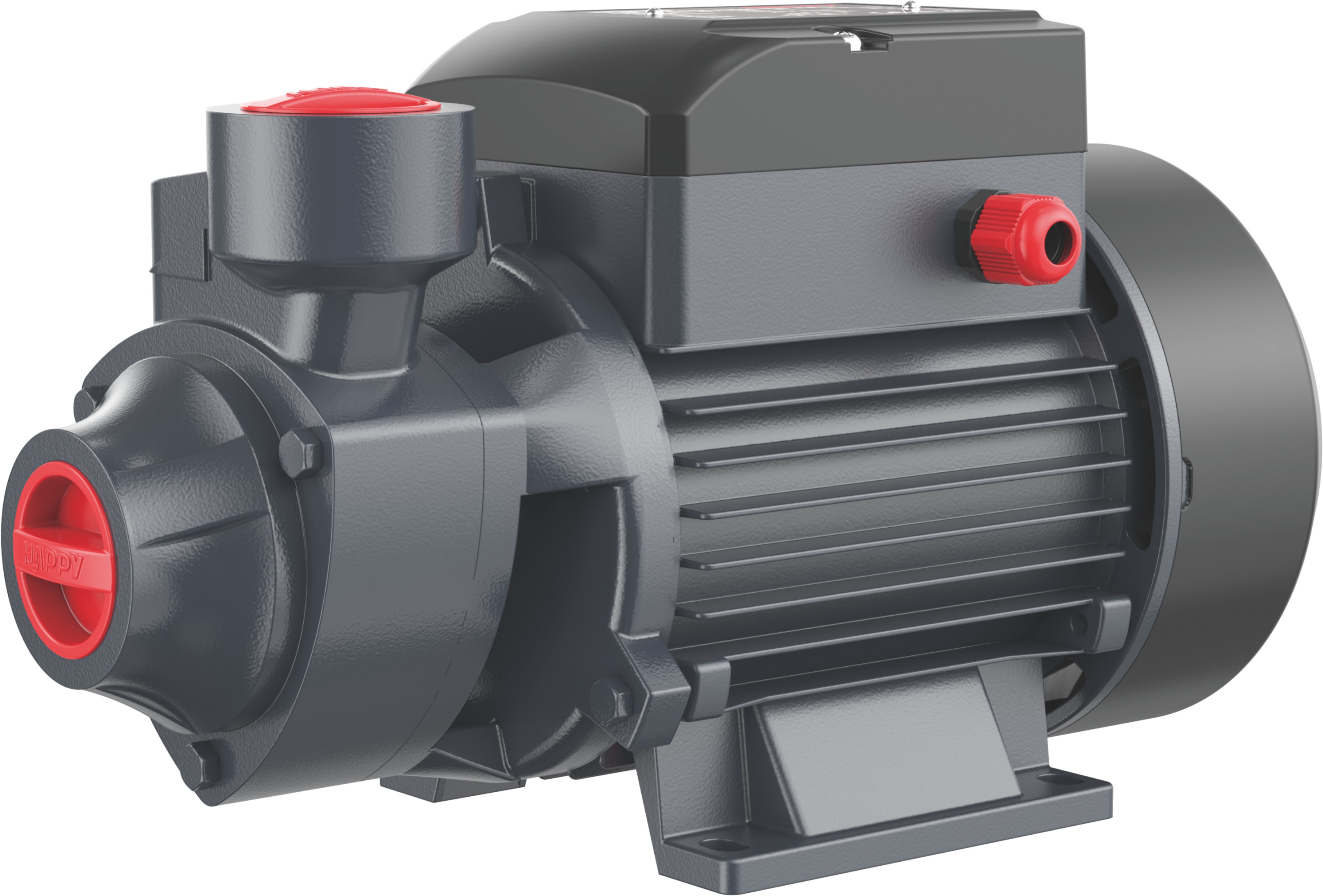
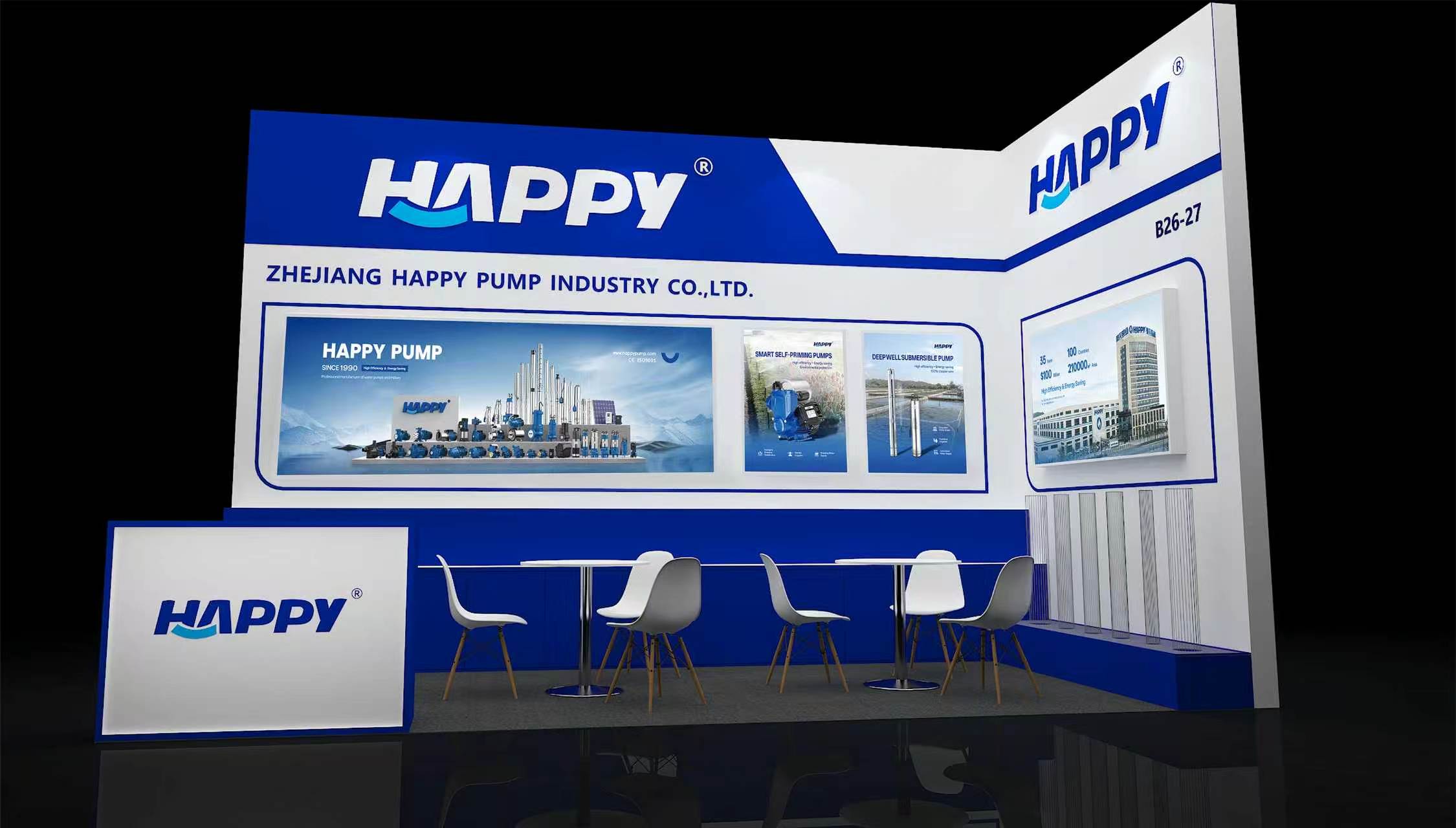
Zhejiang Happy Pump Industry Co., Ltd. is a Chinese pump and motor manufacturer founded in 1990 in Daxi Town, Wenling City, Zhejiang Province, producing surface pumps, submersible pumps, deep well pumps, solar pumps, motors, pressure control tanks and spare parts for global markets. A surface pump in this context is a pump installed above the water source rather than submerged in it, and it is the configuration most building water supply, municipal boosting and industrial circulation duties are built around.

Problem Definition: Why a Portfolio Range Is Not a Selection Answer
The figures 1.5–5500 m³/h and 0.25–550 kW describe an entire pump portfolio, not one pump on a project. They tell a buyer what the supplier is capable of building; they do not tell a buyer which unit to install. Selection only becomes answerable when the range is narrowed to a single duty point, a single hydraulic condition and a single electrical configuration.
Most specification errors trace back to one of four shortcuts:
- Flow-only selection. A unit chosen on flow volume alone can be pushed outside its head capability as soon as friction losses, static lift and discharge pressure are added.
- Head-only selection. Oversizing on head without checking the duty point produces excess power draw and unnecessary running cost.
- Ignoring the ingress protection class. A pump installed where washdown, condensation or flooding is possible needs a housing class that matches that environment; a splash-protected unit in an immersion-risk location shortens service life.
- Ignoring the water condition. Depending on the model, the product can operate with clean water, sewage or particle-containing water, in high-head pumping conditions, and in submersible applications — which means the medium itself is part of the selection decision, not an afterthought.
The practical consequence is that two buyers can read the same published range and arrive at two different, equally wrong pump selections. The fix is not a wider range; it is a fixed reading order for the parameters.
Industry Background: Where Surface Pumps Sit in the Pump Market
Surface-mounted pumping continues to carry the largest share of installed pump capacity. According to Mordor Intelligence, surface pumps held a 57.63% share of the total global pump market in 2025, which means the specification discipline described in this guide applies to the majority of pump purchases rather than to a niche segment.
The wider market context reinforces the same point. MarketsandMarkets estimated the global pumps market at USD 61.32 billion in 2024 and projects it to reach USD 79.01 billion by 2029. Within that total, Market Research Future values the global agricultural pump market at USD 14.59 billion in 2024 with a projected CAGR of 4.98% through 2035, while Market Data Forecast puts the solar pump market at USD 2.90 billion in 2024.
Two structural shifts follow from those numbers. First, the agricultural and irrigation segment continues to add demand for pumps specified by duty point rather than by habit. Second, solar-driven water supply is now a distinct specification case, and in solar systems the product commonly operates with controllers and in parallel configurations — an arrangement that changes how flow, head and power must be read together.
The Four Governing Parameters, Explained One by One
Flow rate (1.5–5500 m³/h): the volume decision
Flow rate is the volume the pump must move per hour at the required head, not the volume the pump can move at zero head. The documented 1.5–5500 m³/h span covers the surface pump portfolio across domestic, agricultural, building and municipal duties. For a specifier, flow governs pipe sizing, whether a single unit or a parallel arrangement is used, and how the duty cycle is set; the product is designed to operate in continuous or intermittent cyclic operation mode, so the required daily volume can be met either continuously or in cycles.
Head (20–100 m): the resistance decision
Head is the total resistance the pump has to overcome to deliver the required flow — static lift from the water level, friction in pipes and fittings, and any discharge pressure the receiving system requires. The range documents 20–100 m, and specific models are designed for high-head pumping environments. The single most common comparison error is reading a head figure without the flow point it belongs to; head and flow must always be compared as a pair.
Power (0.25–550 kW): the operating-cost decision
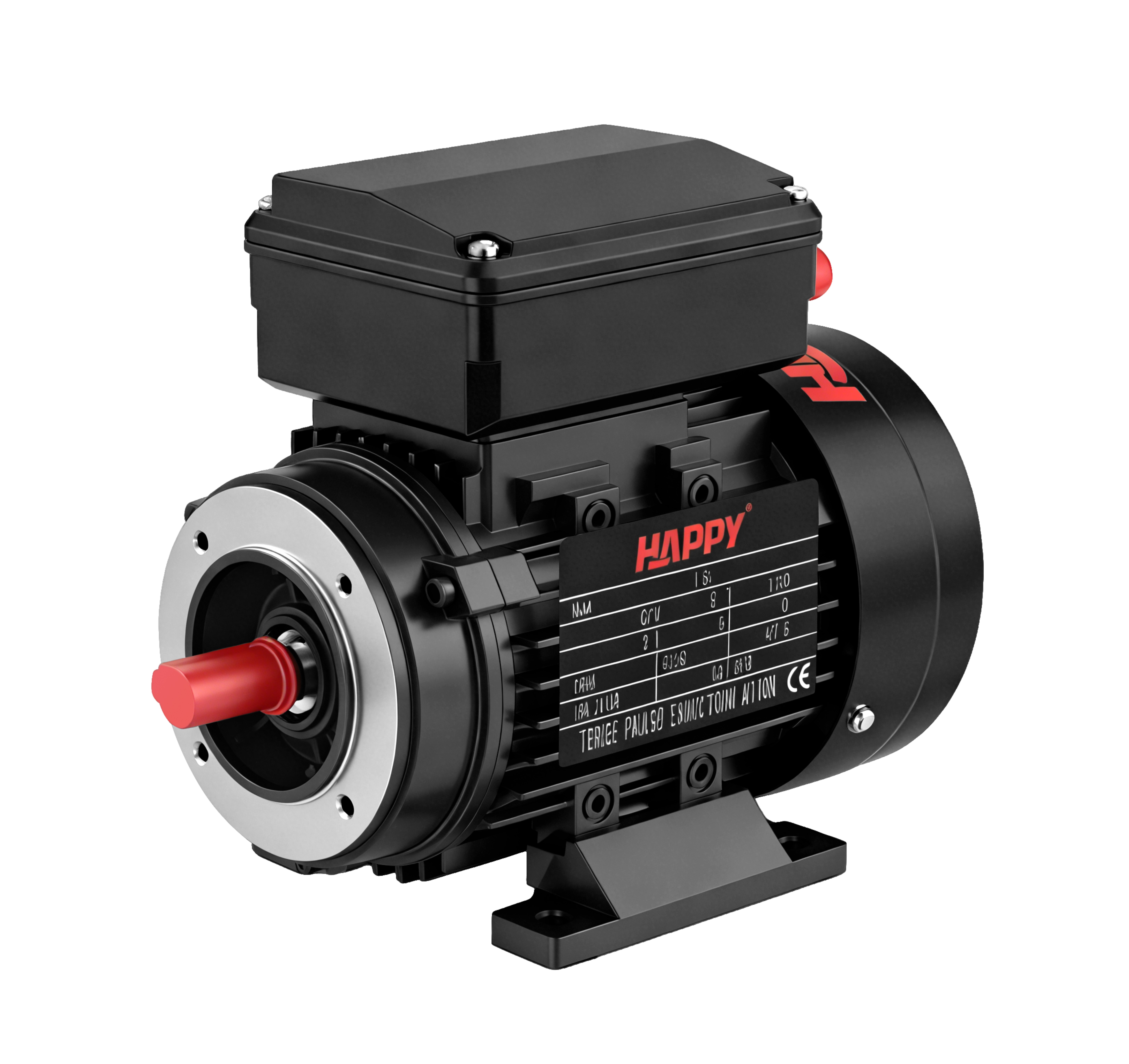
Power follows from the duty point. The documented power span of 0.25–550 kW covers the whole portfolio, and the motor side of the same range is built on cast iron or aluminium housings with standard frame types including 90S-6 and 90L-6, in IE2, IE3, IE4 and MS efficiency classes, covering 1–430 HP with speeds from 934 to 2980 rpm. For procurement teams, the power figure is where capital cost, electrical supply capacity and running cost meet, so it should be confirmed last, after flow and head have been fixed.
Protection class (IP44 and IP68): the installation-environment decision
Ingress protection is expressed as a two-digit code: the first digit describes protection against solid objects, the second describes protection against water. The range documents two classes:
- IP44 — protected against solid objects above 1 mm and against water splashing from any direction. A typical fit for covered plant rooms, indoor building water supply and dry industrial installations.
- IP68 — dust-tight and rated for continuous immersion. A typical fit for wet pits, flood-prone locations, outdoor installations and duties where the pump may be submerged.
The protection class is not an upgrade to be added later; it is a housing and sealing decision made at the ordering stage. Choosing IP68 where the installation is permanently dry adds cost without benefit, while choosing IP44 in a location exposed to washdown or standing water creates a predictable failure mode.
Construction materials (cast iron, stainless steel, engineering plastics): the medium decision
Materials are selected against the pumped medium and the duty. The main materials in the range are cast iron, stainless steel and engineering plastics. Where the application involves corrosive exposure, particle-containing water or a clean-water duty that demands corrosion-resistant wetted parts, the documented special requirement is corrosion-resistant or stainless materials. Material selection is therefore driven by the same medium question that drives the model choice: clean water, sewage or particle-containing water.
How the Designations HQBm, QB60, IDB35, HPSm-AX, HRSm-A, QDP and QDX Fit Together
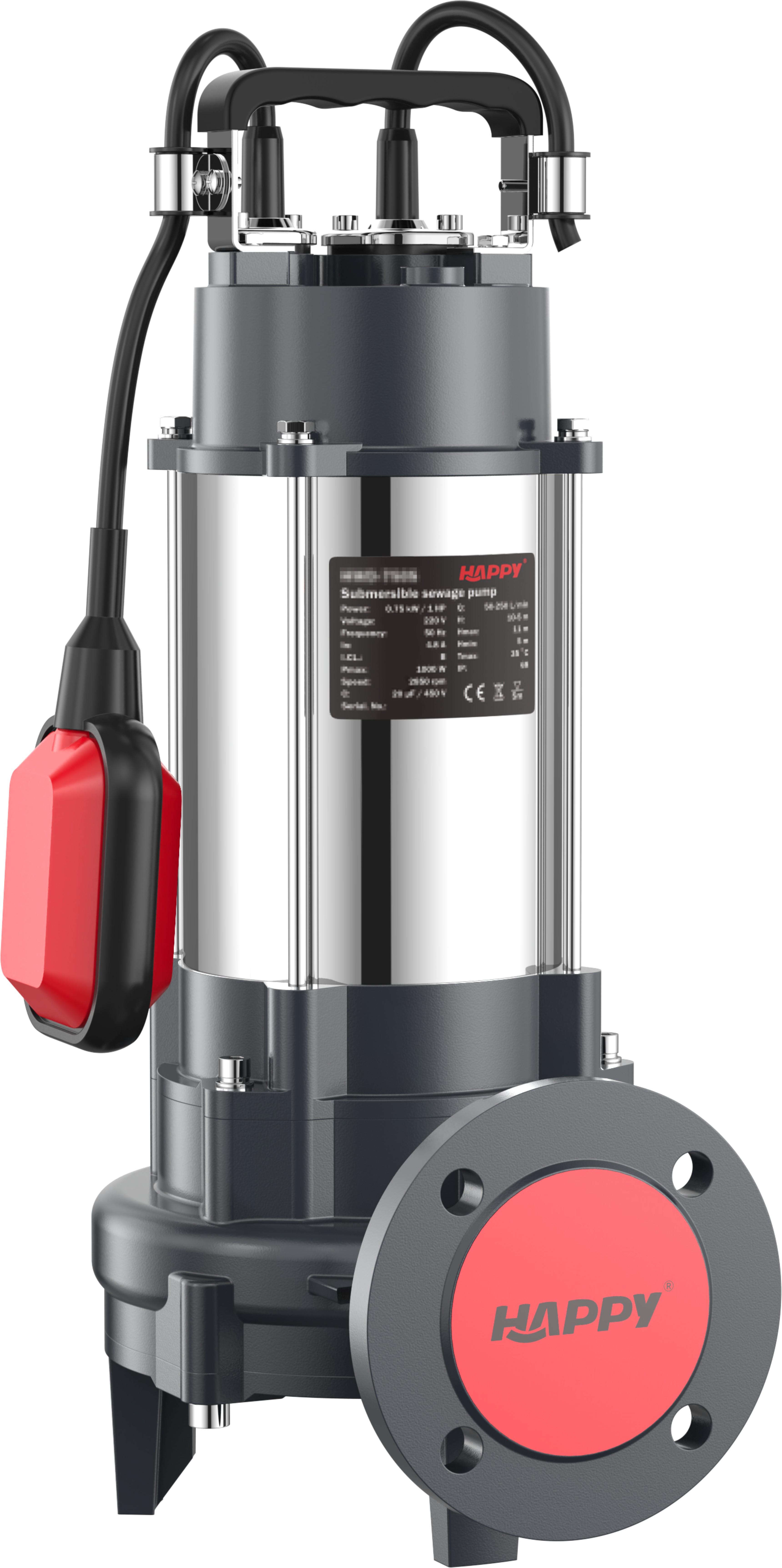
The model designations HQBm, QB60, IDB35, HPSm-AX, HRSm-A, the QDP series and the QDX series are the build identifiers used inside the Happy Pump pump range, which also covers submersible pumps, deep well pumps, solar pumps, centrifugal pumps, self-priming pumps, swimming pool pumps, multistage pumps, sewage pumps and pressure tanks. The important structural point for a buyer is that these designations sit inside one shared parameter envelope rather than describing one shared pump:
- The portfolio envelope is 1.5–5500 m³/h, 20–100 m, 0.25–550 kW and IP44/IP68.
- Each designation fixes a specific build, and the specific flow, head, power and protection values for that build are the values that govern the selection.
- Designations are therefore search keys, not answers. Reading a designation without its confirmed parameters is the same error as reading the portfolio range without a duty point.
Step-by-Step: Specifying a Surface Pump for a Project
- Fix the duty point. Determine the flow required at the working head, and note whether the demand is constant or cyclic. The range supports continuous or intermittent cyclic operation, so the duty pattern belongs in the specification from the start.
- Build the head budget. Add static lift, pipe and fitting friction, and any required discharge pressure into a single head figure. Compare candidate models at that figure, not at their peak head.
- Classify the pumped medium. Confirm whether the application involves clean water, sewage or particle-containing water, since model capability differs by medium, and confirm whether the duty is high-head pumping.
- Set the installation environment. Match the protection class to the location — IP44 for dry, covered installations and IP68 where dust-tight, immersion-rated protection is required.
- Select materials. Choose cast iron, stainless steel or engineering plastics against the medium, and flag corrosion-resistant or stainless materials as a special requirement where the application demands it.
- Confirm the electrical configuration. Check single-phase or three-phase supply, voltage and frequency, and any special input/output voltage or frequency requirement, which must be confirmed with the supplier before production.
- Resolve the peripheral equipment. A working installation also needs the matched equipment — motors, pressure tanks or pressure control units, controllers, junction boxes and filters — and in solar systems, controllers and parallel configurations are the standard arrangement.
- Close the compliance file. Confirm the standards and documentation that apply to the exact model, voltage and frequency being ordered, and record them with the purchase specification.
Use Cases: Mapping Parameters to Real Duties
Industrial circulation and cooling
Industrial circulation duties are specified on continuous flow at a stable head, with power chosen to keep running cost predictable. Cast iron construction is common here, with stainless specified where the circulating medium demands corrosion resistance.
Municipal water supply and drainage
Municipal and engineering projects combine water delivery with drainage handling. These duties place both flow volume and head on the specification at the same time, and they are one of the application groups the product is documented to serve, alongside municipal drainage and water supply.
Building and household water supply
Residential and building water supply and drainage is one of the core applications of the surface pump range, and the product is used for domestic and household water supply purposes. In these installations the role of the product is to deliver water and boost pressure, which makes head and protection class the two parameters that decide the build — head for upper-floor delivery, protection class for the plant space the pump actually sits in.
Agricultural and garden irrigation
Irrigation is specified on delivered volume across the season rather than peak output on a single day. Flow and head together determine whether one unit or a parallel arrangement meets the demand.
Solar off-grid water supply
Solar-driven systems are documented to operate with controllers and in parallel configurations, and they carry their own requirement set: solar power compatibility plus confirmation of the specific input/output voltage and frequency. For this duty, PV availability rather than grid capacity shapes the daily operating window.
Swimming pool circulation and sewage discharge
Pool circulation and sewage discharge projects fall into the sewage and drainage application group, where the product functions to handle sewage and drainage. Particle-containing water shifts the material and model decision rather than the hydraulic one.
Specification Reference Table
The following table compresses the documented surface pump parameters into a single review sheet. Every value below is drawn from the manufacturer's product data or from published standards; no model-level figure should be assumed from this table alone.
| Parameter | Documented value in the range | What it governs | Confirm before ordering |
|---|---|---|---|
| Flow rate | 1.5–5500 m³/h | Volume delivered per hour at the working head; pipe sizing; single unit or parallel arrangement | Required flow at the actual duty head, not the free-flow figure |
| Head | 20–100 m | Total resistance to overcome: static lift, friction, discharge pressure | Head read at the same flow point as the duty |
| Power | 0.25–550 kW | Capital cost, supply capacity and running cost | Supply type (single-phase or three-phase), voltage and frequency |
| Motor data | Frame types 90S-6, 90L-6; IE2, IE3, IE4, MS; 1–430 HP; 934–2980 rpm; cast iron or aluminium housing | Drive-side durability and efficiency class | Efficiency class and speed required by the project |
| Protection class | IP44 or IP68 | Fit to installation environment: splash protection versus dust-tight, immersion-rated | The real condition of the installed location, including washdown and flooding risk |
| Materials | Cast iron, stainless steel, engineering plastics | Compatibility with the pumped medium and corrosion exposure | Whether corrosion-resistant or stainless materials are required |
| Medium capability | Clean water, sewage or particle-containing water, depending on model | Model family and material selection | Medium classification and particle content |
| Compliance | IEC 60335-2-41:2024 for household and similar electrical pumps; CE route with LVD and EMC for the EU market | Market access and safety documentation | Documents matching the exact model, voltage and frequency ordered |
Protection class comparison
| Class | Documented protection | Typical installation fit | Risk if mismatched |
|---|---|---|---|
| IP44 | Protected against solid objects above 1 mm; protected against splashing water | Covered plant rooms, indoor building water supply, dry industrial installations | Exposure to standing water or washdown exceeds the housing rating |
| IP68 | Dust-tight; rated for continuous immersion | Wet pits, flood-prone or outdoor locations, duties where the unit may be submerged | Added cost where the installation is permanently dry |
Compliance Context: IEC 60335-2-41:2024, CE, LVD and EMC
Compliance is part of the specification, not a certificate attached at the end of it. Household and similar electrical pumps must comply with IEC 60335-2-41:2024, the IEC safety standard that covers temperature limits and connection requirements for pumps of this type. For pumps supplied into the European Union, CE marking is the market-access route, and for electrical pumps the two governing directives are the Low Voltage Directive (LVD) for electrical safety and the Electromagnetic Compatibility (EMC) Directive for emissions and immunity.
The practical implication for buyers is configuration discipline. Safety and EMC documentation is tied to a specific model, voltage and frequency, not to a portfolio statement, so the documents requested during evaluation should match the exact configuration being ordered. A specification pack that lists parameters without matching documentation is incomplete, and a specification pack that lists documentation without matching parameters cannot be verified.
Quality, Capacity and Support Behind the Specification
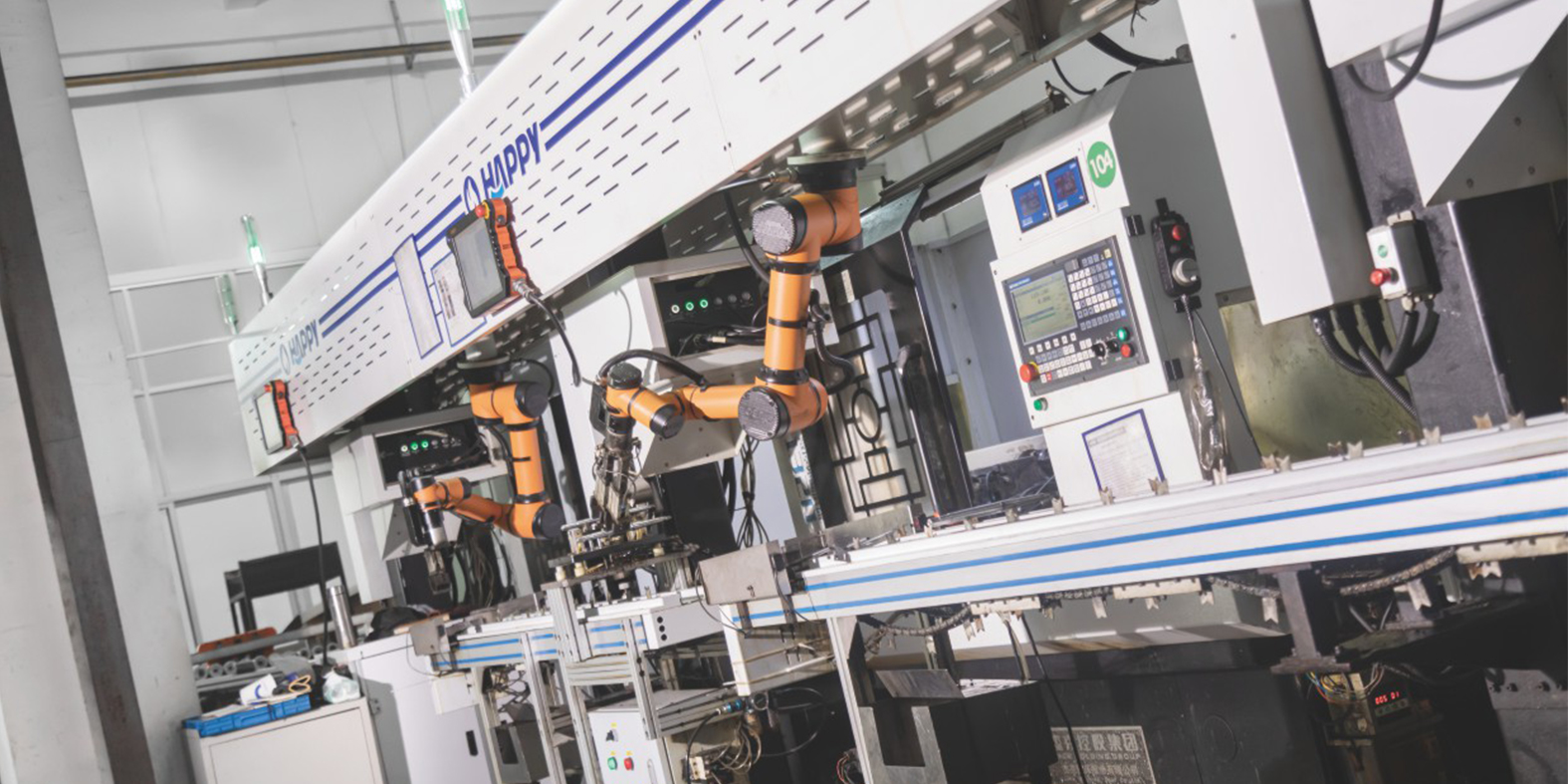
Documented parameters only hold if production holds them. Happy Pump applies 100% testing as its quality-control practice, works to OEM/ODM production with voltage and logo customization, and has a monthly capacity of 400,000 units. Manufacturing is carried out at a site of about 55,000 m² with approximately 210,000 m² of building area and around 800 employees. For buyers, these figures translate into two procurement answers: whether a specification can be reproduced at volume, and whether customization requests can be absorbed without displacing the standard build.
FAQ
1. What safety standard applies to household surface pumps?
Household and similar electrical pumps must comply with IEC 60335-2-41:2024, which covers temperature limits and connection requirements for this product type. For pumps placed on the EU market, CE marking is the applicable market-access route, and for electrical pumps the two relevant directives are the Low Voltage Directive (LVD) and the Electromagnetic Compatibility (EMC) Directive. Because compliance documents are tied to a specific model, voltage and frequency, buyers should ask for the documentation that matches the configuration they are actually ordering.
2. Can surface pumps be customized for voltage, logo or solar operation?
Yes. OEM/ODM production is available, and documented customization covers voltage and logo. Solar operation is a specific case: in solar systems the product commonly operates with controllers and in parallel configurations, and solar power compatibility plus confirmation of special input/output voltage and frequency are recorded as special requirements. Where the duty involves corrosive exposure or large-flow, high-head conditions, corrosion-resistant or stainless materials and customization of the hydraulic build are also documented requirements — all of which must be confirmed with the supplier before production.
3. What is the minimum order quantity for surface pumps?
For pumps below 3 HP the documented MOQ is 100 pcs, and for pumps above 3 HP it is 50 pcs. Monthly production capacity is 400,000 units, and production runs on an OEM/ODM basis with voltage and logo customization. Buyers comparing quotations should check the MOQ against the model's power rating, since the threshold changes at 3 HP.
4. How should a buyer validate flow, head and IP protection before ordering?
Validate in the same order the parameters are specified: confirm the required flow at the working head rather than at free flow; confirm the head budget including static lift, friction and discharge pressure; confirm the protection class against the real condition of the installation — IP44 for protected, dry locations and IP68 where dust-tight, immersion-rated protection is needed; and confirm materials against the pumped medium, which may be clean water, sewage or particle-containing water depending on the model. Quality control is 100% tested, and the pumps are documented for normal use over around 10 years with a 1-year warranty, so the validation record should also include the matched equipment: motors, pressure tanks or pressure control units, controllers, junction boxes and filters.
5. What lead time and supplier profile should a household surface pump buyer expect?
Zhejiang Happy Pump Industry Co., Ltd. is a pump and motor manufacturer established in 1990 in Daxi Town, Wenling City, Zhejiang Province, and it supplies domestic and household water supply applications alongside residential and building water supply and drainage. The documented production lead time is 30–45 days, with a monthly capacity of 400,000 units and remote after-sales support. Buyers sourcing a household surface pump manufacturer for domestic water supply should request the model parameters, the compliance documents for the ordered configuration, and the quotation in the same enquiry so that all three can be reviewed together.
Conclusion: The Reading Order That Prevents Wrong Selections
The surface pump range spans 1.5–5500 m³/h, 20–100 m, 0.25–550 kW and two protection classes, built in cast iron, stainless steel or engineering plastics across designations such as HQBm, QB60, IDB35, HPSm-AX, HRSm-A, QDP and QDX. None of those figures selects a pump on its own. The sequence that does — duty point, head budget, medium, installation environment, materials, electrical configuration, peripheral equipment, compliance — is the same sequence whether the project is building water supply, municipal boosting, industrial circulation, irrigation, solar off-grid supply or pool and sewage duty.
Used in that order, the numbers stop being a catalogue and start being a specification. Used out of order, they produce a quotation that looks correct on paper and fails on site.
Next Step: Check Your Duty Point Against the Range
Send your flow, head, power and installation environment and we will confirm which model designation fits, along with the protection class, materials and compliance documents that apply to that exact configuration. Catalogue, specification check and quotation are available on request.
Zhejiang Happy Pump Industry Co., Ltd.
Address: Dayangcheng Industrial Zone, Daxi, Wenling, Zhejiang / No.318, West Xingpan Road, Daxi, Wenling, Zhejiang
Email: admin@happypump.com · Tel: +86-576-86331608 · WhatsApp: +86-13758679190
Website: www.happypump.com
Product catalogue (PDF): Download the 2026 HAPPY Pump catalogue
Have Questions or Need More Details?
Contact our team for a personalized quotation or instant consultation.
Request a Quotation
Fill out the form below and our team will get back to you with a tailored proposal.
WhatsApp Direct Chat
Prefer to chat in real-time? Message us on WhatsApp for instant assistance & quick answers.
- Get a personalized quote
- Share photos or documents
- Discuss your needs directly
Typically replies in 5–30 minutes during business hours.