Top 10 Surface Pump Types for 2026: How to Evaluate Suppliers with Confidence
Top 10 Surface Pump Types for 2026: How to Evaluate Suppliers with Confidence
Surface pumps are a core category in the global pump market. In 2025, surface pumps represented an estimated 57.63% of all pumps sold worldwide, according to Mordor Intelligence. That share reflects their importance in household water supply, garden irrigation, agricultural pumping, pool circulation, and solar water pumping. For buyers in an evaluation stage, the question is no longer “Should I use a surface pump?” but “Which type should I choose, and which manufacturer can deliver it with the right compliance, quality, and lead time?” This article ranks the top ten surface pump types for 2026 and outlines a practical supplier evaluation framework, using Zhejiang Happy Pump Industry Co., Ltd. as a reference example.
Problem Definition
A surface pump sits above the water source and moves water through a suction pipe. The simplicity of that concept hides substantial engineering differences. A peripheral pump, a jet pump, and a multistage pump all solve different pressure and flow problems. Buyers often face a fragmented market where suppliers have different specialties, certifications, and customization rules. Without a clear ranking of pump types and a checklist of manufacturer capabilities, it is easy to over-specify, under-specify, or select a supplier that cannot meet regulatory or lead-time requirements. The sections below break the decision into two parts: pump type preference and supplier verification.
Industry Background
MarketsandMarkets estimated the global pumps market at approximately USD 61.32 billion in 2024, with a projected value of USD 79.01 billion by 2029. Within this market, surface pumps held a 57.63% share in 2025, according to Mordor Intelligence. Agriculture is a major downstream segment; Market Research Future valued the global agricultural pump market at USD 14.59 billion in 2024 and projected a CAGR of 4.98% through 2035. Solar pumps, often used in surface configurations, reached an estimated USD 2.90 billion in 2024, supported by lower PV module costs and Asia-Pacific subsidies. These trends influence which surface pump types see the strongest demand and which specifications buyers prioritize.
Detailed Solution: Top 10 Surface Pump Types for 2026
The following ranking reflects common purchasing preferences across household, agricultural, pool, and solar applications. Use it as a starting point before checking a manufacturer’s portfolio.
1. Household Surface Pump
Household surface pumps are designed for domestic water supply, pressure boosting, and garden use. They are typically compact, quiet, and easy to install. Buyers often prioritize low noise, stable operation, and durable materials. Happy Pump’s standard garden pumps and permanent magnet variable-frequency constant-pressure pumps are examples of product families that address these preferences.
2. Centrifugal Surface Pump
Centrifugal surface pumps are the workhorses of water transfer. They use a rotating impeller to generate flow and are suited to clean water, moderate heads, and large flow rates. When evaluating centrifugal pumps, consider impeller material, motor power, and whether the pump is self-priming. This type is common across residential, agricultural, and industrial circulation applications.
3. Self-Priming Surface Pump
Self-priming surface pumps can evacuate air from the suction line automatically, making them convenient for intermittent operations such as garden irrigation or tank filling. They reduce the need for manual priming, which is a practical advantage when the water source is below the pump. Check the maximum suction lift and the quality of the sealing system.
4. Solar Surface Pump
Solar surface pumps are engineered to run on DC or AC power from photovoltaic panels. They are increasingly used for off-grid agricultural irrigation, livestock water supply, and remote household delivery. The global solar pump market reached USD 2.90 billion in 2024, driven by falling PV module prices and government subsidies. When selecting a solar surface pump, evaluate the controller compatibility, operating voltage range, and protection against dry running.
5. Jet Surface Pump
Jet surface pumps add an ejector to the hydraulic path, creating a venturi effect that increases suction capability. They are a good fit for shallow wells and deeper suction lifts. Buyers should look at the suction depth, nozzle design, and material resistance to sand and debris. Jet pumps are often used in areas with a lower water table.
6. Peripheral Surface Pump
Peripheral surface pumps are compact, with a regenerative impeller that creates high pressure at low flow rates. They are efficient for small household boosting tasks and light industry. Because they handle limited flow, they are not ideal for high-volume transfer. This type is sometimes called a vortex pump; Happy Pump includes vortex pumps in its product range.
7. Swimming Pool Surface Pump
Swimming pool surface pumps are designed for pool circulation and filtration. They typically include a strainer basket and are built with corrosion-resistant materials. Matching pump flow to pool volume and filter type is critical. Pool pumps need to run for long periods, so motor efficiency and thermal protection matter.
8. Horizontal Multistage Surface Pump
Horizontal multistage pumps connect multiple impellers in series, building higher pressure than a single-stage unit. They are used in building water supply, irrigation systems, and booster stations where consistent pressure is required. The number of stages determines the maximum head. This type is a strong option when your system needs more than a single-stage pump can deliver.
9. High Pressure Surface Pump
High pressure surface pumps are applied in reverse osmosis, pressure washing, and industrial boosting. They deliver higher discharge pressure and require robust construction. Buyers should confirm pressure ratings, seal materials, and compatibility with the liquid being pumped. This segment is smaller but important for specialized projects.
10. Automatic / Booster Surface Pump
Automatic surface pumps integrate a pressure switch, flow sensor, or variable-frequency drive to start and stop based on water demand. They maintain constant pressure in domestic water systems and reduce energy waste. With smart home integration growing, this type is becoming a preferred choice for modern households. Happy Pump’s permanent magnet variable-frequency constant-pressure pumps and intelligent pumps target this segment.
Each of these ten types addresses a different duty point. A reliable manufacturer should be able to supply several of them, with consistent quality and clear documentation.
Step-by-Step Breakdown: How to Choose a Surface Pump Manufacturer
Once you know the pump type you need, compare suppliers using five practical steps.
Step 1: Define the Application and Duty Point
Write down the required flow rate, head, suction lift, and power source (AC or solar). This will narrow the ranking of pump types and help you communicate with suppliers.
Step 2: Check Certifications and Compliance
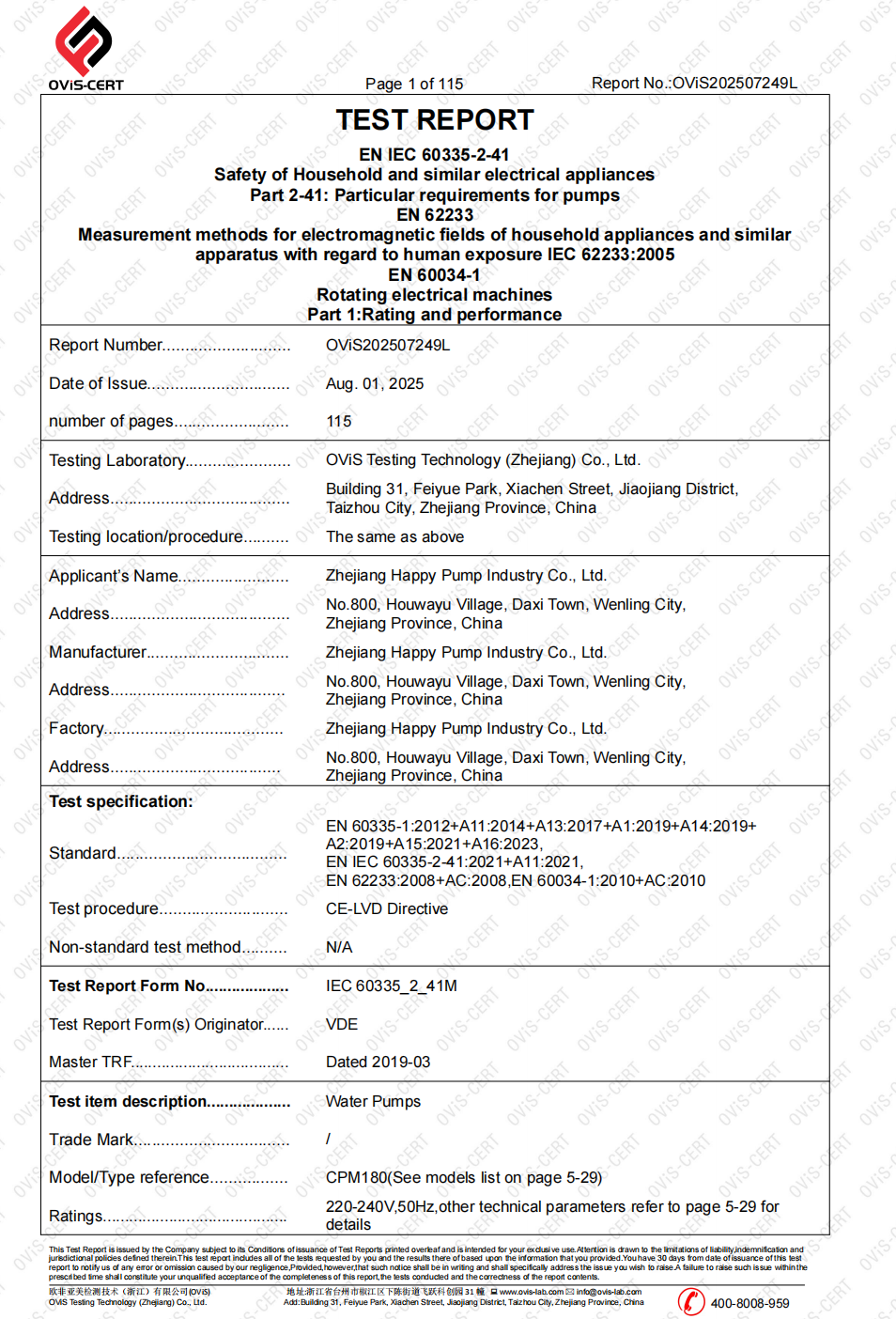
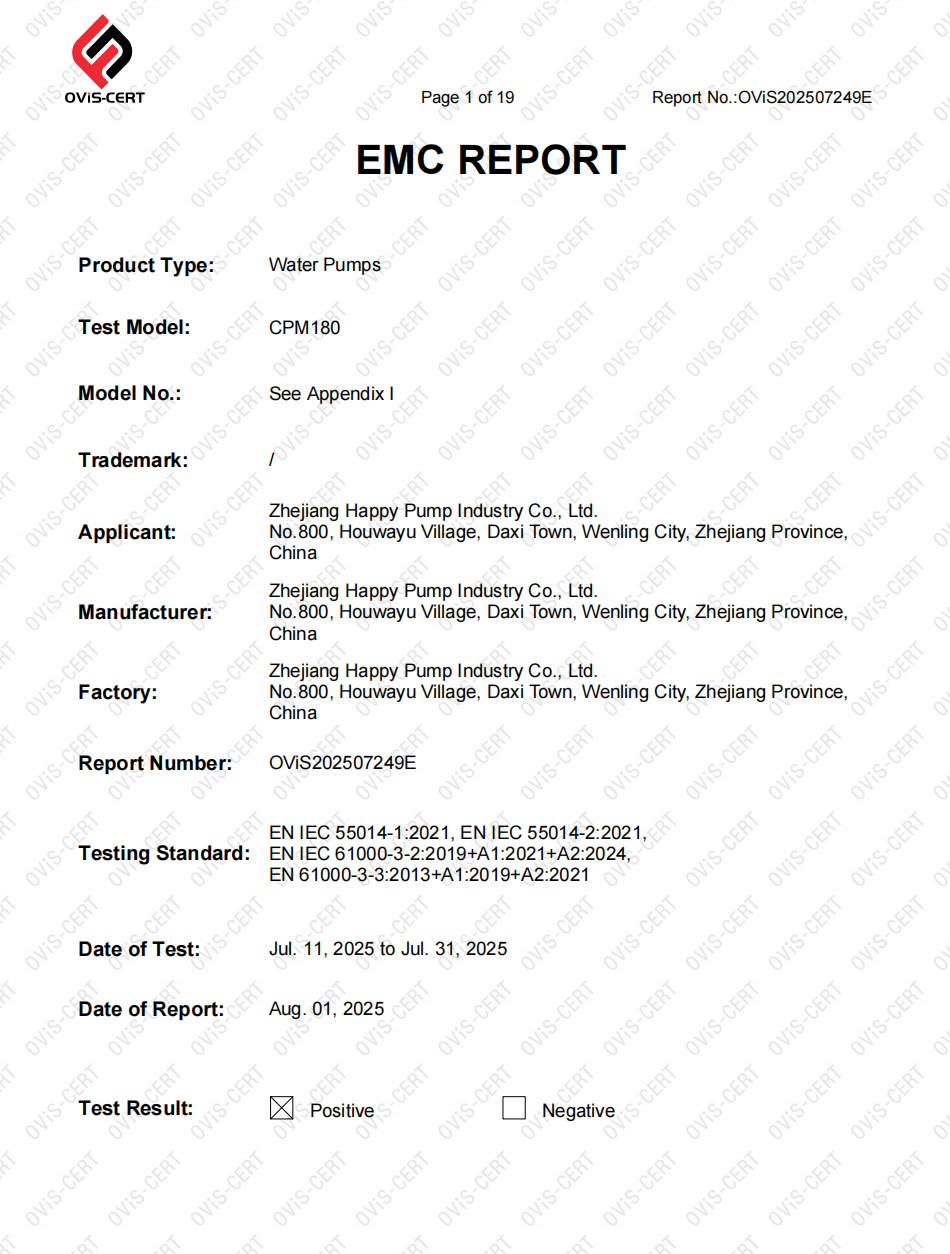
For EU-bound products, compliance with the Low Voltage Directive, EMC Directive, and Machinery Directive is often mandatory. Zhejiang Happy Pump Industry Co., Ltd. holds LVD, EMC, and CE attestations for its pump range. The LVD certificate (OViS202507249L) covers standards such as EN 60335-1 and EN IEC 60335-2-41, while the EMC certificate (OViS202507249E) references EN IEC 55014-1 and related standards. CE Attestation of Conformity (CE-5072-160326) covers the 2014/35/EU, 2014/30/EU, and 2006/42/EC directives. For global projects, also verify whether the manufacturer can supply documentation for other markets.
Step 3: Evaluate Manufacturing Capability
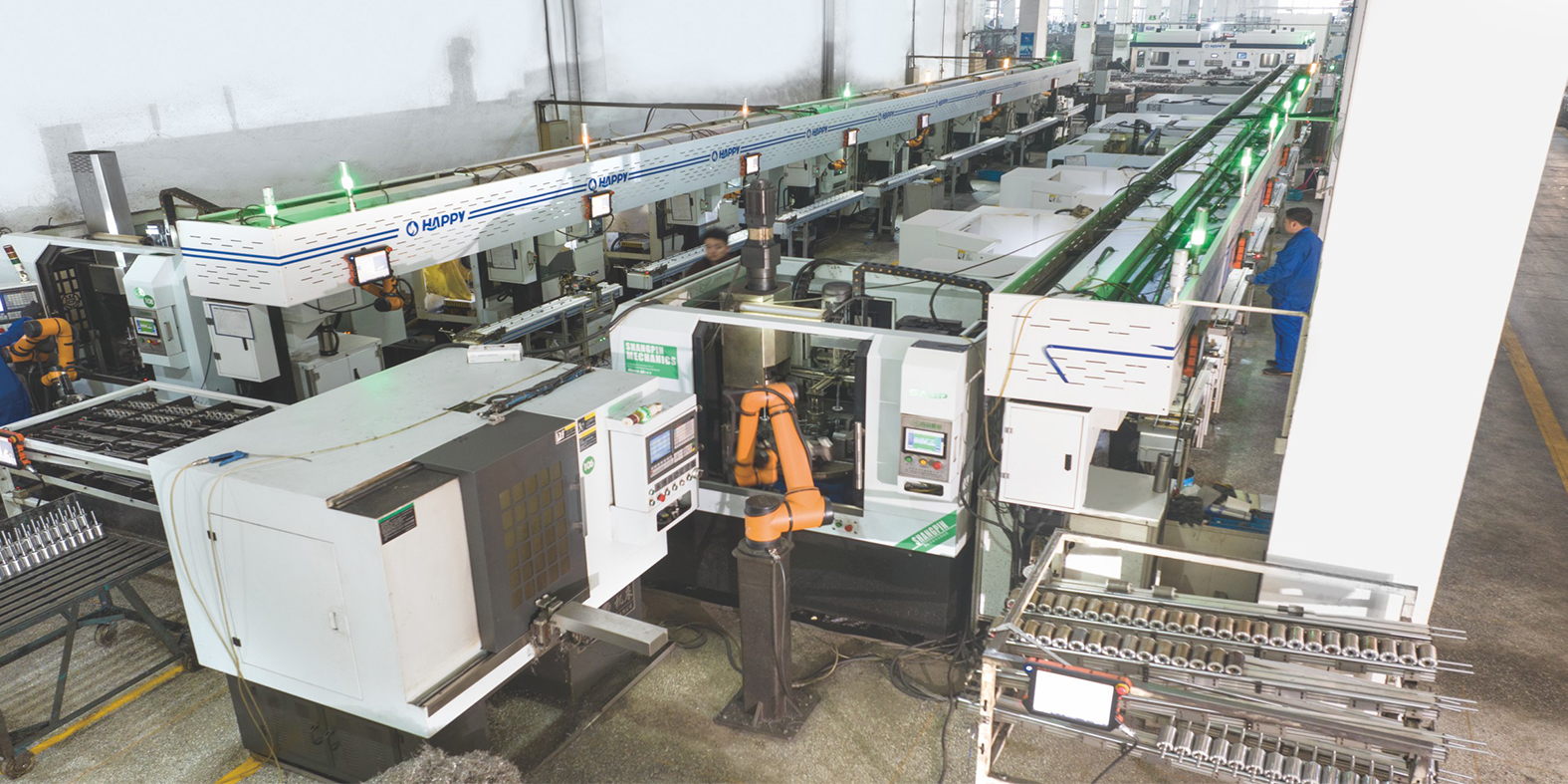
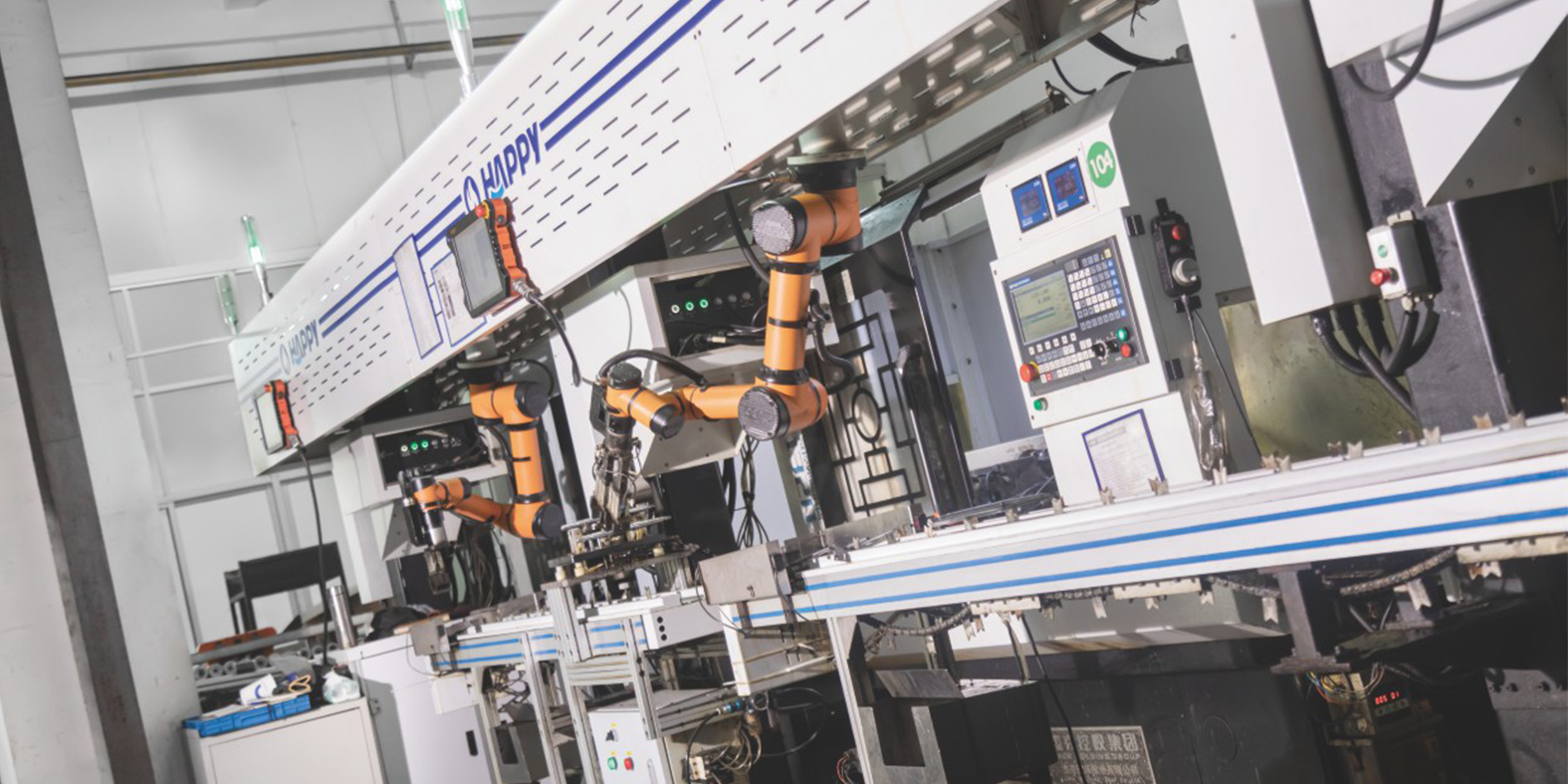
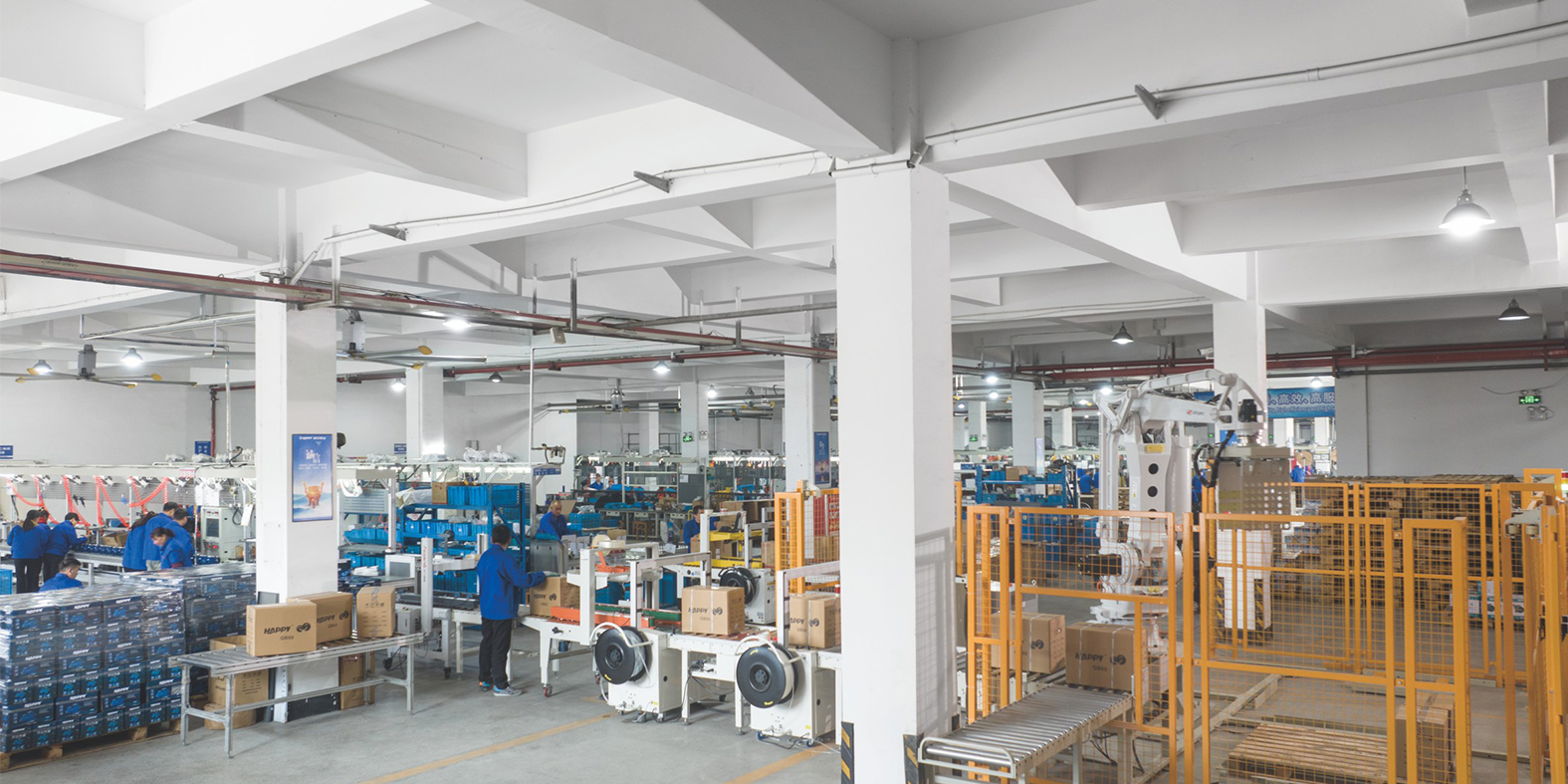
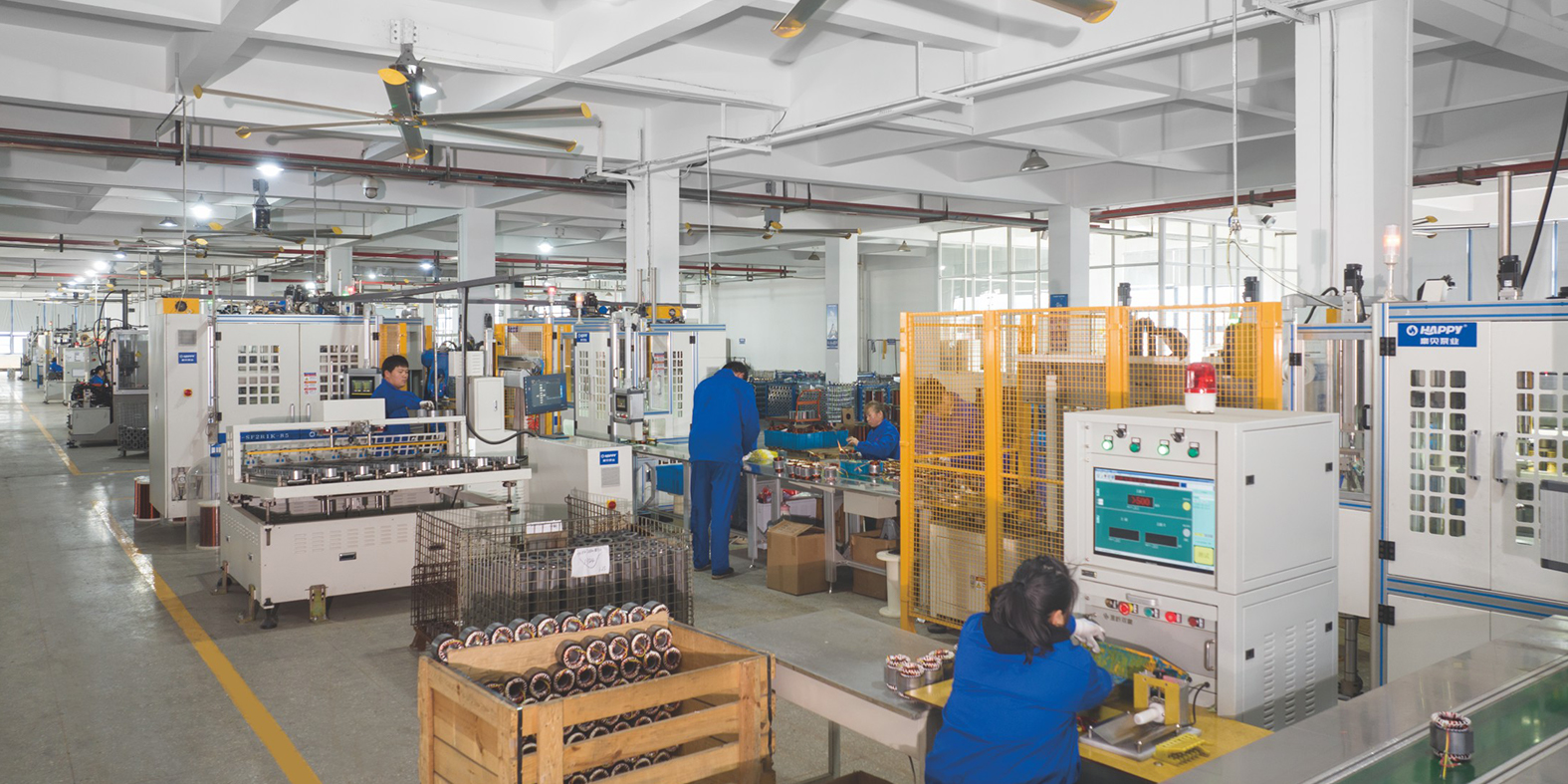
A manufacturer’s ability to scale production is a major evaluation criterion. Happy Pump operates from a 55,000 m² site with approximately 210,000 m² of building area, employs around 800 people, and produces about 4 million pumps per year. It offers OEM/ODM services, with customization of voltage and logo. Monthly capacity is around 400,000 units, which gives buyers flexibility for seasonal orders.
Step 4: Confirm Quality Control
Quality control is often the deciding factor between similar quotations. Happy Pump performs 100% testing on all products before shipment. This fact is stated across the company’s official materials and should be a baseline in your supplier evaluation. Ask for the manufacturer’s test procedure and, if possible, an inspection before delivery.
Step 5: Review Lead Time, MOQ, and After-Sales Support
The company’s standard production lead time is 30–45 days, and the monthly capacity is 400,000 units. Minimum Order Quantity is 100 pieces for pumps below 3 HP, and 50 pieces for pumps above 3 HP. After-sales support includes remote assistance. These types of commitment help buyers plan inventory and manage risk.
Use Cases: Where Different Surface Pump Types Perform Best
The applicable industries for surface pumps include agriculture irrigation, residential and building water supply and drainage, industrial circulation, municipal water, solar pumping systems, swimming pool, and sewage applications. Typical use cases include domestic/household water supply, garden irrigation, agricultural irrigation, sewage and engineering drainage, pool circulation, and solar water pumping systems.
A relevant example can be found in Happy Pump’s customer base. The company works with water pump brand OEM clients and HAPPY agent clients on a global scale, with annual sales reaching approximately 4 million sets. End-users report stable operation and a typical service life of around 10 years, with a one-year warranty. The stated highlights are low noise and high quality. For buyers in Europe, the Middle East, and Asia, this combination of OEM experience and field reliability makes Happy Pump a useful benchmark during supplier shortlisting.
Comparison Table: Surface Pump Types and Typical Selection Points
The table below summarizes the ten types above. This is not a product specification table; it is a decision map that connects pump type to application and key evaluation criteria.
| Rank | Pump Type | Typical Application | Key Evaluation Point |
|---|---|---|---|
| 1 | Household surface pump | Domestic water supply, pressure boosting | Noise level, material quality, ease of installation |
| 2 | Centrifugal surface pump | Clean water transfer, irrigation, circulation | Impeller material, motor power, self-priming ability |
| 3 | Self-priming surface pump | Garden irrigation, tank filling | Suction lift, air evacuation speed, seal quality |
| 4 | Solar surface pump | Off-grid irrigation, remote water supply | Controller voltage range, dry-run protection |
| 5 | Jet surface pump | Shallow wells, deeper suction lifts | Suction depth, nozzle design, sand tolerance |
| 6 | Peripheral surface pump | Small household boosting | Flow capacity, pressure output |
| 7 | Swimming pool surface pump | Pool circulation and filtration | Flow matching, corrosion resistance |
| 8 | Horizontal multistage surface pump | Building supply, high-lift irrigation | Number of stages, system pressure |
| 9 | High pressure surface pump | Boosting, RO, washing | Pressure rating, seal material |
| 10 | Automatic / booster surface pump | Modern homes, constant pressure | Control system, start/stop reliability |
FAQ: Surface Pump Supplier Evaluation Questions
Q1: What safety and EMC certifications do Happy Pump surface pumps meet?
Happy Pump’s water pumps are covered by LVD, EMC, and CE attestations. The LVD certificate (OViS202507249L) references EN 60335-1 and EN IEC 60335-2-41; the EMC certificate (OViS202507249E) references EN IEC 55014-1 and related standards; the CE Attestation of Conformity (CE-5072-160326) covers the EU Low Voltage, EMC, and Machinery Directives. These documents provide evidence for EU market compliance.
Q2: Can Happy Pump manufacture custom surface pumps for OEM/ODM brands?
Yes. Happy Pump operates in OEM/ODM mode and supports customization of voltage and logo. The company has around 200 technical staff and uses engineering tools such as CFD, FEA, and motor electromagnetic design in its R&D center, which supports product adaptation.
Q3: What is the minimum order quantity for surface pumps?
According to the company’s capability profile, the MOQ is 100 pieces for pumps below 3 HP and 50 pieces for pumps above 3 HP. This is helpful for both pilot orders and planned container shipments.
Q4: How does Happy Pump ensure product quality before shipping?
Quality control includes 100% testing of all products. The company also offers remote after-sales support, and case data indicates stable operation over roughly 10 years with a one-year warranty. Buyers should request a factory test report as part of the order review.
Q5: What is the typical lead time for a surface pump order?
The standard production lead time is 30–45 days, with a monthly capacity of 400,000 units. Lead time may vary based on configuration and current capacity, so early confirmation is recommended.
Conclusion
The surface pump market continues to grow, and the range of pump types can be confusing. Start by ranking the ten types against your application, then use a structured supplier checklist covering certifications, manufacturing capability, quality control, MOQ, and lead time. Zhejiang Happy Pump Industry Co., Ltd. offers a representative example of a supplier that covers multiple surface pump families, holds EU compliance documents, supports OEM/ODM customization, and ships products from a substantial manufacturing base. To explore its catalog or request a quote, visit the company’s official brochure or contact the sales team.
Next step: If you are evaluating surface pump suppliers for 2026, download the Happy Pump brochure or contact Henry Guan at admin@happypump.com / +86-576-86331608 for a discussion.