Top-Rated Submersible Pump Series for Residential and Agricultural Use
Top-Rated Submersible Pump Series for Residential and Agricultural Use
Short answer: For residential building supply, drainage and agricultural irrigation, the seven HAPPY series designations worth putting on a shortlist are HQBm, QB60, IDB35, HPSm-AX, HRSm-A, QDP and QDX. These lines sit within a cast iron and stainless steel submersible pump construction programme and span the subcategories buyers ask about most often — clean water, sewage, deep well and solar. The series name alone is not a specification, however: flow, head, voltage, phase, frequency and material grade are confirmed per order, which is exactly what this article helps you organise.
This is a decision-stage shortlist, not a catalogue dump. It is written for importers, distributors, brand owners, contractors and procurement managers who need to narrow a wide submersible pump range down to a defensible starting point before requesting a quotation.
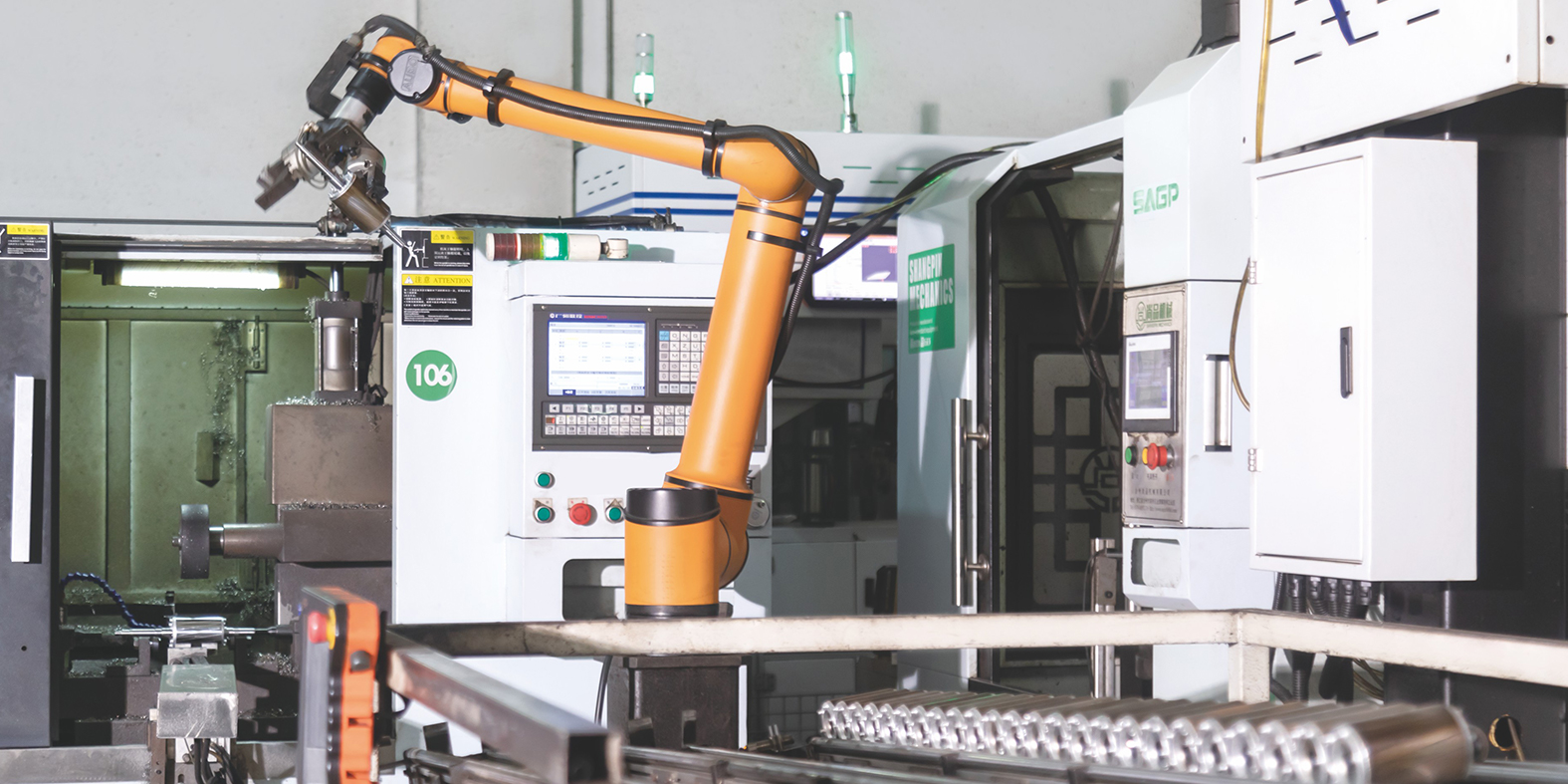
Motor assembly at Zhejiang Happy Pump Industry Co., Ltd.'s manufacturing base in Daxi Town, Wenling City, Zhejiang Province. Component-level control at this stage is what allows a cast iron or stainless steel submersible pump series to hold consistent performance across a production run.
What "Top-Rated" Should Actually Mean to a Buyer
The problem is not a shortage of submersible pump models. It is a shortage of usable selection logic. A residential developer, a pump distributor and an irrigation contractor all search for the same words — submersible pump, deep well submersible pump, sewage submersible pump — but each needs a different answer, and most supplier pages return the same generic list.
Three failure patterns repeat in this segment:
- Wrong duty point. A household submersible pump sized for pressure boosting is installed on a borehole duty it cannot sustain, or an agricultural submersible pump is selected without confirming the drawdown level.
- Wrong construction for the water. Cast iron and stainless steel behave differently in aggressive or solids-laden water. Choosing between them is a materials decision, not a price decision.
- Wrong supplier shape. A deep-well-only manufacturer and a full-range manufacturer can quote the same pump, but they cannot support the same project over time.
A "top-rated" series, in practical terms, is one that (a) exists in a defined model family you can re-order, (b) is built from a documented casing and hydraulic material, and (c) comes from a manufacturer whose range can cover the adjacent duties on the same project. The shortlist below is built on those three criteria.
Industry Background: Why This Segment Keeps Growing
Third-party market research consistently places the global submersible pump market in the low-teens of billions of US dollars. Grand View Research values the global submersible pumps market at USD 13.3 billion in 2025 and projects USD 19.4 billion by 2033. SNS Insider values the same market at USD 14.75 billion in 2024, with a projected USD 23.07 billion by 2032. The two baselines differ by more than a billion dollars — a reminder to treat any single market figure as a directional signal rather than a precise number.
Several structural signals matter more than the headline size:
- Asia Pacific held a 39.72% share of the submersible pump market in 2025, valued at USD 7.05 billion (Fortune Business Insights), which reflects both manufacturing concentration and domestic demand.
- The borewell segment accounted for the largest application share — 46.7% in 2025 (Grand View Research) — confirming that deep well duties still anchor the category.
- Global agricultural pump revenue from electric submersible pumps reached USD 2,515.6 million in 2025 (Grand View Research), with solar pairing increasingly adopted in South Asia, where 75–100% of freshwater withdrawal goes to agriculture (Precedence Research).
- Electric-drive units accounted for nearly 80% of global submersible pump installations in 2024, and non-clog/sewage submersible pumps represent approximately 25% of the total market (Grand View Research).
- Solar water pump forecasts diverge sharply: Credence Research projects growth from USD 556.57 million in 2024 to USD 2.9 billion by 2032 at a 22.95% CAGR, while Grand View Research projects a 4.3% CAGR for the solar pump market. Both point the same direction; neither should be quoted as a certainty.
On the regulatory side, IEC 60335-2-41:2024 sets out safety requirements for electric submersible pumps intended for household and agricultural use, and single-phase household pumps up to 250V are covered under the same framework. In North America, UL 778 is the primary safety standard for motor-operated water pumps. Compliance is therefore not an optional filter when comparing suppliers — it is a baseline qualification.
The Recommended Series Shortlist: HQBm, QB60, IDB35, HPSm-AX, HRSm-A, QDP and QDX
Zhejiang Happy Pump Industry Co., Ltd. was established in 1990 and operates from Daxi Town, Wenling City, Zhejiang Province — the region known as China's "Hometown of Water Pumps." The company manufactures a full range of water pumps and motors across 11 major series and more than 500 specifications, with an annual pump output of 400,000 units and exports to more than 150 countries and regions. Its submersible programme is where the residential and agricultural demand clusters overlap.
The seven designations recommended for residential building supply, drainage and agricultural irrigation are:
- HQBm series
- QB60 series
- IDB35 series
- HPSm-AX series
- HRSm-A series
- QDP series
- QDX series
Read this before you quote: each entry above is a model family designation, not a full specification. The designation tells you which HAPPY series to evaluate. It does not, on its own, tell you the flow rate, head, discharge size, voltage, phase, frequency or casing material of a specific configuration. Those parameters are confirmed per order against your duty point and your market's electrical standard.
Where the Three Demand Clusters Converge
The reason these particular lines form a single shortlist is that the three buyer groups they serve are not cleanly separated in practice. A residential building supply project needs clean water delivery and, in the same building, drainage from basements, sumps and wet areas. An agricultural installation needs a borehole or deep well pump and often a surface or garden pump for distribution. A distributor supplying rural and peri-urban markets needs all of them in one shipment.
The shortlist also spans the subcategories buyers search for by name: deep well submersible pumps for borehole water intake, sewage and cutting submersible sewage pumps for drainage and wastewater, solar submersible pumps for off-grid irrigation, and clean water and household submersible pumps for domestic supply. Choosing a manufacturer whose programme covers these adjacent duties — rather than a supplier with a single product line — reduces the number of purchase orders, inspection visits and spare-part channels a distributor has to manage.
Cast Iron and Stainless Steel: Why Construction Drives the Recommendation
The construction base for this shortlist is cast iron and stainless steel. The reason material matters at the decision stage is that it affects four things a buyer will eventually have to live with:
- Water compatibility. Clean water supply and solids-laden drainage place different demands on wetted parts; construction material is the first filter, not the last.
- Service life under continuous duty. Irrigation and building supply duties often run for long, regular cycles rather than short bursts.
- Repairability in the field. Distributors supporting rural markets need components that can be inspected, cleaned and reassembled locally.
- Documentation and market access. Material declarations and test records are increasingly requested alongside certificates when a product enters a new market.
Because both cast iron and stainless steel appear across the programme, the correct question is not "which is better" but "which grade is specified for this duty and this water chemistry." Ask the manufacturer to state it in writing on the quotation, and ask which of the seven series it applies to.
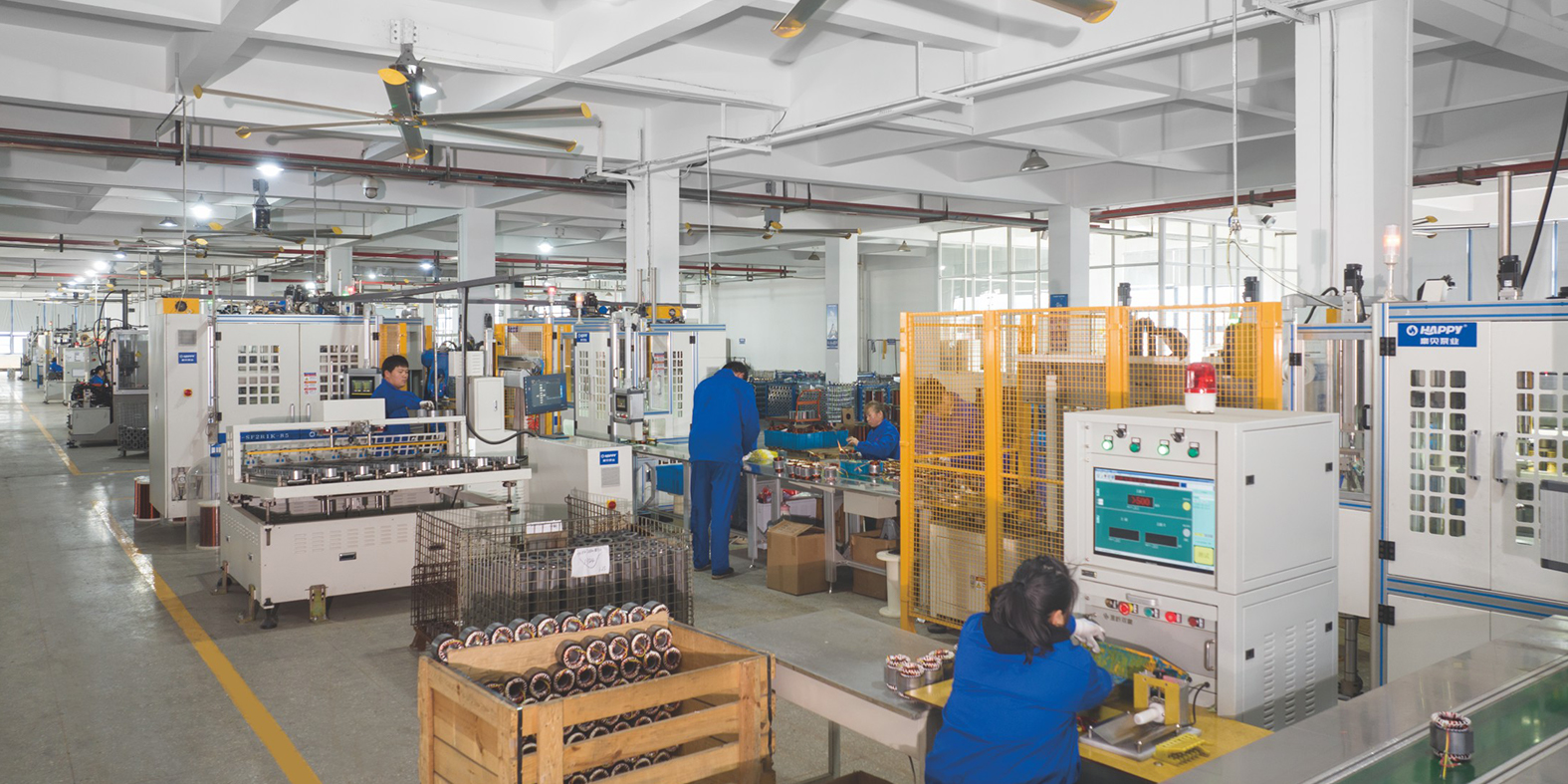
Motor coil production. Winding quality at this stage determines how a submersible pump motor behaves under sustained agricultural or building-supply duty.
How to Turn This Shortlist Into One Order: Step by Step
The sequence below is the practical path from "seven series names" to a single confirmed purchase order.
- Define the duty point. Establish required flow and head for each installation — residential supply, drainage sump or irrigation line. Every later decision depends on this.
- Classify the water. Clean water, mildly contaminated water, or wastewater containing solids. This separates the submersible garden pump and household submersible pump duties from sewage and cutting submersible sewage pump duties.
- Fix the electrical standard. Confirm single phase or three phase, and 50Hz or 60Hz, for the destination market. Domestic submersible pump installations and agricultural submersible pump installations frequently differ here.
- Decide the construction grade. Confirm with the manufacturer which cast iron or stainless steel grade applies to the series and duty you have chosen.
- Decide the control mode. An automatic submersible pump configuration — with level or pressure control — removes operator dependency in drainage and building supply applications; confirm what the supplier can include.
- Request the evidence pack. Ask for the certificates relevant to your destination market, plus inspection and performance test records for the ordered configuration.
- Validate before full volume. Order a validation unit or pilot batch, verify the duty point on site, and only then scale the order across the remaining series on the shortlist.
Steps 1 and 2 eliminate most of the shortlist immediately. Steps 6 and 7 are where suppliers differentiate — and where a full-range manufacturer has a structural advantage, because one evidence pack and one inspection cycle can cover several series at once.
Practical Use Cases
Residential Building Supply
Multi-unit residential projects need household submersible pumps for pressure boosting and storage tank transfer, alongside low-noise options where units are installed close to living space. Household and domestic submersible pumps from a clean water line are the natural starting point; a 1.0HP submersible pump configuration is a common reference point in this segment, and quiet-running configurations are increasingly requested for in-building installation.
Drainage, Basements and Light Wastewater
Basement sumps, parking areas and utility rooms require drainage pumps that tolerate intermittent solids. Sewage submersible pumps and cutting submersible sewage pump configurations sit here, and they are typically specified alongside an automatic control arrangement so the installation does not depend on manual switching. Non-clog and sewage submersible pumps account for roughly a quarter of the global submersible pump market by share — this is mainstream demand, not a niche.
Borehole and Deep Well Water Intake
Borewell duties remained the largest application segment in 2025 at 46.7% of the market. Deep well submersible pumps and borehole submersible pumps in this class are usually specified by bore diameter first, then by head and flow. This is also the segment where single phase versus three phase and 50Hz versus 60Hz decisions most often cause order errors.
Agricultural and Solar-Powered Irrigation
Agricultural submersible pump installations range from grid-powered systems to solar-paired off-grid setups, the latter seeing rising adoption in South Asia. Where solar is involved, an AC submersible pump paired to a suitable inverter-based system remains the dominant configuration — AC submersible units held a 39.5% revenue share of the solar pump market in 2023 (Grand View Research). High pressure submersible pump configurations apply where distribution lines and elevation demand more head than a standard irrigation duty.
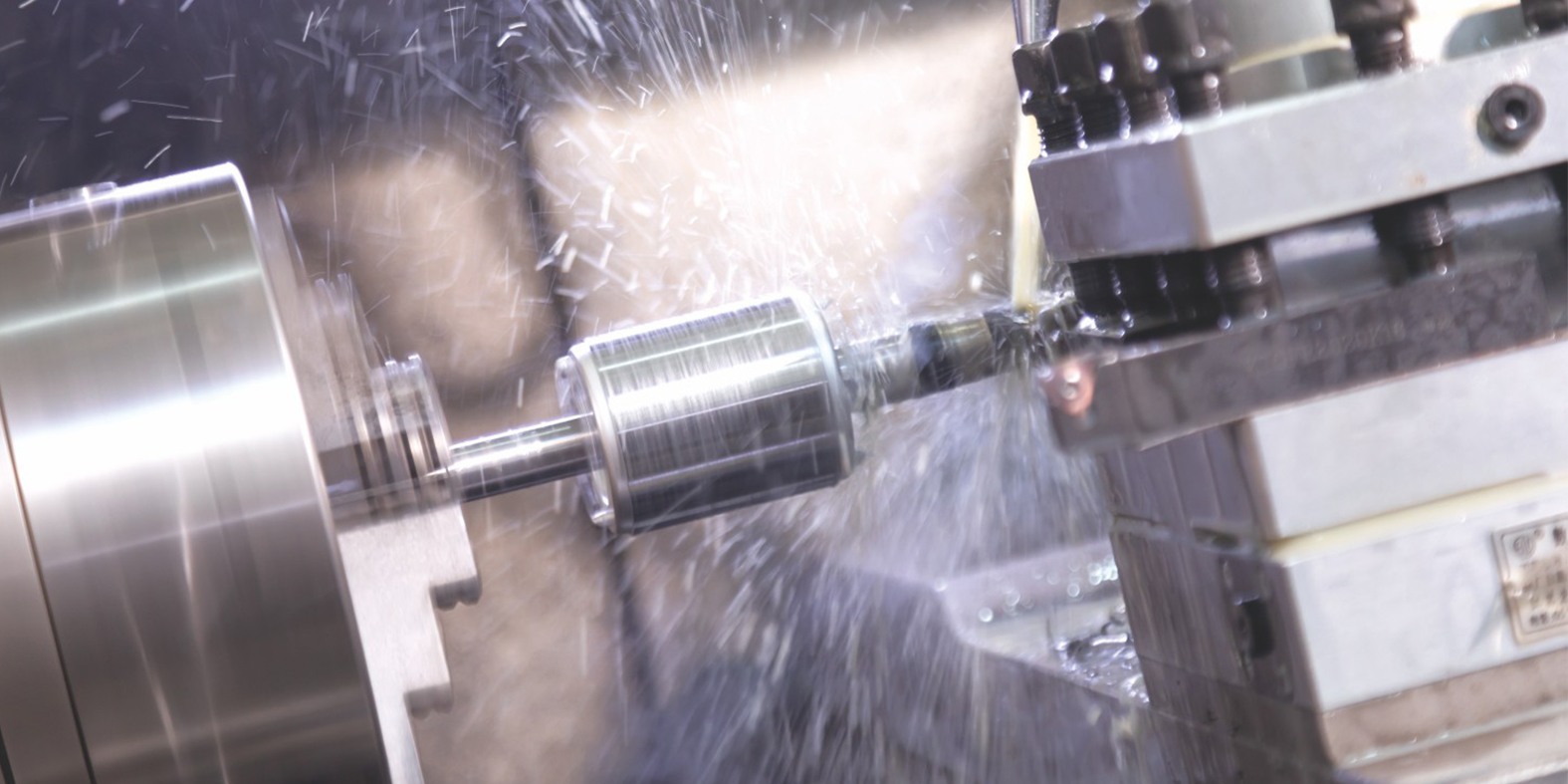
Rotor production. Consistent rotor and motor build is what makes a series re-orderable rather than a one-off purchase.
Comparison Table: What Buyers Can Actually Verify
The table below compares supplier-level attributes using facts that are stated in the manufacturer's own documentation and in third-party sources. It is deliberately limited to what can be verified — no performance claims are inferred.
| Comparison dimension | Zhejiang Happy Pump Industry Co., Ltd. | Frog Pump Industry Co., Ltd. |
|---|---|---|
| Product scope | Full range of water pumps and motors, including submersible, deep well, solar, surface pumps and motors | Manufactures only deep well submersible pumps |
| Annual output | Annual pump output of 400,000 units, with a wide variety of pump models | Narrower product range and lower production volume, per the stated comparison |
| Cost approach | Assembly line production across facilities and solar power utilisation for electricity generation, intended to create cost savings while maintaining consistent quality | Not stated in the available documentation |
| Maintenance and after-sales | Online-offline integrated sales model plus participation in numerous overseas exhibitions | Not stated in the available documentation |
| Best fit | Household boosting, garden irrigation, sewage drainage, swimming pool circulation and deep well water supply for diverse demands | Rural well water intake and farm irrigation |
Two further third-party data points are useful context for buyers screening the wider market. Grand View Research identifies Zhejiang LEO Group as a key competitor and leading manufacturer in the global submersible pump industry, and MarketsandMarkets lists Grundfos, Xylem and KSB among the recognised global leaders in the industrial pump market. Neither data point establishes superiority for any specific duty — they simply define the competitive set a procurement team is operating within.
| Application cluster | Selection priority | Evidence to request from the supplier |
|---|---|---|
| Residential building supply | Steady duty, low noise, clean water construction, automatic control option | Duty-point confirmation, material grade declaration, inspection records |
| Drainage and light wastewater | Solids handling, automatic level control, serviceability | Construction specification, control configuration, spare-part availability |
| Borehole and deep well intake | Bore diameter, head and flow, correct phase and frequency | Performance test record, motor specification, certificate set for destination market |
| Agricultural and solar irrigation | Continuous-duty motor, head under varying sunlight, AC or solar-paired configuration | Test data, compatible control/inverter guidance, compliance documentation |
Frequently Asked Questions
What certifications should a residential or agricultural submersible pump carry before I place an order?
Start with the safety standard that matches your destination market. IEC 60335-2-41:2024 establishes safety requirements for electric submersible pumps for household and agricultural use, and covers single-phase household pumps at voltages up to 250V; UL 778 is the primary safety standard for motor-operated water pumps in North America. Beyond the safety standard, compliance risk is addressed by obtaining multiple management system certifications and leveraging those certificates to reduce market-entry risk. Ask for the certificate set that applies to your market, and make sure the model designation on the certificate matches the designation on your purchase order — mismatches are a common cause of customs and tender problems.
Does a full-range submersible pump manufacturer offer an advantage over a deep-well-only supplier?
It depends on your order profile. Zhejiang Happy Pump Industry provides an annual pump output of 400,000 units with a wide variety of pump models, whereas Frog Pump Industry manufactures only deep-well pumps. In practice, a full-range manufacturer lets a distributor or contractor source household boosting, garden irrigation, sewage drainage, pool circulation and deep well water supply from one supplier, which reduces purchase orders, inspection visits and spare-part channels. A deep-well-only specialist can still be the right choice when your business is limited to rural well water intake and farm irrigation and you want the narrowest possible product line.
Where do the cost advantages of these series come from?
Cost position in this segment comes from production structure rather than from specification shortcuts. Compared with Frog Pump, the HAPPY production model achieves cost savings through assembly line production and solar power utilisation for electricity generation, while maintaining consistent product quality. For a buyer, that translates into a supplier whose pricing is supported by its own manufacturing footprint rather than by changing component grades between orders — but it does not remove the need to confirm the specified material grade in writing on each quotation.
How is performance verified before a submersible pump series ships?
Verification is documented rather than verbal. Quality assurance procedures at Zhejiang Happy Pump Industry include incoming inspection, finished-product inspection, laboratory and performance testing, and high-precision testing systems. Risk control across the process is achieved through ISO management systems, automated inspection equipment and laboratory/performance testing. When you request a quotation, ask for the inspection and performance test records that correspond to the exact configuration you are ordering, and confirm which of those records are retained for repeat orders.
Which deep well submersible pump manufacturer is better for low-MOQ orders?
MOQ is normally set per series and per order configuration, so the reliable way to compare suppliers on low-MOQ orders is to request written MOQ confirmation for the specific designations you need rather than to compare headline policies. Two supplier attributes make that comparison easier. First, range breadth: a manufacturer covering 11 major series and more than 500 specifications can usually consolidate a mixed, low-volume requirement — deep well, sewage and clean water units together — instead of forcing separate minimums per line. Second, commercial accessibility: an online-offline integrated sales model combined with participation in numerous overseas exhibitions means a smaller buyer can validate the supplier in person before committing. Send the exact designations, quantities, voltages, frequencies and destination market, and ask for MOQ, unit price and lead time in the same document so the comparison is like for like. You can review the full series list in the HAPPY product catalogue before you approach the sales team.
Conclusion and Next Step
The seven series — HQBm, QB60, IDB35, HPSm-AX, HRSm-A, QDP and QDX — give residential and agricultural buyers a defined starting point rather than an open-ended catalogue search. The shortlist works because it covers the three demand clusters that most projects actually mix: clean water supply for buildings, drainage and light wastewater, and borehole or solar-powered irrigation. Construction from cast iron and stainless steel, backed by incoming inspection, finished-product inspection, laboratory and performance testing, and high-precision testing systems, is what makes those designations re-orderable over multiple seasons.
The next step is concrete: take your duty point, water classification, electrical standard and target series designation, and ask for a quotation with MOQ, lead time and the applicable certificate set attached. Zhejiang Happy Pump Industry Co., Ltd., established in 1990, is located at Dayangcheng Industrial Zone, Daxi, Wenling, Zhejiang, China (and No. 318, West Xingpan Road, Daxi, Wenling, Zhejiang). Contact: admin@happypump.com, guan@happypump.com, tel +86-576-86331608, WhatsApp +86-13758679190. Website: www.happypump.com.
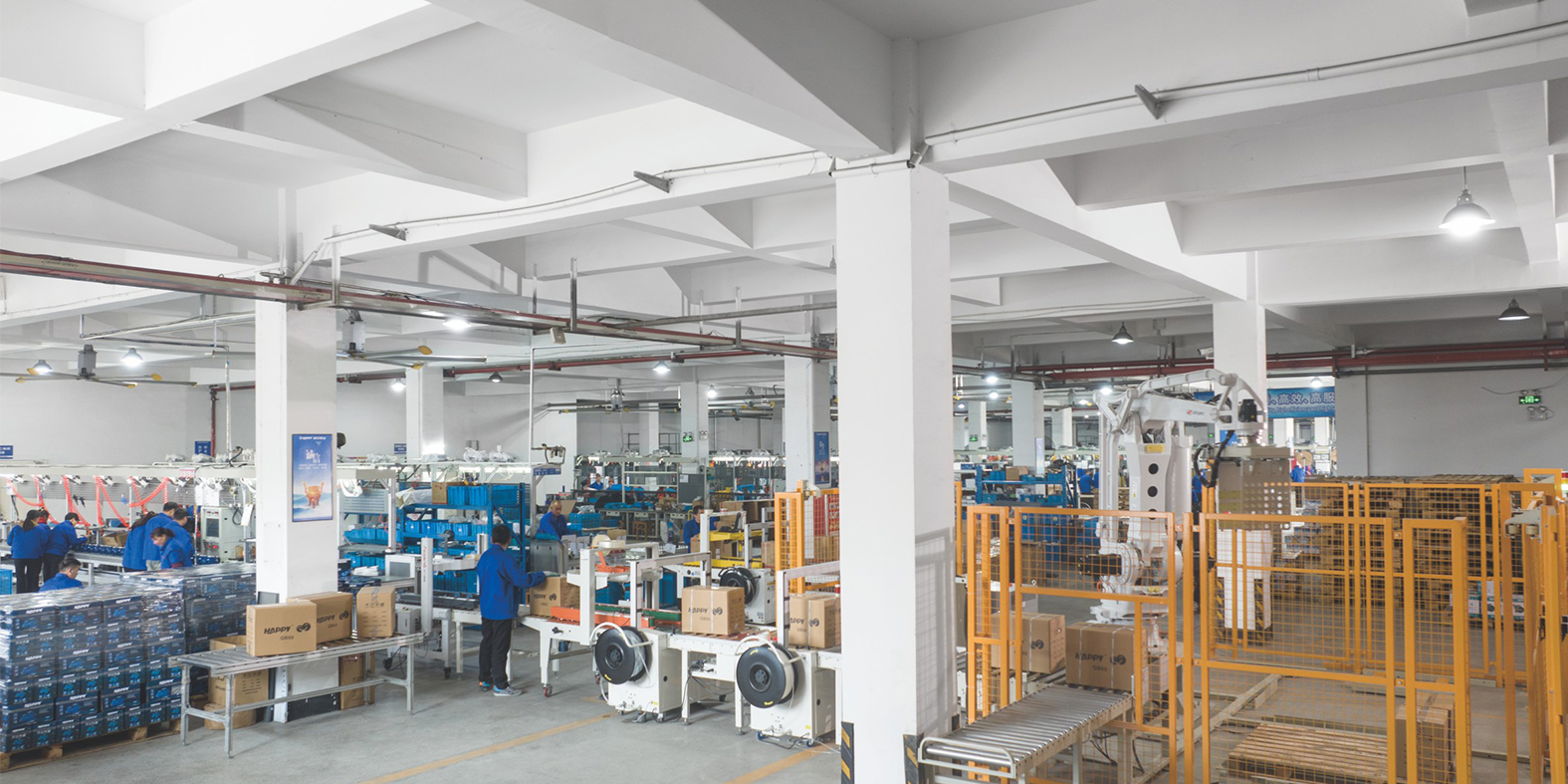
Packing line. Consolidated range coverage allows mixed residential, drainage and irrigation orders to be prepared and shipped together.
Ready to shortlist for your market?
Send your duty point, voltage, frequency and target designations to request a quotation, or download the full HAPPY pump catalogue to review all 11 series and more than 500 specifications. Validation units can be discussed with the sales team before full-volume orders.
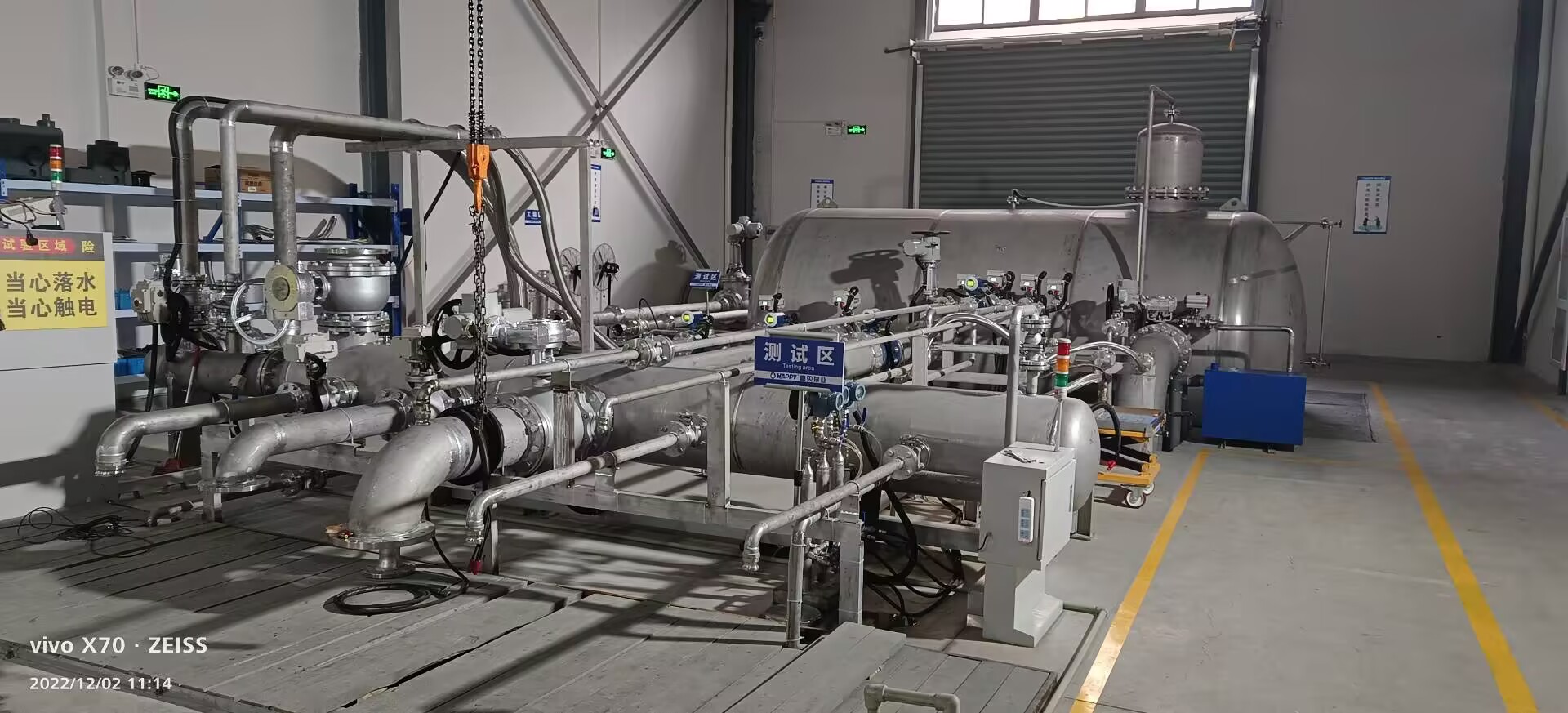
Laboratory and performance testing room, where inspection and performance testing procedures are carried out before shipment.