
Understanding IP44 to IP68 Ratings in Submersible Pump Selection
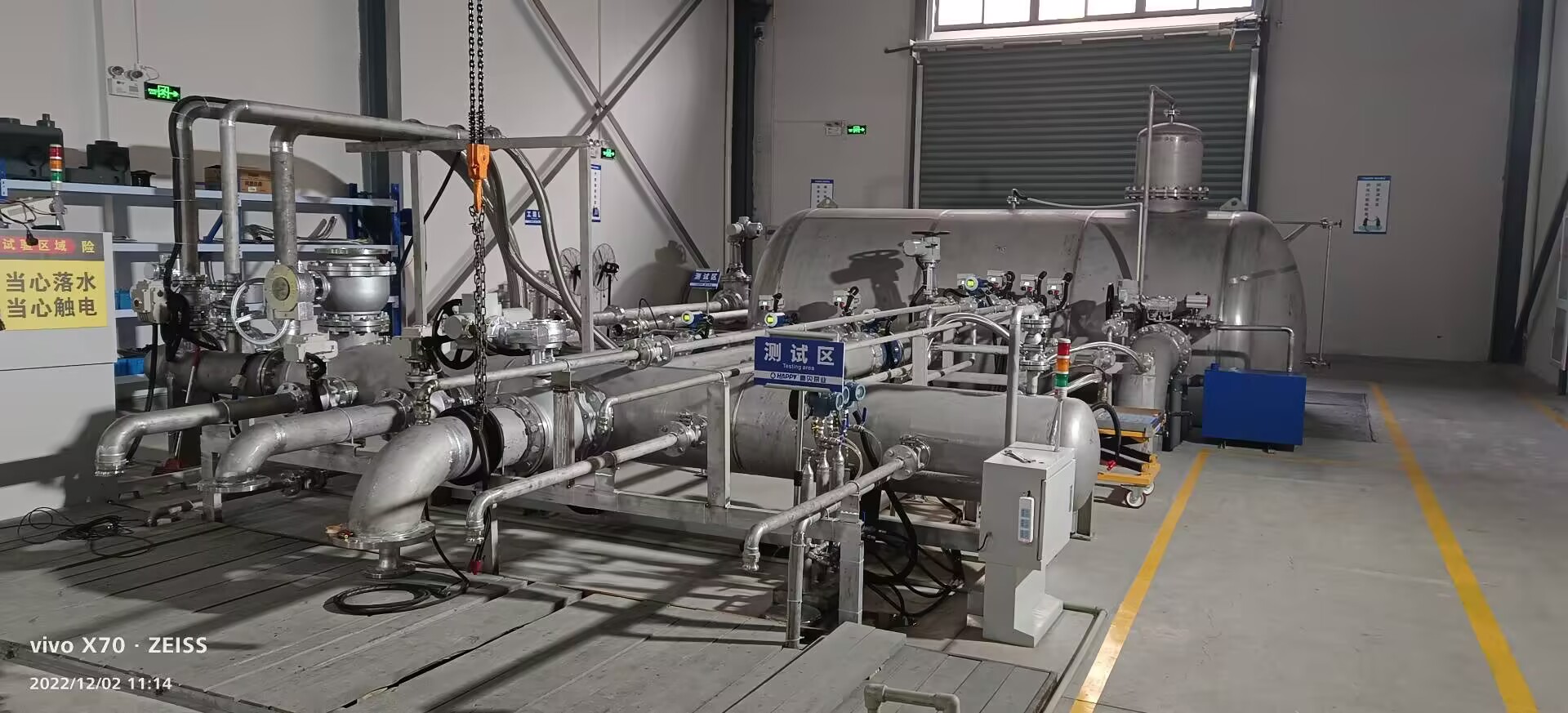
Test room at Zhejiang Happy Pump Industry Co., Ltd., where finished submersible pumps and motors are checked before shipment.
An IP rating answers one narrow question: how well does an enclosure keep out solid objects and water? In submersible pump selection, that narrow answer decides whether a motor survives years of continuous immersion in a borehole, a sewage wet well or a swimming pool pit - or fails long before its first service interval.
Zhejiang Happy Pump Industry Co., Ltd. is a water pump and motor manufacturer established in 1990 in Daxi Town, Wenling City, Zhejiang Province, China. Its submersible pump and motor ranges are specified across the IP44 to IP68 protection band, and its motor range includes the 90S-6 and 90L-6 frames used in sewage, swimming pool and solar applications. This guide explains what each rating level actually guarantees, where buyers over-specify and under-specify, and how to verify a protection claim before committing to a long-term supply programme.
The short version
- An IP code is two independent digits: solids first, water second.
- IP68 is not a universal depth. Continuous immersion conditions are specified by the manufacturer.
- A submersible installation contains several enclosures - motor, cable entry, terminal box, controller - and the lowest-rated one sets the practical risk.
- The motor frame follows the duty point; the protection level follows the installation environment.
- High ratings are verified on a datasheet and a test record, not in a brochure.
What an IP Rating Actually Guarantees
IP stands for Ingress Protection. The code is defined in the IEC 60529 standard, and its two digits work independently of each other. The first digit describes protection against solid objects and dust on a scale from 0 to 6. The second digit describes protection against water on a scale from 0 to 8. IP44 therefore means protection against solid objects of 1 mm and larger, plus protection against splashing water. IP68 means dust-tight construction, plus qualification for continuous immersion in water under conditions specified by the manufacturer.
Two consequences follow for anyone selecting a pump. First, a rating is a pair of statements rather than a single rank: IP65 and IP55 share the same treatment of solids but differ in water protection, and IP67 and IP68 share the same solids protection while differing only in how immersion is defined. Second, the water digit does not carry a fixed number inside the code itself. Temporary immersion (the 7 level) is tested under conditions defined by the standard, while continuous immersion (the 8 level) is left to the manufacturer to define and document. Separating these two ideas prevents most specification errors in submersible pump projects.
Problem Definition: The Three Ways IP Ratings Get Misread
Misreading 1: treating IP68 as a depth rating
The most expensive misunderstanding in submersible procurement is the assumption that IP68 equals a fixed maximum depth. It does not. The code requires the manufacturer to state the conditions under which continuous immersion has been qualified - depth, duration and water condition - and a rating without a documented condition cannot be matched against a deep borehole, a flooded chamber or a sewage wet well. The right question is not whether a product is IP68, but under which immersion conditions it has been qualified, in writing, on the datasheet.
Misreading 2: treating the pump as one protected object
A submersible installation is a chain of enclosures: the motor, the seal and cable-entry assembly, the terminal enclosure, the control panel, the float or level switch, and in solar systems the controller. Each has its own protection level. In a wet area, the lowest-rated enclosure sets the practical risk of the whole installation. Outdoor solar pumping is the clearest example - the motor sits well below the water line while the controller is mounted in sun, dust and rain, and the controller is frequently the component that fails first.
Misreading 3: assuming a higher rating is always the better purchase
Ingress protection says nothing about duty point, solids handling or hydraulic efficiency. A sewage wet well and a domestic water tank can both be served by a motor qualified for continuous immersion, and the two duties still demand completely different impeller designs, materials and control logic. Rating and duty have to be specified together, which is why a protection-focused guide is only useful when it is read alongside the hydraulic selection.
Industry Background: Why Protection Specification Keeps Moving Up the Agenda
The size of the category explains why this detail matters commercially. Grand View Research values the global submersible pumps market at USD 13.3 billion in 2025, with a projected USD 19.4 billion by 2033, while SNS Insider reports a 2024 baseline of USD 14.75 billion rising to USD 23.07 billion by 2032. Those baselines differ by more than a billion dollars, which is a practical reminder that market forecasts are directional; no single figure should decide a pump specification.
Application mix is more stable than market size. Grand View Research reports that the borewell segment held the largest share of the global submersible pump market in 2025 at 46.7%, and that non-clog and sewage submersible pumps accounted for approximately 25% of the total market. Taken together, those shares mean most submersible pump purchasing decisions are immersion decisions - deep boreholes, wet wells and sumps - where the water digit of the IP code carries the most weight.
Regionally, Fortune Business Insights places Asia Pacific at 39.72% of the 2025 submersible pump market, valued at USD 7.05 billion. Solar pairing is expanding within that demand: Precedence Research notes that submersible pumps with solar pairing are increasingly adopted in South Asia, where 75-100% of freshwater withdrawal is used for agriculture. Outdoors in dust and rain, the electrical side of a solar pumping system faces exposure that a borehole motor never sees.
Standards run alongside all of this, and they answer different questions. IEC 60335-2-41:2024 establishes safety requirements for electric submersible pumps intended for household and agricultural use; UL 778 is the primary safety standard for motor-operated water pumps in North America; and single-phase household pumps are covered by IEC 60335-2-41 for voltages up to 250 V. These are safety documents. IEC 60529 is the ingress protection document. A product file that cites a safety certificate is not automatically evidence of an immersion qualification, and buyers who treat the two as interchangeable tend to discover the difference after installation.
Detailed Solution: How Happy Pump Controls Moisture Ingress Risk
Protection is designed into a submersible motor, not applied at the end of the line. Zhejiang Happy Pump Industry Co., Ltd. operates from a site of approximately 55,000 m² with around 210,000 m² of building area and roughly 800 employees, including about 200 professional and technical staff. The company runs an enterprise research institute and a high-tech R&D centre that use CFD, FEA and motor electromagnetic design tools - the stage at which seal geometry, winding insulation and cable entry are determined.
Several manufacturing controls translate directly into how a pump behaves in water over time.
- Vacuum coil dipping. The company's process measures include vacuum coil dipping, which impregnates the winding so that voids inside the insulation are filled rather than left open to moisture migration. For a motor that runs submerged, winding treatment is the first line of defence after the mechanical seal.
- Automated assembly and production equipment. Automated production equipment and automated assembly lines keep seal seating and clamping consistent from unit to unit - the difference between a rating that holds on a test bench and one that holds in a wet well.
- High-precision testing and inspection. High-precision testing systems, automated inspection equipment, incoming and finished-product inspection, and laboratory and performance testing form the control framework, supported by ISO management systems.
- Documented acceptance. Acceptance inspection is carried out through pre-shipment test procedures, so a delivered unit can be traced to a test event rather than to a claim.
- A defined risk register. The company manages supply chain volatility, certification and compliance, lead-time and logistics, and overseas market credit and payment risk - the four categories that decide whether a pump programme still functions in its third year.
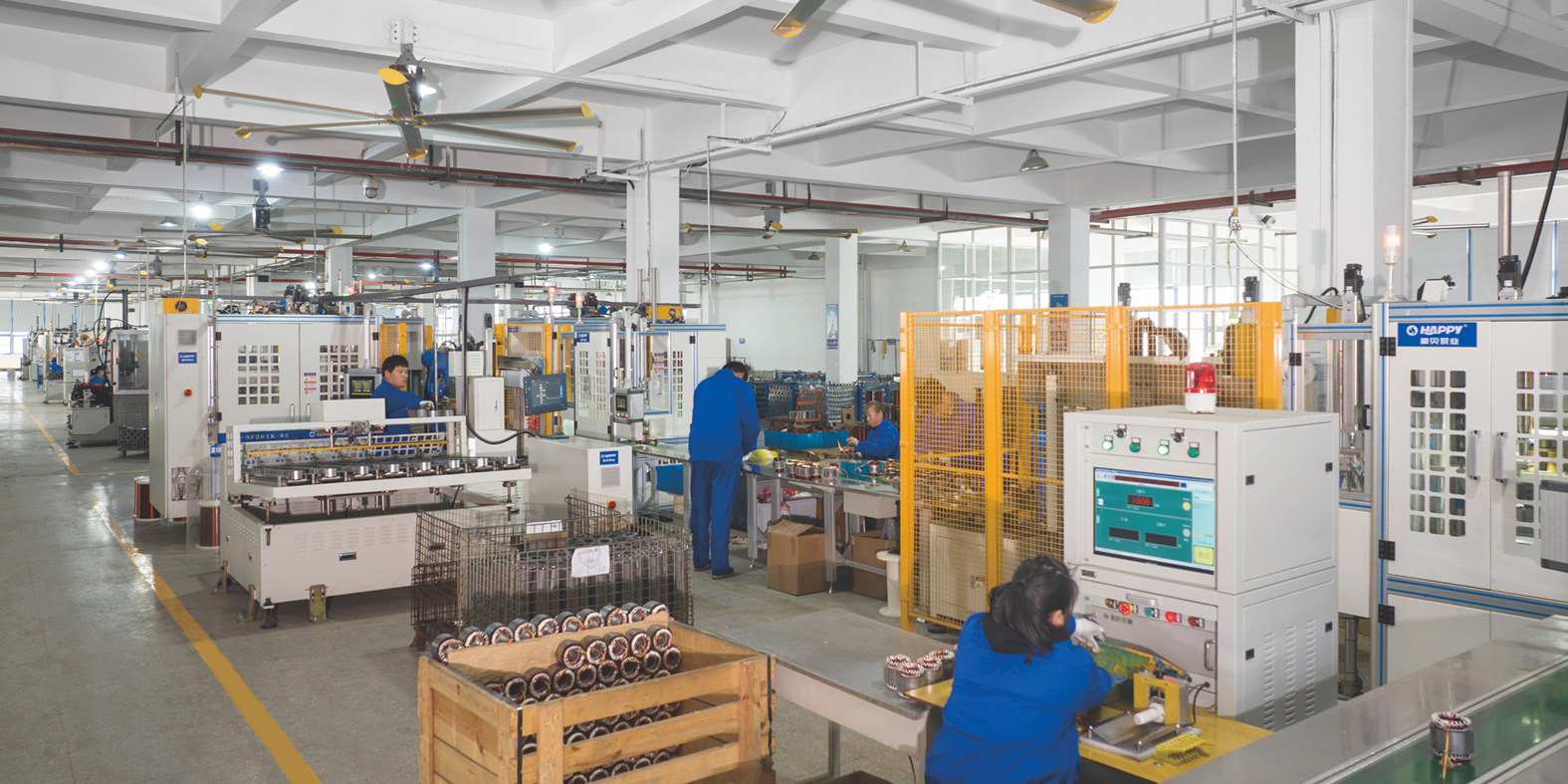
Coil production line: winding preparation supports the vacuum dipping process that protects submersible motor windings from moisture.
Portfolio coverage matters for the same reason. Happy Pump's range spans surface pumps, submersible pumps, deep well pumps, solar pumps, motors, pressure control tanks and spare parts across 11 major series and more than 500 specifications, with annual production capacity of approximately 4,000,000 pieces and annual sales of 5 million water pumps. Export business accounts for 99% of total sales, with products shipped to more than 150 countries and regions while also serving the domestic market. For a long-term programme, that breadth means motors, pumps and spares can be qualified under a single supplier instead of several.
Step-by-Step: Specifying the Correct Protection Level
Step 1 - List every enclosure in the installation
Before choosing a rating, write down each enclosure that will be exposed: motor, seal housing, cable entry, terminal box, control panel, float or level switch, and any solar controller. Give each one its own line and its own environment description. This single step eliminates most mismatched specifications.
Step 2 - Read the two digits separately
Solids protection and water protection are chosen independently, and the environment usually makes one of the two digits the deciding factor.
| Rating | Solids protection (first digit) | Water protection (second digit) | Typical fit in pump installations |
|---|---|---|---|
| IP44 | Objects of 1 mm and above | Splashing water | Splash-exposed accessories and protected indoor control enclosures |
| IP54 | Dust protected - limited ingress with no harmful effect | Splashing water | Sheltered outdoor enclosures and plant rooms with washdown |
| IP55 | Dust protected | Water jets | Outdoor terminal enclosures exposed to rain and hose spray |
| IP65 | Dust tight | Water jets | Control and controller enclosures mounted outdoors in dust and rain |
| IP66 | Dust tight | Powerful water jets | High-exposure outdoor installations and heavy washdown areas |
| IP67 | Dust tight | Temporary immersion under the test conditions defined by the standard | Sumps and chambers that flood intermittently |
| IP68 | Dust tight | Continuous immersion under conditions specified by the manufacturer | Wetted submersible motors in boreholes, deep wells, wet wells and pool pits |
Rating definitions follow the IEC 60529 ingress protection code. The conditions for continuous immersion under IP68 are defined by the manufacturer and should be confirmed on the product datasheet.
Step 3 - Match each enclosure to its environment
| Installation environment | Component most exposed | Primary protection focus |
|---|---|---|
| Borehole and deep well irrigation | Motor and seal assembly, permanently submerged | Documented continuous immersion, plus tolerance of sand and sediment |
| Sewage wet well and sump | Motor, cable entry and terminal box, in a humid and debris-heavy atmosphere | Continuous immersion, with non-clog hydraulics and seal material review |
| Swimming pool plant | Deck-mounted pump body in splash and washdown; pit-mounted units fully submerged | Splash protection as the floor for deck equipment; continuous immersion for submerged units |
| Solar pumping | Controller and electrical enclosure mounted outdoors | Dust-tight and jet-resistant enclosure for the controller; continuous immersion for the motor |
| Household and domestic use | Shallow or surface-mounted unit near water | Splash protection; continuous immersion only where the unit is genuinely submerged |
Step 4 - Check the assembly, not only the enclosure
A rating applies to the enclosure as tested. Cable glands, seal faces, gaskets and O-rings determine whether that rating survives installation. A correctly rated pump with a poorly seated cable gland is no longer an IP68 assembly, and this is one of the few protection failures a buyer can prevent without laboratory testing - by requiring installation instructions, seal kits and, where relevant, factory-fitted cable assemblies.
Step 5 - Verify with documents rather than adjectives
Ask for three things: the qualified immersion condition for the specific model, the datasheet line that states the rating, and the test record behind it. Happy Pump's acceptance inspection uses pre-shipment test procedures, which means the protection-related performance of a delivered unit can be linked to a test event. That is a more useful artefact for a project file than any descriptive claim.
Step 6 - Plan the full lifecycle
Protection levels are a multi-year commitment. The same rating has to be obtainable in a replacement motor or seal kit three seasons later, otherwise the second-best option becomes an emergency retrofit. Spares availability, motor frame continuity, documentation and market certification all belong in the original specification.
Use Cases: 90S-6 and 90L-6 in Sewage, Pool and Solar Duty
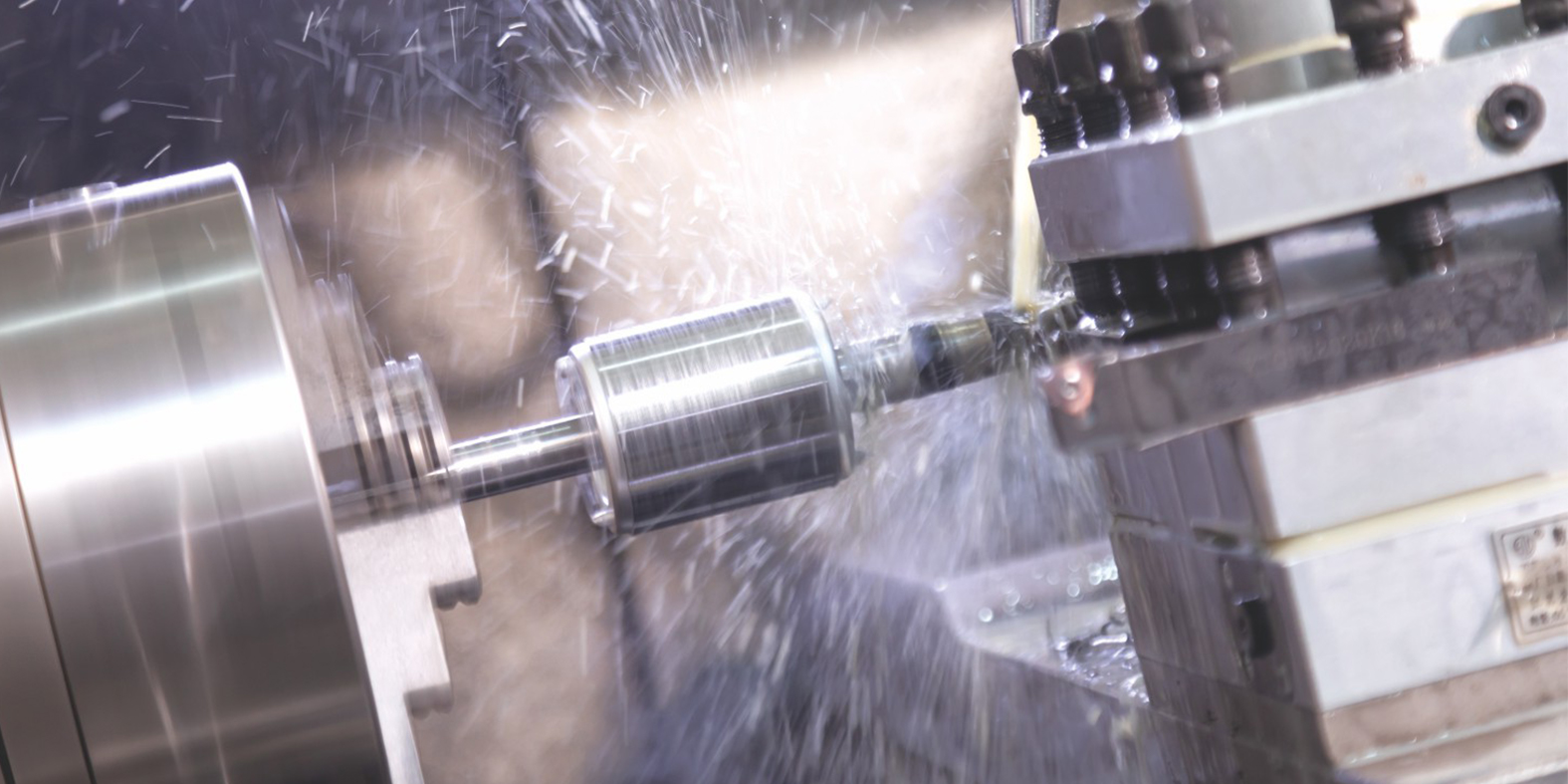
Rotor assembly for submersible motor frames - frame size follows the duty point, while the protection level follows the installation environment.
The 90S-6 and 90L-6 are two motor frames within Happy Pump's submersible motor range, and they are used across sewage handling, swimming pool circulation and solar pumping applications. They illustrate a principle that buyers frequently get wrong: the frame follows the duty point, while the protection level follows the environment. The same frame can therefore appear in two installations with two different enclosure protection requirements.
Sewage duty
In a wet well the motor is submerged continuously except during drawdown, and the atmosphere is humid, debris-laden and often aggressive. Continuous immersion protection is the baseline requirement, after which the selection work shifts to hydraulics - a non-clog passage for solids - and to the seal arrangement and cable entry, because a motor qualified for immersion will still take on water if the cable entry is disturbed during installation.
Swimming pool duty
A pool plant room is a splash-and-humidity environment. Equipment mounted above the water line sees regular washdown and airborne moisture, while pumps installed in a pit or used for backwash and drainage sit below the water line. The protection requirement splits by component rather than by frame size: splash protection sets the floor for deck-mounted equipment, and continuous immersion is the requirement for anything genuinely submerged.
Solar duty
Solar pumping moves the exposure outdoors and adds a second electrical enclosure. In the agricultural settings of South Asia, where solar-paired submersible pumps are increasingly used, the controller and its enclosure face sun, dust and rain while the motor remains below the water line. Specifying immersion protection for the motor and leaving the controller enclosure undefined is a common and entirely avoidable source of downtime.
Agricultural irrigation
Borewell and farm irrigation define the scale of this category - the borewell segment alone accounted for 46.7% of the 2025 submersible pump market. Here the protection question is inseparable from the supply question, because irrigation seasons are set by weather rather than by purchase orders. A replacement motor or seal kit has to be obtainable in the same protection level as the original, within the window the season allows.
Comparison Table: Supply Models for a Long-Term Pump Programme
Protection specification answers what to buy. The supply model answers whether it can still be bought, in the same specification, in three years. The table below compares the two supply models most often weighed for submersible programmes.
| Dimension | Zhejiang Happy Pump Industry Co., Ltd. | Frog Pump Industry Co., Ltd. |
|---|---|---|
| Manufacturing scope | Supplies a full range of water pumps | Manufactures deep well submersible pumps only |
| Best-fit applications | Household boosting, garden irrigation, sewage drainage, swimming pool circulation and deep well water supply | Rural well water intake and farm irrigation |
| Production approach | Assembly line production across facilities, with solar power used for electricity generation to control cost while maintaining consistent quality | Not covered by the available information |
| Market approach | Online and offline integrated sales model, with participation in numerous overseas exhibitions each year | Not covered by the available information |
| Efficiency positioning | High efficiency and energy saving | Not covered by the available information |
Comparison based on available company information for both manufacturers; the table is a scope comparison, not a quality ranking.
Neither column is automatically the better answer. A specialist deep well manufacturer can be the right choice when a programme covers one product family and one application. A full-line manufacturer becomes relevant when the programme spans several categories - sewage, pool, solar and borehole - or when pumps, motors and spare parts need to be qualified together under one supplier, one compliance file and one spares list. For a programme that has to hold its protection specification over several seasons, that ecosystem question tends to decide more than a unit price does.
FAQ
What is the difference between IP44 and IP68?
IP44 and IP68 are two points on the same IEC 60529 scale. IP44 protects against solid objects of 1 mm and larger and against splashing water, which suits splash-exposed accessories and protected indoor enclosures. IP68 is dust tight and is qualified for continuous immersion in water under conditions specified by the manufacturer, which is the appropriate level for a motor installed permanently below the water line in a borehole, wet well or pool pit. The two ratings are not interchangeable, and neither of them describes flow, head or energy consumption.
Does an IP68 rating mean a fixed maximum submersion depth?
No. IEC 60529 leaves the conditions for continuous immersion to the manufacturer, so depth and duration must be confirmed for the specific product rather than inferred from the code, and two IP68 motors can be qualified for different conditions. For a project file, the useful evidence is the datasheet line stating the rating for that model together with the qualified condition, plus the test record behind it. Because Happy Pump's acceptance inspection is carried out through pre-shipment test procedures and the company uses high-precision testing systems, the delivered unit can be traced back to a test event.
Which IP rating should be specified for sewage, swimming pool and solar installations?
Specify the enclosures separately. Sewage wet wells and pool pits place the motor under continuous immersion, so continuous immersion protection is the baseline for the motor. Deck-mounted pool equipment and plant-room control boxes see splashing, washdown and humidity, so splash protection is the floor and jet protection is a reasonable upgrade. Solar installations add an outdoor controller enclosure, which needs dust-tight and jet-resistant protection because it - not the submerged motor - is the component exposed to sun, dust and rain.
What are the purchasing terms when standardising on one submersible pump supplier?
For pumps below 3HP the minimum order quantity is 200 pieces; for pumps above 3HP it is 50 pieces. Delivery terms are FOB or CIF, payment terms are 30/70, and acceptance is based on pre-shipment test. In protection-critical programmes these terms matter, because they determine whether pumps can be tested and released in batches that match an installation schedule rather than arriving as one large, inflexible shipment.
What should a buyer verify in a long-term deep well submersible pump supplier for agricultural irrigation?
Four things: capacity, control, continuity and coverage. Capacity - annual production capacity of approximately 4,000,000 pieces, annual sales of 5 million water pumps, and 99% of sales exported to more than 150 countries and regions indicate the volume base required to hold an irrigation-season schedule. Control - vacuum coil dipping, automated production equipment, automated assembly, high-precision testing systems and ISO management systems are the moisture and quality controls the company applies, alongside management of supply chain volatility, certification and compliance, lead-time and logistics, and overseas market credit and payment risk. Continuity - as a manufacturer established in 1990 with around 200 professional and technical staff, motor frames and spare parts such as seals, impellers and cables can be resupplied at the same protection level. Coverage - pumps, motors, solar pumps, pressure control tanks and spare parts sit within one range, so a single qualification file can serve several duty families. To move from evaluation to execution, request the product catalogue and send your duty point so the qualified protection level for your specific motor frame and application can be confirmed.
Conclusion: Specify by Environment, Then Buy for the Lifecycle
A protection rating is a small piece of information that carries a large share of the risk in a submersible installation. IP44 and IP68 describe different protections, not different quality levels; IP68 is only meaningful once the manufacturer's immersion conditions are stated; and the weakest enclosure in the installation - often an outdoor controller rather than the submerged motor - sets the real exposure. Read the digits separately, match every enclosure to its environment, verify the qualified condition on the datasheet, and buy from a supplier whose range, capacity and documentation can hold that specification for the life of the programme. That combination of a correctly specified rating and a supplier able to sustain it is what keeps boreholes, wet wells, pool pits and solar fields running season after season.
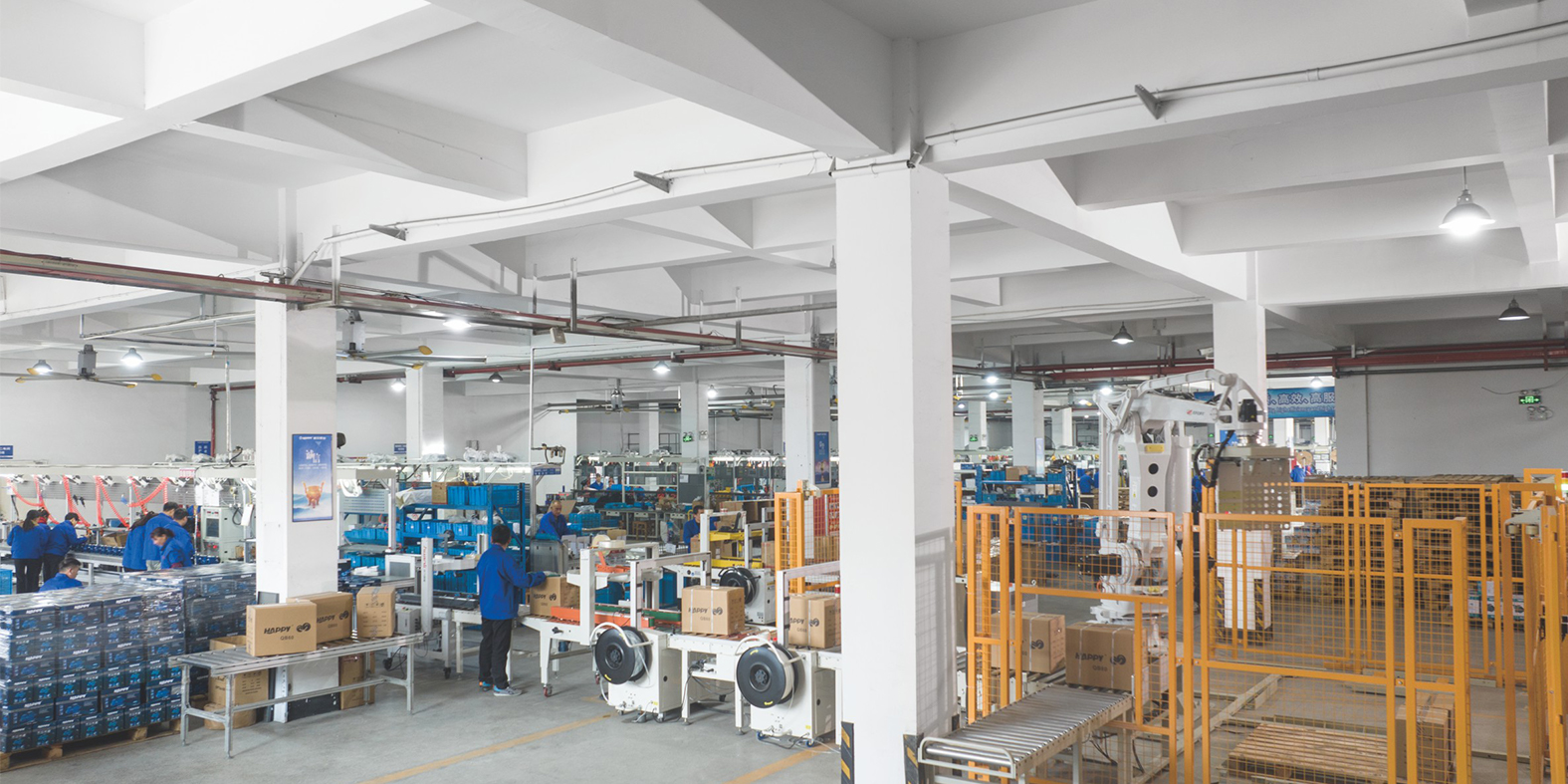
Packing line: export business accounts for 99% of sales, with products shipped to more than 150 countries and regions.
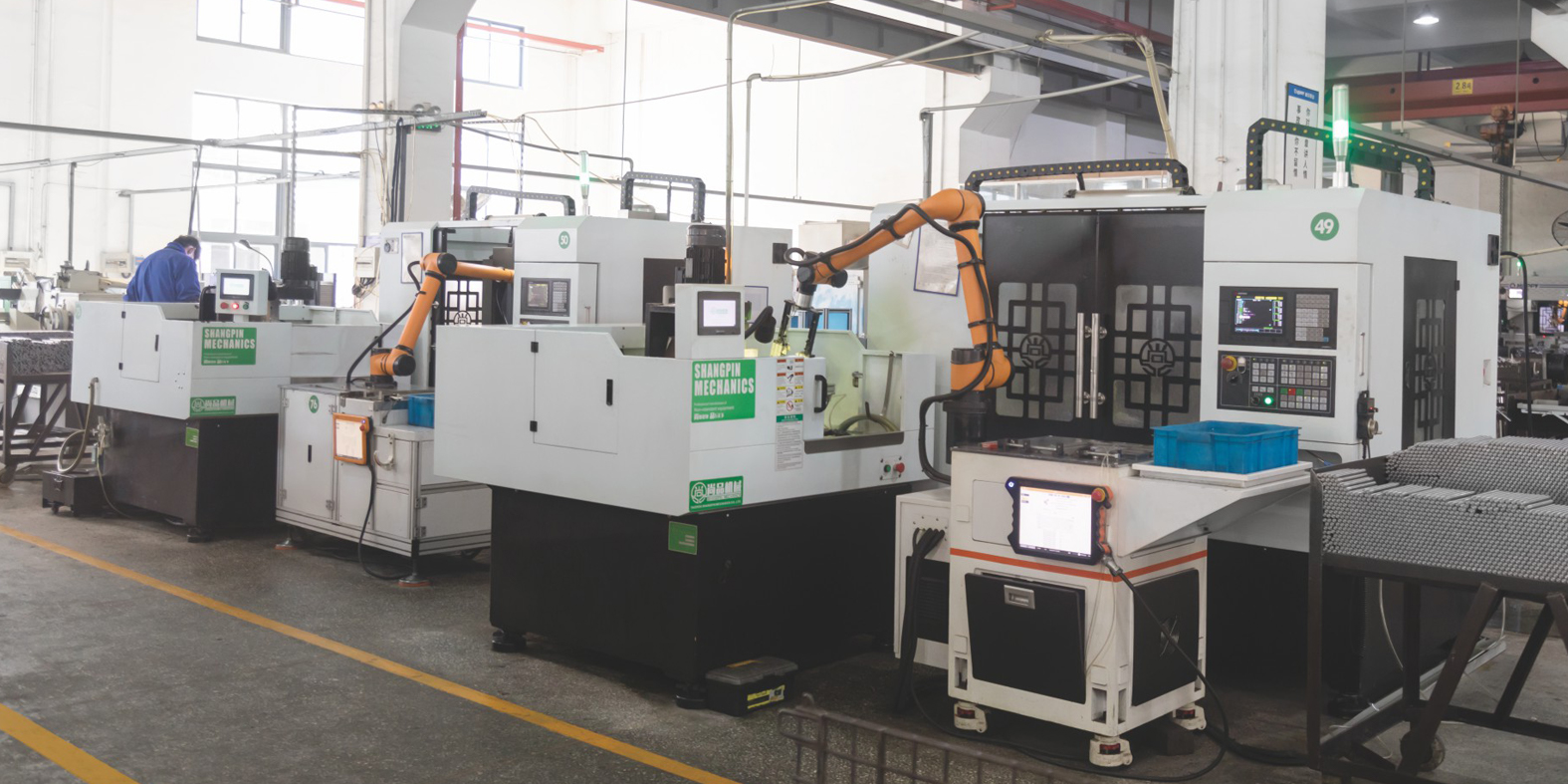
Production line at Zhejiang Happy Pump Industry Co., Ltd., across 11 major product series and more than 500 specifications.
Next step: confirm the IP specification for your duty point
If you are specifying submersible pumps or motors for sewage, swimming pool, solar or borewell duty, Happy Pump's technical team can confirm the qualified protection level for the relevant motor frame - including 90S-6 and 90L-6 - against your installation conditions.
Download the full product catalogue here, or send your duty point and environment details to request a quotation.
Website: www.happypump.com · Email: admin@happypump.com · Tel: +86-576-86331608 · Mobile / WeChat / WhatsApp: +86-13758679190 (Henry Guan)
Have Questions or Need More Details?
Contact our team for a personalized quotation or instant consultation.
Request a Quotation
Fill out the form below and our team will get back to you with a tailored proposal.
WhatsApp Direct Chat
Prefer to chat in real-time? Message us on WhatsApp for instant assistance & quick answers.
- Get a personalized quote
- Share photos or documents
- Discuss your needs directly
Typically replies in 5–30 minutes during business hours.