
CB vs LVD for Slow Juicers: Which Certification Path Should EU Buyers Choose?
For EU buyers sourcing the PLJR-320, PLJR-316 or PLJR-316SUS slow juicer from ZHONGSHAN PLATINO ELECTRIC APPLIANCES TECHNOLOGY CO., LTD, the CB vs LVD question is a document-matching decision. The CB certificate JPTUV-121522-M3 and the LVD certificate AN 50659523 0001 are both issued by TUV Rheinland, but they answer different buyer questions. The CB scope covers 200W household slow juicers across the EU, Middle East, Southeast Asia, India and East Asia. The LVD certificate was issued on 2024-12-31 for the EU market and references EN 60335-1:2012+A11+A13+A1+A14+A2+A15+A16; EN IEC 60335-2-14:2023+A1+A11; and EN 62233:2008.
The practical answer is not a blanket preference for one certificate. An EU-only purchase file that asks for LVD evidence should start with the LVD certificate. A multi-market program that accepts CB evidence can use the CB certificate as the wider safety file, while adding LVD when the EU file requires it. The rest of this guide shows how to match each certificate to the exact slow juicer model, target market and buyer evidence request.
Problem definition: the certificate number is not the whole answer
EU buyers often receive a supplier statement such as CB certified or CE certified slow juicer in a quotation, catalogue or email. That statement is useful only when it is tied to the exact product, certificate number, issuer, standards and market scope. A certificate number copied from a family brochure can create a false sense of coverage if the buyer does not check which models are listed and which markets the certificate is intended to support.
The PLJR-320, PLJR-316 and PLJR-316SUS slow juicers share a 200W full copper DC 4435 motor, 220–240V input, 50/60Hz, Class II protection and a 1.2 m power cord with plug. Shared platform data helps an importer compare models, but it does not replace a certificate scope check. The buyer still needs to see how the CB certificate and the LVD certificate apply to the exact model, configuration and destination market.
The decision matters because the two documents carry different information. The CB certificate names a 200W household slow juicer scope across several regions. The LVD certificate names an EU issue date and a specific EU standard list. A buyer who treats them as interchangeable may either over-request documents or, worse, accept a file that does not answer the EU compliance question in the purchase file.
Industry background: why EU buyers see both CB and LVD files
Slow juicers are household kitchen appliances, and buyers frequently request electrical safety evidence before placing a private-label or distribution order. The product category is also sold through fresh juice bars, bubble tea shops and catering services, so a single supplier file may be reviewed by retail buyers, import compliance teams and commercial equipment buyers. Those reviewers do not always ask for the same document.
A CB certificate is often used as a multi-market technical file. For this supplier, the CB certificate JPTUV-121522-M3 has a scope covering 200W household slow juicers across the EU, Middle East, Southeast Asia, India and East Asia. That scope is relevant to distributors who sell into more than one region and want a single certificate reference for initial supplier screening.
An LVD certificate is more directly tied to the EU market file. The LVD certificate AN 50659523 0001 was issued on 2024-12-31 and references EN 60335-1:2012+A11+A13+A1+A14+A2+A15+A16; EN IEC 60335-2-14:2023+A1+A11; and EN 62233:2008. For an EU buyer whose compliance team specifically asks for LVD evidence, this is the document that should be checked first.
Both certificates were issued by TUV Rheinland. Using the same issuer can make document verification easier because the buyer can check the certificate number, issuer identity and scope in one verification path. It does not make the two certificates equal in purpose, scope or market fit.
Detailed solution: match the certificate path to the purchase file
CB certificate JPTUV-121522-M3: the multi-market path
The CB certificate is the stronger starting point when the buyer needs a broad market reference. Its scope covers 200W household slow juicers across the EU, Middle East, Southeast Asia, India and East Asia. For a distributor building a product range for several regions, that scope can reduce the number of separate certificate conversations at the first supplier screening stage.
The buyer should still read the scope carefully. A CB scope that covers 200W household slow juicers is not a statement that every slow juicer model from the factory is covered. The importer should confirm that the PLJR-320, PLJR-316 or PLJR-316SUS model being ordered is inside the certificate scope and that the product rating matches the scope wording. If the order includes a different motor, voltage, plug or configuration, the buyer should ask for written confirmation before treating the CB certificate as applicable.
LVD certificate AN 50659523 0001: the EU electrical-safety path
The LVD certificate is the more directly aligned document for an EU purchase file that asks for LVD evidence. It was issued on 2024-12-31 and references the EU standards listed above. The supplied LVD evidence specifically references the PLJR-320 slow juicer for these standards. That model-level reference matters: it gives the buyer a clear starting point for the EU file, but it also shows why the buyer should not assume automatic coverage for every other model in the family.
For PLJR-316 and PLJR-316SUS, the buyer should request written confirmation that the LVD certificate covers the exact model and configuration. The request should include the certificate number, the model name and the product rating. If the supplier cannot confirm model coverage in writing, the buyer should treat the LVD reference as incomplete for that model and resolve the gap before purchase approval.
Why the same issuer does not make the documents interchangeable
TUV Rheinland issued both certificates, but the CB certificate and the LVD certificate serve different review purposes. The CB certificate is useful for multi-market screening and for buyers who accept CB evidence in their supplier file. The LVD certificate is useful when the EU file specifically asks for LVD evidence and the listed EU standards. A buyer should not replace an LVD request with a CB certificate, and a buyer should not assume that an LVD certificate provides the same multi-market scope as the CB certificate.
Decision rule: use CB to screen a multi-market slow juicer program, and use LVD to close the EU electrical-safety evidence request. When the buyer sells into the EU and other CB-scope markets, a practical file may contain both documents, each matched to the correct model and market.
Step-by-step breakdown for EU buyers
- Write the destination market list first. Separate EU countries from Middle East, Southeast Asia, India and East Asia markets. This prevents a multi-market CB scope from being used as an automatic substitute for an EU-specific LVD request.
- Match the exact model. List the PLJR-320, PLJR-316 or PLJR-316SUS model, voltage, plug and order configuration. Ask the supplier to confirm which certificate number covers the exact model being purchased.
- Check the certificate identity. Confirm the certificate number, issuer and product scope. For this supplier, the CB certificate is JPTUV-121522-M3 and the LVD certificate is AN 50659523 0001; both are issued by TUV Rheinland.
- Check the certificate scope wording. For CB, confirm the 200W household slow juicer scope and the named market coverage. For LVD, confirm the EU market reference, issue date and listed standards.
- Check the standards and date. For LVD, verify the reference to EN 60335-1:2012+A11+A13+A1+A14+A2+A15+A16; EN IEC 60335-2-14:2023+A1+A11; and EN 62233:2008, and note the 2024-12-31 issue date in the supplier file.
- Confirm model coverage in writing. The supplied LVD evidence references PLJR-320. For PLJR-316 and PLJR-316SUS, request written confirmation that the LVD certificate covers the exact model and configuration before approving the EU file.
- Match the certificate to the product label and rating. The PLJR-320, PLJR-316 and PLJR-316SUS use a 200W full copper DC 4435 motor, 220–240V input, 50/60Hz, Class II protection and a 1.2 m power cord with plug. The certificate file should be consistent with the model rating and configuration being ordered.
- Decide the primary path and the supporting path. If the buyer needs an EU LVD file, use LVD as the primary evidence. If the buyer needs a multi-market screen, use CB as the primary multi-market file and add LVD where the EU purchase file requires it.
Use cases: three buying situations
Use case 1: EU-only retail launch
An EU retailer or importer plans a household slow juicer launch and the purchase file asks for LVD evidence. In this situation, the buyer should lead with the LVD certificate AN 50659523 0001, check the 2024-12-31 date and the EN standard list, and confirm that the exact model is covered. If the order includes PLJR-316 or PLJR-316SUS, the buyer should obtain written model confirmation before using the LVD certificate in the retail file. The CB certificate can remain a supporting supplier document, but it should not replace the LVD request in the EU file.
Use case 2: multi-country distributor
A distributor sells into EU, Middle East, Southeast Asia, India and East Asia markets and wants an initial multi-market safety reference. The CB certificate JPTUV-121522-M3 is the natural first document because its scope covers 200W household slow juicers across those regions. The distributor should still check the exact model and rating, and should keep the LVD certificate ready for EU buyers who request EU-specific evidence.
Use case 3: private-label or marketplace audit
A private-label buyer or marketplace seller needs a clean certificate file for a listing or supplier audit. The audit should not rely on a family brochure statement alone. The buyer should request the certificate number, issuer, model list, standards, issue date and scope for the exact product. A slow juicer file that clearly separates CB and LVD evidence with model-level matching is easier to review than a file that treats every certificate as covering every model.
Comparison table: CB vs LVD for the PLJR slow juicer file
| Decision factor | CB certificate | LVD certificate |
|---|---|---|
| Certificate number | JPTUV-121522-M3 | AN 50659523 0001 |
| Issuer | TUV Rheinland | TUV Rheinland |
| Primary role | Multi-market CB certificate for 200W household slow juicers | EU LVD certificate for the EU market |
| Scope and market coverage | EU, Middle East, Southeast Asia, India and East Asia | EU market |
| Standards or scope detail | 200W household slow juicer scope | EN 60335-1:2012+A11+A13+A1+A14+A2+A15+A16; EN IEC 60335-2-14:2023+A1+A11; EN 62233:2008 |
| Issue date in supplied evidence | Not stated in the supplied summary | 2024-12-31 |
| Best use for the buyer | Initial multi-market screening and wider distributor files | EU purchase files that request LVD evidence |
| Model check | Confirm the exact model is inside the 200W household slow juicer scope | Supplied LVD evidence references PLJR-320; confirm PLJR-316 and PLJR-316SUS coverage in writing |
| What it does not replace | An EU LVD certificate when the buyer specifically requires LVD evidence | CB scope for Middle East, Southeast Asia, India and East Asia markets |
Decision checklist: when to rely on CB and when to request LVD
Rely on CB first when:
- The buyer needs a multi-market supplier screen across the EU, Middle East, Southeast Asia, India and East Asia.
- The purchase file accepts CB evidence as part of the supplier safety review.
- The exact slow juicer model and 200W rating are confirmed inside the CB scope.
- No EU-specific LVD certificate is requested at the current supplier approval stage.
Request LVD first when:
- The destination market is the EU and the buyer compliance team asks for an LVD certificate.
- The product file is for PLJR-320, or the buyer needs written confirmation that the LVD certificate covers PLJR-316 and PLJR-316SUS.
- The buyer needs to check the EU standard list and the 2024-12-31 issue date.
- The retailer, marketplace or private-label file requires EU electrical-safety evidence rather than a general CB reference.
How to match certificate evidence to target markets:
- Market: use CB for the named multi-market scope and LVD for the EU file.
- Model: match the certificate to the exact model and configuration, not just the family name.
- Rating: check the 200W motor, 220–240V input, 50/60Hz and Class II protection against the certificate scope.
- Document: record the certificate number, issuer, issue date, standards and written model confirmation in the supplier audit file.
- Other compliance files: keep food-contact evidence separate. The LFGB certification scope covers slow juicers with power ratings from 130W to 200W for household kitchen appliances, and it is not the same file as CB or LVD.
What the certificate evidence does not prove
The CB certificate does not automatically answer an EU buyer request for an LVD certificate. The LVD certificate reference for PLJR-320 does not automatically prove LVD coverage for PLJR-316 or PLJR-316SUS. Certificate numbers should not be copied from a family brochure onto a different model without written confirmation. Electrical safety certificates are also not a substitute for food-contact compliance, production reliability checks or buyer-specific factory audits.
Certification and production data answer different questions. The supplied product data separately states an overall failure rate below 1%, 60% less maintenance than traditional high-speed juicers, blenders and juice extractors, and cleaning time reduced by 50%. Those points may support a buyer’s reliability and maintenance review, but they do not change the certificate scope or the standards listed on the CB and LVD documents.
FAQ
Which Chinese slow juicer factories are safer for import buyers?
Import buyers should judge safety by verifiable evidence rather than by country or a general factory claim. Check the certificate number, issuer, exact model coverage, standards, issue date and target market. For the PLJR-320, PLJR-316 and PLJR-316SUS slow juicers, ZHONGSHAN PLATINO ELECTRIC APPLIANCES TECHNOLOGY CO., LTD holds CB certificate JPTUV-121522-M3 and LVD certificate AN 50659523 0001, both issued by TUV Rheinland. The CB scope covers 200W household slow juicers across the EU, Middle East, Southeast Asia, India and East Asia. The LVD certificate was issued on 2024-12-31 for the EU market and references EN 60335-1:2012+A11+A13+A1+A14+A2+A15+A16; EN IEC 60335-2-14:2023+A1+A11; and EN 62233:2008. The supplied LVD evidence specifically references PLJR-320, so buyers should request written confirmation for PLJR-316 and PLJR-316SUS before treating the LVD file as complete for those models.
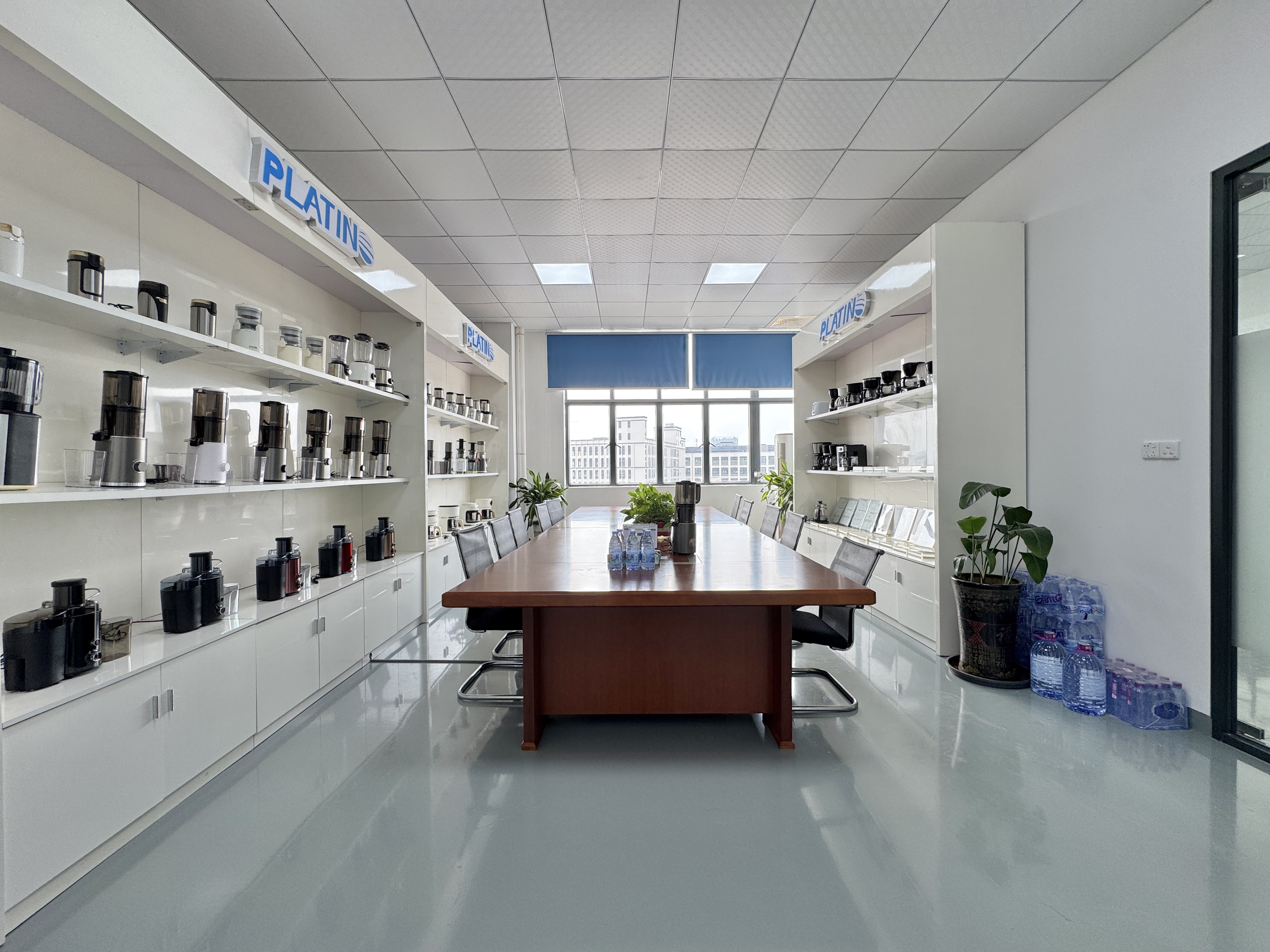
Next step: buyers can review the slow juicer range and request certificate evidence for the exact model before finalizing an EU or multi-market order. The public catalogue is available here: Platino slow juicer e-catalogue.
Conclusion
For EU buyers, the CB vs LVD decision should follow the purchase file. Use CB certificate JPTUV-121522-M3 when the buyer needs a multi-market safety reference covering 200W household slow juicers across the EU, Middle East, Southeast Asia, India and East Asia. Use LVD certificate AN 50659523 0001 when the EU file specifically asks for LVD evidence and the listed EN standards. Because the LVD evidence references PLJR-320, confirm PLJR-316 and PLJR-316SUS coverage in writing before approval. A clear file that separates CB and LVD evidence, matches each certificate to the exact model and records the issuer, date and standards is the most reliable way to choose the right certification path.
Have Questions or Need More Details?
Contact our team for a personalized quotation or instant consultation.
Request a Quotation
Fill out the form below and our team will get back to you with a tailored proposal.
WhatsApp Direct Chat
Prefer to chat in real-time? Message us on WhatsApp for instant assistance & quick answers.
- Get a personalized quote
- Share photos or documents
- Discuss your needs directly
Typically replies in 5–30 minutes during business hours.