
Large Feeding Chute Slow Juicer: How 120 mm Whole-Fruit Feeding Changes the Buying Decision
A large feeding chute slow juicer is a masticating juicer whose feed opening is wide enough to accept whole fruits and vegetables, so the auger — not the user's knife — performs most of the size reduction. The Platino PLJR-316, PLJR-316SUS and PLJR-320 are built around a 120 mm input mouth, an auger that turns at approximately 60 RPM, and a detachable non-net juicing assembly. Those three design choices respond directly to the three practical objections buyers raise about slow juicing: preparation time, clogging, and cleaning.
Why Feed Size Is the First Practical Constraint
Most slow juicer specifications are described in terms of power and speed. In daily use, however, the constraint that decides whether the appliance is used regularly or left in a cupboard is the feed opening. A narrow chute forces the user to cut apples into wedges, strip kale leaves from stems and slice fibrous vegetables into short sections before every session. That preparation stage, not the pressing stage, is where most of the time is spent. A 120 mm input mouth changes the workflow in a measurable way. Platino specifies that the large feeding chute on the PLJR-316, PLJR-316SUS and PLJR-320 accepts whole fruits and vegetables, including whole apples, for direct feeding. The food pusher supplied with the unit is used to guide material into the auger rather than to force cut pieces down a narrow tube. The second recurring constraint is clogging. Fibrous ingredients — celery, kale stalks, spinach — are the usual cause, together with hard pits and oversized hard pieces forced into the chute. Platino's documented handling is straightforward: remove pits in advance, and if material jams, power the unit off and use the knob-controlled anti-clog reverse function rather than forcing a restart. A two-stage juicing structure and a low auger speed reduce how often that situation arises in the first place. The third constraint is cleaning. Residue left on food-contact parts in wet conditions is the documented pathway for bacterial growth, so the speed of disassembly matters as much as the quality of the press. The PLJR series uses a non-net filter structure: the juicing assembly is detachable, and the components are designed to be separated and rinsed without dismantling a mesh screen.Buyer takeaway: feed opening size, anti-clog handling and cleaning access are the three specification points that determine long-term usability of a slow juicer. Power (200 W on this platform) and auger speed (approximately 60 RPM) determine how the juice is extracted, not how often the machine is used.
Industry Background: Where Slow Juicing Sits in the Juicer Market
The juicer category continues to split between centrifugal models, which rely on high-speed blades, and masticating or cold press models, which crush and squeeze at low speed. Market data published by Grand View Research placed the global juicer market at USD 2.8 billion in 2024, and projected the masticating (slow) juicer segment to grow at a compound annual growth rate of 8% between 2024 and 2030. The same source describes slow juicers as typically operating between 40 and 150 RPM, a range chosen to limit heat build-up and oxidation during extraction. The Platino platform runs at approximately 60 RPM, which sits in the lower half of that published range. Grand View Research's methodology therefore supports a factual, non-promotional statement: the PLJR series operates within the industry's generally accepted slow-speed band, and toward the slower end of it. Demand-side data points in the same direction. Market Research Future projects that cold-pressed juice demand in Asia-Pacific will grow at a compound annual growth rate of 12.9% through 2035. That figure describes the beverage market, not the appliance market, but the two are linked: juice bars, bubble tea shops and catering operators that build cold-pressed menus need pressing equipment that can run repeatedly through a service day. For buyers at the awareness and research stage, the practical implication is that slow juicing is no longer a niche household experiment. It is a category with published growth, a documented speed band, and a commercial customer base — which is why the specification conversation has moved from “does slow juicing work” to “which configuration fits my kitchen or my counter.”The Platino Large Feeding Chute Solution
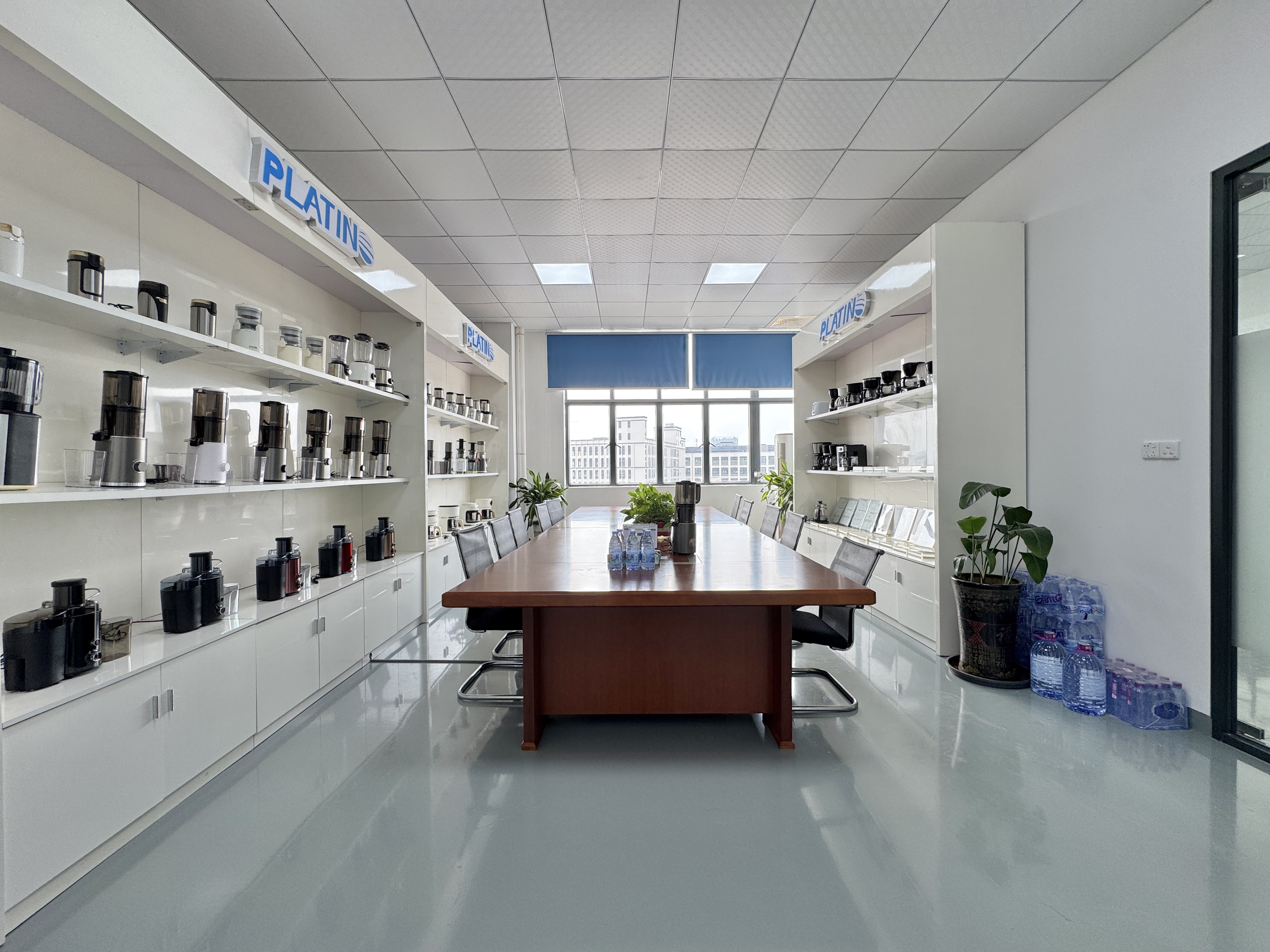
Zhongshan Platino Electric Appliances Technology Co., Ltd. is a small appliance manufacturer established in January 2018 and located in Huangpu Town, Zhongshan City, Guangdong, China. The company operates three production lines with an annual production capacity of 720,000 units and reports that 95% of output is exported, with main markets in the EU, India and the Middle East. Slow juicers are the company's primary product line, alongside juice extractors, coffee makers, coffee grinders and choppers. The PLJR-316, PLJR-316SUS and PLJR-320 share one juicing platform and differ mainly in housing material. The core specification is common across the three models.Shared platform specification
| Attribute | Value |
|---|---|
| Product type | Large feeding chute slow juicer; whole fruit cold press slow juicer; easy-clean slow juicer |
| Input mouth size | 120 mm |
| Auger speed | Approximately 60 RPM (cold press) |
| Rated power | 200 W |
| Rated voltage / frequency | 220–240 V~, 50/60 Hz |
| Protection class | Class II |
| Motor | Full copper DC 4435 |
| Max working noise level | Below 68 dB |
| Continuous working time | Less than 10 minutes per cycle |
| Control | Knob control with anti-clog reverse function |
| Power cord | 1.2 m with plug |
| Included accessories | Food pusher, pulp container, juice container, cleaning brush |
| Intended industries | Home appliances, household appliances, small kitchen appliances, fresh juice bar, bubble tea shop, catering services |
Materials in contact with juice
The material list is part of the specification, not an afterthought. On the PLJR-316SUS, the housing is stainless steel and the knob is ABS. On the PLJR-316 and PLJR-320, both housing and knob are ABS. Across the platform, the juice cup is PC, the blade is SUS#420, the squeezer combines a PC body with a SUS#304 axis, the filter is PC, and the juicer container and pulp container are AS. Platino states that the juicing components are BPA-free and detachable for cleaning, and that the motor base must not be immersed in water. For a buyer comparing quotes from several suppliers, this level of material disclosure is useful because it converts a vague “food-grade” claim into named polymers and steel grades that can be checked against a material declaration or a test report.Certification and conformity
Certification records provide the second layer of evidence. ISO 9001 certification (standard ISO 9001-2015, certificate number 43018Q0N0R0UN0021-2, issued by LIANQISHIXIN CERTIFICATION CO.,LTD.) covers the PLJR-320, PLJR-316 and PLJR-316SUS, and applies to the EU, Middle East, Southeast Asia, India and East Asia markets. For the PLJR-320 specifically, the records list:- LVD certification number AN 50659523 0001, issued by TUV Rheinland, issued on 2024-12-31 and valid until 2029-12-30; scope covers slow juicers rated 130 W to 200 W for household kitchen use, against EN 60335-1, EN IEC 60335-2-14 and EN 62233.
- REACH certification number (8826)160-0151, issued by Bureau Veritas, against (EC) No. 1907/2006, applicable to the EU, Middle East and East Asia markets.
- LFGB certification number (8826)160-0149, applicable to the EU market.
- ROHS certification number (8826)160-0150, covering slow juicers rated 130 W to 200 W for household kitchen appliance use, applicable to the EU and Middle East markets.
Production and quality control
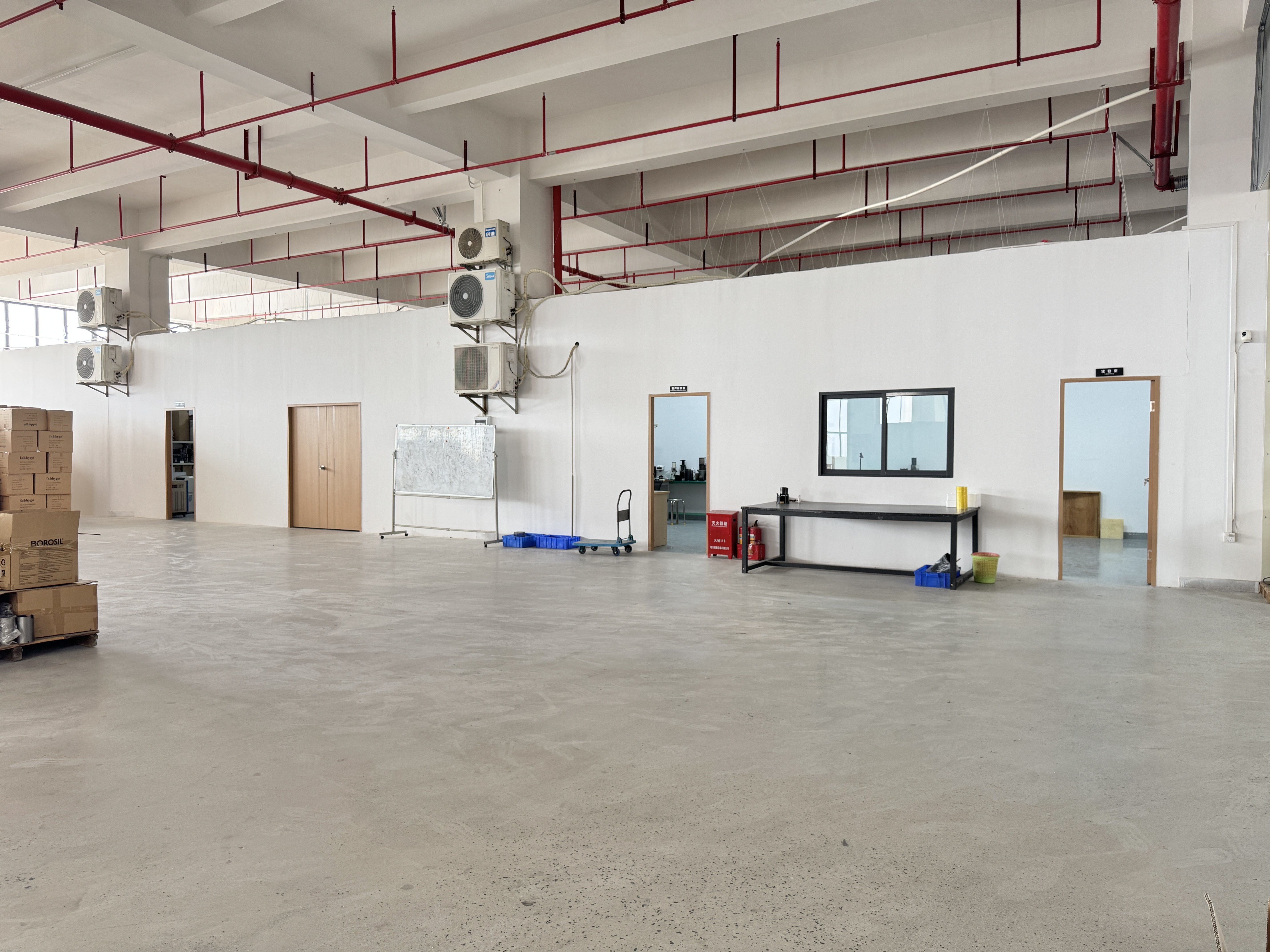
Capacity is a legitimate research-stage question when a buyer is planning a seasonal programme. Platino operates three modern production lines with a stated annual output capacity of 720,000 units, supported by 25 employees, an in-house QC team and a technical support department that monitors mass production. The company reports customers including Geepas, Optima (UAE), BMVA (Turkey and Morocco), Marjane (Morocco), Jata (Spain) and Borosil (India), which gives channel buyers a reference set to evaluate when they reach the supplier-selection stage.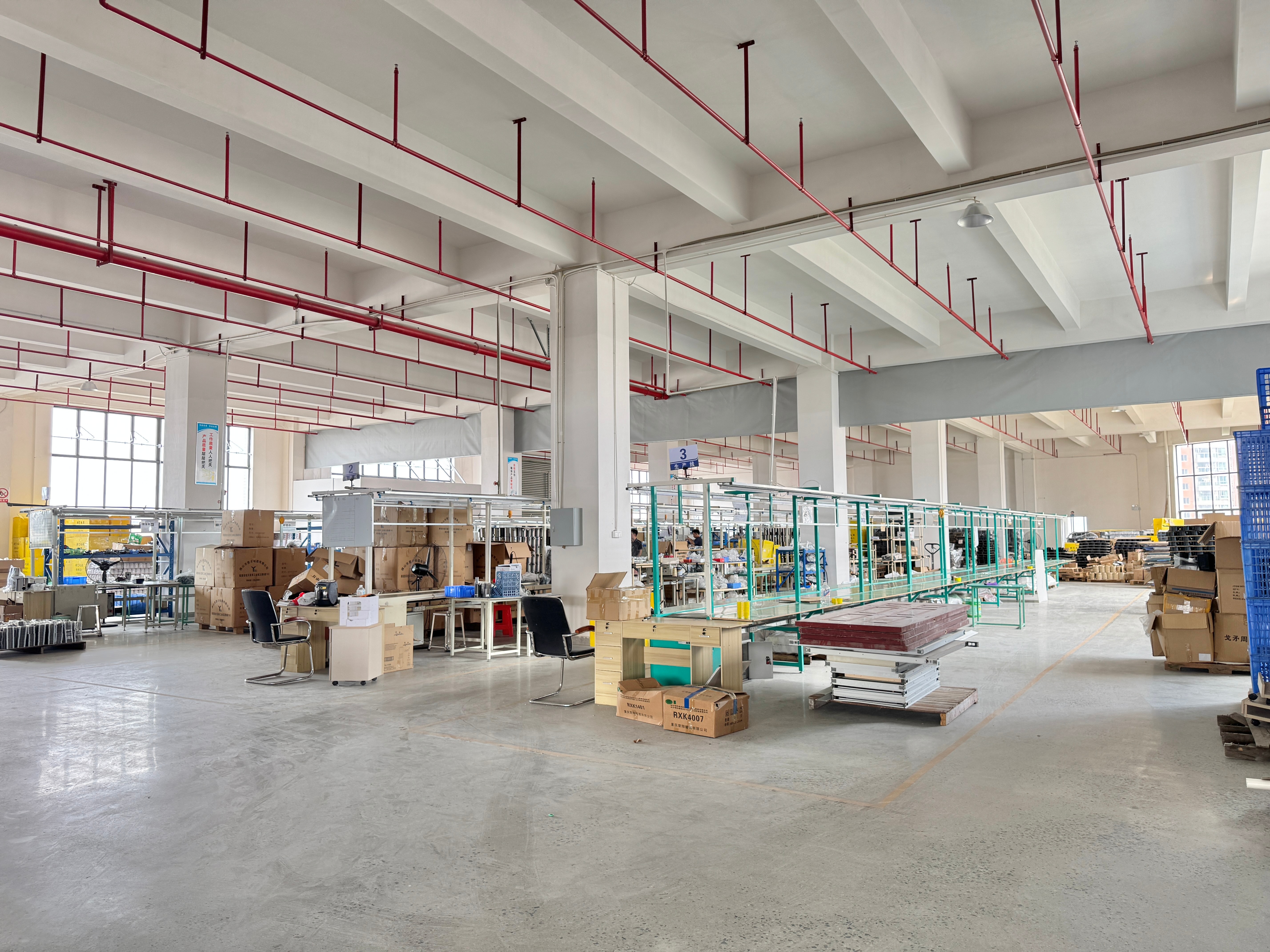
Step-by-Step: How the Juicing Cycle Works
Understanding the operating sequence makes it easier to match a machine to a use case, because each step consumes time in a different way.- Prepare the produce. Whole fruits and vegetables can go into the 120 mm chute directly. Pits should be removed in advance; hard, oversized pieces should be reduced before feeding.
- Start the motor with the knob. The knob control starts the motor, which drives the low-speed auger. There is no separate speed programme to select on this platform.
- Feed through the chute. The food pusher guides material into the auger. Because the auger runs at approximately 60 RPM, feeding is gradual rather than forced.
- Separate juice and pulp. The two-stage juicing structure crushes the produce, and the filter separates juice from pulp, which drops into the pulp container. No water is added, so the output is pure fruit or vegetable juice.
- Stop, disassemble, clean. Continuous running is limited to less than 10 minutes per cycle, after which the unit should rest and cool for 10 to 30 minutes before restarting. The juicing parts detach for rinsing; the motor base is wiped, never immersed.
Documented operating conditions: indoor household use, on a flat, stable, dry and heat-resistant tabletop, at 5 °C to 40 °C and 45% to 80% relative humidity without condensation, at altitudes up to 2,000 m and within ±10% voltage tolerance. Overheat protection, clog reverse protection and detachable parts are built in.
Safety boundaries buyers should confirm before purchase
Four documented risk points are worth verifying with any slow juicer supplier, because they define the difference between a routine and a maintenance claim:- Motor overheating follows continuous operation beyond the allowed working duration. Intermittent use, plus a rest period once overheat protection activates, is the prescribed response.
- Jamming follows hard pits, large hard ingredients, or forcing material into the chute. Removing pits in advance and powering off on a jam — never forcing a restart — is the prescribed response; the knob reverse function assists clearing.
- Cuts follow contact with sharp filter or auger edges during cleaning. A soft sponge is specified; steel wool is explicitly excluded.
- Bacterial growth follows uncleaned residue stored in wet conditions. Food-contact parts should be cleaned immediately after use and dried before storage.
How to Evaluate a Large Feeding Chute Slow Juicer — Six Checks
For buyers moving from awareness into research, a short evaluation framework is more useful than a long feature list.1. Measure the chute against the produce you actually juice
A 120 mm opening accepts whole fruits and vegetables, including whole apples. If the intended menu is predominantly celery, kale and spinach, confirm the auger design and anti-clog function rather than chute size alone, since fibrous material is the usual clogging trigger.2. Check the speed band and motor type
Grand View Research places slow juicers in a 40 to 150 RPM band. The PLJR platform runs at approximately 60 RPM with a full copper DC 4435 motor rated at 200 W. Lower speed reduces heat during extraction; the trade-off is a slower feed rate, which matters in high-volume settings.3. Confirm anti-clog handling in writing
A reverse function on the knob is the mechanism; the documented procedure — power off on a jam rather than forcing a restart — is what protects the motor. Ask for both.4. Assess cleaning access, not just “easy to clean”
Look for a non-net structure and detachable filter, blade and containers. Mesh screens take longer to rinse and are harder to dry, and residual moisture on food-contact parts is the documented bacterial growth pathway.5. Match the duty cycle to the business model
A continuous working time of less than 10 minutes, with a 10 to 30 minute cool-down, suits household and small-format juice bar use. A high-traffic outlet running continuous service should size the number of units to that duty cycle rather than expecting one unit to run without pause.6. Verify certification scope and supplier evidence
Certification numbers, issuing bodies and validity dates should be checkable. For the PLJR-320, LVD, REACH, LFGB and ROHS records are individually numbered, and ISO 9001 covers the three models in the series. Supplier evidence — production lines, capacity, QC function, export ratio — belongs in the same evaluation step.Where Large Chute Slow Juicers Fit: Use Cases
Household kitchen use
For a family routine, the value of the large chute is time. Whole apples and vegetable stalks can be fed directly, the juice and pulp are separated automatically, and the detachable non-net assembly keeps the cleaning step short. The under-10-minute duty cycle matches a typical morning preparation session, and the below-68 dB working noise level allows the unit to run in an open kitchen without dominating the room.
Fresh juice bars
The PLJR-320 is intended for fresh juice bar scenarios. In that setting the relevant specifications are the automatic juice-pulp separation (so staff are not straining output by hand), the 120 mm chute (which shortens prep between orders), and the material list — PC, AS, SUS#304 and SUS#420 — which supports a hygiene routine built around immediate cleaning.Bubble tea shops
Bubble tea operators use fresh juice as a base for fruit-forward drinks. Whole-fruit feeding reduces counter space consumed by cutting boards and prep containers, and the below-68 dB noise level is relevant in a front-of-house environment where the machine may sit close to customers.Catering and light food service
In catering, equipment has to survive transport and intermittent use. The 1.2 m power cord with plug, Class II protection and the documented operating envelope of 5 °C to 40 °C make the unit practical for indoor service points. The pulp container and juice container supplied as accessories allow service without additional vessels.Household light-meal preparation
Beyond juice, the platform is described for household light food preparation support — vegetable bases for soups and light meals, where the separated pulp can be reserved rather than discarded.Model Comparison: PLJR-316, PLJR-316SUS and PLJR-320
The three models share one juicing platform, so the comparison is about housing material and finish rather than performance. Every value below is taken from Platino's published specifications.| Specification | PLJR-316 | PLJR-316SUS | PLJR-320 |
|---|---|---|---|
| Product type | Large feeding chute / whole fruit cold press / easy-clean slow juicer | Large feeding chute / whole fruit cold press / easy-clean slow juicer | Large feeding chute / whole fruit cold press / easy-clean slow juicer |
| Input mouth size | 120 mm | 120 mm | 120 mm |
| Auger speed | Approximately 60 RPM | Approximately 60 RPM | Approximately 60 RPM |
| Rated power | 200 W | 200 W | 200 W |
| Voltage / frequency | 220–240 V~, 50/60 Hz | 220–240 V~, 50/60 Hz | 220–240 V~, 50/60 Hz |
| Protection class | Class II | Class II | Class II |
| Motor | Full copper DC 4435 | Full copper DC 4435 | Full copper DC 4435 |
| Max working noise | Below 68 dB | Below 68 dB | Below 68 dB |
| Continuous working time | Under 10 minutes | Under 10 minutes | Under 10 minutes |
| Housing | ABS | Stainless steel | ABS |
| Knob | ABS | ABS | ABS |
| Juice cup / filter | PC / PC | PC / PC | PC / PC |
| Blade | SUS#420 | SUS#420 | SUS#420 |
| Squeezer | PC body with SUS#304 axis | PC body with SUS#304 axis | PC body with SUS#304 axis |
| Juicer and pulp containers | AS | AS | AS |
| Accessories | Food pusher, pulp container, juice container, cleaning brush | Food pusher, pulp container, juice container, cleaning brush | Food pusher, pulp container, juice container, cleaning brush |
| Intended scenarios | Household, fresh juice bar, bubble tea shop, catering services | Household, fresh juice bar, bubble tea shop, catering services | Fresh juice bar, bubble tea shop, catering services; household |
Reading the table: because extraction performance is identical, the choice between models is a materials decision. PLJR-316SUS uses a stainless steel housing for buyers who prefer a metal exterior or expect heavy daily handling; PLJR-316 and PLJR-320 use ABS housings, with PLJR-320 positioned toward fresh juice bar, bubble tea shop and catering scenarios in Platino's own product documentation.
Frequently Asked Questions
1. Which certifications cover the Platino large feeding chute slow juicers, and for which markets?
ISO 9001 certification (ISO 9001-2015, certificate 43018Q0N0R0UN0021-2, issued by LIANQISHIXIN CERTIFICATION CO.,LTD.) covers the PLJR-320, PLJR-316 and PLJR-316SUS, and applies to the EU, Middle East, Southeast Asia, India and East Asia markets. For the PLJR-320, the records list LVD certificate AN 50659523 0001 issued by TUV Rheinland (issued 2024-12-31, valid until 2029-12-30, EU market), REACH certificate (8826)160-0151 issued by Bureau Veritas against (EC) No. 1907/2006, LFGB certificate (8826)160-0149, and ROHS certificate (8826)160-0150. At company level Platino reports CE, CB, LFGB, ROHS, REACH, BPA, BSCI and ISO 9001. Buyers should confirm that the certificate scope matches the exact model and voltage variant they intend to import.
2. Can a 120 mm chute really take whole fruit, and what is the operating speed?
Yes — Platino specifies that the 120 mm input mouth is designed for whole fruits and vegetables, and the product documentation states that whole apples can be fed directly without pre-cutting. The auger runs at approximately 60 RPM in cold press operation, driven by a 200 W full copper DC 4435 motor, with a maximum working noise level below 68 dB. Grand View Research describes slow juicers as typically operating between 40 and 150 RPM, so 60 RPM sits within the published slow-speed band and toward its lower end.
3. How is clogging handled, and how difficult is cleaning?
Clogging is addressed at two levels. The two-stage juicing structure and low auger speed reduce the load on fibrous material, and the knob control includes an anti-clog reverse function. The documented procedure matters as much as the feature: remove pits in advance, and if a jam occurs, power the unit off and use the reverse function — do not force a restart. Cleaning is supported by a non-net structure with detachable juicing parts, so there is no mesh screen to scrub. Parts should be rinsed immediately after use, dried before storage, and cleaned with a soft sponge only; steel wool is excluded because of sharp filter and auger edges.
4. What is included with the unit, and what warranty applies?
Each unit ships with a food pusher, pulp container, juice container and cleaning brush, plus a 1.2 m power cord with plug. The whole unit carries a 1-year warranty. Continuous operation is limited to under 10 minutes per cycle, with a 10 to 30 minute cool-down before restart, and the detachable juicing parts are washable while the motor base must not be immersed. The recommended operating envelope is indoor use at 5 °C to 40 °C, 45% to 80% relative humidity without condensation, up to 2,000 m altitude and within ±10% voltage tolerance.
5. How can a buyer review the full range before requesting a quotation?
The fastest route is the Platino catalogue, which lists the slow juicer range together with the juice extractor, coffee maker, coffee grinder and chopper lines, followed by a direct discussion of the model, housing finish and voltage variant. Buyers can request the catalogue, a model-specific quotation or a sample evaluation unit by contacting the company directly — email tony@platino-china.com, telephone or WhatsApp +86 13680151058.
Conclusion
A large feeding chute slow juicer is not defined by its power rating. It is defined by the relationship between three things: how much preparation the chute removes, how the auger and anti-clog function handle fibrous material, and how quickly the juicing assembly can be disassembled and cleaned. On the Platino PLJR platform, those answers are a 120 mm input mouth, a two-stage cold press auger at approximately 60 RPM with knob-controlled reverse, and a detachable non-net structure — supported by named materials (PC, AS, SUS#304, SUS#420, stainless steel or ABS housing), individually numbered LVD, REACH, LFGB and ROHS records on the PLJR-320, and ISO 9001 certification across the three models. For buyers still in the research stage, the practical next step is to match the duty cycle to the intended setting: household use fits the under-10-minute cycle comfortably, while a busy juice bar or bubble tea counter should plan unit count around that same cycle rather than around a continuous run. Once the setting is defined, the model choice between PLJR-316, PLJR-316SUS and PLJR-320 becomes a straightforward materials decision.Next Step: Catalogue, Specifications and Quotation
Review the full Platino slow juicer range, including the PLJR-316, PLJR-316SUS and PLJR-320, in the product catalogue — or send your target model, voltage variant and market requirements for a technical reply.
Download the Platino e-catalogue (PDF) · Ask a question on WhatsApp · tony@platino-china.com
Zhongshan Platino Electric Appliances Technology Co., Ltd. · No. 6, Jianmin Road, Huangpu Town, Zhongshan City, Guangdong, China · www.platino-china.com
Have Questions or Need More Details?
Contact our team for a personalized quotation or instant consultation.
Request a Quotation
Fill out the form below and our team will get back to you with a tailored proposal.
WhatsApp Direct Chat
Prefer to chat in real-time? Message us on WhatsApp for instant assistance & quick answers.
- Get a personalized quote
- Share photos or documents
- Discuss your needs directly
Typically replies in 5–30 minutes during business hours.