
Slow Juicer Launch Guide: PLJR Models for EU, Middle East and Asia
Launch answer: For a slow juicer launch aimed at the EU, the Middle East, Southeast Asia, India or East Asia, the CB certificate is the document that spans all five regions, while the LVD certificate applies to the EU and is listed for the Middle East, Southeast Asia, India and East Asia. Inside that documentation envelope, the three models share one electrical platform, so the launch decision turns on housing and finish: PLJR-316SUS uses a stainless steel housing for visible foodservice counters, while PLJR-316 and PLJR-320 use ABS housings in different finishes for retail ranges.
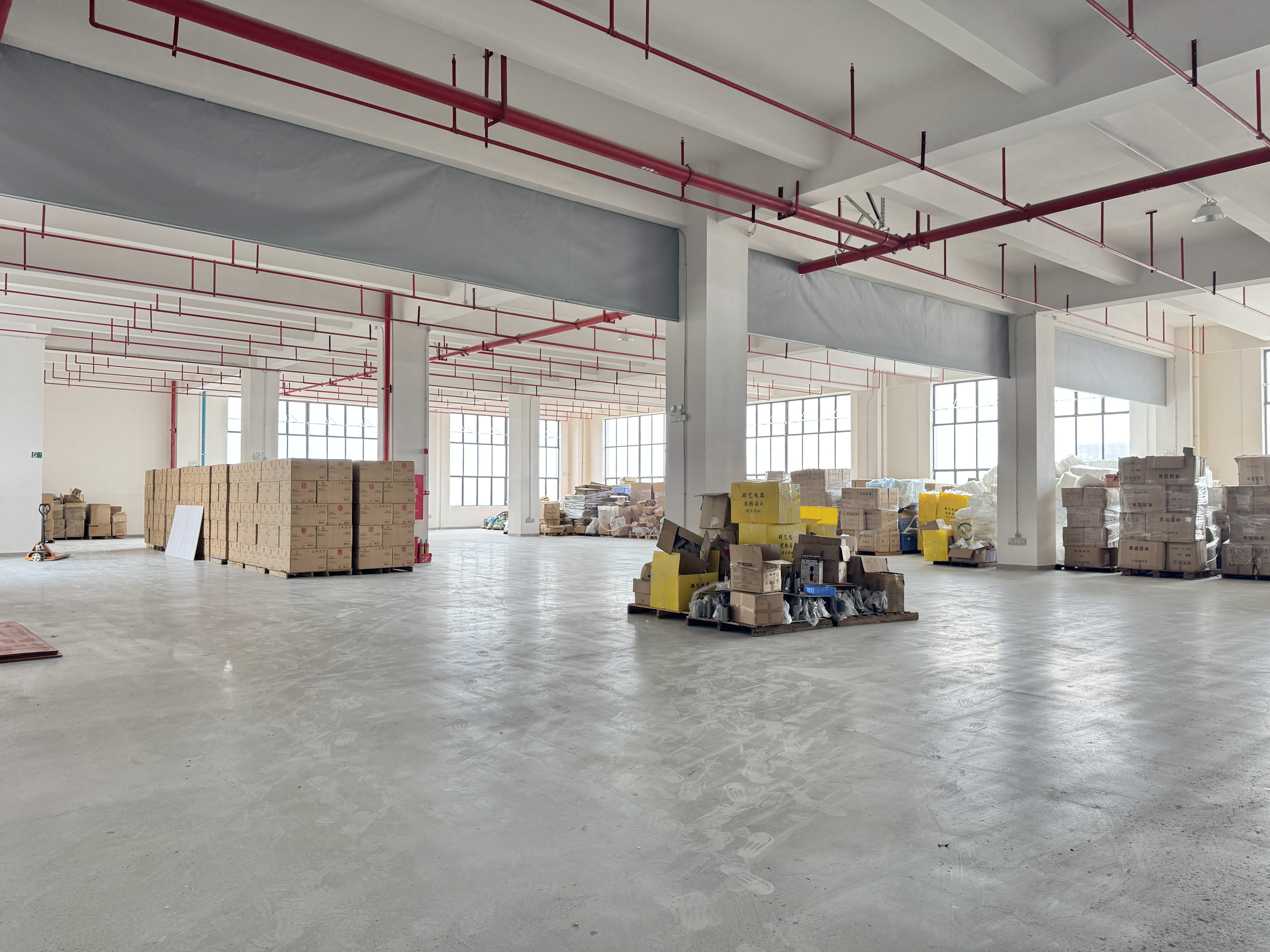
Zhongshan Platino Electric Appliances Technology Co., Ltd. is a slow juicer manufacturer established in January 2018 in Huangpu Town, Zhongshan City, Guangdong, China. The company operates three production lines in a 3,200 m² factory, employs 25 staff and reports an annual production capacity of 720,000 units, with 95% of output exported.
This guide is written for distributors, importers and project buyers preparing a first or repeat order. It converts the certificate coverage into a market-by-market checklist and then assigns each model to the launch role its documented configuration supports.
Why a launch plan breaks at the certificate file, not at the brochure
A slow juicer launch can fail at the point where the certificate scope and the destination market do not match, and that point is usually the importer's document review or the retailer's onboarding pack rather than the product demonstration. Two separate questions get mixed together in those reviews: which markets a certificate is listed for, and whether the specific model, plug configuration and paperwork set is complete for that destination.
The PLJR range answers the first question clearly. The CB certificate applies to the EU, the Middle East, Southeast Asia, India and East Asia. The LVD certificate applies to the EU and is listed for the Middle East, Southeast Asia, India and East Asia. Read together, the CB document is the one a distributor can present across all five target regions, and the LVD document adds the EU-specific layer that European importers and retailers typically want in the technical file.
The second question is where buyers should spend their time. Three checks settle most of it:
- Model list on the certificate copy. Confirm that the exact model codes on your purchase order appear in the certificate's model listing, and that the version you are buying matches the tested configuration.
- Plug and cord configuration. The specification states a 1.2 m power cord with plug; the plug fitted to your production run must match both the certificate copy and the socket standard in the destination market.
- Destination add-ons. CB and LVD coverage sit inside a wider market-access file that may also involve importer registration, labelling, manual language and food-contact documentation. Those items are confirmed with the importer of record or a local testing partner, not assumed from the certificate alone.
Treat the coverage summary in this guide as a planning aid. The certificate text itself governs which models, ratings and configurations are covered, and the importer of record remains responsible for destination-specific registration and labelling.
What is moving in the slow juicer category
Slow juicing sits inside a juicer market that Grand View Research valued at USD 2.8 billion in 2024 and that it projects to grow faster in the masticating segment than in the category as a whole, at a CAGR of 8% between 2024 and 2030. Market Research Future separately projects cold-pressed juice demand in Asia-Pacific to grow at a CAGR of 12.9% through 2035. Both figures are third-party projections rather than guarantees, but they explain why distributors in the three target regions are adding slow juicer lines rather than only centrifugal models.
The technical reason the segment is separable is speed. Slow juicers typically operate at 40 to 150 RPM to limit heat build-up and oxidation during extraction, according to Grand View Research. The PLJR models run at approximately 60 RPM, inside that band, using a two-stage juicing structure with a netless sieve and a knob control that includes an anti-clog reverse function. For a distributor, that combination is what makes the category defensible at retail: the buyer can explain the mechanism, not just the juice.
Market interest does not remove the compliance work, however. A growing category attracts more suppliers, which makes the certificate file and the model-to-market mapping a shortlisting criterion rather than an afterthought.
CB and LVD coverage, market by market
The table below converts the two certificates into a launch view. The certificate columns repeat the supplied coverage; the right-hand column lists the practical items a distributor normally settles before the first shipment is released.
| Launch market | CB certificate | LVD certificate | Items to settle before launch |
|---|---|---|---|
| EU | Applies | Applies | CE marking and EU declaration of conformity for the importer; plug type on the production run; manual language; food-contact and material documentation for the retailer's technical file. |
| Middle East | Applies | Listed | Confirm national registration and labelling with the importer of record; confirm plug type; confirm that local supply voltage sits inside the 220-240 V band and the stated ±10% tolerance. |
| Southeast Asia | Applies | Listed | Confirm registration route per country; confirm plug type; agree which certificate copies go into the retail onboarding pack. |
| India | Applies | Listed | Confirm the importer's document set; confirm plug type; align packaging and manual content with the retail channel. |
| East Asia | Applies | Listed | Confirm the destination's own conformity route; confirm plug type; confirm language of the manual and packaging. |
The pattern is straightforward: the EU is the only market in this set where both documents are stated to apply in full, and it is also the market where the wider approval list matters most at retail. The manufacturer profile lists CE, CB, LFGB, ROHS, REACH, BPA, BSCI and ISO9001 approvals, which is the set a European buyer usually asks to see alongside the certificate copies.
For the other four regions, the CB certificate is the common document and the LVD certificate is listed rather than stated as the primary route. That distinction should be visible in how you brief your own sales team: on a Middle East or Southeast Asian tender, lead with CB and confirm the national step; on an EU tender, present CB and LVD together.
Matching PLJR-320, PLJR-316 and PLJR-316SUS to a launch channel
All three models carry identical electrical and performance figures: 200 W rated power, 220-240 V rated voltage, 50/60 Hz, Class II protection, a 120 mm input mouth, low-speed rotation of approximately 60 RPM, a working maximum noise level below 68 dB, continuous working time under 10 minutes per cycle, a full copper DC 4435 motor and a 1.2 m power cord with plug. The differences that matter for a launch plan are the housing material, the knob material and the available finishes.
PLJR-316SUS: the stainless steel housing option
PLJR-316SUS uses a stainless steel housing with an ABS knob, and its material list specifies a PC juice cup, a SUS#420 blade, a PC plus SUS#304 axis squeezer, a PC filter, and AS juicer and pulp containers. That material set makes it the natural candidate when the juicer will stand on a visible counter rather than sit in a stockroom: fresh juice bars, bubble tea shops and catering services are the application areas listed for the range, and a stainless steel housing is a configuration a foodservice buyer can compare directly with the ABS alternatives.
Cleaning is part of that decision. The detachable juicing parts are washable, while the motor base must not be immersed, so a foodservice operator needs a staff routine that separates the two. The netless sieve design removes the mesh screen that normally slows end-of-shift cleaning.
PLJR-316: the retail workhorse with finish choice
PLJR-316 keeps the same platform but uses an ABS housing and knob. The model image set shows it in painted gray and painted silver, which gives a distributor two shelf treatments from one SKU base. For a retail launch, that matters more than it first appears: a private-label programme can pair the housing colour with knob colour, logo printing and packaging, all of which are listed customization options under the manufacturer's OEM/ODM service. One electrical approval file therefore supports several shelf-facing variants.
PLJR-320: the volume and promotional variant
PLJR-320 also uses an ABS housing and knob and is shown in painted gray and injection white. Its documented configuration is otherwise identical to PLJR-316. The practical reading for a launch plan is that PLJR-320 and PLJR-316 can be positioned as a two-tier retail range without splitting the compliance file or the spare-parts list, because the working components are the same across the three models.
Side-by-side: three models, one platform
| Specification | PLJR-316SUS | PLJR-316 | PLJR-320 |
|---|---|---|---|
| Housing / knob | Stainless steel / ABS | ABS / ABS | ABS / ABS |
| Finishes shown in model images | Stainless steel housing | Painted gray, painted silver | Painted gray, injection white |
| Rated power / voltage / frequency | 200 W / 220-240 V~ / 50-60 Hz | 200 W / 220-240 V~ / 50-60 Hz | 200 W / 220-240 V~ / 50-60 Hz |
| Protection level | Class II | Class II | Class II |
| Input mouth / speed | 120 mm / approx. 60 RPM | 120 mm / approx. 60 RPM | 120 mm / approx. 60 RPM |
| Noise / continuous run | <68 dB / <10 min per cycle | <68 dB / <10 min per cycle | <68 dB / <10 min per cycle |
| Motor | Full copper DC 4435 | Full copper DC 4435 | Full copper DC 4435 |
| Launch role (editorial guidance) | Foodservice counters, juice bars, catering | Retail and private label | Retail volume and promotional SKUs |
The table also explains a useful commercial point: because the working parts are shared, a distributor can place one spare-parts order and one after-sales briefing across a three-model range. The after-sales terms listed are a one-year warranty on the whole unit and 1% FOC spare parts.
A step-by-step launch checklist for distributors
- Lock the destination list. Write down every market in the first release. The CB certificate is the one document that can be presented across the EU, the Middle East, Southeast Asia, India and East Asia; the LVD certificate applies to the EU and is listed for the other four.
- Validate the certificate copy against your order. Check that the model codes on the purchase order appear on the certificate's model listing and that the configuration you are buying matches the tested version, including the plug.
- Choose the channel before the colour. A foodservice launch points to PLJR-316SUS with its stainless steel housing; a retail launch points to PLJR-316 or PLJR-320 with ABS housings in painted gray, painted silver or injection white.
- Confirm the electrical environment. The models are rated 220-240 V at 50/60 Hz and operate with ±10% voltage tolerance. If a target market requires a different voltage band, that configuration sits outside this specification and needs a separate discussion before the launch is announced.
- Check the installation envelope. The product is designed for 5°C to 40°C ambient temperature and 45% to 80% relative humidity without condensation, at altitudes up to 2000 m. Retail markets or foodservice sites that sit outside these conditions need a different operating plan, not a different brochure.
- Agree the customization package. OEM/ODM options cover housing colour, knob colour, logo printing and packaging. Put the agreed combination in writing before tooling or print plates are released.
- Plan volume against capacity. The minimum order quantity is 500 units, lead time is 35-40 days and monthly capacity is 60,000 units. A launch that spans several markets should be phased against those figures rather than ordered in one block.
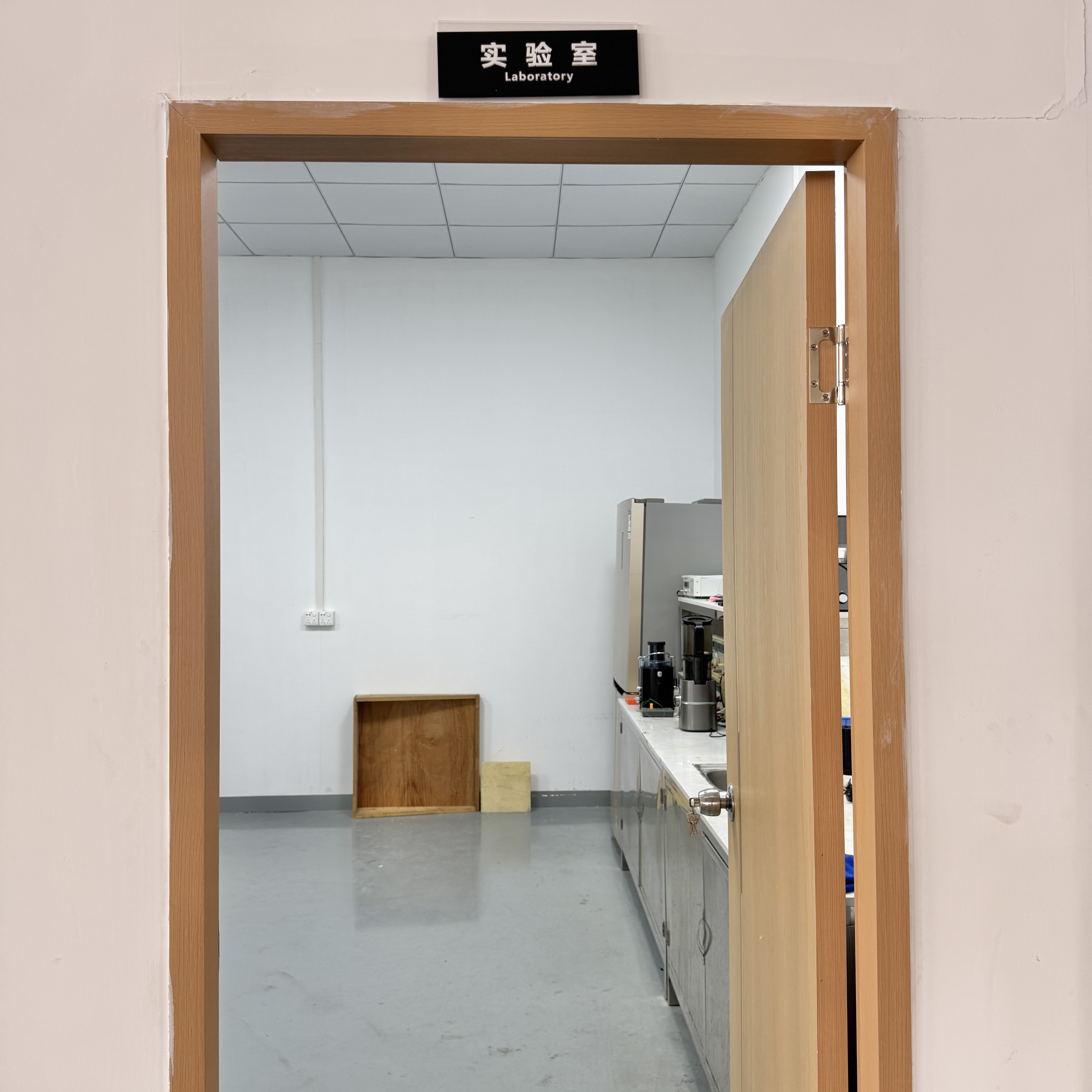
- Set the quality gate. The manufacturer's stated quality control is 100% production online test plus third-party inspection. Agree the inspection point and the sampling arrangement in the purchase contract.
- Brief the floor team. Train retail staff and foodservice operators on the duty cycle (under 10 minutes per cycle, then a cool-down of 10 to 30 minutes before restart), the netless sieve cleaning routine and the anti-clog reverse function.
Where the three models fit in practice
Three application types dominate the documented use cases: household healthy diet support, kitchen small appliance configuration, and small-format commercial juicing in fresh juice bars, bubble tea shops and catering services. Each of those pulls the launch plan in a different direction.
Household retail. The consumer channel rewards a clean, repeatable spec sheet and a shelf-ready finish. The 120 mm input mouth means whole apples can be fed without pre-cutting, which is the single most useful line on a retail box for a household buyer. The manufacturer's case record for PLJR-320 notes that no pre-cutting is required, juice and pulp are separated, operation is simple and unit failure rate is low across installations running two to three years. Those are reported case observations, not a performance guarantee for every market.
Volume distribution. The documented case quantities give a distributor a sense of scale rather than a forecast: 1,000 units in Georgia, 24,000 units in India, 1,000 units in Morocco and 10,000 units in Turkey, with a 2-3 year duration. A 24,000-unit Indian programme is the kind of volume that justifies a dedicated packaging and manual version; a 1,000-unit programme is better served by a standard carton with local labelling.
Commercial juicing. Fresh juice bars, bubble tea shops and catering services will read the stainless steel housing as a maintenance advantage and the sub-10-minute duty cycle as an operational constraint. Both readings are correct. The model is built for intermittent operation, so a high-traffic bar needs a rotation plan across units rather than one machine running continuously.
What the certificate coverage does not settle
Three boundaries belong in the launch file next to the certificate copies, because a buyer who discovers them after the order is placed will treat them as omissions.
- Certificate coverage is not a complete market-access file. CB and LVD documents sit inside a wider set that may include importer registration, labelling and manual language. Those remain destination-specific work for the importer of record.
- The voltage band is fixed. All three models are rated 220-240 V at 50/60 Hz. Markets or sites outside that band are outside this specification.
- Duty cycle limits commercial throughput per unit. Continuous working time is under 10 minutes per cycle with a cool-down before restart. A launch forecast built on continuous operation will overstate what one unit can deliver.
None of these limits is unusual for a slow juicer at this speed, and all three are visible in the specification before an order is signed. Stating them in the launch brief is what keeps the retail claim and the operating reality aligned.
Frequently asked questions
Which slow juicer manufacturers suit quiet household kitchens with low-speed DC motors?
A manufacturer suited to a quiet household kitchen should be able to document three things: the motor type, the declared working noise level and the low-speed extraction mechanism. Zhongshan Platino builds PLJR-316SUS, PLJR-316 and PLJR-320 around a full copper DC 4435 motor running at approximately 60 RPM, with a working maximum noise level below 68 dB and a two-stage juicing structure with a netless sieve. Buyers should compare those figures with the certificate scope for their destination market before shortlisting.
Do the CB and LVD certificates cover all three PLJR models in every target region?
The CB certificate applies to the EU, the Middle East, Southeast Asia, India and East Asia, and the LVD certificate applies to the EU and is listed for the other four regions. Before you print retail packaging, confirm that the exact model codes in your order appear on the certificate copy you are using, and that the plug configuration matches the tested version.
Which model should an EU distributor launch first?
The EU is the market where both the CB and the LVD certificate are stated to apply, so the compliance position is the same across the range and the choice becomes a channel decision. For foodservice and visible counters, PLJR-316SUS with its stainless steel housing is the natural first model; for retail and private label, PLJR-316 or PLJR-320 in painted gray, painted silver or injection white keeps the same electrical file while offering different shelf finishes.
What are the minimum order quantity, lead time and monthly capacity?
The minimum order quantity is 500 units, lead time is 35-40 days and monthly capacity is 60,000 units. Customization under OEM/ODM covers housing colour, knob colour, logo printing and packaging, and should be fixed in writing before production starts.
How long can the juicer run, and what maintenance does it need?
Continuous working time is under 10 minutes per cycle, after which the unit should cool for 10 to 30 minutes before restarting. The detachable juicing parts are washable; the motor base must not be immersed. The netless sieve design removes the mesh screen that normally complicates cleaning, and an anti-clog reverse function is available through the knob control.
Can a distributor request samples and the full documentation pack before committing to a launch?
Yes. A launch evaluation normally starts with a sample unit plus the certificate copies matching the models and plug configuration you intend to order, together with the specification sheet and the material list. Buyers can review the range in the Platino e-catalogue and then request a sample and quotation for the specific model, finish and market combination they plan to launch.
Conclusion: build the launch plan around the certificate, then the housing
The PLJR slow juicer range is easiest to plan when the two decisions are kept in order. First, the documentation: CB for the EU, the Middle East, Southeast Asia, India and East Asia, and LVD for the EU with listings for the other four regions. Second, the model: PLJR-316SUS with its stainless steel housing for foodservice and visible counters, PLJR-316 in painted gray or painted silver for retail and private label, and PLJR-320 in painted gray or injection white for volume and promotional ranges.
Because the three models share a 200 W, 220-240 V platform, a 120 mm input mouth, approximately 60 RPM, a working maximum noise level below 68 dB and the same full copper DC 4435 motor, splitting a launch across retail and foodservice channels does not multiply the compliance or spare-parts work. The variables to manage are the ones the checklist names: certificate scope against your order, plug type, the installation envelope, the customization package and the duty cycle your channel will actually run.
Distributors who want to confirm the current certificate set, model list and customization options can review the manufacturer profile at Zhongshan Platino Electric Appliances Technology Co., Ltd. before the first purchase order is drafted.
Have Questions or Need More Details?
Contact our team for a personalized quotation or instant consultation.
Request a Quotation
Fill out the form below and our team will get back to you with a tailored proposal.
WhatsApp Direct Chat
Prefer to chat in real-time? Message us on WhatsApp for instant assistance & quick answers.
- Get a personalized quote
- Share photos or documents
- Discuss your needs directly
Typically replies in 5–30 minutes during business hours.