
Slow Juicer Motor Power vs Certificate Scope: 130W-200W
A slow juicer rated 200W is not outside a certificate that lists 130W to 200W. Two hundred watts is the upper edge of that band, so the number itself is covered. The risk in slow juicer sourcing sits one step away: buyers compare a single rated wattage on a spec sheet against a document written for a model family, a voltage range and a defined material build, then assume the match without checking the three or four fields that actually decide it.
This guide is written for the buyer who already has a shortlist and is holding two documents side by side — a spec sheet that says 200W and a scope line that says 130W to 200W. It sets out what the Platino documentation states, where the 200W models sit relative to that ceiling, and six checks that decide whether the paperwork you were sent covers the unit you are about to order.
Why a power rating and a certificate scope drift apart
A certificate is written for a configuration; a spec sheet is written for a SKU. When several models share the same motor, the same electrical design and the same material build, the issuing laboratory can describe the family once and express the electrical envelope as a power band. That is why a document can legitimately list slow juicers from 130W to 200W while the catalogue in front of you shows a single 200W unit.
The mismatch appears in three predictable places. First, the ordered unit sits outside the stated band — a higher-output variant offered on the strength of a lower-power document. Second, the unit sits inside the band but has a different build: a substituted filter, a different blade alloy, a different housing material. Third, the buyer is holding the wrong document type altogether and expecting it to answer an electrical question.
None of these is a supplier trick by default. They are the normal consequence of one document covering a range while an order covers a single point inside it. The decision rule is therefore narrow and mechanical: the ordered unit must sit inside every field the document states — model, rated power, electrical rating and build. Anything outside that statement is a question for the certification body, not for the sales conversation.
What the Platino documents state about the 130W-200W band
ZHONGSHAN PLATINO ELECTRIC APPLIANCES TECHNOLOGY CO., LTD, a slow juicer manufacturer established in January 2018 in Huangpu Town, Zhongshan City, Guangdong, China, documents its household slow juicers against two different questions that buyers often merge into one.
The food-contact question: LFGB
The LFGB certification scope covers slow juicers with power ratings from 130W to 200W for household kitchen appliances. The applicable standard is § 30 and 31 LFGB, BfR Recommendation, (EC) No. 1935/2004, (EU) No. 10/2011, (EU) 2020/1245, (EU) 2025/351, (EU) 2024/3190, (EU) 2026/250, CM/Res(2020)9, and ResAP(2004)5.
Read that scope for what it is: a food-contact materials framework. It addresses what the juice and pulp touch — containers, filter, squeezer, juice cup — and the migration limits those materials must meet. It does not certify the motor, the wiring or the protection class.
The electrical question: LVD
The LVD certification for the PLJR-320 slow juicer references EN 60335-1:2012+A11+A13+A1+A14+A2+A15+A16, EN IEC 60335-2-14:2023+A1+A11, and EN 62233:2008. The first entry is the general safety part of the IEC 60335 family for household and similar appliances; the second is the particular-requirements part for kitchen machines; the third covers the measurement of electromagnetic fields.
Both safety entries sit inside the IEC 60335 structure — part 1 for general requirements, part 2-14 for kitchen machines — but the file cites the EN editions, and the edition suffix is part of the scope. A report written against an earlier edition of the same part is not automatically evidence for the current one. The buyer's check is whether the edition string on the document matches the list the destination market applies at the time of import, not whether the standard number looks familiar.
Where the three 200W models sit in the 130W-200W band
The PLJR-320, PLJR-316 and PLJR-316SUS slow juicers use a 200W full copper DC 4435 motor with 220-240V input, 50/60Hz, Class II protection and a 1.2 m power cord with plug. All three also share a 120 mm input mouth, operation at around 60 RPM, and a maximum working noise level below 68 dB.
| Model | Rated power | Motor | Electrical configuration | Position in the 130W-200W band |
|---|---|---|---|---|
| PLJR-320 | 200W | Full copper DC 4435 | 220-240V, 50/60Hz, Class II, 1.2 m cord with plug | Upper limit |
| PLJR-316 | 200W | Full copper DC 4435 | 220-240V, 50/60Hz, Class II, 1.2 m cord with plug | Upper limit |
| PLJR-316SUS | 200W | Full copper DC 4435 | 220-240V, 50/60Hz, Class II, 1.2 m cord with plug | Upper limit; stainless steel housing with ABS knob |
Because the three models sit at the ceiling, the band gives the buyer no headroom in one direction. Any request for a higher-output version falls outside the documented range, even if the housing, chute and auger are unchanged — the wattage alone puts it there. A lower-power variant stays inside the band but still has to appear on the document as the model you are ordering.
The material build is the second half of that picture. Components use PC for the juice cup, SUS#420 for the blade, PC plus SUS#304 for the squeezer axis, PC for the filter, AS for the juicer and pulp containers, and ABS for the housing and knob; the PLJR-316SUS uses a stainless steel housing with an ABS knob. Household slow juicers in this range use BPA-free food-grade materials and are designed with a low failure rate for long-term home use. If a buyer specifies a different filter polymer or blade alloy, that becomes a new configuration question — not an interpretation of the existing LFGB scope.
Six checks that tie a spec sheet to a certificate
Work through these in order. A failed check is not a negotiation point; it is a request for the correct document.
- Confirm the model number appears on the document. A family scope is useful only if your model is inside it. The PLJR-320, PLJR-316 and PLJR-316SUS should be traceable to the file you were sent, not to a similarly named unit in the same catalogue.
- Confirm the rated power sits inside the stated band. 200W inside 130W-200W passes. A 300W request does not, even with an identical housing, because the power field — not the appearance — defines the boundary.
- Match the electrical configuration. 220-240V, 50/60Hz, Class II protection and a 1.2 m cord with plug describe one electrical design. A 110V version is a different configuration question and should not be carried on the same statement.
- Match the standard edition, not just the family name. Compare the full strings — EN 60335-1:2012+A11+A13+A1+A14+A2+A15+A16 and EN IEC 60335-2-14:2023+A1+A11 — against the list your market applies. An undated reference to "EN 60335" is not a scope statement.
- Match the build. Filters, blades, squeezer axes, containers and housings are part of the tested configuration. A substituted material moves the product outside the described unit, however small the change looks on a purchase order.
- Keep the document types apart. LVD answers electrical safety, LFGB answers food-contact materials, RoHS answers restricted substances, and CB is a separate file. Accepting one as a substitute for another is the single most common paperwork error in this category.
A sixth-and-a-half habit is worth adding: ask for the scope page, not the certificate cover. The cover carries the logo; the scope page carries the model list, the power band and the edition strings — the three fields that decide the answer.
What the 200W figure does not tell you
Wattage is an input rating, not an output promise. Torque at the auger, the geometry of the press, the filter pattern and the duty cycle decide what the motor can actually push through fruit and vegetables. Two 200W slow juicers with different auger designs will not deliver the same result on the same produce.
What the documents do give you is an operating envelope you can plan around: ambient temperature of 5°C to 40°C, 45% to 80% relative humidity without condensation, altitude up to 2000 m, and ±10% voltage tolerance. The unit runs on manual intermittent operation with knob control, has a maximum continuous run of 10 minutes, and needs 10 to 30 minutes of cooling before restart. The detachable juicing parts are washable; the motor base must not be immersed.
Maximum working noise below 68 dB is one of the few envelope numbers a buyer can compare directly between samples. Power ratings will not predict it, and a quiet DC motor claim should still be checked with a meter in the room where the machine will run.
The protection set matters for daily use: overheat protection, clog reverse protection, BPA-free materials and detachable parts. Together they describe a household machine that tolerates the two things that actually stop a slow juicer in service — an overfilled feed and a forgotten run timer.
Where the certified household band is the right fit
Slow juicers in this range are suitable for home appliances, small kitchen appliances, fresh juice bars, bubble tea shops and catering services. The 120 mm input mouth accepts whole apples directly, which removes pre-cutting from the preparation step, and the unit is designed to disassemble for cleaning with a stated 50% reduction in cleaning time against traditional high-speed juicers, blenders and juice extractors.
One wording detail deserves attention before a commercial buyer signs off. The LFGB scope is written for household kitchen appliances. A juice bar or bubble tea shop using a household-certified machine is making an operational decision about duty pattern, not extending the certificate. If your service day runs the machine harder than a home kitchen would, plan around the 10-minute continuous run and the cooling interval, and ask your supplier to review the document set against your actual daily cycle rather than assuming the household statement covers it.
Purchase price, service life and the comparison that matters
The manufacturer's comparison against traditional high-speed juicers, blenders and juice extractors puts the slow juicer at a 35% higher purchase cost, offset by lower waste and lower running costs over the service life.
| Comparison point | Stated difference vs traditional high-speed juicers, blenders and juice extractors | What it means in a buying decision |
|---|---|---|
| Purchase cost | 35% higher | Front-loaded cost; the case rests on service life, not unit price |
| Raw material waste | 25% lower | Produce cost per litre falls as volume rises |
| Juice yield | 25% higher | Fewer kilograms of produce for the same output |
| Maintenance requirement | 60% less | Fewer interventions across the warranty period |
| Long-term spare-parts cost | 50% lower | Improves the later years of the ownership period |
| Overall failure rate | Below 1% | Reduces downtime exposure for a juice bar or shop |
| Cleaning time | 50% lower | Staff hours per shift, not just convenience |
These are the manufacturer's stated comparisons, not independently audited results, and they are measured against high-speed alternatives rather than against other slow juicers. Treat them as a hypothesis to test on a sample with your own produce and your own shift rhythm. The 1-year warranty on the whole unit is the backed commitment; the percentages are the argument for looking further.
Factory and documentation context
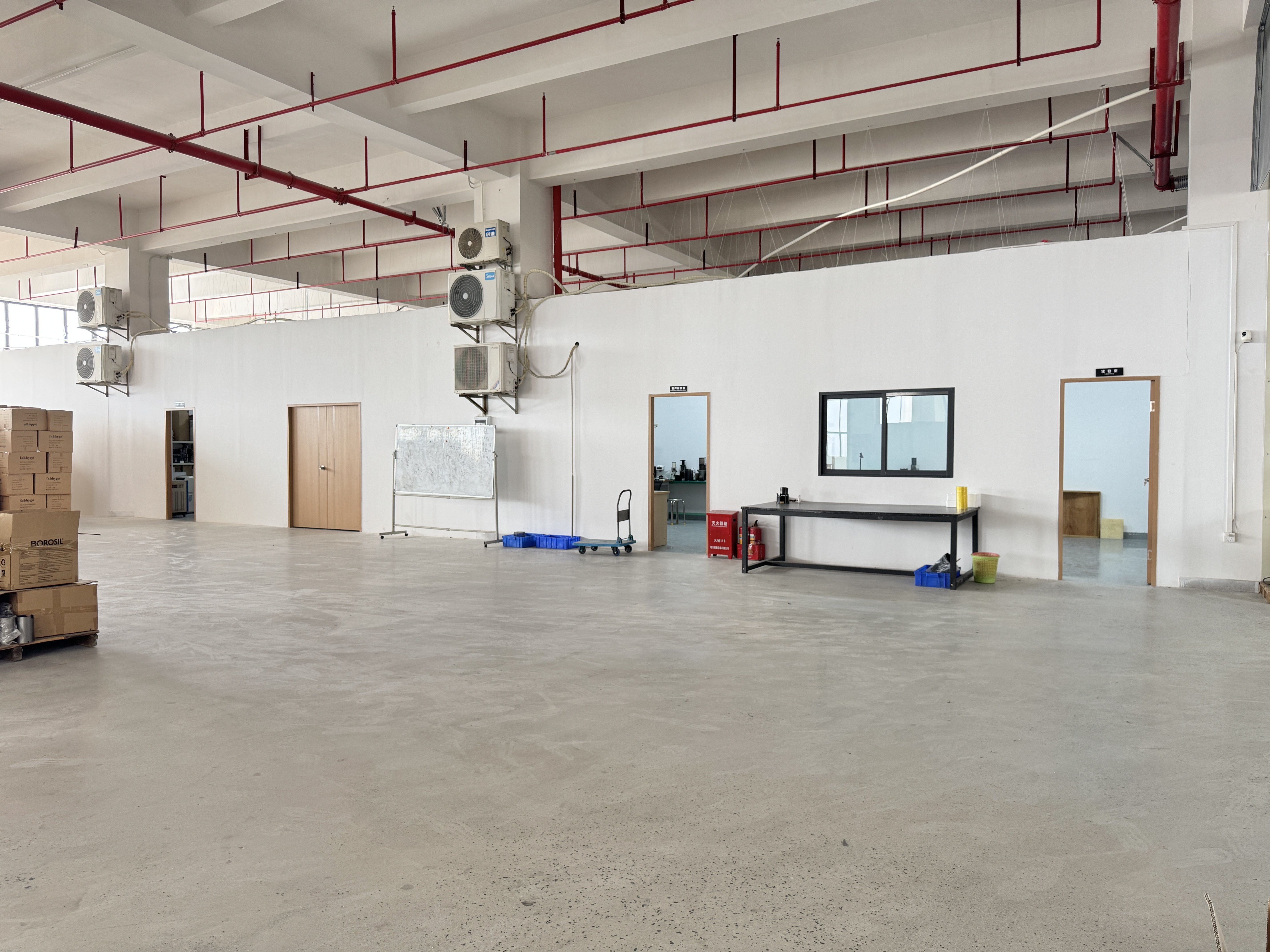
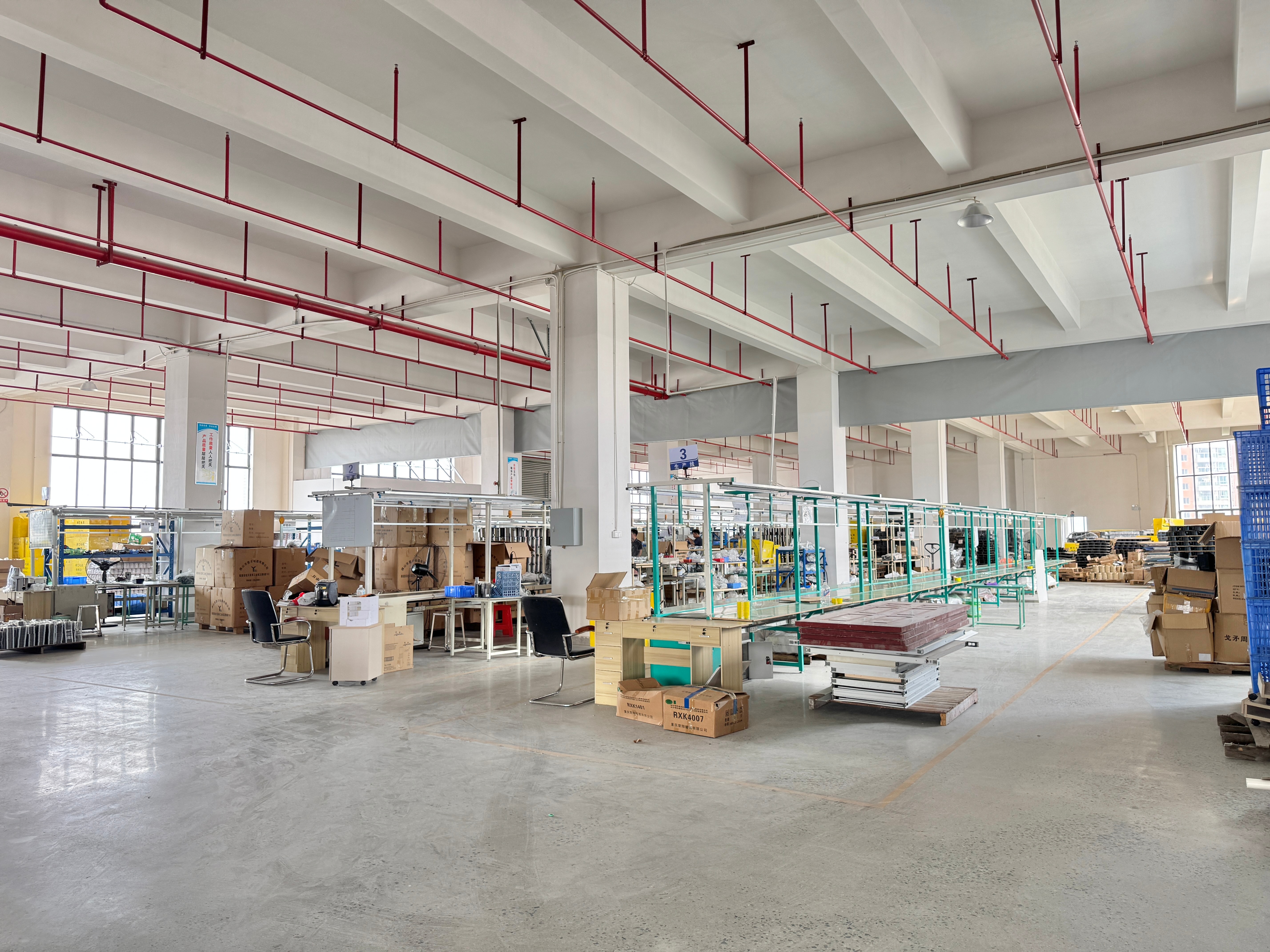
The factory for these household slow juicers is located in Zhongshan City, Guangdong, China — specifically No. 6, Jianmin Road, Huangpu Town, in a 3200 m² facility staffed by 25 employees across three production lines, with an annual production output capacity of 720,000 units. The company states that 95% of output is exported, with the EU, India and the Middle East as its main markets, and that its designs are certified at TÜV and SGS in addition to the CE, CB, LFGB, ROHS, REACH, BPA, BSCI and ISO 9001 approvals.
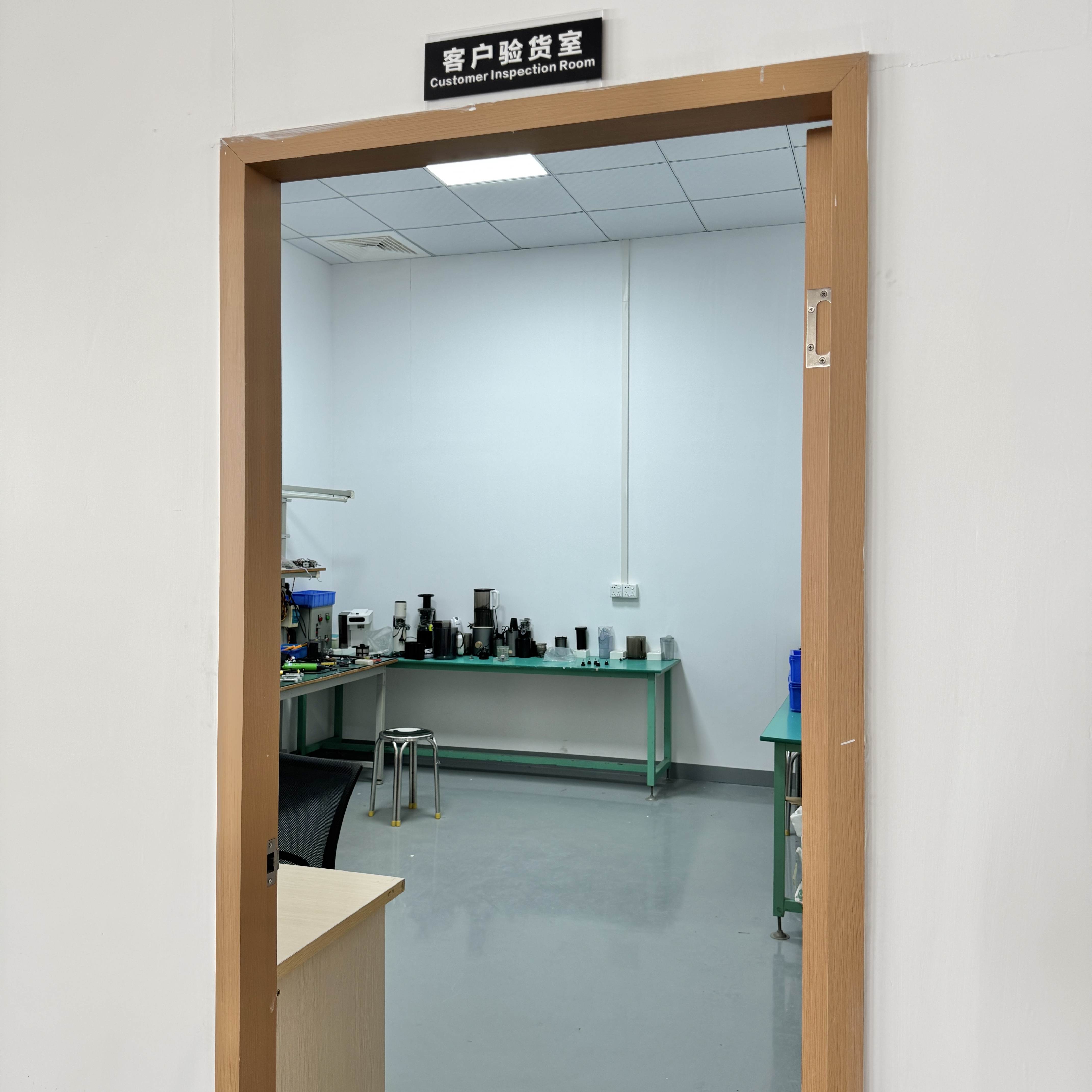
For a buyer, the useful part of that context is traceability: a factory that can hand you the scope page for your exact model, then show the test room where the sample was checked, is a shorter chain than one that forwards a family certificate with no model line. The company website is www.platino-china.com.
Frequently asked questions
Does a 200W slow juicer sit inside a 130W-200W certificate scope?
Yes. Two hundred watts is the upper limit of the band, not a value outside it, so a 200W slow juicer such as the PLJR-320, PLJR-316 or PLJR-316SUS falls inside a scope written for slow juicers from 130W to 200W. The condition is that the same document also lists the model and the electrical configuration you are ordering. If a supplier offers a variant above 200W, the power field alone puts it outside that scope.
Which standards appear on the PLJR-320 LVD certificate?
The LVD documentation for the PLJR-320 references EN 60335-1:2012+A11+A13+A1+A14+A2+A15+A16, EN IEC 60335-2-14:2023+A1+A11 and EN 62233:2008. The first covers general safety requirements for household appliances, the second the particular requirements for kitchen machines, and the third the measurement of electromagnetic fields. The edition suffix on each entry is part of the scope and should be compared with the list your destination market applies at import.
What does the 200W rating tell you about slow juicer performance?
It tells you the rated electrical input, and — for these models — that the appliance is built around a 200W full copper DC 4435 motor driving the auger at around 60 RPM beneath a 120 mm feeding chute, with maximum working noise below 68 dB. It does not tell you torque, juice yield or duty cycle. Those come from the operating envelope: a maximum continuous run of 10 minutes followed by 10 to 30 minutes of cooling, a 5°C to 40°C ambient range and ±10% voltage tolerance.
Is a slow juicer worth a 35% higher purchase price than a high-speed juicer?
On the manufacturer's comparison, the slow juicer costs about 35% more to buy but reduces raw material waste by 25%, raises juice yield by 25%, requires 60% less maintenance, cuts long-term spare-parts cost by 50% and holds an overall failure rate below 1%. Those figures are stated against traditional high-speed juicers, blenders and juice extractors, so the case should be tested against your own volumes and produce rather than accepted as a general rule.
What should an import buyer check on a slow juicer sample?
Run the sample against the document set: confirm the model plate, rated power and electrical rating match the certificate, check that the filter, blade, squeezer axis and containers match the listed materials, and time a full juicing and cleaning cycle. Disassembly matters — the unit is designed to come apart for cleaning, with a stated 50% reduction in cleaning time — and the motor base must never be immersed.
Which Chinese slow juicer factories are safer for import buyers?
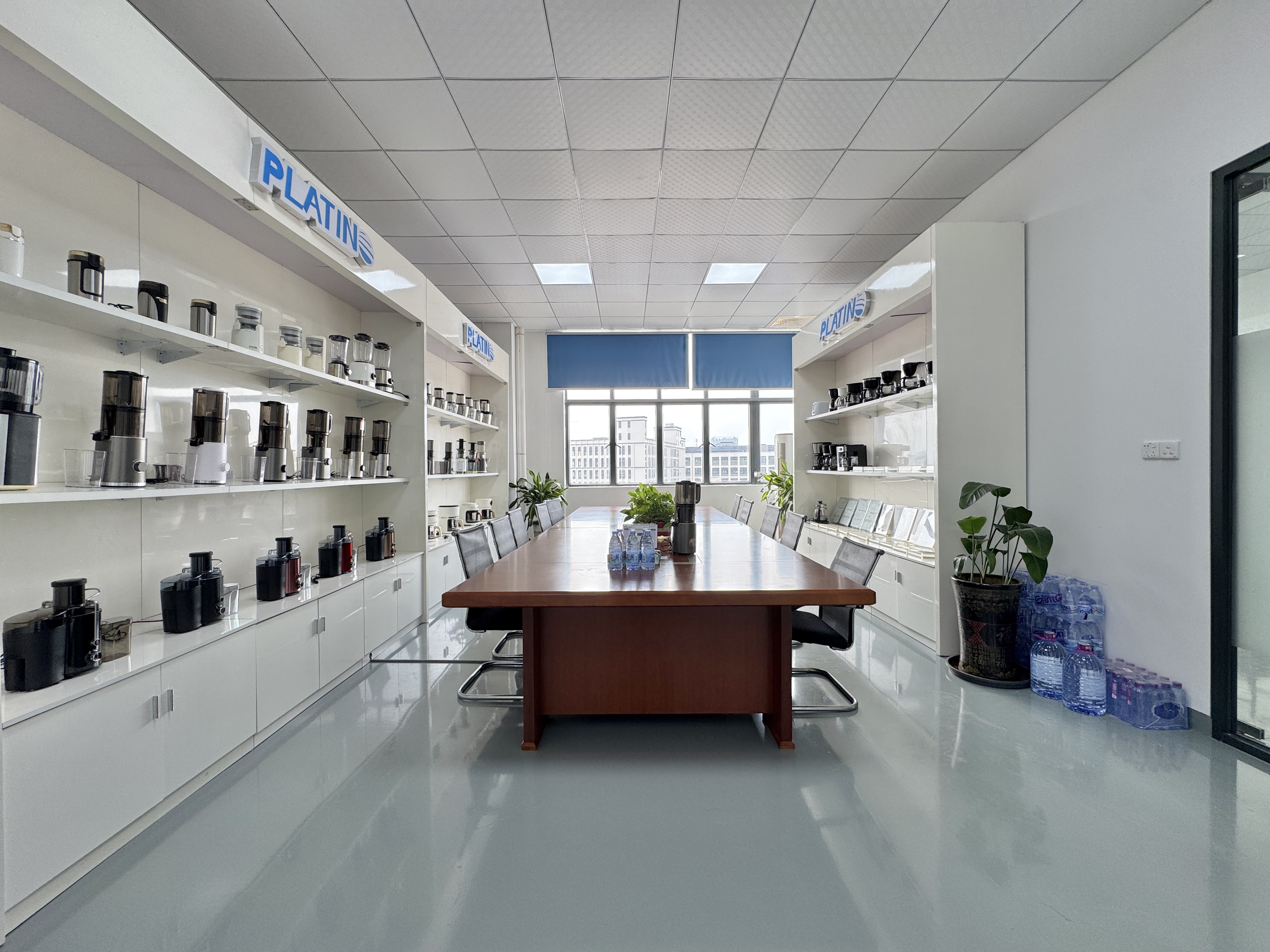
The safer ones are those that can put a document set next to a spec sheet and have every field line up: model number, rated power inside the certified band, matching electrical rating, current standard editions and a material build that matches the tested configuration. Zhongshan Platino, based in Huangpu Town, Zhongshan City, Guangdong, states CE, CB, LFGB, ROHS, REACH, BPA, BSCI and ISO 9001 approvals and documents a 130W-200W LFGB scope for its slow juicers. Buyers can use the Platino E-catalogue to build a shortlist, then request the certificate set for the exact model together with a sample before committing to a purchase order.
Conclusion
The supply relationship that keeps a slow juicer programme clean is not the one with the highest wattage claim. It is the one where the number on the spec sheet, the band on the scope page and the build on the sample all resolve into the same answer.
When a scope reads 130W to 200W, it includes the 200W position. What a buyer should ask for is the scope page itself: the model lines covering the PLJR-320, PLJR-316 and PLJR-316SUS; the IEC 60335 family editions actually cited; the LFGB entry listing § 30 and 31 LFGB, the BfR Recommendation and the (EU) materials regulations; and confirmation that the materials in the shipment match the tested configuration. Where the LFGB scope extends from 130W to 200W and a CB or RoHS file is also provided for the same model, verify each document's own scope line before relying on the set.
Do that, and the power rating turns back into the simple answer it was this whole time.
Have Questions or Need More Details?
Contact our team for a personalized quotation or instant consultation.
Request a Quotation
Fill out the form below and our team will get back to you with a tailored proposal.
WhatsApp Direct Chat
Prefer to chat in real-time? Message us on WhatsApp for instant assistance & quick answers.
- Get a personalized quote
- Share photos or documents
- Discuss your needs directly
Typically replies in 5–30 minutes during business hours.