
Food Ingredients: A Practical Sourcing Guide
Food ingredients are the raw materials and functional components used to formulate, manufacture or improve food and beverage products. They shape taste, texture, appearance, stability and how a product behaves on a production line. This guide explains the ingredient categories ZIO Food Ingredients supplies, how specifications are confirmed, and what a buyer should settle before placing a first order.
Why Food Ingredient Sourcing Is Harder Than It Looks
Most food products are not built from a single ingredient. A flavored drink may need an acidity regulator, a sweetener, a thickener, a preservative, a flavor and a color. A frozen dessert may need stabilizers, emulsifiers, milk solids and sugar. Each input carries its own grade, specification, packaging format, documentation set and destination-market status.
That creates three practical problems for buyers.
The first is comparability. Ingredient names are not specifications. Citric acid monohydrate is a defined material with CAS number 5949-29-1 and molecular formula C6H8O7·H2O, and a quotation still has to confirm assay, moisture, particle size and heavy-metal limits. CMC is identified generally by CAS number 9004-32-4, but viscosity and degree of substitution vary by grade and can strongly influence processing and finished-product performance. Menthol crystal specifications depend on the isomer, so the grade rather than the name determines the sensory result. A price list that shows only an ingredient name does not tell a formulator what will happen on the line.
The second is documentation. Importers and food manufacturers need a technical data sheet, a certificate of analysis and shipping documents that match the batch actually shipped. When one input comes from one trader and another from a different trader, documents arrive in different formats and responsibility for a mismatch becomes harder to assign.
The third is an internal decision: buy individual ingredients and blend in-house, or buy a premix powder in which the dry components are already combined in a fixed ratio. Individual ingredients give formulators freedom, and they require more weighing, staff training and in-house quality control. A premix reduces preparation steps, but it fixes the formulation and shifts responsibility for consistency towards the supplier.
Industry Background: How Demand for Food Ingredients Is Changing
Demand for food ingredients follows the products that use them. Beverages, dairy and frozen desserts, bakery, confectionery, sauces and dressings, and food-service chains all depend on functional ingredients to deliver consistent taste and texture at production scale. As these categories expand across Africa, Asia, South America and other regions, buyers increasingly source both single ingredients and complete dry mixes across borders.
Three shifts are visible in day-to-day procurement.
Dry formats are treated as a logistics decision, not only a formulation decision. Powdered beverages, milk tea powder, ice cream powder and dessert premixes are easier to store and transport than many ready-to-drink products, and they simplify portion control and inventory management. For distributors serving fragmented retail markets, a shelf-stable powder can be more practical than a chilled product.
Range consolidation is becoming a purchasing goal. A manufacturer that buys acidity regulators, sweeteners, thickeners, preservatives, cocoa powder and premix bases from one supplier has fewer specifications, documents and contact points to manage. This does not remove the need for technical review, but it reduces administrative load and the risk of inconsistent paperwork.
Technical support is now part of the product. Buyers expect formulation discussion, sample testing and specification matching rather than a price per kilogram alone. Where a supplier can adjust sweetness, texture, solubility or packaging to a target market, the ingredient becomes part of a development process instead of a commodity line item.
ZIO operates inside this environment. Guangzhou ZIO Chemical Co., Ltd. was founded in 2005 and today exports 80% of its output, serving customers in more than 120 countries and regions, with main markets in Africa, Asia and South America.
The ZIO Food Ingredients Range: A One-Stop Solution
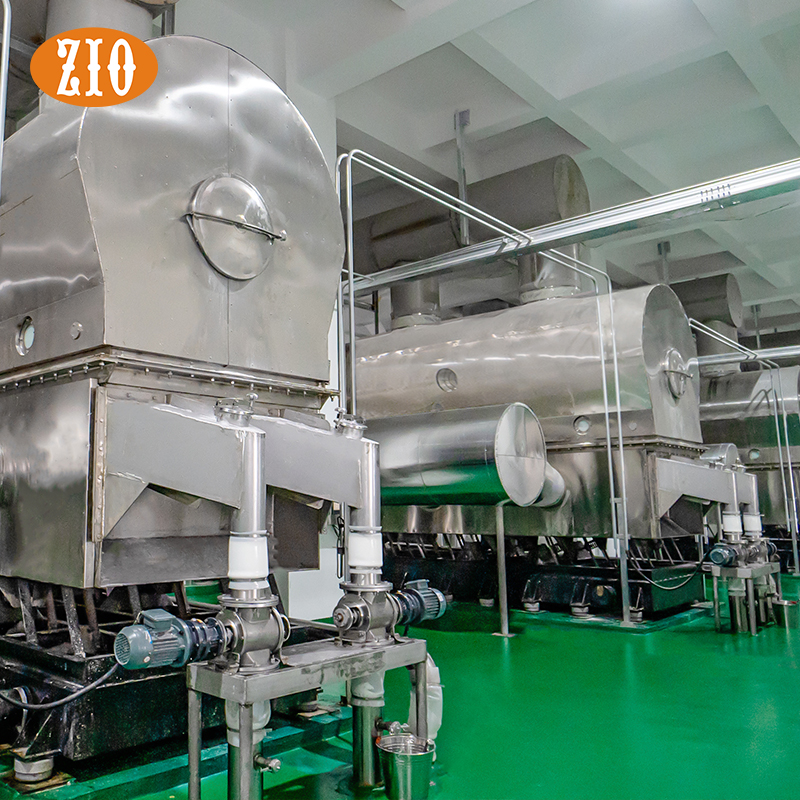
Guangzhou ZIO Chemical Co., Ltd., which trades as ZIO Food Ingredients, is a Guangzhou-based supplier of food ingredients, food additives and premix powders. It operates an integrated system covering research and development, formulation development, manufacturing, quality control, sales, technical support and global supply, and works with food manufacturers, importers, distributors, wholesalers and food brands.
The Guangzhou operation includes a 5,000 m² facility, around 100 employees, a 15-engineer R&D team and an annual output of 10,000,000 units. Products are exported to more than 120 countries and regions across Africa, Asia, Europe, South America and Oceania, with an export ratio of 80%.
The portfolio is organised in two parts: individual food-grade ingredients and complete premix powders. Both are supplied under the same quality system, which matters to buyers who prefer to take ingredients and a finished base from one source rather than coordinating several traders.
Acidity Regulators, Sweeteners, Thickeners and Stabilizers
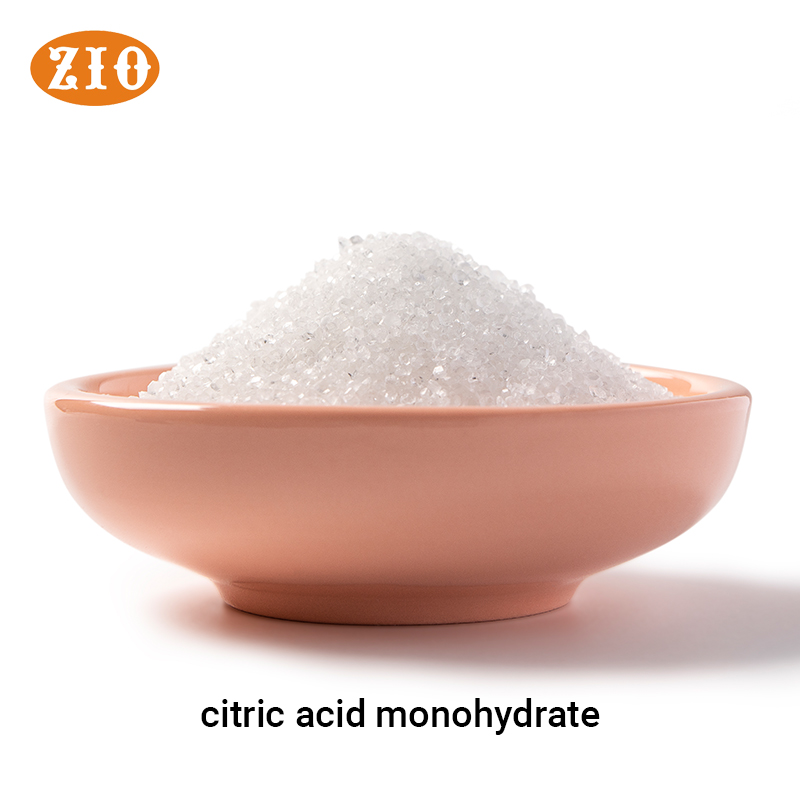
Citric Acid Monohydrate is a food-grade acidulant supplied in white crystalline powder or granular form, identified by CAS number 5949-29-1 and molecular formula C6H8O7·H2O, with purity typically ≥99.5% for common food-grade material subject to the actual certificate of analysis. Typical applications include carbonated and fruit beverages, juice drinks, powdered beverages, sports and energy drinks, confectionery, jams, jellies, sauces, dressings, dairy products, desserts and beverage premixes. Standard packaging is a 25 kg bag, with customized formats available.
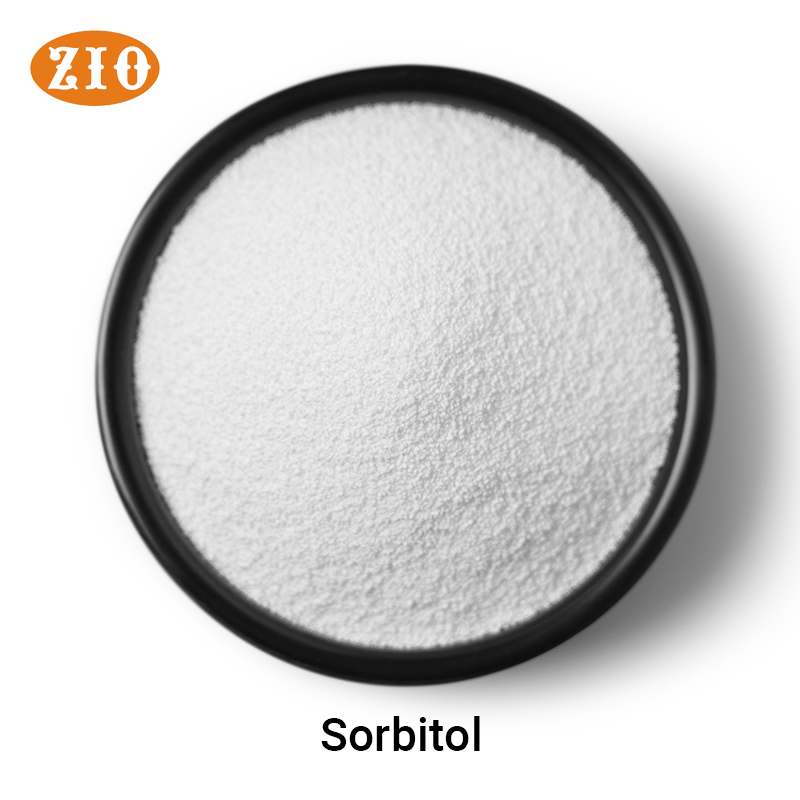
Sorbitol is a sugar alcohol used as a sweetener, humectant and texturizing ingredient, identified by CAS number 50-70-4 and molecular formula C6H14O6, with crystalline purity commonly ≥99.0% subject to the actual certificate of analysis. It is considered for confectionery, chewing gum, bakery, beverages, powdered drinks, desserts, chocolate products and sugar-reduced foods. The sweetener line also includes Erythritol, Aspartame and Isomalt, and different sweeteners can be combined into a compound sweetener blend formulated for a defined sweetness profile and application performance.
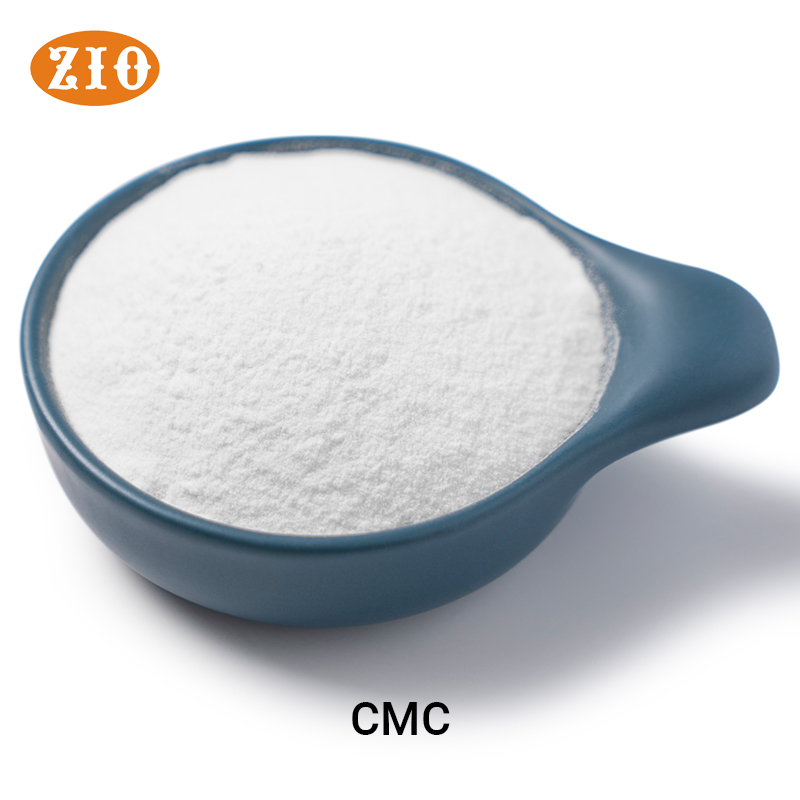
CMC (Sodium Carboxymethyl Cellulose) is a food-grade thickener, stabilizer, water-retention agent and texture modifier identified by CAS number 9004-32-4. Because it is a polymeric cellulose derivative, it has no single simple fixed molecular formula. Grade selection is the critical purchasing decision: viscosity and degree of substitution can strongly influence processing and finished-product performance. It is used in beverages, dairy, yogurt, ice cream, sauces, dressings, bakery, instant foods and confectionery.
Xanthan Gum is a food-grade hydrocolloid used as a thickener, stabilizer and texture modifier. When dispersed and hydrated in water it increases viscosity and can help suspend particles and support formulation stability; the required dosage depends on the food system and the target texture. Food emulsifiers and stabilizer systems complete this part of the range, and for ODM projects they can be developed as a complete texture system rather than supplied as separate powders.
Preservatives, Antioxidants and Nutritional Ingredients
Food-grade Potassium Sorbate and Sodium Benzoate are supplied within the preservative line, alongside antioxidants that are used to protect product quality during storage. The nutritional line includes Vitamin C (ascorbic acid) and Vitamin E.
Yeast Protein is a protein ingredient for manufacturers developing nutrition-focused foods and beverages. Its specification is controlled through protein content, moisture, ash, amino-acid profile, microbiological parameters and sensory properties. It can be blended with sweeteners, flavours, vitamins and minerals into a complete premix, and the powder format supports industrial batching. Because yeast-derived ingredients differ in composition and processing, there is no single universal CAS number or molecular formula that accurately describes every commercial yeast protein product; buyers should work from the specification and certificate of analysis.
Flavour, Cocoa and Colour Components
Menthol Crystal is a crystalline flavouring ingredient with a characteristic mint aroma and cooling sensation. Its molecular formula is C10H20O, while the CAS number depends on the isomer and grade; L-Menthol, for example, is 2216-51-5. It is used in flavour manufacturing, confectionery, chewing gum, mint candy and selected beverage flavour systems. Because menthol has a strong sensory impact, accurate dosing should be validated in controlled trials before scale-up.
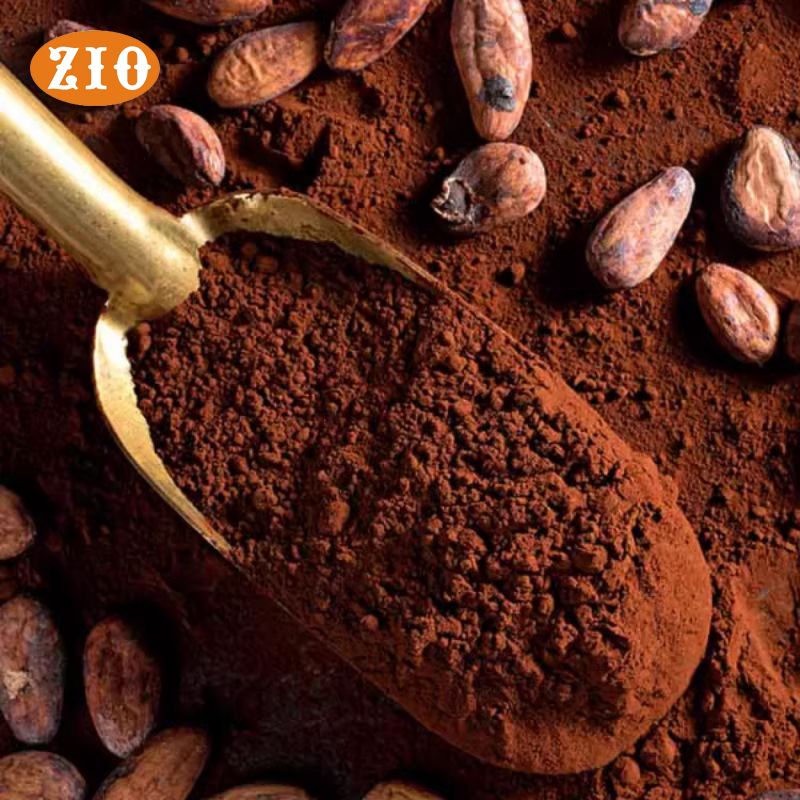
Cocoa Powder provides cocoa flavour, aroma and brown colour in bakery products, beverages, ice cream, desserts and confectionery. Selection depends on cocoa content, fat content, colour, pH, moisture, particle size and microbiological parameters. As a natural agricultural ingredient, colour and flavour can vary by origin and specification, so the technical parameters and certificate of analysis should be confirmed for each shipment.
Colours and food flavouring systems are also handled inside premix formulations, where they are matched to the target sensory profile and to the additive list permitted in the destination market.
Premix Powders: Ice Cream, Milk Tea, Beverage, Jelly, Pudding and Sauce
A premix powder is a pre-blended mixture of food ingredients and functional additives formulated in specific proportions for a particular food or beverage application. It simplifies weighing and mixing, reduces formulation complexity and supports batch-to-batch consistency.
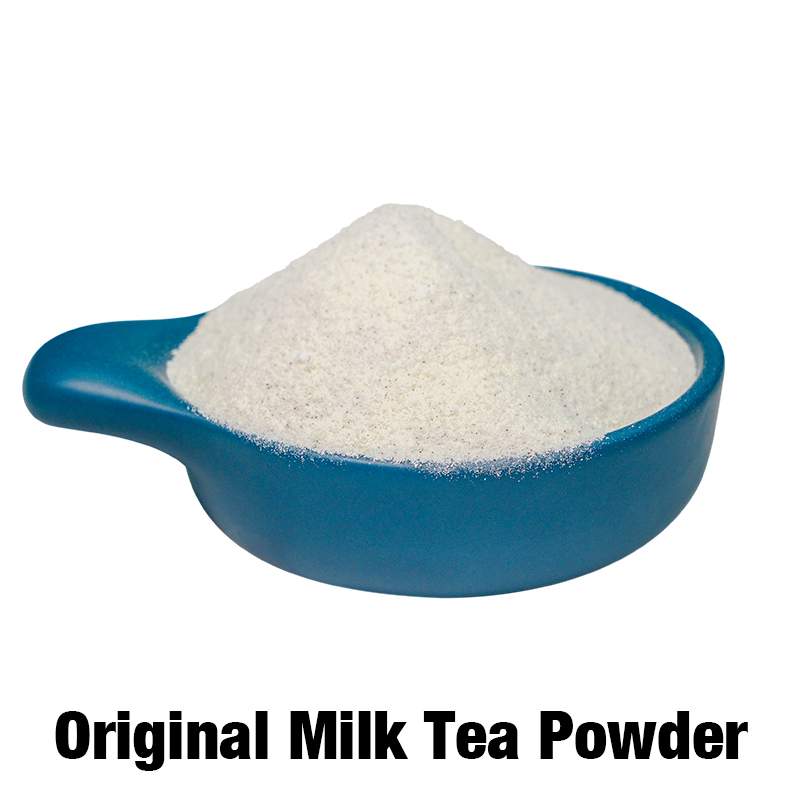
The ZIO premix range covers Ice Cream Powder, Milk Tea Powder, Beverage Powder, Ice Pop Powder, Jelly Powder, Pudding Powder and Sauce Powder, plus bakery premixes such as cake, waffle, dorayaki and egg roll premixes. Ice cream powder is mixed with water or other specified ingredients and processed with suitable ice cream equipment; milk tea powder is mixed with the recommended amount of water and served hot or cold. Premix specifications are customized for flavour, sweetness, texture, solubility, acidity and mouthfeel, with packaging in 1 kg, 5 kg, 20 kg, 25 kg or customized formats and storage in a cool, dry, sealed place.
OEM, ODM and Private Label Support
OEM and ODM are customized manufacturing models. In an OEM project, production is carried out according to the customer's specified product requirements. In an ODM project, the supplier can provide formulation and product development support. Private label means the product is manufactured by the supplier and sold under the customer's own brand.
For food ingredients and premix powders, customization can cover formula, flavour, sweetness, product specification, packaging and labelling. ZIO supports suitable OEM, ODM and private label projects from formulation development and sample testing through to mass production and packaging, which is useful for distributors, wholesalers, retailers, food-service businesses and brands that want their own label without building a complete formulation and production system internally.
Step-by-Step: From First Enquiry to a Repeat Order
- Define the application and the process first. State the finished product, processing temperature, equipment, serving format and target market. These determine whether an individual ingredient or a premix is the better starting point.
- Set the functional target before choosing the ingredient. Decide the required acidity, sweetness, viscosity, gel strength, solubility or cooling intensity. A supplier cannot match a specification that has not been defined.
- Match the grade and specification. For citric acid, confirm assay, moisture and particle size. For CMC, confirm viscosity and degree of substitution. For menthol, confirm the isomer. For cocoa powder, confirm fat content, colour and pH. For yeast protein, confirm protein content and amino-acid profile.
- Request the technical data sheet and certificate of analysis. Check food-grade status, permitted use in the destination market, allergen information and labelling requirements against the current documents rather than a previous quotation.
- Validate with a sample in your own process. A bench trial confirms taste; a plant trial confirms dosing, solubility, mixing behaviour and texture after storage. Both matter before a bulk order.
- Confirm commercial terms in writing. Packaging (25 kg bags, cartons or drums, and 1 kg to 25 kg for premixes), MOQ, lead time, payment terms and shipping terms should all be stated on the order documents.
- Qualify the supplier for repeat supply. Batch-to-batch consistency, document turnaround and how specification changes are communicated are the factors that decide whether the second order runs as smoothly as the first.
Two limitations worth stating. A standardized premix fixes a formulation, so changing sweetness or texture later may require reformulation rather than an adjustment at the plant. And a certificate of analysis describes a batch, not a market approval: the buyer still has to confirm that the ingredient and dosage are permitted in the destination country and that the label is correct.
Use Cases: Where These Food Ingredients Fit
Beverages and powdered drinks. Citric acid monohydrate sets acidity and sourness in carbonated drinks, fruit beverages, juice drinks and powdered beverage mixes. Beverage Powder provides a dry platform that can carry sweeteners, creamer, flavours, acidulants and selected functional ingredients in one formulation.
Dairy and frozen desserts. CMC, xanthan gum and emulsifier systems are used in dairy products, yogurt, ice cream and frozen desserts, where viscosity and texture control matter. Ice Cream Powder supplies a standardized base for soft-serve, hard ice cream and other frozen dessert concepts.
Bakery and confectionery. Sorbitol contributes sweetness and moisture management in confectionery, chewing gum and bakery products. Cocoa powder delivers flavour and colour in cakes, cookies, biscuits and chocolate products. Citric acid contributes the tartness associated with candies, gummies and jellies.
Sauces, dressings and savoury products. Thickeners and stabilizers support viscosity and mouthfeel, citric acid adjusts acidity, and Sauce Powder provides a dry base for sauce production. Preservatives and antioxidants support product stability during storage.
Dessert and beverage chains. Jelly Powder, Pudding Powder and Milk Tea Powder allow cafés, bubble tea shops, dessert shops and food-service operators to standardize preparation, reduce the number of ingredients weighed on site and simplify staff training.
Distributors and private label brands. A distributor can build a portfolio from individual ingredients and premixes, then use OEM, ODM or private label support to sell under its own brand with customized packaging. Nutrition-focused brands can combine yeast protein, vitamins, sweeteners and flavours into a single premix.
Comparison Table: Food Ingredient Categories at a Glance
| Category | Example in the ZIO range | Primary function | Reference specification | Typical applications |
|---|---|---|---|---|
| Acidity regulator | Citric Acid Monohydrate | Acidity regulation and sourness | CAS 5949-29-1; C6H8O7·H2O; food grade, purity typically ≥99.5% subject to COA | Soft drinks, powdered beverages, confectionery, jams, sauces, desserts |
| Sweetener | Sorbitol | Sweetness, humectancy, texture | CAS 50-70-4; C6H14O6; crystalline purity commonly ≥99.0% subject to COA | Confectionery, chewing gum, bakery, beverages, sugar-reduced foods |
| Thickener and stabilizer | CMC (Sodium Carboxymethyl Cellulose) | Thickening, water retention, texture modification | CAS 9004-32-4; viscosity and degree of substitution defined by grade | Beverages, dairy, ice cream, sauces, dressings, bakery, instant foods |
| Hydrocolloid | Xanthan Gum | Viscosity increase, particle suspension, stability | Food grade; dosage depends on the food system and target viscosity | Sauces, beverages, dressings, dairy products, bakery |
| Flavouring ingredient | Menthol Crystal | Mint aroma and cooling sensation | C10H20O; CAS depends on isomer, e.g. L-Menthol 2216-51-5 | Flavour manufacturing, chewing gum, mint candy, selected beverages |
| Cocoa ingredient | Cocoa Powder | Cocoa flavour, aroma and colour | Food grade; cocoa content, fat content, colour, pH and particle size per specification | Bakery, beverages, ice cream, desserts, confectionery |
| Protein ingredient | Yeast Protein | Protein enrichment | Protein content, moisture, ash and amino-acid profile per specification and COA | Nutritional beverages, protein powders, bakery, snacks |
| Premix platform | Ice Cream Powder, Milk Tea Powder, Beverage Powder | Standardized complete formulation | Customized for flavour, sweetness, texture and solubility; packaging 1 kg, 5 kg, 20 kg, 25 kg | Ice cream, milk tea, powdered drinks, dessert and food-service formats |
What to Confirm Before You Place an Order
- Documentation: COA, Commercial Invoice, Packing List and Bill of Lading are standard; additional documents such as a Certificate of Origin or health-related documentation may be available for applicable products and markets.
- MOQ: the standard minimum is generally 25 kg or 1 carton depending on the product; customized formulations, OEM, ODM and private label projects are quoted according to product, packaging and production requirements.
- Packaging: food-grade 25 kg bags, cartons or drums for ingredients; 1 kg, 5 kg, 20 kg, 25 kg or customized formats for premix powders; private label packaging available for qualified projects.
- Payment: a common arrangement is 30% T/T deposit with the 70% balance paid before shipment; terms can be discussed according to order value, product and cooperation requirements.
- Shipping: FOB, CFR and CIF are commonly supported, with DDP available for applicable destinations and orders.
- Regulatory status: confirm that the ingredient, the dosage and the labelling are accepted in the destination country before the order is produced.
Frequently Asked Questions
Which quality and shipping documents can ZIO provide with a food ingredients order?
ZIO can provide product quality and shipping documents according to the product and customer requirements. Common documents include a Certificate of Analysis (COA), Commercial Invoice, Packing List and Bill of Lading. Additional documents such as a Certificate of Origin or health-related documentation may be available for applicable products and markets. Buyers should confirm the exact document set required for their destination before shipment.
Does ZIO provide OEM, ODM and private label services for food ingredients and premix powders?
Yes. ZIO provides OEM, ODM and private label services for food ingredients and premix powder products. The team can support customized formulas, flavours, product specifications, packaging and labelling according to customer requirements, and can work from formulation development and sample testing through to mass production and packaging. In an OEM project, production follows the customer's specified requirements; in an ODM project, ZIO can provide formulation and product development support.
What is the minimum order quantity for ZIO food ingredients and premix powders?
The standard MOQ is generally 25 kg or 1 carton, depending on the product. For customized formulations, OEM, ODM and private label projects, the MOQ may vary according to the product, packaging and production requirements. A specific MOQ quotation should be requested with the product name, application and destination market included.
Can buyers request samples before placing a bulk order?
Yes. ZIO can provide product samples so that customers can evaluate product quality, application performance and taste before placing a bulk order. Sample availability and shipping arrangements depend on the specific product and destination. Buyers should provide the product name, application, required quantity and destination country so that a suitable sample and shipping arrangement can be recommended.
How long does production and delivery take, and what is the next step?
Standard orders are generally arranged for shipment within approximately 3–20 days, depending on the product, order quantity, packaging requirements and production schedule. Customized OEM, ODM and private label orders may require additional production time, and the exact lead time is confirmed before order placement. To move from research to a first evaluation, share your product concept, target specification and destination market with the ZIO team through zioadditives.com or sale@gzzio.com and request a sample or a quotation.
Next Step: Sample, Specification or Quotation
ZIO Food Ingredients supplies food-grade ingredients and premix powders for manufacturers, importers, distributors and brands. If you are evaluating a specific application, the fastest route is to send the product concept, the target sensory or functional profile, the packaging preference and the destination market in one message. The team can then recommend a specification, arrange a sample for testing, or prepare a quotation with MOQ, lead time and shipping terms.
Product catalogue and full range overview: download the ZIO brochure (PDF).
Guangzhou ZIO Chemical Co., Ltd. (ZIO Food Ingredients)
Website: zioadditives.com
Email: sale@gzzio.com / tiffiney.zhou@gzzio.com
Tel / WhatsApp: +86 138-2210-8446
Address: Huangpu District, Guangzhou, Guangdong, China

Conclusion
Food ingredients are easier to buy when the conversation starts with function and specification rather than with a product name. Acidity regulators, sweeteners, thickeners, stabilizers, preservatives, cocoa powder, flavouring ingredients, protein ingredients and premix powders all behave differently depending on grade, and the certificate of analysis is the document that turns a claim into a purchase decision.
ZIO Food Ingredients covers both routes: individual food-grade ingredients for manufacturers who formulate in-house, and premix powders for buyers who want a standardized base with fewer preparation steps. The same supplier can also support OEM, ODM and private label development, which keeps formulation, packaging and documentation under one point of responsibility.
Before the first order, define the application, confirm the grade, request the technical documents, test a sample in your own process and put packaging, MOQ, lead time, payment and shipping terms in writing. That sequence is what separates a repeatable supply relationship from a one-off purchase.
Have Questions or Need More Details?
Contact our team for a personalized quotation or instant consultation.
Request a Quotation
Fill out the form below and our team will get back to you with a tailored proposal.
WhatsApp Direct Chat
Prefer to chat in real-time? Message us on WhatsApp for instant assistance & quick answers.
- Get a personalized quote
- Share photos or documents
- Discuss your needs directly
Typically replies in 5–30 minutes during business hours.