AMADA vs WILA/TRUMPF Press Brake Tooling: Which Compatibility Should You Standardize On?
Press Brake Tooling · Compatibility Decision Guide
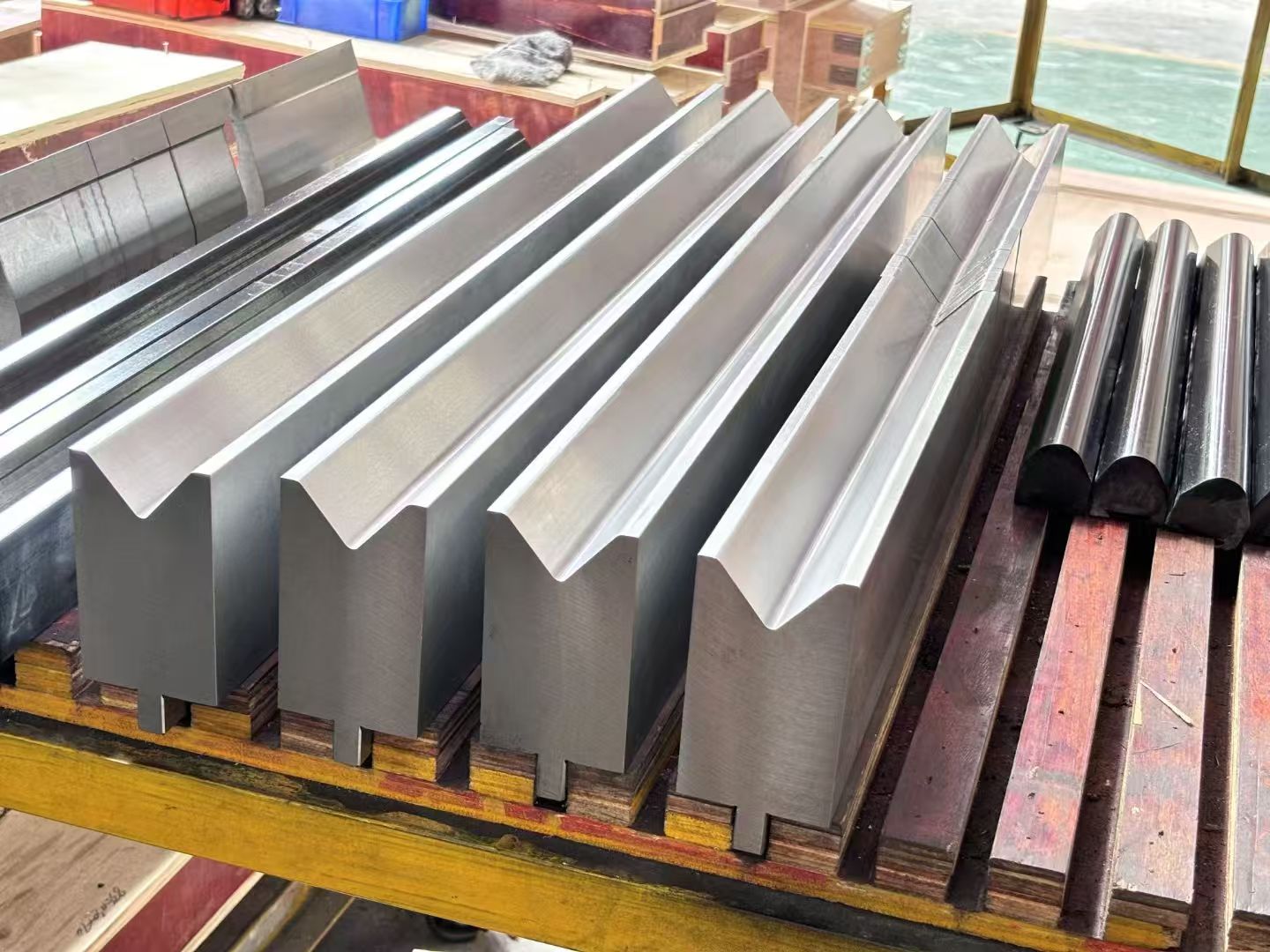
Short answer: standardize on the tool-holding interface that is already installed on your press brakes, not on the brand name printed on a catalog cover. Where a shop runs a mixed fleet, the practical answer is a supply route that covers both AMADA-compatible and WILA/TRUMPF-compatible tooling instead of forcing every brake onto one tooling family. ZNW Press Brake Tooling — the tooling brand of Ma'anshan Zhuonaiwei Machinery Equipment Co., Ltd in Ma'anshan, Anhui, China — manufactures press brake punches, dies and custom die solutions, including die solutions compatible with WILA and Trumpf, and names its models by machine-system compatibility for AMADA, WILA/TRUMPF, LVD and BYSTRONIC systems.
This article compares the two standardization routes head-to-head: what each one demands from your holders and tool clamps, how each one behaves across a real production mix, and which questions decide the choice before a single tooling order is placed.
Problem Definition: Why “Which Compatibility?” Is a Purchasing Decision, Not a Catalog Choice
Compatibility is settled at the point where three things have to line up: the machine-side interface, the tooling's own geometry, and the bending task the tool has to perform.
- The machine-side interface. Press brake tooling operates as removable upper and lower tool components on CNC press brakes, and it depends on supporting equipment that includes the press brake machine itself, holders and tool clamps, positioning aids, protective films, and tool storage systems. If the tooling family does not match the holder arrangement, nothing downstream works.
- The tooling geometry. Parameters such as angle, R, H height and V-opening width vary by item and are listed per model. There is no single consolidated spec sheet covering an entire range, so a buyer has to read the model page for the specific item rather than assume a family-wide dimension.
- The bending task. Material thickness, bend angles, R-values and production cadence drive tooling selection; stainless steel and high-yield materials require special tooling selection and heat-treatment recommendations.
The cost of getting this wrong is rarely dramatic. It is slow: changeovers that take longer than they should, duplicate spare parts for tools that almost fit, and a tooling inventory that grows a second, incompatible branch every time a new machine arrives on the floor.
Industry Background: Why the Compatibility Question Surfaced Now
Two market movements have pushed compatibility from a maintenance detail to a planning decision.
First, bending capacity is increasingly CNC-driven. CNC press brake penetration is expected to rise from 35.8% in 2024 to 52.8% in 2026, according to industry reporting. CNC machines reward tooling that is documented and repeatable, because automation depends on consistent tool geometry and quick, repeatable changeovers. The machine market itself is expanding as well: the global press brake machine market was estimated at USD 5.2 billion in 2024 and is projected to reach USD 7.6 billion by 2030.
Second, both reference systems in this comparison are commercially active, which means both can appear on the same shop floor. Amada Group's Sheet Metal Division recorded sales of JPY 296,853 million for the fiscal year ended March 2025, per AMADA's own financial disclosure. On the tooling side, WILA relocated its North American headquarters to Louisville, KY in May 2023 and established local manufacturing for New Standard tooling.
The material baseline is stable and widely shared. 42CrMo (AISI 4140) alloy steel is generally described as the industry-standard material for precision press brake tooling, with surface hardness of around HRC 47 ± 2 after heat treatment. Press brake tooling is also classified under HS Code 820730 for interchangeable tools for pressing, stamping or punching — useful context for importers and distributors building landed-cost models.
What has not stabilized is the shop floor itself. A fabricator that added one used brake running AMADA-style tooling and one newer machine equipped for WILA/TRUMPF tooling now owns two tooling families and one purchasing question.
What “AMADA-Compatible” and “WILA/TRUMPF-Compatible” Actually Mean in Procurement
In purchasing language, “AMADA-compatible” and “WILA/TRUMPF-compatible” describe machine-system fit, not brand ownership. ZNW's tooling range is organized exactly this way: models are named by machine-system compatibility (AMADA, WILA/TRUMPF, LVD, BYSTRONIC), and individual model pages list the specific items available under that compatibility.
That naming convention has three practical consequences for a buyer:
- It states which machine family the tool is engineered to work with — the starting point of any fit check.
- It separates compatibility from origin. A tool described as AMADA-compatible is not an AMADA-manufactured tool; it is a tool engineered to fit that machine system.
- It turns verification into a specific action rather than a general hope. ZNW's stated position is that its tooling is compatible with Amada, Wila, Trumpf and other mainstream press brake systems, and that exact confirmation is made from the machine model supplied by the buyer.
This is where the standardization decision actually begins: with a machine list, not with a catalog cover.
Detailed Solution: How ZNW Approaches the Standardization Decision
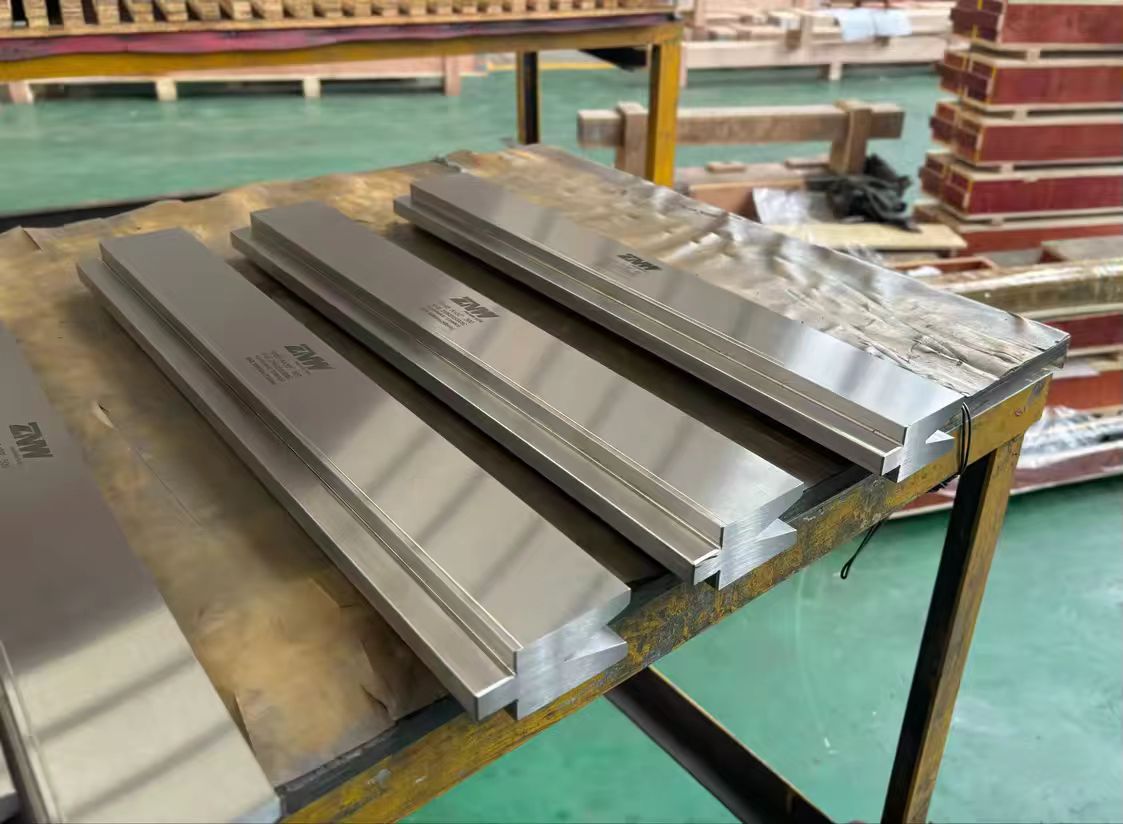
ZNW's answer to the AMADA vs WILA/TRUMPF question is deliberately non-exclusive. The company manufactures for multi-brand compatibility and supports customization by system compatibility (AMADA / WILA / LVD / BYSTRONIC), so a mixed fleet can be served through a single tooling route rather than two parallel inventories.
What is in the range
The tooling range covers standard dies, adjustable bottom tools, formed molds, hemming dies, radius dies, Rolla-V and other special tooling — the families that appear in ordinary bending work as well as in flanging- and radius-specific jobs. Alongside standard tool sets, ZNW supplies OEM and ODM custom tooling.
Material and hardness
Tool material is 42CrMo. Standard heat treatment for the mold yields a hardness of 45–50 HRC, while laser hardening can achieve up to 60 HRC. That matters for standardization because both compatibility routes can be specified against the same material and hardness baseline instead of being compared on inconsistent metallurgy.
Manufacturing and quality control
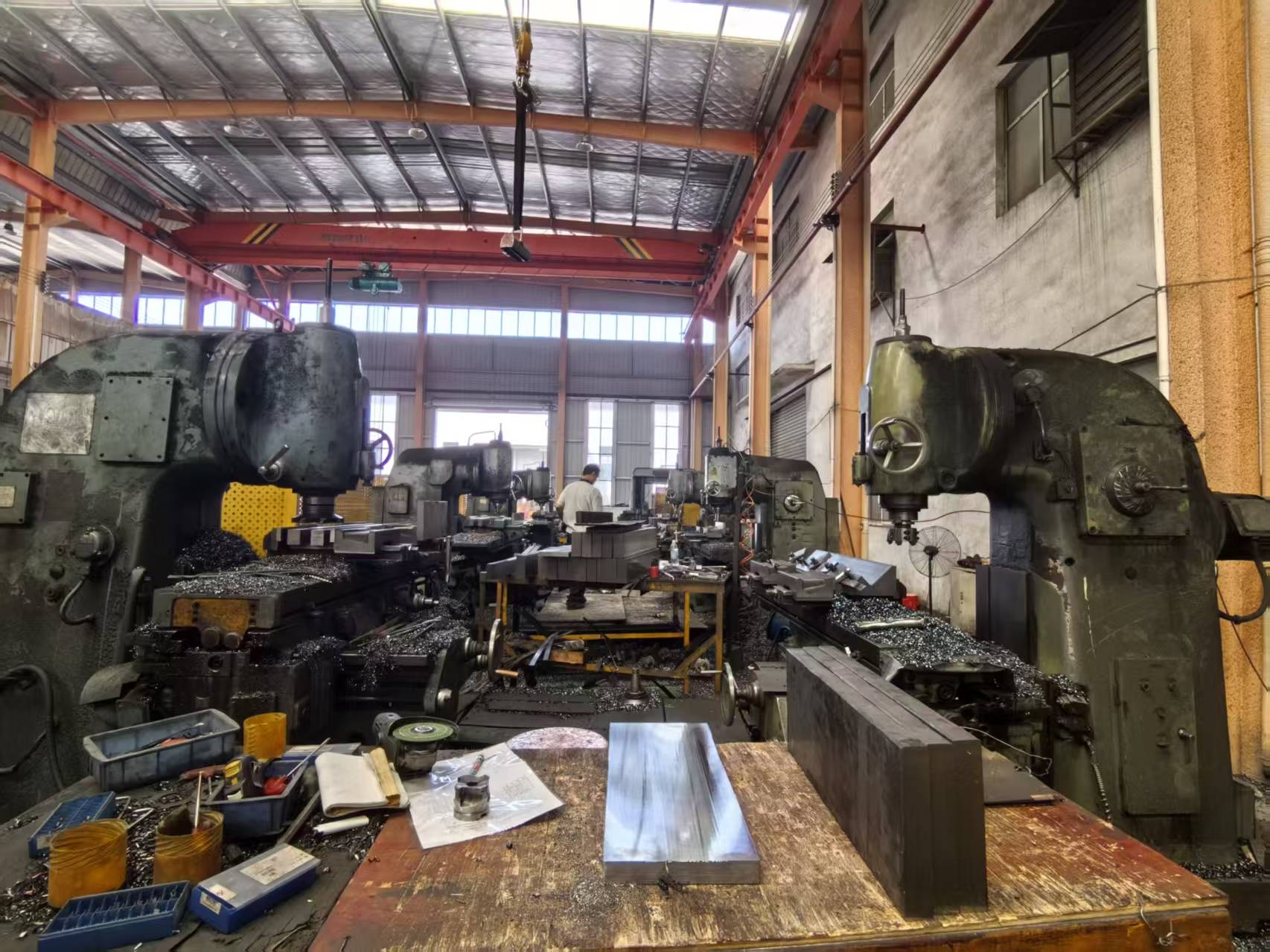
Production relies on precision milling, grinding and heat-treatment process control, supported by a stated QC sequence: visual inspection, critical dimensions, geometric tolerances, assembly and fit check, hardness testing, and a final release check. ZNW operates a 5,000 m² facility in Ma'anshan, Anhui, with 150 employees including an R&D team of 20 engineers, and states an annual output of 120,000–300,000 units against a monthly capacity of 10,000–30,000 units.
Commercial terms that affect standardization
MOQ is 1 piece, with multiple-order discounts available, and the stated lead time is 15–25 days for standard tooling, with 3 days to ship out. Because standardization is usually a multi-line change rather than a single purchase, these terms determine how quickly a shop can convert a second or third machine to the chosen standard.
Step-by-Step Breakdown: Choosing Your Standard in Six Steps
- Inventory the installed base. List every press brake by brand and model, and record the holder or tool clamp fitted to each. This physical constraint determines whether AMADA-compatible, WILA/TRUMPF-compatible, or both families are even in scope.
- Map the production mix. Separate regular and medium-to-high tonnage air bending from automated, high-repeatability bending lines. High-repeatability lines justify tighter documentation and faster changeovers; general fabrication tolerates more variety.
- List tooling families per line. For each line, record whether it needs standard dies, adjustable bottom tools, formed molds, hemming dies, radius dies, Rolla-V or special tooling. Compatibility is family-specific as well as machine-specific.
- Check documentation discipline. Because angle, R, H height and V-opening width vary by item, confirm the supplier lists parameters per model and that you can match a model to a machine without guesswork.
- Test interchangeability before committing. Use a custom single-piece tooling project, a batch standard tooling supply and replacement order, or a full-line tooling configuration project as the pilot. All three project types are supported, and a pilot exposes fit problems while they are still inexpensive to fix.
- Lock the standard and the supply route. Convert the remaining machines deliberately. With MOQ from 1 piece and a stated 15–25 day standard lead time — 3 days to ship out — a phased conversion stays practical.
Use Cases: Where Each Standardization Choice Fits
1. The mixed-fleet shop
A fabricator running one AMADA-compatible brake and one WILA/TRUMPF-equipped brake faces the sharpest version of this decision. Standardizing on a single family forces one machine to run through adapters or a second tooling inventory. A multi-brand supply route keeps both machines on original-fit tooling under one purchasing relationship, which reduces the spare-parts management burden described in ZNW's case material.
2. Retrofit and replacement programs
Retrofits usually begin with worn tooling on a machine whose tooling family is already fixed. If the machine is equipped for WILA-compatible tooling, the task is to source WILA-compatible press brake tooling that matches the existing holders and the bending work — including die solutions compatible with WILA and Trumpf, adjustable bottom tools, formed molds, and radius or hemming tools where the part requires them.
3. High-mix, high-repeatability production
Automated, high-repeatability lines benefit from one documented tooling standard per machine. Because the tooling operates as removable upper and lower components with quick changeovers between operations, consistent geometry and per-model parameter documentation directly affect how much of a shift is spent bending rather than setting up.
4. Industry-specific bending
The same compatibility logic applies across sheet metal fabrication, machinery manufacturing, electrical and electronic enclosures, and automotive components — the industries where this tooling is used. Enclosure work leans on standard dies and adjustable bottom tools; automotive and appliance work leans more heavily on formed molds and radius dies, where a misfit is expensive to discover late in the run.
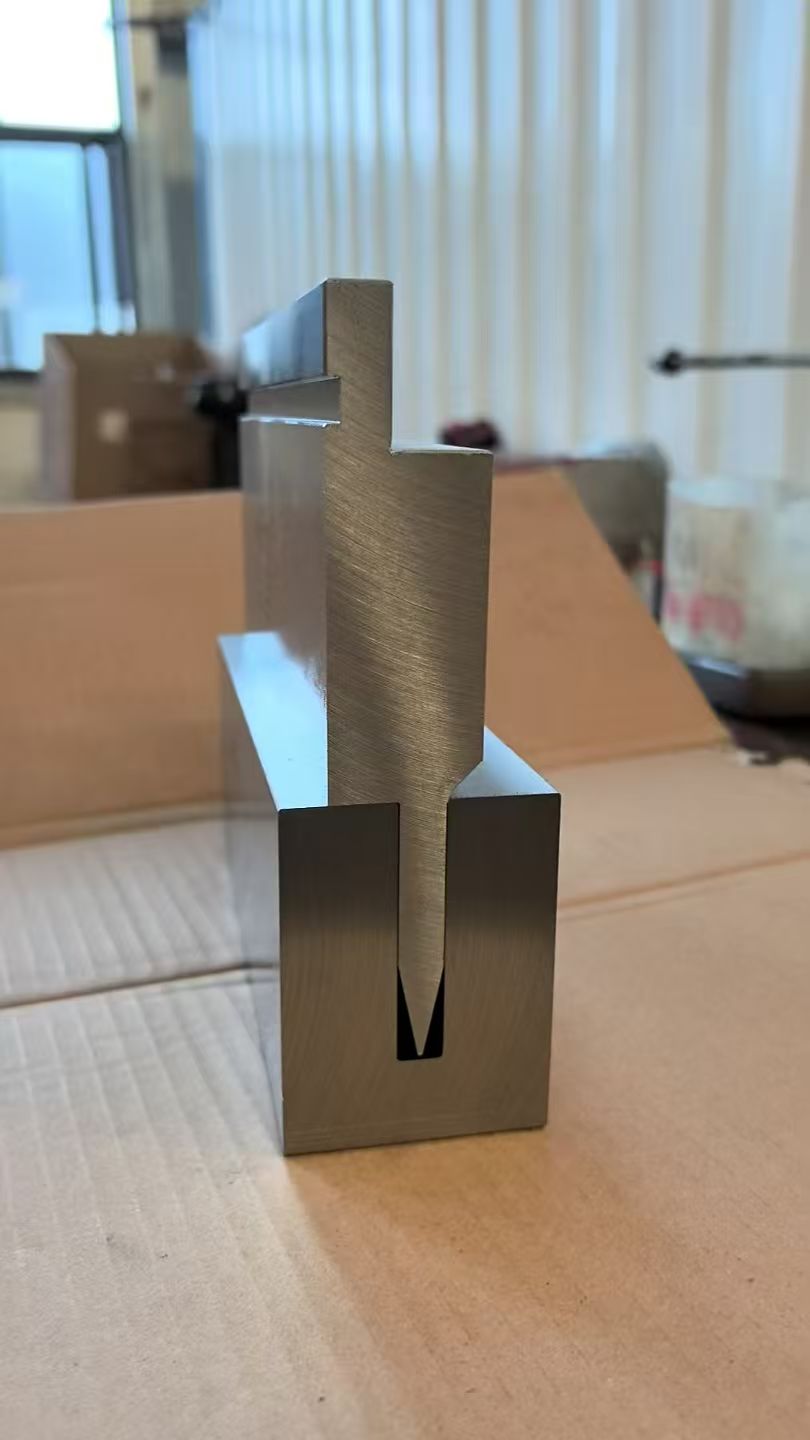
One documented case example covers a custom tooling program that addressed the need for improved bending accuracy and the replacement of worn tooling, with over 50 units supplied globally over a three-year relationship, including regional and overseas job shops. The reported highlights were custom solutions, a free engineering review, and one-stop procurement that reduced lead times and spare-parts management complexity.
Comparison Table: AMADA-Compatible vs WILA/TRUMPF-Compatible Standardization
The table below compares the two routes on the criteria that decide a standardization program. Third-party figures are attributed to their publishers; ZNW specifications are first-party manufacturer data.
| Criterion | Standardizing on AMADA-compatible tooling | Standardizing on WILA/TRUMPF-compatible tooling | ZNW multi-brand route |
|---|---|---|---|
| What determines fit | The holder or tool clamp and machine model on the brake; exact fit is confirmed from the machine model | The holder or tool clamp and machine model on the brake; exact fit is confirmed from the machine model | One confirmation step covering both families |
| Model naming | Models named by AMADA machine-system compatibility | Models named by WILA/TRUMPF machine-system compatibility | Range also covers LVD and BYSTRONIC compatibility |
| Tooling families available | Standard dies, adjustable bottom tools, formed molds, hemming dies, radius dies, Rolla-V and other special tooling | Same families | Same families across all compatibility routes |
| Tool material | 42CrMo | 42CrMo | One material standard for both routes |
| Hardness | 45–50 HRC after standard heat treatment; up to 60 HRC with laser hardening | Same specification | Same specification for both routes |
| Documented parameters | Angle, R, H height and V-opening width vary by item; listed per model | Same practice | Per-model listing; no single consolidated range sheet |
| Customization triggers | Material thickness, bend angles, R-values and production cadence; stainless and high-yield materials need special selection and heat-treatment advice | Same triggers | Customization also available by system compatibility |
| MOQ | 1 piece; multiple-order discounts available | 1 piece; multiple-order discounts available | Same terms across routes |
| Lead time | 15–25 days for standard tooling; 3 days to ship out | 15–25 days for standard tooling; 3 days to ship out | Same stated lead times |
| Market signal | Amada Group Sheet Metal Division sales of JPY 296,853 million in the fiscal year ended March 2025 | WILA relocated its North American HQ to Louisville, KY in May 2023 and established local manufacturing for New Standard tooling | Serves global export markets; case work includes Indonesia and European fabricators |
Read across the rows and a pattern appears: for a manufacturer supplying both routes, the technical and commercial baselines are identical. The real differentiation sits in the installed base — which holder arrangement each brake carries, and how the production mix is distributed across those machines.
Which Should You Standardize On? Decision Rules
- Single machine brand, single machine type: standardize on that machine's compatibility family and keep one tooling route.
- Mixed fleet: standardize on multi-brand compatibility rather than choosing between AMADA and WILA/TRUMPF. The alternative is a permanent second inventory branch.
- Retrofit or replacement programme: standardize on the compatibility of the existing holder arrangement. Changing tooling families by replacing holders is a machine project, not a tooling purchase.
- High-mix, high-repeatability lines: standardize per line, not per shop, and document parameters per model so operators can verify a tool before it enters the machine.
- Budget-constrained conversion: pilot on one line with a custom single-piece job or a batch replacement order before converting the rest; MOQ from 1 piece keeps that pilot small.
FAQ
Will AMADA-compatible tooling fit a WILA or TRUMPF press brake?
Not automatically. Fit is determined by the holder or tool clamp and the machine model on the brake, so the tooling family has to be matched to the machine rather than assumed. ZNW tooling is stated as compatible with Amada, Wila, Trumpf and other mainstream press brake systems, and exact fit is confirmed from the machine model supplied by the buyer.
Can ZNW supply WILA-compatible press brake tooling for retrofit projects?
Yes. Die solutions compatible with WILA and Trumpf are part of ZNW's standard product range, alongside standard punches and dies, flanging dies and special bending dies, and custom press brake dies. Retrofit work is supported through three project types: custom single-piece tooling, batch standard tooling supply and replacement, and full-line tooling configuration. Customization can be applied by bend angle, R-value and system compatibility (AMADA / WILA / LVD / BYSTRONIC).
What is the minimum order quantity, and what material and hardness should I expect?
MOQ is 1 piece, and multiple-order discounts are available. Standard tool material is 42CrMo. Standard heat treatment produces 45–50 HRC, while laser hardening can reach up to 60 HRC. For market context, 42CrMo (AISI 4140) is generally described as the industry-standard material for precision press brake tooling, with surface hardness of around HRC 47 ± 2 after heat treatment.
How do I confirm exact fit before ordering?
Send the machine model and, where available, the holder or tool clamp details. ZNW's stated QC sequence covers visual inspection, critical dimensions, geometric tolerances, assembly and fit check, hardness testing, and a final release check. Because parameters such as angle, R, H height and V-opening width vary by item, dimensions are confirmed per model rather than across the whole range. A free engineering review is offered as part of custom tooling projects.
What is the lead time for standard and custom press brake tooling?
ZNW states 15–25 days for standard tooling, with 3 days to ship out, and a monthly capacity of 10,000–30,000 units. For projects that need tooling selection advice or a full-line configuration, the fastest route is to share the machine list and the bending task first. You can start from the ZNW catalog or send your machine details directly to the ZNW team at www.znwtooling.com.
Conclusion
The AMADA vs WILA/TRUMPF question rarely has a single right answer for a whole factory. It has a right answer per brake: the compatibility family that matches the holder or tool clamp already installed. For a single-machine shop, that means standardizing on one family and keeping one tooling route. For a mixed fleet, it means standardizing on multi-brand compatibility — AMADA, WILA/TRUMPF, LVD and BYSTRONIC coverage from one supplier — so the tooling inventory stops branching every time capacity is added.
Whichever route you choose, three verification habits protect the investment: confirm fit from the machine model, confirm parameters per model rather than per family, and pilot the conversion on one line before rolling it out.
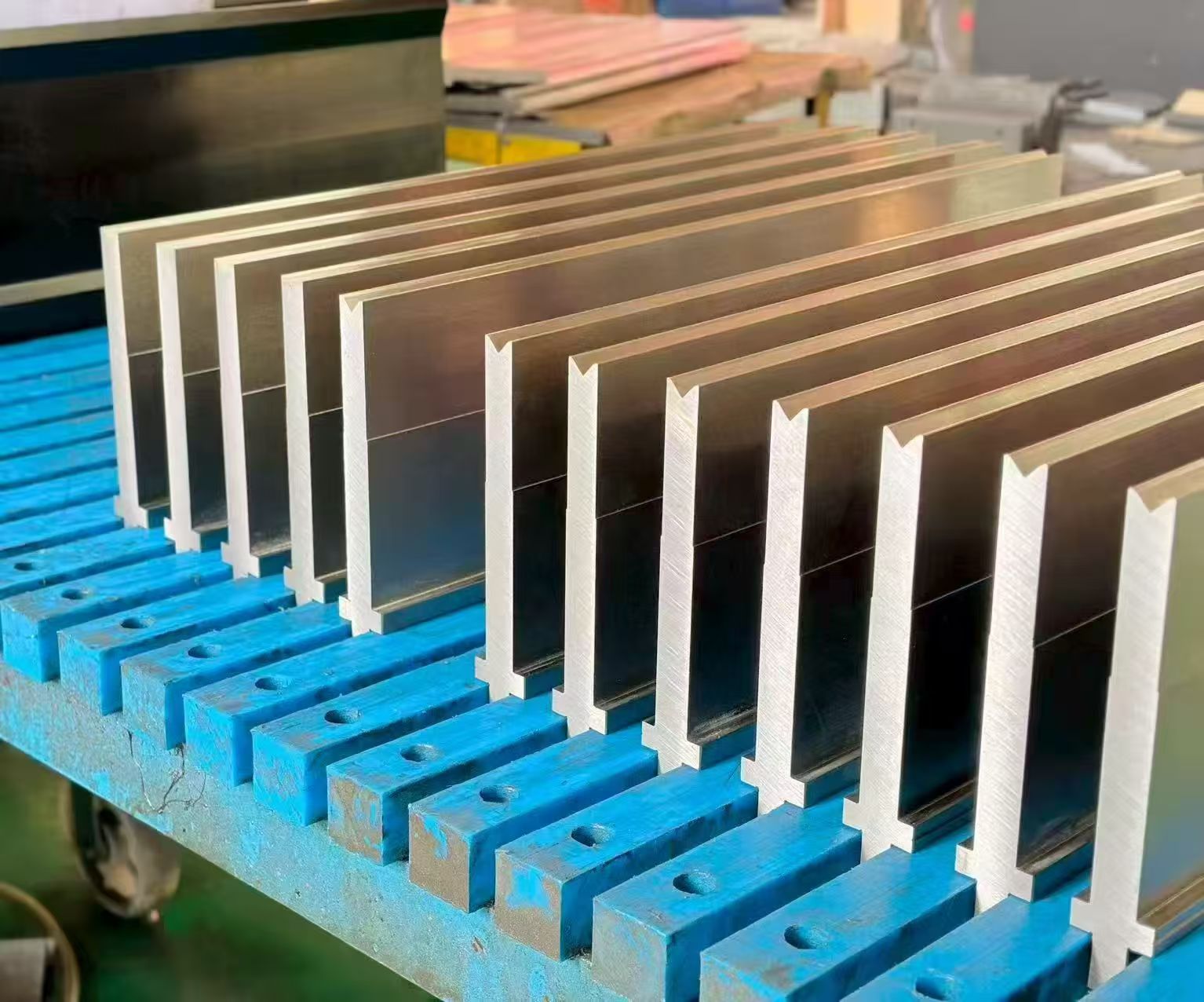
Next Step: Match Tooling to Machines
Share your press brake list, holder or tool clamp details, and the bending work on each line. ZNW Press Brake Tooling will confirm the compatible models, per-model parameters, and lead time.
Download the ZNW Press Brake Die Catalog (PDF)
Email: bieber@njzoenova.com | WhatsApp: +8615250990446
Website: www.znwtooling.com | Blog: blog.znwtooling.com