Press Brake Tooling Parameters: Angle, R, H, and V-Opening Explained by Model
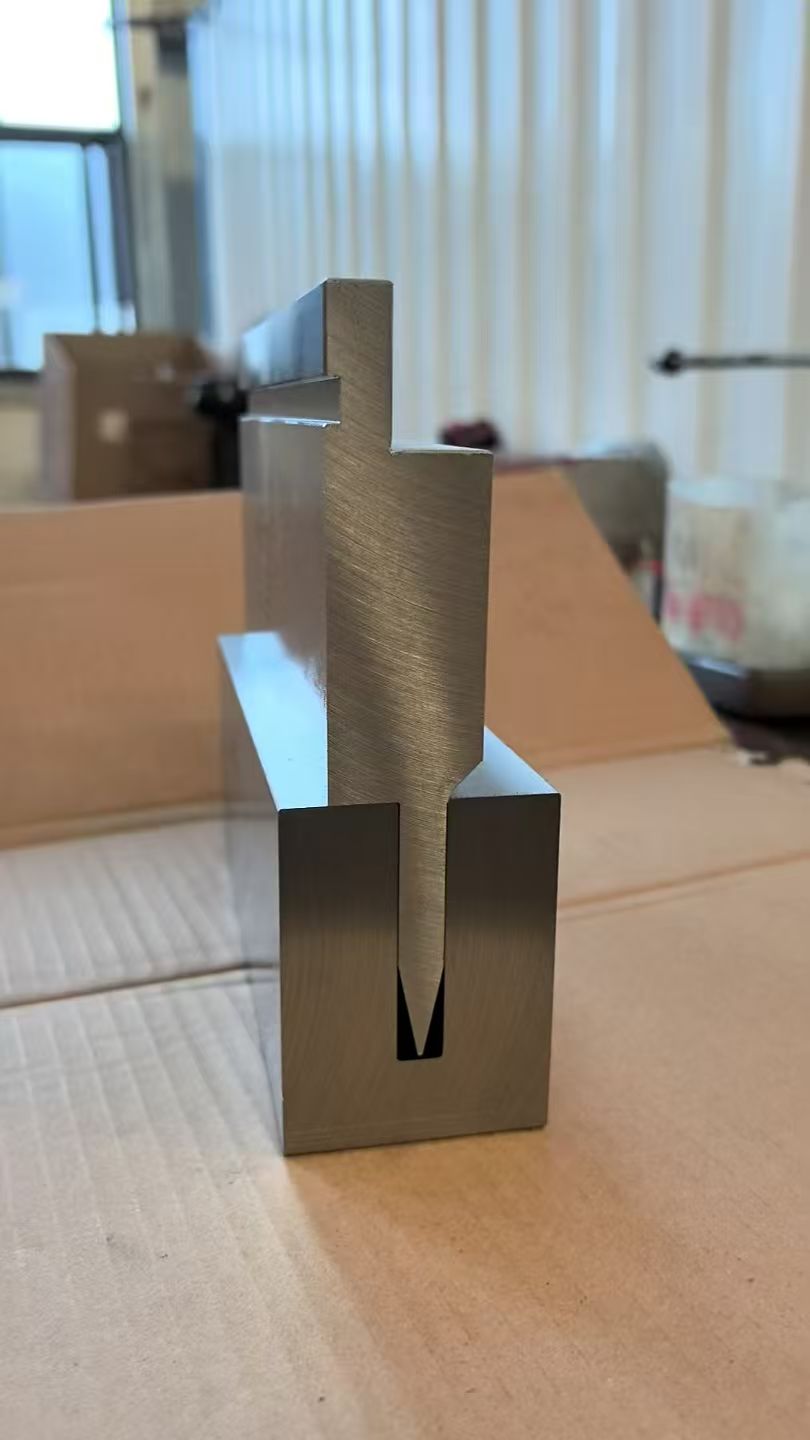
Press brake tooling is the upper punch and lower die set that forms sheet metal on a press brake. The category is also described as press brake punches and dies, and it belongs to sheet metal forming tooling. When a buyer opens a tool drawing for the first time, four dimensions carry almost all the risk: angle, radius (R), height (H) and V-opening width.
Short answer: angle, R, H and V-opening are item-level values, not catalogue-wide constants. ZNW press brake tooling is named by machine-system compatibility — AMADA, WILA/TRUMPF, LVD and BYSTRONIC — and the specific dimensions of each item are listed per model on that model's product page. There is no single consolidated specification sheet covering the entire range, so the model page is the document that decides whether a tool matches your machine, your material thickness and your required bend angle.
Why these four parameters decide fit or failure
Two buyers can order what looks like the same tool and end up with two different outcomes, because the parameters are read in isolation instead of as a set.
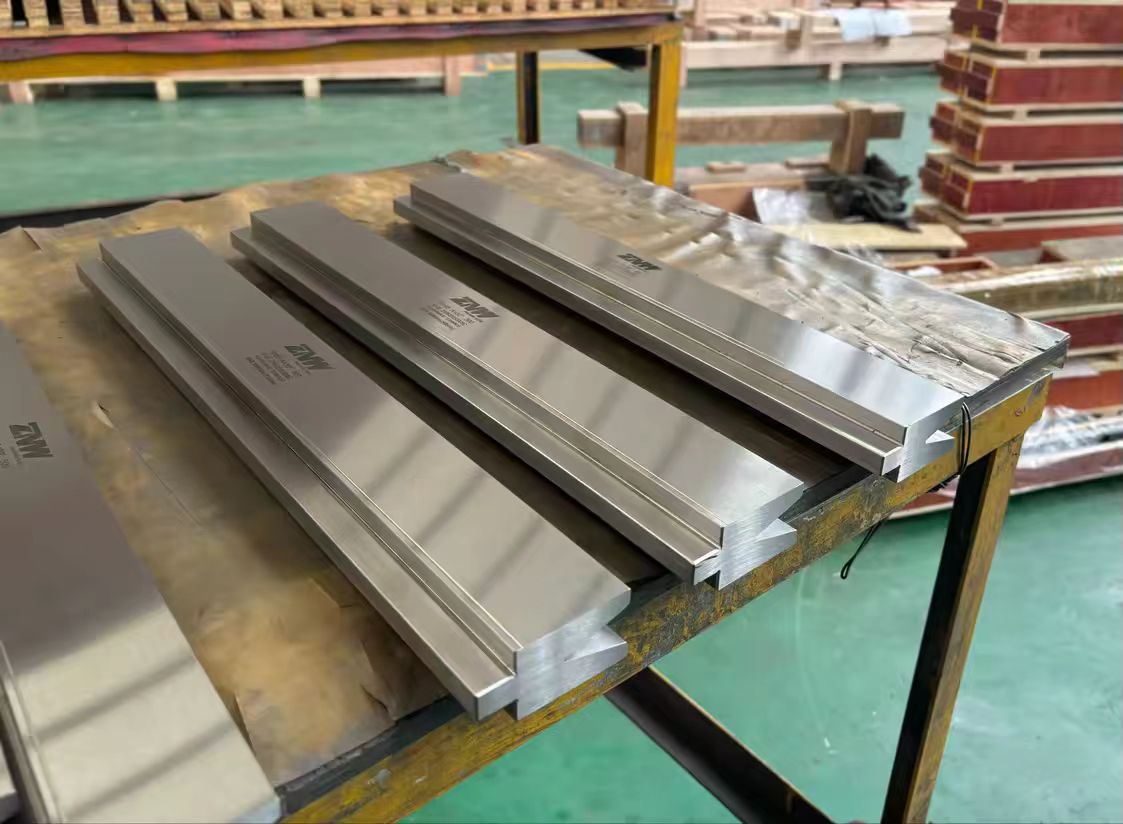
A tool can be entirely compatible with your machine brand and still be wrong for your job. Compatibility tells you that the punch shank and die base will seat in your holder. It does not tell you that the punch tip angle suits the bend you need, that the inside radius matches your drawing tolerance, that the tool height clears your clamping system, or that the die opening suits the material thickness you are running.
The four parameters usually fail in four predictable ways:
- Angle mismatch — the tool is made for a bend geometry that does not match the angle your part requires, and the operator compensates with ram depth instead of tooling.
- Radius mismatch — the produced inside radius (R) drifts outside the tolerance on the drawing, which then affects downstream fit-up and welding.
- Height mismatch — the tool will not seat correctly in the holder or does not leave the required working space on the machine.
- V-opening mismatch — the die opening is sized for a different material thickness, so the bend behaves differently from what was quoted.
The correction is procedural rather than technical: read the four values on the specific model page, then check them against the four inputs from your own shop — machine system, material thickness, target bend angle and required R-value.
Industry background: why parameter literacy matters more than it used to
Bending has become a CNC-driven process, and that shifts the burden of accuracy toward the tool. HD Machinery's 2026 press brake industry review reports that the CNC press brake penetration rate is expected to rise from 35.8% in 2024 to 52.8% in 2026. A CNC machine repeats exactly what it is programmed to do, including the errors built into a mismatched tool.
The machine market behind that shift is also growing. A 2024–2030 press brake market report summarised by Industry Insight puts the global press brake machine market at USD 5.2 billion in 2024, projected to reach USD 7.6 billion by 2030. More installed bending capacity means more tooling replacement demand and more buyers evaluating tooling parameters for the first time.
Two structural facts make that evaluation harder than it looks:
- Tooling standards follow regional machine systems. In May 2023, WILA announced it had relocated its North American headquarters to Louisville, Kentucky, and established local manufacturing for New Standard tooling — a reminder that tooling geometry is tied to the machine standard it was designed around, not to a universal format.
- The material base is largely standardised, while the geometry is not. AccurTool's press brake tooling material guide identifies 42CrMo alloy steel (AISI 4140) as an established material for precision press brake tooling, with surface hardness of around HRC 47 ± 2 after heat treatment. The steel is predictable; the angle, R, H and V-opening are not.
The four parameters, decoded
Angle — the geometry the tool is built to form
The tool angle is the forming geometry of the punch tip and the die V. It is the parameter buyers check against the bend angle on the part drawing. In air bending — the mode ZNW tooling is described as suitable for, including regular and medium-to-high tonnage air bending — the finished angle also depends on ram depth, material behaviour and springback, so the programmed angle and the tool angle are related but not identical. The tool angle is the starting geometry; the machine controls the final one.
Radius (R) — the inside radius your part will carry
R is the inside bend radius produced in the workpiece, resulting from the combination of punch tip radius and die opening. R matters because it propagates downstream: an inside radius outside tolerance changes flat-pattern length, fit-up and, on visible parts, appearance. ZNW's range includes radius dies, and tools can be customised for specific R-values when a standard item does not land on the drawing.
Height (H) — the dimension that decides whether it seats
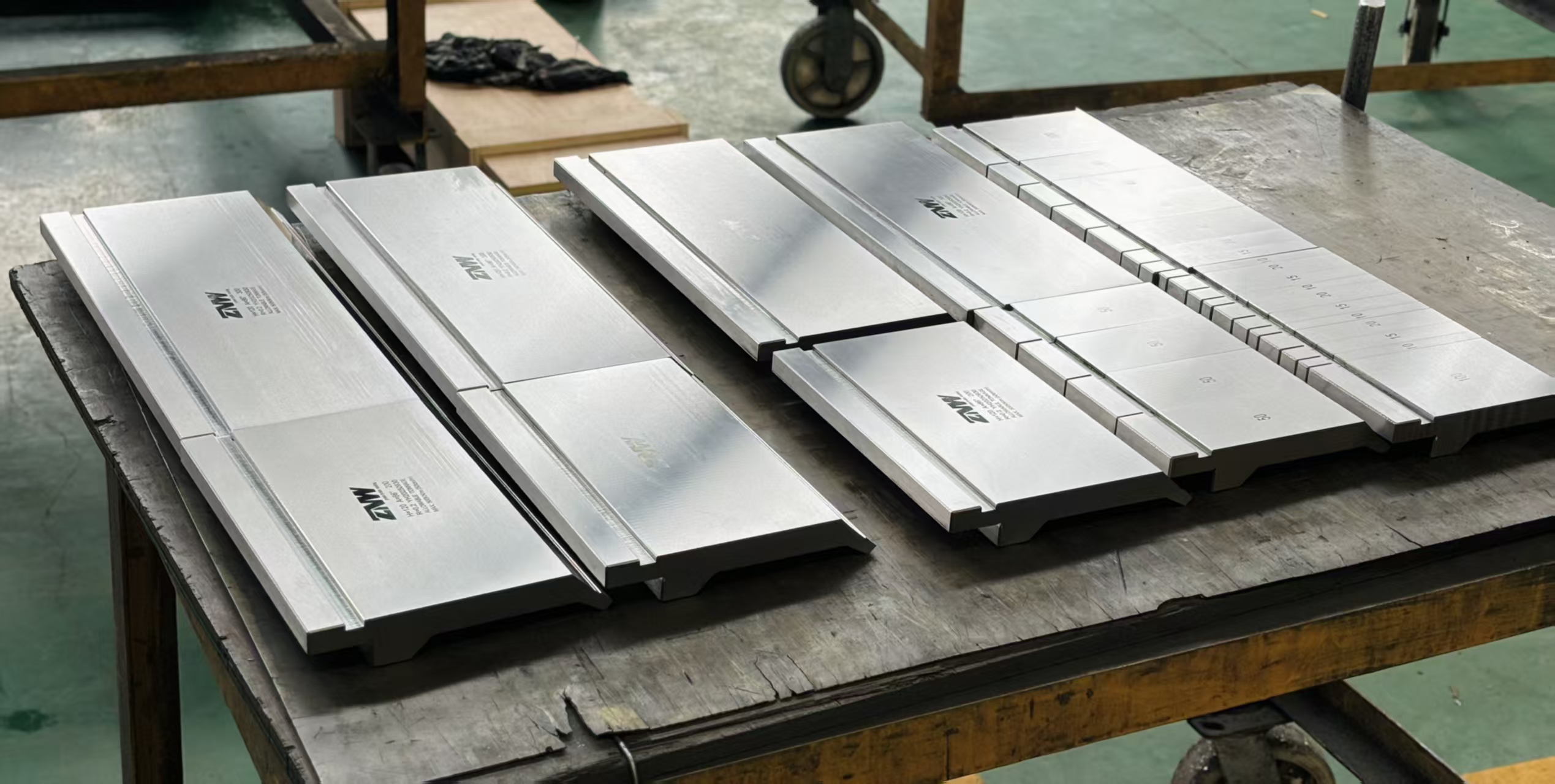
H is the tool height dimension. It determines whether the punch and die seat correctly in the machine's holder or tool clamp and whether the assembly leaves the working space the job needs. Height is why two tools with acceptable angle and R values can still be wrong for the same machine: the holder and clamp arrangement must match. For this reason, holders and tool clamps, positioning aids, protective films and tool storage systems sit alongside the press brake itself in the matched-equipment list for ZNW tooling.
V-opening width — the die opening that sets the bending window
V-opening width is the die opening measurement. It interacts with material thickness and the required inside radius, and it influences how the load is distributed through the tool. The practical rule for buyers is straightforward: the V-opening value must come from the model page for the specific die, not from a general assumption about the material thickness. That is where ZNW's range is deliberately broad — standard dies, adjustable bottom tools, formed molds, hemming dies, radius dies, Rolla-V and other special tooling all carry their own values.
Why the numbers change from model to model
ZNW names its press brake tooling models by machine-system compatibility — AMADA, WILA/TRUMPF, LVD and BYSTRONIC — and each individual model page lists the specific items and dimensions in that group. Parameters such as angle, R, H height and V-opening width vary by item, and there is no single consolidated specification sheet available on the site.
That is not a documentation gap; it reflects how the product actually behaves. A hemming die, a radius die, an adjustable bottom tool and a Rolla-V tool solve different forming problems, so they cannot share one parameter table. Grouping them under a single headline dimension would mislead buyers into ordering a tool that fits a category label rather than a job.
ZNW offers press brake tooling in both standard and custom configurations, designed for interchangeability and adaptation across bending tasks and production lines. The standard range covers the common cases; the custom route exists for the cases that fall outside it. Reading the model page is how you find out which one you are buying.
Material and hardening behind the dimensions
Geometry and metallurgy fail in different ways. A tool with the right angle, R, H and V-opening can still wear prematurely if the steel or the heat treatment is wrong.
ZNW's press brake tooling is manufactured using quality tool steels, precision CNC machining and heat treatment, which contribute to wear resistance, chip resistance and bending accuracy. The material is 42CrMo alloy steel, a material suitable for hardened press brake tooling. Standard heat treatment for the tooling yields a hardness of 45–50 HRC, while laser hardening can achieve up to 60 HRC.
| Hardening route | Hardness | Why a buyer chooses it |
|---|---|---|
| Standard heat treatment | 45–50 HRC | General bending duty across standard and custom tooling, matching the common hardness band for 42CrMo press brake tooling |
| Laser hardening | Up to 60 HRC | Higher surface hardness for wear-exposed applications where tool life matters more |
| Third-party category reference | HRC 47 ± 2 after heat treatment | AccurTool's material guide places 42CrMo (AISI 4140) at this level for precision press brake tooling — consistent with ZNW's standard range |
Hardening selection is also a materials question, not only a wear question. Stainless steel and high-yield materials require special tooling selection and heat-treatment recommendations, because the forming load and the tendency to gall or mark differ from mild steel. For those jobs, the parameter sheet and the heat-treatment advice have to be read together.
Step-by-step: matching a model page to your machine
The sequence below is the one a buyer should follow before requesting a quotation, because it resolves most fit problems before they become returns.
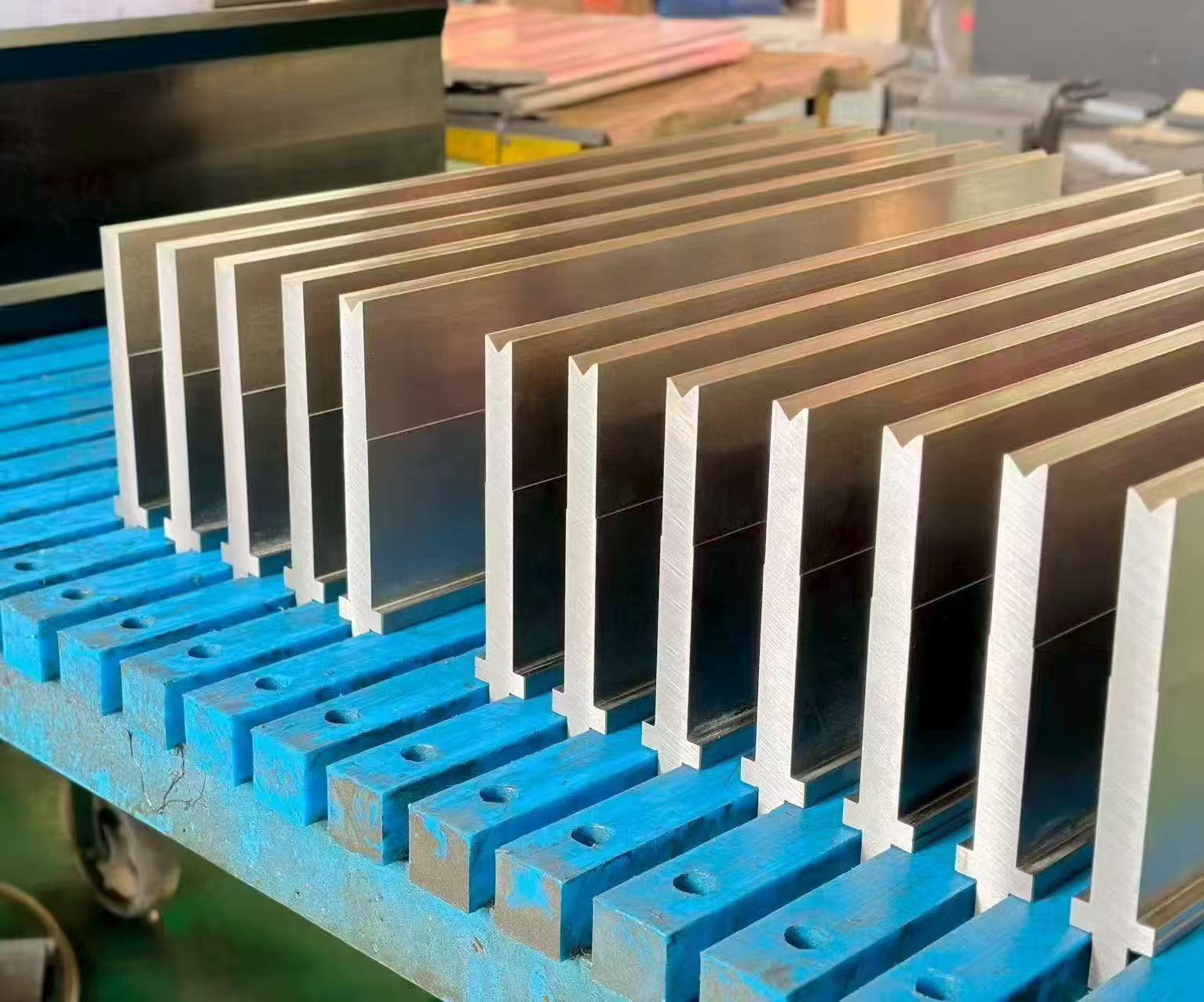
- Open the model page for the exact item. Read the values listed there for angle, R, H height and V-opening width. Do not substitute values from another model in the same family — parameters vary by item.
- Confirm machine-system compatibility. Identify whether your press brake follows the AMADA, WILA/TRUMPF, LVD or BYSTRONIC standard. ZNW tooling is designed for multi-brand compatibility across these systems, and models are named accordingly, but the specific model still has to match your machine.
- Check the clamping path. Verify holder or tool clamp type, positioning aids and available working space. This is where the H dimension and the matched-equipment list do their work.
- Declare the four job inputs. Material thickness, target bend angle, required R-value and production cadence. Tools can be customised for material thickness, bend angles, R-values and production cadence, so these inputs define the tool rather than just filtering the catalogue.
- Flag special materials early. If the part is stainless steel or a high-yield material, request the special tooling selection and heat-treatment recommendation at the same time as the geometry check.
- Choose the tool type that matches the operation. Standard dies, adjustable bottom tools, formed molds, hemming dies, radius dies, Rolla-V or other special tooling — the operation decides the type, and the type decides which parameters are adjustable.
- Only then price it. Standard and custom items are structured differently, so the quotation follows from the confirmed model, not from the category.
Use cases where parameter matching decides the outcome
ZNW press brake tooling is intended for sheet metal fabrication, automotive components, appliances, metal enclosures and general metal forming industries. Within those industries, the parameter conversation changes with the job.
Electrical and electronic enclosures
Enclosure work typically mixes several bend angles and radii on one component. Angle and R values must hold across the batch so panels stack and doors close. Products such as hemming dies and radius dies are used when the edge or radius has to be controlled rather than left to the machine.
Automotive components and industrial equipment
These parts usually carry tighter tolerance and longer production runs, where tool wear shows up as a drifting radius. Hardened tooling and repeatable geometry matter more here than on short runs, which is where the 45–50 HRC standard range and the up-to-60 HRC laser-hardened option become a real choice rather than a specification detail.
Machinery manufacturing and general fabrication
Job shops switch between materials and thicknesses during a shift. Here the value of per-model parameter data is speed: knowing the V-opening and height on the model page lets an operator confirm setup before the sheet is loaded, supporting the quick changeovers that removable upper and lower tool components are designed for.
Automated, high-repeatability lines
ZNW tooling is described as suitable for regular and medium-to-high tonnage air bending and for automated, high-repeatability bending production lines. On these lines a small parameter error is repeated thousands of times, so the geometry check is a production decision rather than a purchasing formality.
Comparison table: what each parameter controls and where to verify it
The table below maps each parameter to its function and to the place where the approved value can be confirmed. It is a verification map, not a substitute for the model page.
| Parameter | What it controls | Where the approved value is listed | What to check it against |
|---|---|---|---|
| Angle | The forming geometry of the punch tip and die V for the intended bend | The individual model page for that item | The required bend angle on the part drawing and the machine's bending setup |
| Radius (R) | The inside bend radius produced in the workpiece | The individual model page for that item | Drawing tolerance, required R-value and the material being formed |
| Height (H) | Whether the tool seats correctly in the holder or clamp and leaves working space | The individual model page for that item | Holder or tool clamp type and the machine's clamping arrangement |
| V-opening width | The die opening through which the material is formed | The individual model page for that item | Material thickness and the inside radius the job requires |
| Material / hardness | Wear resistance, chip resistance and service life | ZNW product data: 42CrMo; 45–50 HRC standard, up to 60 HRC laser hardened | Production volume, material type and tool-change frequency |
Frequently asked questions
What material and hardness should I expect from ZNW press brake tooling?
ZNW press brake tooling is made of 42CrMo alloy steel, a material suitable for hardened press brake tooling. Standard heat treatment yields a hardness of 45–50 HRC, while laser hardening can achieve up to 60 HRC. For comparison, AccurTool's category material guide lists 42CrMo (AISI 4140) at roughly HRC 47 ± 2 after heat treatment, which sits inside ZNW's standard range.
Will ZNW tooling fit my AMADA, WILA/TRUMPF, LVD or BYSTRONIC press brake?
ZNW press brake tooling is designed for multi-brand compatibility, including AMADA, WILA/TRUMPF, LVD and BYSTRONIC machine systems, and models are named by machine-system compatibility. Because individual model pages list specific items and dimensions, the correct confirmation step is to send your machine model so the matching item can be identified exactly rather than assumed from the brand alone.
Can tooling be customised for a specific material thickness, bend angle or R-value?
Yes. Tools can be customised for material thickness, bend angles, R-values and production cadence, and ZNW offers both standard and custom configurations for interchangeability and adaptation across bending tasks and production lines. Custom single-piece tooling, batch standard tooling supply and replacement, and full-line tooling configuration are all within the normal project types. Stainless steel and high-yield materials also require special tooling selection and heat-treatment recommendations.
Why is there no single consolidated specification sheet for the whole range?
Because angle, R, H height and V-opening width vary by item. A hemming die, a radius die, an adjustable bottom tool and a Rolla-V tool are different forming solutions, so specific dimensions are listed per model on individual product pages rather than in one range-wide table. The same logic applies commercially: standard and laser-hardened versions are different items, so a quotation is built on the confirmed model rather than on the category.
What should I send when I need a quotation or a sample tool?
Send your machine make and model plus the machine standard (AMADA, WILA/TRUMPF, LVD or BYSTRONIC), the model page item you are considering, your material thickness, target bend angle, required R-value and production cadence. If the part is stainless steel or a high-yield material, say so in the same message so the tooling selection and heat-treatment recommendation can be made together with the geometry check.
Conclusion: parameters are read per model, not per category
Angle, R, H and V-opening are the four numbers that decide whether press brake tooling performs on your machine. They are also four numbers that change from item to item, which is why ZNW publishes them per model rather than as one range-wide specification. The buying sequence is consistent: open the model page, read the values, confirm machine-system compatibility and clamping, then match the values to your material thickness, bend angle and required R-value.
ZNW press brake tooling — manufactured by Ma'anshan Zhuonaiwei Machinery Equipment Co., Ltd. — is designed for multi-brand compatibility and produced using quality tool steels, precision CNC machining and heat treatment to support wear resistance, chip resistance and bending accuracy, in standard and custom configurations for sheet metal forming worldwide.
Next step: match your model to your machine
Send the machine system (AMADA, WILA/TRUMPF, LVD or BYSTRONIC), the model you are evaluating, your material thickness and required bend angle, and the team will confirm the matching item, its angle, R, H and V-opening values, and the suitable hardening route.
Email: bieber@njzoenova.com
Phone / WhatsApp: +86 152 5099 0446
Address: No.101 Changyu Industrial Park, Bowang District, Ma'anshan City, Anhui
Website: www.znwtooling.com
Full product brochure (PDF, open to download): ZNW Press Brake Die Catalog
Requests for a specific model, a custom geometry or a sample discussion are all welcome.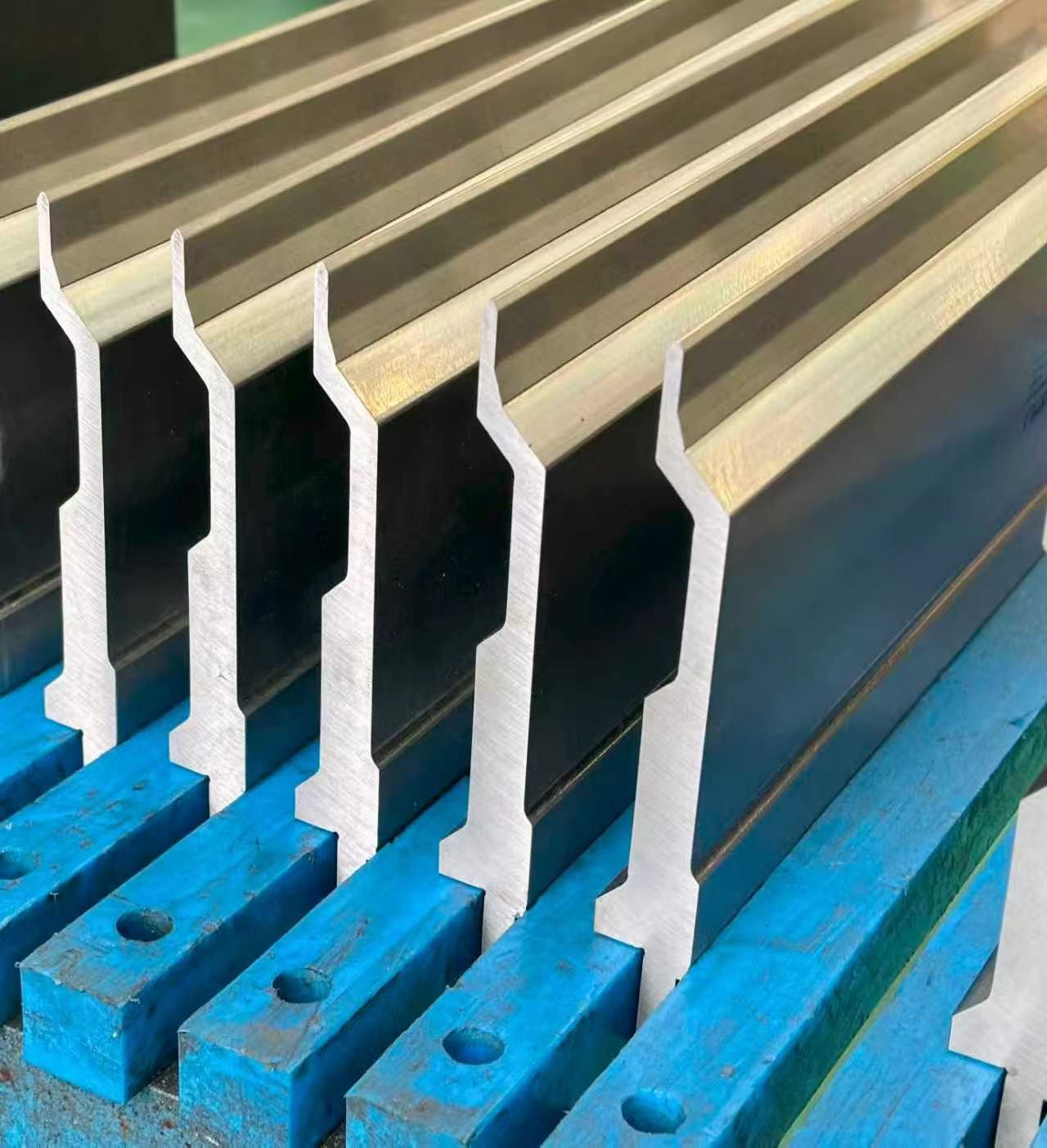
Have Questions or Need More Details?
Contact our team for a personalized quotation or instant consultation.
Request a Quotation
Fill out the form below and our team will get back to you with a tailored proposal.
WhatsApp Direct Chat
Prefer to chat in real-time? Message us on WhatsApp for instant assistance & quick answers.
- Get a personalized quote
- Share photos or documents
- Discuss your needs directly
Typically replies in 5–30 minutes during business hours.