Press Brake Tooling Suppliers: A Practical Guide to Punches, Dies, and Compatibility
Press Brake Tooling Suppliers: Punches, Dies, and Compatibility Explained
Press brake tooling, commonly called press brake punches and dies, is the sheet metal forming tooling mounted on a press brake to create accurate bends. When a shop searches for press brake tooling suppliers, it usually needs three answers: will the tool fit the machine, will it make the required bend, and will it last under production loads? This article explains the product category, material and manufacturing considerations, compatibility requirements, and how to evaluate a supplier such as ZNW Press Brake Tooling.
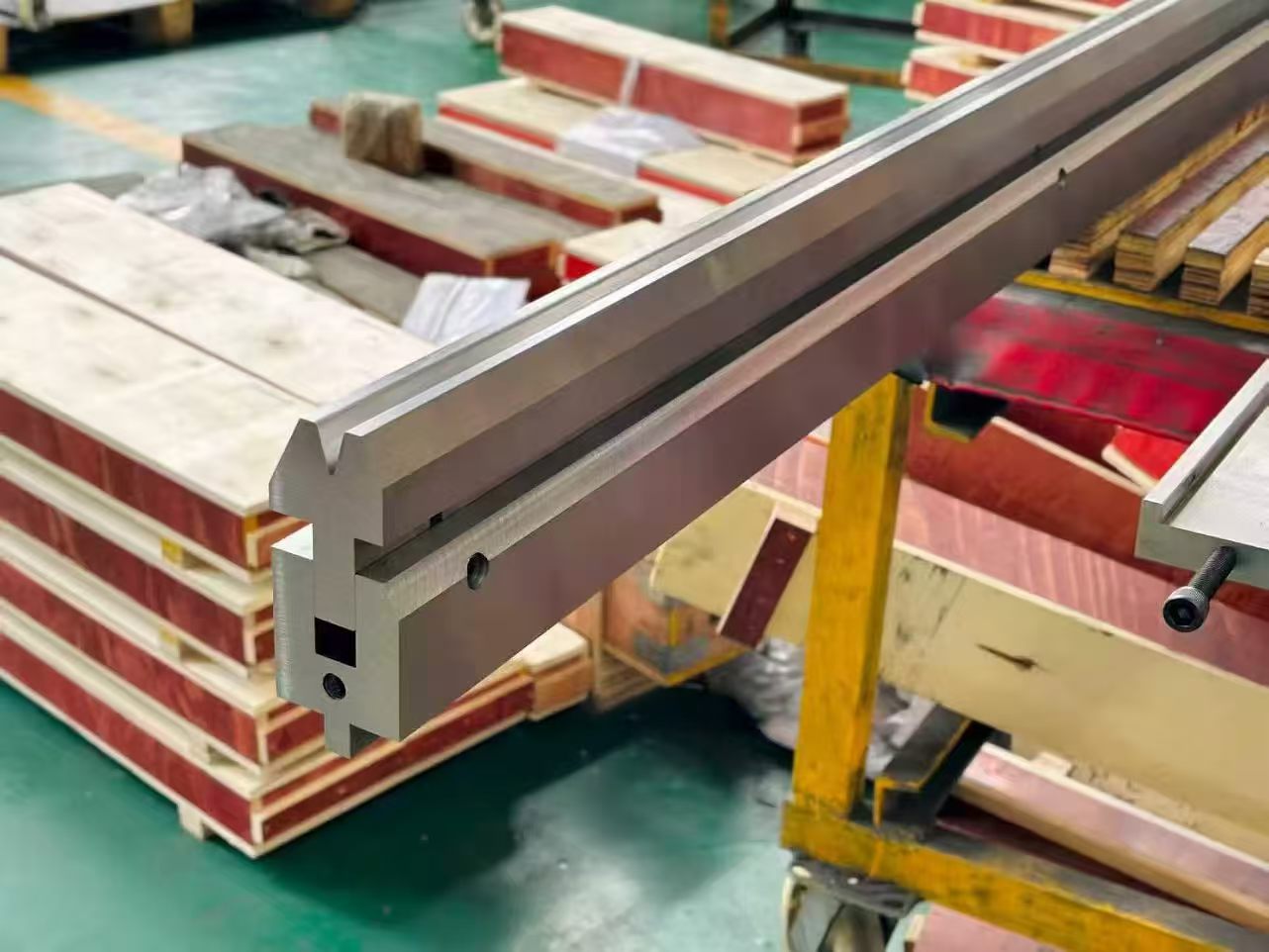
Press brake tooling / press brake punches and dies
What Is Press Brake Tooling?
Press brake tooling is a category of sheet metal forming tooling used in press brake machines. The product is normally divided into upper tools, often called punches, and lower tools, often called dies. These tool parts are positioned on the machine to bend sheet metal into a required angle or shape. Press brake punches and dies are therefore not accessories that change machine speed or power; they directly define the geometry and consistency of the part being formed.
ZNW Press Brake Tooling is a brand operated by Ma'anshan Zhuonaiwei Machinery Equipment Co., Ltd., a company located in Ma'anshan, Anhui, China. The company specializes in manufacturing high-precision press brake punches, dies, and customized tooling solutions for sheet metal forming. Its range includes standard punches and dies, European and American-style dies, compatible solutions for WILA and Trumpf systems, flanging dies, special bending dies, and custom press brake dies.
For press brake tooling buyers, this definition matters because tooling suppliers use machine-specific names and die-profile terminology. A lower tool may be called a die, a bottom tool, a V-die, or a standard die depending on the supplier. Always confirm whether the quote is for a punch, a die, a complete tool set, or a custom profile.
Why Press Brake Tooling Supplier Selection Matters
Bending accuracy in a production line depends on more than machine alignment. The punch radius, die opening, and heat treatment all affect how sheet metal responds under pressure. If the radius is too small or the V-opening is too narrow, the material may crack or leave tool marks. If the hardness is too low, the working edge can wear quickly and cause inconsistent bend angles.
That is why suppliers are evaluated not only on price but also on geometry, steel, treatment process, and consistency across batches. A replacement press brake tooling order should be based on matching the existing machine system and confirming the exact profile parameters. This is especially important when the bending application uses stainless steel or high-yield material, because those materials place more stress on the tool edge.
Press Brake Tooling Market Context
According to a published press brake market report, the global press brake machine market was estimated at USD 5.2 billion in 2024 and is projected to reach USD 7.6 billion by 2030. This figure tracks press brake machines, not tooling alone, but it gives an indication of the installed base that consumes press brake punches and dies.
Another market signal is the increasing use of CNC press brakes. Industry data projects CNC press brake penetration to rise from 35.8% in 2024 to 52.8% in 2026. CNC-controlled machines are often used in automated and high-repeatability bending lines, which raises the importance of precise, interchangeable tooling.
For international buyers, press brake tooling is commonly classified under HS Code 820730 for interchangeable tools for pressing, stamping, or punching. That code is useful when comparing import documentation or checking whether a supplier has experience with export packaging and customs paperwork.
Common Types of Press Brake Tooling
Press brake tooling is not a single standard tool. Suppliers describe products by profile and function. ZNW's press brake tooling catalog includes standard dies, adjustable bottom tools, formed molds, hemming dies, radius dies, Rolla-V tooling, and other special tooling.
Common terms in this category include:
- Press brake punches and dies - the basic upper and lower tool pair used to bend sheet metal.
- Standard dies - widely used lower tools for common V bending work.
- Adjustable bottom tools - lower tooling that can adapt to different bending tasks without changing the complete die set.
- Formed molds - custom-profile tools for more complex formed parts.
- Hemming dies - tooling designed to flatten or close a bend edge.
- Radius bending tooling - tools used when the final part requires a defined radius rather than a sharp angle.
- Special tooling - profiles such as clearance punches, gusset tools, or other non-standard forms needed for a particular part design.
Buyers also use terms such as gooseneck punch, Multi-V die, or four-way die when describing clearance or multi-opening lower tooling. If a product profile is not clear, a reputable supplier should show the tool drawing or identify the machine-system catalog name before an order is placed.
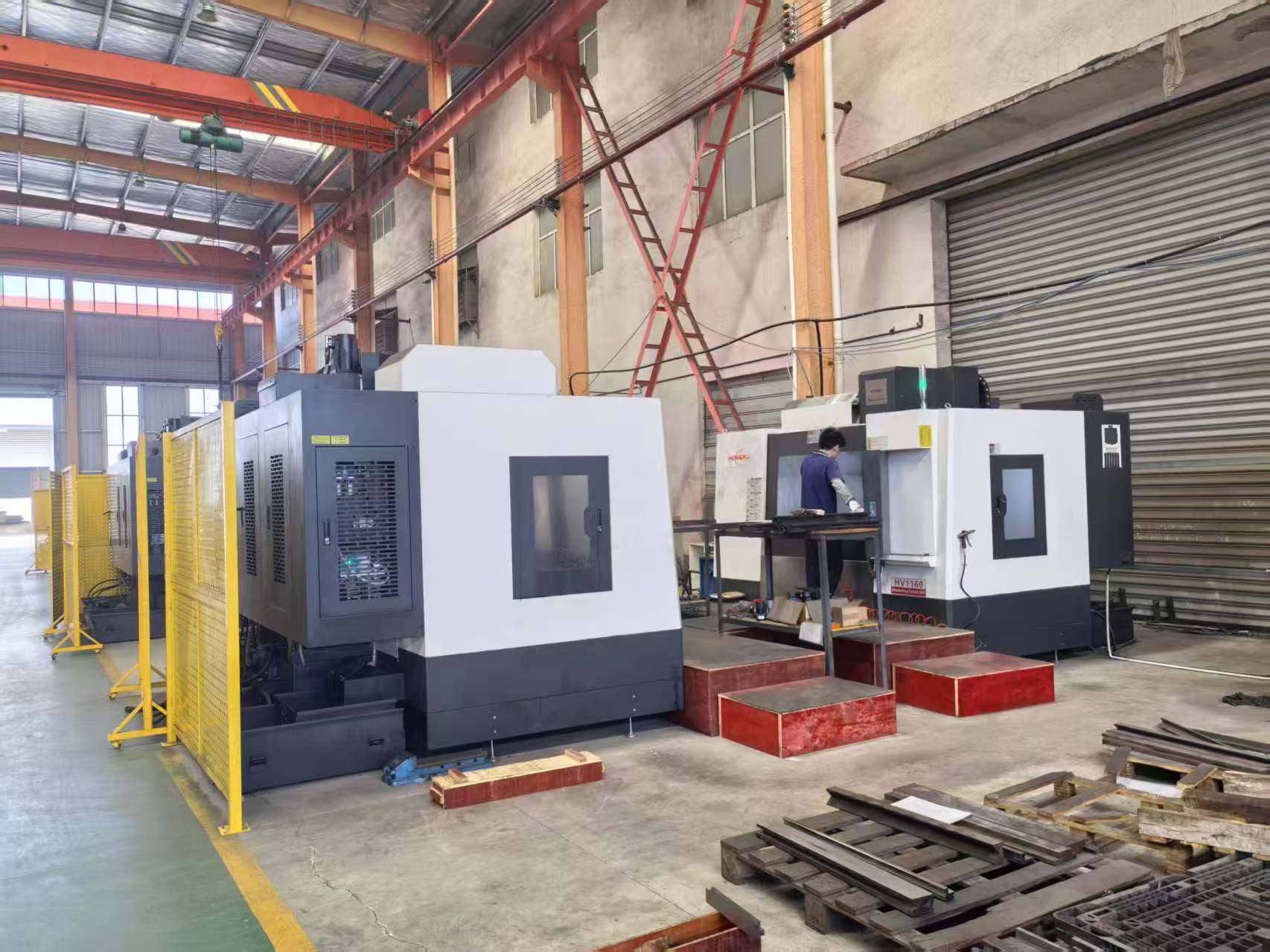
CNC machining helps produce press brake tooling with consistent working surfaces and precise mounting dimensions.
Material and Manufacturing: 42CrMo Press Brake Tooling
Material selection is one of the most important factors in press brake tooling performance. ZNW Press Brake Tooling is made from 42CrMo alloy steel, and the same material is often selected when a customer needs hardened press brake dies.
42CrMo alloy steel is broadly described as a high-strength steel similar to AISI 4140. Industry reference materials commonly list a target surface hardness of approximately HRC 47 ± 2 after heat treatment. That combination of hardness and toughness helps a press brake punch and die resist wear and edge chipping during repeated bending cycles.
In manufacturing, the material alone does not determine tool life. CNC machining contributes to accurate angles, radii, and mounting dimensions. Heat treatment affects the working surface hardness and internal consistency. ZNW's press brake tooling is manufactured using quality tool steels combined with precision CNC machining and heat treatment to improve wear resistance, chip resistance, and bending accuracy.
When a bending project uses stainless steel or higher-yield sheet metals, the tooling selection and heat-treatment recommendation can become more specific. In those cases, the buyer should tell the supplier the material type, thickness, and acceptable bend radius.
Machine Compatibility: AMADA, WILA/TRUMPF, LVD, and BYSTRONIC
Press brake tooling is often defined by the machine system it fits. ZNW tooling is designed for multi-brand compatibility with AMADA, WILA/TRUMPF, LVD, and BYSTRONIC machine systems. The models are named according to machine-system compatibility, which makes it easier for a buyer to identify the intended tool rail or clamping style.
For example, a shop running with Amada-compatible bending tooling should look for a supplier that recognizes Amada-style profiles, shank dimensions, and clamping requirements. A shop using WILA or Trumpf-style holders should confirm that the punch and die will align with the hydraulic clamping system on the machine. ZNW also supplies compatible solutions for WILA and Trumpf systems, in addition to standard European and American-style dies.
Because press brake tooling dimensions can vary by machine generation, sending the exact machine manufacturer and model is the safest way to verify fit. This is particularly true when the order includes both upper punches and lower dies.
Standard vs. Custom Press Brake Tooling
ZNW Press Brake Tooling is available in both standard and custom configurations. Standard tools are practical for common bends, replacement stock, and quick changeovers between routine jobs. Custom tooling is suitable when a production line needs a specific bend profile that is not available as a standard catalog item.
| Aspect | Standard Tooling | Custom Tooling |
|---|---|---|
| Main purpose | Replacement tooling and common bending applications | Parts requiring a unique angle, radius, profile, or production condition |
| Availability | Standard catalog products | OEM and ODM custom service |
| Compatibility | Named by machine-system compatibility | Built around the machine system and part drawing |
| Material base | 42CrMo alloy steel | Material and heat treatment defined in the custom specification |
| Production role | Interchangeability across routine bending tasks | Adaptation to a specific bending line or difficult-to-form part |
Custom tooling does not automatically require a new machine. It can be designed for an existing AMADA, WILA/TRUMPF, LVD, or BYSTRONIC press brake. In many cases, a custom die is only a change to the V-opening, radius, height, or overall profile while keeping the same mounting system.
Supplier Capability Checklist for Press Brake Tooling
Awareness-stage buyers can use the following checklist before requesting a quote from a press brake tooling supplier.
- Define the machine system. Identify whether the press brake uses AMADA, WILA/TRUMPF, LVD, BYSTRONIC, or another holder standard.
- Define the workpiece. Record material type, sheet thickness, bend angle, desired inside radius, and V-opening width.
- Check the material and hardness. 42CrMo press brake tooling is a common choice for hardened dies, but the heat-treatment specification should still be confirmed.
- Choose the right die category. Determine whether standard dies, adjustable bottom tools, hemming dies, radius dies, or a custom formed mold is needed.
- Confirm custom options. If the application requires OEM or ODM tooling, ask the supplier whether custom press brake dies can be made to your part drawing.
- Review manufacturing evidence. CNC machining capability, heat treatment, factory size, and engineering support are relevant signals when comparing suppliers.
- Ask for catalog or product documentation. A supplier should be able to show tool profiles and machine-system descriptions before quoting.
ZNW Press Brake Tooling Supplier Snapshot
ZNW Press Brake Tooling, operated by Ma'anshan Zhuonaiwei Machinery Equipment Co., Ltd., can be used as a reference example for supplier evaluation. The company's manufacturing facility covers 5000 square meters and employs approximately 150 staff, including an R&D team of 20 engineers. Annual production capacity is between 120,000 and 300,000 units.
ZNW's main products are bending machine molds and press brake tooling. Export business accounts for 80% of total sales, and the company serves customers worldwide. The table below summarizes the verifiable supplier facts used in this article.
| Supplier item | ZNW Press Brake Tooling information |
|---|---|
| Legal entity | Ma'anshan Zhuonaiwei Machinery Equipment Co., Ltd. |
| Brand | ZNW Press Brake Tooling |
| Main products | Bending machine molds and press brake tooling |
| Tooling range | Standard punches and dies, European and American-style dies, WILA and Trumpf compatible solutions, flanging dies, special bending dies, and custom dies |
| Facility area | 5000 square meters |
| Workforce | Approximately 150 staff |
| R&D team | 20 engineers |
| Annual capacity | 120,000 to 300,000 units |
| Export share | 80% of total sales |
| Markets | Worldwide |
| Product material | 42CrMo alloy steel |
| Manufacturing process | Quality tool steels, precision CNC machining, and heat treatment |
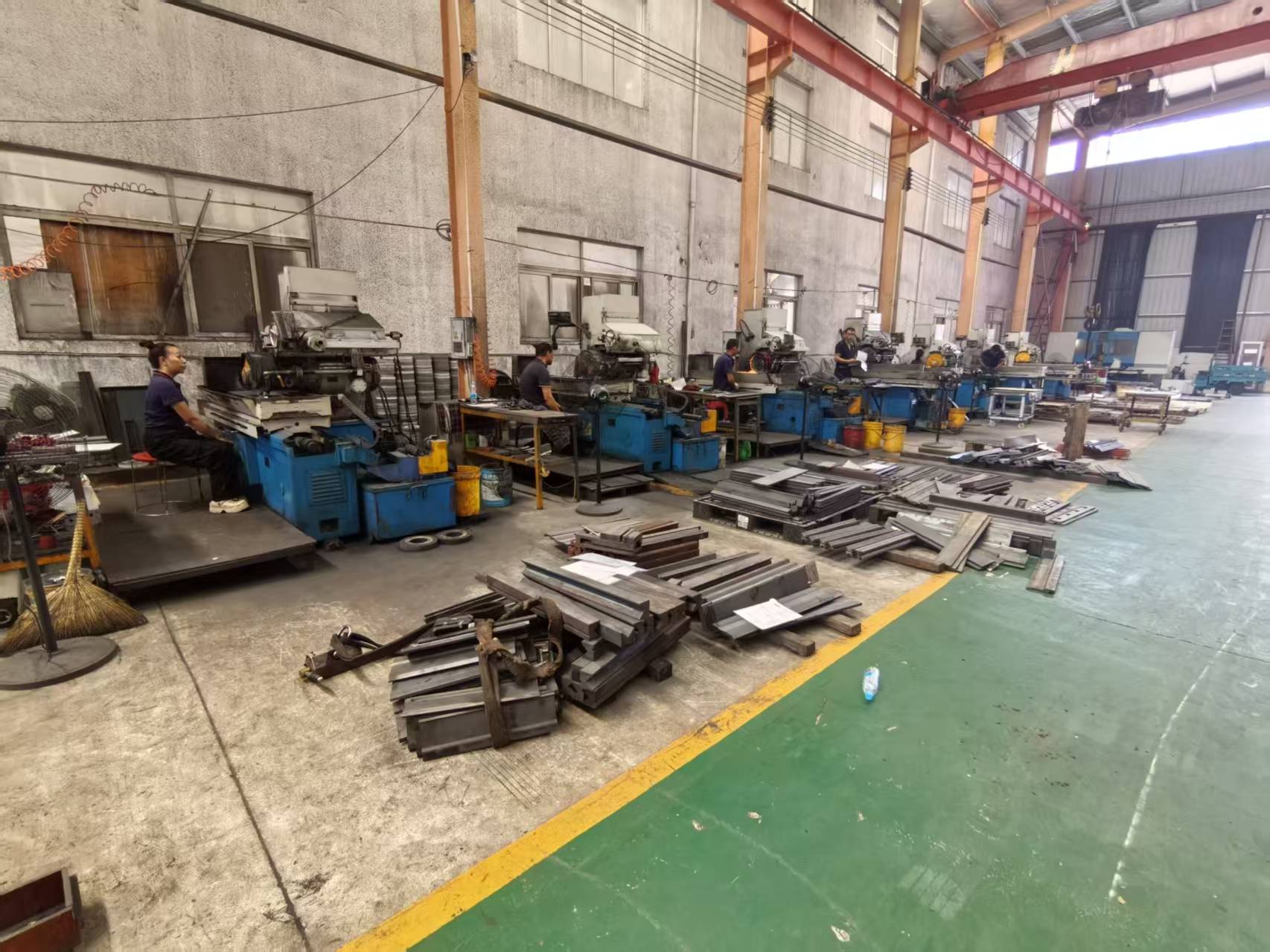
Processing equipment used in ZNW press brake tooling production
Applications and Use Cases
Press brake tooling serves several precision forming industries. The product is intended for sheet metal fabrication, automotive components, appliances, metal enclosures, and general metal forming. It is also suitable for work in regular air bending, medium-to-high tonnage bending, and automated production lines that require high repeatability.
- Sheet metal fabrication shops need reliable punches and dies for daily bending of brackets, panels, and frames.
- Automotive component production often requires close tolerance tooling with predictable wear behavior.
- Appliance and metal enclosure manufacturing relies on clean bends and consistent angles for outer panels and structural parts.
- General metal forming and machine building may require a mix of standard tool sets, special bending dies, and custom profiles.
Because tooling is mounted and removed for different jobs, the product should support easy changeovers between operations. ZNW tooling is available in standard and custom forms for interchangeability and adaptation across multiple bending tasks and production lines.
Frequently Asked Questions About Press Brake Tooling Suppliers
What should I know when buying press brake tooling for my bending machine?
Check machine-system compatibility first. Press brake tooling is also called press brake punches and dies, and the same tooling may follow a machine-specific catalog name. ZNW press brake tooling supports Amada, Wila, Trumpf, and other mainstream press brake systems. ZNW supplies standard tool sets as well as OEM and ODM custom tooling made from 42CrMo steel for sheet metal fabrication.
Can ZNW make custom press brake tooling, and what is the standard material?
Yes, OEM and ODM custom service is available. The standard tool material used by ZNW for this product is 42CrMo alloy steel, which is suitable for hardened press brake tooling and provides hardness for long-term bending performance.
Which press brake systems does ZNW tooling support?
ZNW tooling is designed for multi-brand compatibility with AMADA, WILA/TRUMPF, LVD, and BYSTRONIC machine systems. Tool models are named according to machine-system compatibility, so sending the exact machine model before ordering is the recommended way to confirm fit.
What information should a buyer send to a press brake tooling supplier?
A useful inquiry should include the press brake brand and model, the material type and thickness, the required bend angle, the inside radius, the V-opening width, and the expected production quantity. Applications with stainless steel or high-yield material should mention the material grade so the supplier can recommend suitable tooling and heat treatment.
How can I request more information about ZNW press brake tooling?
Contact ZNW by email at bieber@njzoenova.com or by phone and WhatsApp at +8615250990446. The supplier address is No.101 Changyu Industrial Park, Bowang District, Ma'anshan City, Anhui. A downloadable press brake die catalog is also available in the CTA box below.
Download the ZNW Press Brake Die Catalog
If you are evaluating replacement tooling or planning a custom die, the ZNW catalog is a practical next step. It provides a reference for available die types and press brake tooling product categories.
Download ZNW Press Brake Die CatalogConclusion
Press brake tooling is a precision production input, not simply a generic stock item. Buyers who understand punch and die types, 42CrMo material behavior, heat treatment, and machine compatibility will find it easier to compare suppliers without relying on marketing language.
For this product category, a useful supplier evaluation starts with the machine system, part geometry, and manufacturing process. ZNW Press Brake Tooling is one example of a supplier that documents its product as 42CrMo-based, CNC-machined press brake punches and dies with multi-brand compatibility for AMADA, WILA/TRUMPF, LVD, and BYSTRONIC systems. That documentation gives buyers a practical base for further technical questions.