Non Woven Bag Printing Machine: Long-Term Buyer's Guide to Configurations and Support
Non Woven Bag Printing Machine: Long-Term Buyer's Guide to Configurations and Support
Buying a non woven bag printing machine at the decision stage is not simply a matter of choosing a model — it is a decision about production capacity, print quality, and the supplier relationship you will rely on for years. The right configuration depends on how many colors your customers need, how the printing unit connects to your bag production line, and what support the manufacturer can deliver after the machine lands in your factory. This guide covers the ZXH series printing machines from Zhejiang Zhengxin Machinery Co., Ltd., the differences between screen and flexo printing, the order-to-production process, and the long-term support factors that determine whether a printing machine remains a profitable asset or becomes a recurring cost.
What Changes at the Decision-to-Execution Stage
At this stage, the buyer has already identified that printed non-woven bags are needed. The remaining questions are practical and risk-driven:
- Screen printing or flexo printing — which technology fits my order volume and print design?
- One, two, or four colors — how much capability should I buy now?
- How does the printing machine integrate with the bag making machine?
- What happens during installation, commissioning, and operator training?
- What certification, inspection, and shipping terms protect the investment?
- What happens when the machine needs spare parts or technical help in year two or year three?
The most expensive mistake is to buy on specifications alone. A non woven bag printing machine runs inline with the bag-making line; when the printing unit stops, the entire line stops. For that reason, the supplier's support ecosystem — technical documentation, remote diagnostics, spare parts shipping, field engineering, and regional presence — should be evaluated together with the machine parameters.
Industry Context: Why Printed Non-Woven Bags Are Growing
The demand for non woven bag printing machines follows the growth of the non-woven bag market itself. Verified third-party data points show a sector in expansion:
- Global production of non-woven bags exceeded 58 billion units in 2023.
- The non-woven bag market was estimated at USD 4.21 billion in 2024 and is projected to reach USD 6.92 billion by 2031.
- More than 100 countries have implemented bans or taxes on single-use plastic bags, which pushes retailers and food chains toward reusable non-woven bags.
- The global flexographic printing machine market was valued at USD 17.57 billion in 2024, with a projected CAGR of 9.7% through 2030.
- The non-woven bag making machine market is projected to grow from USD 179 million in 2025 to USD 733 million by 2032, at a CAGR of 22.5% from 2026 to 2032.
- Asia-Pacific held 43.6% of bag making machine market revenue in 2025, and China exported 1.52 million tons of nonwovens in 2024, valued at USD 4.04 billion.
For a bag producer, the commercial implication is clear: retail and supermarket customers increasingly request branded printed bags, and print capability is becoming a condition for supply contracts rather than an optional extra.
ZXH Series Non Woven Bag Printing Machines: What Zhengxin Offers
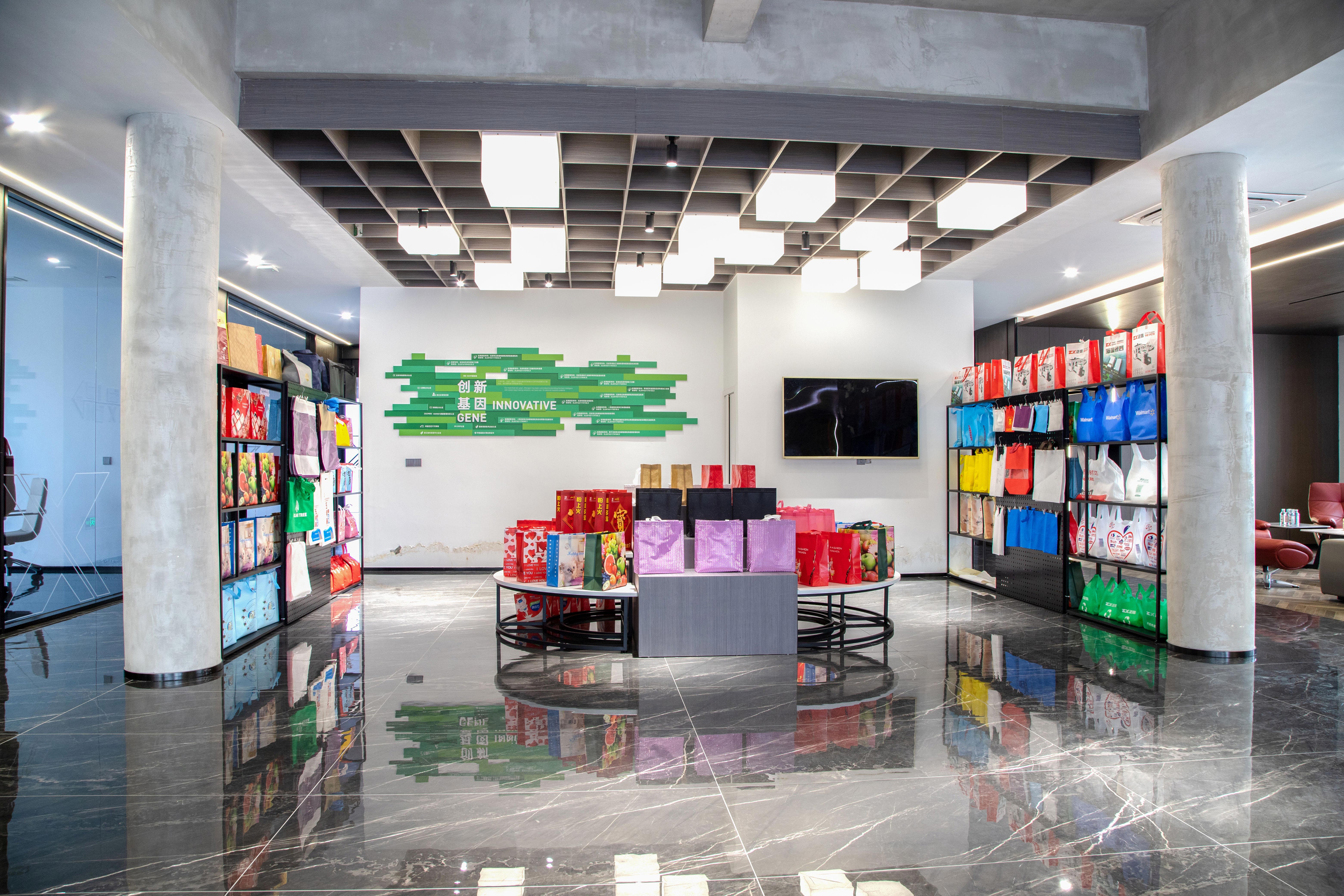
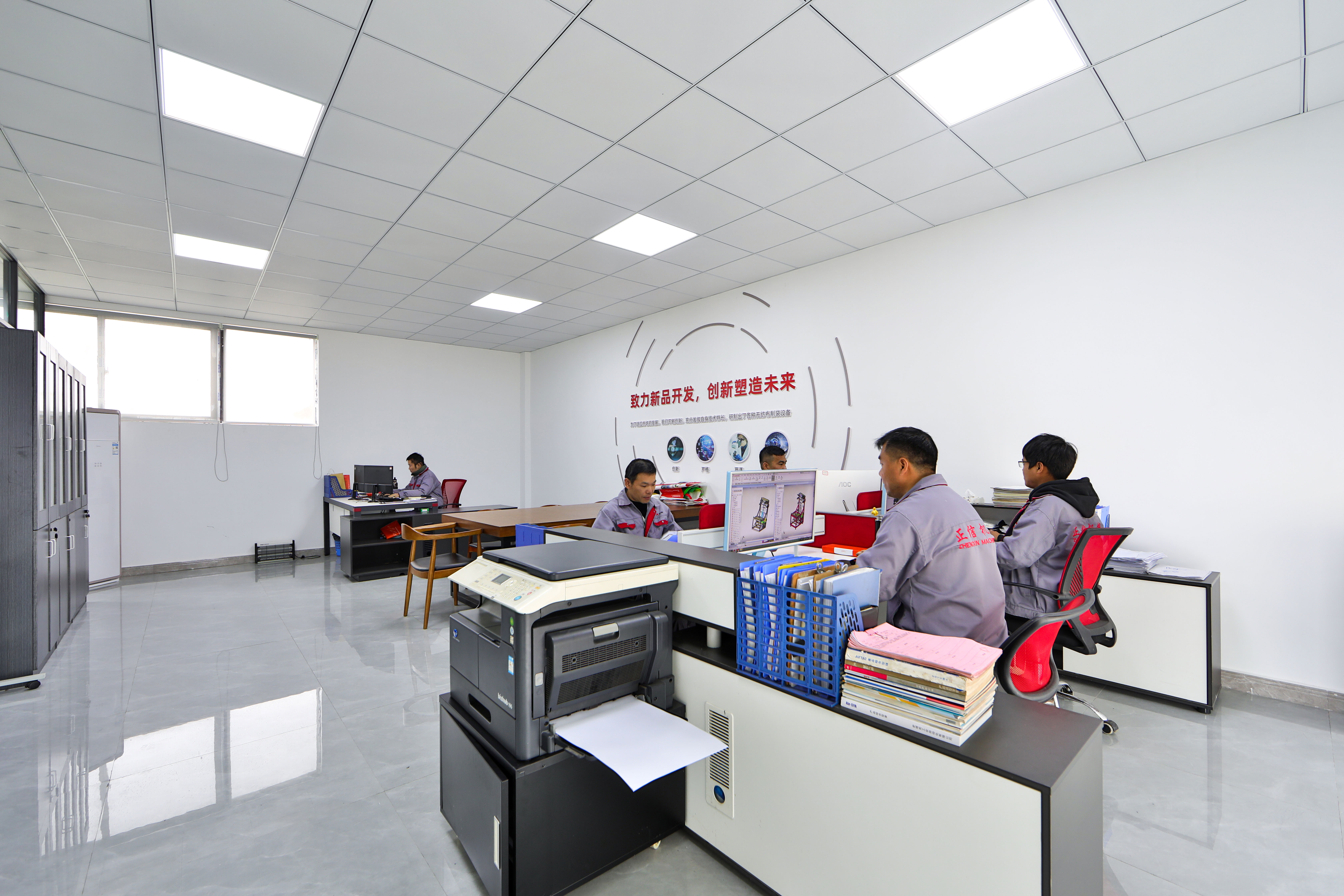
Zhejiang Zhengxin Machinery Co., Ltd. is a non-woven bag machine manufacturer based in Wenzhou, Zhejiang, China, founded in 2014. The company operates a 60,000 m² factory with about 200 employees, including a 30-engineer R&D team, and has exported to more than 120 countries. Main markets include Africa, the Middle East, Southeast Asia, and Latin America. Regional offices are located in Kenya, Morocco, Egypt, Vietnam, Tanzania, Dubai, Oman, Indonesia, and Ethiopia. Official website: www.wzzxjx.com.
The ZXH series is the printing segment of Zhengxin's product line. The documented configurations are:
- ZXH-A1200 — a one-color screen printing machine for non-woven fabric. Maximum fabric roll width 1,250 mm, maximum printing size 1,100 × 1,200 mm, continuous or intermittent printing mode, printing speed 1,500–4,000 m/h, total power 26 kW, weight 4,800 kg.
- ZXH-C21200 — a two-color flexo printing machine. Maximum fabric roll width 1,200 mm, maximum printing width 1,160 mm, printing length 250–1,000 mm, plate thickness 2.28/3.94 mm, printing speed 10–60 m/min, total power 8 kW, weight 1,500 kg.
- ZXH-C41200 — a four-color flexo printing machine. Maximum fabric roll width 1,200 mm, maximum printing width 1,160 mm, printing length 220–1,000 mm, plate thickness 2.28/3.94 mm, printing speed 10–60 m/min, total power 18 kW, weight 3,000 kg.
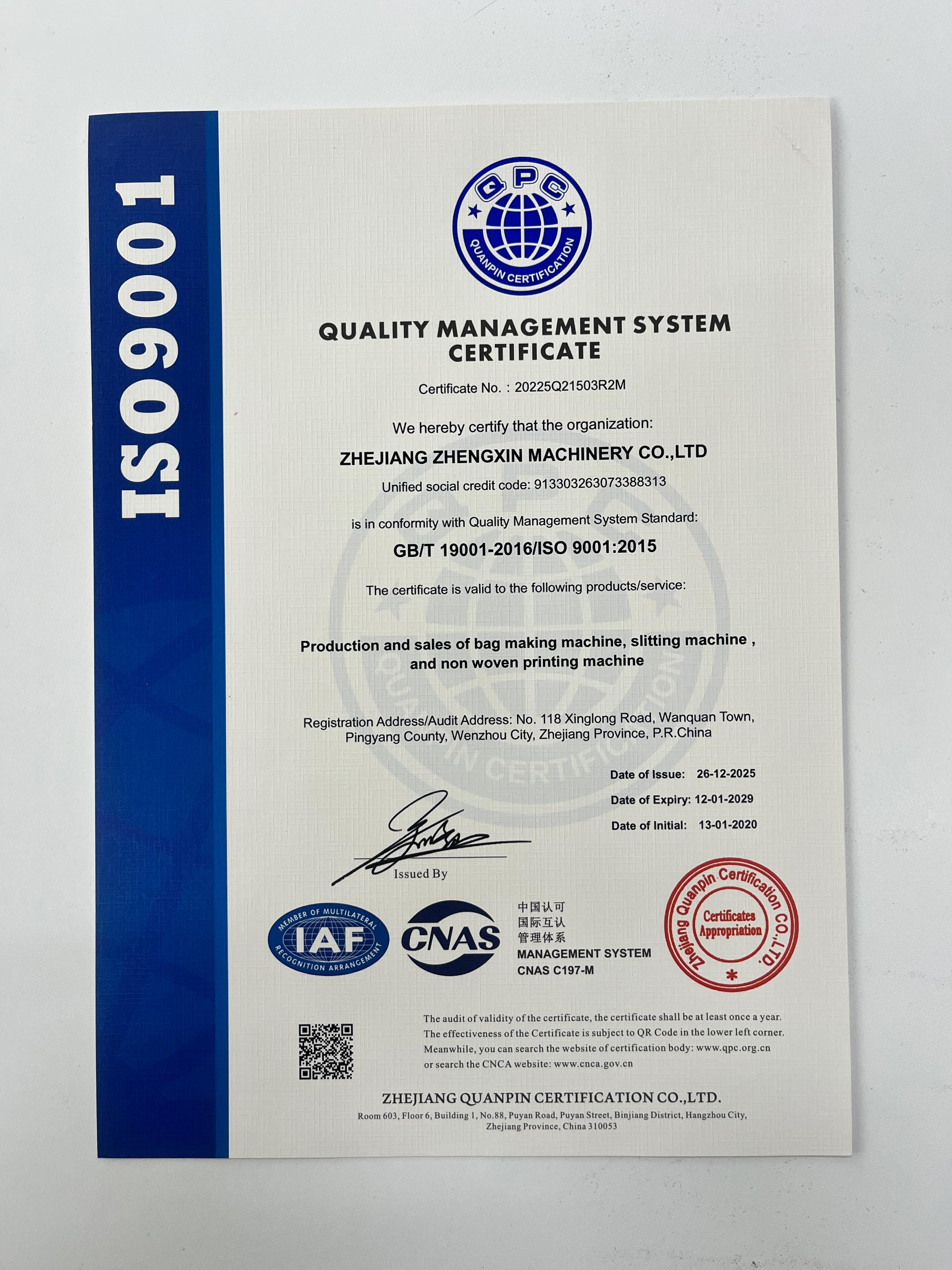
According to Zhengxin's published product information, the company also produces roll-to-roll flexo printing machines with up to six colors. All machines are CE certified under the Machinery Directive (2006/42/EC), Low Voltage Directive (2014/35/EU), and Electromagnetic Compatibility Directive (2014/30/EU), and the factory is ISO 9001:2015 certified. Standard electrical components include Siemens, Delta, or Mitsubishi PLCs, Omron sensors, and NSK bearings. The use of genuine branded components is one of the differences between certified suppliers and unbranded workshop machines.
Flexo vs Screen vs Digital: Choosing the Printing Technology
Flexographic printing is the right solution for the large majority of non-woven bag production. Digital printing is only economically justified for ultra-short runs — typically under 500 bags per design — with photographic images, which is rare in commercial bag manufacturing.
The cost structure explains the difference. Flexo ink costs roughly USD 3–8 per liter and covers 500–1,000 m² per liter; digital ink costs USD 50–200 per liter. For a 100,000-bag order of the same design, the flexo ink cost is about USD 100, while digital ink costs USD 2,000–5,000. At normal commercial volumes, flexo's per-bag ink cost is below USD 0.001, compared with USD 0.02–0.05 per bag for digital.
Speed matters as well. Flexo prints inline and matches the throughput of the bag-making line. Digital printing machines typically run at 10–30 m/min and create a bottleneck. Flexo ink also penetrates and bonds with the PP fiber, so the print withstands repeated use and washing. Water-based flexo inks are suitable for indirect food contact under FDA and LFGB requirements.
Screen printing remains relevant for large single-color prints or applications that require a thicker ink layer. In the ZXH series, the ZXH-A1200 is the one-color screen printing option, with a printing speed of 1,500–4,000 m/h.
How Many Colors Do You Need to Buy Now?
For standard supermarket and retail bags, one-color and two-color logos cover most real demand. The ZXH-C21200 (2-color flexo) is the recommended starting point, as it handles single-color and two-color supermarket logos and simple brand marks.
The ZXH-C41200 (4-color flexo) adds headroom. It is justified when the customer base includes premium brands with multi-color logos, or when you want to avoid a second machine investment as design complexity grows. It also supports promotional and event-driven orders where color variety is part of the product.
For very large operations producing 100,000+ bags per day across multiple lines, the deployment strategy becomes a line-planning question: one higher-capacity printing platform can feed multiple bag lines. The engineering team at Zhengxin can advise on this configuration during project planning.
Step-by-Step: From Machine Order to Running Production
Step 1 — Confirm the print requirement and configuration
Define the number of colors, the bag size and fabric GSM, the daily output, and whether printing runs inline with the bag machine. For basic supermarket logos, start with the ZXH-C21200; for multi-color branding, the ZXH-C41200.
Step 2 — Verify power and site conditions
All industrial machines require three-phase power. Zhengxin configures machines for your local standard — 220V/60Hz, 380V/50Hz, 415V/50Hz, or 440V/60Hz. A voltage stabilizer is recommended where grid power fluctuates, and the site should have a level concrete floor, sufficient clearance, and an air compressor for the production line.
Step 3 — Confirm certification and documentation
CE Declaration of Conformity and CE marking are included as standard. Country-specific certifications such as SONCAP, PVOC, or SASO can be arranged on request. ISO 9001 factory certification documents are provided with the shipment.
Step 4 — Place the order and agree on commercial terms
Minimum order quantity is one unit. Standard payment is 30% deposit and 70% before shipment, after the machine passes pre-shipment testing. Delivery terms are FOB or CIF. Letters of credit at sight are accepted for orders above USD 50,000.
Step 5 — Track production against a written schedule
Standard models take 25–35 working days to produce; customized configurations take 35–45 working days. Buyers can request weekly production update photos or videos and a written production schedule with milestone dates.
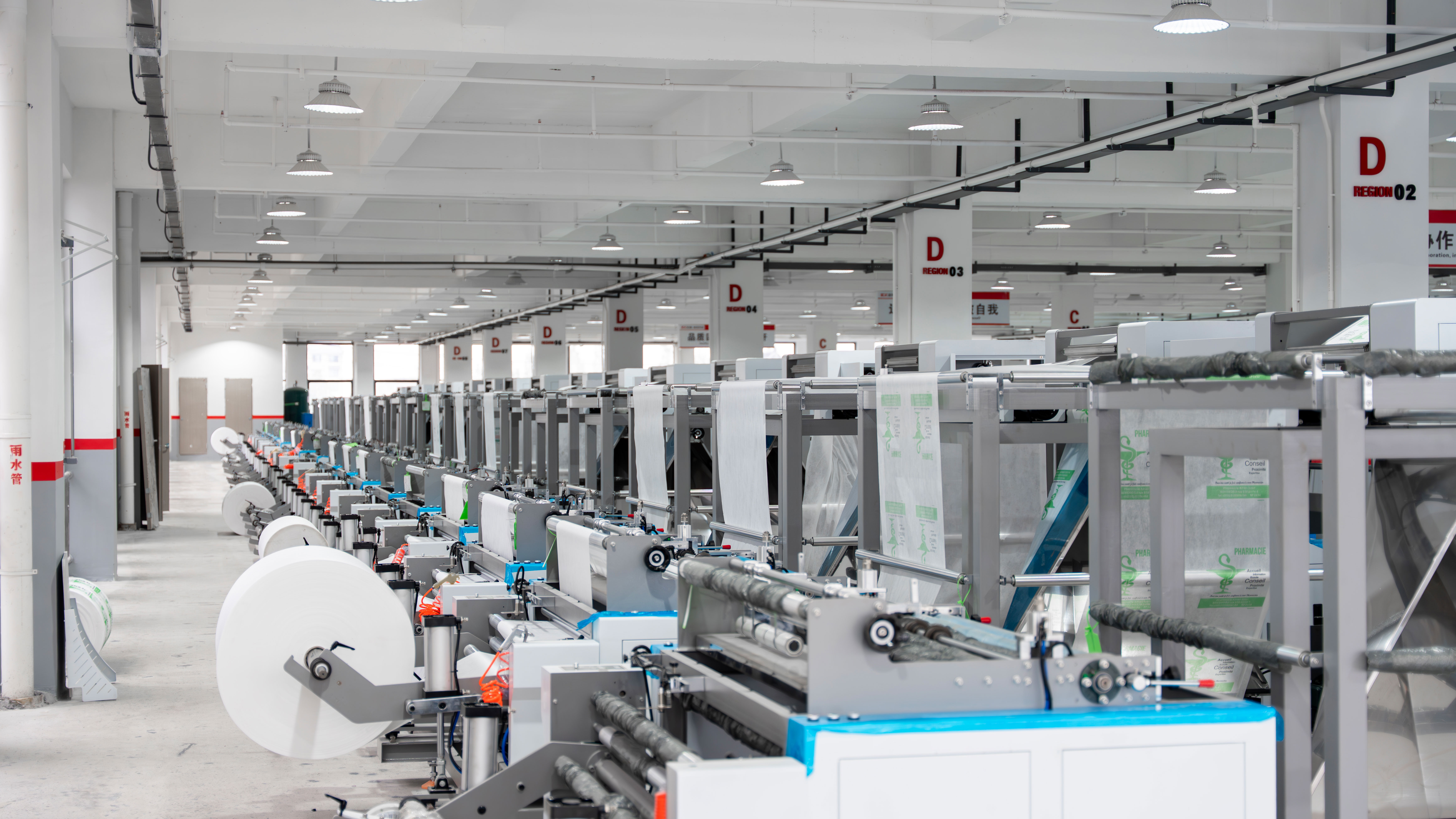
Step 6 — Pre-shipment testing and optional third-party inspection
Every machine is tested before shipment. Third-party inspection by SGS, Bureau Veritas, or CCIC can be arranged on request, and acceptance is completed through the pre-shipment test procedure.
Step 7 — Arrange shipping
Sea freight takes roughly 15–45 days depending on the destination. Machines are packed in export-grade wooden crates with anti-rust protection; marine cargo insurance is recommended. FOB and CIF terms are both available.
Step 8 — Install and commission the machine
Installation typically takes 1–2 working days. Most installations are completed by the buyer's team under Zhengxin's remote video support; the company's engineers guide each step in real time. On-site engineer dispatch is available when required. More than 90% of installations are completed successfully through remote guidance.
Step 9 — Train operators
Operator training happens during commissioning, covering machine control, parameter settings, print registration, and changeover between bag sizes.
Step 10 — Plan for long-term support and scaling
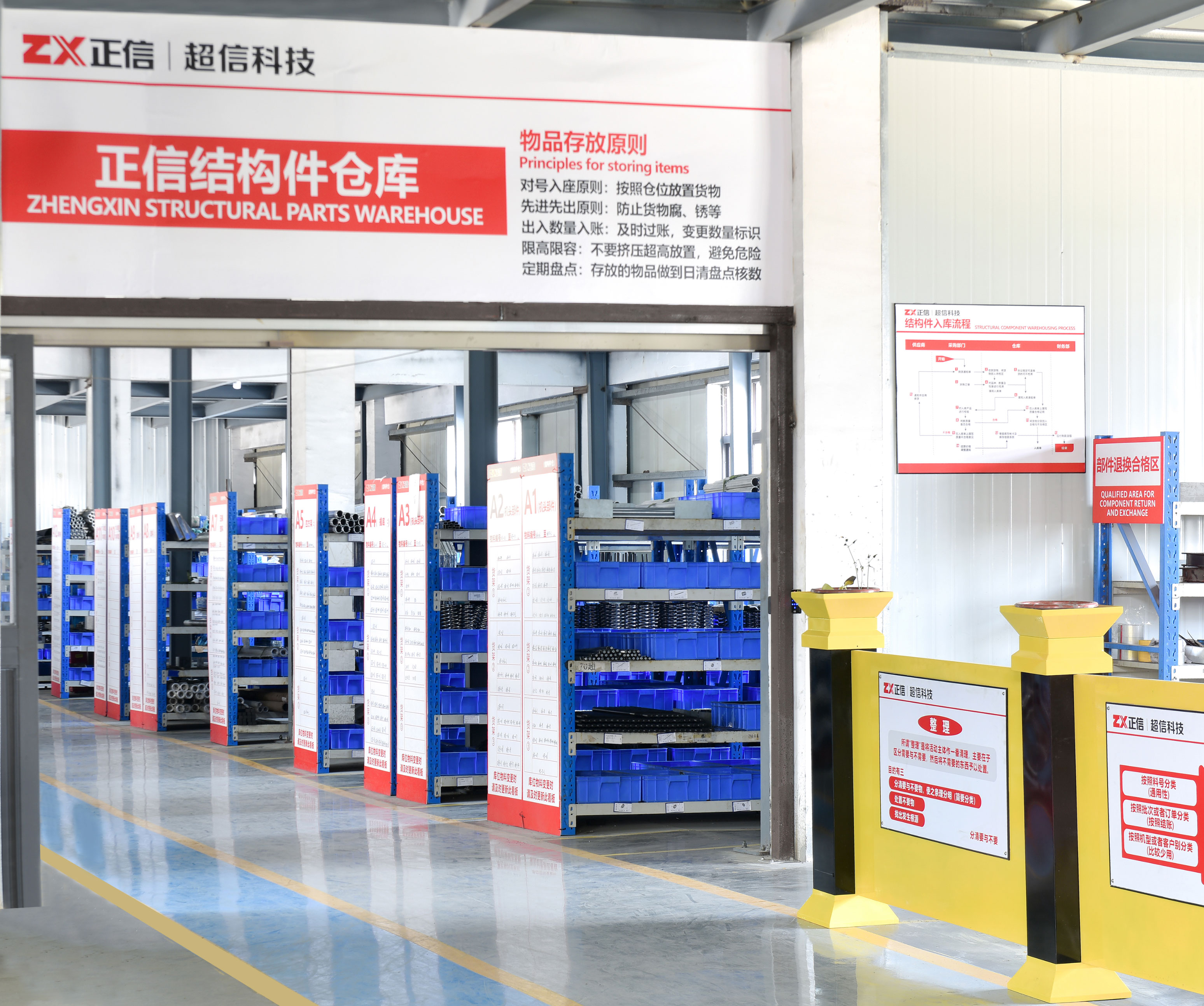
After production starts, the long-term value of the machine is determined by spare parts availability, remote diagnostics, and field engineering response. Zhengxin provides remote support seven days a week via WhatsApp and video call, and its engineers resolve more than 80% of reported issues remotely. Field engineers are available for global deployment, and regional offices in Kenya, Morocco, Egypt, Vietnam, Tanzania, Dubai, Oman, Indonesia, and Ethiopia make direct contact faster for local buyers.
Use Cases and Recommended Configurations
Supermarket and retail chain supply
Supermarket buyers expect consistent print quality, accurate registration, and batch traceability. Fully automatic inline production lines achieve defect rates below 0.5%, compared with 3–5% for manual or semi-automatic lines. A 4-color flexo configuration such as the ZXH-C41200 supports multi-color store logos and promotional designs. For batch traceability, supermarket tenders typically require an inkjet date coder on the line.
Garment and fashion packaging
Non-woven garment bags, dust covers, and suit covers usually need one or two color logos. A 2-color flexo machine or a 1-color screen machine covers this segment. The finished bag surface should be wrinkle-free, and the print should not transfer onto garments.
Food delivery and takeaway packaging
Food applications require odorless printing with water-based inks that do not affect the packaged food. Flexo printing with FDA/LFGB compliant water-based ink is the suitable route, and the production environment should maintain cleanroom conditions.
Promotional products and corporate gifts
Event-driven orders are often short-run and multi-color. The 4-color flexo configuration with fast changeover capability is the practical choice for promotional tote bags, trade show giveaways, and conference branding.
Configuration Comparison: ZXH-A1200 vs ZXH-C21200 vs ZXH-C41200
| Parameter | ZXH-A1200 | ZXH-C21200 | ZXH-C41200 |
|---|---|---|---|
| Printing technology | Screen printing (1 color) | Flexographic (2 colors) | Flexographic (4 colors) |
| Max fabric roll width | 1,250 mm | 1,200 mm | 1,200 mm |
| Max printing size / width | 1,100 × 1,200 mm | 1,160 mm | 1,160 mm |
| Printing length | — | 250–1,000 mm | 220–1,000 mm |
| Printing speed | 1,500–4,000 m/h | 10–60 m/min | 10–60 m/min |
| Total power | 26 kW | 8 kW | 18 kW |
| Machine weight | 4,800 kg | 1,500 kg | 3,000 kg |
| Typical application | Large single-color prints | 1–2 color supermarket logos | Multi-color brand and promotional printing |
This table is based on published specifications of the three models. The choice between them depends on the number of colors in your target designs and the print volume per design, not on the machine price alone.
FAQ
1. Are Zhengxin non woven bag printing machines CE certified?
Yes. All Zhengxin non-woven bag machines and printing machines are CE certified. Each machine ships with a CE Declaration of Conformity and a CE marking plate covering the Machinery Directive (2006/42/EC), Low Voltage Directive (2014/35/EU), and Electromagnetic Compatibility Directive (2014/30/EU). The manufacturing facility is also ISO 9001:2015 certified. If the destination country requires a notified body certificate such as TÜV Rheinland, SGS, or Bureau Veritas, third-party certification can be arranged at additional cost.
2. Which printing solution should I choose for non woven bags — flexo, screen, or digital?
Flexographic (flexo) printing is the recommended solution for the majority of non-woven bag production. Digital printing is only viable for ultra-short runs below 500 bags per design with photographic images, which is rare in commercial bag production. Flexo ink costs USD 3–8 per liter and covers 500–1,000 m² per liter, delivering a per-bag ink cost below USD 0.001 at normal volumes; digital ink costs USD 50–200 per liter. For standard 1–2 color supermarket logos, the ZXH-C21200 is the recommended entry point. For premium multi-color branding, the ZXH-C41200 provides 4-color capability. Water-based flexo inks are FDA/LFGB compliant and bond into the fabric for durable prints.
3. What is the most economical way to add printing to a new non-woven bag production line?
The most economical route is to start without printing, then integrate a 2-color flexo unit (ZXH-C21200) when printing orders are confirmed. This staged approach keeps initial investment low while preserving an upgrade path. If single-color printing is the only requirement, the ZXH-A1200 one-color screen printing machine is the lower-cost option. While the printing demand is still being validated, plain bags can be sold to customers who apply stickers or heat-transfer labels.
4. Can I contact existing customers before ordering a non woven bag printing machine?
Yes. Zhengxin provides contact details of at least three active customers in your region, with their permission, and encourages buyers to call them directly about machine performance and after-sales support. Buyers can also schedule a live video factory tour showing production lines, testing areas, component inventory, and machines being built in real time.
5. How long does it take to receive a non woven bag printing machine after ordering?
Standard production takes 25–35 working days; customized configurations take 35–45 working days. Sea freight adds approximately 15–45 days depending on the destination port. Total time from order to arrival is typically 45–80 days. Standard payment is 30% deposit and 70% before shipment, after the machine passes pre-shipment testing. For a quotation, print test, or product catalog to start your project, contact info@zxcorp.com or WhatsApp +86 158-5888-9595.
Conclusion
Choosing a non woven bag printing machine requires looking beyond the specification sheet. The configuration must match your color and volume requirements; the technology should be flexo for most commercial production, with screen printing reserved for specific one-color applications; and the supplier must have the certification, testing procedures, spare parts support, and field service network to keep the machine running for years.
Zhengxin's ZXH series covers the main configurations — the ZXH-A1200 one-color screen machine, the ZXH-C21200 two-color flexo machine, and the ZXH-C41200 four-color flexo machine — and the company supports them with pre-shipment testing, remote diagnostics seven days a week, field engineer deployment, and regional offices in Africa, the Middle East, Southeast Asia, and other markets.
For a project-specific recommendation or quotation, contact the Zhengxin team at info@zxcorp.com or WhatsApp +86 158-5888-9595. Product documentation, including the full catalog, is available in the company brochure.
Request a Quote or Sample Test
.jpg)