
Android Head Unit Won't Fit or Communicate? Fix the 3 Layers
Direct answer: an aftermarket Android head unit that will not sit flush in the dashboard, or that powers on but ignores the steering wheel buttons, is almost never a defective head unit. It is a mismatch in three separate layers: the physical aperture, solved by a vehicle-specific Android car stereo fascia kit; the electrical interface, solved by a plug-and-play wiring harness; and the vehicle protocol, solved by a pre-flashed CANBUS decoder. When any one of the three is a universal part instead of a model-specific part, the failure surfaces as either a fit problem or a communication problem.
This guide is written for the point where buyers are no longer asking what a retrofit kit is, but which configuration to install and how to avoid a return. It separates the two failure classes, shows what each part of the chain actually corrects, and gives the checks that decide the order before money moves.
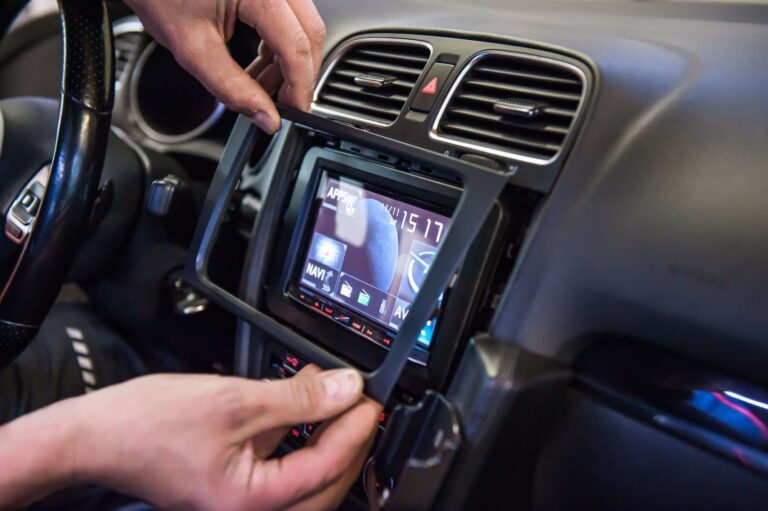
Problem Definition: Two Different Failures Behind One Complaint
The words don't fit and won't communicate are usually filed together, but they originate in unrelated systems. One is mechanical, the other is electronic. Treating them as a single quality problem is why installers sometimes replace a correct head unit twice and still see the same symptom.
Physical failure: aperture, mounting points and trim
- Visible gaps along the joint line where the fascia meets the dashboard trim.
- The head unit sits proud of the console, or sits too far back inside it.
- Factory screw points do not line up with the mounting tabs on the kit.
- The trim panel cannot be re-clipped because the replacement part alters the outer contour.
- Pressure marks or cracks appear on the original dashboard after forcing the unit into place.
These symptoms are typically caused by low-quality universal dash kits, or by parts that were not precision-molded to the exact dimensions of the original dashboard. A dashboard that accepts a double DIN radio is not automatically a true double DIN aperture: the outer contour, the depth, the mounting bosses and the trim clips all belong to that specific model and model year.
Communication failure: ACC, steering controls and fault codes
- The head unit does not wake with the ignition because no ACC signal reaches it.
- Steering wheel control buttons are unresponsive after installation.
- Dashboard fault warning codes appear after the retrofit.
- Original car information or key control functions are missing.
- Audio or control signals drop out intermittently after months of driving.
The first four are protocol problems. They trace back to a mismatched CAN bus decoder protocol, a CAN interface that is not fully seated, or firmware that does not correspond to the vehicle model year and trim. The fifth is a materials problem: low-grade copper conductors, thin insulation and crimp terminals that were not designed to resist vehicle vibration. Neither class is solved by forcing a connector or by splicing wires, and splicing moves the risk into the vehicle's original electrical system.
Industry Background: Why Mismatch Scales With the Market
Retrofit volume is large and still expanding, which is exactly why fitment mismatch has become a supply-chain issue rather than an installation-skill issue. The global car audio head unit market was estimated at USD 15.44 billion in 2024 (Market Research Future), and the car aftermarket audio system market is projected to grow at a CAGR of 12.18%, with DIY customers and online plug-and-play kits cited as drivers (Mordor Intelligence). Asia Pacific held a 54.21% share of the global car audio market in 2025 (Fortune Business Insights). More units in circulation means more model, year and trim combinations in circulation.
The structural reason is simple: one nameplate does not equal one part. The same vehicle model can require different products depending on model year, equipment level, original radio, original connector, audio system and overall vehicle configuration. This is why compatibility has to be resolved as a chain rather than a single lookup. ZYX Car Radio Fascia Kit, the product line of Shenzhen Zhongyixing Electronic Technology Co., Ltd, is built around that chain and currently covers more than 3,000 vehicle applications across major brands including Toyota, Honda, Nissan, Mazda, Ford, Chevrolet, Volkswagen, Audi, BMW, Mercedes-Benz, Hyundai, Kia, Jeep, Dodge, Mitsubishi, Subaru, Peugeot, Renault, Citroën and Fiat.
There is also a trade layer that decision-stage buyers should settle early. Car stereo fascia and installation hardware are classified under HS code 8708.99, vehicle parts and accessories not elsewhere specified (United Nations Statistics Division). In the EU, electronic subassemblies integrated into road vehicles that can affect vehicle safety functions fall under e/E-Mark (ECE R10) EMC requirements rather than CE marking alone, per published E-Mark guidance. Both points affect which SKU can be sold into which market, independently of whether the part physically fits.
The Solution Path: Fascia Kit, Harness and Decoder as One Chain
The fix is not a better single component. It is three components matched to the same vehicle definition, each correcting one layer of the failure.
1. Vehicle-specific fascia kit: corrects the form fit
A vehicle-specific Android car stereo fascia kit is molded from the dimensions, structure, mounting points and dashboard design of a defined vehicle application, rather than from a generic double DIN opening. The measurable difference is tolerance: fit tolerance improves by 91%, from 2.3 mm on conventional kits to 0.2 mm or less on this precision-molded kit. In practice that is the difference between a visible shadow line at the trim joint and a surface that reads as factory.
The range covers single DIN, double DIN, 7-inch, 9-inch and 10.1-inch fascias, OEM-style fascias and Android head unit fascias, so the same vehicle definition can be matched to different head unit sizes without changing the dashboard. For the buyer, the value is not cosmetic: a part that fits without modification protects the original dashboard, avoids trim damage, and keeps the installation reversible.
2. Plug-and-play wiring harness: corrects the electrical layer
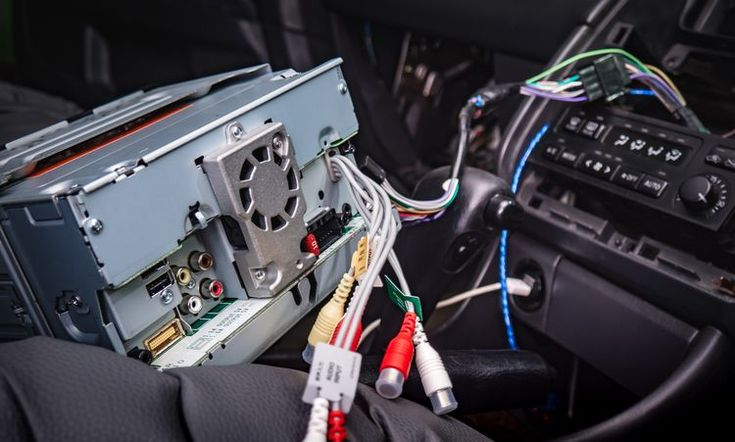
Where the fascia solves geometry, the harness solves contact. The core difference against traditional cut-wire solutions is a plug-and-play design requiring no wire cutting, using the factory original electrical interface. The harness range includes ISO harnesses, Quadlock harnesses, OEM connector adapters, power and speaker harnesses, steering wheel control harnesses, vehicle-specific harnesses and multi-pin connector adapters.
Two failure modes disappear with this approach. Reversed polarity and wrong pin assignment, which are the documented causes of short circuits and head unit burnout in cut-wire installations, are removed because the connector is keyed to the vehicle. And because nothing is spliced, the original loom stays intact, which matters for warranty, for resale and for any later return to factory specification. Protection features such as built-in reverse polarity protection belong in this layer, not in the installer's judgement.
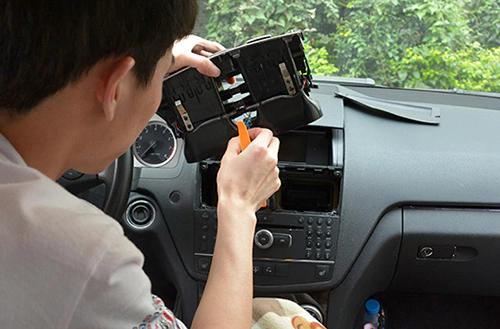
3. Pre-flashed CANBUS decoder: corrects the protocol layer
A CAN bus decoder is an automotive electronic component that enables signal communication between an aftermarket head unit and the vehicle's original CAN bus system. It parses steering wheel control signals, vehicle status data and dashboard prompts from the original bus, converts them into a format the new head unit can read, and forwards control instructions back to the vehicle network. In technical terms, vehicle network messages in HEX are translated into UART messages for the head unit, which is how steering wheel controls and climate data are retained.
Depending on the application, supported functions can include ACC signal, steering wheel controls, original car information, key control, vehicle data communication and selected OEM function integration. The decisive variable is firmware. With pre-flashed, model-specific CAN firmware, steering wheel control compatibility rises from 55% with universal CAN retrofit kits to 100%, and the fault code rate is more than 90% lower than traditional cut-wire and universal CAN retrofit kits, supporting zero dashboard fault codes.
Step-by-Step Breakdown: Diagnose, Specify, Install, Verify
- Classify the failure before ordering anything. If the complaint is gaps, protrusion or clips that will not seat, the problem is the fascia. If the complaint is no power-on with ignition, dead steering buttons or dashboard warnings, the problem is the harness or decoder layer. Ordering the wrong layer is the most common reason a second attempt fails the same way.
- Lock the vehicle identity. Work through the full chain: vehicle brand, model, model year, original radio, original connector, vehicle configuration, audio system, then the new head unit. Where a model has multiple original equipment configurations, supply clear photos of the original dashboard, the original radio and the connectors on the back of the factory head unit. Photos resolve model-year and trim ambiguity faster than a description.
- Match parts by part number, not by the phrase fits Android. Confirm that the fascia, harness and decoder in the set are all specified for the same vehicle definition. A set assembled from three separately sourced universal parts reintroduces the mismatch the kit was meant to remove.
- Disconnect the vehicle battery and remove the factory head unit with the trim panel. Disconnecting the battery first avoids electrical short circuits. Trim should be released with proper tools and never pried forcibly, because dashboard damage is permanent and expensive to correct.
- Dry fit the model-specific dash kit before final assembly. Check the joint line, the mounting points and the console contour with the unit in place but not secured. This is the only reliable way to verify a 0.2 mm tolerance claim, and it converts a potential return into a five-minute adjustment.
- Plug the harness and decoder into the original vehicle interface. No cutting, no splicing. Confirm every connector is fully seated, and verify decoder model compatibility before applying power.
- Power on and test all functions before reassembly. Test ignition wake-up, steering wheel controls, audio output, vehicle information and dashboard status. Finding a seating fault at this stage costs minutes; finding it after the trim is back in costs the job.
- Secure the head unit and fascia, reinstall the trim, and clear historical fault codes if any were stored. If codes appeared during testing, clearing the vehicle's stored codes and retesting confirms whether the cause was resolved or only masked.
If communication still fails after installation
Run the three-point recheck in order. First, verify that the CAN decoder matches the vehicle model, model year and trim level; a decoder written for a different trim will read the bus but not interpret it. Second, re-plug the CAN bus and steering control connectors and confirm full seating. Third, confirm the decoder firmware is the version corresponding to the vehicle and reflash if necessary. Then clear the historical fault codes and retest.
If it still will not fit
Re-verify that the fascia was ordered against the exact model year and equipment level rather than the nameplate alone, and compare the mounting points against the original head unit bracket. Do not compensate with force: a 2.3 mm-class mismatch forced into place becomes a cracked trim panel, and the cost moves from the part to the vehicle.
Use Cases: Where the Three-Part Chain Pays Off
- Single-vehicle premium upgrade. The owner wants a factory-looking result and working steering controls, not a working radio with visible gaps.
- Multi-vehicle retrofit projects. Installers and modification shops carrying several model families benefit from a single compatibility system covering more than 3,000 vehicle applications, because ordering becomes a lookup instead of a fabrication task.
- Fleet batch modification and dealership pre-delivery fitting. In these conditions, repeatable fitment and zero fault code outcomes reduce per-vehicle handling time, which is the operational argument for model-specific parts rather than a per-unit price argument. After-sales troubleshooting interventions are also 85% fewer than with alternatives, which supports spare-part continuity and simpler service workflows.
- Used-car interior electronics refurbishment. Reversibility matters here: a plug-and-play harness leaves the original loom intact, so the vehicle can be returned to factory configuration if needed.
- Distributors and e-commerce sellers building a catalogue. Coverage across model years is a listing problem as much as a stock problem, and a documented compatibility chain reduces the return rate that erodes margin on retrofit parts.
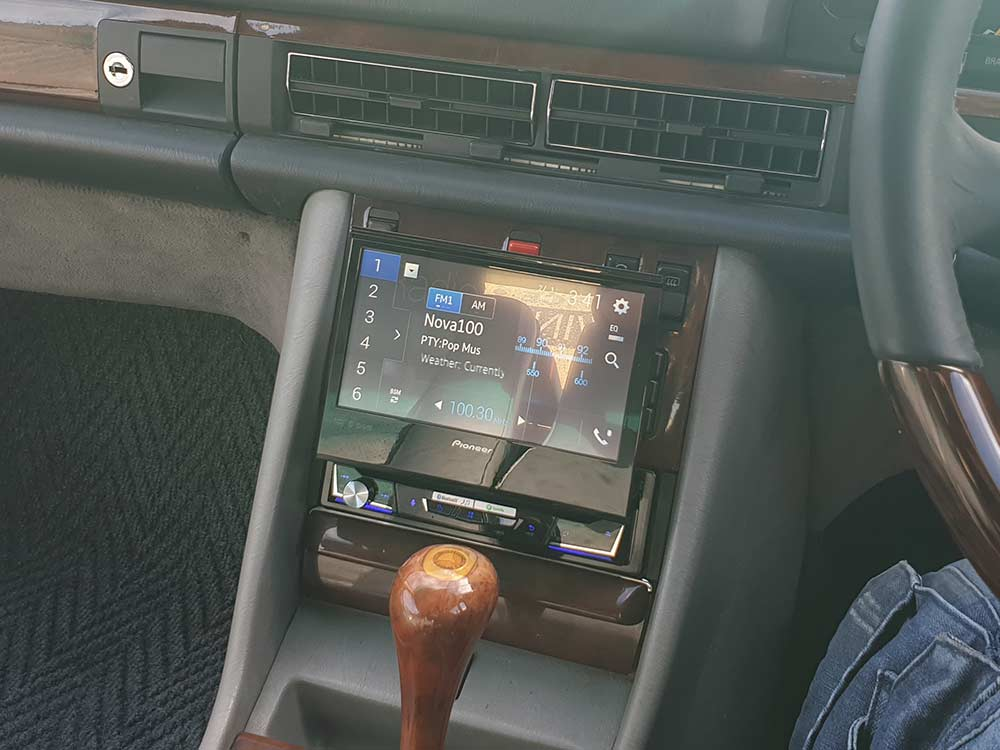
Comparison Table: Model-Specific Plug-and-Play Kit vs Traditional Cut-Wire Universal Kit
| Comparison dimension | Model-specific plug-and-play kit (fascia kit, wiring harness, CANBUS decoder) | Traditional cut-wire harness and universal CAN retrofit kit |
|---|---|---|
| Installation method | Plug-and-play; no wire cutting; uses the factory original electrical interface | Wire splicing; separate harness and decoder assemblies |
| Fit tolerance | 0.2 mm or less, via model-specific precision molding | 2.3 mm on conventional kits; 91% larger deviation |
| Installation time | Reduced by 60%, from roughly 180 minutes to roughly 70 minutes | Baseline reference |
| Steering wheel control compatibility | 100% with pre-flashed, model-specific CAN firmware | 55% with universal CAN retrofit kits |
| Dashboard fault code behaviour | Fault code rate more than 90% lower; supports zero dashboard fault codes | Higher fault incidence; warnings commonly reported |
| Initial unit cost | 25% higher | Lower upfront |
| 12-month total cost | 40% lower, because rework and wiring repair fees are eliminated | Baseline reference plus rework exposure |
| After-sales load | 85% fewer troubleshooting interventions; no specialist electrician required | Higher intervention frequency |
| Electrical efficiency | 30% lower CAN decoder standby power; 15% less transmission loss with tinned oxygen-free copper | Not specified in the comparison data |
| Best suited to | Model-specific center console upgrade, premium car audio retrofit, fleet batch modification, dealership pre-delivery fitting | Low-budget simple retrofits of older economy vehicles |
The table is a decision instrument, not a verdict for every job. For a low-budget simple retrofit of an older economy vehicle, a cut-wire universal solution remains a viable option with lower upfront cost, accepting a higher risk of functional issues and fit inaccuracy. The economics shift when installation labour, rework and return handling are counted per vehicle instead of per unit.
What to Confirm Before You Order
- Vehicle brand, model, model year, trim and equipment level, stated explicitly rather than assumed.
- Original radio and original connector type, confirmed with photos of the connector on the back of the factory head unit.
- Whether the vehicle carries a CAN bus system, and which decoder firmware version applies to that configuration.
- Target head unit size, so the fascia is ordered as 7-inch, 9-inch, 10.1-inch, single DIN or double DIN with matching mounting geometry.
- Market compliance requirements for the destination country, including EU environmental and EMC documentation where applicable.
- Whether the fascia, harness and decoder ship as one matched set for the same vehicle definition.
FAQ
Do vehicle-specific retrofit kits meet EU market requirements?
The full kit is stated to comply with EU RoHS 2 and REACH regulations, so hazardous substance content across materials and components is controlled for export. Compliance is not a single mark, however: in the EU, electronic subassemblies integrated into road vehicles that can affect vehicle safety functions fall under e/E-Mark (ECE R10) EMC testing rather than CE marking alone. For customs, fascia and installation hardware are classified under HS code 8708.99. Buyers should confirm which document set applies to the exact SKU rather than to the product category.
Will a model-specific kit keep steering wheel controls and vehicle information working?
Steering wheel control compatibility rises from 55% with universal CAN retrofit kits to 100% with a pre-flashed, model-specific CAN kit. Depending on the vehicle application, the decoder can support ACC signal, steering wheel controls, original car information, key control, vehicle data communication and selected OEM function integration. The condition is exact matching of model, model year and trim level, because the firmware is written per vehicle configuration. A universal decoder without model-specific firmware is the usual cause of dead buttons and dashboard warnings.
Why is the unit price higher if the 12-month cost is lower?
Initial unit cost is 25% higher than traditional cut-wire and universal CAN retrofit kits. The 12-month total cost is 40% lower because rework and wiring repair fees are eliminated, and after-sales troubleshooting interventions are 85% fewer. Installation time also falls by 60%, from roughly 180 minutes to roughly 70 minutes. For a single low-budget retrofit of an older economy vehicle, a cut-wire universal solution can still be the cheaper route; the crossover happens when installation labour, rework and fault-code handling are counted per vehicle.
How can I validate fit before placing a bulk order?
Fit is dimensional, so it can only be confirmed against the actual dashboard. The relevant figure is the fit tolerance: 0.2 mm or less on this precision-molded kit against 2.3 mm on conventional kits, a 91% improvement. The practical validation is a dry fit of the fascia before final assembly, checking the trim joint line, the mounting points and the console contour. Before ordering, send photos of the original dashboard, the original radio and the connectors on the back of the factory head unit so the part number matches the exact model year and equipment level. Sample terms and part-number confirmation can be requested directly from ZYX.
What determines delivery and installation throughput on a scheduled project?
In retrofit work, throughput is driven less by unit price than by repeatability. In fleet batch modification and dealership pre-delivery fitting, repeatable fitment and zero fault code outcomes reduce per-vehicle handling time, which is why delivery capacity and consistency belong in supplier evaluation alongside fit accuracy, CAN protocol matching rate and electrical safety. Exact lead time depends on model coverage, order quantity and current production scheduling, so it should be confirmed per order rather than assumed from a catalogue page. For scheduled projects, confirm the model list and delivery plan with ZYX before fixing the installation calendar.
Conclusion: Match the Part to the Vehicle, Not to the Category
A retrofit that will not fit and a retrofit that will not communicate look like two problems but behave like one: a part matched to a category instead of to a vehicle. The correction follows the same order every time. Resolve geometry with a vehicle-specific Android car stereo fascia kit molded to 0.2 mm or less, resolve contact with a plug-and-play harness that uses the factory interface without cutting, and resolve protocol with a pre-flashed CANBUS decoder that restores ACC, steering wheel controls and vehicle data without triggering dashboard warnings.
That chain also explains the cost picture at decision stage: 25% higher upfront, 40% lower over twelve months, 85% fewer after-sales interventions. The number that matters is not the unit price but how many times the vehicle returns to the bay.
Next step
Confirm the part number before confirming the order
Send the vehicle brand, model, model year, trim, original radio type and photos of the factory connectors. ZYX, the car stereo fascia, wiring harness and CANBUS decoder line of Shenzhen Zhongyixing Electronic Technology Co., Ltd, matches the three parts as one set for a defined vehicle application.
WhatsApp and phone: +86 159-2064-3862 | Email: yueyongfei7@gmail.com | Website: www.zyxcaradio.com
Company profile brochure (PDF, public download): ZYX AUTO Company Profile Brochure

Have Questions or Need More Details?
Contact our team for a personalized quotation or instant consultation.
Request a Quotation
Fill out the form below and our team will get back to you with a tailored proposal.
WhatsApp Direct Chat
Prefer to chat in real-time? Message us on WhatsApp for instant assistance & quick answers.
- Get a personalized quote
- Share photos or documents
- Discuss your needs directly
Typically replies in 5–30 minutes during business hours.