
Ranked: Three Vehicle-Specific Android Car Stereo Fascia Kit Setups for Installers
Most retrofit comebacks are not caused by the head unit. They are caused by a fascia that does not sit flush, a harness that forces a cut into factory wiring, or a CAN module that speaks a protocol the vehicle does not recognise. This ranking compares three vehicle-specific retrofit setups built from ZYX components, ordered by how much of a complete Android head-unit retrofit each setup actually covers and which installer profile each one fits.
The three parts used across the setups are the ZYX-01 Car Radio Dash Fascia, the ZYX-02 Car Radio Wiring Harness and the ZYX-03 CAN Bus Decoder Module, supplied by Shenzhen Zhongyixing Electronic Technology Co., Ltd (ZYX), a Shenzhen-based manufacturer of car radio fascia kits, wiring harnesses and CANBUS decoder solutions, founded in 2017 and covering 3,000+ vehicle applications.
- Rank 1 — Full three-part set (ZYX-01 + ZYX-02 + ZYX-03): for multi-vehicle Android head-unit programs where a single order must deliver fitment, wiring and vehicle communication together.
- Rank 2 — Harness plus decoder (ZYX-02 + ZYX-03): for installers reusing a fascia that is already proven on the platform.
- Rank 3 — Fascia-only kit (ZYX-01): for non-CAN vehicle models, where there is no vehicle network for a decoder to translate.
Why the setup, not the single part, decides the comeback rate
A retrofit kit usually fails for one of two reasons. The first is dimensional: a fascia that is not molded from the original dashboard data leaves visible gaps, misaligns against the factory trim, or forces pressure onto the dashboard during closing. The second is electrical and protocol-related: an incompatible CAN decoder protocol, a CAN interface that is not fully seated, or a decoder firmware version that does not match the vehicle produces dashboard fault codes, while a harness built without vibration-resistant crimp design and with thin insulation can produce intermittent audio or control signal loss after long-term use.
That is why this ranking is organised by layer rather than by product. A complete Android head-unit retrofit in a vehicle-specific program has three layers that can fail independently:
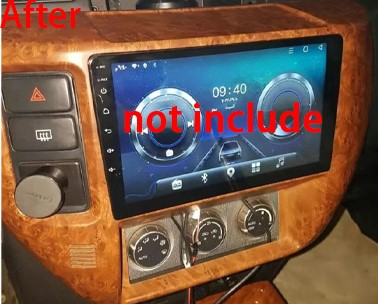
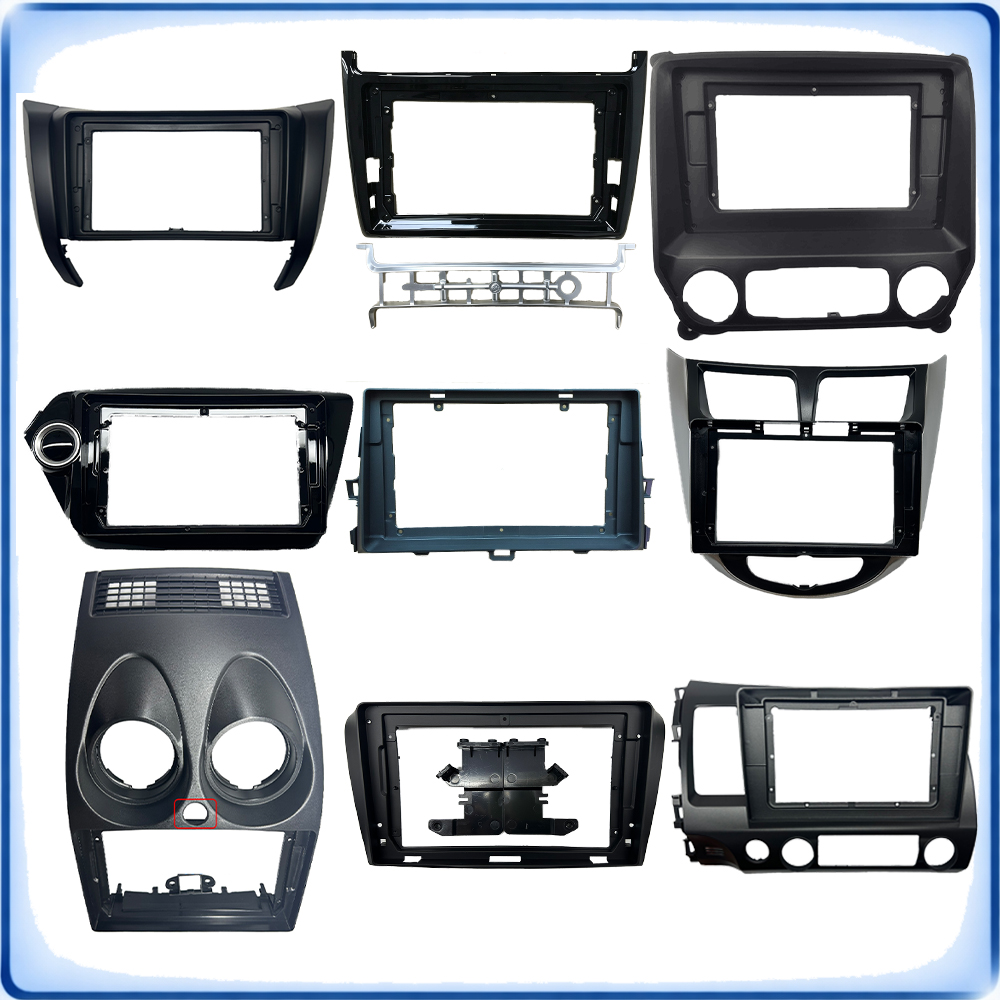
- Physical layer — fascia. Controls panel alignment, mounting points, screen aperture (7", 9", 10.1" or 12.3"), and whether the original interior is modified.
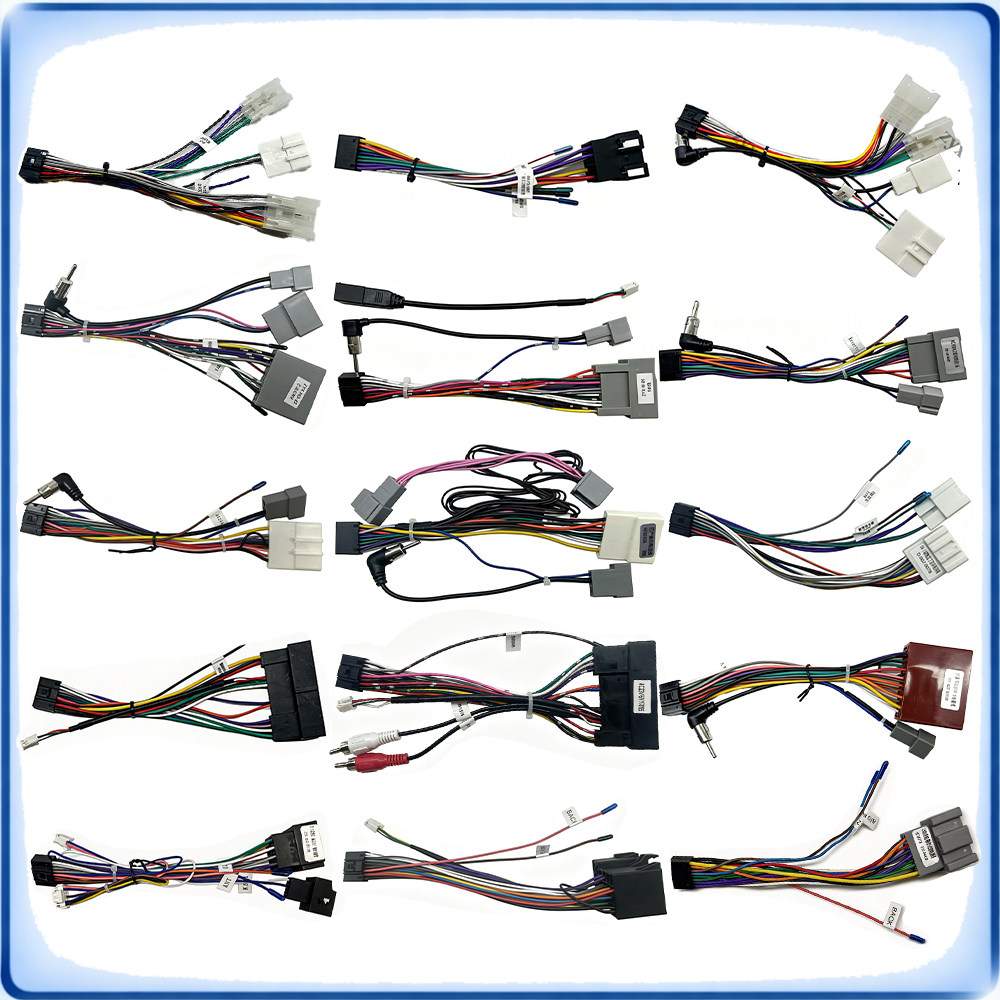
- Electrical layer — harness. Controls power, speaker and accessory connection between the factory connector and the new head unit, and whether factory wiring must be cut.
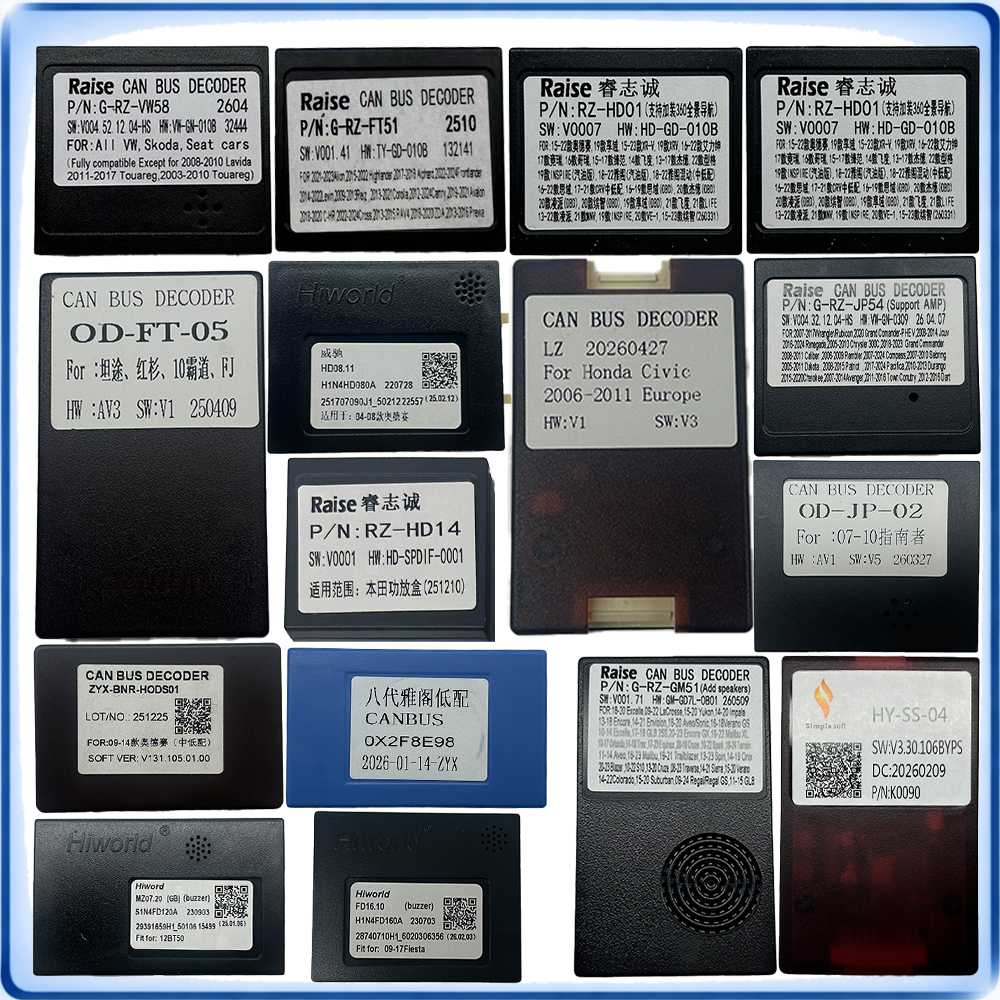
- Communication layer — CAN bus decoder. Controls whether factory steering wheel controls, vehicle information display and original chime functions are retained on CAN-equipped vehicles.
Common failure triggers are well documented in field troubleshooting: mismatched decoder protocols or wrong vehicle trim mapping cause dead steering wheel buttons; cut-wire harnesses, reversed polarity or wrong pin assignment cause short circuits or burned head units; universal dash kits without precision molding cause gaps and trim damage. Each of the three setups below is ranked by how many of these triggers it removes before the vehicle is touched.
Industry background: market scale, classification and compliance
The global car audio head unit market was estimated at USD 15.44 billion in 2024 (Market Research Future, “Car Audio Head Unit Market Size, Trends, Growth Report 2035”). Growth on the aftermarket side is being partly driven by DIY customers and online plug-and-play kits, with the car aftermarket audio system market projected to grow at a CAGR of 12.18% (Mordor Intelligence, “Car Audio Market Size, Outlook & Analysis, 2031”). Regionally, Asia Pacific dominated the global car audio market with a 54.21% share in 2025 (Fortune Business Insights).
For installers, distributors and brand owners, the commercial meaning of that scale is straightforward: the installation hardware category — fascia, harness and decoder — is where fitment and protocol risk concentrates, and where a wrongly specified setup turns a profitable job into a return visit. Two classification and compliance points matter when the finished kit crosses a border. Car stereo fascia and installation hardware are normally classified under HS Code 8708.99 (United Nations Statistics Division classification detail). In the European Union, electronic subassemblies that affect vehicle safety functions must meet e/E-Marking (ECE R10) EMC testing rather than CE marking alone, according to Elite Electronic Engineering’s e/E-Marking guide.
The supplier landscape is split between universal and vehicle-specific approaches. Universal adjustable dash kits cost less up front but leave fitment accuracy to the installer. Model-specific kits are molded from original dashboard dimensions and are the reason the term vehicle-specific exists in this category. Catalog breadth also varies widely: Metra Electronics states on its own website that it manufactures dash kits for more vehicle applications than any other manufacturer globally — a claim in the company’s own words, not an independently verified ranking. ZYX takes the narrower route of compatibility data plus matched part design: Shenzhen Zhongyixing Electronic Technology Co., Ltd develops fascia kits, wiring harnesses and CANBUS decoder solutions around a vehicle application database covering 3,000+ applications across brands such as Toyota, Honda, Nissan, Mazda, Ford, Chevrolet, Volkswagen, Audi, BMW, Mercedes-Benz, Hyundai, Kia, Jeep, Dodge, Mitsubishi, Subaru, Peugeot, Renault, Citroën and Fiat, with approximately 80% of output exported and Russia and the EU among its main markets (zyxcaradio.com).
The three ranked setups in detail
Rank 1 — ZYX-01 fascia + ZYX-02 harness + ZYX-03 CAN decoder (full retrofit set)
This is the only setup of the three that closes the physical, electrical and communication layers in a single order, which is why it ranks first for multi-vehicle Android head-unit programs and for shops that install across several platforms each month.
- ZYX-01 Car Radio Dash Fascia (ZYX-01): model-specific center console frame molded from original vehicle dashboard data; ABS plastic; material thickness 2.5–3.0 mm; dimensional tolerance ≤0.2 mm; plug-and-play fitment type; Double-DIN or model-specific custom mounting; compatible screen sizes 7", 9", 10.1" and 12.3"; operating temperature −40 °C to 85 °C; complete mounting accessories included.
- ZYX-02 Car Radio Wiring Harness (ZYX-02): OEM vehicle-side plug plus ISO 16-pin head unit connector; AWG 20–22 tinned oxygen-free copper conductors with ANSI/CTA-2015-B colour-coded insulation; 12V DC, 10A maximum current; reverse polarity protection and short-circuit protection; PA66 connector housing and tin-plated brass contact terminals; flame-retardant PVC insulation; operating temperature −40 °C to 85 °C; plug-and-play with no cutting of original vehicle wiring.
- ZYX-03 CAN Bus Decoder Module (ZYX-03): plug-and-play CAN gateway module; protocol standard CAN 2.0A / 2.0B at 500 kbps / 125 kbps dual rate; 12V DC supply, 300 mA standby and 2 A maximum; operating temperature −40 °C to 85 °C; flame-retardant ABS housing, FR-4 glass fibre epoxy circuit board and heat-conductive silicone potting; pre-programmed model-specific firmware for plug-and-play installation without on-site debugging; built-in CAN isolation to prevent dashboard fault codes; 100% incoming quality inspection.
The practical reason this combination ranks first is not the individual specification, but the matching relationship between the three parts. A ≤0.2 mm fascia tolerance only holds its value if the mounting points line up with the harness routing and the decoder sits behind the same frame; a pre-programmed decoder only prevents fault codes if the harness pin definition and the original connector match the vehicle configuration it was programmed for. ZYX designs the fascia, harness and decoder as one retrofit set on the “fascia kit + wiring harness + CANBUS decoder” product logic, which is why this route carries the fewest open variables for a program that spans several vehicle models.
Rank 2 — ZYX-02 harness + ZYX-03 decoder (existing fascia retained)
The second-ranked setup covers the electrical and communication layers only, for installers who already hold a fascia that is proven on the platform, are clearing existing dash frame stock, or are working on a vehicle where the customer insists on keeping the current frame.
The harness and decoder specifications are identical to Rank 1: ISO 16-pin head unit connector with OEM vehicle-side plug, AWG 20–22 tinned oxygen-free copper, 12V DC / 10A rating, reverse polarity and short-circuit protection, plus a CAN 2.0A / 2.0B decoder running at 500 kbps or 125 kbps with pre-programmed model-specific firmware and CAN isolation against dashboard fault codes. Because harness and decoder are matched to each other, this pairing keeps the electrical behaviour predictable while the mechanical layer is handled by existing inventory.
Watch-out: in this setup the fitment result is no longer controlled by the fascia supplier. A third-party frame without original-dimension molding can still produce gaps, misalignment or trim pressure even when the wiring and CAN behaviour are correct. A dry fit before permanent installation is the only reliable check, and it should be done before the decoder is powered up.
Rank 3 — ZYX-01 fascia-only kit (non-CAN vehicle models)
The fascia-only route ranks third because it solves the smallest portion of the retrofit: the mechanical layer. It is the correct choice when the vehicle has no CAN bus network for a decoder to translate, when the electrical side is already resolved with a standard ISO harness, or when the job is budget-sensitive and only the panel and mounting hardware are missing.
The fascia specification is the same as in Rank 1 — ABS construction, 2.5–3.0 mm thickness, ≤0.2 mm tolerance, 7"/9"/10.1"/12.3" screen compatibility, Double-DIN or model-specific mounting, −40 °C to 85 °C operating range, plug-and-play installation without damage to the original interior. Its limitation is equally clear: with no decoder in the setup, factory functions that depend on CAN messaging are not carried over. On CAN-equipped vehicles, a matching decoder is the component that retains steering wheel controls, vehicle information display and the original chime; without it, a full-function plug-and-play retrofit is not achievable.
Step-by-step: specifying the right setup for a program
- Log the vehicle data before anything else. Record vehicle brand, model, model year, equipment level or trim, original radio type, original connector type, audio system configuration and the new head unit. ZYX matches compatibility through this exact chain — brand → model → model year → original radio → original connector → vehicle configuration → audio system → new head unit. Where a model exists in several factory configurations, photographs of the original dashboard, original radio or the connector on the back of the factory head unit remove most of the ambiguity.
- Establish whether the vehicle is CAN or non-CAN, and which functions must survive. Decide up front whether steering wheel controls, vehicle information display and the original chime have to remain. If they do on a CAN-equipped vehicle, the decoder is mandatory and the setup moves to Rank 1 or Rank 2.
- Choose the setup route. Full three-part set for multi-model programs, harness plus decoder when a proven fascia is already in stock, fascia-only when there is no CAN network or the electrical side is already covered.
- Dry fit before permanent installation. Test the fascia alignment against the actual dashboard, then route the harness and mount the decoder. Dry fitting is where a ≤0.2 mm tolerance claim is verified against the real vehicle, not assumed from a specification sheet.
- Validate electrically before power-on. Disconnect the vehicle battery, confirm the CAN interface and power connectors are fully seated, check circuit continuity, and confirm the decoder firmware corresponds to the exact model year and trim before the first power-up.
- Verify functions after installation. Check steering wheel controls, vehicle information display, chime behaviour and dashboard fault status. If fault codes appear, the standard sequence is to confirm the decoder is the model-specific version, reseat the CAN interface, confirm the firmware match, then clear historical fault codes and retest.
- Qualify the order route. Stock items carry a 1-unit minimum order quantity, which is how a single validation set is ordered; custom OEM/ODM items start at 100 units. Production capability is quoted at 12,000 units per month, with lead time of 3–7 days for stock products and 15–25 days for custom model-specific products.
Use cases: which installer profile each setup serves
Multi-vehicle retrofit programs and after-market solution integrators (Rank 1). Where one buyer supplies dash frames, harnesses and decoders across many car brands, the full three-part set is the only route that keeps fitment, wiring and protocol behaviour inside one matched system. A recorded after-market solution integrator program in China has taken a cumulative 19,000+ sets over a 7-year cooperation, with a return rate below 0.8%, consistent product consistency across batches, flexible order volume and rapid technical support for overseas project requirements.
Brand owners running multi-country Android head-unit programs (Rank 1, at program scale). A car multimedia brand owner program records a cumulative 550,000+ sets of dash frames, wiring harnesses and CAN bus decoders supplied over 9 years of continuous cooperation, with a return rate below 0.7%, protocol compatibility across multi-vehicle-model head units and stable lead-time control across volume orders. The recurring engineering issue in that program was protocol compatibility between after-market Android head units and multiple vehicle models — the same problem the ZYX-03 decoder is specified to solve through pre-programmed, model-specific firmware.
Shops holding fascia stock or running mixed-brand fitting bays (Rank 2). When the frame is already on the shelf and proven on the platform, the harness-plus-decoder pairing upgrades the vehicle from a mechanical install to a full-function retrofit without re-buying the mechanical part. It also suits installers who want to standardise the electrical layer across several head unit brands, because the harness works with most aftermarket car stereos and Android head units.
Older and entry-level models without CAN, and pre-delivery accessory fitting (Rank 3). Fascia-only orders fit non-CAN radio upgrades, used-car interior refurbishment and dealership accessory fitting where the wiring route is already resolved. The economics work because nothing is bought twice, but the installer should confirm that no factory CAN-dependent function is expected by the end customer.
Comparison table: the three setups side by side
| Setup | Components | Best-fit program | Verified specifications | Watch-out |
|---|---|---|---|---|
| Rank 1 Full retrofit set |
ZYX-01 fascia + ZYX-02 harness + ZYX-03 CAN decoder | Multi-vehicle Android head-unit programs, mixed-platform install bays, integrator and brand-owner volume programs | Fascia: ABS, 2.5–3.0 mm thickness, ≤0.2 mm tolerance, 7"/9"/10.1"/12.3" screens, Double-DIN or model-specific. Harness: OEM plug + ISO 16-pin, AWG 20–22 tinned OFC, 12V DC / 10A, reverse polarity and short-circuit protection. Decoder: CAN 2.0A / 2.0B, 500 kbps / 125 kbps, 300 mA standby / 2 A max. All parts −40 °C to 85 °C | Model year, trim and original connector must be confirmed before ordering; validate with a 1-set sample first |
| Rank 2 Harness + decoder |
ZYX-02 harness + ZYX-03 CAN decoder | Installers reusing an existing fascia, shops clearing dash frame stock, jobs where the customer keeps the current frame | Identical harness and decoder specifications as Rank 1; plug-and-play installation with no original wire cutting; no on-site decoder programming required | Fitment now depends on the retained fascia; a frame without original-dimension molding can still gap or misalign. Dry fit before power-on |
| Rank 3 Fascia-only kit |
ZYX-01 fascia | Non-CAN vehicle models, budget-sensitive retrofit jobs, pre-delivery accessory fitting where wiring is already resolved | ABS plastic, 2.5–3.0 mm thickness, ≤0.2 mm tolerance, 7"/9"/10.1"/12.3" screen compatibility, Double-DIN or model-specific mounting, plug-and-play fitment, −40 °C to 85 °C | No CAN translation layer: factory CAN-dependent functions are not carried over on CAN-equipped vehicles without a matching decoder |
Frequently asked questions
1. Do ZYX fascia kits, harnesses and CAN decoders meet EU import requirements?
ZYX states that the full retrofit kit complies with EU RoHS 2 and REACH regulations, with hazardous substance content controlled across materials and components, meeting export environmental requirements. Two further compliance points belong in a European launch plan. Electronic subassemblies integrated into road vehicles in the EU that impact safety functions must comply with e/E-Marking (ECE R10) EMC testing rather than CE marking alone (Elite Electronic Engineering e/E-Marking guide). Customs classification for car stereo fascia and installation hardware is normally HS Code 8708.99 (United Nations Statistics Division). Because vehicle configuration changes compliance exposure more than part numbers do, confirm model year, trim and original connector before ordering.
2. Can one set of ZYX parts cover an entire multi-vehicle Android head-unit program?
A program, yes; a single SKU, no. The ZYX-01 fascia is model-specific, molded from original dashboard data with ≤0.2 mm dimensional tolerance and 2.5–3.0 mm ABS thickness. The ZYX-02 harness carries an OEM vehicle-side plug plus an ISO 16-pin head unit connector with AWG 20–22 tinned oxygen-free copper conductors and ANSI/CTA-2015-B colour coding. The ZYX-03 decoder runs pre-programmed model-specific firmware on CAN 2.0A / 2.0B at 500 kbps and 125 kbps, so individual vehicle variants sit behind one matched design language rather than behind one universal part. ZYX’s vehicle application database covers 3,000+ applications, and recorded customer feedback from multi-vehicle-model installations reports reliable protocol compatibility between the decoder and head units from different platforms.
3. What are the minimum order quantities for these three setups?
Stock items carry a minimum order quantity of 1 unit, which is the normal route for a single validation set of any of the three setups. Custom OEM/ODM items start at 100 units, and customization can cover dash kit model and surface finish, wiring harness pin definition and length, and kit combination configuration. Quoted production capacity is 12,000 units per month. In practice, orders that reuse existing ZYX part numbers run through the stock route, while new frame tooling, surface finishes or pin definitions run through the custom route.
4. How should an installer validate a setup before committing to volume?
Order a one-set sample, then run a structured validation. Disconnect the vehicle battery, remove the factory head unit and trim, dry fit the fascia to check alignment and mounting points, plug the harness and decoder into the original vehicle interface, confirm every connector is fully seated, verify circuit continuity, then power on and test all functions before securing the trim. ZYX performs 100% incoming inspection on CAN bus decoders plus 100% pre-shipment conductivity and fit testing, and provides a 12-month product warranty with remote installation technical guidance and free replacement for defective items. Recorded programs show how that validation discipline performs at scale: a return rate below 0.8% on a cumulative 19,000+ sets cooperation with an after-market solution integrator, and below 0.7% on a cumulative 550,000+ sets cooperation with a car multimedia brand owner.
5. What lead times should be planned for a fascia, harness and decoder order?
Stock products ship in 3–7 days; custom model-specific products take 15–25 days. Capacity is quoted at 12,000 units per month, which is normally sufficient for mixed orders that combine stock fascia, harness and decoder items with a smaller number of custom variants. To select the right one of the three setups for a specific vehicle or a new program, send the vehicle make, model, model year and trim, the original radio type, and photographs of the original connector — ZYX will confirm the matching fascia, harness and decoder combination, and a sample set can be ordered at a 1-unit minimum quantity.
Conclusion
Ranked by retrofit coverage, the three setups answer three different questions. The full ZYX-01 + ZYX-02 + ZYX-03 set answers “how do I run a multi-vehicle Android head-unit program without chasing fitment, wiring and protocol problems separately”. The harness-plus-decoder pairing answers “how do I keep the electrical and CAN layer matched when the fascia is already on the shelf”. The fascia-only kit answers “what do I need when the vehicle has no CAN network and the wiring is already solved”. The specifications that carry the ranking are mechanical and measurable — 2.5–3.0 mm ABS thickness and ≤0.2 mm tolerance on the frame, AWG 20–22 tinned oxygen-free copper on an OEM-to-ISO 16-pin harness, and CAN 2.0A / 2.0B dual-rate decoding at 500 kbps and 125 kbps on pre-programmed firmware — which is why the choice can be made before the vehicle is opened rather than after the first fault code appears.
Next step: order a 1-set sample of the ranked setup that matches your program, or request the current ZYX product brochure and compatibility confirmation for your vehicle list.
Brochure download: ZYX Auto Company Profile Brochure
Product website: www.zyxcaradio.com
Contact: Rip · Email: yueyongfei7@gmail.com · Tel / WhatsApp: +86 159-2064-3862
Address: 5th Floor, Building D, Tianxi Sheng, No.46 Hongyin Road, Loucun Community, Xinhu Street, Guangming District, Shenzhen, China
Have Questions or Need More Details?
Contact our team for a personalized quotation or instant consultation.
Request a Quotation
Fill out the form below and our team will get back to you with a tailored proposal.
WhatsApp Direct Chat
Prefer to chat in real-time? Message us on WhatsApp for instant assistance & quick answers.
- Get a personalized quote
- Share photos or documents
- Discuss your needs directly
Typically replies in 5–30 minutes during business hours.