Vehicle-Specific Android Car Stereo Fascia Kit: Fitment, Wiring & Compliance Constraints
Vehicle-Specific Android Car Stereo Fascia Kit: Fitment, Wiring & Compliance Constraints
A vehicle-specific Android car stereo fascia kit only works as a solution when three constraints line up at the same time: the fascia matches the original dashboard geometry, the wiring harness matches the factory connector and pin definition, and the CANBUS decoder matches the vehicle protocol, model year and trim level. If one of them is wrong, the head unit may still switch on, but installers typically see panel gaps, dashboard fault codes, or steering-wheel buttons that stop responding.
This guide is written for importers, distributors, installers and private-label brand owners who are comparing suppliers during the research and evaluation stage. It explains what the term vehicle-specific actually commits a manufacturer to, which parameters can be verified before an order is placed, which compliance documents matter for EU and global export, and how the ZYX Car Radio Fascia Kit product system — dash fascia, wiring harness and CANBUS decoder — is specified against those constraints.
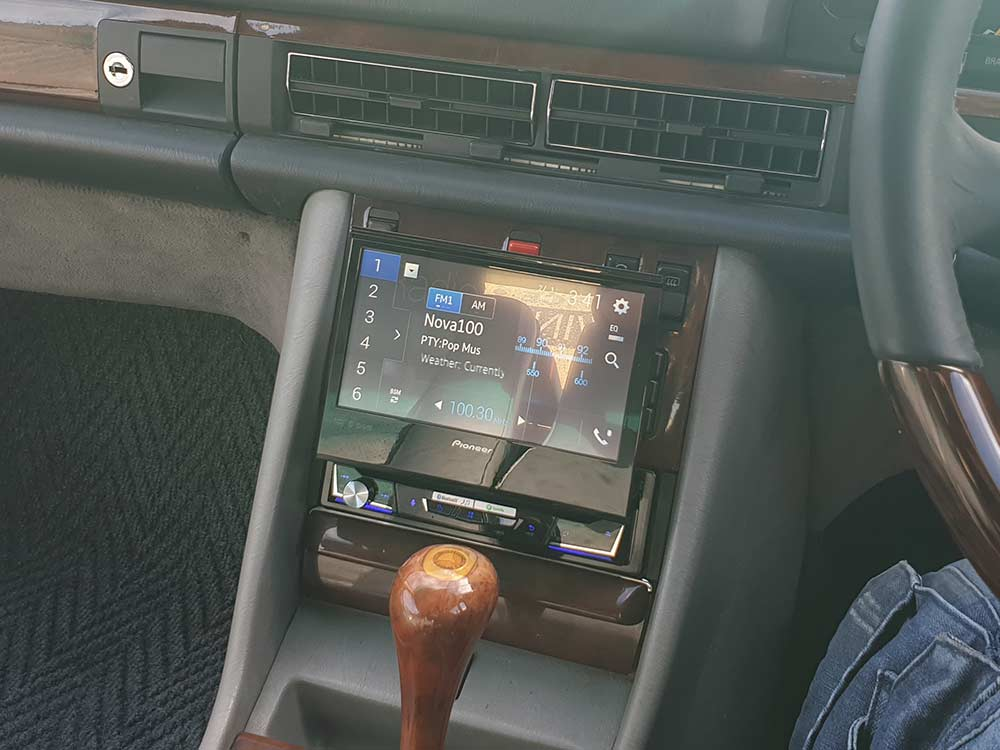
Final installed aftermarket head unit after a vehicle-specific fascia kit, harness and CANBUS decoder installation.
Why Vehicle-Specific Is a Constraint Statement, Not a Marketing Label
In the car audio aftermarket, the word vehicle-specific is often used loosely. For a buyer in the evaluation stage it should be treated as a set of engineering commitments across four interfaces, each of which fails differently.
- Mechanical interface — the fascia kit. A model-specific fascia is molded from original vehicle dashboard data. When it is not, the result is visible gaps, misalignment, and in some cases damage to the original dashboard trim. ZYX-01 is molded from original vehicle dashboard data with a dimensional tolerance of ≤0.2 mm and a material thickness range of 2.5 mm to 3.0 mm.
- Electrical interface — the wiring harness. A universal harness forces the installer to cut and splice the factory loom. ZYX-02 is built as an OEM vehicle-side plug plus an ISO 16-pin head unit connector, so it supports plug-and-play installation without cutting the original vehicle wiring. It is designed for non-CAN bus vehicle models and works with most aftermarket car stereos.
- Protocol interface — the CANBUS decoder. On CAN-equipped vehicles, the decoder is the part that determines whether steering-wheel controls, vehicle information display and original chime functions survive the upgrade. ZYX-03 is pre-programmed with model-specific firmware and includes built-in CAN isolation intended to prevent dashboard fault codes.
- Documentation interface — compliance. Materials and electronic subassemblies must be supported by the right paperwork for the destination market. This is discussed in detail further below.
A kit that satisfies only the mechanical interface is a fascia kit. A kit that satisfies the mechanical, electrical and protocol interfaces is an installation solution. The difference becomes visible at the first return.
The practical consequence for buyers is that fitment accuracy, protocol matching rate, damage-free installation capability, electrical safety and compliance certification should be treated as purchase criteria rather than as after-sales issues. They are the parameters that determine return rates, installation labour time, and whether a distributor can resell the same part number into several model-year variants of the same vehicle.
Industry Background: Fitment and Protocol Data Now Decide Purchases
The commercial context explains why installation hardware is no longer a low-attention accessory category. Market Research Future estimated the global car audio head unit market at USD 15.44 billion in 2024, with a forecast period running from 2025 to 2035. Mordor Intelligence, analysing the car audio market, projected a CAGR of 12.18% and attributed part of that growth to DIY customers and online plug-and-play kits. Fortune Business Insights reported that Asia Pacific held a 54.21% share of the global car audio market in 2025.
Two conclusions follow for buyers. First, a growing share of demand is moving through channels where the end user cannot physically test fitment before purchase — online sellers, cross-border e-commerce, and distributors shipping to installers in another country. Second, when the buyer cannot test the part in advance, the supplier’s vehicle data and protocol data become the product, not just the accessory.
Customs classification reflects the same positioning. Vehicle parts and accessories not elsewhere specified fall under HS Code 8708.99, maintained by the United Nations Statistics Division, which is the classification normally applied to car stereo fascia kits and installation hardware in cross-border shipments.
ZYX Car Radio Fascia Kit is the automotive aftermarket brand of Shenzhen Zhongyixing Electronic Technology Co., Ltd, a Shenzhen-based manufacturer and supplier of car radio fascia kits, car stereo wiring harnesses and CANBUS decoder solutions. The company profile records a 5,000 m² facility, an annual output of 1,000,000 units, an export ratio of 80%, and a product and vehicle compatibility system covering 3,000+ vehicle applications, with Russia and the EU listed among its main markets.
The ZYX Installation System: Fascia, Harness and CANBUS Decoder
The ZYX product portfolio is organised around the three interfaces described earlier. Each part has published parameters that a buyer can check against the target vehicle before ordering.
ZYX-01 Car Radio Dash Fascia
ZYX-01 is a model-specific centre console frame manufactured from original vehicle dashboard data. It is made of ABS plastic with a material thickness of 2.5 mm to 3.0 mm and a dimensional tolerance of ≤0.2 mm. The compatible screen sizes are 7 inches, 9 inches, 10.1 inches and 12.3 inches. The mounting standard supports Double-DIN and model-specific custom configurations, and the fitment type is plug-and-play with complete mounting accessories included. The operating temperature range is -40°C to 85°C.
For an installer, the tolerance figure is the number that matters most. A tighter tolerance reduces the need to trim, file or force the panel, which is the main cause of visible gaps and broken trim clips after installation.
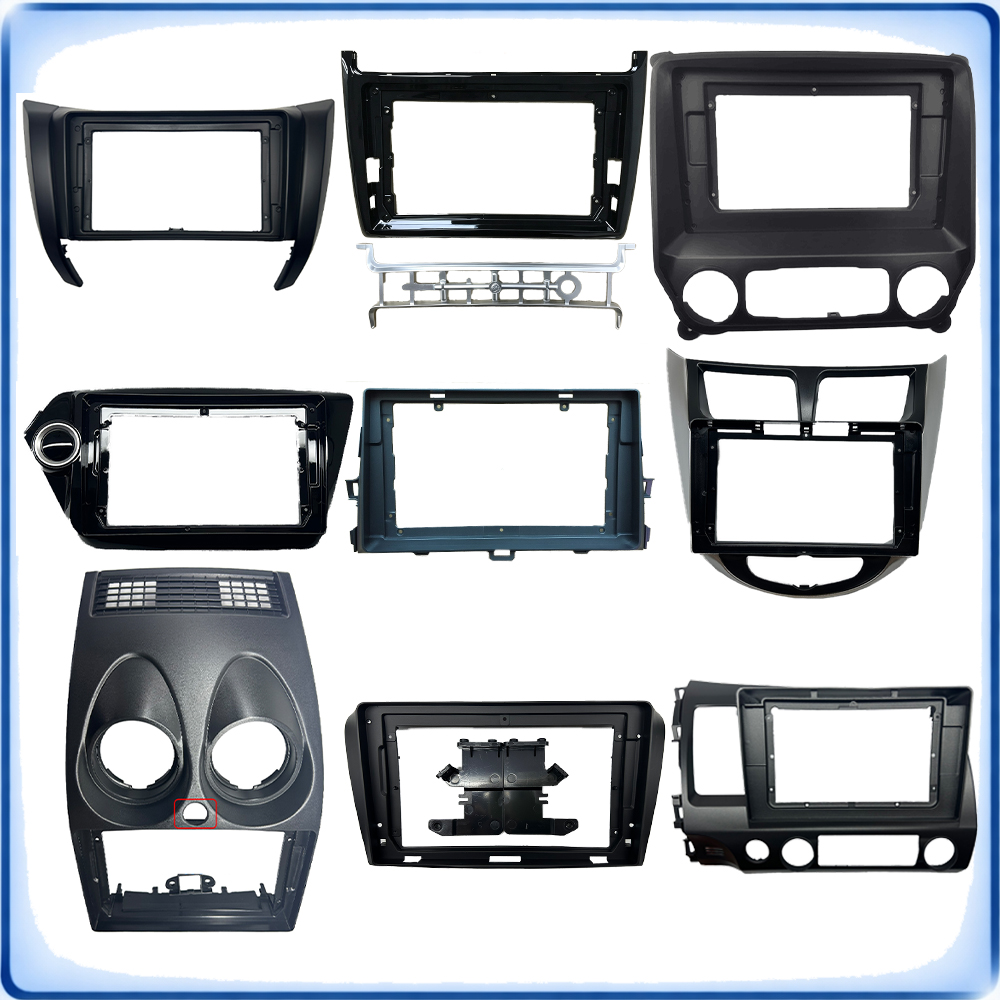
ZYX-01 Car Radio Dash Fascia: model-specific moulding with ≤0.2 mm dimensional tolerance.
ZYX-02 Car Radio Wiring Harness
ZYX-02 is a plug-and-play car stereo wiring harness built for non-CAN bus vehicle models. The connector configuration is an OEM vehicle-side plug plus an ISO 16-pin head unit connector. The conductor is AWG 20-22 tinned oxygen-free copper, the insulation is flame-retardant PVC, the connector housing is PA66 engineering plastic, and the contact terminals are tin-plated brass. The wire insulation is colour-coded in accordance with ANSI/CTA-2015-B. The rated voltage is 12 V DC with a maximum current of 10 A, the operating temperature range is -40°C to 85°C, and the harness includes reverse polarity protection and short-circuit protection.
Reverse polarity and short-circuit protection are not cosmetic features. They address the two failure modes that most often destroy a head unit or stress the original vehicle electrical system during an unprofessional installation.
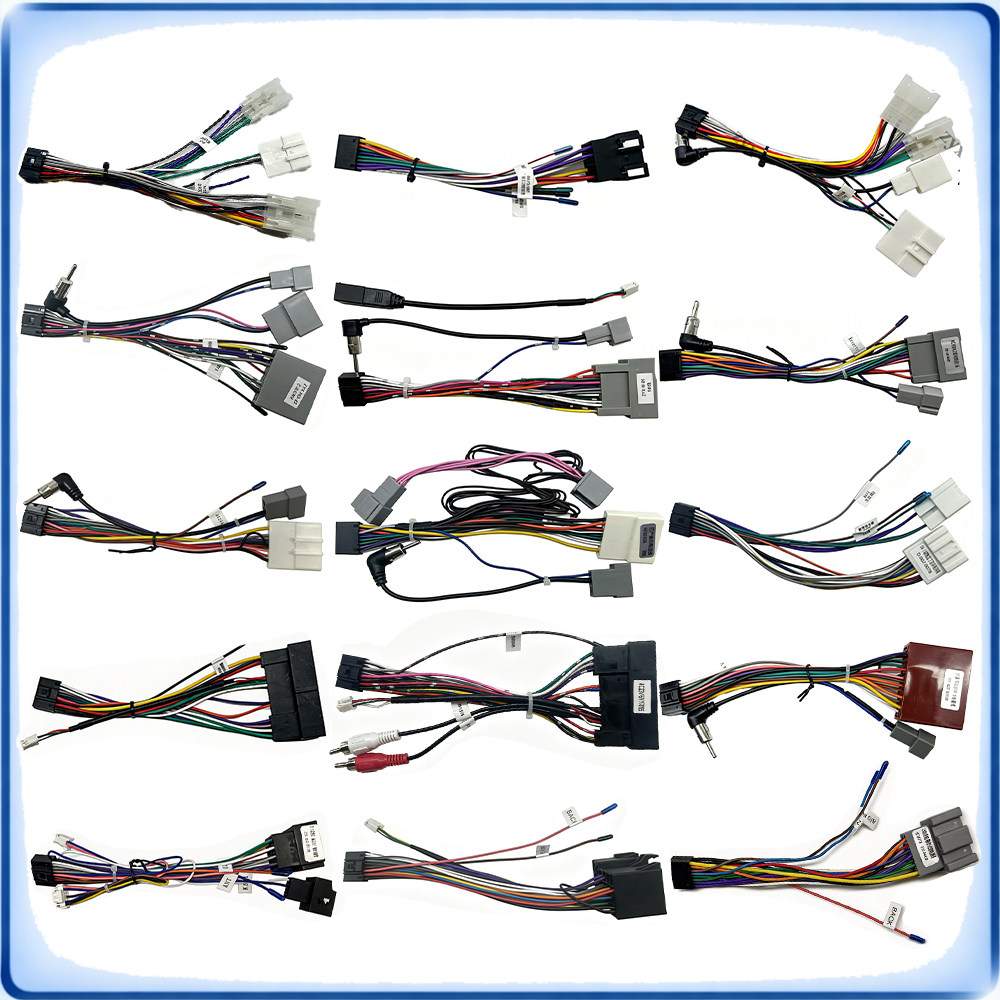
ZYX-02 Car Radio Wiring Harness: tinned oxygen-free copper conductors with ANSI/CTA-2015-B colour coding.
ZYX-03 CAN Bus Decoder Module
ZYX-03 is a plug-and-play CAN gateway module supplied as a pre-programmed unit that requires no on-site configuration at the point of installation. It supports the CAN 2.0A and CAN 2.0B protocol standards and operates at dual CAN data rates of 500 kbps and 125 kbps. The rated power supply is 12 V DC, with 300 mA current consumption in standby mode and 2 A maximum. The operating temperature range is -40°C to 85°C. The housing is made of flame-retardant ABS plastic, the circuit board is FR-4 glass fibre epoxy resin, the connector terminals are tin-plated brass, and heat-conductive silicone is used as the internal potting material.
Functionally, the module acts as a gateway between the vehicle CAN bus and the aftermarket Android car stereo. It is designed to retain OEM steering wheel control functions, vehicle information display and original chime functions after the Android head unit installation, and it includes built-in CAN isolation intended to prevent dashboard fault codes. A CANBUS decoder works by parsing steering wheel control signals, vehicle status data and dashboard prompts from the original bus, converting them into a format the aftermarket head unit can read, and forwarding head unit control instructions back to the vehicle network.
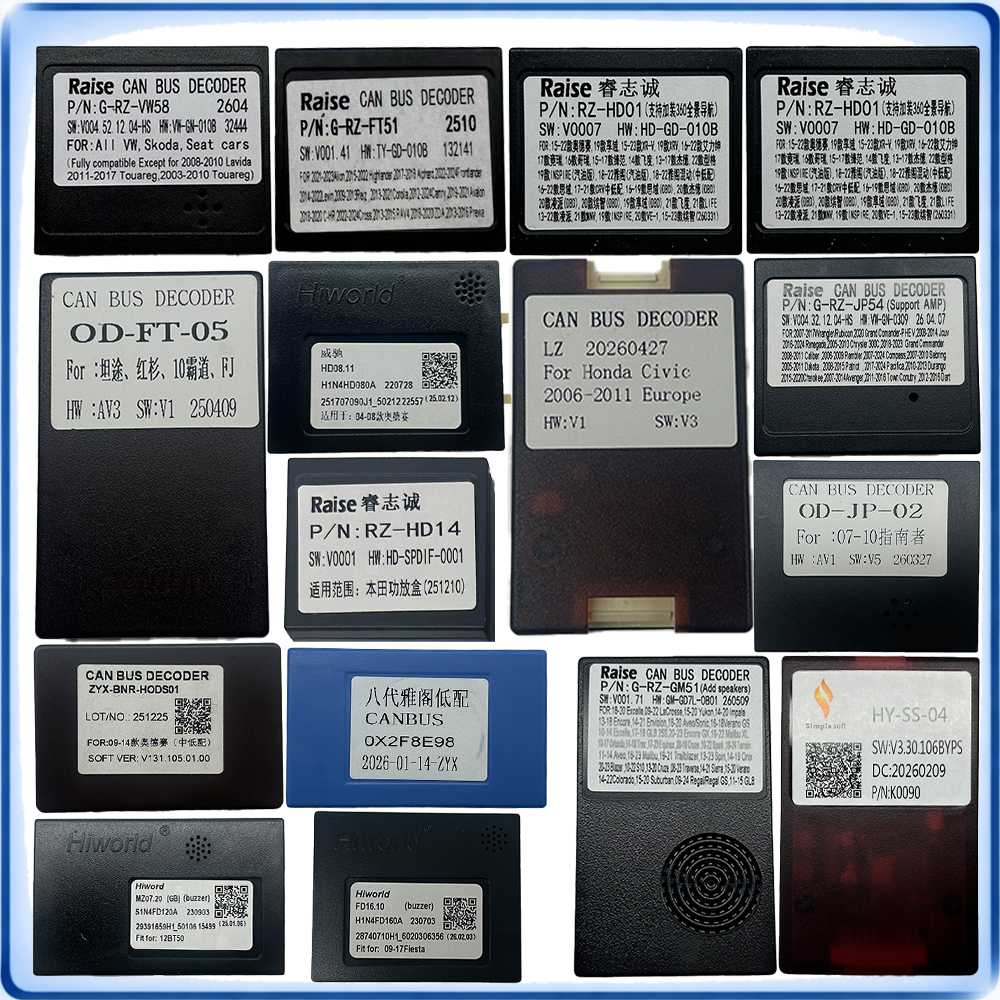
ZYX-03 CAN Bus Decoder Module: CAN 2.0A/2.0B support with dual-rate 500 kbps and 125 kbps operation.
Published specification summary
| Model | Product | Key published parameters |
|---|---|---|
| ZYX-01 | Car Radio Dash Fascia | ABS plastic; thickness 2.5–3.0 mm; dimensional tolerance ≤0.2 mm; compatible screen sizes 7″, 9″, 10.1″, 12.3″; Double-DIN / model-specific custom; plug-and-play fitment; operating temperature -40°C to 85°C |
| ZYX-02 | Car Radio Wiring Harness | OEM vehicle-side plug + ISO 16-pin head unit connector; AWG 20–22 tinned oxygen-free copper; ANSI/CTA-2015-B colour coding; 12 V DC, 10 A maximum; reverse polarity and short-circuit protection; non-CAN bus vehicle models; operating temperature -40°C to 85°C |
| ZYX-03 | CAN Bus Decoder Module | CAN 2.0A / 2.0B; 500 kbps and 125 kbps dual rate; 12 V DC, 300 mA standby, 2 A maximum; flame-retardant ABS housing; FR-4 circuit board; tin-plated brass terminals; heat-conductive silicone potting; operating temperature -40°C to 85°C |
Compliance Constraints to Verify Before an Order Is Shipped
Compliance is the constraint that most often delays a shipment after the technical decision has already been made. Three layers matter for this product category.
- Materials and hazardous substances. The ZYX retrofit kit is stated to comply with EU RoHS 2 and REACH regulations, with controlled hazardous substance content across materials and components. For distributors selling into the EU, these declarations belong in the supplier document pack rather than in a post-shipment email exchange.
- Electronic subassemblies in vehicles. Public regulatory guidance from testing bodies indicates that electronic subassemblies integrated into road vehicles in the EU must comply with e/E-Mark (ECE R10 EMC testing) rather than relying on CE marking alone, if the component affects vehicle safety functions. Because a CANBUS decoder interacts with the vehicle network, buyers should confirm with the supplier which market-specific approvals apply to the exact configuration being ordered.
- Customs and trade documentation. Fascia kits and installation hardware are commonly classified under HS Code 8708.99, as maintained by the United Nations Statistics Division. Consistent classification across repeat orders reduces clearance friction for importers.
Practical rule for evaluation: ask for the document set before the sample, not after the container. Compliance gaps are easier to resolve at quotation stage than at the port.
Step-by-Step: From Vehicle Confirmation to Final Fitment
Compatibility in this category starts with the vehicle, not with the product. ZYX applies a fixed matching sequence when confirming which fascia, harness and decoder combination fits a given car.
Vehicle Brand → Vehicle Model → Model Year → Original Radio → Original Connector → Vehicle Configuration → Audio System → New Head Unit
The same vehicle model may require different parts because of differences in model year, equipment level, original radio, connector type, audio system and vehicle configuration. For vehicles with multiple original equipment configurations, the recommended verification method is to supply clear photographs of the original dashboard, the original radio, or the connectors on the back of the original head unit.
Installation sequence
- Disconnect the vehicle battery, then remove the factory head unit together with the dashboard trim panel.
- Dry fit the model-specific dash kit to check fitment and alignment before any permanent assembly.
- Plug the wiring harness and the CANBUS decoder into the original vehicle wiring interface.
- Connect the new head unit, power on, and test all functions including steering-wheel controls and vehicle information display.
- Secure the head unit and dash kit, then reinstall the dashboard trim.
Three safety notes apply throughout: disconnect the battery before installation to avoid electrical short circuits, do not pry the trim forcibly because this is a common cause of dashboard damage, and confirm CAN decoder model compatibility before power-on. All connectors should be fully seated before final assembly.
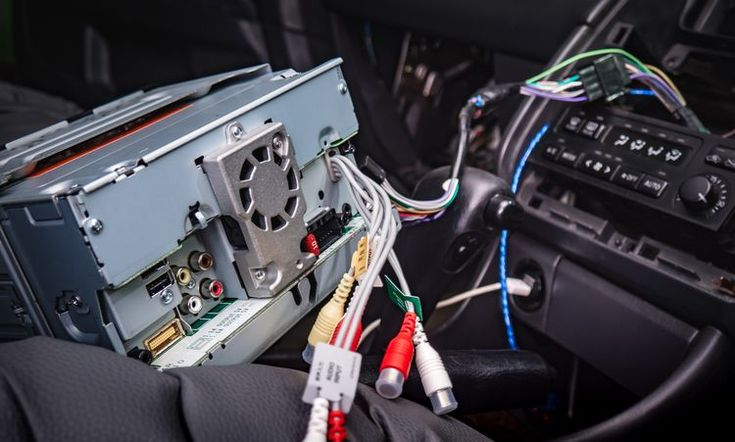
Connecting the dedicated wiring harness and CANBUS decoder to the factory electrical interface.
Where Vehicle-Specific Kits Are Used
Demand for this product group comes from five recurring project types: aftermarket car head unit upgrades, centre console navigation retrofits, used-car interior electronics refurbishment, fleet audio system upgrades, and car dealership accessory fitting. These projects share the same operating environment — in-vehicle temperature range of -40°C to 85°C, constant road vibration, dust and humidity exposure, automotive EMI, and a 12 V DC vehicle electrical system.
Two long-running supply relationships illustrate how the constraints behave at scale. An after-market solution integrator has purchased a cumulative 19,000+ sets over seven years of continuous cooperation, covering dash frames, wiring harnesses and CANBUS decoders for multiple car brands, with a recorded return rate below 0.8%. A car multimedia brand owner has purchased a cumulative 550,000+ sets over nine years, covering aftermarket Android head unit retrofits for multi-vehicle models, with a recorded return rate below 0.7%, supported by a complete vehicle-model database, precise CANBUS decoding and stable lead-time control.
For buyers, these figures point to a specific evaluation question: does the supplier maintain a compatibility database that can absorb new model years, or does each new vehicle application become a custom project? ZYX states that its vehicle application database covers 3,000+ vehicle applications and continues to expand as new models enter global markets.
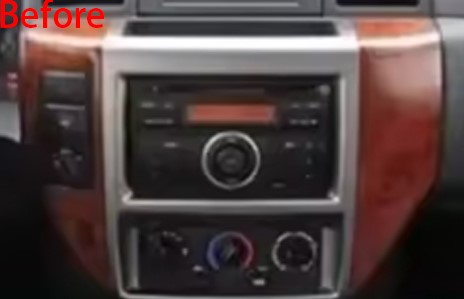
After upgrade: factory-style centre console finish with the aftermarket Android head unit installed.
Comparison: Plug-and-Play Model-Specific Kit vs Cut-Wire Universal Solution
Most evaluation decisions in this category come down to one trade-off: a plug-and-play, model-specific kit (dash kit + wiring harness + CANBUS decoder) or a traditional cut-wire universal CAN retrofit solution. The table below compares them on the criteria that determine returns and installation labour.
| Decision factor | Plug-and-play model-specific kit | Traditional cut-wire universal solution |
|---|---|---|
| Original vehicle wiring | Uses the factory original electrical interface; no cutting or modification required | Requires cutting and splicing the original wiring harness |
| Fitment accuracy | Fascia moulded from original vehicle dashboard data with ≤0.2 mm tolerance | Universal fitment with lower accuracy and higher risk of visible gaps |
| CAN protocol matching | Pre-programmed, vehicle-specific CAN firmware matched to model, model year and trim | Universal decoder, with higher risk of protocol mismatch |
| Dashboard fault code risk | Built-in CAN isolation intended to prevent dashboard fault codes | Higher incidence of fault codes and loss of original functions |
| Installation damage risk | Low; protected harness with reverse polarity and short-circuit protection | Higher; reversed polarity or wrong pin assignment can damage the head unit |
| Upfront cost | Higher upfront cost | Lower upfront cost |
| Best-fit scenario | Premium vehicle upgrades, fleet batch modification, dealership pre-delivery fitting | Low-budget simple retrofits of older economy vehicles |
The comparison is not a claim that one approach is universally superior. The cut-wire route remains a viable option where the budget ceiling is the deciding factor and the vehicle is an older, low-value unit. The trade-off is that the savings on parts are paid back through installation time, higher fault incidence and a greater chance of original wiring damage.
FAQ
Which certifications should a China-made vehicle-specific Android car stereo fascia kit carry before EU export?
For the materials and components, the relevant baseline is EU RoHS 2 and REACH, and the ZYX retrofit kit is stated to comply with both, with controlled hazardous substance content across materials and components. For electronic subassemblies integrated into road vehicles in the European Union, public regulatory guidance indicates that e/E-Mark (ECE R10 EMC testing) applies where the component affects vehicle safety functions, rather than CE marking alone. Because a CANBUS decoder communicates with the vehicle network, buyers should confirm with the supplier which approval applies to the exact configuration ordered, and request the document pack before the order is placed rather than after shipment.
How can a buyer verify that a fascia kit is genuinely vehicle-specific rather than universal?
Three checks separate a model-specific fascia from a universal one. First, confirm the fascia is manufactured from original vehicle dashboard data and ask for the dimensional tolerance — the ZYX-01 Car Radio Dash Fascia is specified at ≤0.2 mm with a material thickness of 2.5 mm to 3.0 mm. Second, confirm the mounting standard and included accessories, since a genuine kit ships with complete mounting hardware for the specific dashboard structure. Third, verify the electronic side: a truly vehicle-specific solution pairs the fascia with a harness matching the factory connector and a CANBUS decoder pre-programmed with firmware for that model, model year and trim level. Photographs of the original dashboard, radio or rear connector are the fastest way to confirm the match before ordering.
What drives the cost difference between a plug-and-play kit and a cut-wire universal solution?
The cost gap comes from engineering content rather than from materials alone. A plug-and-play kit carries model-specific tooling for the fascia, a harness built around the OEM connector and pin definition, and a CANBUS decoder pre-programmed and tested per vehicle model. A cut-wire universal solution uses generic parts that fit a wider range of vehicles with less tooling investment. The plug-and-play kit therefore has a higher upfront cost, while the universal solution has a lower upfront cost but a higher risk of fitment issues, dashboard fault codes and original wiring damage. For fleet, dealership and premium upgrade projects, the lower return rate and shorter installation time of the model-specific kit usually outweigh the difference in unit price.
Can buyers request samples before placing a bulk order?
Yes. Stock items are available from a minimum order quantity of 1 unit with a lead time of 3 to 7 days, which allows a sample to be ordered and tested before committing to volume. Because fitment and protocol behaviour cannot be judged from a catalogue, the recommended validation method is a dry fit of the fascia to check alignment and tolerance, followed by a function test of the head unit, steering-wheel controls and vehicle information display with the decoder connected. For custom model-specific products, the minimum order quantity is 100 units, so sample validation should be completed before the custom tooling and firmware configuration are confirmed.
What are the typical MOQ and lead times for custom OEM fascia kits from China, and what support is included?
For ZYX, stock items start at 1 unit with a 3 to 7 day lead time; custom OEM/ODM products start at 100 units with a 15 to 25 day lead time, against a monthly capacity of 12,000 units. Customisation covers dash kit model and surface finish, wiring harness pin definition and length, and kit combination configuration. Quality control includes 100% incoming inspection for CAN bus decoders and 100% pre-shipment conductivity and fit testing. After-sales support includes a 12-month product warranty, remote installation technical guidance, free replacement for defective items, and CAN protocol matching support. Buyers who need to confirm fitment for a specific vehicle can send the model, year, trim, original radio and connector photos to the ZYX team and request a matching kit proposal and quotation before ordering.
Conclusion
The buying decision in this category is not a choice between screen sizes or price points. It is a check that three engineering interfaces and one documentation set are all satisfied for the exact vehicle being upgraded. Fitment tolerance, connector definition, CAN protocol firmware, electrical protection and compliance declarations are the parameters that decide whether a retrofit kit is resold or returned.
Buyers evaluating suppliers can use the four-step filter in this guide: confirm the physical fitment data and tolerance, confirm the harness matches the factory connector, confirm the CANBUS decoder is pre-programmed for the specific model year and trim, and confirm the compliance and customs documents match the destination market. Applied in that order, the evaluation takes place before tooling, shipping and installation costs are committed.
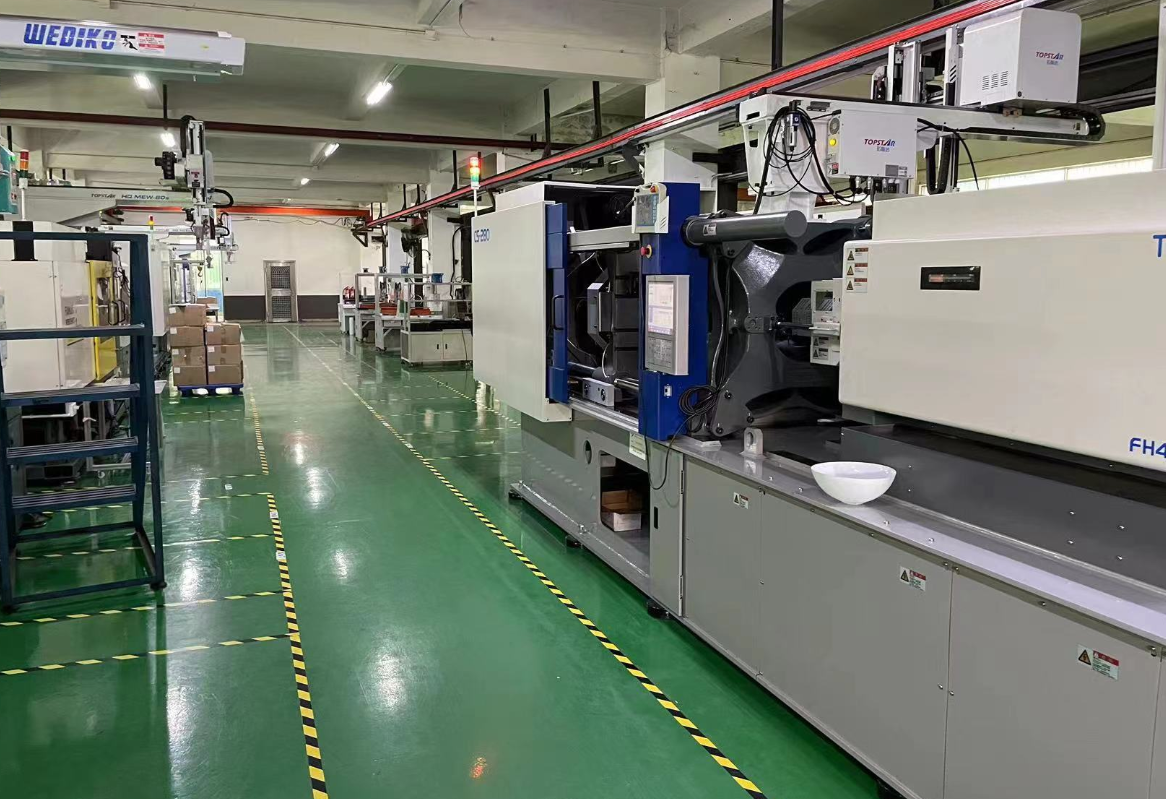
ZYX production workshop — Shenzhen Zhongyixing Electronic Technology Co., Ltd, Shenzhen, China.
Next step: send your vehicle model, model year, trim and connector photos to request a matching sample or quotation. Download the ZYX Auto Company Profile Brochure for the full product range and capability overview, or visit www.zyxcaradio.com.
Contact: Rip | Email: yueyongfei7@gmail.com | Tel / WhatsApp: +86 159-2064-3862
Have Questions or Need More Details?
Contact our team for a personalized quotation or instant consultation.
Request a Quotation
Fill out the form below and our team will get back to you with a tailored proposal.
WhatsApp Direct Chat
Prefer to chat in real-time? Message us on WhatsApp for instant assistance & quick answers.
- Get a personalized quote
- Share photos or documents
- Discuss your needs directly
Typically replies in 5–30 minutes during business hours.