API 15S RTP Qualification for Oil & Gas and Mining: Specifications to Verify
API 15S RTP Qualification for Oil & Gas and Mining: Specifications to Verify
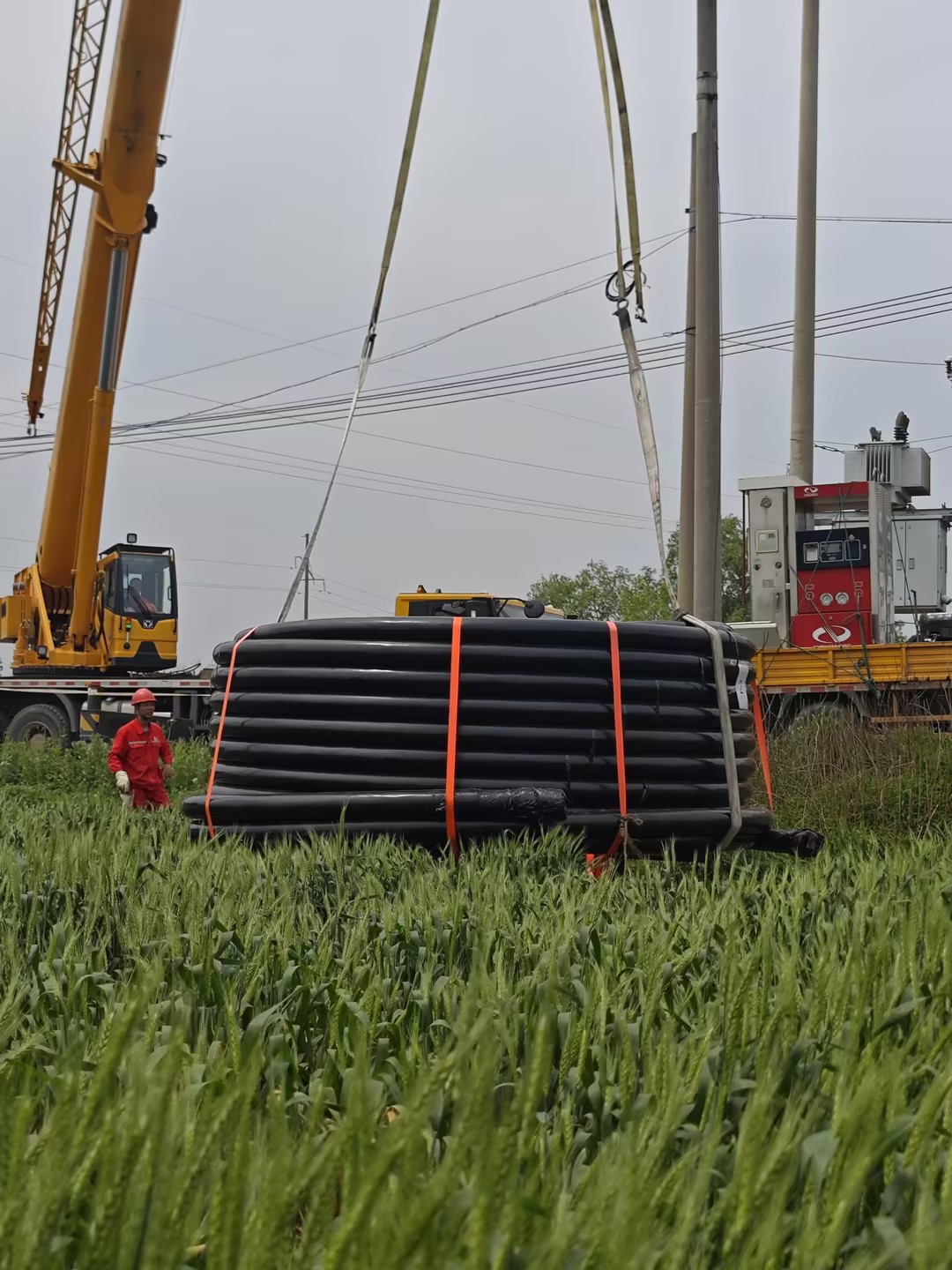
Reinforced thermoplastic pipe (RTP) is used in oil and gas exploitation and mining fluid transmission where corrosion resistance, high pressure tolerance, and long service life are required. For buyers in the Research and Evaluation stage, the first constraint is usually certification: the pipe must be qualified under a recognized standard before technical comparisons can be meaningful. The relevant industry benchmark for spoolable reinforced plastic line pipe is API Specification 15S. This article explains what API 15S certification means for an RTP purchase, which parameters should be documented, and how ZYfire Hose Corporation presents its RTP/TCP data for oilfield, offshore, and mining projects.
Introduction
Reinforced thermoplastic pipe is not selected on pressure rating alone. The pipe system is defined by pressure class, liner material, reinforcement architecture, connection method, installation length, and compliance evidence. Without a documented certification baseline, specification sheets are difficult to compare. API 15S certification narrows the evaluation by confirming that the product was manufactured and qualified under a recognized oilfield standard.
This article is written for engineering and procurement teams that already know they need RTP, but need to verify the constraints before committing to a specific product. The discussion focuses on certification, mechanical parameters, material systems, customization, and the evidence buyers should request from a supplier.
Problem Definition: What Makes RTP Evaluation Difficult
The main difficulty in RTP procurement is not finding a pipe manufacturer. It is confirming that a proposed product meets the project’s high-pressure and environmental constraints. Oilfield locations often require corrosion-resistant and explosion-proof piping that can operate continuously. Mining sites impose similar demands for fluid transmission, especially when the fluid is corrosive or contains abrasive solids.
Three evaluation gaps appear repeatedly:
- Certification gaps: the supplier claims compliance, but cannot provide a certificate number, issuing body, or standard scope.
- Parameter gaps: the datasheet lists pressure, but not outside diameter, single length, reel dimensions, or material construction.
- Capability gaps: the project requires a custom bore size, length, bending radius, or working pressure that the standard product range does not state.
These gaps are avoidable when the buyer treats certification and specifications as the first screen, before comparing price or delivery.
Industry Background: RTP Demand and Qualification Context
The global reinforced thermoplastic pipe market was estimated at USD 7.2 billion in 2024 and is projected to reach USD 10.2 billion by 2030, with a compound annual growth rate of 5.9%, according to Strategic Market Research. The oil and gas industry is the dominant end-user segment, accounting for approximately 71.2% of global RTP demand, according to Fact.MR. Asia Pacific was identified in 2024/2025 as the fastest-growing and largest regional market for thermoplastic pipes in analyses published by Mordor Intelligence and Market Research Future.
For oilfield applications, API Specification 15S (2nd Edition, 2016) provides the industry-standard requirements for the manufacture and qualification of spoolable reinforced plastic line pipe, covering pipe diameters up to 6 inches. This standard is directly relevant to the RTP/TCP product evaluated in this article.
Within the product category, glass fiber reinforced thermoplastic pipe (GFRTP) accounts for an estimated 64.7% of the total RTP market, according to Fact.MR. Market reports also reference National Oilwell Varco (NOV), Baker Hughes, Shawcor (Flexpipe), and Soluforce (Pipelife) among major global participants in the broader composite pipe sector. Those company names are useful context, but they do not replace the need to verify a specific product’s certificate and datasheet.
Detailed Solution: ZYfire RTP/TCP and Documented API 15S Compliance
ZYfire Hose Corporation, founded in 2000, is a Beijing Stock Exchange-listed manufacturer and a national high-tech enterprise. Its product portfolio includes reinforced thermoplastic pipe (RTP), fire hose, fracturing oilfield hose, high pressure fracturing hose, and steel pipe with polyurethane lined. The RTP/TCP product is the model most directly relevant to high-pressure oilfield and mining pipeline projects.
API 15S Certification Evidence
The RTP product (product 3533) is certified under API Spec 15S. The certification number is 15S-0025, issued by the American Petroleum Institute. The certification applies to the global market and complies with API Spec Q1 and API Spec 15S. The certification record in the supplied product file lists an issue date of 2025-12-18 and an expiry date of 2027-02-21.
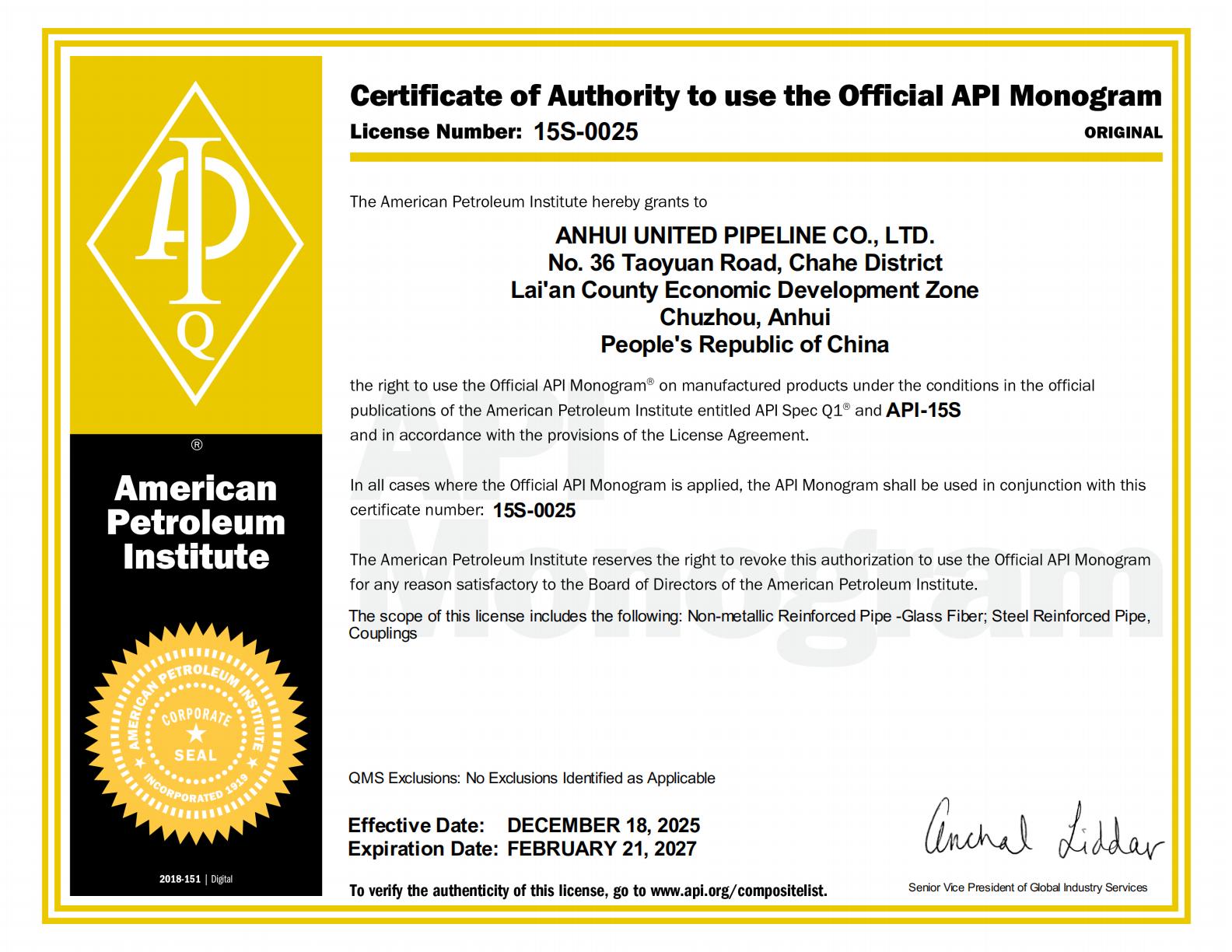
For the buyer, this means the compliance question can be answered with a traceable document: standard name, certificate number, issuing body, standard scope, and validity period. That is the minimum evidence that should be requested from any RTP supplier.
Mechanical and Dimensional Data
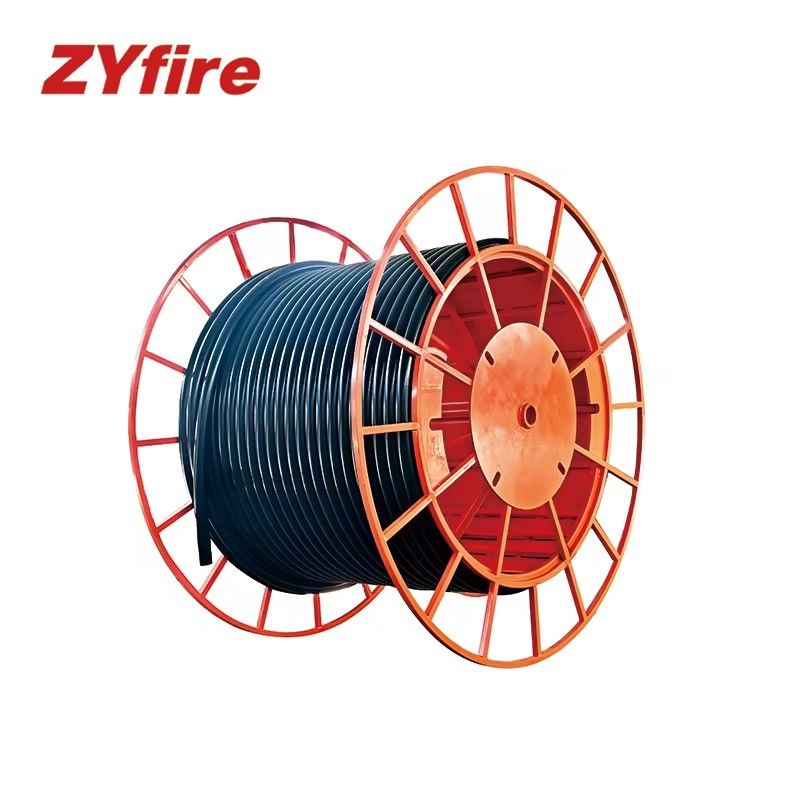
The documented RTP/TCP model is 2“ 3500PSI O.D:79.8. Its nominal pressure is 3500 PSI, and its outside diameter is 79.8 mm. The reel specification is 3700 × 1200 mm, the single length is 920 m, the reel weight is 1200 kg, and the full plate weight is 5524 kg. These values define the handling plan, the number of joints required, and the basic pressure boundary of the pipe.
For oilfield and mining projects, the single length is important because fewer fittings reduce installation work and potential leak points. The pressure rating sets the service envelope for the pipe. The outside diameter and reel size determine transport and deployment constraints.
Material and Reinforcement Architecture
The outer and inner layers of the RTP/TCP use HDPE or PE-RT, with UV and antioxidant additives optional. The reinforcement layer can be produced with polyester fiber tape, steel wire tape, aramid fiber tape, or glass fiber tape. Each reinforcement family changes the mechanical behavior of the pipe, so the reinforcement type should be selected in relation to the pressure class and the project environment.
Buyers sometimes classify RTP by resin system, including PE100 RC, PA12, or polypropylene (PP) reinforced constructions in the broader market. In ZYfire’s documented catalogue, the RTP/TCP model is based on HDPE or PE-RT outer and inner layers. If a project specifies a different resin, that requirement must be raised during the customization discussion rather than assumed from a standard datasheet.
Glass fiber reinforced thermoplastic pipe is the most common product segment globally, with an estimated 64.7% share. However, the selection should be driven by the application. Aramid fiber reinforcement, for example, is often considered where a high strength-to-weight ratio is required, while steel wire tape reinforcement is considered where higher mechanical protection is needed. These are qualitative selection patterns used by pipeline designers, and they should be confirmed with the manufacturer for the specific service.
Oil resistance, static dissipative behavior, and abrasion resistance are project-specific constraints. They are not automatic properties of every RTP construction, so they must be documented by the manufacturer before approval.
Step-by-Step Breakdown: How to Qualify an API 15S RTP
- Confirm the certification scope. Ask for the standard name, certificate number, issuing body, and product model covered. For ZYfire, this is API Spec 15S, certificate 15S-0025, issued by the American Petroleum Institute, covering the RTP/TCP product.
- Check pressure rating and dimensions. The nominal pressure, outside diameter, single length, reel size, and weight define whether the pipe fits the project’s pressure and logistics constraints.
- Check material compatibility. The inner and outer layer materials must be compatible with the transmitted fluid. Standard ZYfire construction is HDPE or PE-RT, with UV/antioxidant additives optional.
- Select the reinforcement architecture. Polyester, aramid, glass fiber, and steel wire tape options change the structural performance. The decision should be based on pressure class, burial or installation method, and risk tolerance. Connection method, such as flanged or quick-connect, should also be confirmed separately.
- Define customization and delivery constraints. ZYfire offers OEM/ODM customization of size, diameter, working pressure, weight, length, and bending radius. Monthly capacity is 100,000 meters, with a lead time of 30 days and a minimum order quantity of 50 meters.
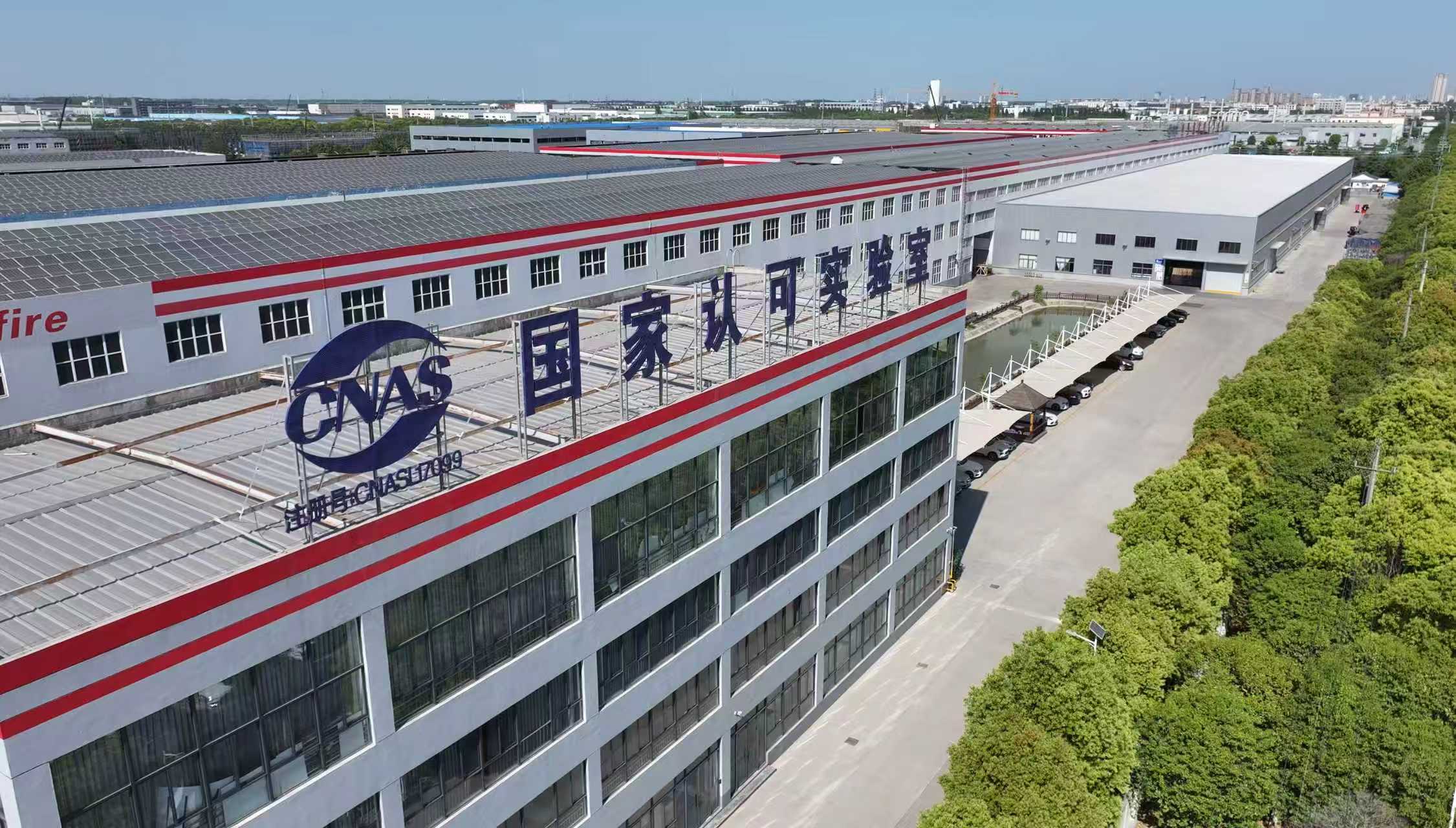
- Review quality control and after-sales support. ZYfire performs 100% testing, operates a laboratory accredited by the China National Accreditation Service for Conformity Assessment (CNAS), and provides after-sales consultation and on-site service.
Use Cases: Oilfield, Offshore, and Mining RTP Service
Onshore Oilfield RTP
Onshore oilfield applications require corrosion-resistant pipe that can handle high pressure and operate without frequent fitting maintenance. The documented RTP working conditions include corrosion resistance, higher pressure rating, no swelling, flexibility, long length for a single pipe, non-frequent fittings, simple installation, and long cycle life. These conditions map directly to onshore oilfield flow lines and transfer lines.
Offshore Oil & Gas RTP
Offshore projects benefit from long continuous lengths because installation time offshore is expensive. The 920 m single length reduces the number of connections that must be made on site. The material system, combined with API 15S qualification, gives engineering teams a compliance baseline for pressure-containing piping.
Mining Underground RTP
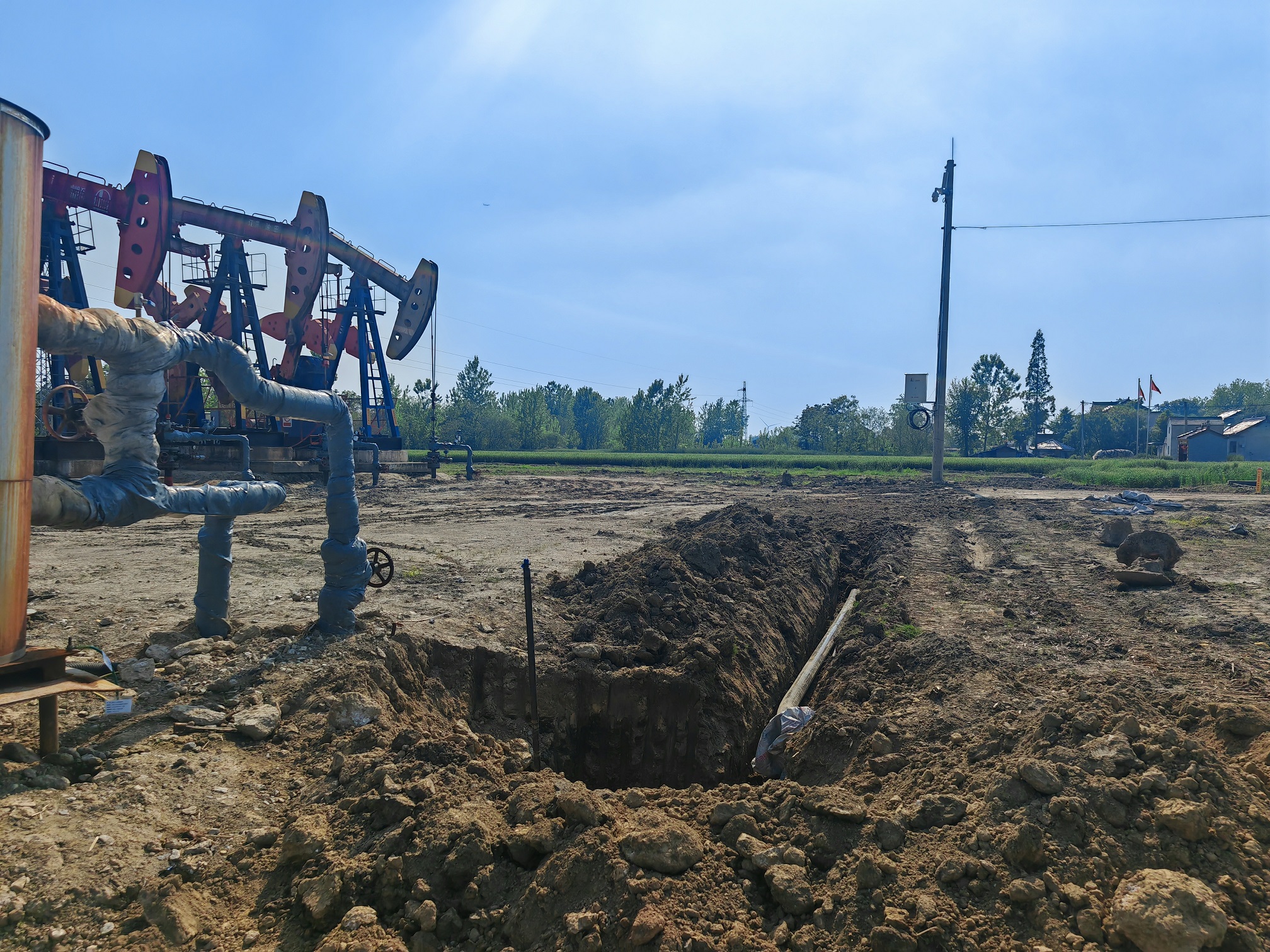
Underground mining fluid transmission often runs 24/7 in confined spaces. Buyers should specify explosion-proof and high-pressure tolerance requirements as constraints. The RTP/TCP’s documented application scope includes mining, and the supplied application record lists 24/7 operation, fluid transmission, and compliance with API standards.
Mining Slurry Transfer RTP
Slurry transfer introduces abrasion and corrosion risk. The pipe material and reinforcement should be selected to match the solids content, particle size, and operating pressure. From a procurement standpoint, the buyer should confirm abrasion resistance and corrosion resistance in writing before delivery, since these properties are influenced by the liner material and the reinforcement architecture.
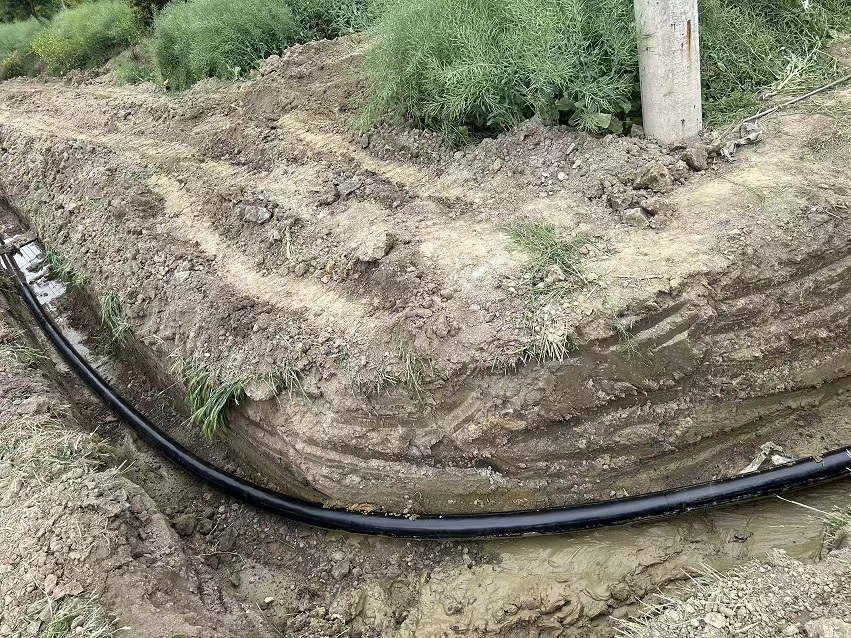
A documented OEM/ODM supply case for the RTP/TCP involved 120,000 meters of pipe supplied over a five-year period for fluid transmission. The recorded result was stable operation under high-pressure conditions, no leakage, and reduced maintenance costs. The recorded highlights were corrosion resistance, long service life, and easy installation.
Comparison Table: Selection Checkpoints and Documented RTP Response
| Selection checkpoint | Why it matters | ZYfire documented response |
|---|---|---|
| Certification scope | Confirms the product has a traceable qualification under an oilfield standard | API Spec 15S; certificate 15S-0025; issued by the American Petroleum Institute; applies to global market; complies with API Spec Q1 and API Spec 15S |
| Pressure rating | Defines the maximum operating envelope | Nominal pressure 3500 PSI |
| Dimensions and continuous length | Affects installation, fittings, and logistics | O.D 79.8 mm; single length 920 m; reel specification 3700 × 1200 mm; reel weight 1200 kg; full plate weight 5524 kg |
| Material system | Determines corrosion resistance and compatibility | HDPE or PE-RT outer/inner layers; UV and antioxidant additives optional |
| Reinforcement options | Adjusts pipe strength and structural behavior | Polyester fiber tape, steel wire tape, aramid fiber tape, glass fiber tape |
| Customization | Allows the pipe to match project-specific constraints | OEM/ODM; size, diameter, working pressure, weight, length, bending radius |
| Quality and delivery | Controls production risk and project scheduling | Monthly capacity 100,000 m; lead time 30 days; MOQ 50 m; 100% test; after-sales consultation and on-site service |
Frequently Asked Questions
1. Does ZYfire manufacture API 15S certified reinforced thermoplastic pipe?
Yes. The RTP product (product 3533) is certified under API Spec 15S. The certification number is 15S-0025, issued by the American Petroleum Institute. It applies to the global market and complies with API Spec Q1 and API Spec 15S.
2. What reinforced thermoplastic pipe parameters should be checked for high-pressure oilfield and mining service?
Key parameters include nominal pressure, outside diameter, single pipe length, reel dimensions, reel weight, material of inner and outer layers, and reinforcement type. For ZYfire’s RTP/TCP, the documented model is 2“ 3500PSI O.D:79.8, with a nominal pressure of 3500 PSI, outside diameter of 79.8 mm, single length of 920 m, reel specification 3700 × 1200 mm, reel weight 1200 kg, and full plate weight 5524 kg.
3. What price range should I expect for reinforced thermoplastic pipe for oil and gas or mining projects?
ZYfire does not publish a general price list, because the final price depends on diameter, working pressure, reinforcement type, material construction, length, connection design, and volume. Buyers should compare documented specifications rather than unit price alone. For a budget estimate, send the project parameters to equiry@zyfire.com.
4. Can I request a sample or small trial order before a full project order?
ZYfire supports OEM/ODM production and customization of size, diameter, working pressure, weight, length, and bending radius. The minimum order quantity is 50 meters, and quality control includes 100% testing. Buyers can email equiry@zyfire.com or contact the sales team to discuss sample requirements and project specifications.
5. What is ZYfire’s production capacity and lead time for custom RTP?
Monthly capacity is 100,000 meters, with a lead time of 30 days. ZYfire exports to the Middle East, the United States, and Southeast Asia, and supports after-sales consultation and on-site service. For a project-specific proposal, send the required bore size, working pressure, and connection details to the ZYfire sales team.
Next step for RTP procurement teams
Email: equiry@zyfire.com | Tel: +86 523 88802123 | WhatsApp: +86 18761071929
Conclusion
API 15S certification is not the only factor in reinforced thermoplastic pipe selection, but it gives oil and gas and mining buyers a defensible starting point. The certification number, standard scope, pressure rating, material construction, single length, reinforcement architecture, and production capacity together determine whether a product is suitable for a given project.
For the ZYfire RTP/TCP, the documented compliance evidence is API Spec 15S certificate 15S-0025. The product’s technical baseline is 3500 PSI nominal pressure, 79.8 mm outside diameter, 920 m single length, and HDPE or PE-RT inner and outer layers with optional UV and antioxidant additives. Procurement teams should use these data points to verify alignment with their own project constraints.
To move from evaluation to a project-specific proposal, request a quote with the required bore size, working pressure, length, and site conditions.