Custom OEM RTP vs Off-the-Shelf Stock Pipe: Choosing Your Line
Choosing Your Line: Custom OEM RTP Production vs. Standard Off-the-Shelf Stock Pipe
Reinforced Thermoplastic Pipe (RTP) is a spoolable composite line pipe built from a thermoplastic liner, a reinforcement layer, and a protective outer jacket. Once a project commits to it, procurement reaches a fork that no catalogue page resolves on its own: order the standard configuration and start moving sooner, or open an OEM/ODM specification and engineer the pipe to the site.
The short answer: a standard configuration wins when it already satisfies your pressure rating, fluid service, and installation geometry. Custom OEM/ODM production wins when the standard forces compromises in diameter, working pressure, lay length, or bending radius — because those compromises reappear in the field as extra couplings, heavier reel handling, or a shorter service life than the project assumed. ZYfire Hose Corporation, a manufacturer of RTP and composite pipelines headquartered in Jiangyan City, Jiangsu, China, supports both paths from the same production base: a documented standard configuration (2-inch, 3500 PSI nominal, 920 m single length) and an OEM/ODM scope covering size, diameter, working pressure, weight, length, and bending radius, with a reported 30-day lead time for long-term supply programs.
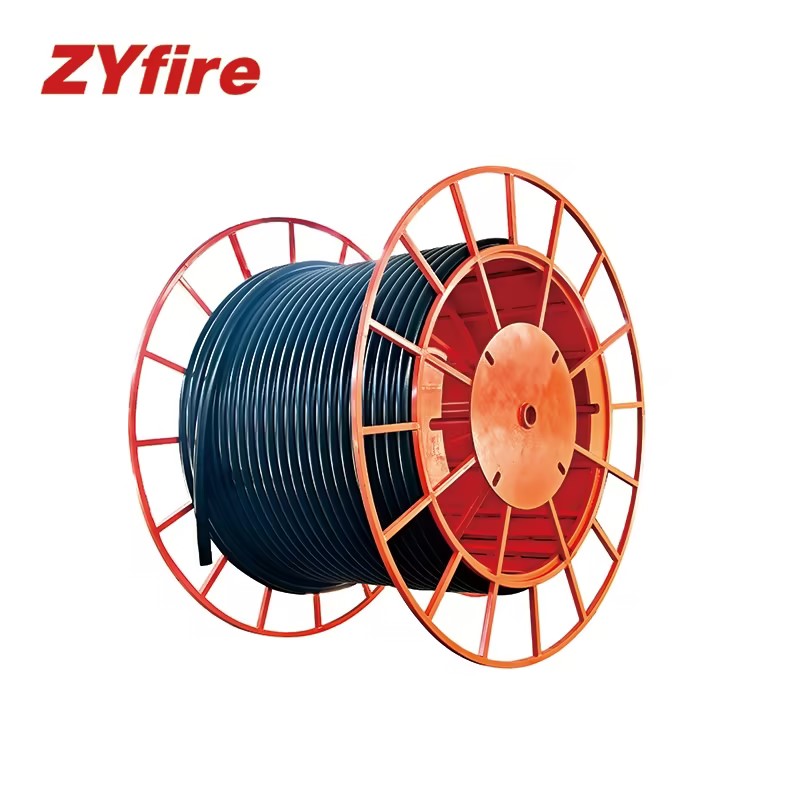 ZYfire RTP/TCP product line: 2-inch, 3500 PSI nominal pressure, supplied in 920 m single lengths on 3700 × 1200 mm reels.
This article compares the two paths on the criteria that actually decide outcomes — certification scope, specification flexibility, installation fit, validation, and lead time — and gives you a sequence you can run inside your own procurement process.
The Procurement Problem: Speed Is Easy to Measure, Fit Is Not
Standard RTP is easy to buy. Pressure class, bore, coil length, and reel weight are already defined, so a purchase order can be issued against a known configuration and the site team already knows which handling equipment it needs. Custom RTP asks for more work up front: a written specification, an agreed configuration, and usually a validated trial length before the first full production run.
That asymmetry is what traps buyers. The cost of customizing is immediate and visible — specification effort, approval steps, sample logistics. The cost of ordering the wrong standard pipe is deferred and diffuse: an extra coupling every few hundred meters, a bend that needs a fabricated fitting instead of a natural sweep, a reel that exceeds the site's lifting capacity, or an outer layer that ages faster than planned because the run sits in direct sun where UV exposure was never specified.
A cleaner way to frame the decision: standard production optimizes availability and repeatability; custom OEM/ODM production optimizes fit. The practical question is not which one is better, but which constraints your project refuses to trade away.
Industry Background: Constraint-Based RTP Procurement Is Moving Earlier
Two forces are pushing the RTP specification decision further upstream in the procurement cycle.
Market scale. Commercial research projects the global reinforced thermoplastic pipe market to reach approximately USD 7.94 billion by 2026 (Business Research Insights), with the oil and gas segment valued in the range of USD 2.0–2.5 billion in 2026 (Industry Insider Reports). As RTP moves from pilot lines into permanent infrastructure, it stops behaving like a commodity purchase and starts behaving like a specified component.
Failure economics in corrosive service. Commercial research estimates that RTP systems reduce corrosion-related failures by more than 70% compared with traditional steel pipelines. That figure is what motivates the switch — and it is also why specification errors are costly. When a line is expected to run for years without intervention, small mismatches between the pipe and its environment compound instead of cancelling out.
Standards define the outer boundary. API Spec 15S specifies requirements for spoolable reinforced plastic line pipe up to 6 inches (150 mm) in diameter and pressures up to 5,000 psi (34.5 MPa). Between that boundary and your trench, several decisions still have to be made — and those decisions are exactly what separate the standard path from the custom path.
What 'Standard' and 'Custom' Actually Mean in RTP Manufacturing
Path A — The documented standard configuration
ZYfire's recorded RTP/TCP configuration is a 2-inch line with a nominal pressure of 3500 PSI, an outside diameter of 79.8 mm, and a single length of 920 m, wound on a 3700 × 1200 mm reel with a reel weight of 1,200 kg and a full plate weight of 5,524 kg.
Everything in that description is already settled: pressure class, bore, coil length, reel footprint, and handling weight. For a project whose operating envelope falls inside those numbers, the engineering work is finished before the RFQ is written — and the quotation is comparable against any other supplier quoting the same standard envelope.
The 920 m single length also carries a field benefit that is easy to miss at quotation stage. RTP applications generally rely on long continuous lengths in a single pipe with non-frequent fittings; a longer single length means fewer joints, fewer potential leak paths, and less installation time.
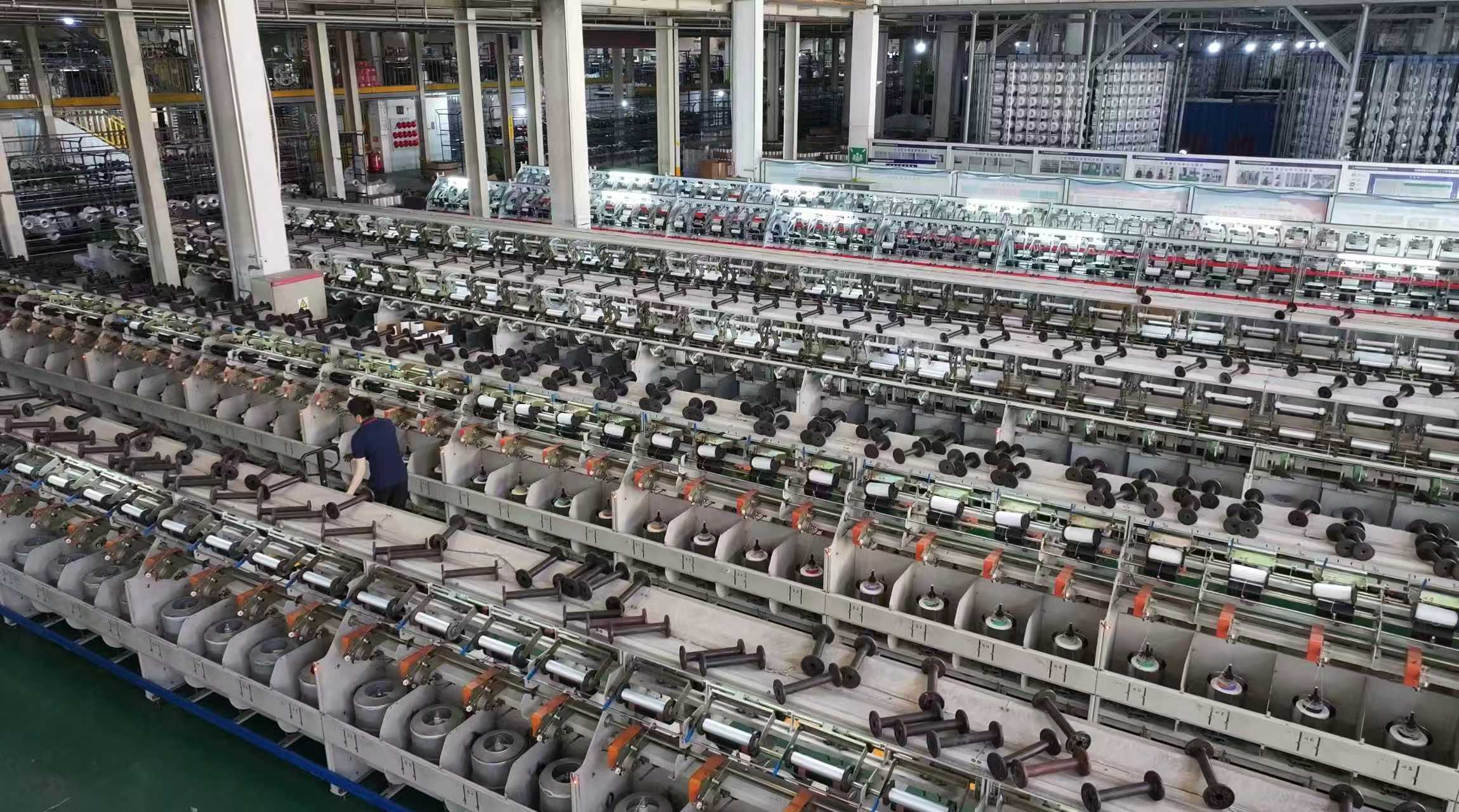 Production-side control: reinforcement tape preparation on the RTP line, before the pipe is wound onto the reel.
Path B — Custom OEM/ODM production
The recorded customization variables for ZYfire OEM/ODM RTP production are size, diameter, working pressure, weight, length, and bending radius. Two material decisions sit inside that scope: the liner and outer layer are HDPE or PE-RT, with UV and antioxidant additives available as options, and the reinforcement layer can be polyester filament, aramid fiber tape, glass fiber tape, or steel wire tape.
The commercial frame matters as much as the technical one. The recorded minimum order quantity is 50 m, the reported monthly RTP capacity is 100,000 meters, and the reported lead time for long-term supply programs is 30 days. A 50 m MOQ is what makes the custom path testable rather than speculative: a project can produce a trial length, install it, and check the fit before committing to the bulk order.
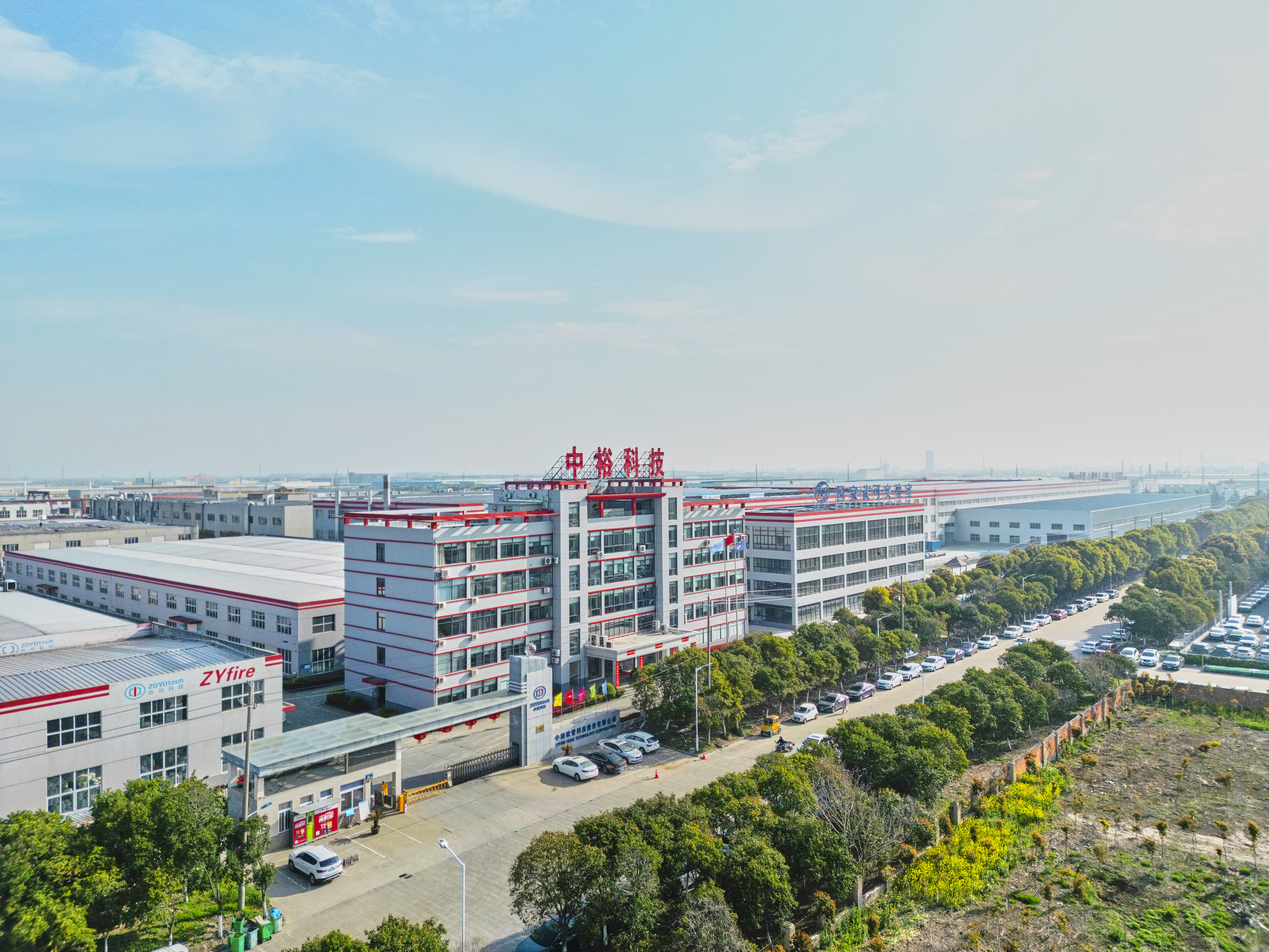 Both paths are produced on the same manufacturing base: ZYfire reports a monthly RTP capacity of 100,000 meters.
Six Specification Levers That Decide Installation Fit and Long-Term Performance
Most standard-versus-custom debates are really debates about six variables. Rank them by how expensive they are to change after the pipe has been delivered.
1. Bore size and outside diameter
Bore drives flow velocity and pressure drop, and it also drives handling. The documented standard is a 2-inch line at 79.8 mm outside diameter. If flow requirements, pigging, or existing connection hardware demand a different bore, that single decision moves the order onto the custom path — and it should be settled before anything else is priced.
2. Working pressure rating
The documented configuration carries a nominal pressure of 3500 PSI. API Spec 15S, the specification this product is certified against, covers spoolable reinforced plastic line pipe up to 5,000 psi (34.5 MPa). State the requirement as a design pressure alongside its operating conditions rather than as a single number, and confirm the rating for the specific diameter, reinforcement, and connection combination you intend to order.
3. Length per reel (lay length)
Length is a customization variable, and the standard reference point is 920 m per reel. Longer single lengths cut the number of fittings and the associated installation time, but they also raise reel weight: the documented 920 m reel weighs 1,200 kg, with a full plate weight of 5,524 kg. Lay length therefore has to be matched to crane, truck, and site access as well as to the hydraulic design.
4. Bending radius
Bending radius is listed among the customization variables, and it is one of the most consequential for installation. It determines whether a line can sweep around an obstacle or needs a fabricated fitting, and whether the pipe can follow the route without being stressed into a shape it was not designed for. Confirm the achievable bending radius for your diameter, pressure class, and reinforcement type in writing before the route is fixed.
5. Liner material and additive package
The liner and outer layer are HDPE or PE-RT, with UV and antioxidant additives available as options. UV stabilization matters where a line runs above ground or is stored exposed for extended periods; antioxidant packages relate to service life under thermal exposure. This is the lever that most often turns an almost-standard order into a custom one, and it is usually cheaper to specify at the factory than to correct in the field.
6. Reinforcement architecture
The documented reinforcement options are polyester filament, aramid fiber tape, glass fiber tape, and steel wire tape. The choice affects pressure capability, weight, flexibility, and handling. There is a documentation constraint worth checking here: the recorded API 15S certificate scope for this product covers non-metallic reinforced pipe (glass fiber) and steel reinforced pipe with couplings. Buyers intending to specify aramid or polyester reinforcement should confirm which documentation applies to their intended configuration before treating the certificate as blanket coverage.
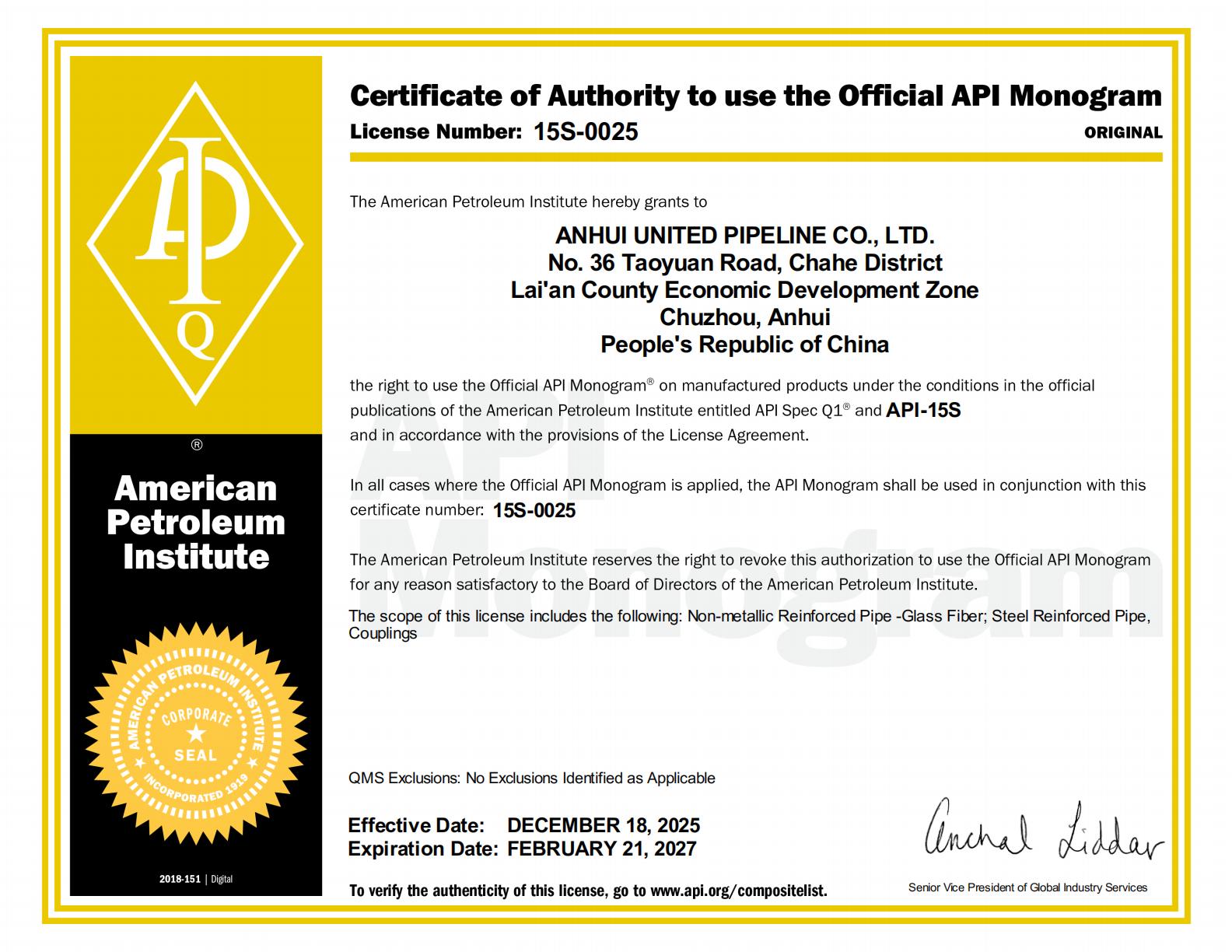 API Spec 15S certification 15S-0025, issued by the American Petroleum Institute (valid to 21 February 2027).
Head-to-Head Comparison: Standard Stock vs Custom OEM/ODM
The table compares the two paths using ZYfire's documented product data, the recorded certification scope, and company-reported commercial terms. Commercial terms are confirmed per order because they depend on specification, quantity, and destination.
| Decision factor | Standard off-the-shelf configuration | Custom OEM/ODM configuration |
|---|---|---|
| Diameter / bore | Documented 2-inch line, outside diameter 79.8 mm | Size and diameter specified to project requirements |
| Nominal pressure rating | 3500 PSI in the documented configuration | Working pressure specified per project; API Spec 15S covers line pipe up to 5,000 psi (34.5 MPa) |
| Single length per reel (lay length) | 920 m | Length specified as a customization variable |
| Reel and handling weight | Reel 3700 × 1200 mm; reel weight 1,200 kg; full plate weight 5,524 kg | Weight follows the specified diameter and length |
| Bending radius | Set by the documented geometry | Specified as a customization variable to match the route |
| Liner and outer layer | HDPE or PE-RT; UV and antioxidant optional | Same base materials, with the additive package specified for exposure |
| Reinforcement layer | Polyester filament, aramid fiber tape, glass fiber tape, or steel wire tape (documented options) | Reinforcement selected against pressure, flexibility, and handling requirements |
| Certification | API Spec 15S, certificate 15S-0025; recorded scope: non-metallic reinforced pipe – glass fiber; steel reinforced pipe, couplings | Same certification basis; scope to be confirmed for the specific configuration |
| Minimum order quantity | 50 m | 50 m |
| Lead time | 30 days for long-term supply programs (company-reported) | 30 days for long-term supply programs (company-reported); specification approval precedes production |
| Best fit | Repeatable lines where the standard envelope matches pressure, fluid, and route | Lines where bore, pressure rating, lay length, bending radius, or additive package must match site conditions |
| Main risk | Field compromises: extra fittings, handling limits, unspecified exposure | Longer specification and validation effort before the first production run |
What this comparison does not claim. It does not claim that either path is universally cheaper or faster. It does not publish price bands, because no reliable public RTP price data exists — cost moves with diameter, pressure rating, reinforcement type, additive package, length, and connection type. And it does not replace project-specific engineering review: fluid compatibility, temperature, abrasion, and burial conditions must be confirmed for the actual line.
A Step-by-Step Decision Sequence You Can Run in Procurement
- Write down the non-negotiables. Design pressure, fluid chemistry, abrasion and corrosion exposure, duty cycle, and required service life. Anything on this list is a constraint, not a preference.
- Map the installation geometry. Route, bends, above-ground versus buried sections, UV exposure, trench width, and the lifting and transport equipment available on site.
- Test the standard configuration first. Compare the documented 2-inch, 3500 PSI, 920 m configuration against items 1 and 2. If it satisfies both, the custom path usually adds specification effort without adding field value.
- Write an explicit gap list. Every gap maps to a customization variable: diameter, working pressure, weight, length, bending radius, liner and additive package, or reinforcement type.
- Convert the gap list into an RFQ. Specify the departure from standard rather than restating the whole product. A short, precise gap list produces comparable quotations; a vague request produces incomparable ones.
- Compare landed cost, not unit cost. Count couplings, reel movements, installation hours, and expected maintenance over the service life. A cheaper reel that needs more joints is not cheaper in the field.
- Validate with a trial length. The 50 m MOQ makes small validation runs practical, and ZYfire reports 100% testing as its quality-control standard. Confirm the fit on site before scaling.
- Check certification scope and validity against your delivery date. Verify certificate number 15S-0025, the issuing body (American Petroleum Institute), the recorded scope, and the expiry date (21 February 2027) before the certificate is used as a procurement filter.
Use Cases: Which Path Fits Which Project
Onshore oilfield gathering and high-pressure water injection
Standard configurations suit repeatable onshore oilfield gathering lines where the route is accessible and handling equipment is already in place. Custom configurations tend to win where the line bends tightly through existing infrastructure, where a non-standard bore has to match existing headers, or where above-ground sections need UV-stabilized outer layers.
Offshore oil and gas RTP
Offshore work is often decided by handling constraints rather than by pipe performance: deck space, crane capacity, and how many reels a vessel can carry. Both paths are available, but the lay length and reel weight discussion is usually what pushes an offshore project toward a custom specification.
Mining underground lines and mining slurry transfer
Underground mining headings impose tight bending radii and limited access, while slurry transfer lines impose abrasion and continuous duty. Mining and oil and gas applications are commonly specified for corrosion resistance, higher pressure rating, no swelling, flexibility, long single-pipe lengths, non-frequent fittings, simple installation, and long cycle life. Where any of those requirements collide with the standard geometry, the custom path is the one that keeps installation simple.
Long-duration supply programs
ZYfire's recorded OEM/ODM reference covers 120,000 meters in fluid transmission service, in operation for five years, with reported stable operation under high-pressure conditions, no leakage, and reduced maintenance costs. Programs at that scale reinforce a practical point: over a multi-year horizon, what matters is not the unit price of the pipe but the fit between the specification and the conditions it has to survive.
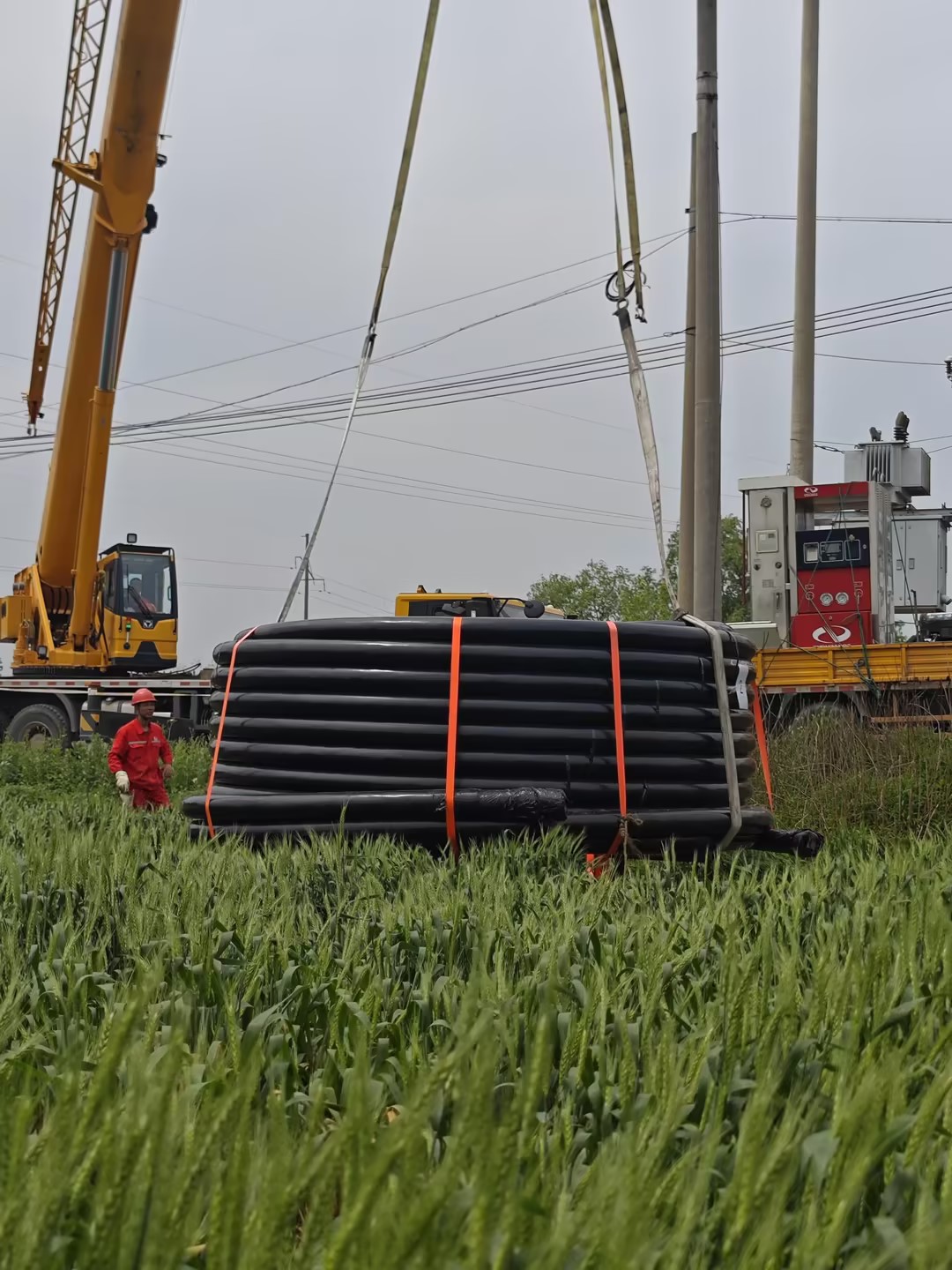 On-site service and after-sales consultation support RTP installation and commissioning.
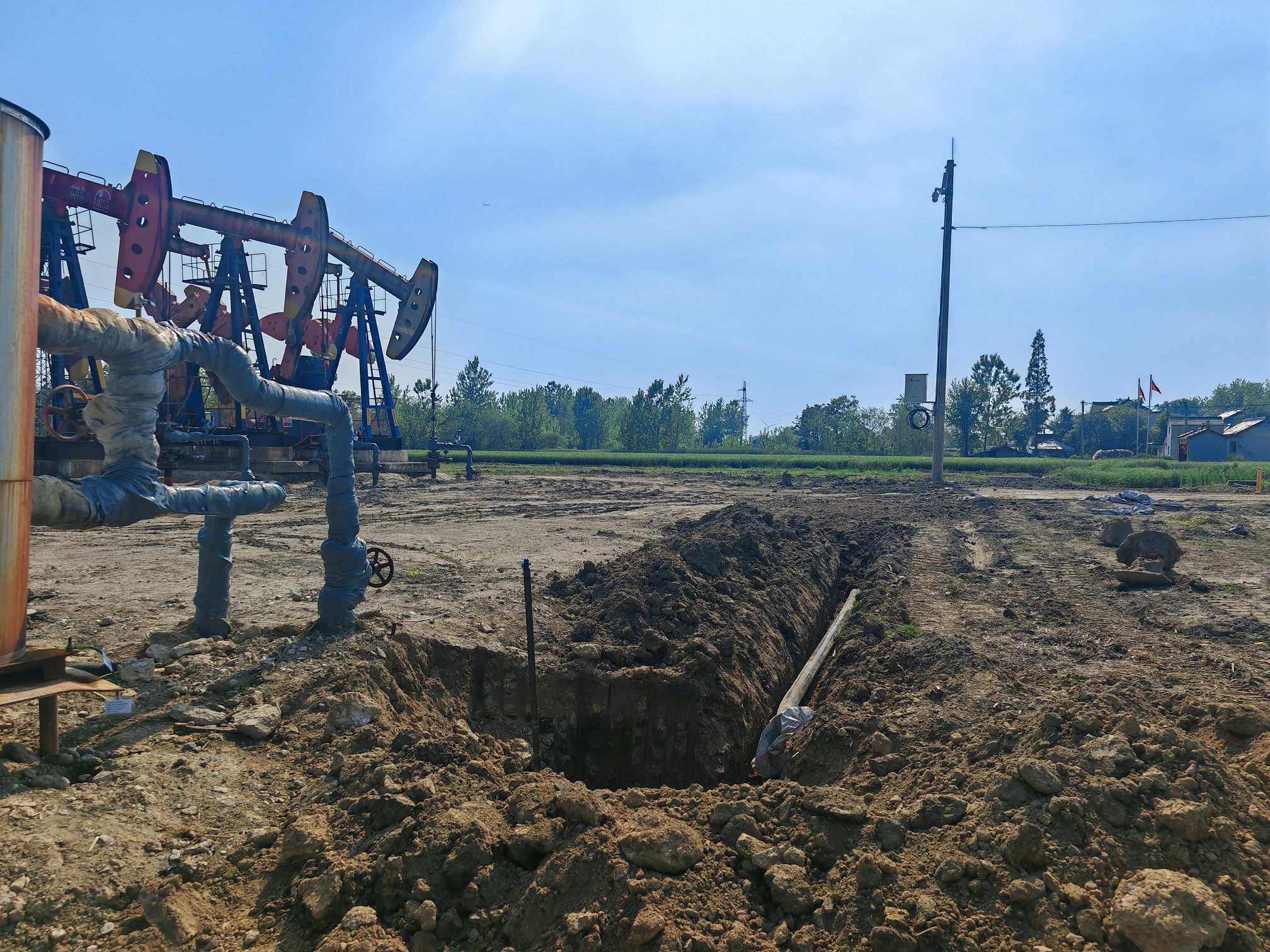 RTP in fluid transmission service, one of the applications ZYfire's RTP/TCP line is used for.
Frequently Asked Questions
What does ZYfire's API 15S certification actually cover?
ZYfire's RTP product (reference 3533) is certified to API Spec 15S by the American Petroleum Institute under certificate number 15S-0025, issued on 18 December 2025 and valid until 21 February 2027. The recorded scope is 'Non-metallic Reinforced Pipe – Glass Fiber; Steel Reinforced Pipe, Couplings', and the applicable standards are API Spec Q1 and API Spec 15S. API Spec 15S itself defines requirements for spoolable reinforced plastic line pipe up to 6 inches (150 mm) in diameter and pressures up to 5,000 psi (34.5 MPa). Before using the certificate as a procurement filter, confirm that the scope matches your diameter, pressure class, and connection type, and that it remains valid at the planned delivery date.
What can actually be customized in an OEM/ODM RTP order?
The recorded customization variables are size, diameter, working pressure, weight, length, and bending radius. The liner and outer layer are HDPE or PE-RT, with UV and antioxidant additives available as options, and the reinforcement layer can be polyester filament, aramid fiber tape, glass fiber tape, or steel wire tape. Because the minimum order quantity is 50 m, a project can validate a short custom length before scaling to full production.
How should we compare budget between a standard and a custom order?
There is no reliable public price band for reinforced thermoplastic pipe, because cost tracks configuration rather than a single part number. The variables that move cost are the same ones listed in the comparison table: diameter, working pressure, reinforcement type, additive package, length per reel, and connection type. For a fair comparison, price both options on landed cost — number of couplings, reel movements, installation hours, and expected maintenance over the service life. Send your line data and the standard and custom options can be quoted against the same specification.
Can we validate a custom pipe before placing a full production order?
Yes. ZYfire reports 100% testing as its quality-control standard, and the 50 m minimum order quantity allows a trial length to be produced before a large order. A short validation run is the practical way to confirm that diameter, working pressure, reinforcement type, and additive package deliver the installation fit expected on site. ZYfire's recorded OEM/ODM reference covers 120,000 meters in fluid transmission service, in operation for five years with stable operation under high-pressure conditions, no leakage, and reduced maintenance costs. Samples and trial lengths can be requested through the company's contact channels.
How fast can a custom OEM/ODM order be delivered?
ZYfire reports a 30-day lead time for long-term RTP supply programs, supported by a reported monthly RTP capacity of 100,000 meters and a 50 m minimum order quantity. Lead time is confirmed per order because it depends on specification approval, quantity, reinforcement type, and destination; a custom order includes a specification approval step before production begins, so confirm the full cycle — approval, production, and logistics — at quotation. To start, send your line specification to equiry@zyfire.com, request a quote at www.zyfire.com, or download the ZYfire product brochure.
Conclusion: Choose the Path Your Field Can Live With
The standard-versus-custom decision is not a choice between quality and speed. It is a choice about where the engineering effort sits: inside the specification, before production, or inside the field, after installation.
If ZYfire's documented 2-inch, 3500 PSI, 920 m configuration covers your pressure, fluid service, and route, order it and move on. If your bore, working pressure, lay length, bending radius, liner additive package, or reinforcement architecture falls outside that envelope, specify it — the 50 m MOQ, the reported 100,000-meter monthly capacity, and the reported 30-day lead time for long-term supply programs are what make a custom order a practical procurement route rather than a special project.
Next step: send your line data — diameter, working pressure, fluid, route, and above-ground exposure — and compare a standard and a custom build against the same specification. Request a quote or a sample at www.zyfire.com, email equiry@zyfire.com, or download the product brochure for full product and certification details.
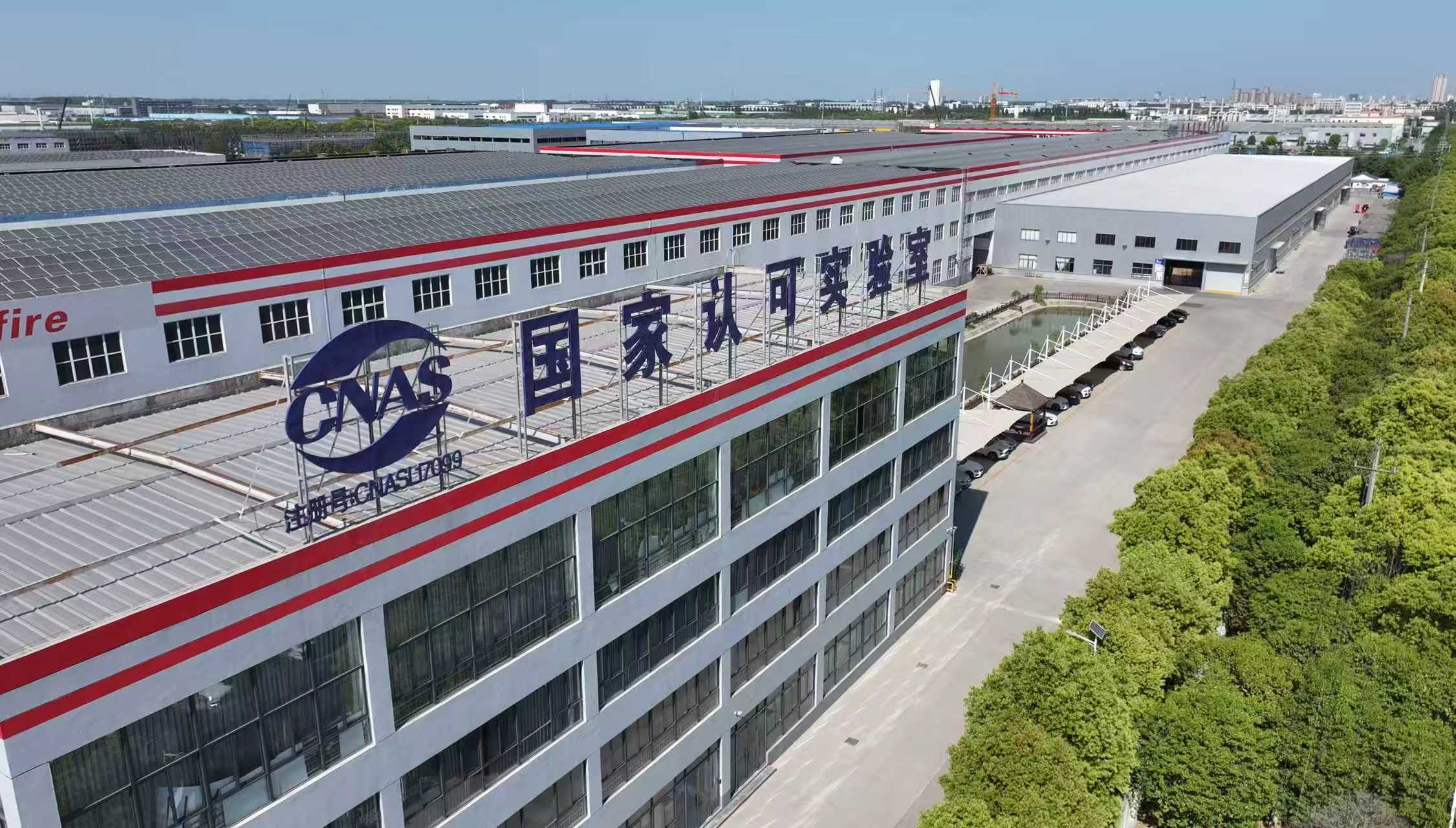 Ready to compare standard and custom? Send your specification and request a quotation or sample.
Have Questions or Need More Details?
Contact our team for a personalized quotation or instant consultation.
Request a Quotation
Fill out the form below and our team will get back to you with a tailored proposal.
WhatsApp Direct Chat
Prefer to chat in real-time? Message us on WhatsApp for instant assistance & quick answers.
- Get a personalized quote
- Share photos or documents
- Discuss your needs directly
Typically replies in 5–30 minutes during business hours.