Deploying RTP in Remote Mining Sites: An Application Guide for Rapid Water and Slurry Transfer
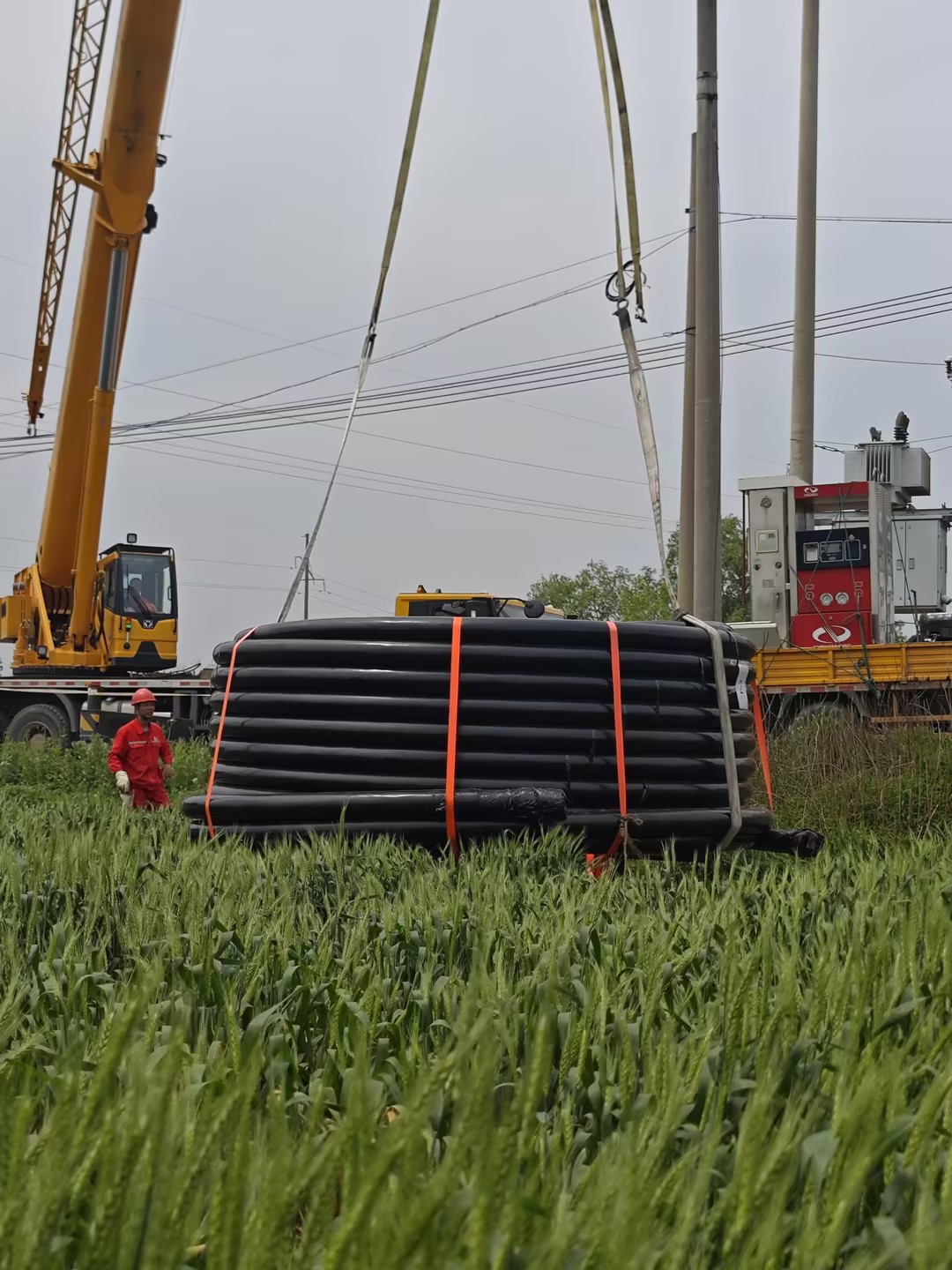
On-site support during RTP deployment: coil handling, connection checks and commissioning assistance for mining water and slurry lines. Image: ZYfire Hose Corporation.
Reinforced thermoplastic pipe (RTP) is a spoolable, non-metallic line pipe constructed from a thermoplastic inner and outer layer wrapped around a reinforcement layer, and it is used to carry water, slurry and oilfield fluids. For a remote mining site, the deployment case rests on a small number of concrete facts instead of general promises: a 2-inch, 3,500 PSI RTP line is supplied in continuous 920 m single coils, the reel weight is 1,200 kg, and the manufacturer can place on-site service teams at the installation and commissioning stage. Those three facts change how a mine plans, moves, installs and hands over a water or slurry line.
This guide is written for mine engineers, project managers and procurement teams evaluating RTP for process water, dewatering and slurry transfer in locations where access roads are long, welding spreads are impractical and every day of downtime carries a cost. It covers what makes remote sites structurally different, how the pipe is configured for mining duties, a step-by-step deployment sequence, and the compliance and commercial terms to confirm before mobilisation.
Why Remote Mining Sites Are a Different Deployment Problem
Remote mining sites constrain pipeline projects in ways that a refinery, a port terminal or an onshore oilfield battery usually does not. The constraints are logistical before they are technical.
- Access geometry. Haul roads limit trailer length, axle load and turning radius, which directly limits how much pipe can be delivered per trip and what handling equipment can reach the right-of-way.
- No welding infrastructure. A welded steel spread needs welding machines, qualified welders, coating and field-joint inspection. None of that is normally resident at a remote pit or concentrator.
- Short mobilisation windows. Weather, road closures and site shutdown schedules compress installation into narrow periods, so the number of field operations per kilometre matters more than the unit cost of the pipe.
- Distributed layout. Water supply, dewatering, concentrate and tailings lines often run several kilometres between the pit, the plant and the tailings storage facility, across ground that was never designed for heavy construction traffic.
- Corrosion and abrasion. Process water and slurry combine chemically aggressive and mechanically abrasive service. Corrosion resistance, long service life and ease of installation are the recurring maintenance drivers on these lines.
The consequence is that a mining project evaluating RTP is not only asking whether the pipe can hold pressure. It is asking how many times a crew has to return to the right-of-way, how heavy each load is, and what happens when a joint has to be made at kilometre six with no workshop nearby. A coil-based, non-metallic system answers those questions at the deployment stage rather than at the material stage.
Industry Background: Where Coil-Based Thermoplastic Line Pipe Fits
RTP is no longer a niche product category. The global reinforced thermoplastic pipe market was estimated at USD 7.2 billion in 2024 and is projected to reach USD 10.2 billion by 2030, a compound annual growth rate of 5.9%, according to Strategic Market Research. Growth of that scale reflects a broad shift toward non-metallic, corrosion-free fluid transmission rather than a single end market.
The demand is concentrated. In the global RTP market, the oil and gas segment is the dominant end-user, accounting for approximately 71.2% of total demand, as operators look for corrosion-free alternatives to steel, according to Fact.MR. Mining is the adjacent segment: the fluid-transmission duties are similar, the corrosion and abrasion environment is at least as severe, and the logistical constraints are frequently harder.
Product mix is equally concentrated. Glass fiber reinforced thermoplastic pipes represent an estimated 64.7% of total RTP market share, according to Fact.MR, with aramid fiber, polyester filament and steel wire tape making up the balance of reinforcement options. On the supply side, Asia Pacific was identified as both the largest and the fastest-growing regional market for thermoplastic pipes in 2024/2025, driven by infrastructure investment and water management projects.
Standards have kept pace with the product. API Specification 15S (2nd Edition, 2016) provides the industry-standard requirements for the manufacture and qualification of spoolable reinforced plastic line pipe for oilfield applications, covering pipe diameters up to 6 inches. Most mining water and slurry transfer duties sit comfortably inside that diameter envelope, which is why the oilfield qualification framework has become the reference point for mining buyers as well.
What has changed for mining specifically is the economics of mobilisation. As remote deposits are developed further from existing infrastructure, the cost of getting a conventional welded line to site increasingly outweighs the cost of the pipe itself. A coiled, lightweight, weld-free system changes that equation.
The RTP Platform Used for Mining Water and Slurry Transfer
ZYfire Hose Corporation is a manufacturer founded in 2000 and listed on the Beijing Stock Exchange, producing fire hose and composite pipelines made from polymer materials such as polyurethane and rubber-plastic alloy, including reinforced thermoplastic pipe for oil and gas and mining applications. Its RTP is certified under API 15S, and the company operates globally with production bases and logistics capability in the United States, Saudi Arabia, the United Arab Emirates, Malaysia and China.
Reference configuration: 2-inch, 3,500 PSI RTP
| Parameter | Specification |
|---|---|
| Product | RTP / TCP |
| Nominal pressure | 3,500 PSI |
| Outside diameter | 79.8 mm |
| Single length per coil | 920 m |
| Reel specification | 3,700 × 1,200 mm |
| Reel weight | 1,200 kg |
| Full plate weight | 5,524 kg |
| Inner and outer layer | HDPE, PE-RT (UV and antioxidant options available) |
| Reinforcement layer | Polyester filament; aramid fiber tape; glass fiber tape; steel wire tape |
| Applicable industry | Oil and gas / mining |
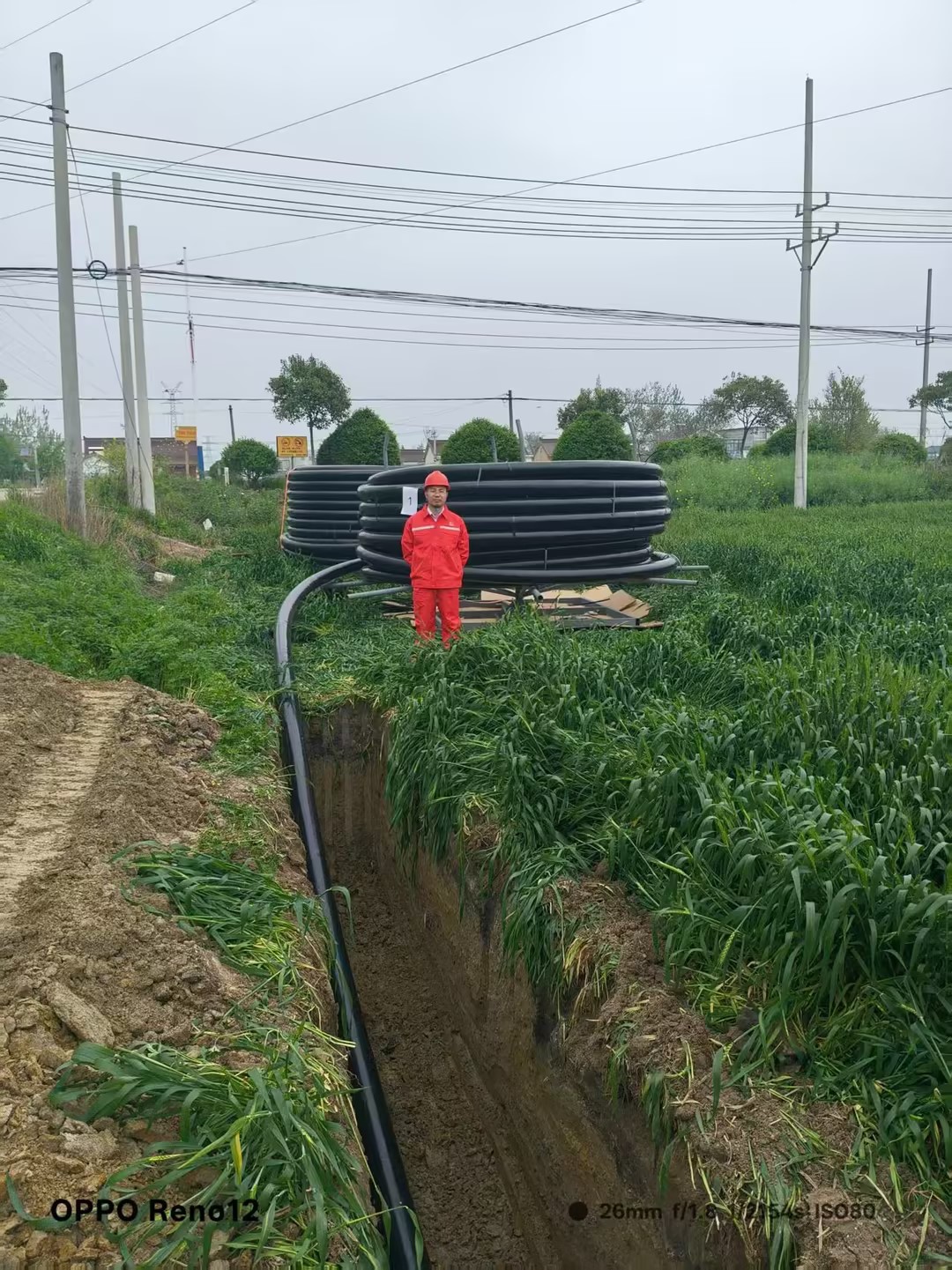
Reinforced thermoplastic pipe in fluid transmission service. Image: ZYfire Hose Corporation.
What the deployment-relevant numbers actually mean on site
920 m per coil. A 920 m single coil is the single most important deployment figure in this configuration, because field joints are where remote-site installation time, cost and risk concentrate. Every additional joint means another crew position, another inspection point and another potential leak path. Supplying 920 m of continuous pipe per reel reduces the number of field connections on a multi-kilometre line proportionally. It also means the limiting factor on installation progress becomes reel handling and stringing logistics rather than the rate at which joints can be made.
3,500 PSI nominal pressure. A 3,500 PSI nominal rating places RTP in the high-pressure bracket, which matters for mining duties such as high-lift transfer, long-distance pumping where friction losses must be overcome, and where a single line must serve several duty points. Buyers should confirm the design factor applied to the nominal rating for their specific duty and confirm it against the supplied test documentation.
Reel weight of 1,200 kg. Low unit weight is what makes remote transport viable. The pipe itself is light relative to steel for the same bore, which reduces the load per trip, reduces the lifting equipment required at the right-of-way and reduces the manual handling burden on installation crews. It also allows the coil to be positioned and paid out with equipment that is normally already on a mine site, rather than specialised pipe-laying plant.
Non-metallic construction. Because the inner and outer layers are HDPE or PE-RT with a non-metallic or steel-wire tape reinforcement between them, there is no galvanic corrosion mechanism at the fluid interface and no need for the internal or external coating repair that welded metallic lines require. Corrosion resistance, long service life and ease of installation are the documented field highlights of this product family in service.
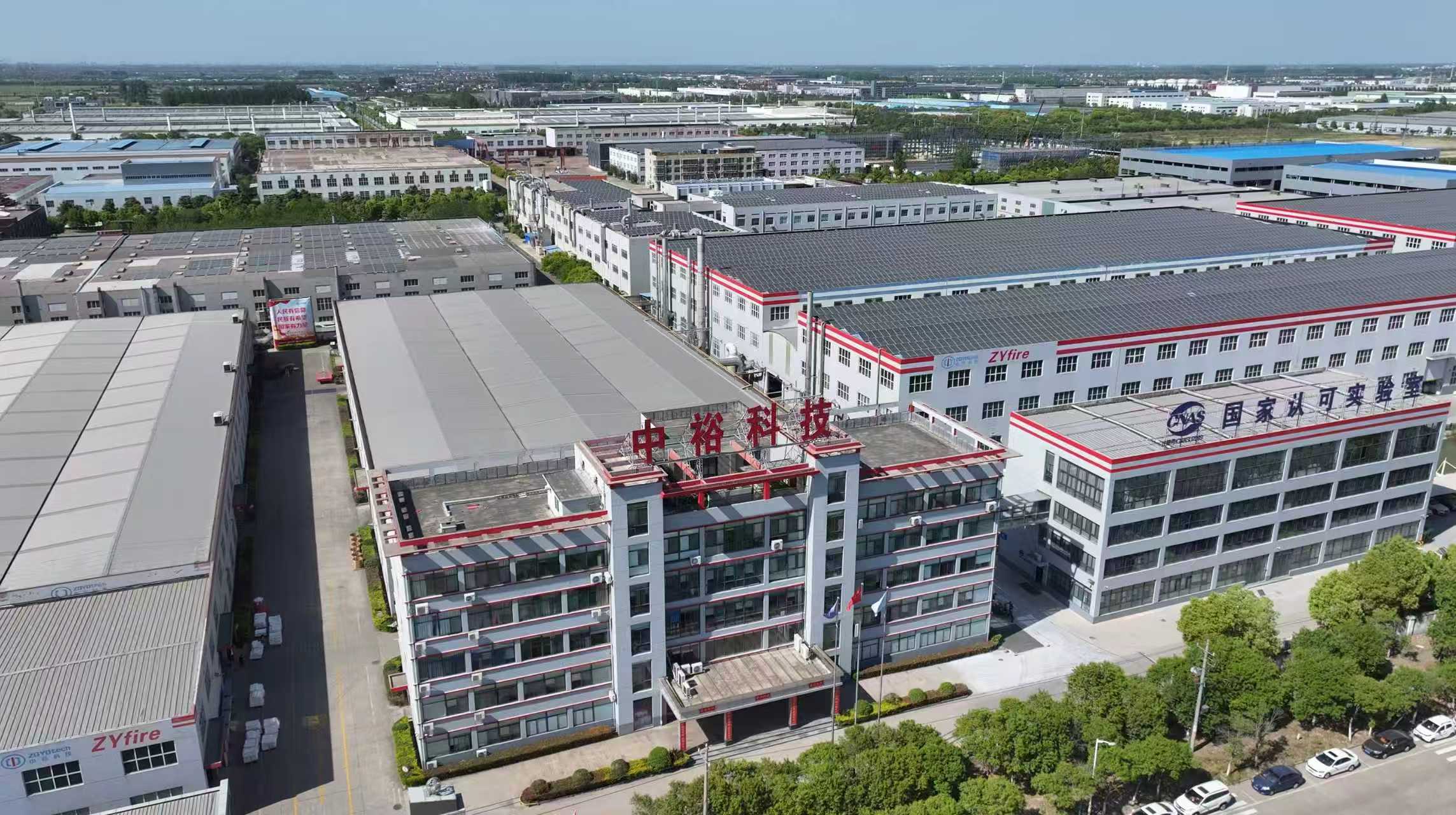
Production line for reinforced thermoplastic pipe, including custom bore sizes and pressure ratings. Image: ZYfire Hose Corporation.
Build-to-duty capability
Mining lines rarely match a catalogue item exactly, which is where OEM and ODM capability becomes a deployment issue rather than a commercial one. ZYfire provides OEM and ODM production services with customization across size, diameter, working pressure, weight, length and bending radius. For a remote site, that flexibility matters in three specific ways: a custom bore size lets the line be matched to the pump curve and solids size rather than to the nearest available stock diameter; a custom length lets the coil be sized to the distance between the two points actually being connected; and a defined bending radius lets the route be planned around terrain rather than forcing earthworks to accommodate the pipe.
Manufacturing capacity is 100,000 metres per month, the minimum order quantity is 50 metres, and standard lead time is 30 days. Every product undergoes 100% testing. Export markets include the Middle East, the USA and Southeast Asia. After-sales support includes on-site service and after-sales consultation, which is the structural answer to the remote-site problem: the manufacturer can put technical personnel at the installation rather than resolving issues remotely.
Field-proven reference
A documented project supplied 120,000 metres of RTP for fluid transmission duty, with installations across the UAE, Argentina, Australia, Bahrain, China, Iran, Jordan, South Korea, Libya, Oman, Saudi Arabia and the USA, and achieved 5 years of continuous operation. Reported outcomes were stable operation under high-pressure conditions, no leakage and reduced maintenance costs, with corrosion resistance, long service life and ease of installation cited as the defining characteristics. The same product family has been adopted by OEM and ODM clients.
Step-by-Step: Deploying RTP at a Remote Site
The sequence below reflects the order in which decisions constrain each other. Skipping a step generally forces a redesign at the next one.
Step 1 — Define the duty in mining terms, not pipe terms
Start with fluid type, solids content and particle size, flow rate, total static head and route distance. Slurry service and clean process water produce different requirements even where the pipe diameter and pressure rating are identical, because solids handling drives the preference for abrasion-resistant inner surfaces and a suitable minimum transport velocity.
Step 2 — Fix the pressure envelope
Convert the highest pressure the line will see — including surge and pump shut-off head — into a required nominal rating. A 3,500 PSI nominal RTP configuration covers the demanding end of mining water and slurry duties. Confirm the design factor applied to the nominal rating and record it in the project specification.
Step 3 — Lock bore size and coil length together
Bore size follows from the hydraulic calculation; coil length follows from the route. Custom bore size RTP is available, and the 920 m single length is the reference for planning how many coils a given route requires. On a long cross-country line, choosing the longest practical coil reduces both the number of field joints and the number of transport movements.
Step 4 — Specify the end connection
Determine whether the line will terminate in flanged connections, quick-connect fittings or couplings. This decision should be taken before fabrication, because it determines the termination preparation on each coil. Buyers should confirm with the manufacturer which termination types are available for the selected bore and pressure rating, and confirm that the pipe and couplings required are within the scope of the applicable certification.
Step 5 — Select reinforcement and liner materials
Available reinforcement options are polyester filament, aramid fiber tape, glass fiber tape and steel wire tape, with HDPE or PE-RT inner and outer layers and optional UV and antioxidant treatment. UV and antioxidant options are relevant to remote sites where pipe may be stored in the open or where the line runs exposed for long distances. Ask the manufacturer which reinforcement and liner combination was used on comparable mining duties.
Step 6 — Confirm testing and documentation before shipment
All products undergo 100% testing, and acceptance criteria are 100% test before shipment. Obtain the test documentation with the shipment and reconcile it against the coil identification before the coils leave the laydown area.
Step 7 — Plan reel logistics against the access road
Reel dimensions of 3,700 × 1,200 mm, a reel weight of 1,200 kg and a full plate weight of 5,524 kg are the figures that determine trailer selection, lifting method and how far a reel can be moved from the delivery point to the right-of-way. On restricted haul roads, this step frequently determines the maximum practical coil size, which then feeds back into Step 3.
Step 8 — String the line and complete field joints
Pay the coil out along the prepared route, respect the specified bending radius, and complete only the field joints the route actually requires. Because 920 m is delivered in a single continuous length, a multi-kilometre line is installed as a small number of long sections rather than as a large number of short ones.
Step 9 — Pressure test and commission
Hydrostatically test the assembled line and record results before handover to operations. This is the stage where on-site manufacturer service is most valuable, because commissioning issues are resolved in the field rather than through remote diagnosis.
Step 10 — Plan after-sales support into the operating phase
Agree the on-site service and after-sales consultation arrangements at order stage, not after the first incident. Confirm spare coil availability against the 100,000 m monthly capacity and the 30-day lead time so that a replacement section does not become a production constraint.
Mining Use Cases
Process water supply to a remote pit
Long-distance raw water supply is usually the first RTP duty evaluated at a remote mine, because the route is long, the pressure requirement is moderate to high, and the line crosses ground where welded construction is slow. Continuous 920 m coils reduce the number of field joints along the route, and the light coil weight keeps transport loads within haul-road limits.
Slurry transfer from the concentrator
Slurry duty places a premium on abrasion-resistant inner surfaces and a pressure rating high enough to hold the required transport velocity over the full route. Mining slurry transfer RTP is specified in this bracket, and the 3,500 PSI nominal configuration covers the higher-pressure end of that duty. Because the pipe is non-metallic, there is no internal corrosion mechanism to manage alongside the abrasion duty.
Underground dewatering and in-mine transfer
Underground mining RTP duties benefit from the low unit weight: coils can be moved through shafts and declines using equipment that is already on site, and the pipe can be routed around existing development with a defined bending radius. Non-metallic construction also removes the corrosion issue that drives frequent replacement of steel dewatering lines.
Cross-country lines between pit, plant and tailings
Where the tailings storage facility, the concentrator and the pit are separated by several kilometres, the installation effort per kilometre becomes the dominant cost driver. Coil-based deployment changes that figure structurally. Buyers should request documented deployment performance for comparable reels and line duties from the manufacturer as part of the technical evaluation rather than relying on general market claims.
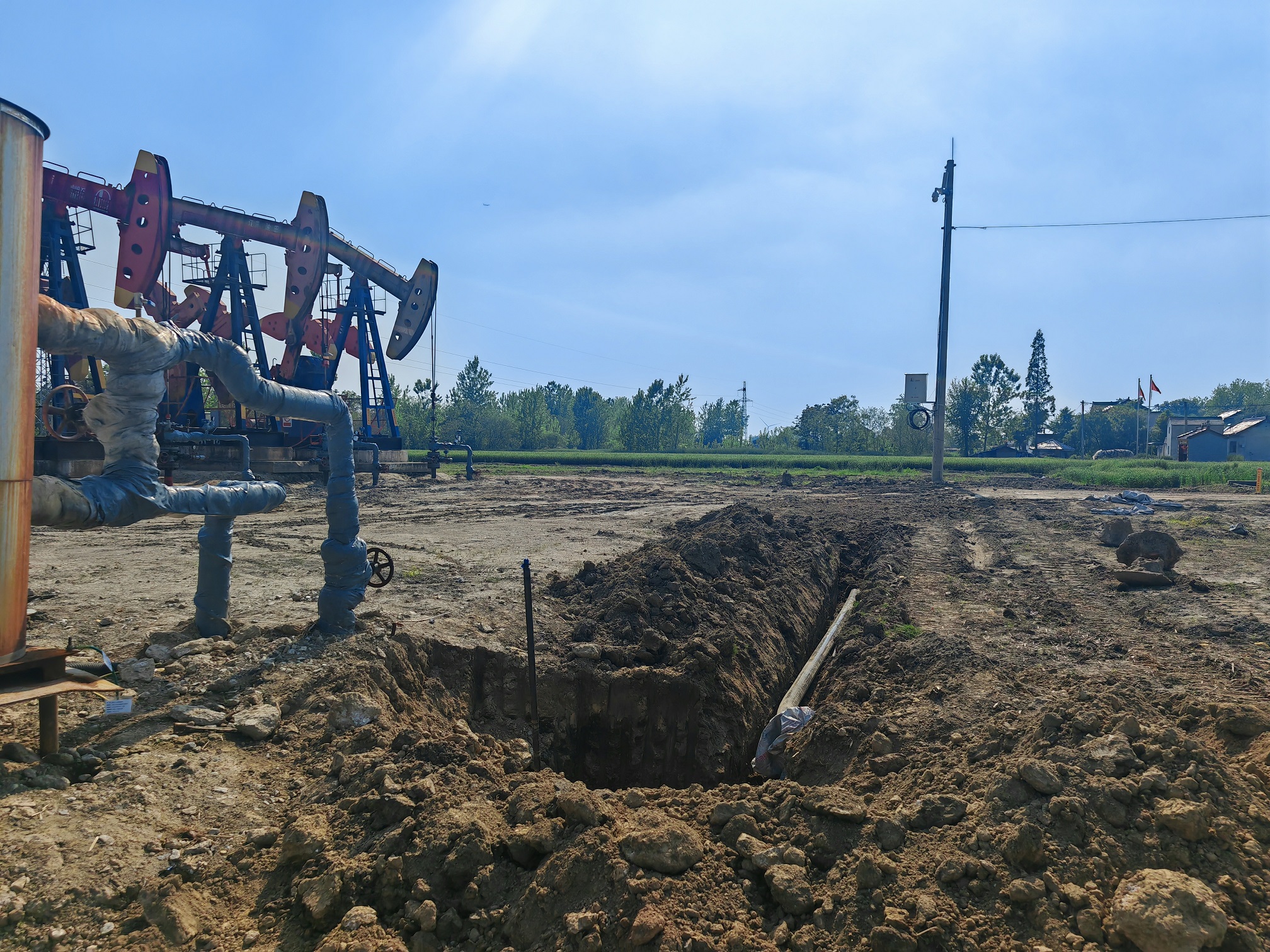
High-pressure RTP in fluid transmission service across mining and oilfield applications. Image: ZYfire Hose Corporation.
Comparison Table: Matching Configuration to Line Duty
Use the table below to translate a mining line duty into the configuration decisions that must be confirmed before an order is placed. Each row corresponds to a step in the deployment sequence above.
| Line duty | Relevant RTP attribute | Deployment consequence | Confirm with manufacturer |
|---|---|---|---|
| Process water supply, long route | 920 m single coil; custom length | Fewer field joints, fewer transport movements | Documented deployment performance for comparable reels |
| High-pressure transfer | 3,500 PSI nominal; aramid or steel wire tape reinforcement | Line can be run at higher head without additional pump stations | Design factor applied to the nominal rating; test record |
| Mining slurry transfer | Abrasion-resistant thermoplastic liner; HDPE / PE-RT inner layer | Lower replacement frequency than corroding metallic lines | Solids size, velocity and expected wear allowance |
| Underground dewatering | Low unit weight; defined bending radius; custom diameter | Coils moved with existing site equipment; route follows development | Minimum bending radius and shaft handling method |
| Remote or open-air storage | UV and antioxidant options on the outer layer | Reduced risk of surface degradation before or during installation | Whether UV treatment is required for the storage duration |
| Line close to the plant or camp | Non-metallic construction | No galvanic corrosion at the fluid interface; no coating repair | Any site-specific classification requirement the line must satisfy |
Compliance and Documentation to Verify Before Deployment
Certification is the gate that most mining procurement processes apply before a technical evaluation is even scheduled, so it is worth confirming first.
ZYfire holds API 15S certification, certificate number 15S-0025, issued by the American Petroleum Institute. The certificate is valid from 18 December 2025 to 21 February 2027. Its scope covers non-metallic reinforced pipe (glass fiber), steel reinforced pipe and couplings, manufactured to API Spec Q1 and API Spec 15S, for global markets.
API Specification 15S (2nd Edition, 2016) is the industry-standard document for the manufacture and qualification of spoolable reinforced plastic line pipe for oilfield applications, and it covers pipe diameters up to 6 inches. Two practical points follow for mining buyers. First, verify that both the pipe and the couplings you intend to use fall inside the certificate scope, not just the pipe. Second, remember that a certificate confirms that a qualification framework was applied — it does not by itself confirm that the specific coil delivered to your site meets your project's pressure, temperature and fluid requirements. Those must be confirmed against the test documentation supplied with the shipment.
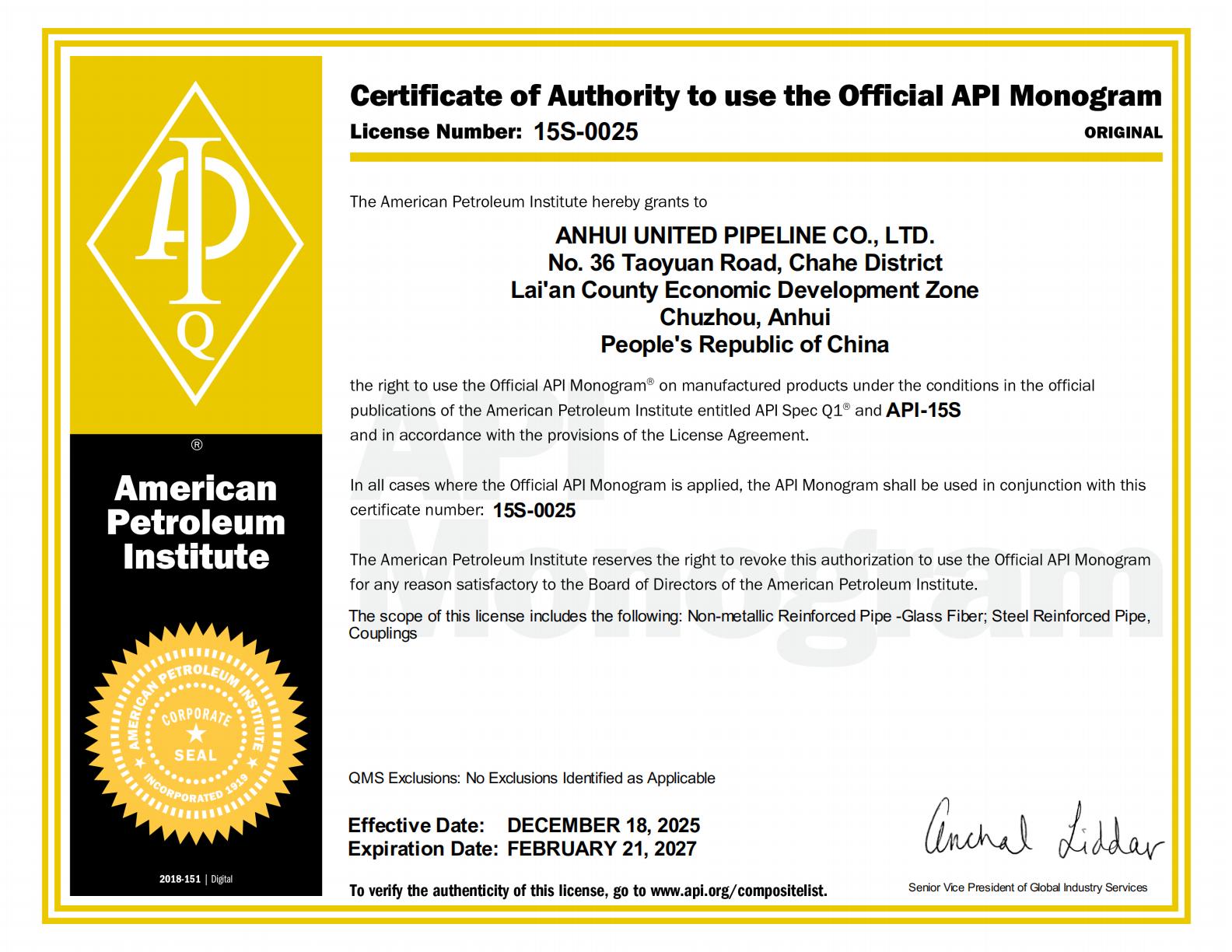
API 15S certification (certificate 15S-0025) covering reinforced thermoplastic pipe and couplings. Image: ZYfire Hose Corporation.
Alongside certification, assemble the following before mobilisation: the coil identification and test record for each reel; the specified bore, pressure rating and bending radius as ordered; the termination type and torque or make-up requirements; and the agreed on-site service and after-sales contact route.
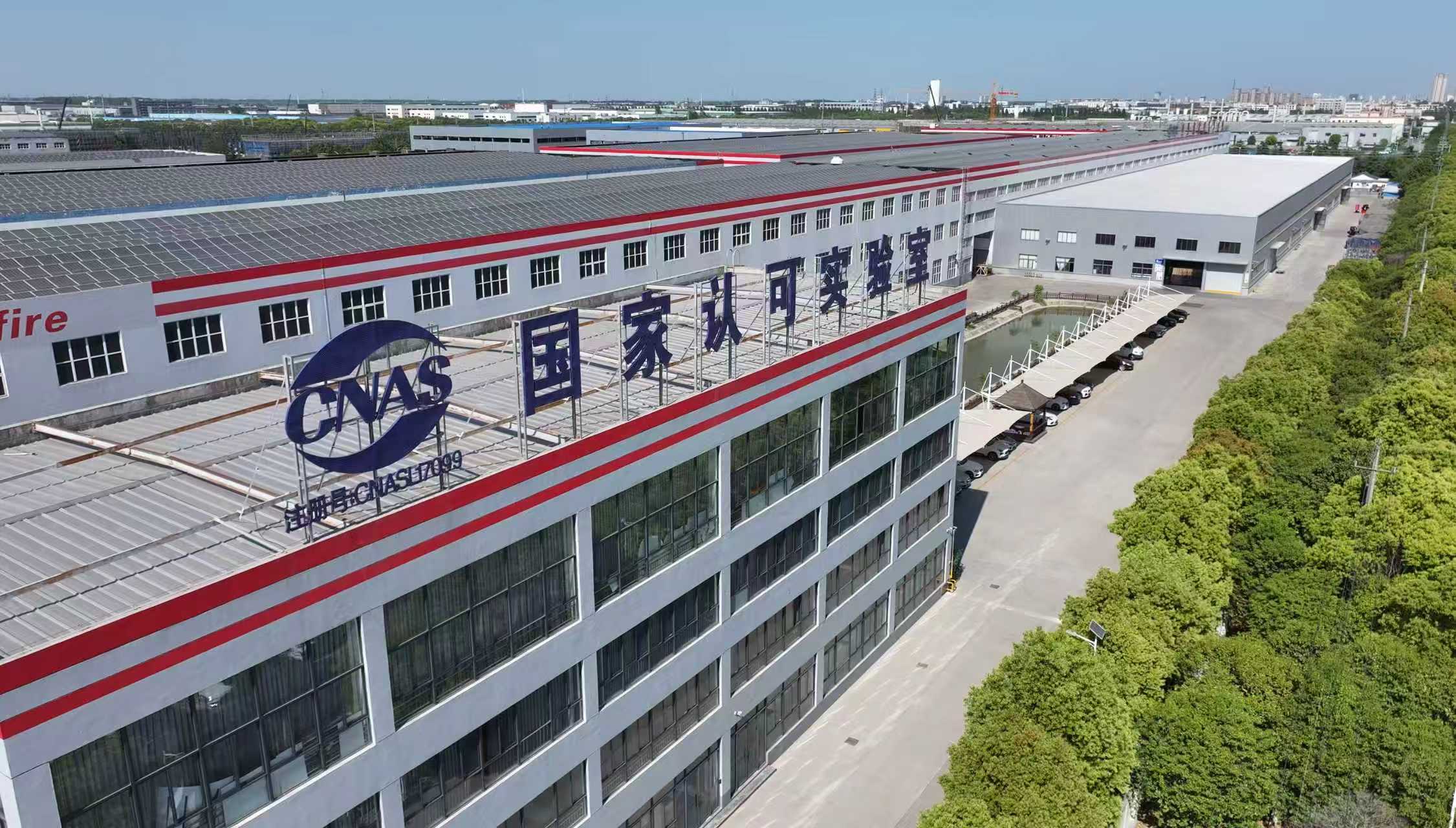
Manufacturing capacity of 100,000 metres per month supports mining and oilfield RTP programmes. Image: ZYfire Hose Corporation.
Frequently Asked Questions
1. What certification should a mining operator verify on RTP before deployment?
Verify API 15S certification covering both the pipe and the couplings. ZYfire's API 15S certificate 15S-0025 was issued by the American Petroleum Institute and is valid from 18 December 2025 to 21 February 2027, with a scope covering non-metallic reinforced pipe (glass fiber), steel reinforced pipe and couplings, manufactured to API Spec Q1 and API Spec 15S. API Specification 15S (2nd Edition, 2016) is the industry-standard document for the manufacture and qualification of spoolable reinforced plastic line pipe for oilfield applications and covers pipe diameters up to 6 inches. Because most mining water and slurry duties fall inside that diameter envelope, the same certificate is normally accepted as the baseline qualification document for mining projects.
2. Can RTP be customized to a specific bore size, pressure rating and coil length for a remote site?
Yes. ZYfire provides both OEM and ODM production services, and customization covers size, diameter, working pressure, weight, length and bending radius. This allows a mining line to be matched to the actual pump duty and route rather than to the nearest stock size. Production capacity is 100,000 metres per month, every product undergoes 100% testing, and support includes on-site service and after-sales consultation. The standard reference configuration is a 2-inch, 3,500 PSI RTP with a 79.8 mm outside diameter and a 920 m single length per reel.
3. What are the commercial terms and acceptance criteria for an RTP order?
The minimum order quantity is 50 metres. Delivery terms are EXW, FOB or CIF. Acceptance criteria are 100% test before shipment, and payment terms are 30/70. Because a typical remote mining water or slurry line runs well beyond the minimum order quantity, the commercial terms are usually agreed at project level, but the 50-metre minimum is relevant when a short section is needed for a specific tie-in or replacement rather than for a full line.
4. Can a short length be supplied for validation before full deployment on site?
A validation length can be ordered on its own, because the minimum order quantity is 50 metres and customization can be applied to length as well as to bore size and pressure rating. Every product is 100% tested before shipment, so the validation length arrives with the same testing regime applied to a full production order. Buyers who want to validate handling, bending behaviour or connection make-up on site before committing to a full line should confirm the test documentation required for the validation length at the ordering stage.
5. What is the lead time and what after-sales support is available once the line is installed?
Standard lead time is 30 days, with monthly production capacity of 100,000 metres. After-sales support includes on-site service and after-sales consultation, which allows installation and commissioning issues to be resolved at the mine rather than remotely. To plan a deployment, you can review technical details and request a project-specific configuration by contacting ZYfire Hose Corporation directly. The company product brochure is available for download here: ZYfire RTP product brochure.
Conclusion
Deploying RTP at a remote mining site is a logistics exercise as much as a materials decision. The configuration that makes it work is specific: a 2-inch, 3,500 PSI reinforced thermoplastic pipe supplied in continuous 920 m coils, a reel weight of 1,200 kg, a full plate weight of 5,524 kg, and inner and outer layers of HDPE or PE-RT with polyester filament, aramid fiber tape, glass fiber tape or steel wire tape reinforcement. Those figures are what reduce the number of field joints on a multi-kilometre line, keep loads within haul-road limits and allow the pipe to be handled with equipment already on site.
The supporting facts behind the deployment are equally specific. API 15S certification (certificate 15S-0025, valid 18 December 2025 to 21 February 2027) covers non-metallic reinforced pipe, steel reinforced pipe and couplings under API Spec Q1 and API Spec 15S. Capacity is 100,000 metres per month with a 50-metre minimum order quantity and a 30-day standard lead time. Every product is 100% tested, and the manufacturer provides on-site service and after-sales consultation. A documented project has supplied 120,000 metres of RTP for fluid transmission duty across twelve countries with five years of continuous operation, no leakage and reduced maintenance costs.
For mine engineers and procurement teams evaluating water and slurry transfer lines, the practical next step is to convert the duty into a specification: fluid, pressure, bore, route distance, coil length and termination type. That specification can then be matched against the available customization range and returned with a project-specific configuration and quotation.
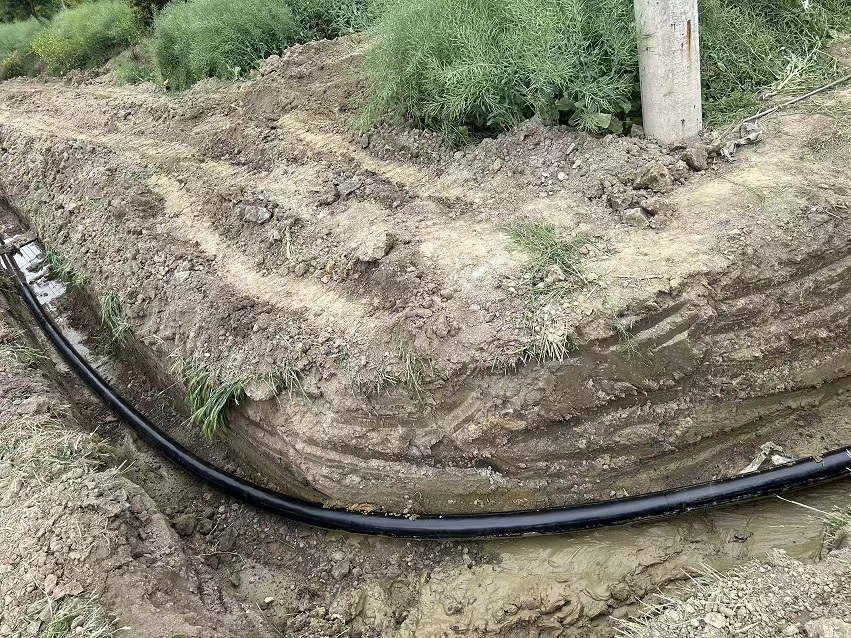
Send your line duty and route details to receive a matched RTP configuration. Image: ZYfire Hose Corporation.
Next step: match the pipe to your line duty
Send ZYfire your fluid type, required pressure, bore size, route length and termination requirement. The team can return a project-specific RTP configuration, confirm the coil length and bending radius, and provide a quotation under EXW, FOB or CIF terms.
ZYfire Hose Corporation — website: www.zyfire.com | Email: equiry@zyfire.com | Tel: +86 523 88802123 | WhatsApp: +86 18761071929 | Address: Kaiyang Road, Jiangyan City, Jiangsu, China