How RTP OEM/ODM Customization Works: Matching Pipe Design to Oilfield, Offshore, and Mining Operating Conditions
Reinforced thermoplastic pipe (RTP) OEM/ODM customization is the process of adapting pipe construction—bore size, reinforcement material, liner, working pressure, length, and connection—to the actual conditions of a specific oilfield, offshore, or mining operation. For buyers moving from supplier evaluation into project execution, the practical question is not whether RTP can replace steel, but how precisely a manufacturer can tailor the pipe to a defined operating envelope. ZYfire Hose Corporation, a Beijing Stock Exchange-listed manufacturer founded in 2000, offers OEM/ODM RTP production with customization options covering size, diameter, working pressure, weight, length, and bending radius.
Defining the Problem: Why Standard RTP Specs Are Not Enough for Project Execution
At the evaluation stage, buyers compare RTP against steel on corrosion resistance, weight, and installation speed. At the execution stage, the comparison shifts to a more demanding question: will this pipe hold up under the specific pressures, fluids, temperatures, and handling conditions of this site?
A standard RTP product line cannot fully answer that question. Oilfield operations often require pipes that resist crude oil and production chemicals. Offshore projects need lightweight, spoolable pipe that can be deployed from a vessel and must accommodate subsea layouts. Mining slurry transfer involves abrasion from solid particles and the risk of electrostatic discharge in underground environments. Each condition changes the optimal combination of liner material, reinforcement layer, and end fitting.
The gap between a generic product and a project-specific solution is exactly where OEM/ODM customization becomes a procurement requirement rather than a value-added extra.
Industry Background: RTP as a Corrosion-Resistant Alternative in Oil & Gas and Mining
Reinforced thermoplastic pipe is a spoolable composite line pipe consisting of a thermoplastic liner, a reinforcement layer, and an outer protective layer. It is used as a corrosion-resistant alternative to carbon steel in fluid transmission applications.
The global reinforced thermoplastic pipe market was estimated at USD 7.2 billion in 2024 and is projected to reach USD 10.2 billion by 2030, growing at a CAGR of 5.9%. The oil and gas industry is the dominant end-user segment, accounting for approximately 71.2% of global RTP demand as operators seek corrosion-free alternatives to steel. Glass fiber reinforced thermoplastic pipe (GFRTP) accounts for an estimated 64.7% of the product market.
API Specification 15S (2nd Edition, 2016) provides the industry-standard requirements for the manufacture and qualification of spoolable reinforced plastic line pipe for oilfield applications, covering pipe diameters up to 6 inches. A manufacturer qualified under API 15S has demonstrated the quality management and product testing capability required for oilfield service.
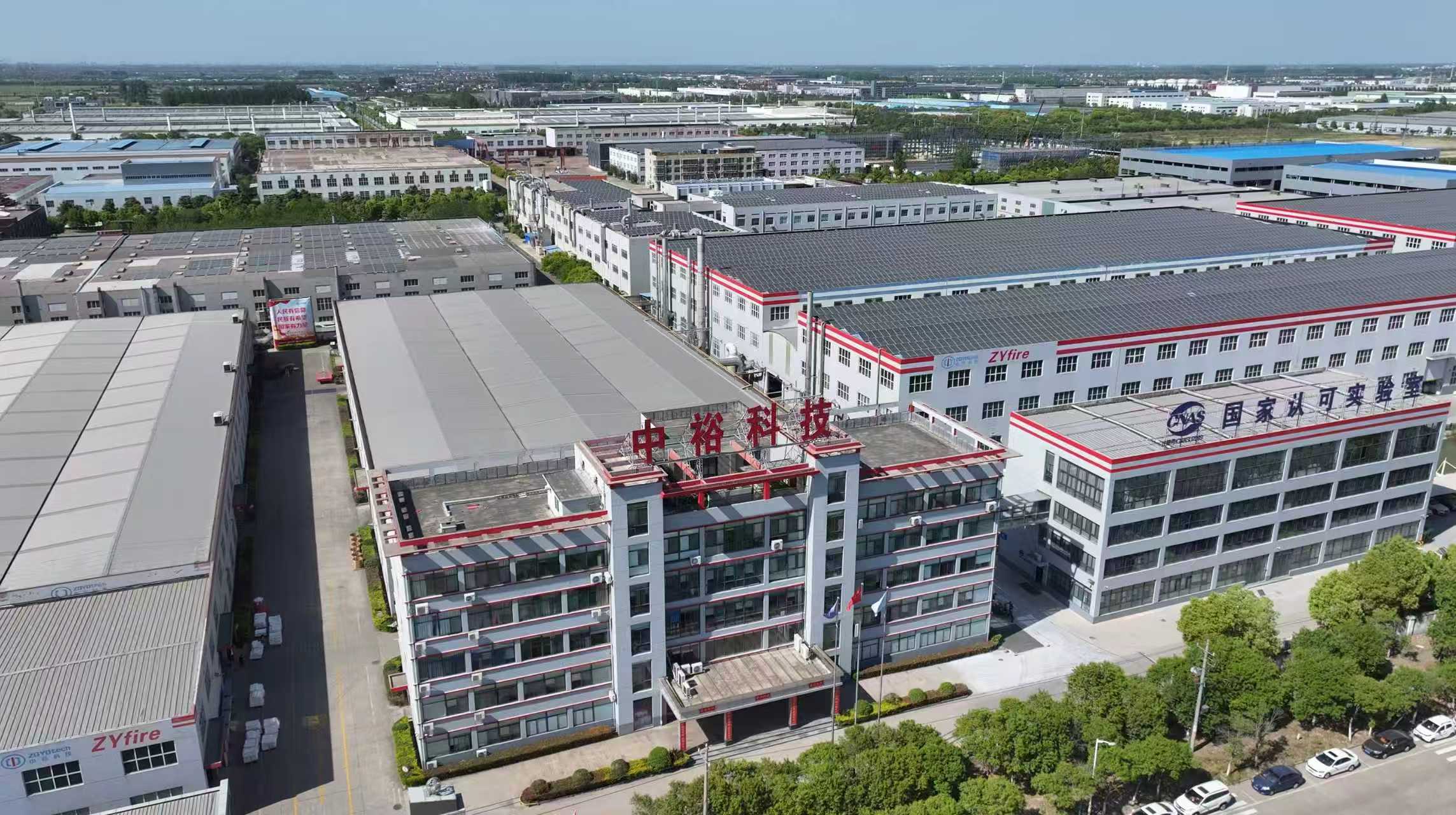
ZYfire Hose Corporation entered this market with a stated focus on custom bore sizes and high-pressure applications for oilfields and mining. The company operates a 150,000 ㎡ production base with around 600 employees and exports to more than 70 countries and regions, with primary export markets including the Middle East, the USA, and Southeast Asia.
Detailed Solution: The RTP Customization Capability Chain
Effective RTP OEM/ODM customization is not a single adjustment. It is a chain of decisions that starts with the operating conditions and ends with a fully tested, traceable product.
What Can Be Customized
ZYfire offers customization of the following parameters:
- Size and diameter: bore size and outside diameter matched to flow rate and connection requirements.
- Working pressure: reinforcement layer design selected to meet nominal pressure requirements.
- Weight: adjusted for handling, spooling, and deployment constraints.
- Length: continuous lengths optimized for installation and reel capacity.
- Bending radius: tailored to the minimum bend requirements of the site layout.
Material Selection for the Liner and Reinforcement
The liner and reinforcement layers determine chemical resistance, pressure rating, and abrasion performance. For the RTP product line certified under API 15S, the outer and inner layers are available in HDPE or PE-RT; UV and antioxidant additives are optional depending on exposure. The reinforcement layer can be selected from polyester filament, aramid fiber tape, glass fiber tape, or steel wire tape, among others.
This matters for buyers because the same nominal pressure rating can be achieved with different reinforcement materials, but each has a different stiffness, weight, and compatibility profile. Aramid and glass fiber tapes are used for high-strength, lightweight reinforcement. Steel wire tape adds strength but increases weight and affects the minimum bending radius. Polyester reinforcement offers a balance of strength, flexibility, and cost. The choice should be driven by the application: offshore deployment favors lightweight spoolable designs, while high-pressure onshore lines may specify steel wire reinforcement.
OEM/ODM Production Model
OEM production means the pipe is manufactured to the buyer's specification, often branded for the buyer, for integration into their own product portfolio or project package. ODM production means the manufacturer is responsible for the design as well as the production, proposing the material and construction solution based on the buyer's performance requirements.
ZYfire provides both OEM and ODM production services. Monthly production capacity is 100,000 meters, and lead time is 30 days. MOQ is 50 meters, which allows project-specific qualification and testing before large-volume rollout.
Quality Control and Testing
All products are 100% tested before shipment. The manufacturer also provides on-site service and after-sales consultation. For a custom product, 100% testing means that each reel or batch is verified against the agreed specification rather than relying on sample-based approval.
Quality control is supported by the company's laboratory, which has passed the China National Accreditation Service for Conformity Assessment (CNAS) professional accreditation, giving the lab nationally and internationally recognized testing capability.
Step-by-Step: How to Execute an RTP OEM/ODM Customization Project
Step 1: Define the Operating Envelope
Provide the fluid composition, temperature range, maximum working pressure, allowable pressure fluctuations, installation environment, required service life, and any site-specific constraints such as minimum bending radius or maximum reel weight.
Step 2: Select Liner and Reinforcement Materials
Decide whether the liner needs oil resistance, abrasion resistance, or static dissipation. Select the reinforcement material based on pressure and deployment requirements.
Step 3: Fix Dimensions and Connection Type
Determine bore size, outside diameter, single length, and connection method. In smaller diameters, RTP can be supplied in long continuous lengths on a reel. The example product, a 2-inch 3500 PSI RTP, has an outside diameter of 79.8 mm, a reel specification of 3700×1200 mm, a single length of 920 meters, and a reel weight of 1200 kg. This level of detail should be finalized in the specification.
Step 4: Confirm Certification and Compliance
Verify which standards apply to the project. For oilfield line pipe, API 15S is the relevant industry specification. ZYfire holds API 15S certification, certificate number 15S-0025, issued by the American Petroleum Institute, with scope covering non-metallic reinforced pipe—glass fiber; steel reinforced pipe, and couplings.
Step 5: Agree on Testing and Acceptance
Confirm that the product will undergo 100% testing before shipment. Define the acceptance criteria, inspection documentation, and the scope of on-site service required during installation.
Step 6: Plan Logistics and Installation Support
Delivery terms include EXW, FOB, or CIF. Payment terms are 30/70. Agree on the delivery schedule, reel handling, and whether the manufacturer will provide on-site installation guidance.
Use Cases: Applying Custom RTP to Oilfield, Offshore, and Mining Conditions
Onshore Oilfield and High-Pressure Flowlines
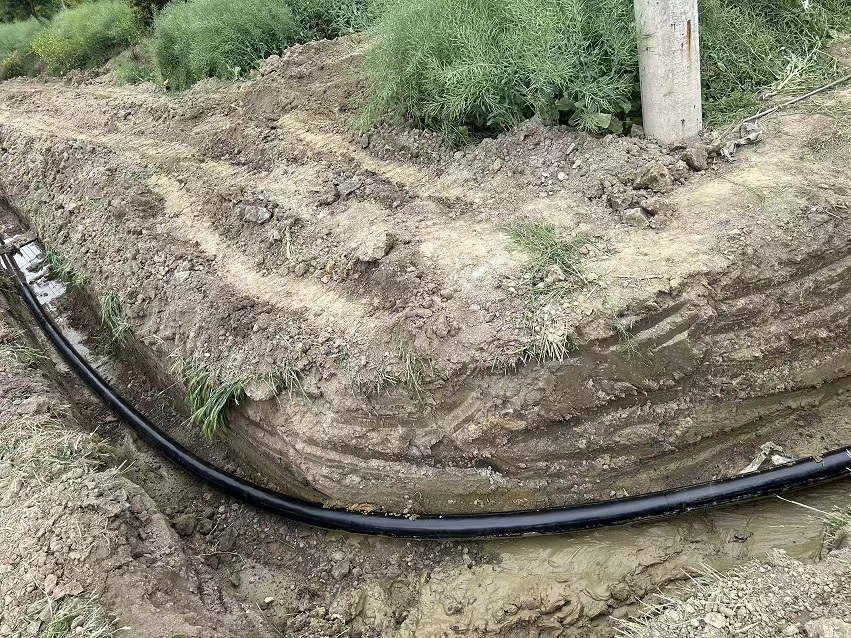
The most direct application for custom RTP is onshore oilfield flowlines, where corrosion resistance and long continuous lengths reduce the number of connections. The ZYfire API 15S product line, with a nominal pressure of 3500 PSI and a 2-inch bore size, is designed for this type of service. Buyers can specify HDPE or PE-RT liners, UV and antioxidant stabilization for above-ground exposure, and reinforcement material selected for pressure rating and flexibility.
Offshore Oil & Gas Deployment
Offshore projects place a premium on weight reduction, spoolability, and installation speed. Customization typically focuses on lightweight reinforcement, optimized bending radius, and continuous lengths that can be deployed efficiently. Custom weight and length specifications reduce the handling burden on vessels and offshore platforms.
Mining Underground and Slurry Transfer
Mining applications require the pipe to handle abrasive slurries and, in underground environments, to manage electrostatic discharge. Custom liner materials can be selected for abrasion resistance. Where static dissipation is required, the liner and reinforcement design can be adapted. These are exactly the kind of project-specific decisions that should be addressed during OEM/ODM specification development.
Reference Project Evidence
In one documented project, ZYfire supplied 120,000 meters of RTP for fluid transmission, with continuous operation over 5 years. The system operated stably under high-pressure conditions with no leakage and reduced maintenance costs. Key highlights were corrosion resistance, long service life, and easy installation. The project spanned multiple countries including UAE, Argentina, Australia, Bahrain, China, Iran, Jordan, South Korea, Libya, Oman, Saudi Arabia, and the USA, and the product was successfully used by OEM/ODM clients.
Comparison: Custom RTP vs Standard RTP vs Steel Pipe for Project Execution
| Decision Factor | Standard RTP | Custom OEM/ODM RTP | Steel Pipe |
|---|---|---|---|
| Corrosion resistance | High with thermoplastic liner | High; liner material selected for the fluid | Requires coating, cathodic protection, or inhibitor treatment |
| Pressure rating match | Limited to standard ratings | Reinforcement layer designed for working pressure | Wide range of standard schedules |
| Weight and handling | Light and spoolable | Optimized for deployment and site constraints | Heavy; requires lifting and welding |
| Installation speed | Long continuous lengths, fewer joints | Length and bending radius tailored to site layout | Welding and inspection are labor-intensive |
| Project-specific fit | Limited | Full customization of size, pressure, weight, length, bending radius | Limited to steel grades and wall thickness standards |
| Quality verification | Depends on manufacturer | 100% testing; API 15S certification available | Requires NDT and weld inspection |
FAQ
Does ZYfire RTP comply with API 15S for oilfield use?
Yes. ZYfire holds API 15S certification, certificate number 15S-0025, issued by the American Petroleum Institute. The scope covers non-metallic reinforced pipe—glass fiber, steel reinforced pipe, and couplings. This certification is relevant for oilfield line pipe applications requiring spoolable reinforced plastic pipe qualified under API Spec 15S.
Which RTP parameters can ZYfire customize?
ZYfire can customize size, diameter, working pressure, weight, length, and bending radius. Both OEM and ODM production services are available. This means the buyer can provide their own design or ask the manufacturer to design the pipe construction based on operating requirements.
What is ZYfire's production capacity and lead time for custom RTP?
Monthly RTP production capacity is 100,000 meters. Lead time is 30 days, and the MOQ is 50 meters. All products undergo 100% testing before shipment, and the manufacturer provides on-site service and after-sales consultation.
Can custom RTP be used for mining slurry transfer and underground service?
Yes. The liner and reinforcement layers can be selected for abrasion resistance and static dissipation as required by the application. Because customization options include material selection and structural design, mining slurry transfer and underground installations can be specified accordingly.
What is a sample request process for verifying custom RTP specifications?
The process typically starts with defining the operating envelope and requesting a specification proposal or sample reel for evaluation. ZYfire has a 50-meter MOQ and testing capability, which allows buyers to verify dimensional, pressure, and material properties before committing to volume production. For a specific project, contact ZYfire with your operating conditions to initiate a custom specification review. A catalog and company brochure are available for download: ZYfire corporate brochure (PDF).
Conclusion
RTP OEM/ODM customization is the execution-stage solution for buyers who need more than a standard pipe catalog. By defining the operating envelope, selecting liner and reinforcement materials, confirming API 15S compliance, and agreeing on 100% testing and delivery terms, oilfield, offshore, and mining buyers can match the pipe to the real conditions of the project.
ZYfire Hose Corporation provides OEM and ODM production services with customization of size, diameter, working pressure, weight, length, and bending radius; monthly capacity of 100,000 meters; a 30-day lead time; and a 50-meter MOQ. For buyers with a defined project specification, ZYfire offers an execution-ready path from sample evaluation to serial supply.
Download the ZYfire brochure to review RTP capabilities: ZYfire Corporate Brochure (PDF).