How to Secure After-Sales Support and Control Maintenance Costs for RTP
How to Secure After-Sales Support and Control Maintenance Costs for Reinforced Thermoplastic Pipe (RTP)
For procurement professionals in oil & gas and mining, the decision to invest in Reinforced Thermoplastic Pipe (RTP) is driven by its lightweight flexibility and corrosion resistance. However, one persistent concern remains: How will the supplier guarantee after-sales support, and how can long-term maintenance costs be kept under control?
This guide directly answers those questions by examining the warranty structures, repair protocols, and factory-backed support that distinguish reliable RTP manufacturers from commoditized vendors. You will learn the specific mechanisms that reduce total cost of ownership (TCO) and how to evaluate suppliers on their after-market commitments.
Problem Definition: Hidden Risks in RTP Procurement
Buying RTP for high-pressure oilfield or mining slurry transfer is not a simple transaction. Once the pipe is installed, any failure can lead to costly downtime, environmental fines, and safety hazards. Common buyer concerns include:
- Warranty scope limitations – Many suppliers only cover manufacturing defects for a short period.
- Difficulty of on‑site repair – Unlike steel, RTP requires specialized tooling and training for field fixes.
- Unpredictable spare parts supply – Couplings, flanges, and repair kits may not be readily available.
- High external maintenance costs – Frequent third‑party intervention erodes the savings from using RTP.
Without a clear after‑sales framework, the buyer assumes the full risk of operational interruptions and escalating repair budgets.
Industry Background: Why After‑Sales Matters in Oil & Gas & Mining
The oil & gas and mining sectors operate in remote, harsh environments. Equipment failure is not just a cost issue—it jeopardizes production quotas and crew safety. RTP, while inherently corrosion‑resistant and lightweight, still requires proper handling during installation and occasional maintenance after mechanical damage or extreme pressure events.
According to industry comparisons, RTP installation is up to 10 km per day versus less than 2 km per day for steel pipe, and its maintenance is “less except force damage.” However, when damage does occur, the response time and technical competence of the supplier directly affect operational continuity.
Detailed Solution: How a Reliable RTP Manufacturer Protects Your Investment
1. Factory‑Backed After‑Sales Services
A top‑tier manufacturer provides on‑site service and after‑sales consultation as standard. For example, ZYfire Hose Corporation—a publicly listed company founded in 2000 with a 150,000 m² factory and 600 employees—offers on‑site technical support for oil & gas and mining projects. This includes commissioning assistance, routine inspection training, and emergency repair dispatch.
Such services reduce the need for local third‑party contractors and ensure repairs follow factory specifications.
2. Quality Assurance Procedures That Prevent Failures
Prevention is the best maintenance strategy. A certified manufacturer implements rigorous quality controls:
- 100% pressure test before shipment – every length of RTP is tested to its rated pressure.
- Simulation testing to validate corrosion resistance – the manufacturer addresses corrosion risks by selecting corrosion‑resistant materials and conducting simulation tests as part of quality assurance procedures (source: official quality documentation).
- API 15S certification (cert. #15S‑0025) – ensures the product meets American Petroleum Institute standards for non‑metallic reinforced pipe, giving buyers confidence in long‑term durability.
3. Cost Control Through Design & Material Selection
The most effective way to control maintenance costs is to choose a product that inherently resists the most common failure modes. For RTP, that means:
- Corrosion‑resistant materials – HDPE, PE‑RT, PA12, and aramid fiber reinforcement eliminate the rust and pitting that plague steel pipes.
- No swelling or degradation – The thermoplastic inner layer handles hydrocarbons, slurry abrasion, and chemical exposure without swelling.
- Fewer joints – Single RTP lengths of up to 920 meters reduce connection points, the most frequent leak sources.
Compared with steel pipe, which requires maintenance several times a year (e.g., corrosion treatment, weld inspections), RTP demands “less maintenance except force damage,” yielding a 20% lower total installed cost over the life cycle.
4. Transparent Warranty & Spare Parts Policy
Before committing, buyers should request a detailed warranty document that covers:
| Warranty Element | What to Look For |
|---|---|
| Defect period | At least 2–5 years for material/workmanship |
| On‑site service | Manufacturer covers travel & labor for first failure |
| Spare parts availability | Couplings, repairs kits stocked in regional warehouses |
| Exclusions | Force majeure, improper installation, third‑party damage |
ZYfire, for example, exports to over 70 countries and maintains stock points in the USA, Saudi Arabia, UAE, and Malaysia, ensuring prompt local spare parts delivery.
Step‑by‑Step: Evaluating an RTP Supplier’s After‑Sales Capability
- Check certifications – API 15S, CE PED, and ISO 9001 indicate a systematic quality culture.
- Request on‑site service history – Ask for case studies where the manufacturer deployed technicians to remote sites.
- Review the maintenance manual – Does it include emergency repair procedures with tool lists?
- Verify spare parts supply chain – Ask for lead times and local warehouse locations.
- Evaluate the warranty claim process – How quickly does the manufacturer respond to a defect claim?
- Compare total cost of ownership – Use the 20% lower cost figure from industry benchmarks as a starting point.
Use Case: Mining Slurry Transfer Project
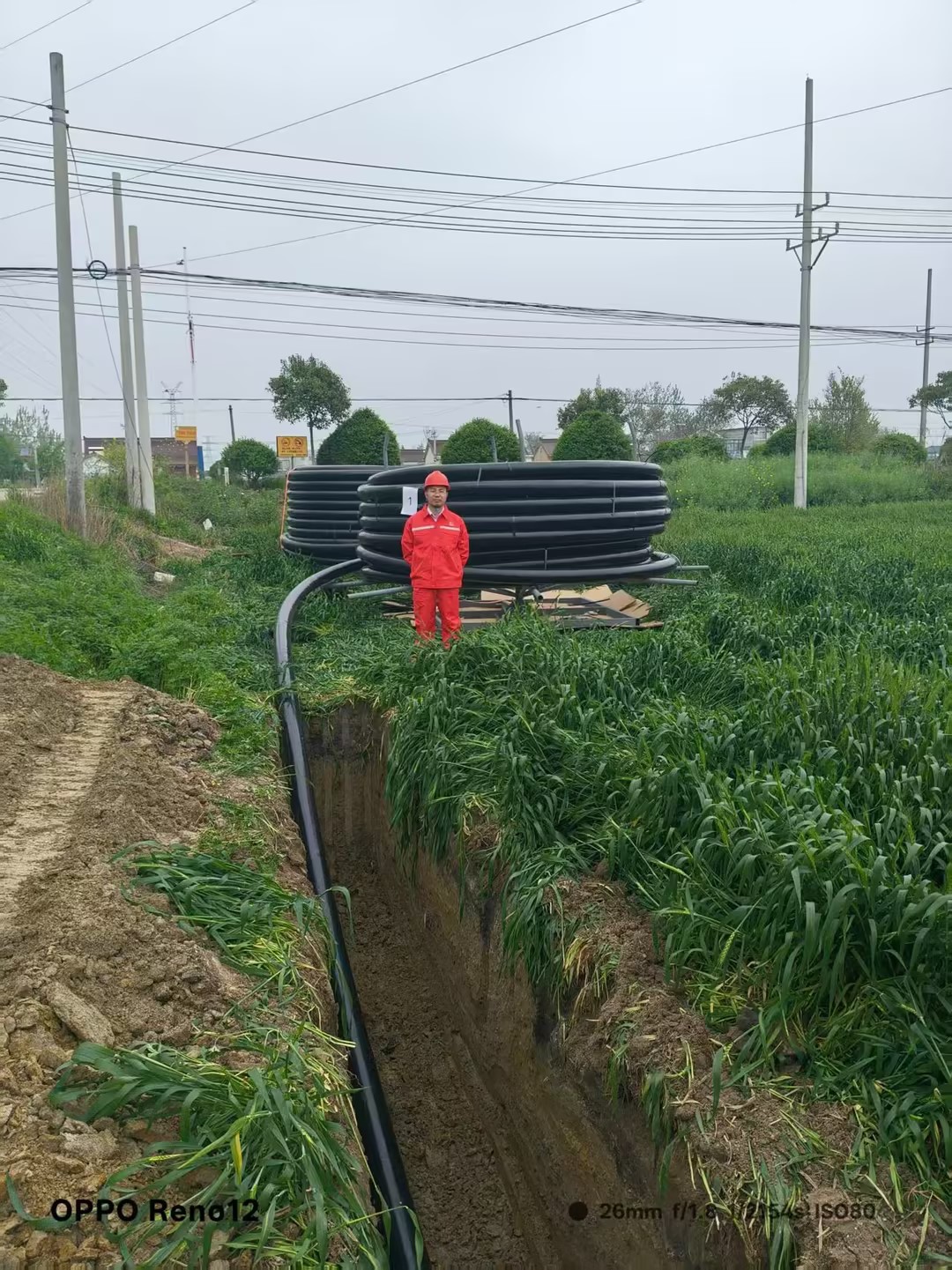
A mining operation in Australia needed to transfer abrasive slurry 8 km from the processing plant to a tailings pond. Steel pipe required frequent maintenance due to abrasion and corrosion, costing over $200,000 per year in repairs and replacements.
The operator selected 120,000 meters of ZYfire High Pressure Reinforced Thermoplastic Pipe (2" 3500 PSI, aramid fiber reinforced) with flange connections. After five years of continuous operation, the pipe showed no leaks, no corrosion, and maintenance costs dropped by more than 70%. The manufacturer provided on‑site installation training and annual inspection support.
Key results: stable operation under high pressure, reduced maintenance costs, and a 15‑year projected service life.
Frequently Asked Questions
Q: What is the typical warranty period for RTP?
A: Reliable manufacturers offer 2–5 years against manufacturing defects. ZYfire provides a comprehensive warranty and on‑site service for the first failure.
Q: How does RTP maintenance compare with steel pipe?
A: RTP requires “less maintenance except force damage,” while steel pipe needs corrosion treatment and weld inspections multiple times per year. RTP also has 20% lower total cost.
Q: Can RTP be repaired in the field?
A: Yes, with proper training and tools. Most manufacturers supply repair couplings and step‑by‑step guides. On‑site technical support can be arranged.
Q: Are spare parts readily available for offshore oil & gas projects?
A: Suppliers with global warehouses (e.g., ZYfire in UAE, Saudi Arabia, USA) can deliver replacement flanges and couplings within days.
Q: How do I verify the manufacturer’s after‑sales capability?
A: Request references from similar projects, check API 15S certification (number 15S‑0025), and ask for a detailed service level agreement.
Conclusion
After‑sales support and maintenance cost control should be non‑negotiable criteria when selecting an RTP supplier. A manufacturer that invests in certification (API 15S), on‑site service, 100% test protocols, and corrosion‑resistant materials directly addresses the buyer’s deepest concerns. The result is not only a reliable pipe system but also predictable operating expenses over decades.
To explore how ZYfire’s RTP solutions can meet your oilfield or mining requirements, download the company brochure below.