Inside Reinforced Thermoplastic Pipe: HDPE/PE-RT Core, Reinforcement, and 3500 PSI for Oil & Gas
Answer first: A reinforced thermoplastic pipe (RTP) for oil & gas is a spoolable composite line pipe. It combines an HDPE or PE-RT thermoplastic core, one or more reinforcement layers—polyester fiber tape, aramid fiber tape, glass fiber tape, or steel wire—and a protective outer jacket. A 3500 PSI nominal pressure design is a project-specific pressure class within the broader API 15S scope, which covers spoolable reinforced plastic line pipe up to 6 inches (150 mm) in diameter and pressures up to 5000 psi (34.5 MPa). Long single coils, such as the 920 m coil format referenced for this article, reduce the number of field fittings and joints in 24/7 mining and oil & gas fluid transmission.
Problem Definition: Why Joints and Corrosion Drive Lifecycle Cost
In oilfield gathering, water injection, flowback, and mining slurry transfer, the pipe is not just a carrier. It is a maintenance item. Steel lines are exposed to corrosion, and the comparison data supplied for this article notes that steel pipe can require maintenance several times a year, while RTP requires less maintenance except for force damage. Every field joint is also an installation step, an inspection point, and a potential leak path. For 24/7 operations, those details matter because unplanned downtime can interrupt production or dewatering.
RTP addresses the problem through material corrosion resistance and long continuous lengths. The same comparison data lists installation efficiency of less than 2 km per day for steel pipe and 10 km per day for RTP. That is not a guarantee for every site, but it explains why project teams look at total installed cost, not only pipe price.
Industry Background: RTP Fits Inside the API 15S Pressure Envelope
API Specification 15S defines requirements for spoolable reinforced plastic line pipe up to 6 inches (150 mm) in diameter with pressures up to 5000 psi (34.5 MPa). The standard scope includes pipe and end fittings or couplings. That matters because a 3500 PSI nominal design is not a free-floating marketing number; it is a pressure class that should be documented against a recognized specification, test records, and connection design.
Market context supports the interest in RTP. The global RTP market is projected to reach approximately USD 7.94 billion by 2026, and the oil & gas segment valuation is estimated between USD 2.0 billion and USD 2.5 billion in 2026. Those are market estimates, not a purchasing recommendation. For a project engineer, the practical background is simpler: RTP is used in onshore and offshore oil & gas gathering, high-pressure oilfield water injection, flowback fluid transportation, mine slurry backfilling, corrosive chemical media, geothermal hot water, municipal high-pressure water, seawater desalination, and irrigation.
Corrosion performance is one reason. A commercial research source states that RTP systems reduce corrosion-related failures by over 70% compared with traditional steel pipelines. Buyers should treat that as an industry-level data point and then verify the specific pipe construction, liner, and operating envelope for their own fluid.
Detailed Solution: What Is Inside a 3500 PSI RTP?
1. HDPE or PE-RT Core
The core is the fluid-contact layer. HDPE and PE-RT are thermoplastic options in the RTP construction described for this article. The core can be formulated with optional UV stabilizers and antioxidant additives to support outdoor exposure and service life. The core is not the pressure-bearing layer by itself; it provides the corrosion-resistant wetted surface and must be compatible with the produced fluid, injection water, flowback chemistry, slurry, or chemical media.
For project-specific sourcing, confirm whether the liner should be HDPE, PE-RT, PE100 RC, PA12, PP, or another corrosion-resistant lined RTP option. The correct question is not 'which liner is best' in general, but 'which liner is compatible with the fluid, temperature, and permeation requirement.' For oil resistant RTP or static dissipative RTP requirements, ask for the relevant evidence rather than assuming a standard HDPE/PE-RT core covers it.
2. Reinforcement Layer
The reinforcement layer carries the internal pressure. ZYfire states that its RTP/TCP product line covers four reinforcement architectures: polyester fiber tape, aramid fiber tape, glass fiber tape, and steel wire tape. Each has a different role in the design envelope. The table below is a selection summary, not a performance ranking.
| Reinforcement type | Typical design role in RTP | Procurement check |
|---|---|---|
| Polyester fiber tape | Fiber-tape reinforcement for spoolable RTP constructions | Confirm pressure class, temperature limit, and test record |
| Aramid fiber tape | High-strength fiber tape used in reinforced thermoplastic pipe | Confirm design pressure and coil handling requirements |
| Glass fiber tape | Fiber-tape reinforcement option for RTP | Confirm compatibility with the specified pressure and service |
| Steel wire | Steel wire tape reinforcement architecture | Confirm corrosion protection, weight, and bending radius |
The reinforcement choice must match the 3500 PSI nominal design, the bore size, the service temperature, and the required bending radius. A pipe that meets a pressure target with one reinforcement architecture may have a different weight, coil length, or connection requirement with another.
3. Protective Outer Jacket
The available technical description of RTP identifies three functional layers: a thermoplastic liner, a reinforcement layer, and a protective outer jacket. The jacket protects the reinforcement from external damage and environmental exposure. For mining underground RTP, mining slurry transfer RTP, or offshore oil & gas RTP, the jacket and external protection should be reviewed against abrasion, handling, and installation conditions. Abrasion resistant RTP requirements should be stated explicitly in the inquiry.
4. 3500 PSI Nominal Pressure Design
A 3500 PSI nominal pressure design sits below the 5000 psi upper bound described in API Specification 15S. The word 'nominal' matters. The final pressure rating should be tied to the pipe size, liner, reinforcement, end fitting, temperature derating, and test method. The buyer should ask for the pressure class in writing, along with the applicable standard, test records, and connection details. For an API 15S Certified RTP requirement, verify the certificate scope: product family, size range, pressure class, factory, couplings, and validity.
5. Long Coils and Fewer Fittings
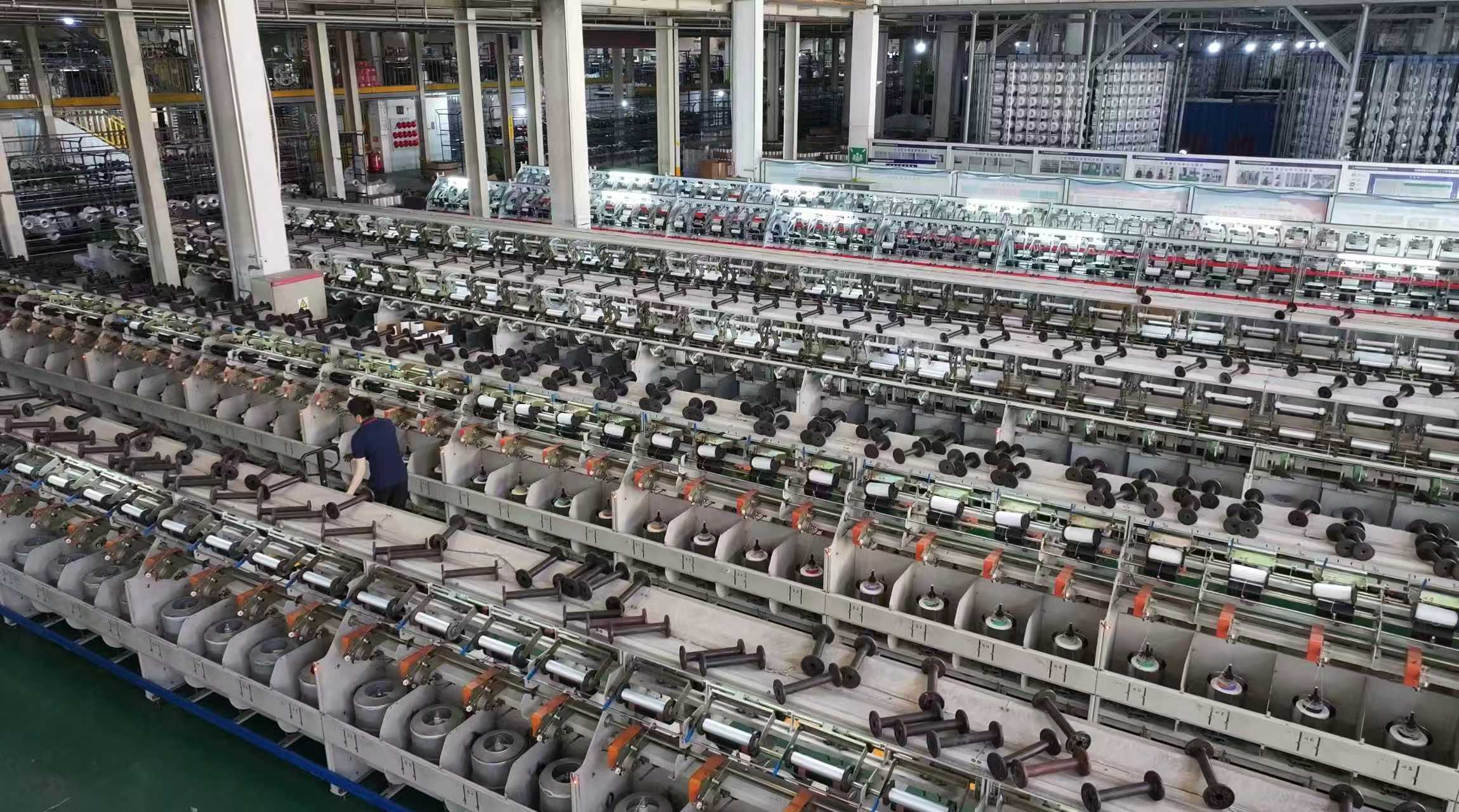
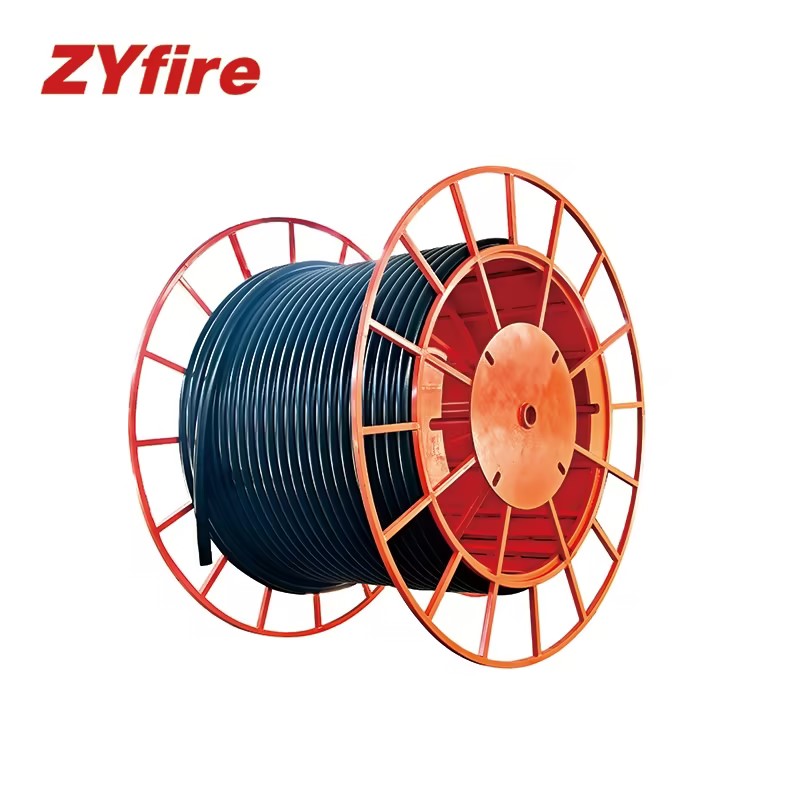
Single 920 m coils reduce the number of field joints compared with shorter pipe segments. Fewer joints mean fewer fittings to source, fewer make-up operations, fewer inspection points, and fewer potential leak paths. In 24/7 mining and oil & gas fluid transmission, that can reduce installation time and maintenance exposure. The comparison data supplied for this article states that RTP can be installed at 10 km per day versus less than 2 km per day for steel pipe, and that RTP is light weight, easy to operate, with low site transport cost. These are comparative data points from the supplied corpus; actual site performance depends on crew, terrain, connections, and handling equipment.
Step-by-Step Breakdown: Specifying an RTP Line
- Define the fluid and operating envelope. Record the fluid type, temperature, pressure, flow rate, solids content, and any chemical exposure. This determines whether the core should be HDPE, PE-RT, or another liner option, and whether oil resistant RTP, corrosion resistant RTP, or abrasion resistant RTP evidence is required.
- Select the reinforcement architecture. Compare polyester fiber tape, aramid fiber tape, glass fiber tape, and steel wire against the 3500 PSI design requirement, bore size, and bending radius. Do not separate pressure class from connection design.
- Confirm the pressure rating and standard. Ask for the nominal pressure, design basis, test records, and API 15S certificate scope where applicable. API 15S covers spoolable reinforced plastic line pipe up to 6 inches and 5000 psi; a 3500 PSI design should be documented inside that envelope.
- Set the coil length and connection strategy. Evaluate single 920 m coils to reduce fittings. Confirm whether flange connected RTP, quick connect RTP, or another end fitting is required. API 15S scope includes pipe and end fittings or couplings, so the connection is part of the qualified system.
- Specify customization requirements. ZYfire's customization scope includes size, diameter, working pressure, weight, length, and bending radius. Put these values in the RFQ rather than relying on a generic product description.
- Verify testing and acceptance. ZYfire's stated purchasing terms include 100% test before shipment as the acceptance criterion. Request the test plan and records for the specific order.
- Check commercial terms and capacity. ZYfire reports a 50 m MOQ, a typical 30-day lead time, and a monthly production capacity of 100,000 meters. The purchasing terms list MOQ 50 meters, delivery terms EXW/FOB/CIF, acceptance criteria 100% test before shipment, and payment terms 30/70. These terms should be confirmed in the quotation for the final specification.
Use Cases: Matching RTP Construction to the Site
Onshore oilfield RTP. Gathering lines, water injection, and flowback service benefit from corrosion resistance and long coils. For high-pressure oilfield water injection, specify the pressure class and water chemistry. For flowback, confirm liner compatibility with the produced fluid and any oil resistant RTP requirement.
Offshore oil & gas RTP. Offshore projects place a premium on weight, handling, and connection reliability. Confirm bending radius, end fitting design, and documentation before the pipe is mobilized. The same 3500 PSI nominal design may require different handling and testing evidence offshore than onshore.
Mining underground RTP and mining slurry transfer RTP. Mine sites use RTP for slurry backfilling and water transfer. Abrasion resistance and external protection are important questions. Single 920 m coils can reduce fittings in underground or remote layouts, but the route, bending radius, and handling equipment must be checked.
Corrosive chemical media and geothermal hot water. The core and jacket must be selected for the fluid and temperature. Corrosion resistant RTP does not mean every chemical is compatible; request a liner compatibility review.
Municipal high-pressure water, seawater desalination, and irrigation. These applications use RTP where corrosion resistance and continuous installation are valuable. The same construction logic applies, but the pressure and liner requirements may differ from oilfield service.
For any of these cases, the RFQ should state whether the project requires API 15S Certified RTP, CE PED Certified RTP, or another conformity route. The supplied evidence package validates API 15S scope as a standard; it does not independently validate every supplier certificate. That is a document check, not a reason to avoid the question.
Comparison Table: RTP and Steel Pipe in Fluid Transmission
The table below uses the supplied comparison data and verified data points. It is not a universal cost model. It is a starting point for an RFQ and a total installed cost review.
| Metric | Reinforced thermoplastic pipe (RTP) | Steel pipe |
|---|---|---|
| Installation efficiency | 10 km per day in the supplied comparison | Less than 2 km per day in the supplied comparison |
| Relative cost | 20% lower in the supplied comparison | Reference case |
| Maintenance profile | Less maintenance except force damage | Corrosion maintenance several times a year |
| Corrosion-related failures | RTP systems reduce corrosion-related failures by over 70% compared with traditional steel pipelines | Traditional steel pipeline baseline |
| Handling and transport | Light weight, easy to operate, low site transport cost | Not stated in the supplied comparison |
Buyers should use these comparison points to structure their own evaluation: installation labor, fittings, corrosion treatment, downtime, transport, and maintenance frequency. The lowest pipe price is not the same as the lowest installed cost.
ZYfire Capability and Commercial Terms
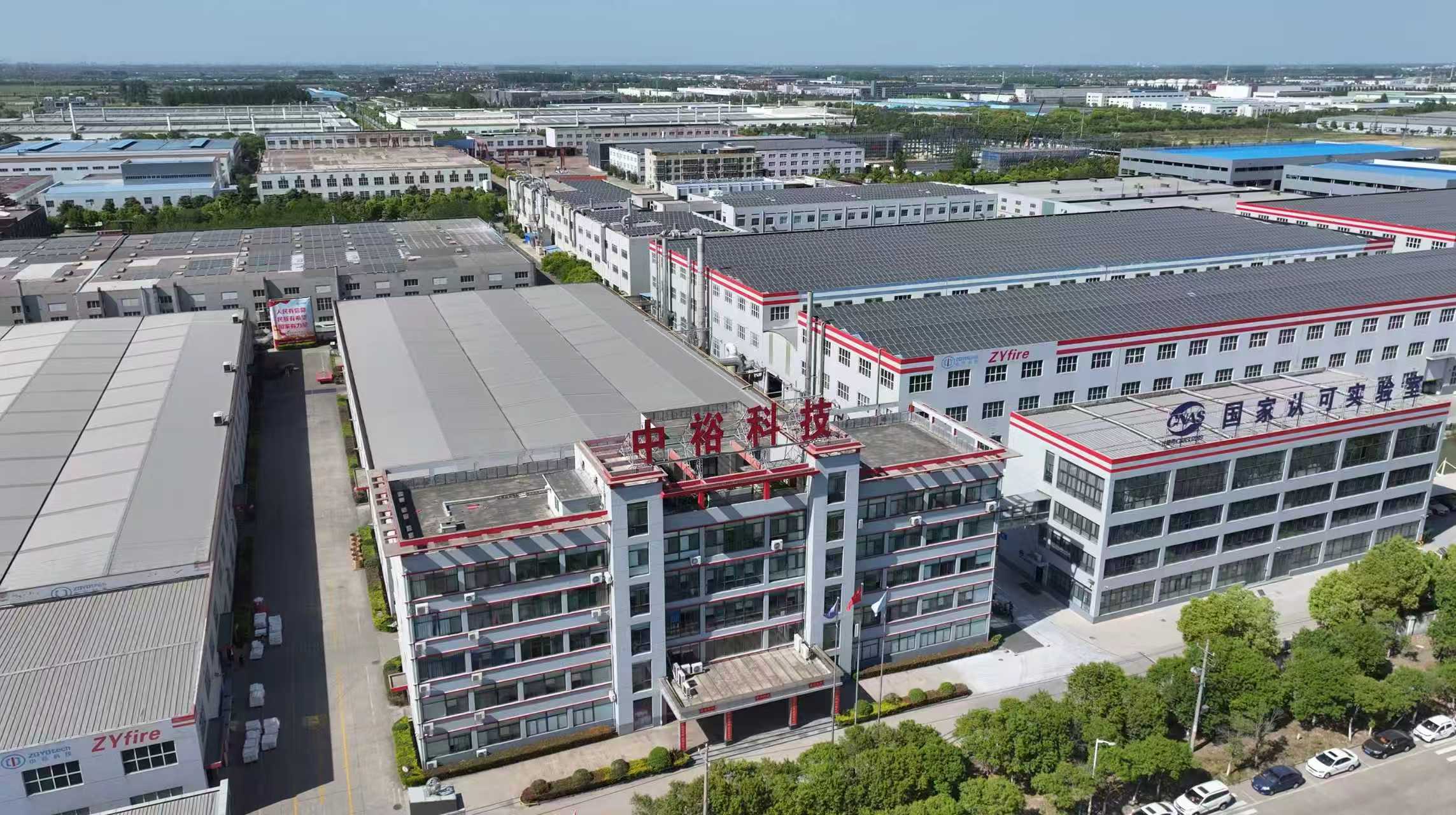
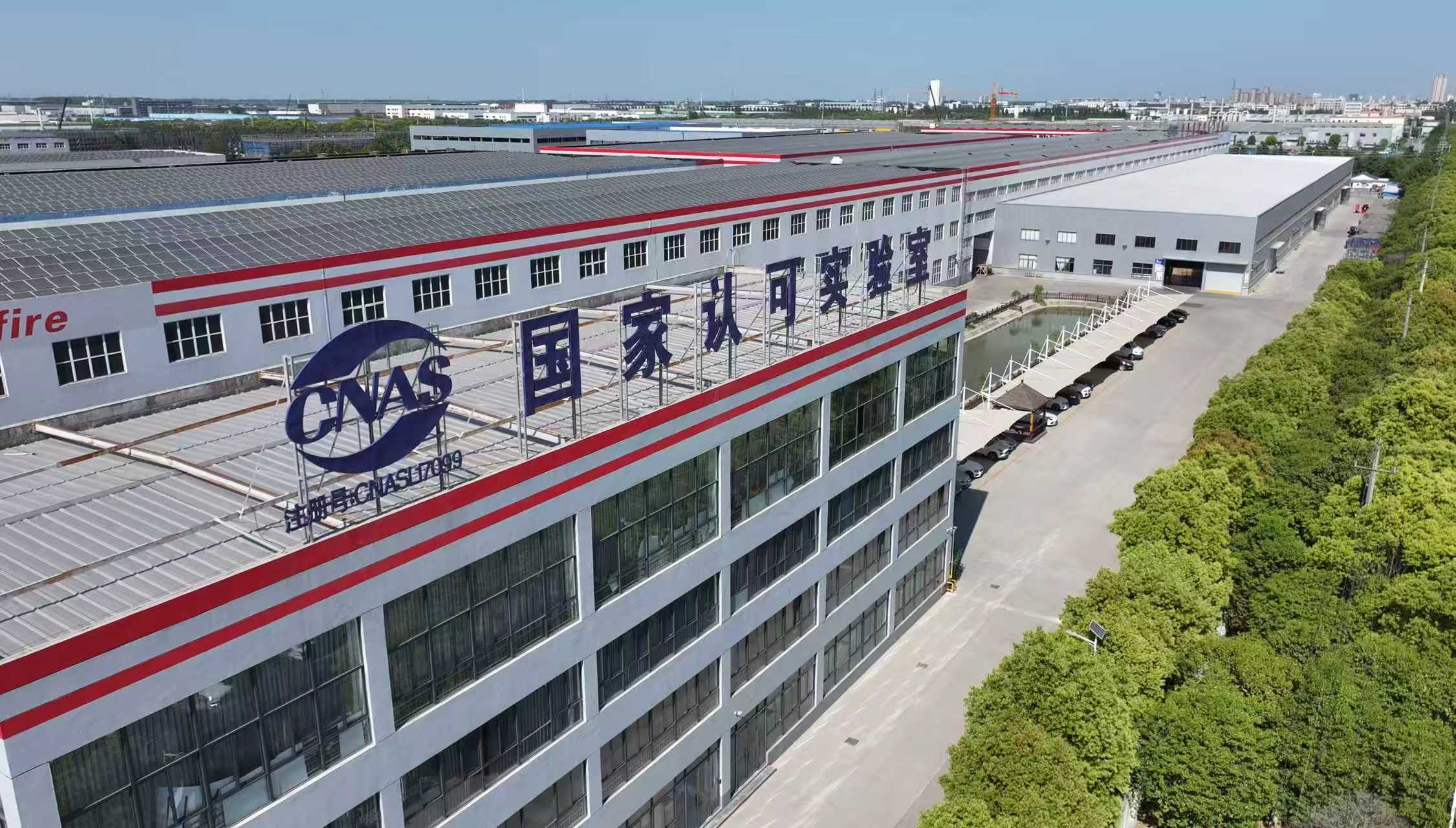
ZYfire Hose Corporation is a manufacturer of reinforced thermoplastic pipe and composite pipelines headquartered in Jiangyan City, Jiangsu, China. For buyers evaluating a long-term RTP supply relationship, the relevant facts are specific and checkable. ZYfire states that its RTP/TCP product line includes polyester fiber tape, aramid fiber tape, glass fiber tape, and steel wire tape reinforcement architectures. Its customization scope includes size, diameter, working pressure, weight, length, and bending radius. Its stated acceptance criterion is 100% test before shipment. Commercial terms include a 50 m MOQ, a typical 30-day lead time, and a monthly production capacity of 100,000 meters. Delivery terms are EXW/FOB/CIF, and payment terms are 30/70.
Those terms are useful for planning, but they are not a substitute for a project quotation. Pressure class, bore size, reinforcement, connection type, test protocol, and destination all affect the final lead time and price. A buyer should ask for the quotation to repeat the specification and the acceptance criteria.
For a project that needs an oilfield reinforced thermoplastic pipe, offshore oil & gas RTP, mining underground RTP, mining slurry transfer RTP, onshore oilfield RTP, high pressure reinforced thermoplastic pipe, oil resistant RTP, static dissipative RTP, corrosion resistant RTP, or abrasion resistant RTP, the starting point is the same: define the fluid, pressure, temperature, and connection. Then select the core and reinforcement architecture and verify the certificate scope.
FAQ
Does API 15S cover a 3500 PSI reinforced thermoplastic pipe?
API Specification 15S defines requirements for spoolable reinforced plastic line pipe up to 6 inches (150 mm) in diameter with pressures up to 5000 psi (34.5 MPa). A 3500 PSI nominal design therefore sits inside the API 15S pressure envelope described in the supplied data. ZYfire states that its RTP is produced under API Specification 15S. Buyers should still verify the certificate scope for product family, size range, pressure class, factory, couplings, and validity before using it as a procurement filter.
What customization options are available for ZYfire RTP?
ZYfire's customization scope includes size, diameter, working pressure, weight, length, and bending radius. Reinforcement options include polyester fiber tape, aramid fiber tape, glass fiber tape, and steel wire. ZYfire reports a monthly production capacity of 100,000 meters, which is relevant for large or repeat orders.
How should a buyer evaluate the budget for RTP versus steel?
The supplied comparison data lists RTP cost as 20% lower than steel pipe and installation efficiency of 10 km per day versus less than 2 km per day for steel. Those figures should be used as comparison inputs, not as a fixed project price. ZYfire's purchasing terms list a 50 m MOQ, delivery terms EXW/FOB/CIF, acceptance criteria of 100% test before shipment, and payment terms 30/70. The final budget should include fittings, installation, testing, transport, and maintenance.
Can a buyer request a sample or trial order?
ZYfire's stated acceptance criterion is 100% test before shipment. A buyer can request a sample or trial quantity against a defined specification, including pressure class, bore size, liner, reinforcement, coil length, and connection type. To start that process, contact ZYfire at equiry@zyfire.com or visit www.zyfire.com.
What lead time and capacity should a project plan for?
ZYfire reports a typical 30-day lead time and a monthly production capacity of 100,000 meters, with a 50 m MOQ. These are company-reported terms for its RTP supply programs and should be confirmed in the order quotation. For project planning, the lead time should be checked against the final specification, test requirements, and delivery destination.
Conclusion
A 3500 PSI reinforced thermoplastic pipe for oil & gas is a composite system, not a single material. The HDPE or PE-RT core provides the corrosion-resistant fluid contact layer, with optional UV and antioxidant additives where needed. Polyester fiber tape, aramid fiber tape, glass fiber tape, or steel wire carries the pressure. The outer jacket protects the reinforcement. Single 920 m coils reduce fittings and joints, which matters in 24/7 mining and oil & gas fluid transmission. The procurement task is to match the liner, reinforcement, pressure class, connection, and test evidence to the actual service, then verify the supplier's commercial terms and capacity.
ZYfire's stated facts give buyers a concrete starting point: 100% test before shipment, customization across size, diameter, working pressure, weight, length, and bending radius, a 50 m MOQ, a 30-day lead time, and 100,000 m monthly capacity. Use those facts in the RFQ, and confirm the final specification in writing.
Next step: Download the ZYfire brochure at this link, or contact ZYfire at equiry@zyfire.com / www.zyfire.com with your fluid, pressure, temperature, bore size, coil length, and connection requirements. ZYfire Hose Corporation, Kaiyang Road, Jiangyan City, Jiangsu, China.
Have Questions or Need More Details?
Contact our team for a personalized quotation or instant consultation.
Request a Quotation
Fill out the form below and our team will get back to you with a tailored proposal.
WhatsApp Direct Chat
Prefer to chat in real-time? Message us on WhatsApp for instant assistance & quick answers.
- Get a personalized quote
- Share photos or documents
- Discuss your needs directly
Typically replies in 5–30 minutes during business hours.