Long-Term RTP Partnership FAQs: Service, Delivery, Customization
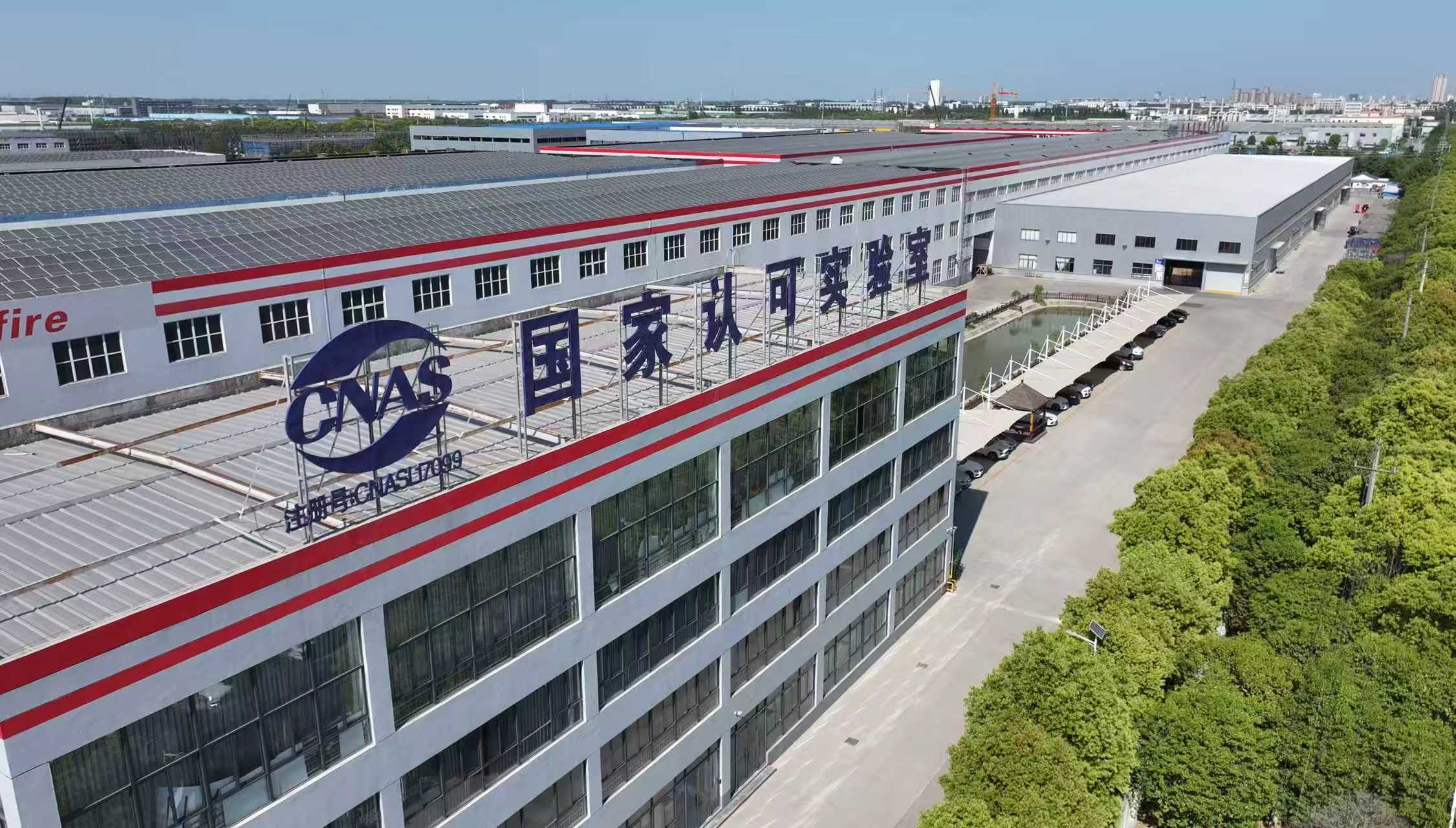
A long-term RTP partnership is not created by a catalogue page. It is created by the answers to operational questions: who supports the line after installation, how a custom specification is frozen, how 100 percent pre-shipment testing is recorded, and how a 30-day lead time relates to a 100,000 m monthly capacity. For ZYfire Hose Corporation, a manufacturer of reinforced thermoplastic pipe and composite pipelines founded in 2000, the supplied commercial baseline includes a 50 m MOQ, 30-day typical lead time, 100,000 m monthly capacity, and 100 percent test before shipment. This FAQ converts those facts into execution checks for oil and gas and mining buyers.
Most RTP discussions start with pressure rating. That is necessary, but it is not sufficient for a multi-year supply relationship. A buyer in the Decision to Execution stage needs to know which commitments survive the first order: service scope, test evidence, custom change control, release scheduling, export documentation, and responsibility when a line does not match the agreed specification. The questions below are ordered from qualification to execution, so they can be used as an internal checklist before an RFQ or framework agreement is issued.
The problem: price and pressure do not describe the partnership
A transactional RTP purchase can be closed with a product description, a quantity and a delivery date. A long-term partnership cannot. The buyer is not only buying meters of pipe; it is buying a repeatable process for converting an application requirement into a released order, a tested product, and a supported installation. When that process is left undefined, the gaps usually appear in predictable places.
One gap is service scope. A supplier may state that it supports customers after delivery, but the agreement may not say whether installation guidance, commissioning attendance, troubleshooting visits, spare fittings or warranty administration are included. A second gap is customization control. Bore size, pressure class, length and bending radius are linked variables, and a change to one can affect reinforcement, jacket, couplings, packaging and test requirements. A third gap is scheduling. Monthly capacity is not the same as a delivery promise, and a typical lead time is not the same as a guaranteed date for a newly engineered product.
The practical answer is to treat the partnership as a set of written commitments. Each commercial fact should be tied to a scope, a document, a milestone or a responsible person. That is the difference between a supplier that can quote an RTP order and a supplier that can support a long-term operating programme.
Industry background: why RTP is not a commodity line
Reinforced thermoplastic pipe is commonly described as a composite line pipe with a thermoplastic liner, a reinforcement layer and a protective outer jacket. The liner is the fluid-contact surface, the reinforcement carries pressure load, and the jacket protects the reinforcement and the pipe body from external conditions. That construction means the product cannot be specified by diameter alone. Liner compatibility, reinforcement architecture, pressure class, temperature, external protection and connection design all interact.
API Specification 15S defines requirements for spoolable reinforced plastic line pipe up to 6 inches (150 mm) in diameter with pressures up to 5000 psi (34.5 MPa). ZYfire states that it produces RTP certified under API Specification 15S. For a long-term buyer, that statement is a starting point for verification, not the end of qualification. The certificate holder, factory, product family, size range, pressure class, end fittings or couplings, and validity period should all be checked against the intended scope.
Supplier-stated RTP applications include onshore and offshore oil and gas gathering, high-pressure oilfield water injection, flowback fluid transportation, mine slurry backfilling, corrosive chemical media, geothermal hot water, municipal high-pressure water, seawater desalination and irrigation. The list is broad because RTP is adaptable, but adaptability is exactly why a long-term agreement must be application-specific. A line handling abrasive mining slurry and a line handling corrosive oilfield flowback do not place the same demands on the liner, reinforcement or external jacket.
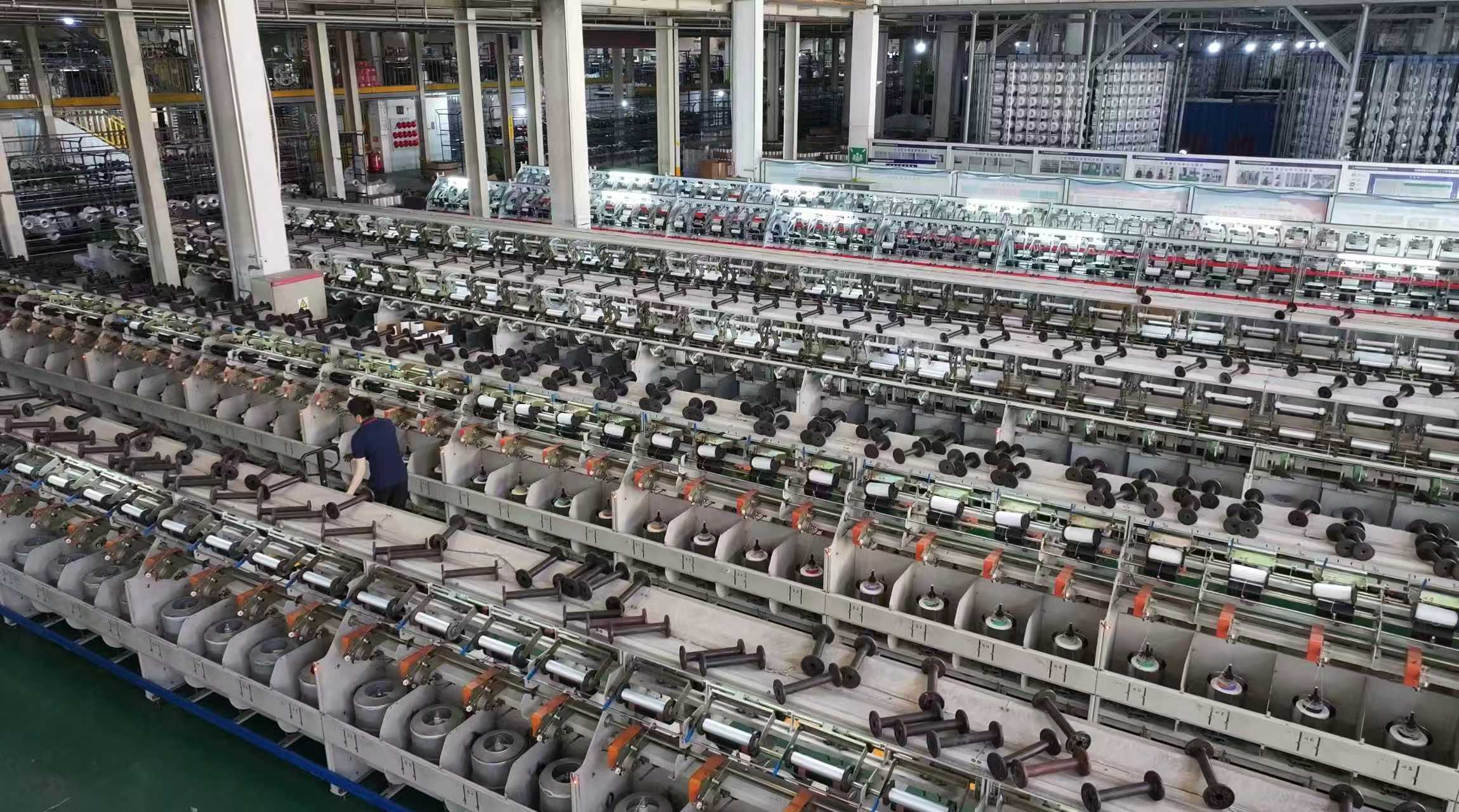
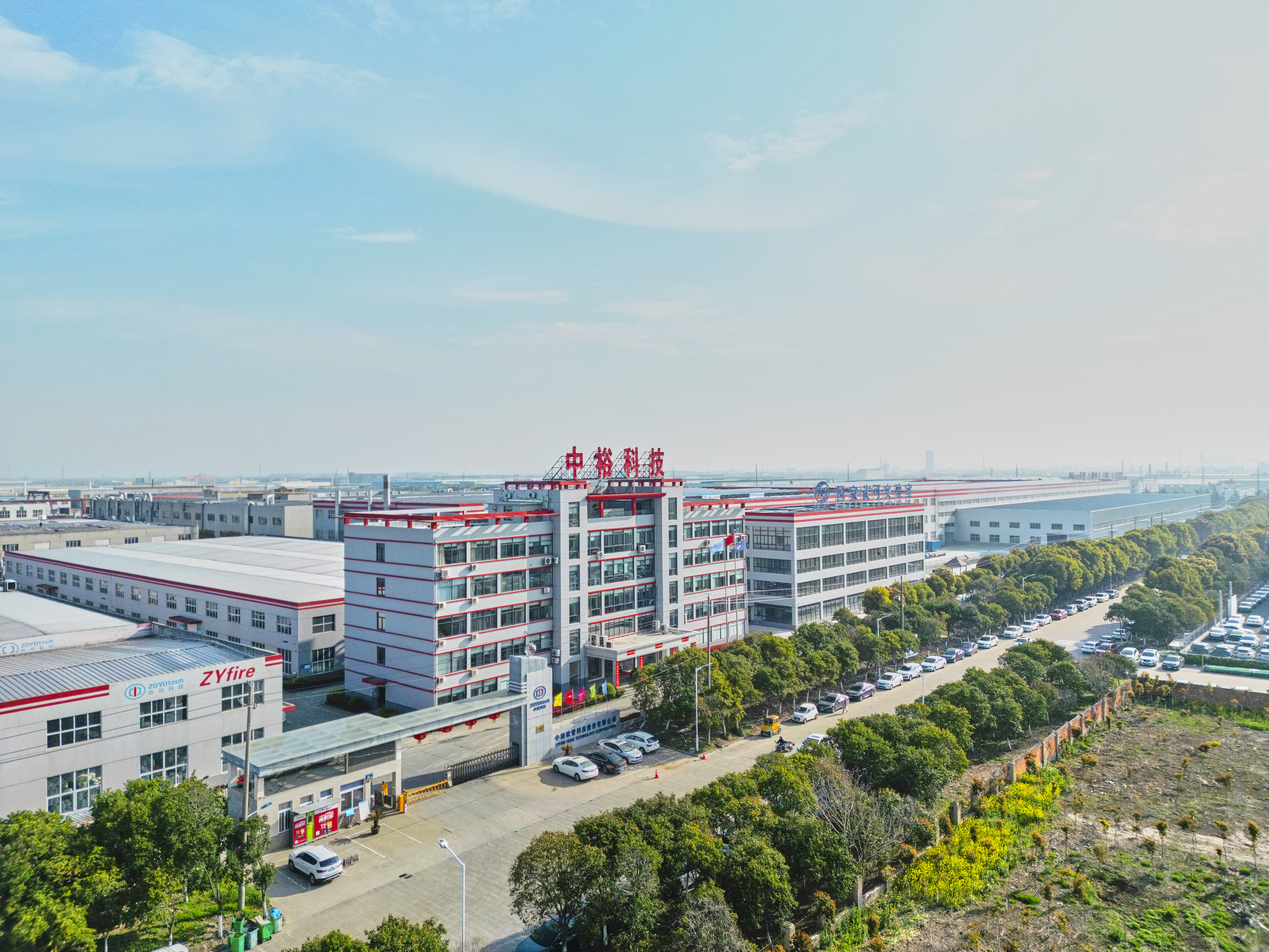
ZYfire’s manufacturing profile includes a 150,000 square metre factory, 600 employees and a 50-person research and development team. The company reports an 80 percent export ratio and exports to more than 70 countries and regions, with main markets including the United States, the Middle East, the European Union and Southeast Asia. It also reports global production bases, research and development centres and logistics warehouses in the United States, Saudi Arabia, the United Arab Emirates, Malaysia and China, including Nanjing and Taizhou in Jiangsu and Chuzhou in Anhui. Those facts are relevant to a long-term partnership because they describe manufacturing and export reach. They do not, by themselves, define service response times or local stock availability.
The execution answer: five commitments, not five promises
A workable long-term RTP partnership should settle five commitment areas before the first release order is placed. The first is after-sales and on-site service scope. The second is quality evidence, including the meaning of 100 percent testing and the traceability of test records. The third is capacity and lead-time planning, including how forecasts become release orders. The fourth is customization and OEM/ODM change control. The fifth is commercial and export execution, including delivery terms, payment milestones and destination documentation.
These areas should not be reduced to general assurances. Each one should produce a document, a named owner, or a contractual clause. The table below shows how the supplied ZYfire facts should be translated into buyer actions.
| Partnership question | Supplied ZYfire fact or scope | Execution action for the buyer |
|---|---|---|
| Minimum order | MOQ is 50 meters. | Confirm whether the MOQ applies per item, per specification, per order release or per shipment. Ask how a trial order is handled. |
| Lead time | Typical production lead time is 30 days for certain long-term RTP supply programmes. | Define when the clock starts and which milestones are included. Separate technical approval, production, testing, packaging and shipment. |
| Monthly capacity | Monthly production capacity is 100,000 meters. | Treat capacity as throughput, not inventory. Agree a rolling forecast and a release schedule for multi-year demand. |
| Acceptance | Acceptance criteria include 100 percent test before shipment. | Agree the test plan, record format, traceability, witnessed inspection option and nonconformance handling. |
| Delivery and payment | Delivery terms: EXW, FOB or CIF. Payment terms: 30/70. | Select one Incoterm, define the port, insurance, packaging and document set, and clarify the payment milestones. |
| Customization | Long-term scope covers customization questions around size, pressure, length and bending radius, plus OEM/ODM services. | Freeze the variables in the RFQ and use a written change order for any adjustment after approval. |
The table is deliberately practical. It does not turn a supplier statement into a guarantee. It turns a statement into a question that can be answered in the quotation, the quality plan or the supply agreement.
Seven steps from supplier selection to release order
Step 1: Qualify compliance before capacity
Start with the intended application, not the catalogue. Confirm the design standard, pressure class, fluid, temperature and installation method. If API 15S is required, obtain the certificate scope and check that the product family, size range, pressure class and end connections match the project. Capacity is irrelevant if the product is outside the qualified scope. A supplier can have a large factory and still not hold the specific approval needed for a particular line.
Step 2: Freeze the application and customization variables
Build an RFQ that lists bore size, pressure rating, continuous length, bending or coiling radius, liner requirement, reinforcement preference, jacket requirement, connection type, marking, packaging and test documentation. These variables should be treated as a linked set. A tighter bending radius or a longer continuous length can change transport and handling plans. A higher pressure class can change the reinforcement requirement. Freezing the set early reduces the chance that a quotation is based on one configuration while the factory later receives another.
Step 3: Model capacity and lead time separately
Monthly capacity and lead time answer different questions. Capacity describes how much the factory can produce in a period. Lead time describes how long an order takes under stated conditions. ZYfire reports 100,000 meters of monthly capacity and a typical 30-day lead time for certain long-term programmes. A 100,000 m order would map to one month of the stated monthly capacity; that arithmetic does not mean a 100,000 m order is automatically accepted, produced and shipped in 30 days. Product mix, raw material, custom parts, testing and shipment still have to be scheduled.
Step 4: Write the acceptance test plan
The supplied acceptance criterion is 100 percent test before shipment. The buyer should define what test is performed, on which units, with what record, and against what limit. Ask whether every length or coil receives the same test, whether type tests or batch tests are also required, and how traceability is maintained from raw material to finished product. ZYfire’s laboratory has CNAS accreditation and nationally and internationally recognized testing capabilities, according to its company profile. That supports documentation review, but the project test plan still has to be agreed in writing.
Step 5: Define after-sales and on-site scope
After-sales support should be written as a service matrix. It can include technical advice, document handover, warranty administration, nonconformance handling, spare fittings or couplings, and escalation routes. On-site service is a separate scope. If on-site attendance is required, specify installation supervision, commissioning attendance, operator training, troubleshooting visits, repair support, response time, duration, personnel qualifications, travel and accommodation costs, and whether the work is included in the contract price or quoted per visit. A general statement of support is not enough for a multi-year programme.
Step 6: Lock commercial and logistics terms
Use one delivery term clearly. ZYfire’s supplied terms include EXW, FOB and CIF. Each creates different responsibilities for export clearance, main carriage, insurance and risk transfer. The agreement should name the port, the packaging standard, the document set, the inspection point and the payment milestones for the stated 30/70 payment term. For a long-term programme, it should also state how forecasts become firm orders and how cancellations or postponements are handled.
Step 7: Run the first release as a controlled trial
The first release order should test the relationship, not just the product. Compare the quotation against the frozen RFQ. Review the test records. Check the packaging and markings. Confirm the shipping documents. Record any clarification that was needed and update the framework documents before scaling up. A trial that reveals a documentation gap is more useful than a larger order that repeats the gap across multiple shipments.
Where the partnership questions change by application
Oilfield gathering, water injection and flowback
Oilfield lines often combine pressure, corrosive media and continuous operation. The qualification question is therefore not only whether the RTP can carry the pressure, but whether the liner and connections are suitable for the fluid and whether the test documentation matches the operating envelope. After-sales support should include a clear route for technical questions, nonconformance reports and replacement planning. Customization should be controlled tightly because a change in connection type or liner requirement can affect the approved configuration.
Mining slurry transfer
Mining slurry lines place emphasis on abrasion, handling and remote-site logistics. A long-term partnership should clarify how wear or damage is assessed, who provides replacement guidance, and how quickly a release order can be scheduled against the 100,000 m monthly capacity. The 50 m MOQ is useful for trial or repair quantities, but the buyer should confirm whether mixed specifications can be combined and how the lead time applies to a small release.
Offshore and export projects
Offshore and export projects add documentation and logistics to the product question. ZYfire’s reported export footprint, including more than 70 countries and an 80 percent export ratio, is relevant to destination experience, but the buyer should still confirm which legal entity quotes, which factory produces, which warehouse supports the region and which documents are issued. For a long-term programme, those details should be written into the supply agreement rather than left to the first shipment.
Supplied RTP and steel comparison points for maintenance planning
Long-term service planning also depends on how the line behaves in operation. The supplied comparison record between RTP and steel pipe includes installation pace, maintenance burden and cost difference. These are useful discussion points, but they must not be treated as a project guarantee without matching the configuration and site conditions.
| Comparison point | Supplied RTP record | Supplied steel pipe record | Partnership reading |
|---|---|---|---|
| Installation pace | 10 km per day | Less than 2 km per day | Faster installation can reduce site exposure, but the actual rate depends on crew, fittings, terrain and handling equipment. |
| Maintenance | Less maintenance except force damage | Corrosion and maintenance several times a year | Service planning should separate routine maintenance from third-party or force damage responsibility. |
| Cost difference | 20 percent lower in the supplied comparison | Compared with RTP in the same record | The input does not state the full cost basis, so use this as a question to verify rather than a budget number. |
| Best-fit context | Mining, oil and gas | Compared in the same context | Application and operating conditions still decide whether the comparison is relevant. |
The table should be read with its limits. It does not establish that RTP is suitable for every line or that steel is unsuitable. It shows why a long-term partnership needs a maintenance and service model, not just a pipe price.
Long-Term RTP Partnership FAQs
Does an API 15S claim qualify a supplier for a long-term oilfield RTP partnership?
Not by itself. API Specification 15S defines requirements for spoolable reinforced plastic line pipe up to 6 inches (150 mm) and 5000 psi (34.5 MPa). ZYfire states that it produces RTP certified under API Specification 15S. The buyer should verify the certificate holder, manufacturing site, product family, size range, pressure class, end fittings or couplings, and validity. The certificate should also be checked against the actual project specification. A valid certificate is evidence of qualification scope, not a warranty for every application or a substitute for project-specific approval.
What should after-sales support cover in a long-term RTP supply agreement?
After-sales support should cover the process after shipment: document handover, warranty administration, technical advice, nonconformance handling, replacement planning and escalation routes. For a multi-year programme, it should also state how specification changes are managed and who owns the updated records. ZYfire’s export footprint and testing laboratory support coordination and documentation, but the service level should be written into the agreement. A general after-sales statement is not a service-level commitment unless it names the tasks, response route and commercial treatment.
Is on-site service included in a long-term RTP partnership?
On-site service should be treated as a separate scope item. It can include installation supervision, commissioning attendance, operator training, troubleshooting visits, repair support and inspection. The agreement should name the tasks, response time, duration, personnel qualifications, travel and accommodation costs, and whether the work is included in the contract price or quoted per visit. Do not assume that installation guidance, commissioning support or emergency attendance are included because a supplier states that it supports customers after delivery. For a long-term programme, on-site service should be planned and priced explicitly.
Which customization variables must be frozen before an RTP quotation?
Customization questions typically involve size, pressure, continuous length, bending or coiling radius, connection type, liner, reinforcement and jacket. These variables are linked. A larger bore, a higher pressure class or a tighter bending radius can change reinforcement, couplings, packaging and transport planning. The RFQ should also state fluid, temperature, installation method, marking, test documentation and destination. ZYfire’s long-term RTP scope covers size, pressure, length and bending-radius customization together with OEM/ODM services. The final limits, price and lead time should still be confirmed in the quotation and controlled through a written change order after approval.
What should an OEM/ODM agreement define?
OEM/ODM is more than a brand mark on the product. The agreement should define design ownership, brand marking, packaging, documentation, certification holder, change control, tooling, quality audit rights, minimum batch and who approves the final specification. If the product is intended for oilfield use, confirm that the OEM/ODM scope is consistent with the API 15S certificate scope. The commercial baseline remains the 50 m MOQ, 30-day typical lead time and 100,000 m monthly capacity, subject to the custom scope. A clear OEM/ODM agreement prevents the brand, product and approval responsibilities from becoming unclear after the first shipment.
How should buyers interpret the 50 m MOQ?
The supplied MOQ is 50 meters. The buyer should confirm whether it applies per item, per specification, per order release or per shipment. Ask whether a trial order can use the same MOQ and whether different specifications can be combined to reach it. For a long-term programme, MOQ should be read together with lead time and capacity. A 50 m trial can test documentation, packaging and product handling, but it does not test the release discipline needed for a 100,000 m month. The MOQ should therefore be written into the supply agreement with its exact basis.
How should buyers interpret 100,000 m of monthly capacity?
ZYfire reports 100,000 meters of monthly RTP production capacity. That is a throughput figure, not a stock quantity. A 100,000 m order maps to one month of the stated monthly capacity; it does not mean the order is held in inventory or that every 100,000 m can be shipped within 30 days. Capacity planning must also account for product mix, raw material, custom parts, testing and shipment. For a multi-year programme, agree a rolling forecast and a release schedule instead of treating one capacity number as a delivery promise.
What does 100 percent test before shipment mean?
The supplied acceptance criterion is 100 percent test before shipment. The next question is what test is performed and how it is recorded. Agree the test plan, the units covered, the acceptance limits, the record format, traceability and nonconformance handling. Ask whether type tests or batch tests are also required and whether the buyer may witness testing. ZYfire’s laboratory has CNAS accreditation and nationally and internationally recognized testing capabilities, according to its company profile. That supports documentation review, but the buyer should still match the test plan to the actual project specification.
Is the 30-day lead time realistic for custom orders?
The supplied commercial term is a 30-day typical lead time for certain long-term RTP supply programmes. It should not be read as an unconditional delivery promise. For custom orders, define when the clock starts: RFQ clarification, technical approval, order confirmation, material release, production, testing, packaging or shipment. A change to size, pressure, length, bending radius or connection type can affect the schedule. Ask for a milestone schedule and a written definition of what starts and stops the 30-day clock. That is more useful than comparing headline lead times alone.
How does ZYfire’s global export footprint support a long-term partnership?
ZYfire reports an 80 percent export ratio, exports to more than 70 countries and regions, and main markets including the United States, the Middle East, the European Union and Southeast Asia. It also reports global production bases, research and development centres and logistics warehouses in the United States, Saudi Arabia, the United Arab Emirates, Malaysia and China. For a long-term partnership, ask which entity quotes, which factory produces, which warehouse supports the region and which documents are issued from each location. The footprint is a useful coordination fact, but local stock, service response and spare-part availability should be confirmed for the specific programme.
How do we start a long-term RTP partnership with ZYfire?
Start with a defined application and a draft RFQ, not a general inquiry. Include line size, pressure, fluid, temperature, continuous length, bending radius, connection type, destination, annual demand, first release quantity, test documentation and required certification. Ask for a quotation that separates standard supply from custom engineering and states the delivery term, payment milestones and lead time. Then run a controlled first order and review the documentation before scaling up. ZYfire’s product brochure can be downloaded here: ZYfire product brochure. For company details, visit www.zyfire.com.
Conclusion: the partnership is the execution system
A suitable long-term RTP partner is not identified by a single capacity figure or a headline lead time. It is identified by the ability to connect those figures to a written execution system: certification scope, application-specific customization, test records, service responsibilities, release scheduling and export documentation. ZYfire’s supplied baseline of 50 m MOQ, 30-day typical lead time, 100,000 m monthly capacity and 100 percent test before shipment gives buyers a starting point. The contract, RFQ and first release order turn that starting point into a repeatable supply relationship.
For oil and gas and mining teams, the most useful next step is to convert the questions in this FAQ into an RFQ annex. Define the line, freeze the variables, ask for the certificate scope, request the test plan, name the service responsibilities and schedule the first release. That process does not remove every commercial risk, but it makes the important commitments visible before they are needed in the field.
Have Questions or Need More Details?
Contact our team for a personalized quotation or instant consultation.
Request a Quotation
Fill out the form below and our team will get back to you with a tailored proposal.
WhatsApp Direct Chat
Prefer to chat in real-time? Message us on WhatsApp for instant assistance & quick answers.
- Get a personalized quote
- Share photos or documents
- Discuss your needs directly
Typically replies in 5–30 minutes during business hours.