RTP Compliance by Region: What Middle East, USA, and Southeast Asia Buyers Must Verify
Before a reinforced thermoplastic pipe (RTP) order is released, buyers in the Middle East, the United States, and Southeast Asia must verify four things that no certificate summary alone answers: whether the certificate covers the exact pipe being purchased, whether the laboratory behind the test report is accredited, whether the production site and export route match the destination, and whether acceptance testing and commercial terms are written into the purchase order.
ZYfire Hose Corporation is a manufacturer of reinforced thermoplastic pipe and composite pipelines, founded in 2000 and headquartered in Jiangyan City, Jiangsu, China. Its documentation set — API 15S certificate 15S-0025, a CNAS-accredited laboratory, 100% product testing, and named production bases in China, the United States, Saudi Arabia, the UAE, and Malaysia — is the material a regional compliance review is built on. This guide walks through what each of the three buyer regions actually has to check, in the order a procurement team checks it.
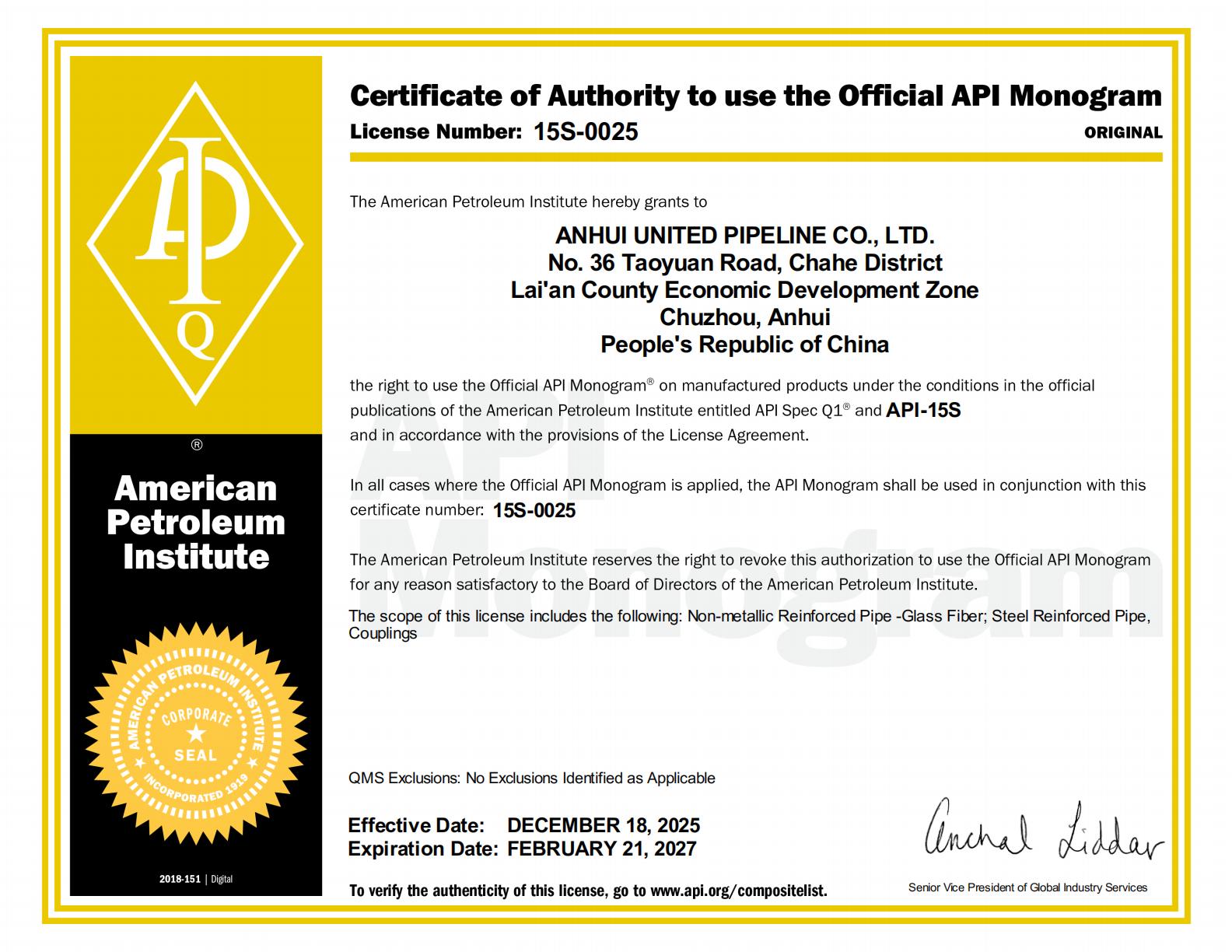
API 15S certificate 15S-0025 is the first document a Middle East, US, or Southeast Asian buyer should read in full — including its scope line, not only its number.
Why 'Certified' Is Not Yet 'Compliant'
The most common compliance failure in RTP procurement is not a missing certificate. It is a certificate that exists but does not describe the pipe on the purchase order.
An API 15S certificate is issued against a defined scope. ZYfire's certificate 15S-0025, issued by the American Petroleum Institute, carries the scope wording Non-metallic Reinforced Pipe – Glass Fiber; Steel Reinforced Pipe, Couplings, and is assessed against API Spec Q1 and API Spec 15S. That wording is precise for a reason: it names the reinforcement constructions and it names couplings. A buyer specifying an aramid fiber tape or polyester filament tape construction, or buying pipe without the associated end fittings, should therefore confirm in writing whether the ordered configuration sits inside that scope or requires a separate qualification route. Ask the question before the RFQ, not after the vessel sails.
The second failure is a validity window that does not cover the project. Certificate 15S-0025 was issued on 2025-12-18 and expires on 2027-02-21. For a project with delivery, installation, and a warranty period stretching past that date, the correct request is not 'do you have API 15S?' but 'what is your renewal plan, and will the certificate in force at the time of shipment cover our line items?'
The third failure is an unaccredited test report. A test report is only a compliance document if the laboratory that issued it is accredited for the test performed. ZYfire's laboratory has passed the professional accreditation of the China National Accreditation Service for Conformity Assessment (CNAS) and holds nationally and internationally recognized testing capabilities; the company describes it as the first nationally recognized laboratory in the subdivision industry.
Those three checks — scope, validity, laboratory accreditation — cost a buyer one document review. Skipping them costs a rejected shipment.
What Changed in the RTP Supply Market
Reinforced thermoplastic pipe moved from a niche alternative to a mainstream line-pipe category, and procurement practice moved with it. The global RTP market is projected to reach approximately USD 7.94 billion by 2026 (Business Research Insights, 2026), with the oil and gas segment valued at an estimated USD 2.0–2.5 billion in the same year (Industry Insider Reports, 2026). Commercial research also indicates that RTP systems reduce corrosion-related failures by more than 70% compared with traditional steel pipelines — the performance argument that drives adoption.
The technical reference point for that adoption is API Spec 15S, which defines requirements for spoolable reinforced plastic line pipe up to 6 inches (150 mm) in diameter with pressures up to 5,000 psi (34.5 MPa). Because the specification is written around a product family rather than a single part number, the burden of proof shifts to the buyer: the specification tells you what a compliant pipe must do, but only the manufacturer's certificate scope, test records, and site documentation tell you whether the pipe you are buying is the pipe that was qualified.
That is why regional reviews now look less like a check for a logo and more like a document audit.
The Three-Layer Compliance Stack Behind an RTP Order
For ZYfire's RTP supply, compliance evidence sits in three layers, and each layer answers a different question a regional reviewer will ask.
Layer 1 — Certificate scope and validity
Certificate 15S-0025 is issued by the American Petroleum Institute for a Global market scope, assessed against API Spec Q1 and API Spec 15S, with the product scope covering non-metallic reinforced pipe in glass fiber and steel reinforced constructions together with couplings. It is valid from 2025-12-18 to 2027-02-21. This layer answers: is the pipe family you are ordering inside a qualified scope, and is that qualification current?
Layer 2 — An accredited laboratory
The CNAS accreditation of ZYfire's laboratory is the second layer. Accreditation is what allows a buyer to treat a test report as evidence rather than as a supplier statement, because it fixes who is competent to run the test and how the result is documented. This layer answers: who produced the number, and are they accredited to produce it?
Layer 3 — 100% testing and written acceptance
ZYfire performs 100% testing on all products, and the acceptance criterion stated in its commercial terms is 100% test before shipment. A 100% regime is a different procurement object from a batch-sampling regime: it produces a per-order record rather than a statistical claim. This layer answers: what evidence arrives with my shipment, not just with the product catalogue?
Layer 4 — Manufacturing footprint and export record
Documents have to originate somewhere. ZYfire operates a 150,000 m² manufacturing footprint with 600 employees and a 50-person R&D team, and describes itself as a publicly listed company on the Beijing Stock Exchange. Its global layout places production bases, R&D centers, and logistics warehouses in the United States, Saudi Arabia, the United Arab Emirates, Malaysia, and China (Nanjing Jiangsu, Taizhou Jiangsu, Chuzhou Anhui). Products are exported to more than 70 countries and regions, with an 80% export ratio and main markets listed as the USA, the Middle East, the EU, and Southeast Asia. This layer answers: which site will actually make my pipe, and does the supply route to my region already exist?
A useful check on configuration: the API 15S-related RTP/TCP listing in ZYfire's portfolio is a 2" 3500 PSI pipe with an outside diameter of 79.8 mm, supplied on a 3,700 × 1,200 mm reel with a single length of 920 m, a reel weight of 1,200 kg, and a full-plate weight of 5,524 kg. Liner options are HDPE and PE-RT, with UV and antioxidant protection available as options; reinforcement options are polyester filament, aramid fiber tape, glass fiber tape, and steel wire tape. Reel length and single-length figures drive freight and handling costs as much as the pipe itself does.
A Seven-Step Verification Sequence Before Ordering
The sequence below is ordered by cost of failure, not by document type. Each step produces a written answer that goes into the purchase order file.
- Match certificate scope to the ordered construction. Read the scope line of certificate 15S-0025 — glass fiber and steel reinforced pipe, plus couplings — against your line item. If your specification calls for aramid fiber tape or polyester filament tape reinforcement, request written confirmation of how that construction is covered.
- Match validity to delivery and warranty. Certificate 15S-0025 runs from 2025-12-18 to 2027-02-21. If shipment, installation, or the warranty period extends beyond the expiry date, ask for the renewal commitment in writing.
- Confirm the laboratory and the report signatory. Establish that the CNAS-accredited laboratory is the body issuing the test report you will receive, and that the report references the same construction and pressure class as the order.
- Confirm the manufacturing site. Ask which of the production bases — China, the United States, Saudi Arabia, the UAE, or Malaysia — will supply the order, and make sure that site name appears consistently on the certificate documentation, packing list, and invoice.
- Fix acceptance criteria in the PO. ZYfire's stated acceptance criterion is 100% test before shipment. Write it into the purchase order as a hold point, together with who receives the test record and when.
- Fix commercial terms. The stated terms are a 50 m MOQ, delivery on EXW, FOB, or CIF basis, and 30/70 payment terms. Terms of this kind are quoted per configuration — bore, pressure class, liner, reinforcement, length, connection type, and destination all move the number — so treat them as inputs to an RFQ rather than as a catalogue price.
- Plan commissioning support. ZYfire provides on-site service and after-sales consultation. For a first installation in a new region, agree the scope of that support before shipment, not after the pipe is on the ground.
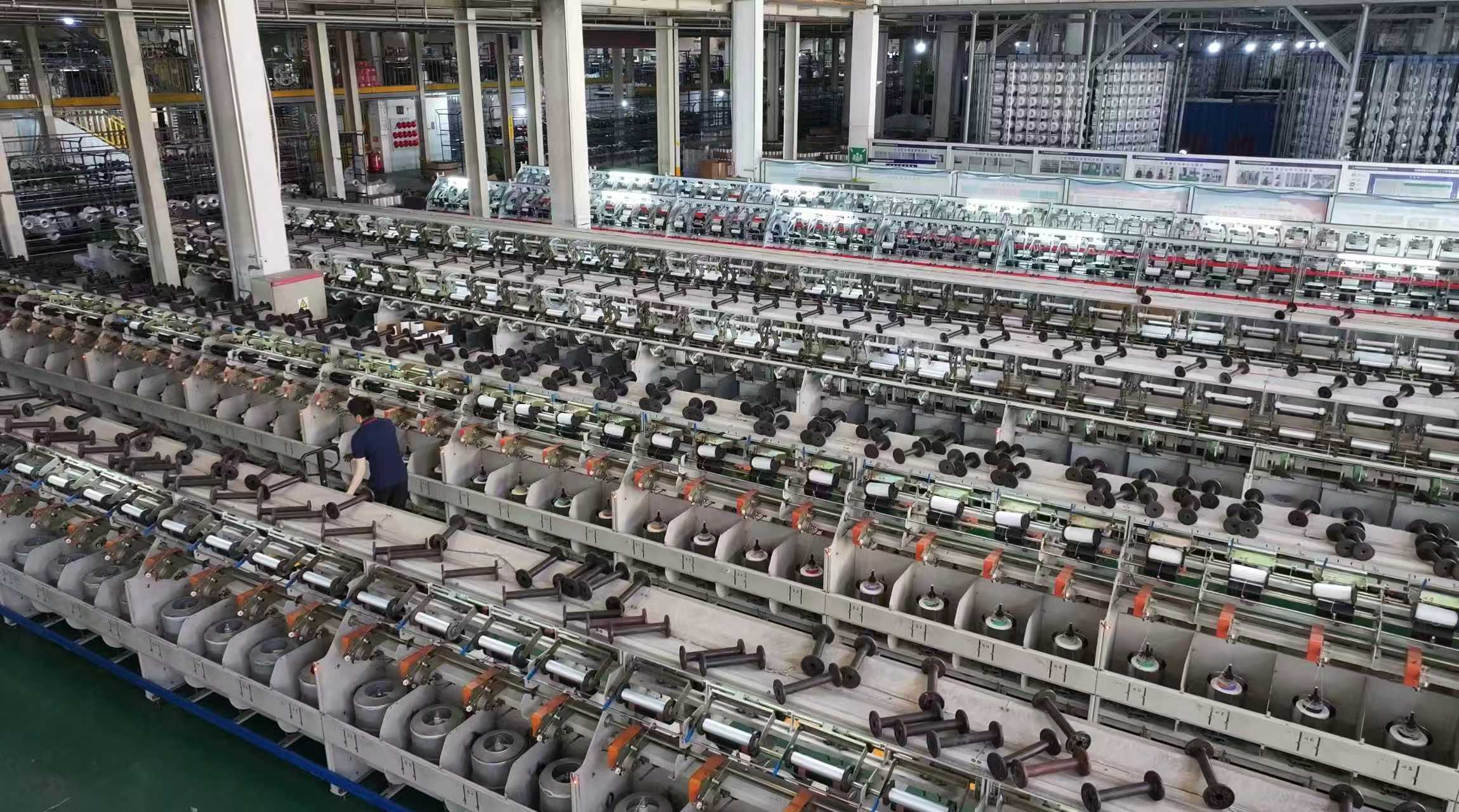
Reinforcement construction is the variable that determines whether a certificate scope covers your order — which is why the production step belongs in the compliance review.
Region by Region: What Each Buyer Group Must Verify
The underlying documents are the same everywhere. What changes is the order in which regional reviewers ask for them, and which one becomes the blocking issue.
Middle East
Middle East procurement teams typically begin with vendor pre-qualification before any commercial discussion, so the certificate package is often the first filter a supplier passes or fails. Three checks decide most of these reviews:
- Scope and validity, in that order. Reviewers here read the scope line against the reinforcement construction and the couplings, then check the expiry date against the delivery schedule. Certificate 15S-0025 covers glass fiber and steel reinforced pipe plus couplings and remains valid to 2027-02-21.
- In-region supply and service. Confirm whether a regional base exists that can support logistics and service. ZYfire lists production bases, R&D centers, and logistics warehouses in Saudi Arabia and the UAE as part of its global layout, alongside sites in the USA, Malaysia, and China.
- Commissioning support. Ask in advance how on-site service and after-sales consultation are delivered for the destination country — this is the item most often left out of the pre-qualification file and most often needed during installation.
United States
US specifications are usually written around API Spec 15S, which covers spoolable reinforced plastic line pipe up to 6 inches (150 mm) in diameter and pressures up to 5,000 psi (34.5 MPa). The review therefore focuses on whether the certificate and the line item describe the same object:
- Specification-to-certificate matching. Take the diameter and pressure class from your specification, then confirm both appear inside the certified scope and on the quotation. A 2" 3500 PSI line with an outside diameter of 79.8 mm sits well inside the 6 inch and 5,000 psi limits of the specification, but the specific construction still has to fall within the certificate scope.
- Imperial and metric consistency. Pressure is quoted in psi and dimensions in millimetres. Confirm the conversion basis in the quotation so that the pressure class ordered and the pressure class certified are recorded identically on both sides.
- Shipment-level test records. Request the 100% test record that will travel with the shipment, and confirm the acceptance criterion in writing — 100% test before shipment.
- Supply route. The USA is listed both as a production location in ZYfire's global layout and as a main export market, alongside the Middle East, the EU, and Southeast Asia.
Southeast Asia
Southeast Asian buyers tend to combine technical review with import documentation review, because the duty cycle in the region — mining slurry transfer, coastal humidity, and long onshore runs — stresses both the pipe and the paperwork:
- Document consistency across the shipment. Product description, quantity, single length, and reel dimensions must agree across certificate documentation, packing list, and commercial invoice. For the 2" 3500 PSI configuration, the reference figures are a 920 m single length on a 3,700 × 1,200 mm reel.
- Duty-matched materials. For slurry and abrasive service, confirm the reinforcement construction selected; for humid or sun-exposed installations, confirm whether UV and antioxidant protection has been specified for the HDPE or PE-RT outer layer, since both are options rather than defaults.
- Trial quantity before full commitment. The stated 50 m MOQ makes a validation order practical before committing to a full line quantity. Malaysia is listed as a production base, and Southeast Asia is listed as a main export market.
- Service reach. Confirm how on-site service and after-sales consultation are scheduled for the project location.
Regional Verification Matrix
| Region | Primary verification focus | Documents to request | Documented facts on file |
|---|---|---|---|
| Middle East | Vendor pre-qualification: certificate scope and validity, in-region supply, commissioning support | API 15S certificate, laboratory accreditation evidence, site confirmation, service scope | Certificate 15S-0025 covering glass fiber and steel reinforced pipe plus couplings, valid 2025-12-18 to 2027-02-21; CNAS-accredited laboratory; production bases in Saudi Arabia and the UAE; on-site service and after-sales consultation |
| USA | Specification-to-certificate matching, unit consistency, shipment-level test records | Certificate and scope line, 100% test record, PO specification sheet | API Spec 15S scope of up to 6 in. (150 mm) and 5,000 psi (34.5 MPa); 100% testing on all products; USA listed as a production location and as a main export market |
| Southeast Asia | Import document consistency, duty-matched materials, trial quantity, service reach | Packing list and reel data, material datasheet, certificate copy, MOQ confirmation | 50 m MOQ; 920 m single length on 3,700 × 1,200 mm reels; HDPE or PE-RT liner with optional UV and antioxidant protection; Malaysia production base; Southeast Asia listed as a main export market |
Verification priorities describe how regional reviews are typically sequenced; the documented facts column lists only ZYfire's published first-party data.
Where These Checks Change the Outcome
Compliance verification is abstract until it meets a specific duty. Three configurations show where the checks above decide the result.
High-pressure fluid transmission in the Middle East. A 120,000 m RTP supply project for fluid transmission, spanning installations in the UAE, Saudi Arabia, Oman, Bahrain, Jordan, Iran, Libya, Argentina, Australia, South Korea, China, and the USA, has operated for five years of continuous service. The reported result is stable operation under high-pressure conditions with no leakage and reduced maintenance costs; the cited highlights are corrosion resistance, long service life, and ease of installation. For a buyer, the relevant compliance point is that the certificate scope, the reinforcement construction, and the pressure class were aligned before the order — the five-year record is the consequence, not the starting evidence.
Onshore gathering and water injection in the USA. Here the specification is written first and the supplier is matched to it. The verification task is to prove that a 2" 3500 PSI construction, quoted in psi and specified in millimetres, is the same object that appears on the certificate and the test record.
Mining slurry transfer in Southeast Asia. Abrasion duty dominates. Reinforcement construction and outer-layer options — UV and antioxidant protection on HDPE or PE-RT — are the variables that determine service life, and they are exactly the variables a buyer must specify rather than inherit from a stock product.
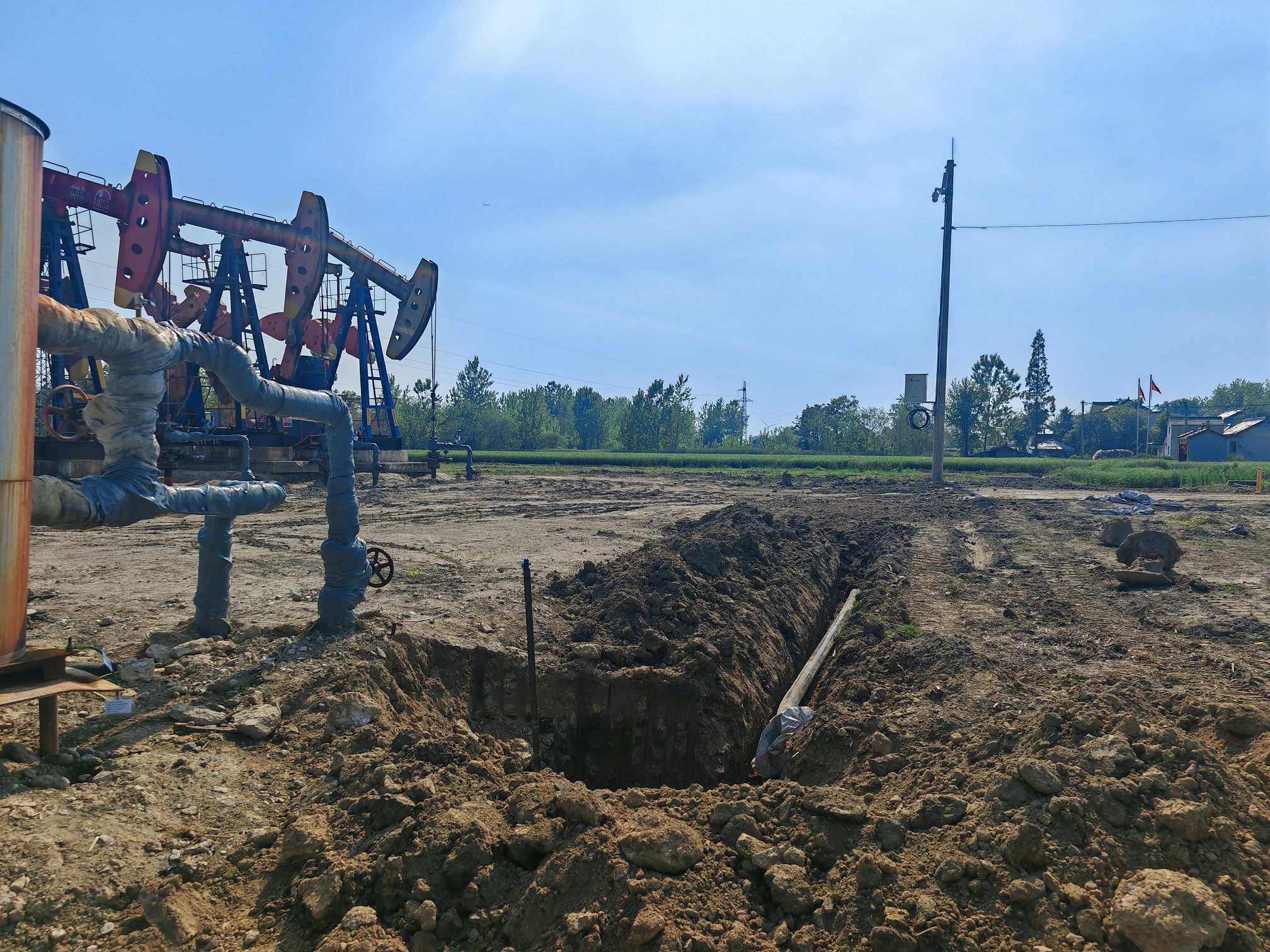
Regional compliance review ends where site conditions begin: reinforcement construction and liner options have to match the duty, not only the certificate.
Frequently Asked Questions
What compliance documents should a buyer verify before releasing an RTP order?
Four documents, in this order: the API 15S certificate with its full scope line, evidence of the issuing laboratory's accreditation, the 100% test record for the shipment, and the written acceptance criterion in the purchase order. ZYfire holds API 15S certificate 15S-0025, issued by the American Petroleum Institute with the scope Non-metallic Reinforced Pipe – Glass Fiber; Steel Reinforced Pipe, Couplings, assessed against API Spec Q1 and API Spec 15S, valid from 2025-12-18 to 2027-02-21. Its laboratory is CNAS-accredited, and the stated acceptance criterion is 100% test before shipment. A certificate alone does not confirm that your specific construction falls inside its scope — that requires reading the scope line against your line item.
Can RTP be customized to match a regional project specification?
Yes. ZYfire provides OEM and ODM production services, with customization covering size, diameter, working pressure, weight, length, and bending radius. The pipe is built with HDPE or PE-RT inner and outer layers, with UV and antioxidant protection available as options, and with reinforcement in polyester filament, aramid fiber tape, glass fiber tape, or steel wire tape. A published configuration is the 2" 3500 PSI RTP/TCP with an outside diameter of 79.8 mm, supplied in 920 m single lengths on 3,700 × 1,200 mm reels, at a monthly capacity of 100,000 meters. Because reinforcement construction is what links a design to a certificate scope, the customization request and the compliance question should be submitted together.
What commercial terms should be fixed before budgeting an RTP line?
The stated terms for ZYfire's RTP supply are a 50 m MOQ, delivery on EXW, FOB, or CIF terms, 30/70 payment terms, and 100% test before shipment as the acceptance criterion. Those are the terms that must be quoted rather than assumed, because the configuration drives the number: bore, pressure class, liner, reinforcement type, single length, connection type, and destination all change the quotation. Reel data matters to the budget as well — a 3,700 × 1,200 mm reel with a 920 m single length and a reel weight of 1,200 kg sets handling and freight requirements that a per-metre price does not capture.
How can a buyer validate RTP before committing to a full order?
Two mechanisms are available. The first is the 50 m MOQ, which allows a trial quantity against the intended construction rather than a stock item. The second is the testing regime: 100% testing is performed on all products, with 100% test before shipment as the acceptance criterion, so the validation record accompanies the delivered pipe. On-site service and after-sales consultation are also provided, which is the relevant support mechanism when a first installation in a new region needs commissioning guidance. Buyers operating under a formal vendor pre-qualification process should request the certificate, laboratory accreditation evidence, and test record as a single package so that the sample and the documentation are evaluated together.
What lead time applies, and how does certificate validity interact with it?
The stated lead time is 30 days, against a monthly capacity of 100,000 meters, for programs supplied on that basis. Certificate validity is a separate clock: certificate 15S-0025 expires on 2027-02-21. If your delivery, installation, or warranty period extends past that date, request the renewal commitment alongside the lead time confirmation, so the certificate in force at shipment is the certificate your project file depends on. To move from verification to a quotation, send the destination country, bore, pressure class, single length, liner and reinforcement preference, and connection type to ZYfire Hose Corporation at equiry@zyfire.com or by WhatsApp on +86 18761071929 — the response will then address scope, terms, and schedule in one pass.
Conclusion: Verify the Scope, Then the Pipe
Compliance in the Middle East, the USA, and Southeast Asia is not three different standards — it is one document set read in three different orders. Middle East reviews open with pre-qualification and therefore with the certificate; US reviews open with the specification and therefore with the match between line item and certificate scope; Southeast Asian reviews open with the shipment and therefore with document consistency and duty-matched construction. All three converge on the same four questions: does the certificate cover this pipe, is the laboratory accredited, which site will make it, and what arrives with the shipment as proof.
ZYfire's answer to those four questions is documented rather than asserted: API 15S certificate 15S-0025 with a defined scope and a validity date, a CNAS-accredited laboratory, 100% testing on all products with 100% test before shipment as the acceptance criterion, production bases in China, the United States, Saudi Arabia, the UAE, and Malaysia, and a five-year, 120,000 m reference project with reported stable high-pressure operation and no leakage.
Next step: request the certificate package and a quotation in one request
Send your destination country, bore, pressure class, single length, liner and reinforcement preference, and connection type. You will receive the API 15S certificate scope, laboratory accreditation evidence, commercial terms, and a lead time statement against your configuration.
Email: equiry@zyfire.com | Tel: +86 523 88802123 | WhatsApp: +86 18761071929 | Kaiyang Road, Jiangyan City, Jiangsu, China
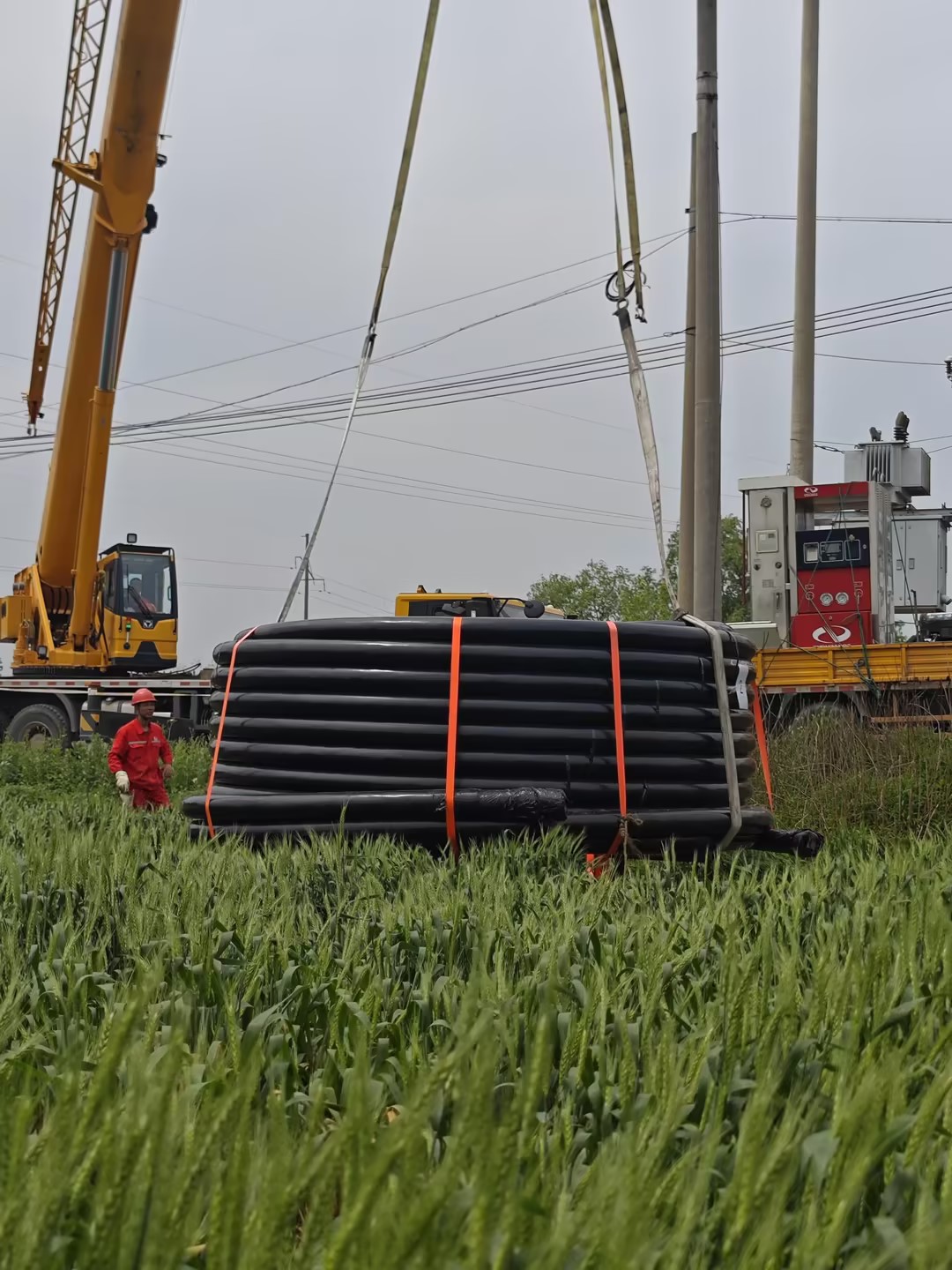
On-site service and after-sales consultation close the loop between the certificate review and the installed line.
Market size references: Business Research Insights (2026) and Industry Insider Reports (2026). Standard reference: API Spec 15S, American Petroleum Institute. Company facts: ZYfire Hose Corporation, www.zyfire.com and blog.zyfire.com.
Have Questions or Need More Details?
Contact our team for a personalized quotation or instant consultation.
Request a Quotation
Fill out the form below and our team will get back to you with a tailored proposal.
WhatsApp Direct Chat
Prefer to chat in real-time? Message us on WhatsApp for instant assistance & quick answers.
- Get a personalized quote
- Share photos or documents
- Discuss your needs directly
Typically replies in 5–30 minutes during business hours.