Ranked: 5 Reinforced Thermoplastic Pipe Advantages for Mining and Oil & Gas
Ranked: 5 Reinforced Thermoplastic Pipe Advantages for Mining and Oil & Gas
Five reinforced thermoplastic pipe (RTP) advantages decide whether a spoolable line belongs in an oil & gas or mining project, and they are ranked here by how much they change installed cost, schedule risk and long-term flow assurance: (1) 3500 PSI nominal pressure capability, (2) 920 m single-coil lengths that remove joints, (3) rapid deployment, (4) minimal maintenance, and (5) OEM/ODM customization fit. Each rank below is explained with the specification, certificate or field result that supports it, so the ranking can be checked rather than trusted.
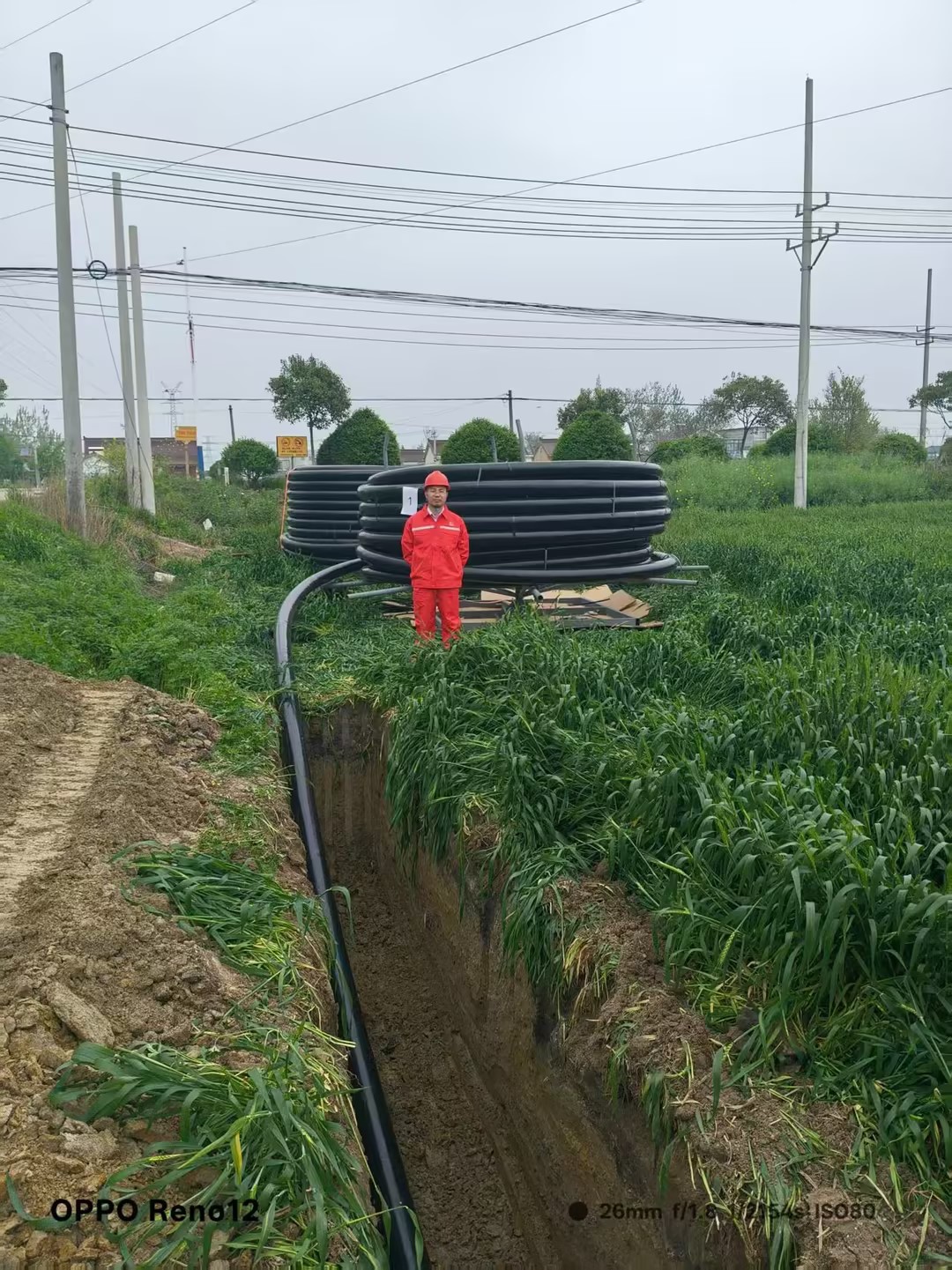
Reinforced thermoplastic pipe is supplied in continuous coils, which changes joint count, installation time and maintenance exposure on oilfield and mining routes.
Problem Definition: The Costs a Line Pipe Choice Creates
In oilfield and mining service, the recurring cost of a fluid line rarely sits in the pipe itself. It sits in corrosion control, in the number of field joints the route requires, in the installation window available before the next production or haulage cycle, and in the maintenance calendar that follows commissioning. A jointed steel line concentrates cost in all four places at once: welding crews, joint inspection, coating repair, and a corrosion-management routine that continues for the life of the line.
That is the gap a ranked RTP evaluation is meant to close. The question is not whether polymer pipe is modern; it is which advantages actually reduce cost on a specific route, and in what order they should be verified.
- Pressure envelope: the pipe must hold the line's rated working pressure before any other advantage is relevant.
- Joint count: every joint is a leak path, an inspection point and a labour hour.
- Installation window: shorter campaigns reduce deferred production and site disruption.
- Maintenance exposure: corrosion and repair cycles determine lifecycle cost.
Boundary condition: RTP is not a blanket replacement for every steel line. Suitability still depends on the pressure envelope, the transferred or produced fluid, the operating temperature and the bend radius the route allows. That is precisely why pressure capability is ranked first below.
Industry Background: Where RTP Demand Sits in 2026
The global reinforced thermoplastic pipe market is estimated at USD 7.2 billion in 2024 and is projected to reach USD 10.2 billion by 2030, growing at a compound annual growth rate of 5.9% (Strategic Market Research). Published market sizing varies with scope — estimates that cover thermoplastic pipe broadly differ from those that count only spoolable RTP — so figures should be read as directional rather than as a single agreed number.
Oil & gas is the dominant end-user segment, accounting for approximately 71.2% of total RTP demand as operators look for corrosion-free alternatives to steel (Fact.MR). Within the product mix, glass fiber reinforced thermoplastic pipes represent an estimated 64.7% of the market (Fact.MR). Asia Pacific is identified as both the largest and the fastest-growing regional market, driven by infrastructure and water-management investment (Mordor Intelligence / Market Research Future).
On the standards side, API Specification 15S (2nd Edition, 2016) provides the industry requirements for the manufacture and qualification of spoolable reinforced plastic line pipe for oilfield applications, covering pipe diameters up to 6 inches (American Petroleum Institute). For an evaluation-stage buyer, that standard is the frame that separates a qualified RTP line from a general-purpose polymer pipe.
Detailed Solution: The Five RTP Advantages, Ranked
The rankings below describe the ZYfire RTP/TCP range. ZYfire Hose Corporation is a Beijing Stock Exchange-listed manufacturer founded in 2000 that produces reinforced thermoplastic pipe and polymer fire hose, operates a 150,000 m² production base with a CNAS-accredited laboratory, and holds API 15S certification for its RTP range.
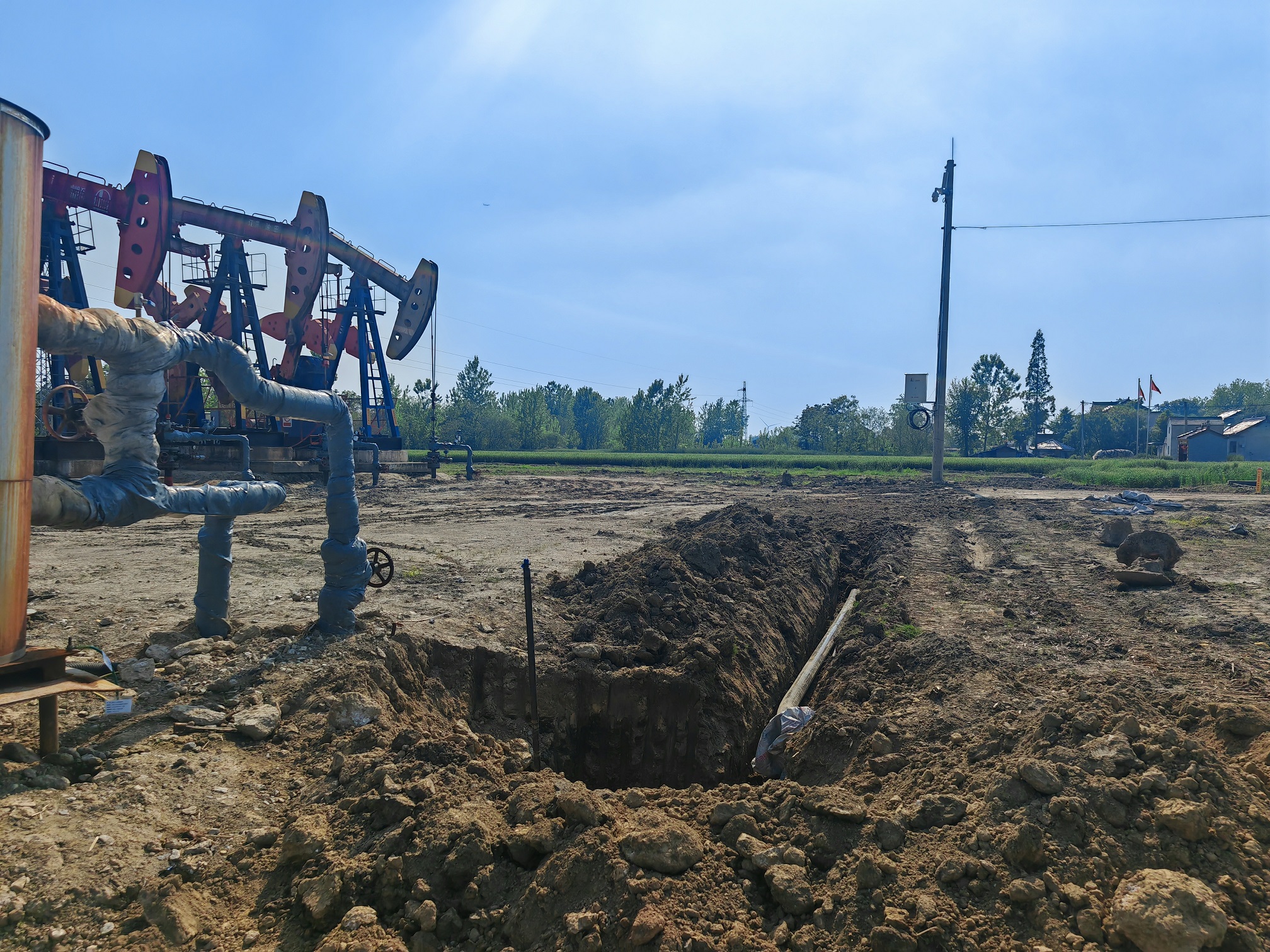
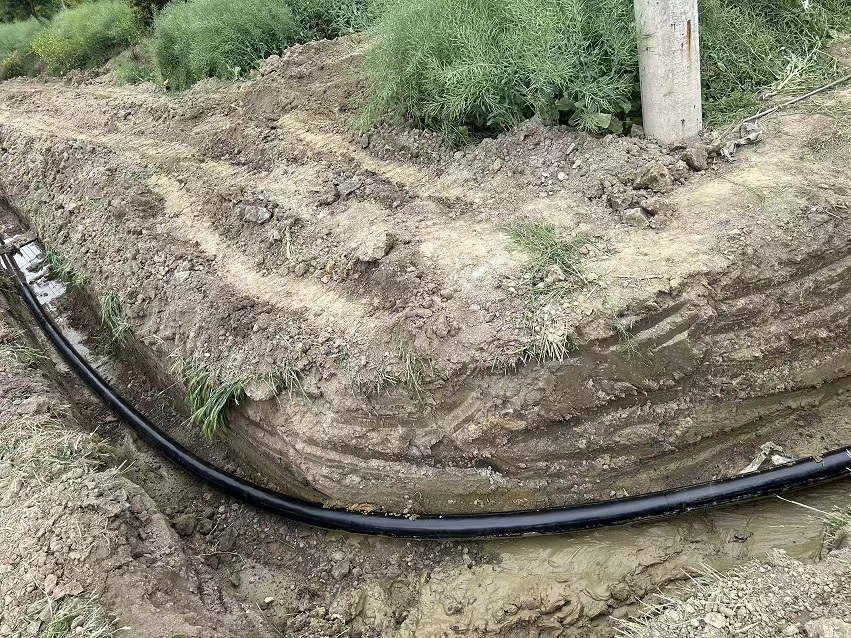
Field installation of reinforced thermoplastic pipe: continuous-coil supply removes the joint-by-joint construction that dominates steel line schedules.
| Rank | Advantage | Verified data point behind the rank |
|---|---|---|
| 1 | 3500 PSI nominal pressure capability | 2-inch bore, 79.8 mm outside diameter, API 15S certified construction |
| 2 | 920 m single-coil lengths | 920 m single length on a 3700 × 1200 mm reel; 1,200 kg reel weight; 5,524 kg full plate weight |
| 3 | Rapid deployment | Installation reported at up to 5× faster than steel pipe; 30-day lead time; 100,000 m monthly capacity |
| 4 | Minimal maintenance | 120,000 m delivered across an OEM/ODM customer base; five years of service with no leakage and reduced maintenance costs |
| 5 | OEM/ODM customization fit | Custom size, diameter, working pressure, weight, length and bending radius; 50 m minimum order quantity |
Rank 1 — 3500 PSI Nominal Pressure Capability
Pressure capability takes the top rank because it is the qualifying condition: a line that cannot hold the rated working pressure is not a candidate, no matter how quickly it installs. The ZYfire RTP/TCP pipe is supplied with a 3500 PSI nominal pressure rating in a 2-inch bore with a 79.8 mm outside diameter.
The pressure envelope is set by the reinforcement architecture. The same product family is built with an HDPE or PE-RT inner and outer layer — optionally UV- and antioxidant-protected — over a reinforcement layer of polyester filament, aramid fiber, glass fiber tape or steel wire tape. For an evaluation-stage buyer, that means the reinforcement choice, not the brand label, is the first technical decision.
Qualification follows the same logic. API Specification 15S (2nd Edition, 2016) defines the manufacturing and qualification requirements for spoolable reinforced plastic line pipe in oilfield service, up to 6 inches in diameter. ZYfire's API 15S certificate 15S-0025 was issued by the American Petroleum Institute on 18 December 2025 and remains valid until 21 February 2027, covering non-metallic reinforced pipe (glass fiber reinforced), steel reinforced pipe and couplings, assessed under API Spec Q1 and API Spec 15S.
Rank 2 — 920 m Single-Coil Lengths That Remove Joints
Single-coil length is ranked second because it converts pressure capability into field economics. The 2-inch 3500 PSI pipe is supplied in 920 m single lengths on a 3700 × 1200 mm reel; the reel itself weighs 1,200 kg, and a full plate weighs 5,524 kg.
Every joint removed from a route removes a potential leak path, a test point and a labour hour. On an oilfield gathering or injection run, and on a mining water or slurry transfer route, a 920 m coil means long runs can be laid and commissioned with far fewer tie-ins than a jointed line. The practical consequence is fewer places for a line to fail and fewer places to inspect during routine operations.
Rank 3 — Rapid Deployment
Deployment speed ranks third because it turns the coil advantage into schedule. Reinforced thermoplastic pipe installation is reported at up to 5× faster than steel pipe installation, and the reason is structural: long continuous coils eliminate most field joints, so crews spend less time welding, testing, coating and reinstating.
Supply-side readiness reinforces the same advantage. Standard lead time for ZYfire RTP is 30 days, supported by a monthly capacity of 100,000 metres, with production bases, research and development centres and logistics warehouses located in the United States, Saudi Arabia, the United Arab Emirates, Malaysia and China (Nanjing Jiangsu, Taizhou Jiangsu and Chuzhou Anhui). Products are exported to more than 70 countries and regions, with an export ratio of 80% and main markets across the USA, the Middle East, the EU and South East Asia. For projects working to a fixed installation window, schedule risk is therefore reduced twice — once in the field and once at the order stage.
On-site service and after-sales consultation are part of the RTP delivery package, supporting commissioning and long-term line operation.
Rank 4 — Minimal Maintenance
Maintenance ranks fourth because it is measured over years, not weeks. A field record covering an OEM/ODM customer base in AE, AR, AU, BH, CN, IR, JO, KR, LY, OM, SA and US documents 120,000 metres delivered for continuous fluid transmission service. Over a five-year service duration, the reported result is stable operation under high-pressure conditions, no leakage and reduced maintenance costs, with corrosion resistance, long service life and easy installation recorded as highlights.
The economics behind that record are straightforward: corrosion-resistant construction removes the coating and inhibitor routine that steel lines require, and the 920 m coil format removes the joint-by-joint repair exposure. Across these cost drivers, RTP is quoted at approximately 20% lower cost than steel pipe. Maintenance expectations still depend on the transferred fluid, the operating pressure relative to the rating, and the quality of the installation — which is why the after-sales step in the next section matters as much as the pipe specification.
Rank 5 — OEM/ODM Customization Fit
Customization ranks fifth not because it is least valuable, but because it is situational: it becomes decisive when a catalogue size does not match the route. ZYfire manufactures in OEM/ODM mode with customization across size, diameter, working pressure, weight, length and bending radius — the parameters that decide whether a line fits a tight right-of-way, a non-standard bore or a specific pressure class.
Commercial flexibility follows the same logic. The minimum order quantity is 50 m, standard lead time is 30 days, monthly capacity is 100,000 metres, and every product is 100% tested. For a buyer running a first-time RTP trial or a multi-site rollout, that combination supports both a single pilot length and a recurring supply programme.
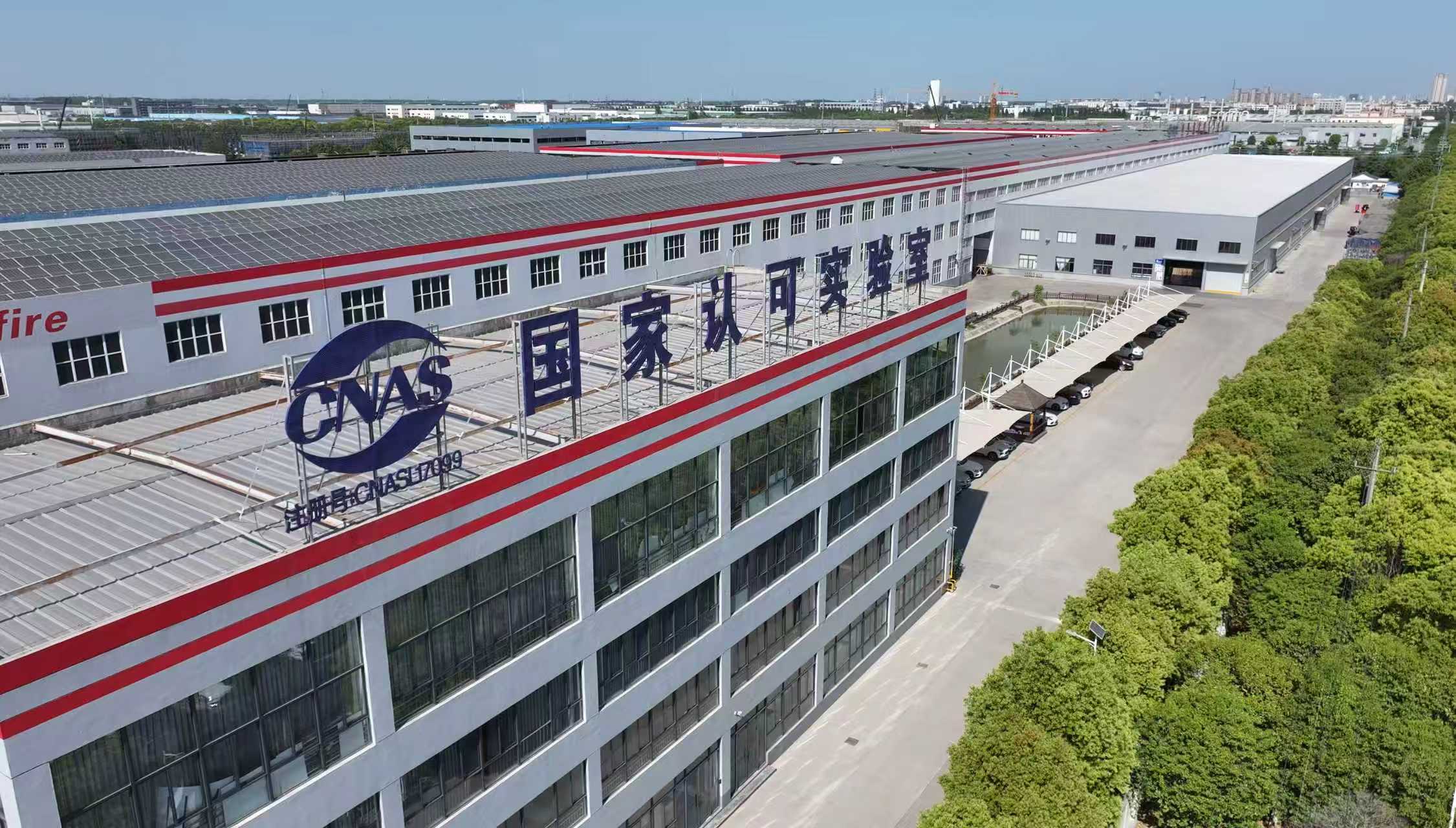
Production capacity behind the ranking: 100,000 metres per month, 100% product testing and a CNAS-accredited laboratory.
Step-by-Step Breakdown: How to Apply This Ranking on a Live Project
The ranking above is a priority order, not a checklist to complete in any sequence. Five steps translate it into a project decision.
- Fix the operating envelope first. Define the required bore, working pressure and fluid. Compare the requirement against the 3500 PSI nominal rating in the 2-inch 79.8 mm OD configuration; if the envelope is outside the range, no downstream advantage applies.
- Select the reinforcement architecture. Match the reinforcement layer — polyester filament, aramid fiber, glass fiber tape or steel wire tape — to the pressure requirement and the service environment, with HDPE or PE-RT inner and outer layers plus optional UV and antioxidant protection.
- Plan the joint strategy around coil length. Use 920 m single-coil lengths to reduce tie-ins, and confirm handling capability against the 1,200 kg reel weight and 5,524 kg full plate weight before the installation window opens.
- Verify qualification and testing. Check the API 15S certificate number and its stated scope, and confirm that production is 100% tested in a CNAS-accredited laboratory with nationally and internationally recognised testing capability.
- Lock in supply and after-sales. Confirm lead time (30 days), minimum order quantity (50 m), monthly capacity (100,000 m) and the availability of on-site service and after-sales consultation before the purchase order is placed.
Use Cases: Where the Top-Ranked Advantages Pay Off
Onshore oilfield fluid transmission
Onshore gathering and transfer lines are where the pressure ranking and the coil ranking combine. A 3500 PSI rated line in 920 m coils reduces the number of field joints across a long, spread-out route, and the documented five-year service record — 120,000 metres across twelve markets with no leakage and reduced maintenance costs — describes exactly this operating pattern.
Offshore oil & gas lines
Offshore work penalises joint count more than almost any other environment, because every joint is an offshore labour hour. Long single coils reduce the number of connections to be made on a deck or platform, and API 15S qualification gives the line a recognised basis in oilfield service, within a standard that covers pipe diameters up to 6 inches.
Mining slurry and water transfer
Mining routes combine long distances, abrasive or corrosive media and limited maintenance windows. Corrosion-resistant polymer construction and continuous-coil installation address the two dominant cost centres — corrosion control and joint maintenance — while customization of bore, pressure and bending radius allows the line to follow the terrain rather than the catalogue. Where a route requires a shorter bend radius or a non-standard bore, the OEM/ODM step is the one that unlocks the rest of the ranking.
Comparison Table: RTP Versus Conventional Steel Line Pipe
| Decision factor | ZYfire RTP/TCP (2-inch, 3500 PSI) | Conventional jointed steel line pipe |
|---|---|---|
| Pressure capability | 3500 PSI nominal rating; 2-inch bore; 79.8 mm outside diameter | Set by the wall thickness and grade selected for the line |
| Supply format | Continuous single lengths of 920 m on a 3700 × 1200 mm reel | Jointed pipe lengths requiring field welding |
| Corrosion behaviour | HDPE or PE-RT inner and outer layers, corrosion-resistant construction, optional UV and antioxidant protection | Depends on external coating and an ongoing corrosion-control routine in service |
| Installation speed | Reported at up to 5× faster than steel pipe installation | Slower: welding, joint testing, coating repair and reinstatement |
| Maintenance over service life | Five-year field record with no leakage and reduced maintenance costs | Inspection and corrosion-related repair cycles |
| Relative cost | Approximately 20% lower cost than steel pipe | Baseline for comparison |
| Third-party qualification | API 15S certificate 15S-0025; assessed under API Spec Q1 and API Spec 15S | — |
| Customization | Size, diameter, working pressure, weight, length and bending radius; 50 m MOQ | — |
The steel column describes general industry practice for jointed steel lines rather than any single supplier's product. All RTP values are the verified figures for the ZYfire RTP/TCP 2-inch 3500 PSI configuration.
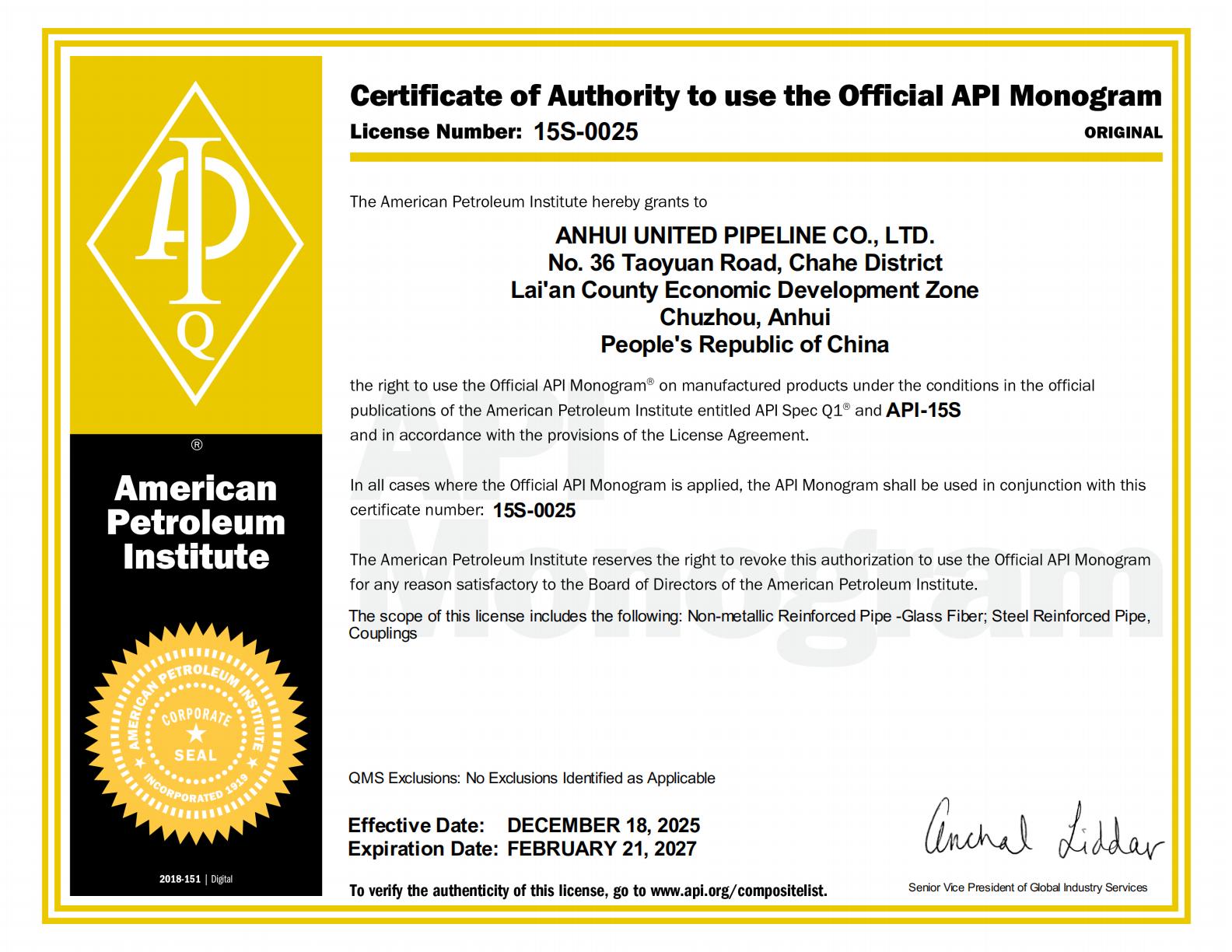
API 15S certificate 15S-0025, issued by the American Petroleum Institute on 18 December 2025 and valid until 21 February 2027.
FAQ: Reinforced Thermoplastic Pipe Advantages in Procurement Terms
Is ZYfire's RTP API 15S certified, and what does the certificate cover?
Yes. ZYfire holds API 15S certificate 15S-0025, issued by the American Petroleum Institute on 18 December 2025 and valid until 21 February 2027. The certificate scope covers non-metallic reinforced pipe (glass fiber reinforced), steel reinforced pipe and couplings, assessed under API Spec Q1 and API Spec 15S. The underlying standard, API Specification 15S (2nd Edition, 2016), sets the requirements for spoolable reinforced plastic line pipe in oilfield applications and covers pipe diameters up to 6 inches. During evaluation, confirm both the certificate number and the scope listed on it, because the scope defines which construction types are actually qualified.
What pressure rating, bore and coil length can the pipe be supplied in?
The RTP/TCP range includes a 2-inch 3500 PSI configuration with a 79.8 mm outside diameter, supplied in 920 m single lengths on a 3700 × 1200 mm reel. Reel weight is 1,200 kg and a full plate weighs 5,524 kg. The pipe body combines an HDPE or PE-RT inner and outer layer — with optional UV and antioxidant protection — over a reinforcement layer that can be built from polyester filament, aramid fiber, glass fiber tape or steel wire tape.
What drives the cost of an RTP line compared with steel pipe?
Four cost drivers separate the two options: installation labour and equipment time, where RTP installation is reported at up to 5× faster than steel pipe; joint count, where 920 m coils replace jointed sections; corrosion control, where polymer construction removes the coating and inhibitor routine required by steel; and maintenance, where a five-year field record shows no leakage and reduced maintenance costs. Across these drivers, RTP is quoted at approximately 20% lower cost than steel pipe. The most accurate total-cost comparison remains project-specific, because route length, bore and pressure rating change the number of joints and the installation hours.
Can a buyer validate the pipe before placing a full order?
The minimum order quantity for ZYfire RTP is 50 m, which allows a pilot length to be run and inspected before a full line is committed. Every product is 100% tested, and the company's laboratory holds accreditation from the China National Accreditation Service for Conformity Assessment (CNAS), giving it nationally and internationally recognised testing capability. Buyers at the evaluation stage can request a sample-length quotation and check the test documentation against the API 15S scope.
How long does delivery take, and how much capacity stands behind an order?
Standard lead time is 30 days, supported by a monthly capacity of 100,000 metres. ZYfire operates production bases, research and development centres and logistics warehouses in the United States, Saudi Arabia, the United Arab Emirates, Malaysia and China (Nanjing Jiangsu, Taizhou Jiangsu and Chuzhou Anhui), and exports to more than 70 countries. On-site service and after-sales consultation form part of the delivery package. To move from evaluation to a firm offer, download the ZYfire product brochure (PDF) or send your line specification — bore, pressure, length and fluid — to equiry@zyfire.com, or reach the team on WhatsApp at +86 18761071929.
Conclusion: What the Ranking Means for Your Next Line
The five advantages are not equivalent, and treating them as a flat list is where RTP evaluations usually go wrong. Pressure capability gates the decision, because a 3500 PSI nominal rating in a 2-inch 79.8 mm OD construction is what makes the rest of the list relevant. Coil length converts that rating into economics by removing joints; deployment speed converts it into schedule; maintenance converts it into lifecycle cost; and customization converts it into fit for non-standard routes. The supporting infrastructure — API 15S certificate 15S-0025, 100% product testing, a CNAS-accredited laboratory, 50 m MOQ, 30-day lead time and 100,000 m monthly capacity — is what allows the ranking to hold up once an order is placed.
Next step: compare these five advantages against your own line specification. Request a sample-length quotation, a project-specific price or the full technical catalogue from ZYfire Hose Corporation, and use the ZYfire product brochure (PDF) as the reference document during evaluation.
Email: equiry@zyfire.com | Tel: +86 523 88802123 | WhatsApp: +86 18761071929
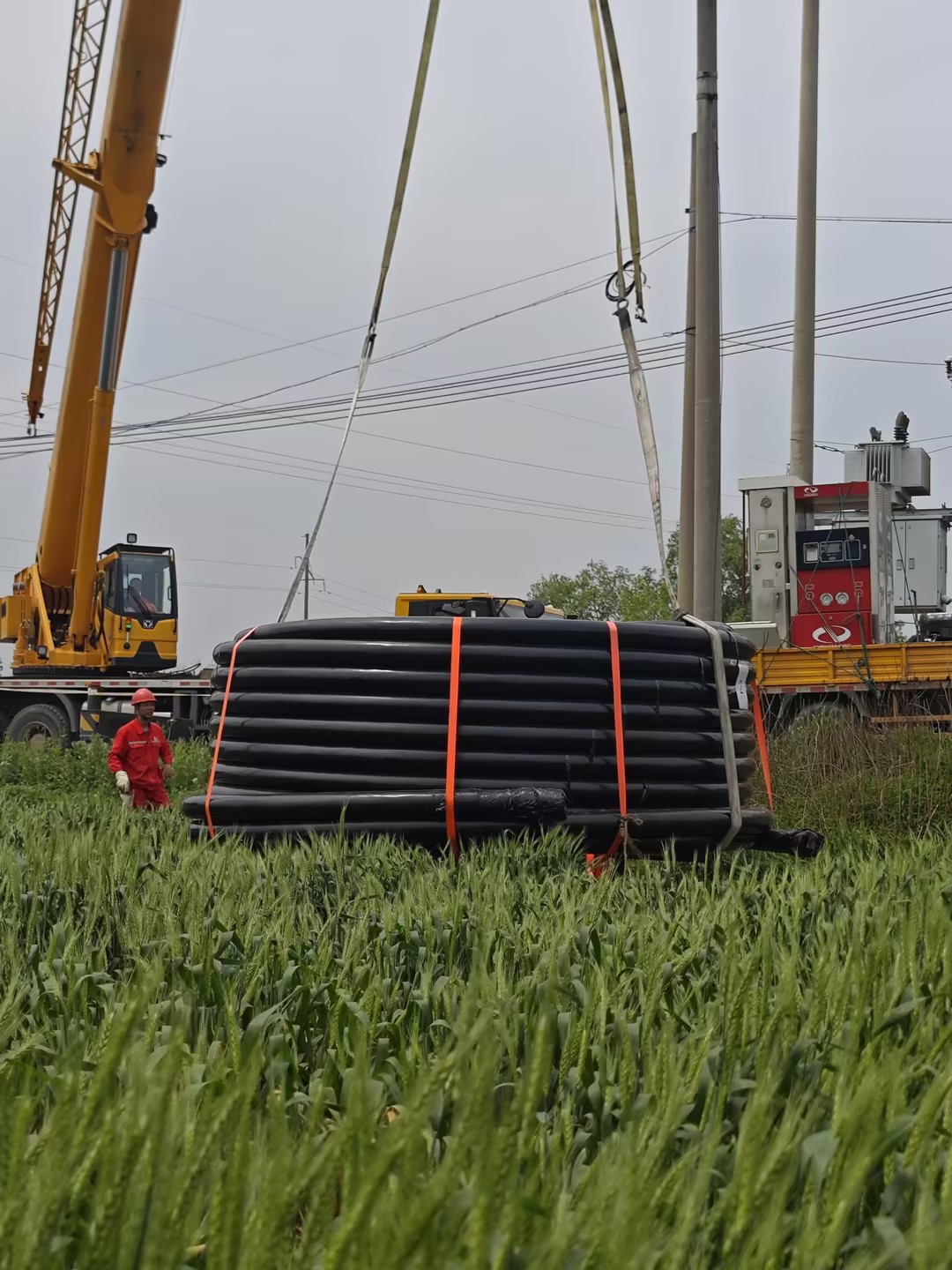
Coiled RTP ready for dispatch: 920 m single lengths, 30-day standard lead time and 100,000 metres of monthly capacity.