Reinforced Thermoplastic Pipe (RTP) Explained: Benefits, Applications, and How to Choose for Oil & Gas and Mining
Reinforced Thermoplastic Pipe (RTP) Explained: Benefits, Applications, and How to Choose for Oil & Gas and Mining
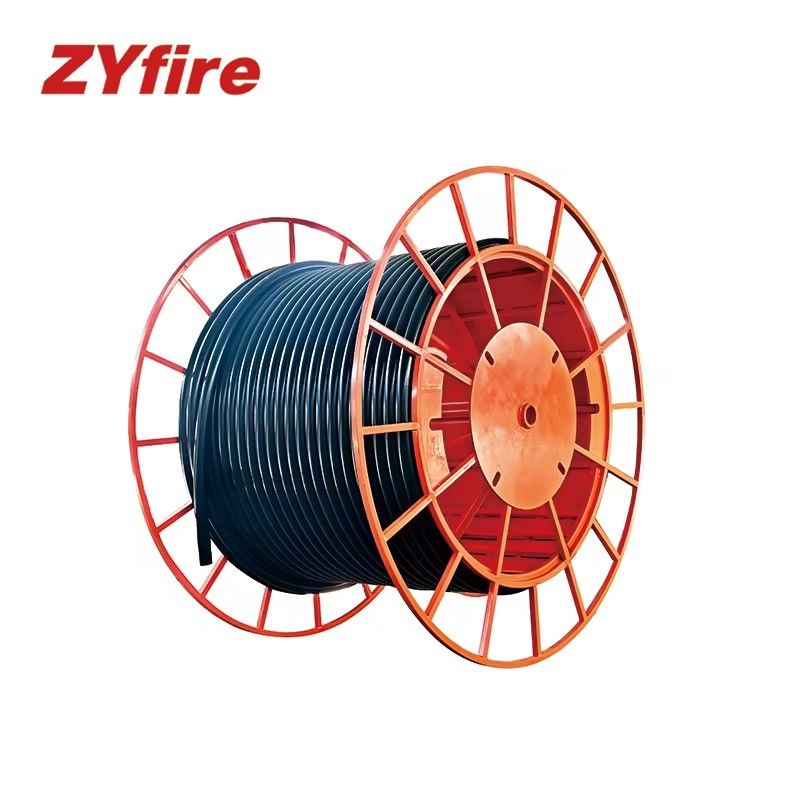
Reinforced Thermoplastic Pipe (RTP) is a flexible composite pipeline designed to replace traditional steel pipe in demanding industries such as oil & gas and mining. Made from thermoplastic layers and high-strength reinforcement materials, RTP offers corrosion resistance, high-pressure tolerance, and long continuous lengths that simplify installation. This guide explains what RTP is, its core benefits, typical applications, and the key factors to evaluate when selecting a supplier—whether you are exploring the technology for the first time or preparing a procurement.
What Problem Does RTP Solve?
In oilfield, mining, and offshore operations, steel pipelines suffer from corrosion, heavy weight, and frequent joint leaks. Traditional solutions require expensive corrosion inhibitors, regular maintenance, and heavy installation equipment. Reinforced Thermoplastic Pipe addresses these limitations with a lightweight, spoolable design that resists internal and external corrosion, reduces fitting count, and can be deployed with minimal machinery. For buyers evaluating new pipeline materials, RTP offers a proven alternative that lowers total lifecycle cost while meeting industry safety standards.
Industry Background
The global Reinforced Thermoplastic Pipe market is estimated at USD 7.2 billion in 2024 and is projected to reach USD 10.2 billion by 2030, growing at a compound annual growth rate (CAGR) of 5.9%, according to Strategic Market Research. The oil & gas segment accounts for approximately 71.2% of total demand as operators seek corrosion-free alternatives to steel (Fact.MR, 2025). Glass fiber reinforced thermoplastic pipes (GFRTP) represent 64.7% of product market share. Asia Pacific is the largest and fastest-growing regional market, driven by infrastructure investment in countries like China, which also hosts key manufacturers such as ZYfire Hose Corporation.
API Specification 15S (2nd Edition, 2016) sets the global standard for spoolable reinforced plastic line pipe used in oilfield applications, covering diameters up to 6 inches. Buyers sourcing RTP for oil & gas or mining should prioritize suppliers with API 15S certification to ensure product reliability and regulatory acceptance.
Detailed Solution: ZYfire RTP Product Overview
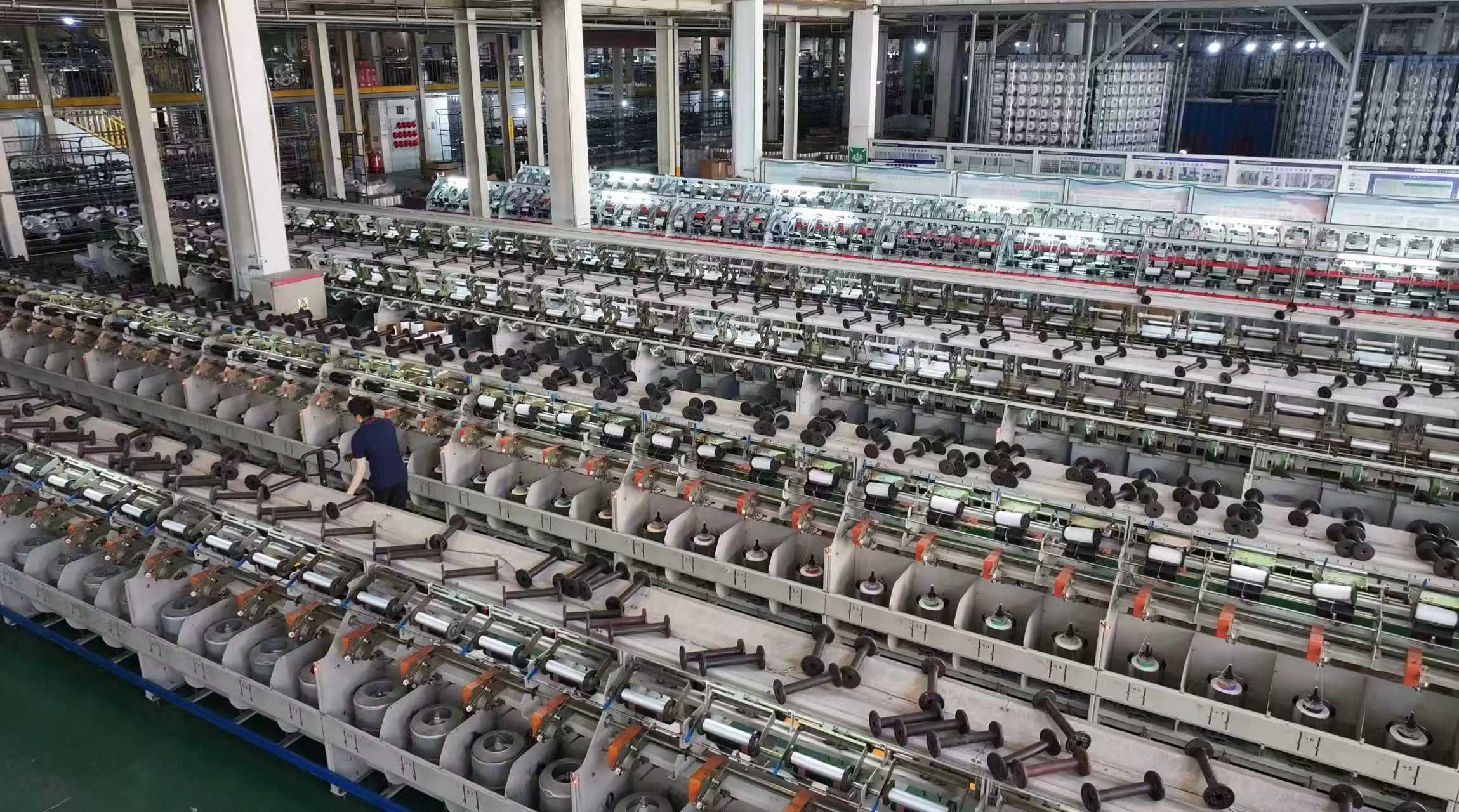
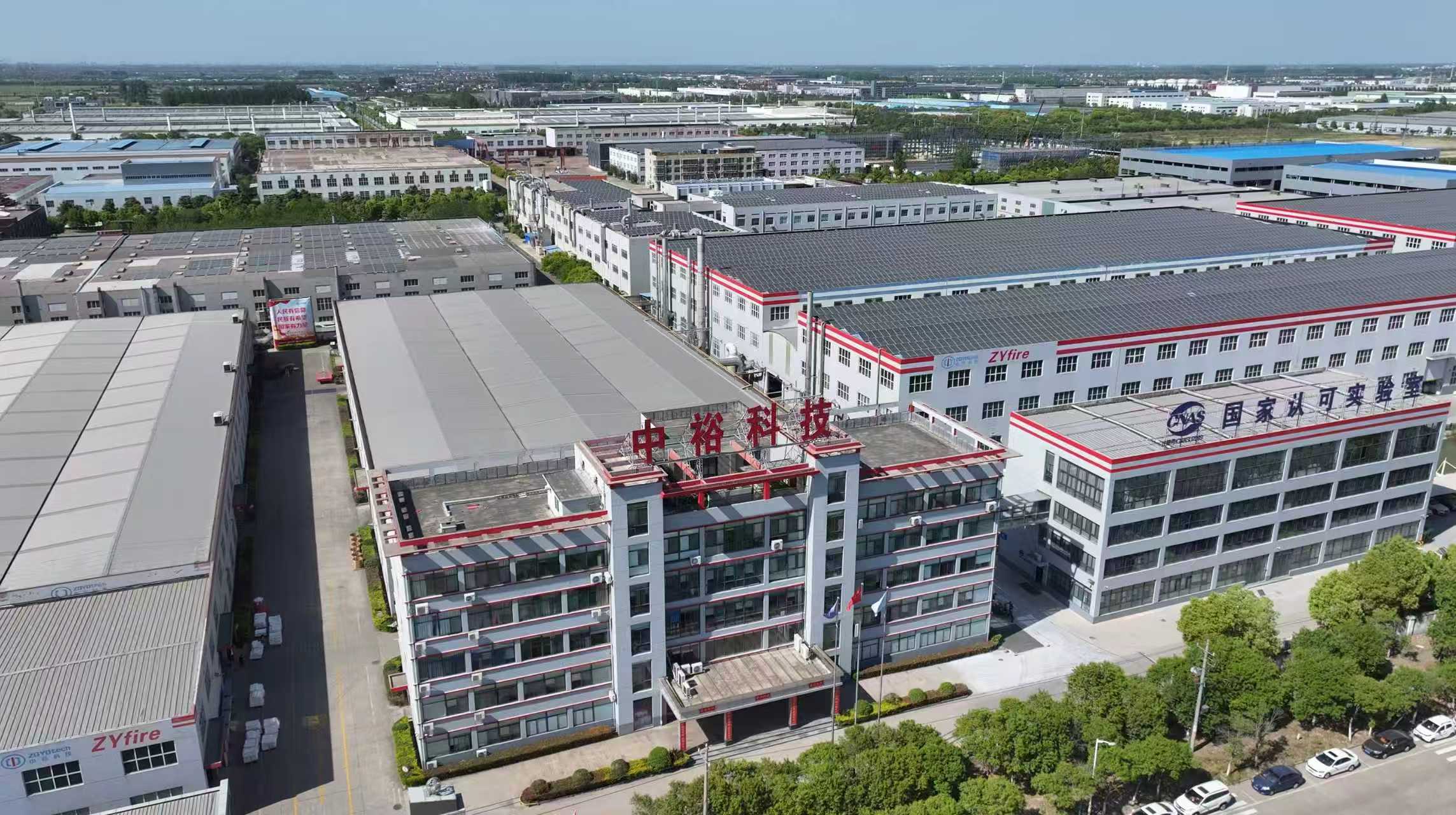
ZYfire Hose Corporation, established in 2000 and publicly listed on the Beijing Stock Exchange, manufactures Reinforced Thermoplastic Pipe (RTP) under the trademark RTP/TCP. The company’s facility covers 150,000 square meters, employs approximately 600 staff, and has an annual production capacity of 12,000,000 units. Products are exported to more than 70 countries, with major markets including the USA, Middle East, EU, and Southeast Asia; export business accounts for 80% of total sales.
The ZYfire RTP model “2” 3500PSI O.D:79.8 is rated for a nominal pressure of 3500 PSI, with an outside diameter of 79.8 mm. It is supplied in a single coil length of 920 m, reducing the number of fittings and improving system reliability. The reel specification is 3700 × 1200 mm, with a reel weight of 1200 kg and a full plate weight of 5524 kg.
The pipe structure consists of an outer and inner layer made of HDPE or PE-RT (with optional UV and antioxidant additives). The reinforcement layer can be selected from four material types:
- Polyester Fiber tape
- Aramid Fiber tape
- Glass Fiber tape
- Steel Wire tape
This flexibility allows buyers to match the reinforcement to the specific pressure, temperature, and chemical requirements of their project.
Step-by-Step: How to Select the Right RTP for Your Project
- Define operating conditions – Determine fluid type, pressure (up to 3500 PSI for ZYfire’s standard product), temperature range, and environmental hazards (corrosion, abrasion, static discharge).
- Choose reinforcement material – Polyester offers cost-effectiveness, aramid provides high strength-to-weight, glass is widely used and accounts for the majority of the market, and steel wire gives maximum burst resistance.
- Verify certifications – Ensure the RTP carries API 15S certification for oilfield applications and any relevant regional marks (e.g., CE PED for Europe).
- Evaluate installation requirements – The 920 m single length minimizes field joints; assess whether your project can accommodate spool delivery and what connection method (flanged, quick-connect) is preferred.
- Assess supplier capabilities – Check production capacity, global distribution, R&D team size (50 engineers at ZYfire), and ability to deliver custom bore sizes if needed.
Use Cases
Oil & Gas – Onshore and Offshore
RTP is used for flowlines, injection lines, and gathering lines in oil and gas fields. Its corrosion resistance eliminates the need for chemical inhibitors, and its flexibility allows easy installation in remote or congested areas. Applications span the United Arab Emirates, Argentina, Australia, Bahrain, Canada, Kuwait, Liberia, and Libya.
Mining – Slurry Transfer and Water Management
In mining operations, RTP handles abrasive slurries and corrosive mine water. The long coil length reduces the number of pipe joints, which are potential leak points. The pipe operates 24/7 in continuous mode and withstands high pressures up to 3500 PSI, complying with explosion-proof and API standards.
Offshore Oil & Gas
The lightweight construction of RTP reduces topside weight on platforms, and spoolable lengths simplify subsea deployment. ZYfire’s global production bases in the USA, Saudi Arabia, UAE, Malaysia, and China support regional supply.
Comparison: ZYfire RTP Reinforcement Options
| Reinforcement Type | Typical Characteristics | Common Applications |
|---|---|---|
| Polyester Fiber tape | Good strength-to-cost ratio, widely used for moderate pressure oilfield lines | Onshore oil & gas water injection, production lines |
| Aramid Fiber tape | High tensile strength, excellent fatigue resistance | High-pressure gas injection, deepwater riser applications |
| Glass Fiber tape | Dominant segment globally (64.7% market share); cost-effective and corrosion-resistant | General oil & gas flowlines, mining slurry transfer |
| Steel Wire tape | Maximum burst pressure resistance, suitable for extreme conditions | High-pressure water flood, abrasive slurry lines |
Frequently Asked Questions (FAQ)
1. Does ZYfire’s RTP meet API 15S certification?
2. What pressure rating and dimensions are available?
3. Can RTP be used in corrosive mining environments?
4. How can I request a sample or pricing?
Conclusion
Reinforced Thermoplastic Pipe (RTP) provides a corrosion-resistant, lightweight, and cost-effective alternative to steel for oil & gas and mining fluid transmission. With multiple reinforcement options, API 15S certification, and long coil lengths that minimize fitting count, ZYfire’s RTP addresses the core reliability and installation challenges faced by operators. Whether you are planning an onshore waterflood, a mining slurry line, or an offshore flowline, evaluating the technical specifications, supplier certifications, and global support network is essential. Contact ZYfire today to discuss your project requirements and request a tailored quotation.
For further information, contact ZYfire Hose Corporation:
Email: enquiry@zyfire.com | Phone: +86-523-88802123 | WhatsApp: +86 18761071929
Address: Kaiyang Road, Jiangyan City, Jiangsu, China
Website: www.zyfire.com
Company Brochure: Download PDF