Solving Corrosion, Fittings and Downtime in Remote Oil & Gas and Mining Lines with RTP
Solving Corrosion, Fittings and Downtime in Remote Oil & Gas and Mining Lines with RTP
Remote fluid transfer lines in oil and gas and mining rarely fail because the pipe was specified in the wrong colour. They fail for four reasons: corrosion on the inside wall, too many mechanical fittings, installation that outruns the project schedule, and maintenance that keeps coming back. Reinforced Thermoplastic Pipe (RTP) attacks all four at once, because it arrives as a continuous spoolable composite line pipe instead of a jointed rigid one.
RTP is a composite line pipe built from three functional layers: a thermoplastic liner that contains the fluid, a reinforcement layer that carries the pressure, and a protective outer jacket that shields the reinforcement from handling and environment. Because the pipe is spooled, one string can be long, and length is the variable that decides how many fittings, how many welds, how many inspection points and how many shutdowns a line will need over its life.
ZYfire Hose Corporation is a manufacturer of fire hose, oilfield hose and reinforced thermoplastic pipe, founded in 2000 and listed on the Beijing Stock Exchange, operating a 150,000 m² facility in Jiangyan City, Jiangsu, China with approximately 600 staff. This article diagnoses the four failure modes as they appear on a remote site, then shows how a 3500 PSI spoolable RTP line — and the supply terms behind it — changes the installation and maintenance economics of that site.
Problem Definition: Four Failure Modes That Decide Remote Line Economics
Take a realistic site: an oilfield gathering line or a mine slurry main 20 km from the nearest maintenance base, running 24/7, staffed by a small crew, resupplied on a slow logistics cycle. On that site, four problems repeat with almost predictable regularity.
1. Corrosion on the wetted surface
Produced water, CO2, chlorides and mildly acidic slurries attack carbon steel from the inside, while soil, groundwater and coastal atmosphere attack it from the outside. The result is not a single dramatic failure but a recurring pattern: wall-loss inspections, repairs, coating rehabilitation and eventually section replacement. Every intervention needs isolation, depressurisation and a crew on site.
2. Fitting population
Every field joint in a rigid line is a leak path, an inspection point and a labour hour. A line assembled from discrete pipe lengths accumulates joints quickly, and each joint carries its own gasket, torque value, coating repair and corrosion protection detail. Fitting population, not pipe length, is often what makes a remote line expensive to own.
3. Installation speed
Steel installation depends on welding crews, non-destructive testing, right-of-way access and weather windows. Each of those is a schedule risk in a remote location, and the schedule risk is what converts into mobilisation cost, equipment rental and delayed first production.
4. Recurring maintenance and downtime
In remote operations, a maintenance event costs more than the repair itself. Mobilisation, logistics, isolation, flaring or production deferment and re-commissioning usually dominate the total. A line that needs frequent attention is a line that keeps exporting cost instead of product.
Industry Background: Why Spoolable Composite Pipe Moved Into These Lines
Spoolable reinforced plastic line pipe is covered by API Specification 15S, which defines requirements for spoolable reinforced plastic line pipe up to 6 inches (150 mm) in diameter with pressures up to 5000 psi (34.5 MPa). The existence of that specification is itself the industry signal: composite spoolable pipe is now a qualified category for oilfield and energy service, not a field experiment.
The commercial direction matches the technical one. Business Research Insights projects the global reinforced thermoplastic pipe market at approximately USD 7.94 billion by 2026, and Industry Insider Reports estimates the oil and gas segment of that market at between USD 2.0 billion and 2.5 billion in 2026. Commercial research cited in RTP literature also reports corrosion-related failures reduced by over 70% compared with traditional steel pipelines — a figure that should be treated as an industry indication, not a project guarantee, but one that explains why operators keep re-evaluating steel as the default.
In parallel, manufacturers have been asked to solve the supply side of the problem. ZYfire, for example, reports a monthly RTP capacity of 100,000 m and describes production bases in the United States, Saudi Arabia, the UAE, Malaysia and China, with products exported to more than 70 countries and regions. Capacity and geography matter in this discussion because a remote-site pipe decision is only as good as the delivery schedule behind it.
Detailed Solution: What RTP Actually Changes on Site
RTP does not simply substitute one material for another. It changes the unit of installation from a pipe length to a spool, and that single change cascades through fittings, schedule, corrosion allowance and maintenance frequency.
Length replaces joint count
The core lever is coil length. The ZYfire RTP/TCP model "2" 3500PSI O.D:79.8 is supplied with a single length of 920 m per coil, which directly reduces the number of fittings required in a line. Where a jointed line would need a field connection at regular intervals, a 920 m string needs connections only at its ends and at deliberate branch or tie-in points. Fewer fittings means fewer leak paths, fewer torque procedures, fewer inspection records and a shorter installation window.
Pressure and duty are declared, not assumed
The same model carries a nominal pressure of 3500 PSI with an outside diameter of 79.8 mm, and it is designed for 24/7 continuous operation in mining and oil and gas fluid transfer. For an operator sizing a line that must run continuously, a declared nominal pressure plus a defined duty profile is a more useful starting point than a generic pressure class.
The liner handles corrosion; optional additives handle sunlight
The inner and outer layers are HDPE or PE-RT, with UV and antioxidant additives available as options for exposed above-ground runs. Because the flow path is thermoplastic, the line does not rely on a corrosion allowance, internal coating integrity or cathodic protection to survive produced water and mildly aggressive slurries. External protection is provided by the outer layer rather than by a field-applied coating that has to be repaired at every joint.
Reinforcement is selected, not inherited
ZYfire's RTP product line covers four reinforcement architectures: polyester fiber tape, aramid fiber tape, glass fiber tape and steel wire tape. That choice is a specification decision tied to pressure, diameter, weight and handling requirements, and it should be made explicitly during the RFQ stage rather than accepted by default.
Abrasion and slurry duty
For mining slurry transfer, the relevant failure mode is often abrasion rather than chemical attack. A smooth thermoplastic bore with a continuous profile and minimal internal joint interruptions gives the slurry fewer places to create turbulence and eddy wear, and it removes the internal weld beads that act as wear initiation points in fabricated steel lines.
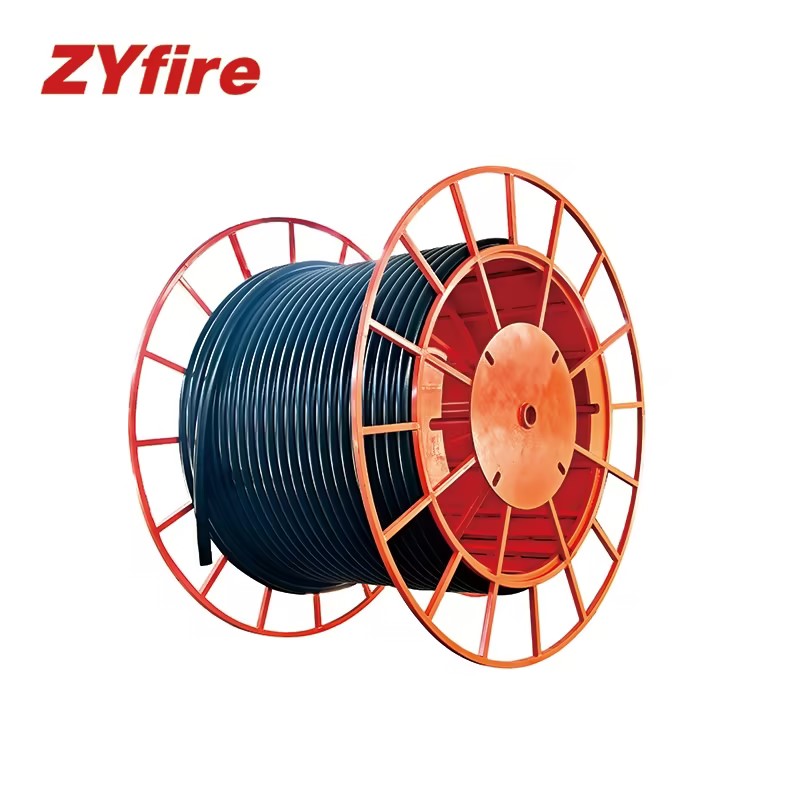
Reinforced Thermoplastic Pipe: thermoplastic liner, reinforcement layer and protective outer jacket, supplied on a spool for long continuous strings.
Specification snapshot: RTP/TCP 2" 3500 PSI
| Parameter | Value |
|---|---|
| Model designation | "2" 3500PSI O.D:79.8 |
| Nominal pressure | 3500 PSI |
| Outside diameter | 79.8 mm |
| Single length per coil | 920 m |
| Reel specification | 3700 × 1200 mm |
| Reel weight | 1200 kg |
| Full plate weight | 5524 kg |
| Inner and outer layer | HDPE, PE-RT (UV and antioxidant optional) |
| Reinforcement options | Polyester filament, aramid fiber, glass fiber, steel wire |
| Operating mode | 24/7 continuous fluid transfer |
Step-by-Step Breakdown: From Route Survey to First Fluid
A remote line is won or lost in the sequence, not in the datasheet. The workflow below is the sequence that keeps an RTP decision defensible.
Step 1 — Define the duty, including the parts nobody writes down
Record the fluid chemistry, continuous operating pressure, expected peaks, temperature range, buried or above-ground routing, road and wildlife crossings, and the maintenance access reality. A 24/7 mining line and an intermittent oilfield flowback line may share a pressure class but not a reinforcement choice.
Step 2 — Fix the specification in a written RFQ
State bore and outside diameter, nominal pressure, liner material (HDPE or PE-RT), UV and antioxidant requirements, reinforcement architecture, required single length, connection type at each end, reel handling constraints and the standard the pipe must be qualified against. Ambiguity here becomes a change order later.
Step 3 — Confirm the compliance scope, not just the certificate
API Spec 15S covers spoolable reinforced plastic line pipe up to 6 inches and up to 5000 psi, and it addresses pipe together with end fittings or couplings. When a supplier states API 15S certification, verify the certificate holder, the factory, the product family, the size range, the pressure class, the coupling scope and the validity date against the actual order. ZYfire states that it produces RTP certified under API Specification 15S; as with any certification claim, the document scope should be checked against your line.
Step 4 — Build in production verification
Ask how the pipe is tested before dispatch, and ask to see the laboratory behind the test reports. ZYfire reports 100% product testing and operates a laboratory accredited by the China National Accreditation Service for Conformity Assessment (CNAS), supported by a 50-engineer R&D team. For a buyer, the useful question is not whether testing exists but whether every coil shipped carries traceable test records.
Step 5 — Plan logistics around the reel, not the metre
Reel handling drives site planning. A 3700 × 1200 mm reel with a full plate weight of 5524 kg sets the crane, trailer and access requirements, and those requirements should be checked before the first mobilisation. The payoff arrives at installation: project comparisons for spooled RTP lines cite installation rates of up to 10 km per day, against less than 2 km per day for steel pipe of comparable duty, and installed cost roughly 20% lower. The mechanism is simple — laying a continuous string replaces welding, coating repair and joint testing.
Step 6 — Commission, then keep the service channel open
Pressure test, tie in, and confirm the operating envelope against the specification. From that point the maintenance profile should be minimal, but the support channel still matters: ZYfire provides on-site service and after-sales consultation for RTP programs, which is the difference between a pipe supplier and a line partner when a remote site needs an answer quickly.
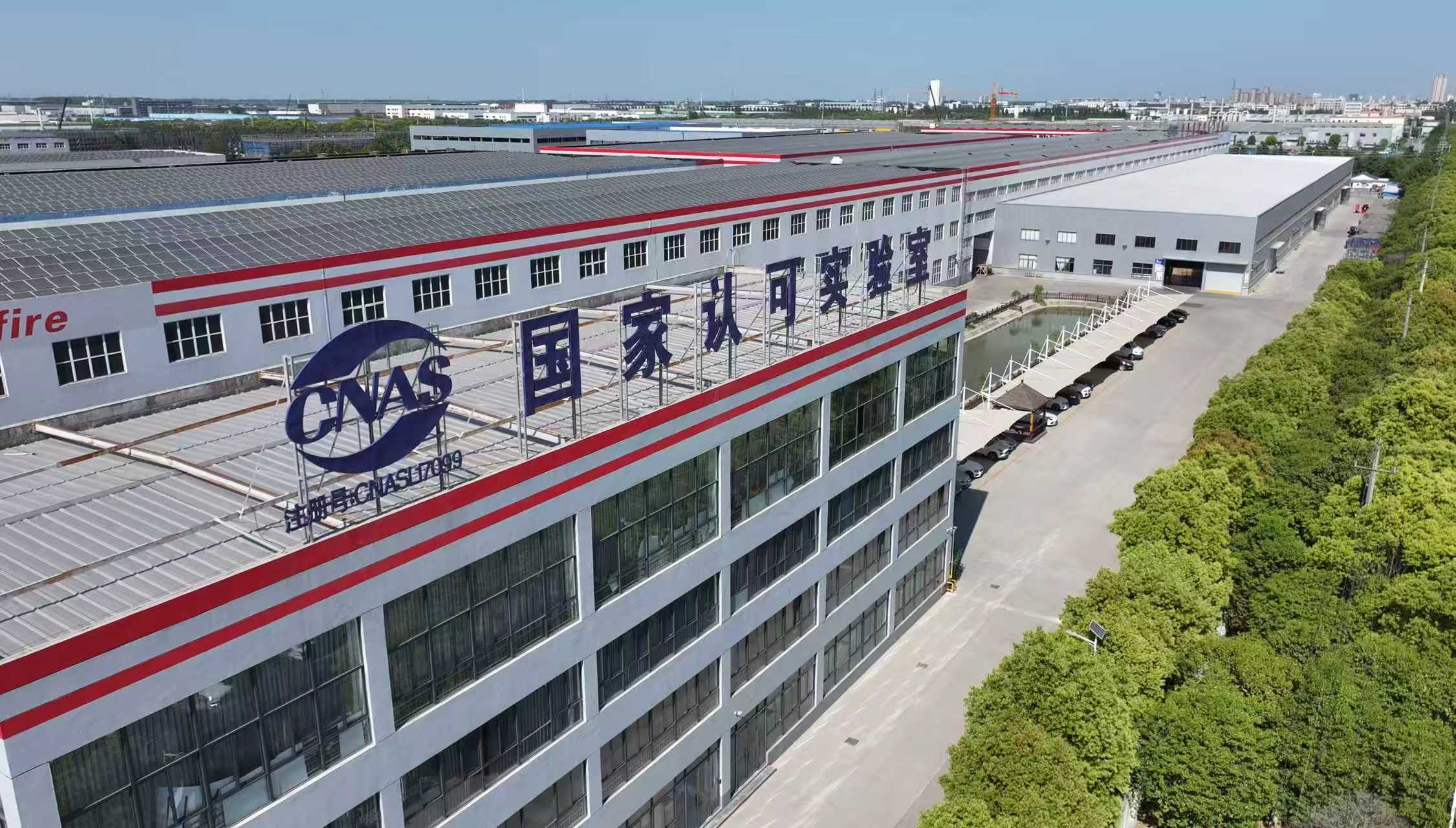
Manufacturing capacity behind the schedule: ZYfire reports 100,000 m of monthly RTP capacity and a 150,000 m² production facility.
Use Cases: Where the Economics Repeat
The same four failure modes appear across a small number of recurring applications, which is why RTP selection can be standardised rather than reinvented per project.
- Onshore oilfield gathering and flowlines. Long laterals between wellheads and processing, where joint count and corrosion drive both cost and intervention frequency.
- High-pressure water injection and flowback transfer. Continuous duty at declared pressure, with produced water chemistry that punishes carbon steel.
- Mining slurry backfill and transfer. Abrasive media at continuous duty, where a smooth continuous bore reduces wear initiation points.
- Remote water and utility lines. Site water supply, dewatering and utility transfer where installation speed matters more than nominal capacity.
The operating requirement profile is consistent: corrosion resistance, high pressure tolerance, no swelling, flexibility, long single lengths, non-frequent fittings, simple installation and a long cycle life, all under 24/7 duty. ZYfire lists this application scenario as common in the United Arab Emirates, Argentina, Australia, Bahrain, Canada, Kuwait, Liberia and Libya — a spread that reflects remote, high-temperature or corrosive operating environments rather than a single region.
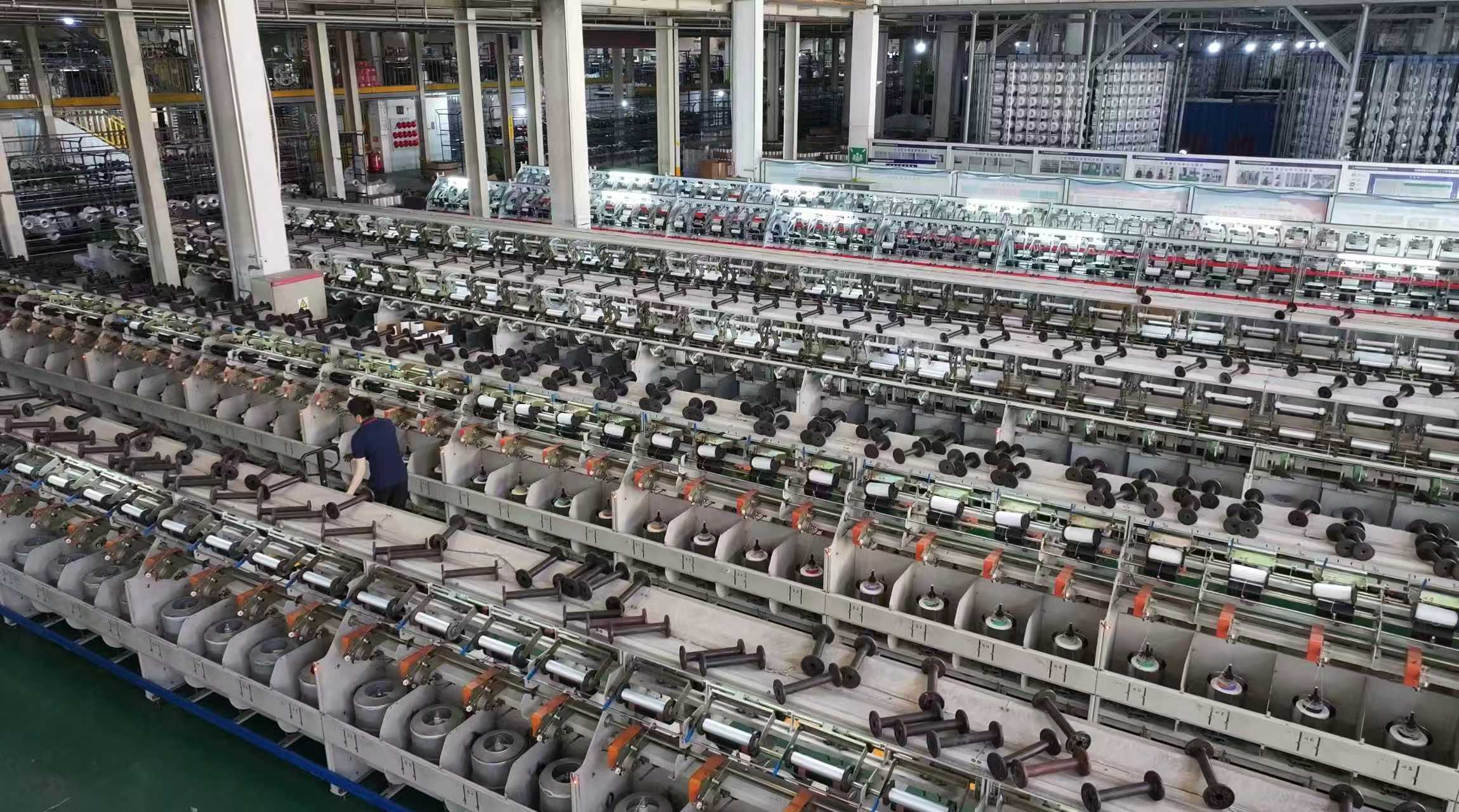
Reinforcement architecture is a specification choice: polyester filament, aramid fiber, glass fiber or steel wire, depending on pressure, diameter and handling requirements.
Comparison Table: RTP and Carbon Steel in Remote Fluid Transfer
The comparison below is limited to what can be stated with support. It is a decision aid, not a universal verdict — steel remains the correct choice for some duties, and site-specific engineering always governs.
| Decision factor | Reinforced Thermoplastic Pipe (RTP) | Carbon steel line pipe |
|---|---|---|
| Corrosion mechanism | Thermoplastic liner in the flow path; no corrosion allowance required for the liner. External protection from the outer jacket. | Requires corrosion allowance, internal coating or inhibition, and external coating with field repair at every joint. |
| Field joint population | Up to 920 m per coil, so joints concentrate at terminations and tie-ins. | Joints repeat at every pipe length, each needing weld, NDT and coating repair. |
| Installation rate (project comparisons) | Reported up to 10 km per day. | Reported under 2 km per day for comparable duty. |
| Installed cost (project comparisons) | Reported roughly 20% lower. | Baseline. |
| Pressure capability | 3500 PSI nominal on the 2" 3500PSI O.D:79.8 model; API Spec 15S scope extends to 6 in and 5000 psi. | Pressure capability set by wall thickness and grade, with weight and handling consequences. |
| Maintenance profile | Minimal maintenance expected; monitoring focused on pressure integrity and external damage. | Recurring inspection, wall-loss monitoring, coating repair and section replacement. |
| Handling and route | Spooled and flexible; follows terrain with fewer bending sections. Reel logistics set site access requirements. | Rigid; requires bending operations, welding spreads and wider access. |
| Duty profile | Designed for 24/7 continuous fluid transfer in mining and oil and gas. | Continuous duty achievable, with corrosion and fatigue management. |
FAQ: Remote RTP Lines
Does RTP meet the standards required for oilfield service?
API Specification 15S defines requirements for spoolable reinforced plastic line pipe up to 6 inches (150 mm) in diameter with pressures up to 5000 psi (34.5 MPa), and it addresses the pipe together with its end fittings or couplings. ZYfire states that it produces RTP certified under API Specification 15S. Because certification scope is product-family, size-range and coupling specific, buyers should verify the certificate holder, factory, size range, pressure class and validity date against the exact line being ordered.
Can a single 3500 PSI RTP string really run 24/7 on a remote site?
The ZYfire RTP/TCP model "2" 3500PSI O.D:79.8 is rated at a nominal pressure of 3500 PSI with an outside diameter of 79.8 mm and a single length of 920 m per coil, and it is designed for 24/7 continuous fluid transfer in mining and oil and gas applications. It carries corrosion resistance, high-pressure tolerance and API compliance requirements, with UV and antioxidant additives available for exposed runs. The practical limit is not the coil length but the correct specification of pressure, fluid chemistry and connection design for the route.
What drives the cost difference against steel?
Three levers dominate. First, joint elimination: a 920 m coil replaces a long series of field welds, NDT passes and coating repairs. Second, installation speed: project comparisons cite up to 10 km per day for spooled RTP against less than 2 km per day for steel, with installed cost roughly 20% lower. Third, maintenance: fewer fittings and a thermoplastic flow path reduce the recurring intervention load that dominates remote-site ownership cost. Actual pricing remains quotation-based and depends on bore, pressure class, liner, reinforcement and connection configuration.
How do I validate the pipe and how fast can I get it?
Validation typically starts with a sample or a short trial string rather than a full line. ZYfire reports a 50 m MOQ and a 30-day lead time for certain long-term RTP supply programs, with 100,000 m of monthly capacity behind larger schedules and 100% product testing before dispatch. A practical next step is to send the duty specification — fluid, pressure, diameter, length and destination — and request a sample and a quotation against it; the ZYfire catalogue is available for download and the technical team can be reached at enquiry@zyfire.com or +86-523-88802123.
Conclusion: Fix the Architecture, Not the Symptoms
Corrosion, fitting population, installation speed and recurring maintenance are not four separate problems with four separate budgets. In a remote oil and gas or mining line they are one problem: a jointed rigid pipe architecture that keeps generating work. Moving to a spoolable reinforced thermoplastic line converts that architecture into long continuous strings, a thermoplastic flow path and a small number of mechanical connections — which is why a 920 m coil, a declared 3500 PSI rating and 24/7 duty matter far more than a line-item price comparison.
The execution side is equally concrete. Confirm the standard scope, ask for test records per coil, plan around the reel weight, and lock the delivery terms before mobilisation. ZYfire supports that sequence with a CNAS-accredited laboratory, a 50-engineer R&D team, 100,000 m of reported monthly RTP capacity, a 50 m MOQ, a 30-day lead time, and on-site service with after-sales consultation.
Next Step: Test the Specification Before You Commit the Line
Send the duty parameters — fluid, continuous pressure, bore, single length required, routing and destination — and ZYfire will match the reinforcement architecture and connection design to the application. A 50 m trial order is enough to validate handling, joint procedure and installation rate on your own site.
Email: enquiry@zyfire.com | Tel: +86-523-88802123 | Web: www.zyfire.com
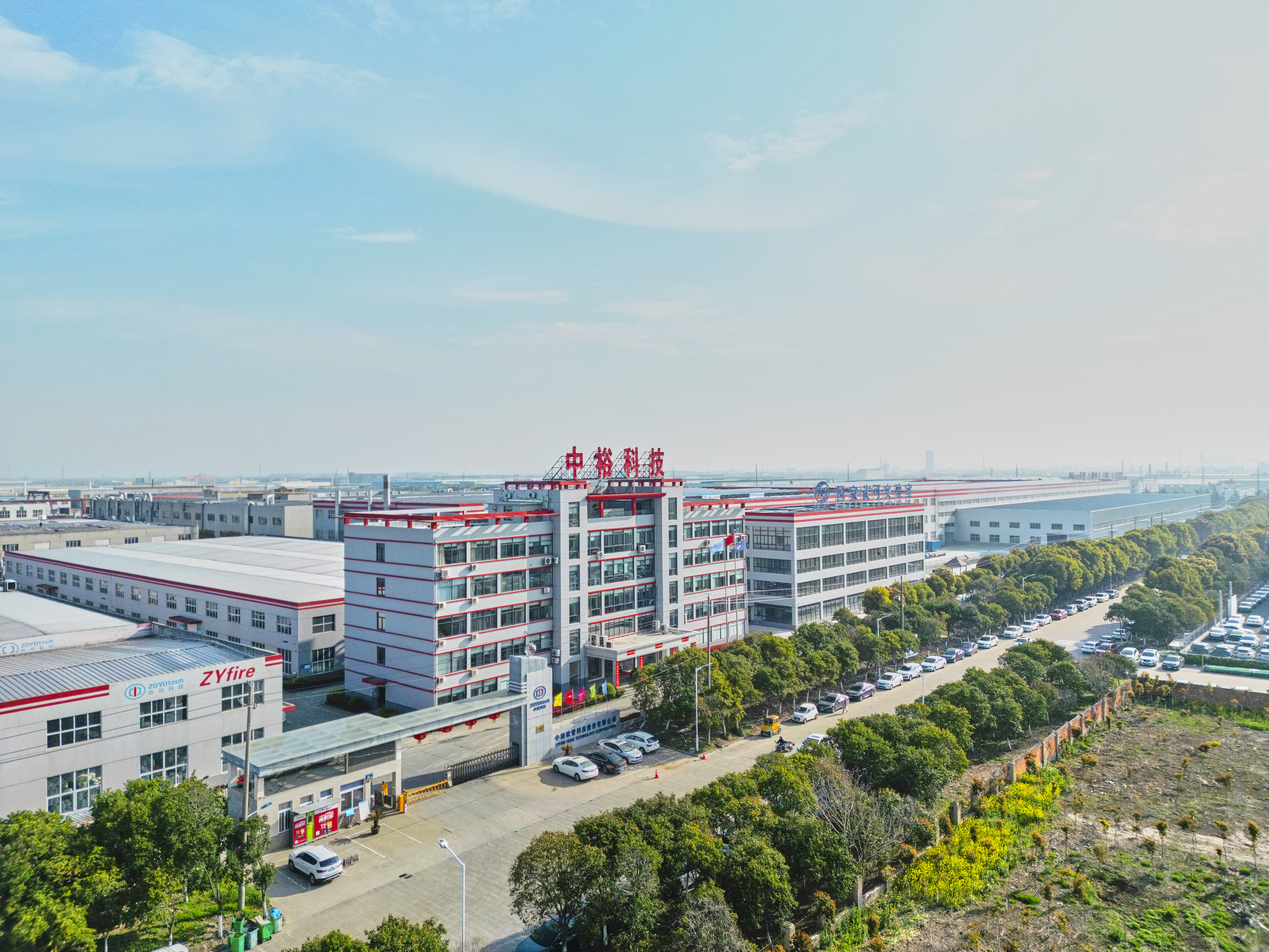
ZYfire Hose Corporation operates a 150,000 m² manufacturing facility and exports to more than 70 countries and regions.
Have Questions or Need More Details?
Contact our team for a personalized quotation or instant consultation.
Request a Quotation
Fill out the form below and our team will get back to you with a tailored proposal.
WhatsApp Direct Chat
Prefer to chat in real-time? Message us on WhatsApp for instant assistance & quick answers.
- Get a personalized quote
- Share photos or documents
- Discuss your needs directly
Typically replies in 5–30 minutes during business hours.