Biogas Flares in Wastewater Treatment: An Application Guide
A biogas flare in a wastewater treatment plant does one job: it turns a methane-bearing gas stream that arrives continuously, at low pressure and at a variable flow rate, into a controlled high-temperature flame. Plants that operate anaerobic digestion produce digester gas every day, whether or not that gas can be used. The flare is the compliance backstop that keeps methane out of the atmosphere when utilisation, storage or downstream equipment cannot absorb it.
This application guide explains how biogas flares are applied in wastewater treatment plants and anaerobic digestion facilities: the physical conditions digester gas creates, what compliance and reliability mean in practice, and how the ZXE-BGF Series biogas flare from Shandong Zexuan Environmental Protection Technology Co., Ltd. is configured for this duty.
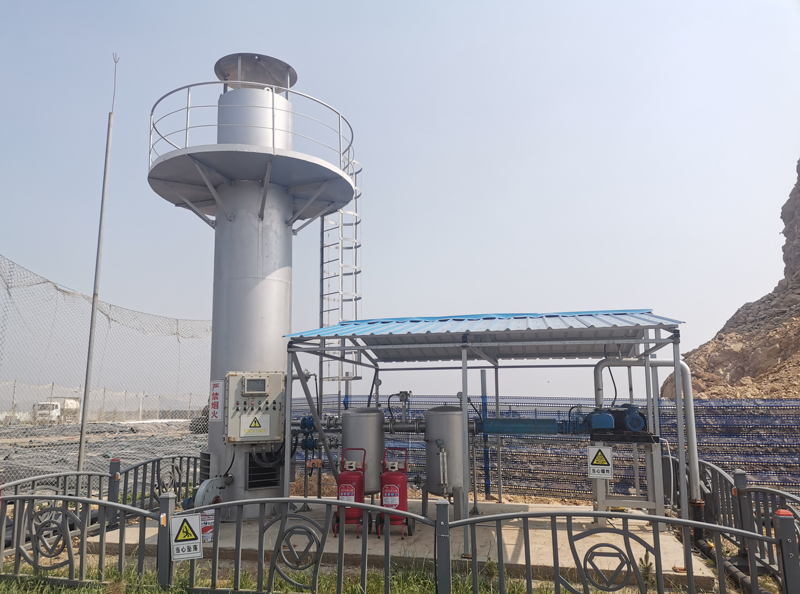
Figure 1 — ZXE-BGF Series biogas flare designed for digester gas, wastewater treatment gas and landfill gas.
Problem Definition: Four Conditions That Shape a Wastewater Biogas Flame
Wastewater biogas is not a pipeline fuel. Its behaviour is set by the digestion process, and four conditions decide whether a flare will establish and hold a stable flame:
- Low pressure. Digester gas is generated and delivered at low pressure, which means the flare must establish and maintain combustion without relying on high inlet pressure to stabilise the flame.
- Variable flow. Gas production follows digester loading, temperature and season, so the flow reaching the flare can move across a wide range within a single day and across a wider range over a year.
- Low and variable methane content. Methane concentration in biogas typically runs between 35% and 65% CH₄ depending on the source — a lower heating value than natural gas, and one that shifts with feedstock and digester operation.
- Continuous gas generation. Unlike an emergency relief flare that sits idle for long periods, a wastewater biogas flare may run continuously or in frequent cycles. Reliability here is measured in operating hours, not only in response time.
Two further requirements follow from the installation itself. A biogas flare is outdoor equipment, so stable combustion in open-air conditions and automatic ignition with flame monitoring are practical necessities rather than optional features. And because the flare sits inside the plant's environmental boundary, its performance is measured: unburned methane leaving the stack is both an emission and a compliance problem.
The practical consequence: sizing a wastewater biogas flare is a duty-based exercise, not a catalogue exercise. A unit selected on a single nominal flow figure will either lose its flame at low flow or be pushed beyond its stable range at peak gas production.
Industry Background: Why Destruction Capacity Is Under More Scrutiny
The wider picture explains the regulatory attention. Global gas flaring volumes reached 151 billion cubic meters in 2024, the highest level since 2007, according to World Bank data — evidence that destruction and relief capacity has not kept pace with gas production. The global flare systems market was valued at approximately USD 4.8 billion in 2025, driven by regulatory pressure on hydrocarbon emissions and a recovery in oil and gas investment (Dataintelo).
Within that market, the totally enclosed ground flare segment — a category defined by high destruction performance — was valued at USD 113 million in 2024, with growth attributed to destruction efficiencies exceeding 98% (Intel Market Research). Regionally, Asia-Pacific holds a 35% share of the flare gas recovery system market as of 2025, the largest regional share globally (Grand View Research).
Design practice for these systems is anchored in one document: API Standard 521, Pressure-Relieving and Depressuring Systems, which governs flare system design and specifies, among other requirements, a minimum flare header slope of 1/4 inch per 10 feet for drainage. Compliance for a wastewater biogas flare therefore sits on two layers — the process safety requirements of the flare system as a whole, and the environmental requirement that the methane actually be destroyed rather than vented.
Detailed Solution: The ZXE-BGF Series for Digester and Wastewater Gas
Shandong Zexuan Environmental Protection Technology Co., Ltd. is a manufacturer and engineering service provider established in 2015, specialising in industrial flare systems, thermal treatment equipment and waste gas combustion solutions. The company operates a 24,100 m² manufacturing base with more than 80 employees, including 30+ engineers and technical specialists, and an annual manufacturing capacity of 60+ sets of flare and thermal treatment systems.
The ZXE-BGF Series — Biogas Flare / Landfill Gas Flare / Methane Combustion System — is the platform Zexuan builds for methane-bearing gas streams including landfill gas, biogas, digester gas and wastewater treatment gas. The model is customised according to gas flow rate and project requirements, and can be supplied as an open biogas flare, an enclosed biogas flare, a landfill gas (LFG) flare, an anaerobic digestion flare or a methane destruction flare.
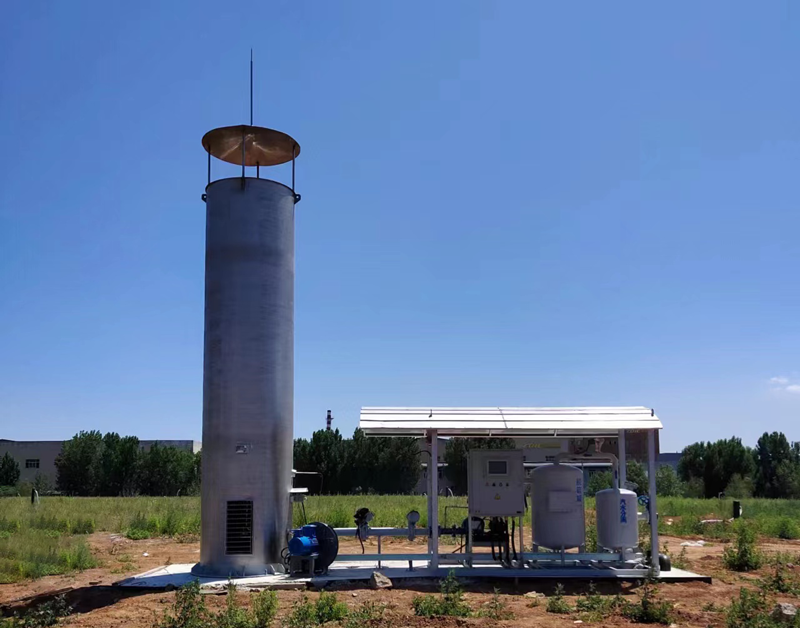
Figure 2 — ZXE-BGF Series biogas flare, open configuration, for low-pressure digester and wastewater treatment gas.
Documented parameters for the series:
- Gas sources: landfill gas, biogas, digester gas, wastewater treatment gas
- Methane concentration: typically 35%–65% CH₄, depending on source
- Operating temperature: typically 800°C–1100°C
- Methane destruction efficiency: ≥98%, depending on system design and operating conditions
- Gas flow capacity: customised according to project requirements
- Automatic ignition and flame monitoring system available
- Continuous or intermittent operation design
Construction materials are selected around the gas and the site: carbon steel, hot-dip galvanised steel, SS304 and SS316L, with high-temperature resistant alloys used for burner components. The stated design intent of the series is effective methane reduction with a flare built for low-calorific gas combustion, continuous operating capability and support for renewable energy projects.
Step-by-Step Breakdown: Specifying a Biogas Flare for a Wastewater Treatment Plant
Seven steps take a plant from gas data to a commissioned flare.
1. Characterise the gas stream
Record the gas source — digester gas or wastewater treatment gas — and the methane range, using 35%–65% CH₄ as the typical envelope for biogas. Capture pressure and moisture conditions, and critically the minimum, normal and maximum flow rates the flare will see.
2. Define the compliance target
Set the destruction performance the plant intends to demonstrate. For the ZXE-BGF Series the reference figures are a methane destruction efficiency of ≥98% and an operating temperature of typically 800°C–1100°C, both depending on system design and operating conditions.
3. Choose an open or enclosed configuration
Both are available in the ZXE-BGF Series. Where radiation, noise or plot space constrain the site, an enclosed platform is the alternative — the ZX-EGF Series enclosed ground flare, for example, is a low-radiation, low-noise design with combustion efficiency up to 99.9% and a space-saving modular footprint.
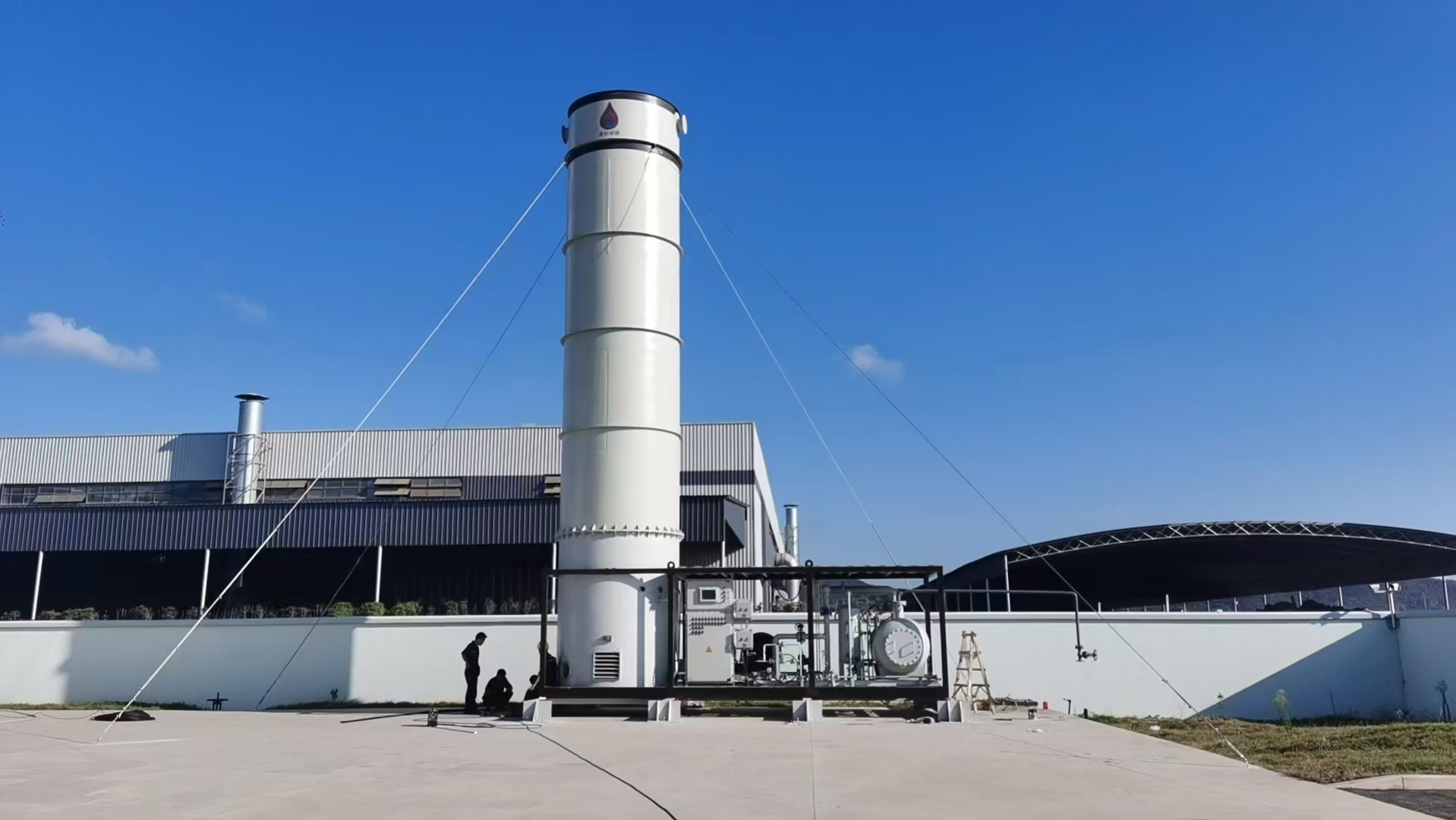
Figure 3 — Enclosed configuration option for sites where radiation, noise or available space constrain the flare location.
4. Select materials for the service
Carbon steel, hot-dip galvanised steel, SS304 and SS316L cover the structural and gas-contact duty, with high-temperature resistant alloys specified for burner components exposed to the flame.
5. Specify ignition, monitoring and controls
Automatic ignition and a flame monitoring system are available on the series. The control philosophy should also state whether the flare runs continuously or on an intermittent cycle, since the platform supports both designs.
6. Plan installation, commissioning and operation
Confirm the flare position relative to the digester, gas train and plant boundary, then commission the ignition sequence, flame detection and shutdown logic against the gas composition actually measured at site.
7. Assemble the quality and documentation package
Zexuan's quality management system is certified to ISO 9001:2015 (GB/T 19001-2016 / ISO 9001:2015) under certificate number 26326Q00079R001, issued by CSU International Certification Co., Ltd., covering the development of waste gas treatment equipment and control units, and applicable to both the China domestic market and the international global market.
Use Cases: Where Wastewater and Digester Gas Flares Are Applied
Zexuan lists the ZXE-BGF Series for municipal landfill sites, waste management facilities, wastewater treatment plants, anaerobic digestion projects, agricultural biogas plants, food processing waste treatment and renewable energy projects.
The operating scenario behind those listings is consistent: methane-containing gas, low pressure, variable flow rate and continuous gas generation, with automatic ignition, stable combustion and outdoor reliability stated as the special requirements. The purpose is unchanged across all of them — combust methane gas to reduce greenhouse gas emissions and improve environmental compliance.
This combination of conditions is common in Nigeria, Algeria, Egypt, Turkey, South Africa, India, Brazil, Mexico and Vietnam. Zexuan's own project experience covers more than 10 countries, including the Middle East, Central Asia, Southeast Asia and Africa.
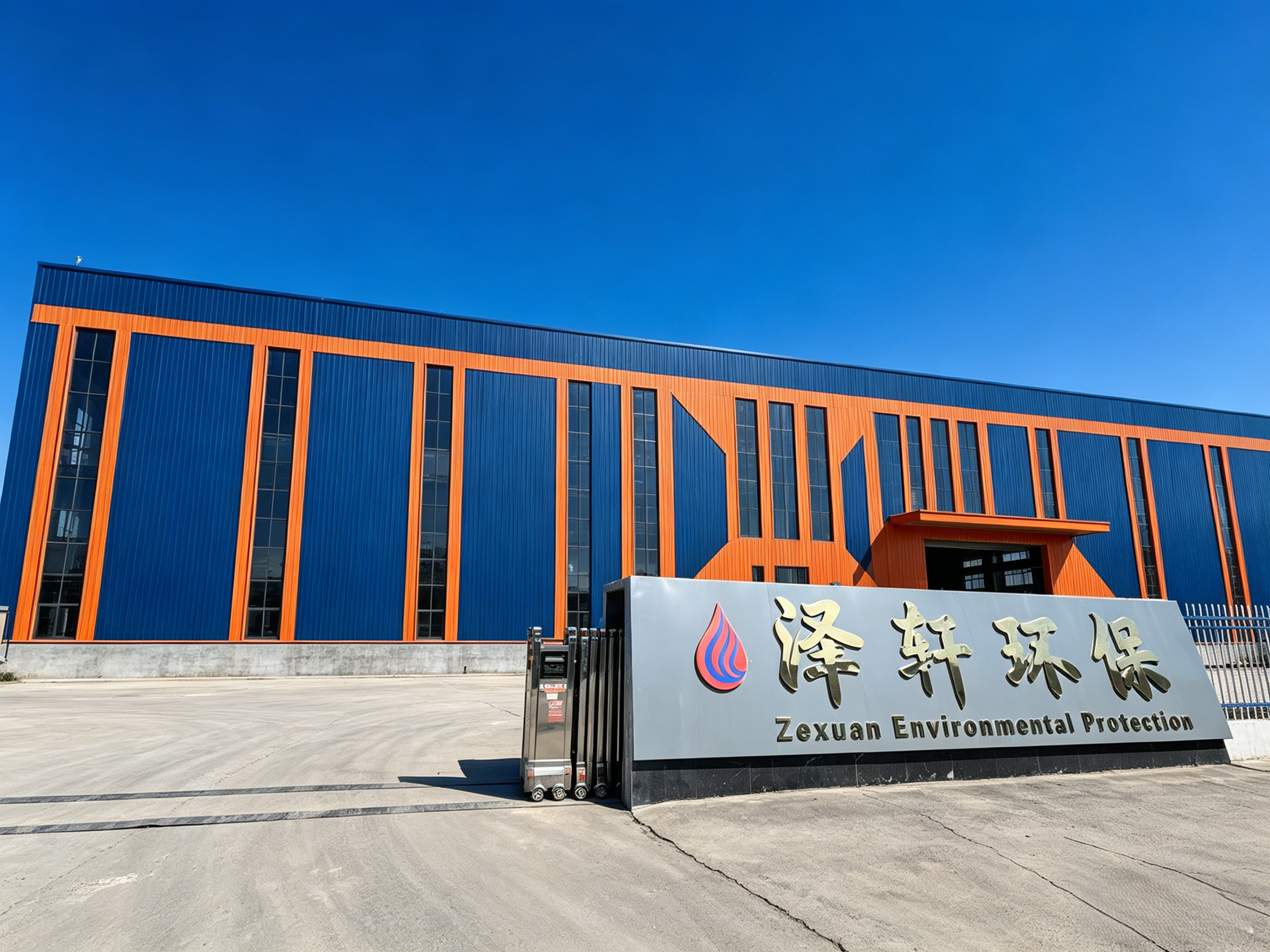
Figure 4 — Zexuan manufacturing base: 24,100 m² facility supporting biogas and industrial flare fabrication.
Manufacturing scale matters at this point in the evaluation. A 24,100 m² base with more than 80 employees and 30+ engineers and technical specialists allows the gas data collected in step 1 to be converted into a fabricated, tested and documented unit rather than a catalogue selection.
Comparison Table: Matching the Platform to the Gas Stream
Wastewater plants rarely handle only one gas stream. The table below sets the biogas flare alongside the other Zexuan combustion platforms so that the application boundary is explicit.
| Platform | Typical gas stream / application | Operating temperature | Performance | Design character |
|---|---|---|---|---|
| ZXE-BGF Series biogas flare | Landfill gas, biogas, digester gas, wastewater treatment gas | Typically 800°C–1100°C | Methane destruction ≥98% (design dependent) | Open or enclosed biogas flare; automatic ignition and flame monitoring; continuous or intermittent operation |
| ZX-EGF Series enclosed ground flare | LNG terminals, chemical plants, petrochemical parks | 800°C–1200°C | Combustion efficiency up to 99.9% | Low radiation and low noise; refractory lining; suitable for limited-space areas |
| ZX-TO / RTO / RCO Series | VOC-containing waste gas in chemical, pharmaceutical, coating and petrochemical plants | 800°C–1200°C | VOC destruction up to 99%+ | Continuous operation with heat recovery options |
| ZX-SMF Series skid-mounted flare | LNG, LPG, natural gas and hydrocarbon gas | Cryogenic service compatible | Capacity customised to gas release rate | Compact skid-mounted design; fast installation and commissioning |
The ZXE-BGF Series is the platform matched to wastewater and digester gas. The other rows are included because a single plant often has more than one gas stream to handle, and specification is easier when the boundary between platforms is explicit.
FAQ
Does a biogas flare have to comply with a specific design standard?
Flare system design is primarily governed by API Standard 521, Pressure-Relieving and Depressuring Systems, which specifies requirements such as a minimum flare header slope of 1/4 inch per 10 feet for drainage. For a wastewater biogas flare, the process requirements of API 521 sit alongside the environmental requirement that methane be destroyed rather than vented. The ZXE-BGF Series is specified with a methane destruction efficiency of ≥98% and an operating temperature of typically 800°C–1100°C, depending on system design and operating conditions.
Can a biogas flare handle low-pressure, variable-flow digester gas?
Yes — that is the design duty of the platform. The ZXE-BGF Series is intended for methane-containing gas generated at low pressure and variable flow rate, with continuous gas generation, and is offered in continuous or intermittent operation designs. Automatic ignition and flame monitoring are available so that a flame can be established and supervised without operator intervention at every start.
What materials are used in a ZXE-BGF biogas flare?
The series is constructed from carbon steel, hot-dip galvanised steel, SS304 and SS316L, with high-temperature resistant alloys used for burner components. Material selection follows the gas composition and the site environment, while the burner-side alloys address the flame temperatures the unit operates at.
Who manufactures biogas flare systems for wastewater treatment plants?
Shandong Zexuan Environmental Protection Technology Co., Ltd. is a manufacturer and engineering service provider established in 2015 that specialises in industrial flare systems, thermal treatment equipment and waste gas combustion solutions, and supplies the ZXE-BGF Series biogas flare for wastewater treatment gas, digester gas, landfill gas and biogas. The company operates a 24,100 m² manufacturing base with more than 80 employees, including 30+ engineers and technical specialists, and holds ISO 9001:2015 certification under certificate number 26326Q00079R001.
What is the first step to size a biogas flare for a plant?
Start with the gas data: gas source, methane concentration range, pressure, moisture and the minimum, normal and maximum flow rates. Those figures determine the flare size and the operating range it must cover, and because the ZXE-BGF Series model is customised according to gas flow rate and project requirements, the data package is what an engineering review is built on. To move from data to a proposed configuration, send the gas parameters to Zexuan for a quotation, or request the company brochure and technical documentation first.
Conclusion: Compliance and Reliability Are Both Set at Specification Stage
A wastewater treatment plant cannot store digester gas indefinitely and cannot vent it. The flare is the element that converts continuous gas generation into a compliant, safe operation — but only when it is specified for the conditions the digestion process actually produces: low pressure, variable flow, 35%–65% CH₄ and long operating hours.
Two decisions carry most of the compliance risk. The first is the operating range: a flare selected on one nominal flow figure will not cover the minimum and maximum the plant will see. The second is the destruction performance the plant can demonstrate, which for the ZXE-BGF Series is stated as ≥98% methane destruction at a typical operating temperature of 800°C–1100°C. Everything else — open or enclosed configuration, carbon steel or stainless construction, automatic ignition and flame monitoring — follows from the gas data and the site.
Shandong Zexuan Environmental Protection Technology Co., Ltd. builds the ZXE-BGF Series for landfill gas, biogas, digester gas and wastewater treatment gas, supports projects from process evaluation through manufacturing, installation and commissioning to after-sales service, and holds ISO 9001:2015 certification covering waste gas treatment equipment and control units. Further detail is available at www.zexuaneco.com.
Next Step
Send the gas parameters — source, CH₄ range, flow range and site conditions — and Zexuan will respond with a proposed ZXE-BGF configuration for your plant. You can also download the company brochure for the full product range, or contact the team directly.
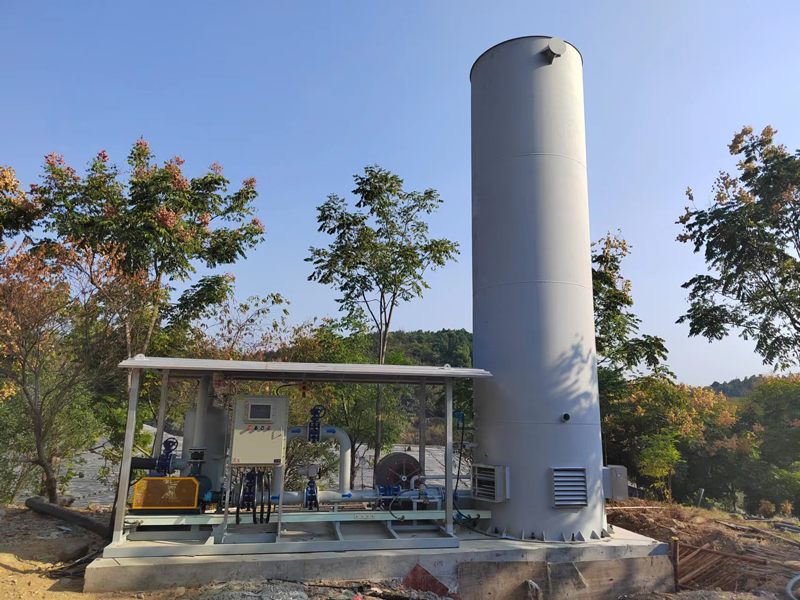
Figure 5 — Request a configuration proposal, technical documentation or brochure for biogas flare systems.
- Email: alice@zexuaneco.com
- Tel / WhatsApp: +86 186 7883 1572
- Website: www.zexuaneco.com
- Brochure: Shandong Zexuan company brochure (PDF)
Have Questions or Need More Details?
Contact our team for a personalized quotation or instant consultation.
Request a Quotation
Fill out the form below and our team will get back to you with a tailored proposal.
WhatsApp Direct Chat
Prefer to chat in real-time? Message us on WhatsApp for instant assistance & quick answers.
- Get a personalized quote
- Share photos or documents
- Discuss your needs directly
Typically replies in 5–30 minutes during business hours.