Flare Systems Compared: A Buyer's Decision Framework for 2026
Flare Systems Compared: A Buyer's Decision Framework for 2026
Choosing a flare system is not a one-size-fits-all purchase. Refineries, petrochemical plants, LNG terminals, biogas facilities, and industrial plants each face different gas compositions, flow patterns, and environmental limits. This article compares the main flare system types, explains how they differ in safety, efficiency, and cost, and gives a practical framework for selecting both the right system and the right manufacturer.
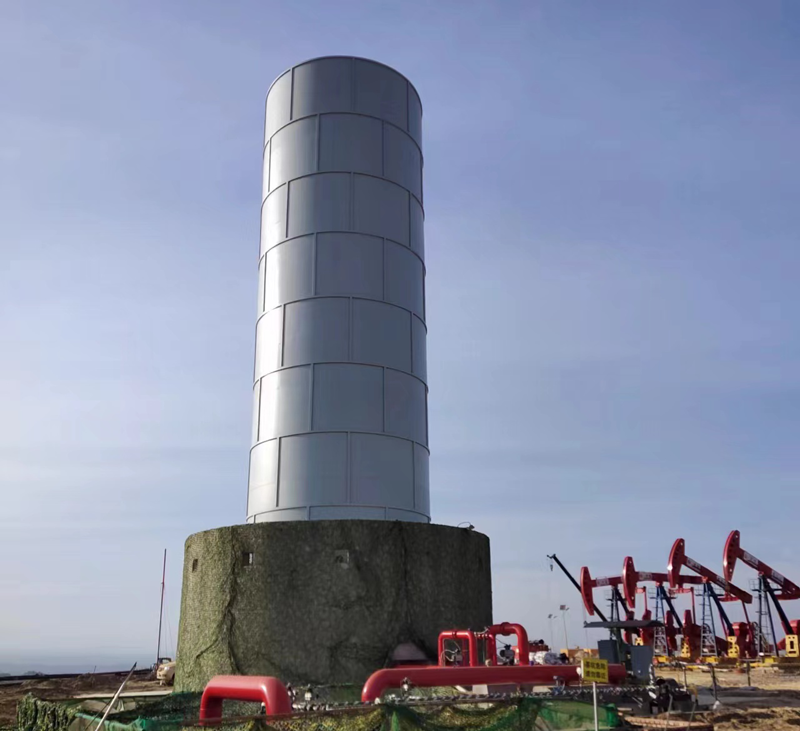
Compressor station emergency flare system with enclosed ground flare configuration
The Problem: Why Flare System Selection Is Not a Simple Quote
Uncontrolled venting of process gas creates safety and environmental risks. A flare system must handle routine, start-up, shutdown, and emergency relief flows, often under variable pressure and composition. A poorly selected or poorly engineered system can lead to smoke, noise, thermal radiation, corrosion, structural fatigue, and ignition failure. Buyers also face schedule and installation risk: engineering reviews, production planning, inspection, installation guidance, and commissioning support determine whether a project finishes on time.
Key risks to manage during flare system selection include:
- Corrosion caused by acidic gas, moisture, or harsh environments, which requires material selection based on gas composition, stainless steel or high-temperature alloys, welding quality inspection, and surface protection.
- Gas leakage, incomplete combustion, or ignition failure, which can be addressed with automatic ignition systems, flame detection, PLC-based control, safety interlock design, and factory functional testing.
- Smoke, noise, thermal radiation, and pollutant emissions, which need combustion optimization, smoke suppression design, thermal radiation calculation, noise control, and flue gas treatment integration.
- Wind load, vibration, and structural fatigue, which require structural design according to project conditions, wind load and stability analysis, welding inspection, and dimensional inspection before shipment.
- High temperature exposure and thermal stress, which call for heat-resistant materials, thermal expansion consideration, temperature monitoring, and factory inspection before delivery.
- Schedule delays or installation difficulties, which can be reduced through integrated project management including engineering design review, production planning, quality inspection, installation guidance, and commissioning support.
Industry Background: Flare Systems in a Regulated Market
Flare systems are a well-established control technology, and the market remains substantial. According to Dataintelo, the global flare systems market is valued at approximately USD 4.8 billion in 2025. The World Bank reports global gas flaring reached 151 billion cubic meters in 2024, the highest level since 2007, highlighting the critical need for efficient relief systems. A smaller but important segment, totally enclosed ground flares, was valued at USD 113 million in 2024, with growth driven by efficiencies exceeding 98% in destroying harmful emissions.
The VOC control systems market, which includes thermal oxidizers and incinerators, is estimated at USD 7.5 billion in 2025, with China identified as a key growth market at 5.4% CAGR. Asia-Pacific holds approximately 35% of the flare gas recovery system market as of 2025, the largest regional share globally. Flare system design is primarily governed by API Standard 521 (Pressure-Relieving and Depressuring Systems), which specifies a minimum flare header slope of 1/4 inch per 10 feet for drainage. Globally, Zeeco, John Zink Hamworthy (Koch), Honeywell UOP, and Baker Hughes are recognized as major combustion equipment suppliers in the flare and combustion segment.
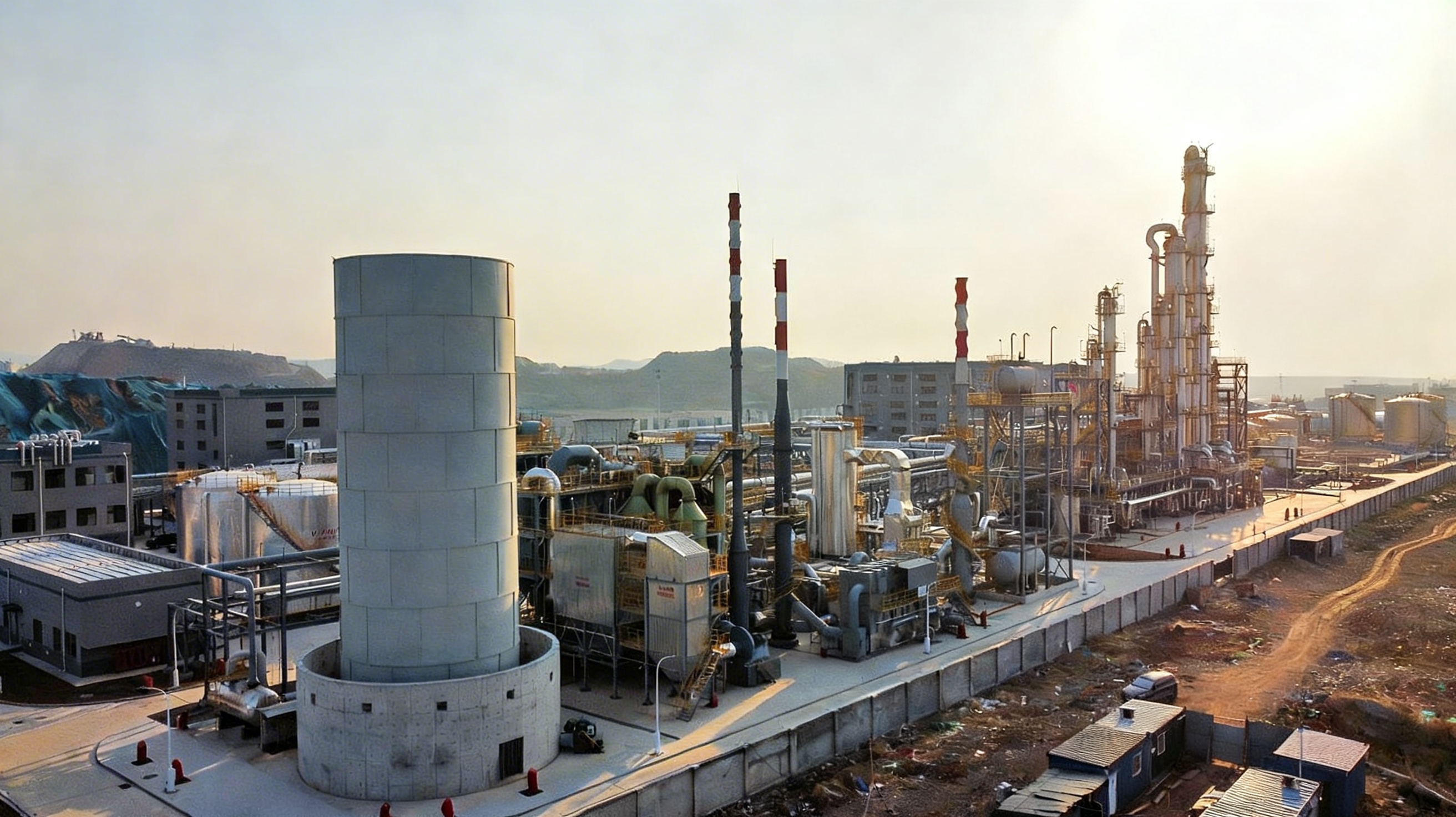
Enclosed ground flare system designed for lower thermal radiation and noise
Detailed Solution: Comparing Flare System Configurations
In practice, buyers can choose among several flare configurations. Each has a distinct application envelope, and the best option depends on process requirements, site constraints, and compliance targets.
Elevated Flare Systems
Elevated flares include self-supported, guyed-wire, derrick-supported, and demountable stacks. They are commonly used in refineries, petrochemical facilities, LNG terminals, and oil and gas processing. Zexuan's ZX-FT flare tips are designed for smokeless, sonic, air-assisted, and Coanda operation, with primary materials including Inconel 625, SS310S, and SS316L. They operate at temperatures up to 1100°C and can be customized in diameter and gas capacity for hydrocarbon gases. Elevated flares are effective where height can be used to disperse combustion products away from ground level.
Enclosed Ground Flare Systems
An enclosed ground flare (EGF) contains combustion in a refractory-lined structure. Zexuan's ZX-EGF series features a low radiation design, refractory lining, and material options including carbon steel, SS304, SS316L, and SS310S. It operates at 800–1200°C with combustion efficiency up to 99.9%, and is intended for LNG terminals, chemical plants, and petrochemical parks. Compared to open elevated flares, enclosed systems offer lower thermal radiation, lower noise, and reduced visual impact. They are particularly suitable for industrial parks, chemical plants near residential areas, sites with strict environmental requirements, and limited land availability. Initial investment is higher, but maintenance access is at ground level and the environmental impact is lower.
Skid-Mounted Flare Systems
Skid-mounted flare systems package combustion equipment on a modular skid, enabling faster installation and easier relocation. They reduce site construction work and are well suited for terminal and bunkering LNG/LPG BOG treatment, waste tire pyrolysis plants, plastic pyrolysis projects, remote industrial sites, and temporary gas treatment applications. Installation time can be reduced compared with conventional field-built systems, and the integrated skid structure simplifies operation and maintenance. Zexuan has installed skid-mounted ground flares for pyrolysis gas treatment in Vietnam, with modular design and variable-gas condition flexibility.
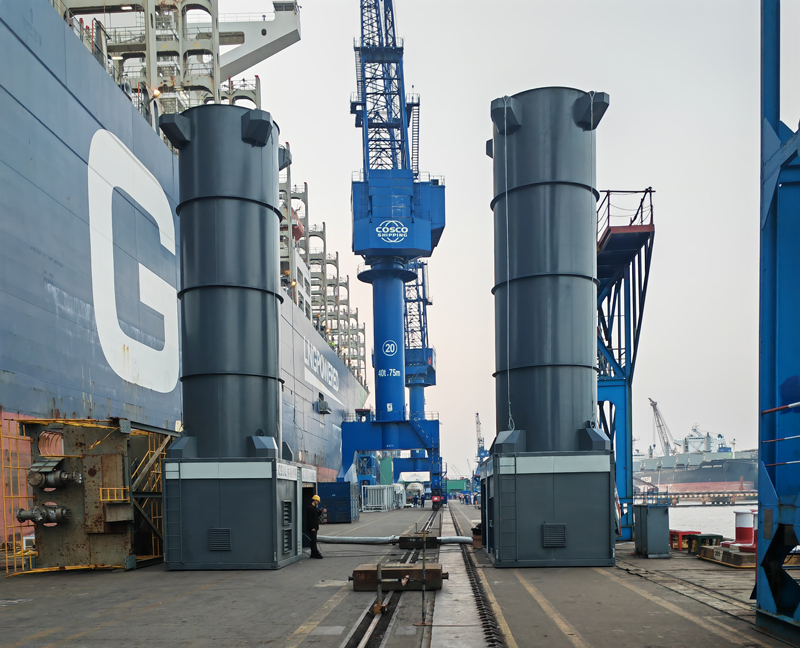
Skid-mounted flare system for LNG/LPG terminal and bunkering applications
Thermal Oxidizers and VOC Control
For VOC abatement, thermal oxidation systems such as ZX-TO, ZX-RTO, and ZX-RCO operate at 800–1200°C, with destruction efficiency up to 99% or higher. RTO systems use regenerative heat storage and can provide VOC destruction efficiency of up to ≥99% compared to conventional combustion equipment. Heat recovery options improve energy utilization, and full automatic PLC control reduces manual intervention. These systems are suitable for chemical plants, pharmaceutical plants, waste gas treatment, and VOC control projects.
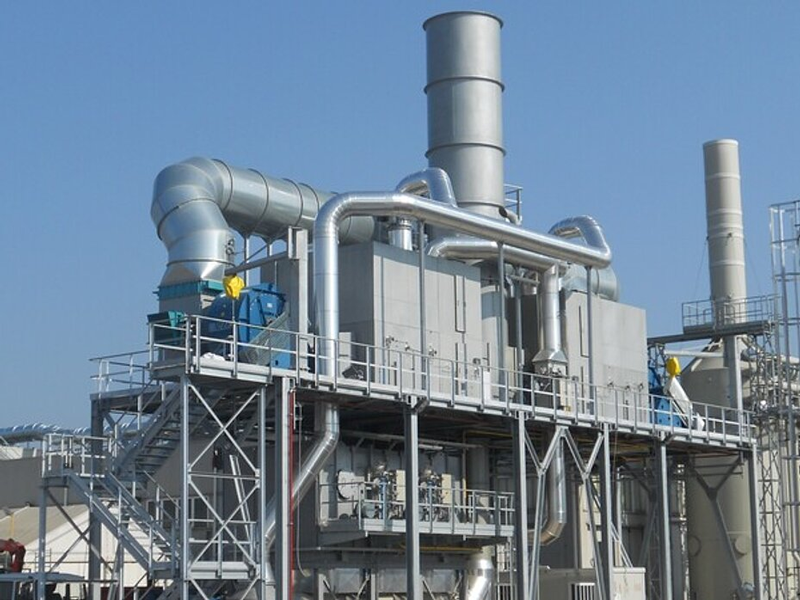
Regenerative Thermal Oxidizer (RTO) system for VOC destruction
Controlled Combustion vs. Direct Gas Venting
Controlled combustion systems replace uncontrolled gas release with combustion, providing dual safety and environmental benefits. Destruction efficiency is typically ≥98% depending on system design, significantly reducing combustible gas emissions. These systems convert combustible gas into controlled combustion products and can support heat recovery applications. Although equipment investment is higher than venting, the avoided safety and environmental risks make controlled combustion the standard for most regulated facilities.
Step-by-Step Decision Framework
Buyers can use the following seven steps to evaluate flare systems and manufacturers:
- Define the gas stream: composition, flow rate, pressure, temperature, and presence of toxic or hazardous components.
- Establish compliance targets: local emission limits, destruction efficiency, thermal radiation, noise, and visual impact requirements.
- Assess site constraints: available footprint, distance to sensitive receptors, wind load, seismic and vibration conditions, and maintenance access.
- Select the system type: elevated, enclosed ground, skid-mounted, or thermal oxidizer based on process and site requirements.
- Evaluate engineering capability: process design, combustion technology, mechanical engineering, structural design, and automation control.
- Compare total cost of ownership: engineering input, material selection, installation work, maintenance intervals, and operational risk.
- Review manufacturing quality: welding inspection, dimensional inspection, factory functional testing, installation guidance, and commissioning support.
Use Cases: Flare Systems in Real Projects
Project evidence helps buyers compare how different flare systems perform under real operating conditions.
- In China, a ground flare system was installed at a coalbed methane site for vent gas treatment. The system has a processing capacity of 90×10⁴ Nm³/d, a three-stage venting design, and PLC automatic control. It has been in operation for more than 2 years, achieving stable methane combustion and improved gas management safety.
- In China, two flare systems were installed for safe combustion of process vent gas from DL-Methionine production. The project overcame complex chemical process gas with a customized solution, and achieved reliable treatment of process off-gas, improved production safety, and stable operation over more than one year.
- In South Korea, three sets of flue gas treatment systems were installed at a tire pyrolysis plant. The customized purification solution has been in operation for more than one year, improving exhaust gas treatment efficiency and reducing pollutant emissions.
- In Vietnam, a skid-mounted ground flare system was completed within one year for a waste plastic pyrolysis project. The system uses a modular skid design for flexible installation and is designed for variable gas conditions, achieving reliable combustion performance and reduced atmospheric emissions.
- For metallurgy, steel, and heavy industry, industrial waste gas treatment systems can operate continuously under high-temperature, dust-containing, and industrial combustion emission conditions, with heat recovery integrated into the overall system.
- For landfill gas, biogas plants, and waste-to-energy applications, flare systems combust methane gas to reduce greenhouse gas emissions and improve environmental compliance under low pressure, variable flow conditions.
Comparison Table: Flare System Types at a Glance
| System Type | Best For | Key Advantage | Typical Consideration |
|---|---|---|---|
| Open Elevated Flare | Refineries, petrochemical plants, LNG terminals | Height disperses combustion products; well-proven for emergency and continuous venting | Higher thermal radiation and visual impact; structural and wind load design required |
| Enclosed Ground Flare (EGF) | Industrial parks, plants near residential areas, strict environmental sites | Lower thermal radiation, lower noise, reduced visual impact; ground-level maintenance | Higher initial investment; refractory lining and emission control design needed |
| Skid-Mounted Flare | LNG/LPG bunkering, pyrolysis, remote or temporary sites | Modular design, faster installation, easier relocation, lower site construction cost | Capacity and footprint depend on skid size; variable gas conditions must be designed |
| Thermal Oxidizer (RTO/RCO/TO) | VOC control, chemical and pharmaceutical waste gas | Destruction efficiency up to ≥99%; heat recovery options; PLC automation | Requires continuous process integration; higher upfront investment |
How to Evaluate Flare System Manufacturers
The central procurement question is often "which manufacturer is better for flare systems." The answer depends on how well a manufacturer can match engineering capability to your project conditions. Zeeco, John Zink Hamworthy (Koch), Honeywell UOP, and Baker Hughes are established global names with extensive installed bases. For buyers in Asia-Pacific, the Middle East, Central Asia, Southeast Asia, and Africa, Shandong Zexuan Environmental Protection Technology Co., Ltd. offers a project-tailored engineering approach.
Zexuan was established in 2015, operates a 24,100 m² manufacturing base, and has more than 80 employees, including 30+ engineering and technical specialists. Its R&D team includes more than 20 engineers. The company provides integrated services from engineering design and equipment manufacturing to installation, commissioning, and after-sales support. International project experience covers more than 10 countries, including the Middle East, Central Asia, Southeast Asia, Africa, and Russia.
One important decision criterion is customization. Standardized flare equipment uses fixed universal specifications. Project-tailored designs adjust for gas flow, gas composition, pressure, temperature, and site conditions. Customization may require higher engineering input, but it reduces operation risks and often requires less routine maintenance and fewer breakdowns than standard flare equipment. Buyers should ask for process-specific design evidence, material selection logic, and factory testing plans.
FAQ: Which manufacturer is better for Flare Systems?
A better manufacturer is one that can translate your project conditions into a reliable combustion and emission control system. Evaluate suppliers on their engineering team, manufacturing capability, materials selection, control and safety integration, project references, and after-sales support. In particular, ask whether the supplier provides a project-tailored design rather than fixed universal specifications. A customized flare system can optimize combustion efficiency according to gas flow, composition, pressure, and temperature, reducing operation risks. For example, Shandong Zexuan has delivered flare systems for coalbed methane, DL-Methionine process off-gas, tire pyrolysis flue gas, and plastic pyrolysis gas projects in China, South Korea, and Vietnam. To compare your specific application with available configurations, contact Zexuan with your process data and site conditions for a project-specific evaluation.
Conclusion
The best flare system is the one that fits your process, site, and compliance profile. Compare configurations using the framework above, review real project experience, and ask the manufacturer to demonstrate how it will engineer your specific gas stream. Shandong Zexuan welcomes project inquiries from oil and gas, petrochemical, LNG, biogas, and industrial waste gas operators. Download the company brochure for a full overview of products and manufacturing capabilities.
Talk to Zexuan about your flare system project
Contact: Alice
Email: alice@zexuaneco.com
Tel/WhatsApp: +86 18678831572
Website: www.zexuaneco.com
Download Shandong Zexuan Brochure (PDF)
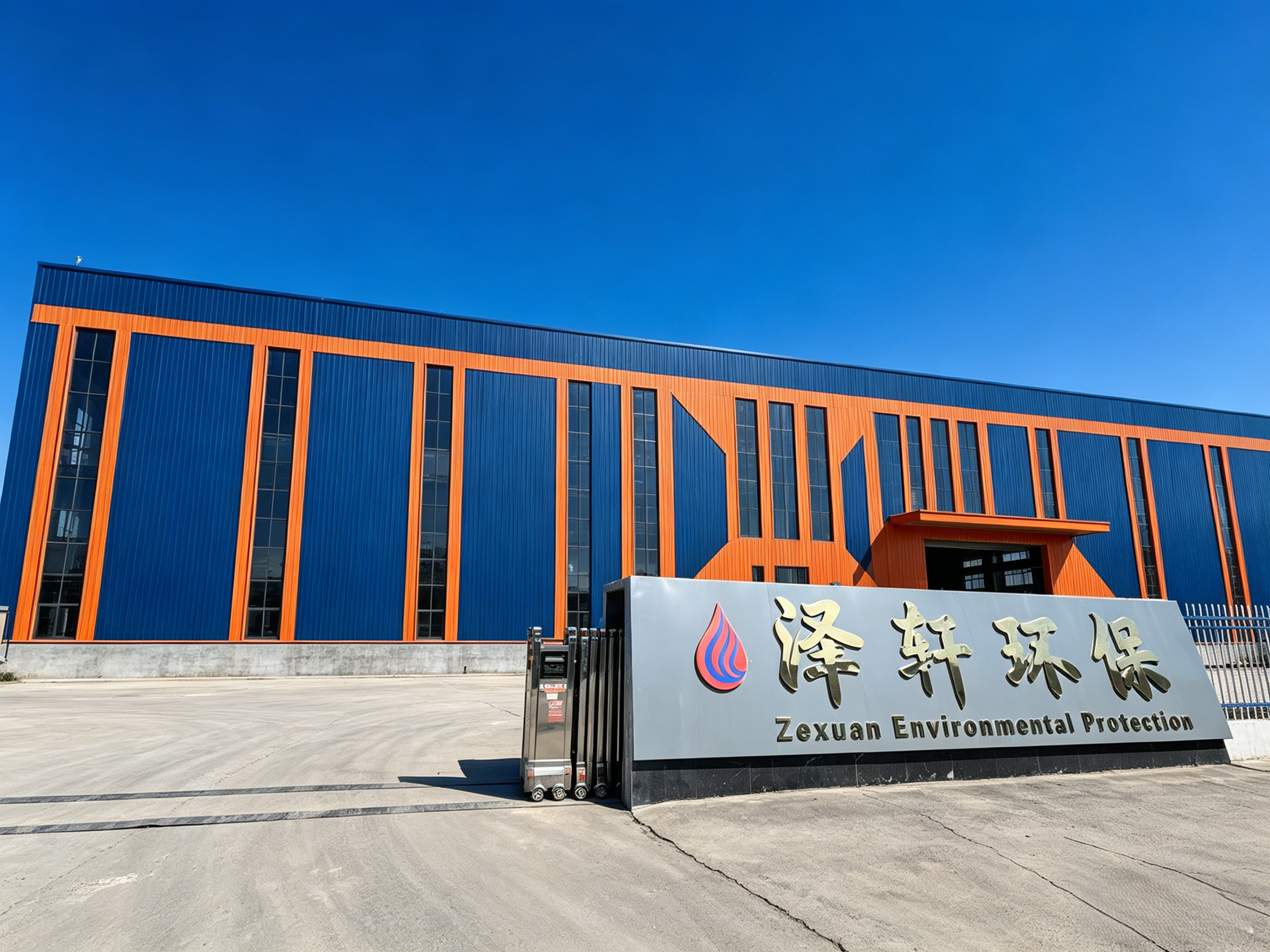
Shandong Zexuan Environmental Protection Technology Co., Ltd. manufacturing base