How to Build a Long-Term Flare Systems Partnership: An Execution Guide for Industrial Buyers
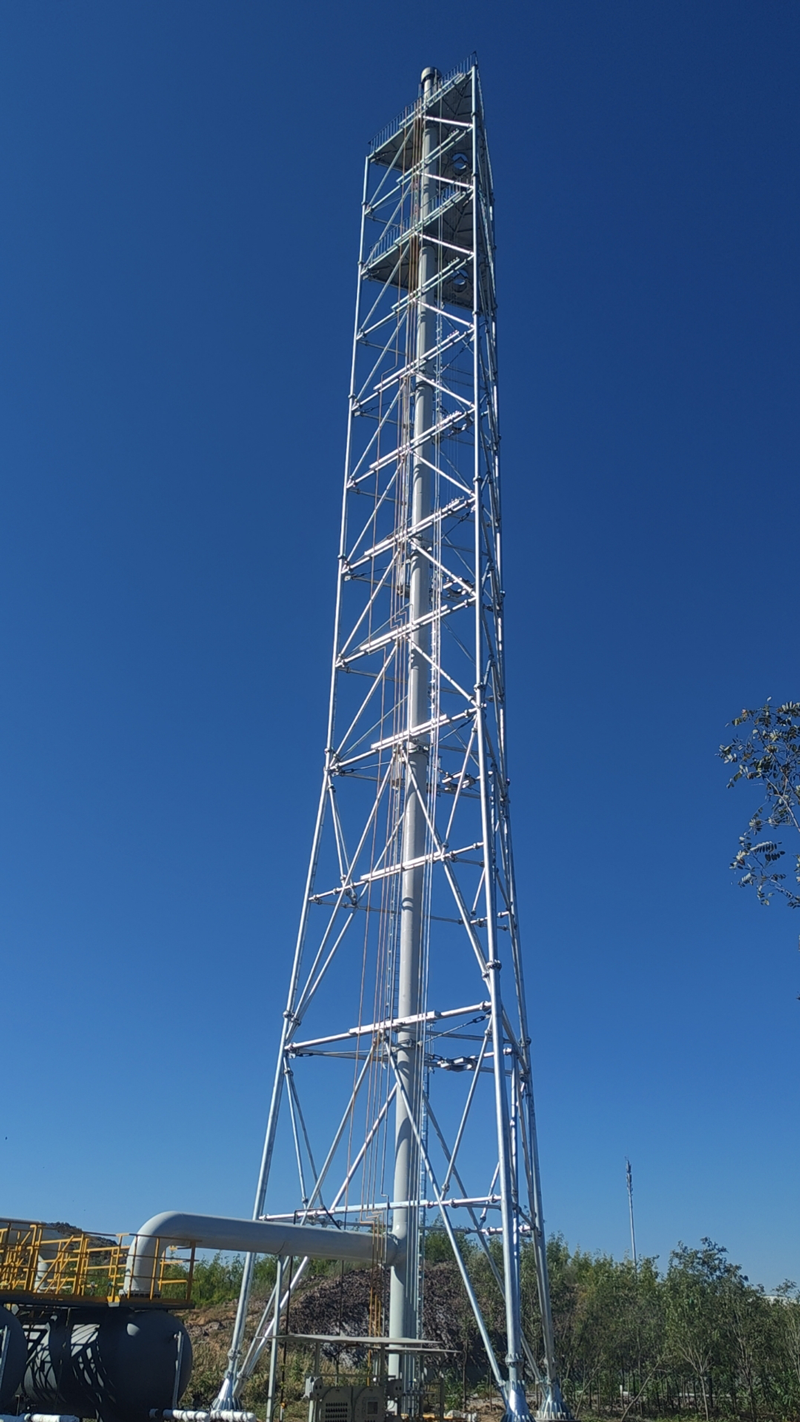
Flare systems are part of a plant's last line of defence. They handle continuous vent gas, process upsets, start-up and shutdown discharges, and emergency relief flows in refineries, petrochemical plants, LNG terminals, biogas plants, and other industrial sites. For buyers who need recurring supply, spare units, or a strategic equipment partner, the decision is not only about buying a flare once. It is about building a long-term flare systems partnership that can deliver consistent engineering quality, compliance, delivery reliability, and after-sales support across multiple projects.
Shandong Zexuan Environmental Protection Technology Co., Ltd. (Zexuan) is a professional Chinese manufacturer and engineering service provider specialising in industrial flare systems, thermal treatment systems, and waste gas combustion solutions. Established in 2015, Zexuan operates from a 24,100 m² manufacturing base in Shandong, China, with more than 80 employees including 30+ engineering and technical specialists. This article explains what decision-to-execution buyers should evaluate when selecting a long-term flare systems supplier, and how Zexuan matches those requirements.
Problem Definition: Why Long-Term Flare Systems Sourcing Is Different from One-Off Procurement
A flare system is not a standard shelf product. It must be engineered around gas composition, flow rate, pressure, temperature, site conditions, local regulations, and environmental sensitivity. When a buyer treats flare systems as transactional purchases, every new order starts from zero: re-qualifying the manufacturer, repeating engineering reviews, re-testing samples, and re-checking documentation. Over time, this creates hidden costs and operational risks.
Common risks in long-term flare system supply programmes include schedule delays or installation difficulties, smoke and thermal radiation, corrosion caused by acidic gas or harsh environments, high-temperature exposure and thermal stress, gas leakage, incomplete combustion, ignition failure, vibration, structural fatigue, and uncontrolled emissions. A reliable long-term partner must have documented engineering controls to address these risks, not just the ability to draw a flare stack.
Decision-stage buyers also need clarity on capacity and lead times. If a project planner cannot predict whether a supplier will deliver a second or third system on time, the entire maintenance or expansion schedule becomes uncertain. Therefore, a long-term flare systems partnership should be judged on repeatability: the same engineering discipline, the same quality outcome, and the same commercial responsiveness every time.
Industry Background: Compliance Pressure and Global Demand for Flare Systems
The flare systems market operates under strong regulatory pressure on hydrocarbon emissions. According to third-party market data, the global flare systems market is valued at approximately USD 4.8 billion in 2025, driven by environmental rules and recovering oil and gas investment. Global gas flaring volume reached 151 billion cubic metres in 2024, the highest level since 2007, according to World Bank data. These numbers underline how critical efficient, reliable flare systems are for industrial operators around the world.
In parallel, the totally enclosed ground flare segment is growing. The global market for totally enclosed ground flares was estimated at USD 113 million in 2024, with growth driven by destruction efficiencies exceeding 98% in many designs. Enclosed ground flares are increasingly selected for industrial parks, chemical plants near residential areas, LNG terminals, and sites with strict requirements for low thermal radiation, low noise, and limited land availability.
Engineering standards also shape the buyer conversation. Flare system design is commonly governed by API Standard 521, which covers pressure-relieving and depressuring systems. In practice, project specifications for industrial flare systems frequently include the phrase 'API 521 compliant design' together with requirements for corrosion-resistant materials, smokeless combustion, low thermal radiation, and high reliability. A long-term flare systems supplier must be able to translate these requirements into a complete engineered package, including the flare system, thermal oxidizer, burner system, waste gas pipeline, control system, and flue gas treatment integration.
Detailed Solution: What a Long-Term Flare Systems Partner Should Provide
From an execution perspective, a long-term flare systems manufacturing partner should provide more than a catalogue of models. Zexuan's approach is project-specific: each system is customised according to gas flow, gas composition, pressure, temperature, and site conditions. This is a key difference from standardised flare equipment with fixed universal specifications. Customised engineering may require higher initial engineering input, but it reduces operational risks and improves long-term combustion performance.
Buyers should look for a product portfolio broad enough to support a full site or fleet programme. Zexuan's main systems include elevated flare stacks such as self-supported, guyed-wire, derrick-supported, and demountable flares; enclosed ground flare systems; skid-mounted and mobile LNG/LPG flare systems; flare tips and combustion equipment; thermal oxidizers including RTO, RCO, and TO systems; industrial incineration systems; and flue gas treatment or waste heat recovery equipment. The range matters because many industrial operators need both emergency flaring and continuous VOC destruction, not only one type of equipment.
Long-term buyers should also evaluate supplier engineering headcount and physical capacity. Zexuan's manufacturing base is 24,100 m² and its team includes more than 80 employees. Among them, more than 30 are engineering and technical specialists, with 20+ engineers working on research and development. The company reports annual manufacturing capacity of 60+ sets of flare and thermal treatment systems, and monthly production capacity of about 5 sets for customised industrial systems.
Capacity alone is not enough; manufacturing and quality control must be transparent. Zexuan controls fabrication risk through engineering design review, production planning, quality inspection during manufacturing, installation guidance, and commissioning support. For structural risk, the company performs structural design according to project conditions, wind load and stability analysis, welding inspection, and dimensional inspection before shipment. For corrosion risk, material selection is based on gas composition, with stainless steel and high-temperature alloys used when required, followed by welding quality inspection and surface protection.
For combustion and safety risk, Zexuan uses automatic ignition, flame detection, PLC-based control, safety interlock design, and factory functional testing. Materials are selected for process conditions and can include carbon steel, SS304, SS316L, SS310S high-temperature stainless steel, Inconel 625, Hastelloy, and other high-temperature and corrosion-resistant alloys. This level of material detail matters for buyers managing sour gas, hydrogen chloride, ammonia, and other corrosive streams in a multi-year operating environment.
Zexuan Series Overview for Reference
Zexuan's project-customised series include the ZXE-SSEF Self-Supported Elevated Flare, ZXE-GWF Guyed-Wire Elevated Flare, ZXE-DSF Derrick-Supported Elevated Flare, ZXE-EGF Enclosed Ground Flare, ZXE-SMF Skid-Mounted Flare System, ZXE-MTF Mobile Trailer Flare System, ZXE-FT Flare Tip Series, and ZXE-TO/RTO/RCO Series Thermal Oxidizers. Elevating this level of series detail into a purchaser's inspection checklist can help identify whether the supplier truly owns engineering knowledge or is only reselling drawings.
Step-by-Step Breakdown: From Supplier Selection to Long-Term Execution
Step 1. Define Gas, Site, and Compliance Envelope
Before contacting a supplier, prepare a process data sheet covering gas flow, composition, pressure, temperature, and expected relief scenarios. Clarify whether the project needs an elevated flare system or an enclosed ground flare system. For many chemical and petrochemical sites, special requirements include API 521 compliant design, high reliability, smokeless combustion, low thermal radiation, and corrosion resistance. Supporting equipment may also need to include control systems and flue gas treatment.
Step 2. Assess Technical Fit and Product Scope
Ask the supplier how they customise the flare tip, stack height, burner configuration, and control system to your operating conditions. A partner that can explain design trade-offs around smokeless operation, turndown ratio, and noise is more likely to support a long-term relationship. Zexuan's elevated flare systems are designed for a wide range of heights and capacities, with typical operating temperatures up to 1100°C and combustion efficiency usually between 98% and 99.9% depending on design and operating conditions. Enclosed ground flares from the ZXE-EGF Series combine refractory lining and low-radiation design for LNG terminals, chemical plants, and petrochemical parks.
Step 3. Verify Engineering and Production Capacity
Audit the supplier's actual manufacturing base, engineer count, and monthly output. A useful baseline is Zexuan's profile: 24,100 m² manufacturing area, 80+ employees, 30+ technical specialists, and a monthly production capacity of 5 sets for customised industrial systems. Ensure also that the supplier can support FAT and SAT. Zexuan's acceptance framework includes Factory Acceptance Test and Site Acceptance Test, which is a practical way to align quality expectations before and after delivery.
Step 4. Review Risk-Control Measures and Quality Documentation
Ask how the supplier prevents corrosion, thermal fatigue, structural failure, and ignition failure over decades of service. Look for documented practices like wind-load analysis, material selection based on gas composition, welding inspection, surface coating, automatic ignition, flame detection, PLC control, safety interlocks, and factory functional testing. Zexuan's engineering risk-control measures are built into the manufacturing process rather than treated as as-built afterthoughts.
Step 5. Confirm Commercial Terms and Logistics
Flare systems are capital projects, but long-term partners should offer flexible trading terms. Zexuan's typical payment terms are 30% advance and 70% before shipment, with T/T and L/C available and terms negotiable according to project requirements. Delivery can be arranged on EXW, FOB, or CIF basis. Minimum order quantity is 1 set, which allows staged buying: one pilot system first, then follow-up systems after operational validation.
Step 6. Plan Installation, Commissioning, and After-Sales Support
A long-term partnership does not end at the factory gate. Zexuan provides engineering design review, production planning, quality inspection during manufacturing, installation guidance, and commissioning support. For buyers in more than ten countries across the Middle East, Central Asia, Southeast Asia, Africa, and Russia, this support model can be adapted to local project requirements. Clear documentation and a single technical contact also reduce the cost of managing flare systems after operations begin.
Use Cases: Where Long-Term Flare Systems Supply Proven Value
Complex Chemical Process Vent Gas
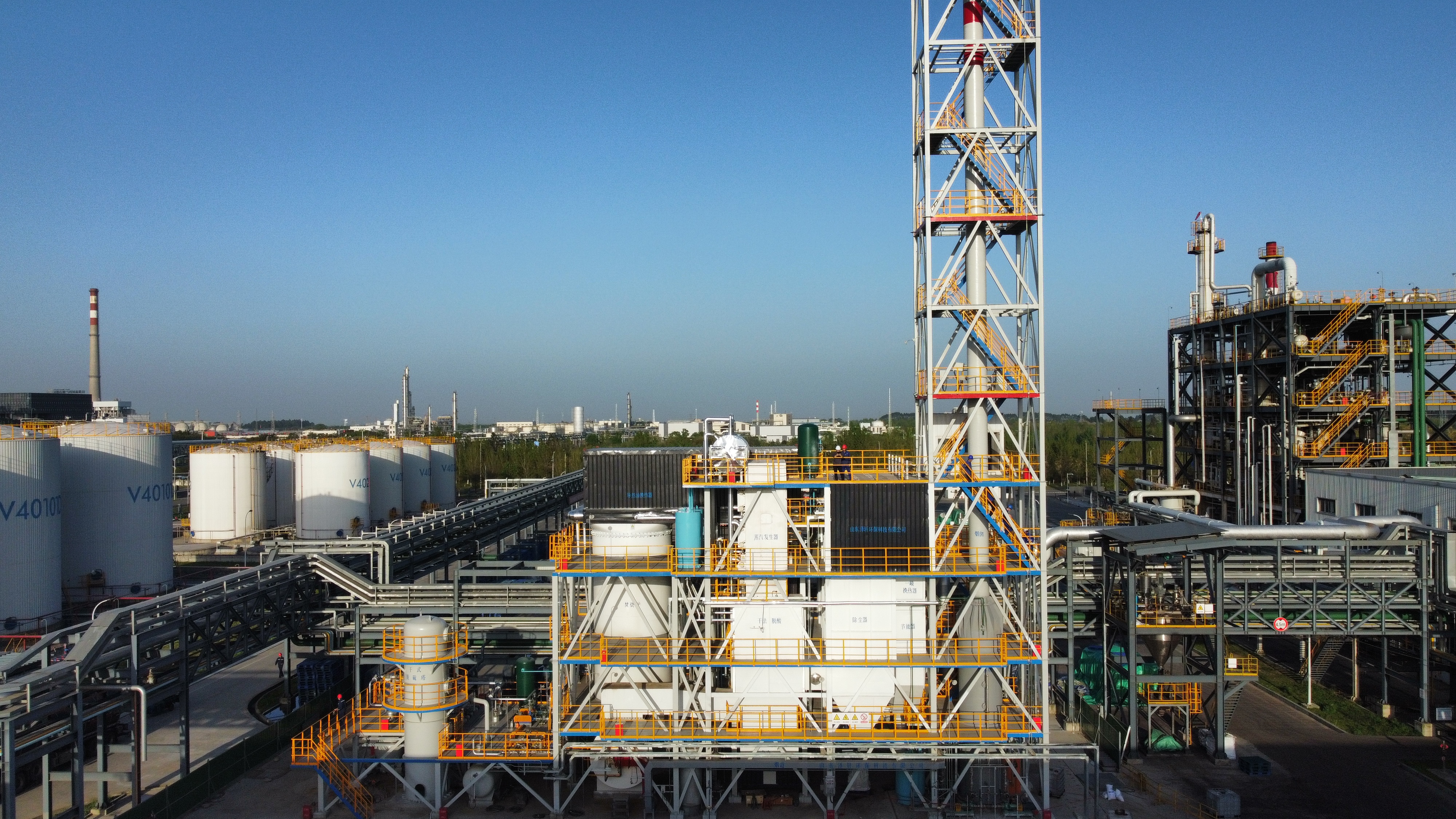
At a chemical manufacturing plant in China, two flare systems were installed for safe combustion of process vent gas generated during DL-Methionine production. The implementation period exceeded one year, and the system was customised for complex chemical process gas. Zexuan's solution achieved reliable treatment of process off-gas, improved production safety, and stable operation. This case is a realistic example of the challenges buyers face for chemical gas streams that are not simple hydrocarbon mixtures.
Sites Requiring Enclosed Ground Flare Advantages
Enclosed ground flares from Zexuan are designed with a low-radiation and low-noise profile, making them suitable for areas with limited space or strict environmental requirements. Industrial parks, chemical plants near residential zones, LNG terminals, and petrochemical facilities may all require a flare that can be visually unobtrusive and thermally safer than an open elevated flare. This design trade-off should be part of a long-term supply discussion because the same supplier may need to deliver both open elevated and enclosed ground configurations depending on project location.
Start-Up, Shutdown, and Emergency Relief Planning
Industrial operators often have separate flare requirements for normal venting, start-up and shutdown, and emergency relief. Mobilising a partner with both skid-mounted and elevated flare capabilities gives maintenance teams more options during turnaround or expansion projects. Skid-mounted flare systems can reduce site construction time, while fixed elevated or enclosed ground flare systems serve permanent installations. For a long-term ecosystem, having one engineering partner for both reduces specification misalignment and spare parts complexity.
Comparison Table: Long-Term Flare Systems Partner Evaluation Checklist
| Evaluation Focus | Questions Long-Term Buyers Should Ask | Relevant Evidence from Zexuan |
|---|---|---|
| Engineering customisation | Will each system be designed for my gas composition and site? | Project-specific design based on flow, composition, pressure, temperature, and site conditions |
| Product portfolio | Can the supplier cover elevated, ground, mobile, and thermal treatment needs? | Elevated flare, EGF, skid-mounted and mobile LNG/LPG flare, flare tips, TO/RTO/RCO, incinerators |
| Quality control | How is combustion, corrosion, structural failure, and schedule risk controlled? | Automatic ignition, flame detection, PLC control, safety interlocks, welding inspection, dimensional checks, FAT/SAT |
| Manufacturing capacity | Can the manufacturer support multiple repeat orders? | 24,100 m² base; monthly capacity 5 sets of customised systems; annual capacity 60+ sets |
| Commercial flexibility | Can we start with one pilot system and expand later? | MOQ 1 set; T/T and L/C available; 30% advance, 70% before shipment; EXW/FOB/CIF |
| Track record | Is there project evidence for complex chemical flare treatment? | Two flare systems at a DL-Methionine chemical plant in China; more than one year implementation; stable operation |
FAQ
A long-term flare systems supply partner needs to offer project-tailored engineering, API 521 aware design, corrosion-resistant material selection, quality control during manufacturing, and reliable installation or commissioning support. For longer-term engagement, buyers should also verify the supplier's production capacity, lead time, payment terms, and evidence of previous complex flare projects. Zexuan, for example, supports both elevated flare and enclosed ground flare projects with customised series covering refineries, chemical plants, LNG terminals, and petrochemical parks.
Typical production lead time at Zexuan is 60 to 120 days, depending on project requirements. Minimum order quantity is 1 set, and monthly production capacity is approximately 5 sets for customised industrial systems. This means a buyer can order a single validation system first and later scale with repeat orders once the design and operating performance have been confirmed.
Consistency is supported through engineering design review, production planning, quality inspection during manufacturing, installation guidance, and commissioning support. Zexuan also uses factory functional testing, FAT, SAT, welding quality inspection, dimensional inspection before shipment, and system control elements such as automatic ignition, flame detection, PLC-based control, and safety interlocks. These measures reduce the variability that can occur when flare systems are produced without a disciplined project framework.
Zexuan accepts typical payment terms of 30% advance and 70% before shipment, with T/T and L/C available. Terms are negotiable according to project requirements. Delivery can be arranged under EXW, FOB, or CIF, giving buyers flexibility depending on their own logistics structure. This commercial framework is practical for buyers who need staged purchases or multi-project supply agreements.
One documented project involved two flare systems installed at a chemical manufacturing plant in China for safe combustion of process vent gas from DL-Methionine production. The project ran for more than one year and achieved reliable treatment of complex chemical off-gas, improved production safety, and stable operation. Zexuan also reports international project experience in more than 10 countries, including the Middle East, Central Asia, Southeast Asia, Africa, and Russia.
Conclusion
Selecting a long-term flare systems partner requires looking beyond nameplates and basic product capabilities. The real test is whether a manufacturer can handle your gas composition, enforce quality systems through repeated orders, support commissioning, and stay commercially flexible as projects change. Zexuan's established engineering team, documented risk controls, wide flare and thermal treatment portfolio, and clear capacity parameters make it a reference-worthy partner for refinery, petrochemical, LNG, chemical, and industrial gas projects.
If you are evaluating Zexuan for a long-term flare systems supply programme, contact the sales team directly for a project-specific technical review and commercial proposal.
Talk to Zexuan about your Flare Systems partner needs
Email: alice@zexuaneco.com
Tel / WhatsApp: +86 186 7883 1572
Headquarters: No. 2000, Shunhua Road, Innovation Zone, Jinan, Shandong, China
Have Questions or Need More Details?
Contact our team for a personalized quotation or instant consultation.
Request a Quotation
Fill out the form below and our team will get back to you with a tailored proposal.
WhatsApp Direct Chat
Prefer to chat in real-time? Message us on WhatsApp for instant assistance & quick answers.
- Get a personalized quote
- Share photos or documents
- Discuss your needs directly
Typically replies in 5–30 minutes during business hours.