Industrial Flare Systems: Types, Applications, and How to Choose the Right Manufacturer
Industrial Flare Systems: Types, Applications, and How to Choose the Right Manufacturer
Introduction
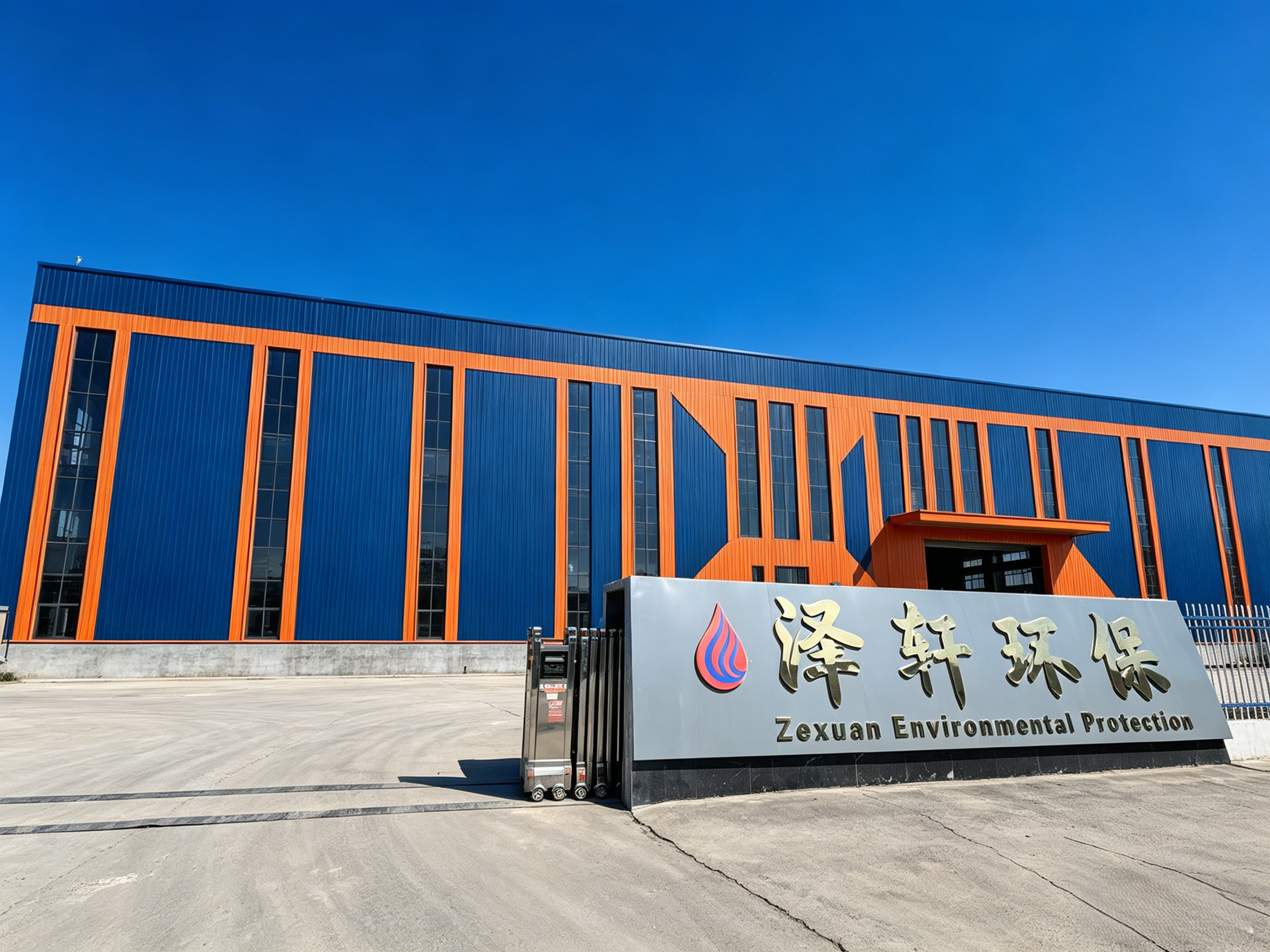
Industrial flare systems are critical safety and environmental equipment used to combust excess, emergency, or process waste gases in oil & gas, refining, petrochemical, LNG, chemical, and biogas facilities. A flare system ensures that flammable or hazardous gases are safely destroyed through controlled combustion, preventing overpressure incidents and reducing harmful emissions. Shandong Zexuan Environmental Protection Technology Co., Ltd., established in 2015, specializes in the design, manufacturing, and supply of industrial flare systems, thermal treatment equipment, and waste gas combustion solutions. With a 24,100 m² manufacturing base and more than 80 employees (including over 30 engineers), Zexuan offers a comprehensive product line covering elevated flares, enclosed ground flares, skid-mounted systems, biogas flares, and thermal oxidizers.
What Is a Flare System?
A flare system is an engineered combustion device that burns off unwanted or emergency gas streams. It typically comprises a flare stack or ground flare burner, ignition system, flame monitoring, and control equipment. The system must handle high-pressure hydrocarbon gas, variable flow rates, and often toxic or corrosive components. Flare design is primarily governed by API Standard 521 (Pressure-Relieving and Depressuring Systems), which specifies minimum design requirements for safe and reliable operation.
Industry Background and Market Context
Global gas flaring volumes reached 151 billion cubic meters (bcm) in 2024, the highest level since 2007, underscoring the critical need for efficient flare and gas recovery systems. The global flare systems market is valued at approximately USD 4.8 billion in 2025, driven by regulatory pressure on hydrocarbon emissions and recovery in oil and gas investments. In this environment, selecting a capable flare system manufacturer is essential for compliance, safety, and operational efficiency.
Types of Flare Systems (Solution Overview)
Zexuan’s product portfolio covers the major flare system categories used across industries:
Elevated Flare Systems
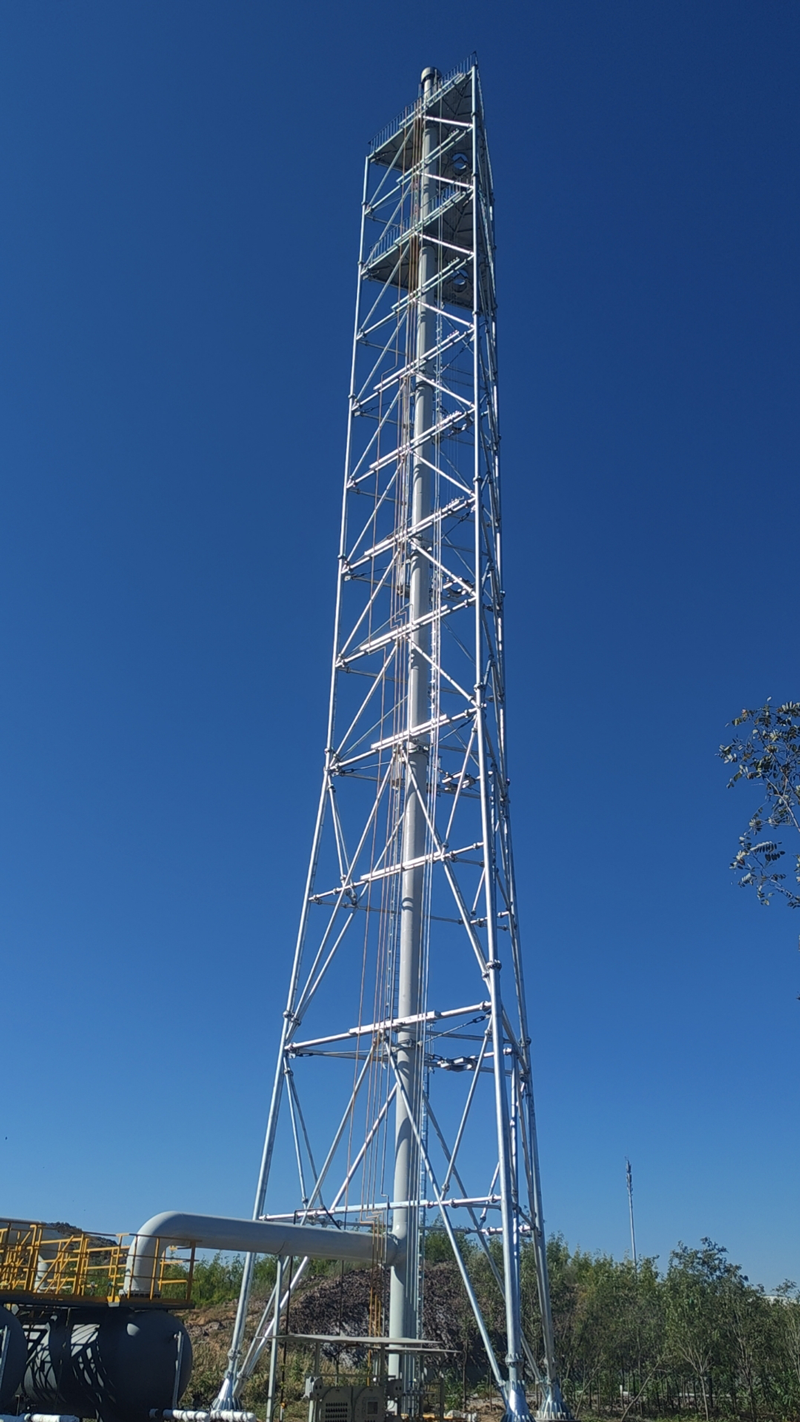
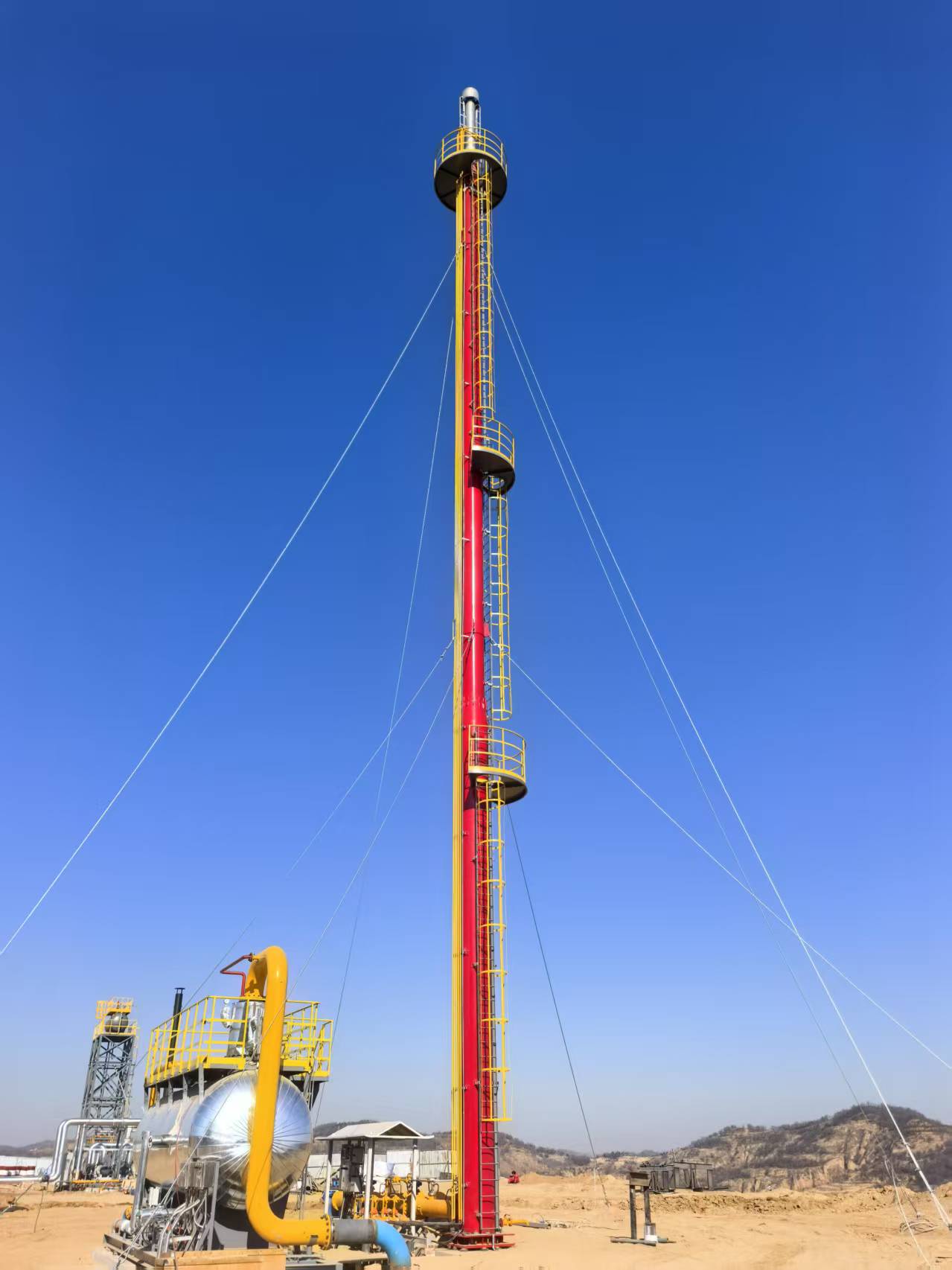
Elevated flares (flare stacks) are the most common type, used for elevated discharge to disperse combustion products. Zexuan offers four structural configurations:
- Self-Supported Elevated Flare (ZX-SSEF Series): A free‑standing stack suitable for moderate heights.
- Guyed-Wire Flare (ZX-GWF Series): Supported by guy wires, ideal for taller structures.
- Derrick-Supported Flare (ZX-DSF Series): A steel derrick supports the stack, providing high structural stability.
- Demountable Flare: Designed for easy disassembly and relocation.
Typical parameters: flare height 10 m to 150 m+; gas flow capacity customized; operating temperature up to 1100 °C; turndown ratio up to 100:1; combustion efficiency ≥98%–99.9% depending on conditions. Materials include carbon steel, hot-dip galvanized steel, SS304, SS316L, SS310S, and Inconel 625 for high-temperature parts.
Enclosed Ground Flare (EGF) – ZX-EGF Series
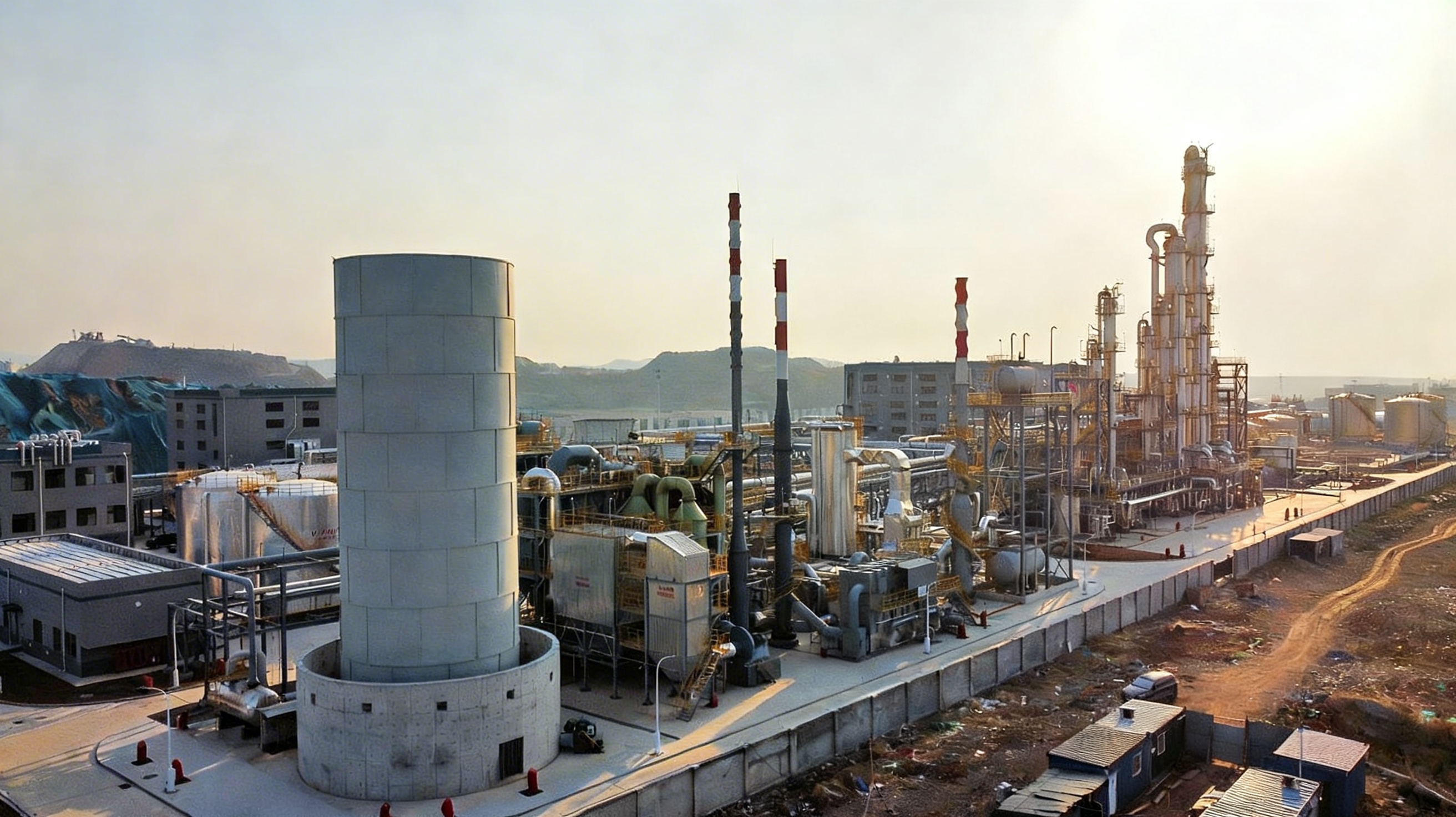
Enclosed ground flares are designed for limited-space areas and offer low radiation and low noise operation. The ZX-EGF Series achieves combustion efficiency up to 99.9% with operating temperatures of 800 °C–1200 °C. It uses refractory lining and material options including carbon steel, SS304, SS316L, and SS310S. This type is ideal for petrochemical parks, chemical plants, LNG terminals, and hazardous gas treatment.
Skid-Mounted LNG/LPG Flare System – ZX-SMF Series
For LNG terminals, bunkering stations, and gas storage facilities, the ZX-SMF Series offers a compact, skid-mounted design. It handles LNG, LPG, natural gas, and hydrocarbon gases with customized capacity. The skid integrates ignition and control systems, enabling fast installation and commissioning. Low-temperature materials are used for cryogenic service.
Biogas / Landfill Gas Flare – ZXE-BGF Series
Biogas flares are designed for methane‑containing gases from landfills, anaerobic digesters, and wastewater treatment. The ZXE-BGF Series handles methane concentrations of 35%–65% CH₄ with destruction efficiency ≥98%. It operates at 800 °C–1100 °C and includes automatic ignition and flame monitoring. Materials include carbon steel, hot-dip galvanized steel, SS304, SS316L, and high-temperature alloys.
Flare Tips – ZX-FT Series
Zexuan offers a range of flare tips (sonic, smokeless, air‑assisted, Coanda) for elevated and ground flares. Made from Inconel 625, SS310S, or SS316L, the tips withstand temperatures up to 1100 °C and are customizable in diameter and gas capacity for hydrocarbon gases.
Thermal Oxidizers (TO, RTO, RCO)
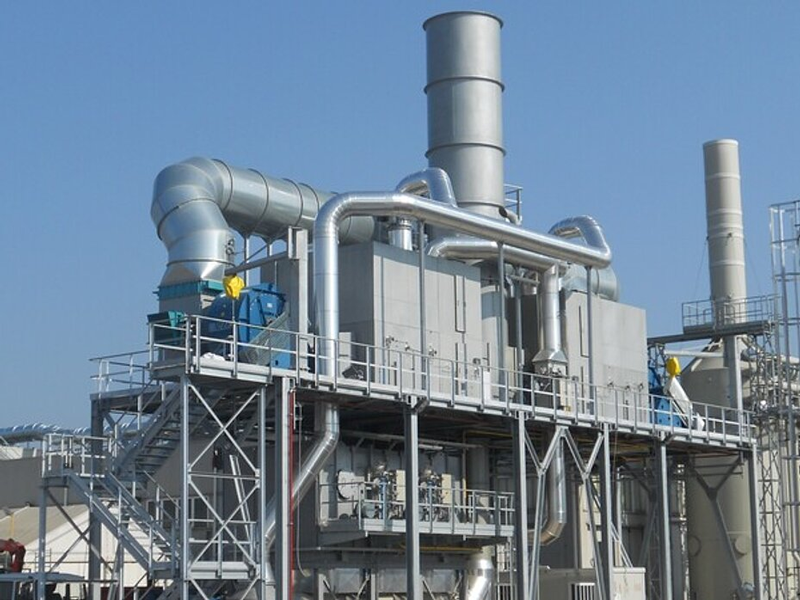
For VOC destruction and waste gas incineration, Zexuan provides direct thermal oxidizers (ZX-TO), regenerative thermal oxidizers (ZX-RTO), and regenerative catalytic oxidizers (ZX-RCO). Operating at 800 °C–1200 °C, they achieve VOC destruction efficiency up to 99%+ and are suitable for continuous operation with heat recovery options. Materials include carbon steel, SS304, SS316L, and ceramic heat storage media.
Hazardous Waste Incineration System – ZX-INC Series
The ZX-INC Series includes rotary kiln incinerators for solid, liquid, and hazardous waste. Operating at 850 °C–1200 °C, it features multi‑stage combustion, waste gas treatment integration, and optional heat recovery. It is intended for chemical plants, petrochemical facilities, and industrial waste treatment.
Step‑by‑Step: How to Select the Right Flare System
- Define gas composition and flow conditions: Identify the type of gas (hydrocarbon, methane, VOC, corrosive), its flow rate (continuous, intermittent, emergency), pressure, and temperature.
- Determine regulatory and compliance requirements: API 521 compliant design is a baseline. Check local emission limits and destruction efficiency targets (e.g., 99%+ for VOCs, ≥98% for methane).
- Choose flare type based on site constraints: Space‑limited sites benefit from enclosed ground flares; tall stacks suit open areas; skid‑mounted units suit temporary or mobile operations.
- Select materials compatible with gas properties: Use SS310S or Inconel 625 for high‑temperature parts; low‑temperature materials for LNG service; corrosion‑resistant alloys for sour gas.
- Integrate ignition and monitoring systems: Automatic ignition, flame detection, and remote control are standard for continuous or standby operation.
- Partner with a manufacturer offering full‑service support: Engineering design, manufacturing, installation, commissioning, and after‑sales service.
Use Cases Across Industries
| Industry | Typical Conditions | Recommended System |
|---|---|---|
| Oil & Gas, Refining | High-pressure hydrocarbon gas, emergency relief, startup/shutdown venting | Elevated Flare, Enclosed Ground Flare |
| Petrochemical, Chemical | Process off‑gases, VOCs, toxic/hazardous components | Elevated Flare, Ground Flare, Thermal Oxidizer |
| LNG Terminals, Gas Storage | Methane‑rich BOG, cryogenic gas, emergency release | Skid‑Mounted LNG/LPG Flare |
| Landfill, Biogas, Waste‑to‑Energy | Low‑pressure methane, variable flow, continuous gas generation | Biogas Flare (ZXE‑BGF Series) |
| Metallurgy, Steel, Heavy Industry | High‑temperature exhaust, dust‑containing gas | Thermal Oxidizer / Waste Gas Treatment |
Comparison of Flare System Types
| System Type | Key Advantage | Combustion Efficiency | Typical Application |
|---|---|---|---|
| Self‑Supported Elevated Flare | Minimal footprint, no guy wires | ≥98%–99.9% | Refineries, LNG plants |
| Guyed‑Wire Elevated Flare | Taller heights economically | ≥98%–99.9% | Oil & gas, petrochemical |
| Enclosed Ground Flare | Low radiation, low noise, space‑saving | Up to 99.9% | Petrochemical parks, chemical plants |
| Skid‑Mounted Flare | Compact, fast installation, mobile | Customized | LNG bunkering, pipeline stations |
| Biogas Flare | Designed for low‑calorific, methane‑lean gas | ≥98% methane destruction | Landfills, wastewater treatment |
Why Choose Zexuan as Your Flare System Manufacturer?
- Proven expertise: Over 9 years of experience (founded 2015) and an R&D team of 20+ engineers.
- Manufacturing capacity: 24,100 m² facility with annual capacity of 60+ sets of flare and thermal treatment systems.
- Quality certification: ISO 9001:2015 (certificate No. 26326Q00079R001) covering development of waste gas treatment equipment.
- Global project experience: Projects in the Middle East, Central Asia, Southeast Asia, Africa, and Russia.
- Full product range: Elevated, ground, skid‑mounted, biogas, and thermal oxidizer systems – all customizable.
Frequently Asked Questions
1. What types of flare systems do manufacturers like Zexuan offer?
Zexuan offers elevated flare systems (self‑supported, guyed‑wire, derrick‑supported, demountable), enclosed ground flares, skid‑mounted LNG/LPG flares, biogas flares, flare tips, and thermal oxidizers (TO, RTO, RCO). Each type is designed for specific gas compositions, flow conditions, and site constraints.
2. How do I know if my application qualifies for a flare system?
Most industrial processes that generate flammable, toxic, or hydrocarbon gases – including refining, petrochemical, LNG, chemical, biogas, and heavy industry – require a flare system for safe disposal. Key conditions include high‑pressure hydrocarbon gas, emergency relief, startup/shutdown venting, or continuous methane production. Zexuan can evaluate your process conditions to recommend the appropriate system.
3. What certifications should a reliable flare system manufacturer hold?
A reputable manufacturer should hold ISO 9001:2015 quality management system certification for the design and development of waste gas treatment equipment. Zexuan is certified under certificate No. 26326Q00079R001 (CSU International Certification Co., Ltd.), applicable to both domestic Chinese and international markets. Additionally, API Standard 521 compliance is a fundamental design requirement for flare systems.
4. What is the typical lead time for a custom flare system?
Lead times depend on the system complexity, size, and customization level. Zexuan’s manufacturing capacity of 60+ systems per year and in‑house engineering team enable efficient project execution. For specific timelines, it is best to contact Zexuan directly with your project specifications.
5. How can I request a quotation or sample for evaluation?
You can obtain a detailed quotation, system brochure, or schedule a technical consultation by contacting Zexuan via email at alice@zexuaneco.com or WhatsApp: +86 186 7883 1572. The company’s product brochure is available for download here. Submit your gas flow data and site requirements for a preliminary system recommendation.
Conclusion
Flare systems are indispensable for safe and compliant industrial operations across oil & gas, petrochemical, LNG, chemical, and renewable energy sectors. Understanding the types of flare systems – elevated, enclosed ground, skid‑mounted, and biogas – and their specific applications is the first step toward selecting the right solution. Zexuan, with its comprehensive product line, ISO‑certified quality management, and global project experience, offers a reliable partnership for customized flare and thermal treatment systems. For project‑specific advice and pricing, contact the Zexuan team directly.
Ready to discuss your flare system project?
Contact Alice: alice@zexuaneco.com | Tel/WhatsApp: +86 186 7883 1572
Visit: www.zexuaneco.com