Navigating API 521 and Beyond: A Compliance Guide for Refinery Flare System Procurement
API 521 compliance in a refinery flare system is demonstrated by engineering documentation — the relief and depressuring basis, inlet header design, flare tip selection, material certificates, and factory acceptance test records — not by a badge a supplier can simply attach to a quotation. This guide explains what API 521 requires in practice, which design decisions it forces onto a procurement specification, and how buyers in refining, petrochemical, and gas processing can verify compliance before equipment leaves the factory.
Shandong Zexuan Environmental Protection Technology Co., Ltd. (Zexuan) is a Chinese manufacturer and engineering service provider established in 2015 that designs and builds industrial flare systems, thermal treatment equipment, and waste gas combustion solutions for oil & gas, refining and petrochemical, LNG, chemical, landfill gas, and biogas applications. The engineering examples used throughout this article come from the ZX-SSEF and ZX-GWF elevated flare series and from the materials specified for high-temperature flare components — SS310S stainless steel and Inconel 625.
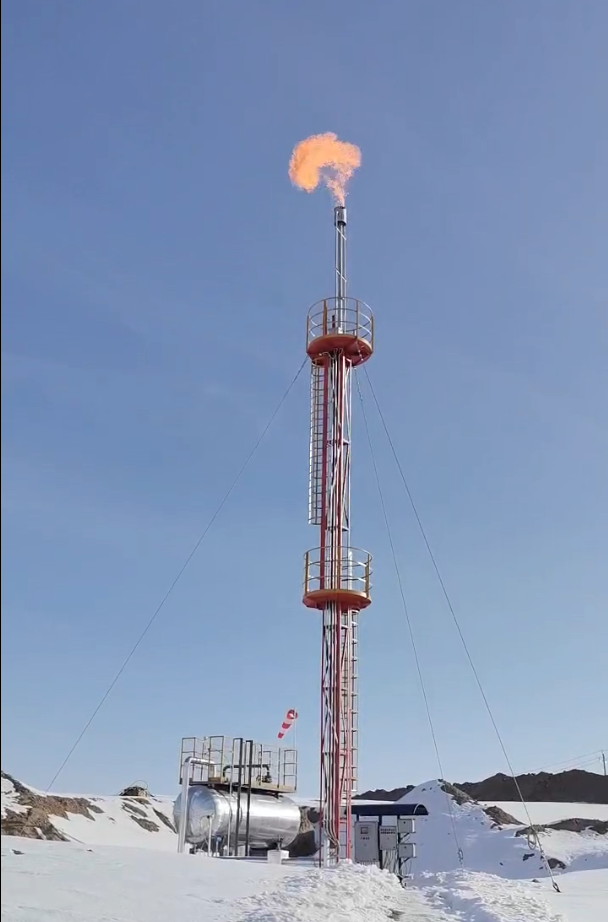 Guyed-wire supported elevated flare system — the configuration most often selected for refinery and gas processing relief service where flare height and radiation control are fixed by the pressure relief study (Zexuan, ZX-GWF Series).
The Real Procurement Problem: Compliance Is a Chain, Not a Certificate
API Standard 521, Pressure-Relieving and Depressuring Systems, is the governing design reference for flare system engineering in refining and petrochemical facilities. It specifies, among other requirements, a minimum flare header slope of 1/4 inch per 10 feet for drainage. That single sentence already shows why compliance cannot be reduced to a marketing claim: the slope lives in the piping design, the drainage philosophy, and the fabrication isometrics — not in a certificate that can be issued after the fact.
Purchasing teams typically approach flare procurement with a version of the same question: “Is your flare system API 521 compliant?” The answer from almost every supplier is “yes.” The useful question is narrower and more technical: which API 521 design requirements apply to this unit, and what evidence will prove that each one was engineered and tested?
In practice, non-compliance in refinery flare systems rarely appears as a missing certificate. It appears as one of four procurement failures:
- An incomplete relief basis. The flare is sized and purchased without a consolidated relief scenario list, so the hydraulic and structural design cannot be validated against the actual overpressure cases.
- A tip or material mismatch. A flare tip rated for a lower temperature, or built from a material that cannot tolerate sustained high-temperature service, is installed in a position where SS310S or Inconel 625 was the correct specification.
- Header and liquid handling problems. Drainage, slug handling, and piping geometry are treated as fabrication details rather than compliance requirements.
- Documentation that does not match the equipment. The delivered unit differs from the tested and documented configuration, and the buyer has no inspection trail to detect it.
Practical rule for buyers: treat API 521 as a design standard to be satisfied item by item, not as an approval to be purchased. The deliverable you are buying is a documented compliance chain — relief basis → header design → tip selection → material specification → inspection and factory acceptance testing.
Why Compliance Pressure Is Rising in Refining and Petrochemical Flare Systems
Flare system procurement is becoming more compliance-driven because flaring volumes and emissions scrutiny are both moving in the same direction. According to World Bank global flaring data, gas flaring volumes reached 151 billion cubic meters in 2024 — the highest level since 2007. The same period saw continued investment in relief and combustion systems: Dataintelo estimates the global flare systems market at approximately USD 4.8 billion in 2025, supported by regulatory pressure on hydrocarbon emissions and by recovery in oil and gas investment.
The tighter segment of the market shows the same pattern. Intel Market Research valued the global totally enclosed ground flare (TEGF) market at USD 113 million in 2024, with growth driven by destruction efficiencies exceeding 98%. Fact.MR estimates the VOC control systems market — including thermal oxidizers and incinerators — at USD 7.5 billion in 2025, with China identified as a key growth market at a 5.4% CAGR. Grand View Research places Asia-Pacific at a 35% share of the flare gas recovery system market as of 2025, the largest regional share globally.
These figures are third-party estimates and vary according to the technology scope and regions each source includes, but the direction is consistent: buyers are being asked to prove relief performance, combustion efficiency, and emissions control, not only to install equipment. The segment is served by established international suppliers — HTF Market Intelligence lists Zeeco, John Zink Hamworthy (Koch), Honeywell UOP, and Baker Hughes among the major global competitors — alongside Chinese manufacturers that compete on project-specific engineering, fabrication capacity, and documentation discipline.
API 521 in Practice: The Requirements That Shape a Flare Procurement Specification
A compliance-oriented specification converts the standard into a defined operating envelope. For refinery and oil & gas service, Zexuan lists API 521 compliant design together with high reliability, smokeless combustion, low thermal radiation, and corrosion resistance as the special requirements of the application, with the flare system held on 24/7 standby operation and activated automatically during emergency conditions. Those five clauses drive almost every downstream decision.
1. Relief and depressuring duty
The flare is an emergency device first and a combustion device second. If the relief basis is wrong, every later decision — flare diameter, stack height, tip type, knockout arrangement — is built on an unstable foundation. Before requesting quotations, the buyer should be able to hand the supplier a pressure relief scenario table covering emergency pressure relief, start-up and shutdown venting, and continuous or intermittent process venting, together with the gas composition, molecular weight, and expected flow range for each case.
2. Header geometry and drainage
API 521’s minimum flare header slope of 1/4 inch per 10 feet for drainage is a useful test of supplier maturity. A supplier who treats this as a piping detail will typically ask the buyer to confirm the slope after the order; a supplier who treats it as a compliance requirement will raise it during technical clarification and reflect it in the inlet header isometrics and the knockout drum drainage design.
3. Smokeless combustion and radiation limits
Smokeless combustion and low thermal radiation are the two visible outputs of a compliant design, and both are set during specification rather than during commissioning. Smokeless operation depends on tip type, assist medium, and turndown range; radiation depends on stack height, flare location, and the heat release assumed in the relief case. Buyers should require the supplier to state the design basis behind both, rather than accepting a generic statement that the flare is smokeless.
4. The performance envelope to specify
For elevated flare systems, the parameters that normally define a refinery specification are: flare height from 10 m to 150 m+, operating temperature up to 1100°C, turndown ratio up to 100:1, customized flare tip diameter, and combustion efficiency typically ≥98%–99.9% depending on design conditions. Enclosed ground flare systems are specified differently, with combustion efficiency up to 99.9%, operating temperature of 800°C–1200°C, and a low radiation, low noise design for limited-space areas.
Matching Elevated Flare Configurations to Refinery Compliance Needs
Three structural configurations dominate elevated flare procurement, and the choice is usually dictated by plot space, foundation conditions, and maintenance access rather than by combustion performance — because all three share the same combustion envelope when they are built to the same process specification.
| Configuration | Typical parameters | Typical service | Compliance-relevant design feature |
|---|---|---|---|
| ZX-SSEF Series — self-supported elevated flare | Height 10 m–150 m+; up to 1100°C; turndown up to 100:1; efficiency typically ≥98%–99.9% | Refining, petrochemical, gas processing, onshore facilities | High-temperature parts specified in SS310S and Inconel 625; structural design verified against site wind and seismic assumptions |
| ZX-GWF Series — guyed-wire elevated flare | Same combustion envelope; height and tip diameter customized | Natural gas gathering and processing, emergency venting at remote stations | Guy-wire systems suit tall stacks where the relief case requires additional height; anchorage and wire layout become part of the compliance review |
| ZX-DSF Series — derrick-supported and demountable flares | Same combustion envelope; demountable configurations available | Refinery and petrochemical units where maintenance access and future relocation matter | Structural access for tip inspection and replacement supports long-term compliance maintenance |
| ZX-EGF Series — enclosed ground flare | Efficiency up to 99.9%; 800°C–1200°C; low radiation; low noise | Petrochemical parks, chemical plants, LNG terminals, limited-space sites | Refractory lining and multiple burner arrangement control radiation and noise at grade level |
| ZX-FT Series — flare tip | Sonic, smokeless, air-assisted and Coanda types; up to 1100°C; diameter and gas capacity customized | Refinery, petrochemical, LNG, oil & gas processing; upgrade and replacement projects | Tip type and material determine whether the smokeless and temperature requirements can actually be met |
Why material specification belongs in the compliance discussion
Material selection is where compliance claims are most often quietly weakened. Zexuan’s elevated flare and flare tip data specify carbon steel and hot-dip galvanized steel for structural and lower-temperature components, SS304 and SS316L for general corrosion resistance, and SS310S and Inconel 625 for high-temperature parts such as flare tips. A quotation that lists “stainless steel” without naming the grade leaves the buyer unable to verify whether high-temperature components were specified correctly — and that difference is invisible after installation until the component is inspected.
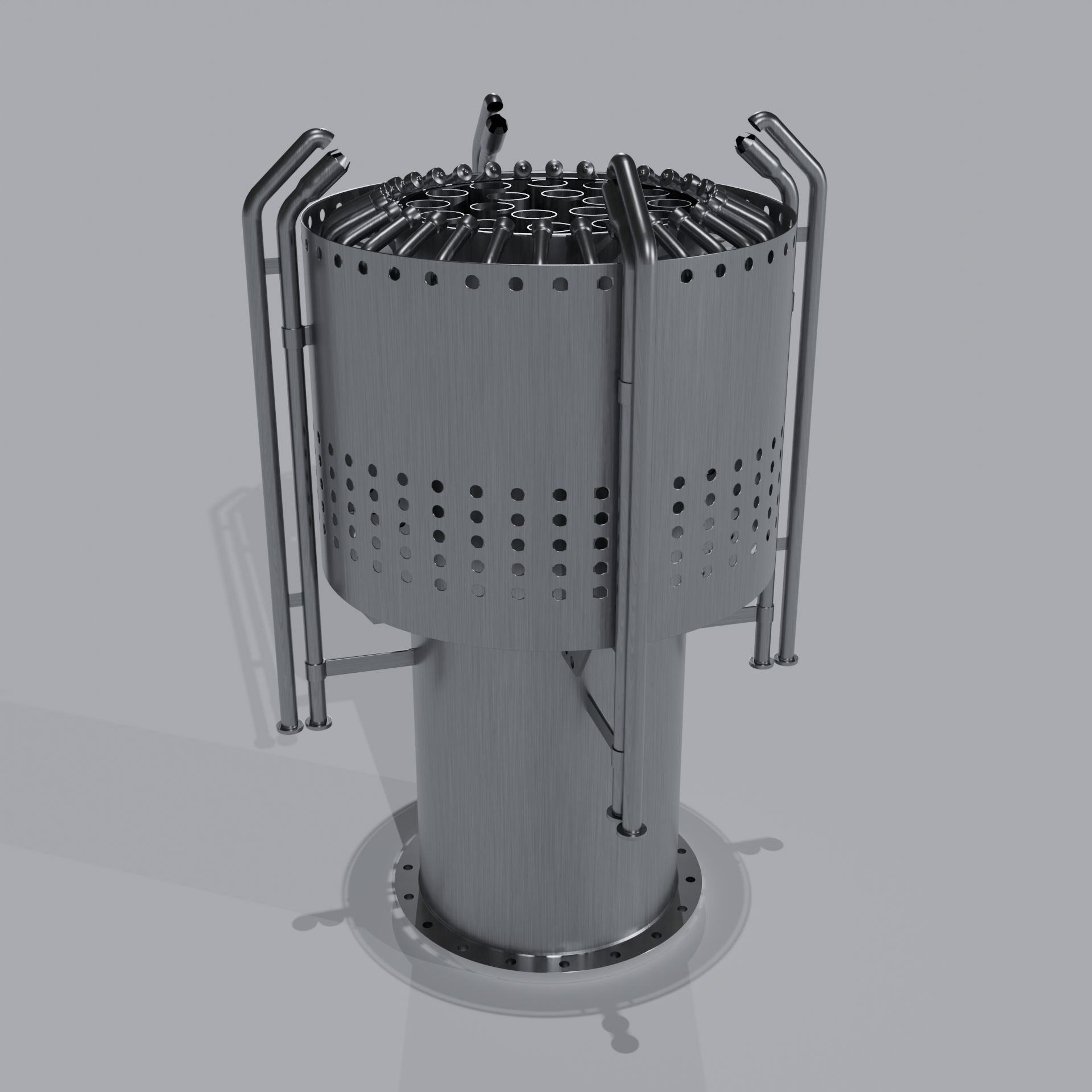 Steam-assisted smokeless flare tip. Tip type and material grade — SS310S, SS316L, or Inconel 625 — determine whether smokeless combustion and temperature requirements can be met in service (Zexuan, ZX-FT Series).
When a flare is not the right compliance answer
Not every vent stream should be routed to a flare. For continuous, relatively stable waste gas streams at chemical and petrochemical plants, thermal oxidation is often the better compliance route. Zexuan supplies ZX-TO, ZX-RTO, and ZX-RCO series thermal oxidizers operating at 800°C–1200°C with VOC destruction efficiency up to 99% or higher, and the ZX-INC Series hazardous waste incineration system operating from 850°C to 1200°C with multi-stage combustion and integrated waste gas treatment. In a compliance-driven specification, the flare and the thermal oxidizer are complementary: the flare handles emergency and upset relief, and the oxidizer handles continuous process emissions.
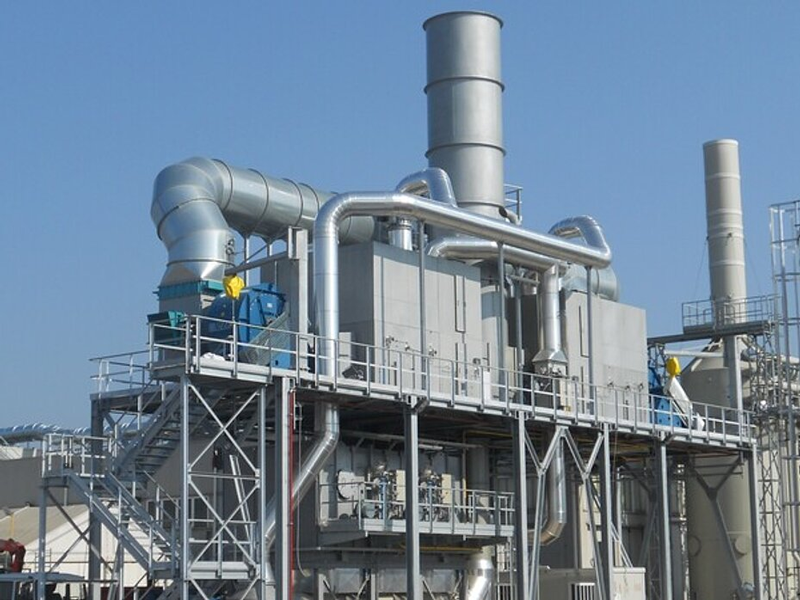 Regenerative thermal oxidation (RTO) system for continuous VOC destruction — used alongside flare systems when a waste gas stream is continuous rather than emergency-driven (Zexuan, ZX-RTO Series).
Beyond API 521: The Compliance Documentation Buyers Should Verify
API 521 governs design. It does not certify a company, a factory, or a management process — and this is where many procurement packages become confused. A supplier can hold a fully compliant design for one unit and still lack the process control that keeps subsequent units identical. That gap is closed by management system certification and by inspection records, and both are verifiable before an order is placed.
Zexuan’s waste gas treatment equipment and control units are covered by three management system certifications issued by CSU International Certification Co., Ltd., each issued on 2026-03-18 and valid until 2029-03-17:
- Quality management system — GB/T 19001-2016 / ISO 9001:2015, certificate number 26326Q00079R001.
- Environmental management system — GB/T 24001-2016 / ISO 14001:2015, certificate number 26326E00054R001.
- Occupational health and safety management system — GB/T 45001-2020 / ISO 45001:2018, certificate number 26326S00054R001.
All three certifications carry the CNAS accreditation mark for the domestic China market, which makes them valid for government bidding, tendering, and procurement, and the IAF multilateral recognition mark, which makes them mutually recognized across IAF member economies for international projects. Their scope covers the development of waste gas treatment equipment and control units, and the sales of waste gas and waste liquid treatment equipment.
How to read this correctly: these certificates confirm that the manufacturer operates a controlled quality, environmental, and safety system. They do not replace API 521 design compliance for a specific flare. A serious buyer requests both — the standard-based design documentation for the unit, and the management system certification that supports repeatable fabrication.
Manufacturing evidence is the third layer. Zexuan operates a 24,100 m² manufacturing base with more than 80 employees, including over 30 engineers and technical specialists and an R&D team of more than 20 engineers. Annual manufacturing capacity exceeds 60 sets of flare and thermal treatment systems, with a monthly capacity of approximately 5 customized industrial systems. Because the equipment is engineered per project, the company also applies fixed quality gates: incoming material inspection, welding inspection, dimensional inspection, pressure and leak testing where applicable, functional testing, factory acceptance testing (FAT), and final inspection before shipment.
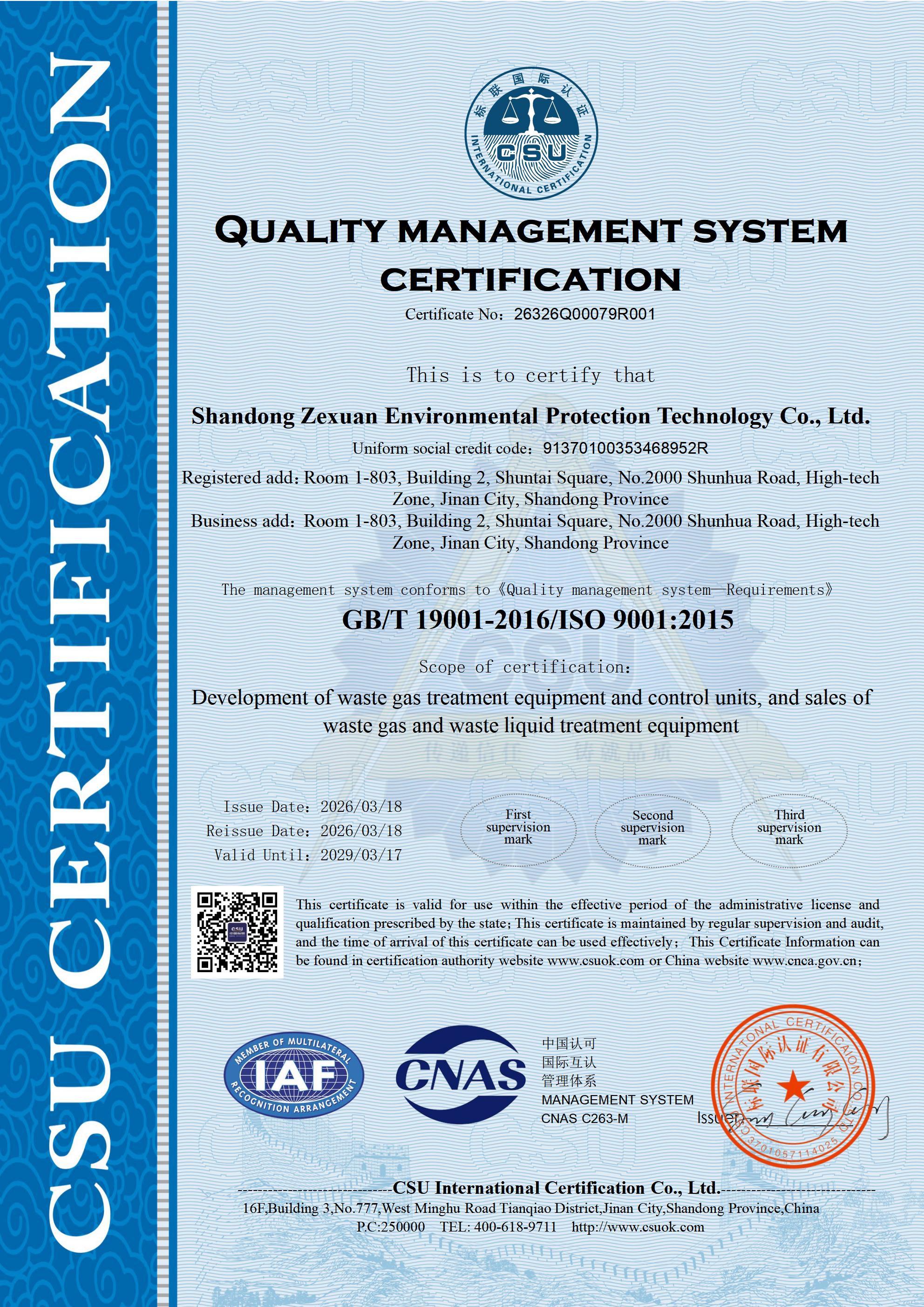 ISO 9001:2015 quality management system certification, certificate number 26326Q00079R001, issued by CSU International Certification Co., Ltd. — part of the documentation package a flare buyer should verify (Zexuan).
Step-by-Step Breakdown: Procuring a Compliant Refinery Flare System
Compliance is easier to secure when it is sequenced. The following eight steps reflect the order in which compliance decisions actually constrain one another.
- Lock the relief basis. Consolidate relief scenarios, gas compositions, flow ranges, and emergency pressure relief cases into a single design basis document before requesting quotations. This becomes the reference for every later technical clarification.
- Select the configuration against the site. Choose between self-supported, guyed-wire, derrick-supported, or enclosed ground configurations based on plot space, radiation limits, foundation conditions, and maintenance access — not on combustion performance, which is common across configurations.
- Fix the material specification by grade. Require named grades rather than generic descriptions: SS310S and Inconel 625 for high-temperature parts, SS304 or SS316L for general corrosion resistance, and carbon steel or hot-dip galvanized steel where service conditions allow.
- Define combustion performance explicitly. State the required combustion efficiency, smokeless requirement, radiation limit, and noise limit for the relevant gas cases, and require the supplier to state the design basis behind each.
- Specify ignition, monitoring, and control. Define automatic ignition, flame monitoring, and PLC-based control requirements, plus the voltage, control cabinet protection class, and remote operation expectations relevant to your facility.
- Agree the documentation and inspection package. Include material certificates, welding records, dimensional and pressure/leak test reports, and the FAT protocol in the purchase specification — not as a post-order discussion.
- Verify through factory acceptance testing. Confirm that functional testing and FAT are performed before shipment, with the buyer or a third party present where the project warrants it.
- Plan commissioning, spares, and support. Agree remote support, commissioning assistance, spare parts, and operator training before shipment, so that compliance is maintained through the first operating cycle.
Use Cases: Compliance-Driven Flare Projects
Compliance requirements become concrete in the field. The following projects illustrate how the design decisions described above appear in delivered equipment.
Guyed-wire elevated flare for natural gas gathering and transportation. A natural gas processing company required emergency venting and safe combustion of natural gas during gathering and transportation operations. The delivered scope was two guyed-wire elevated flare systems with a 60 m elevated flare structure, a DN350 flare tip, and an automatic ignition and PLC control system. The systems have operated for more than one year, with stable performance under harsh climate conditions and reliable emergency gas disposal.
Elevated flare systems for a fine chemical process. A chemical manufacturer needed safe combustion of process vent gas generated during DL-Methionine production. Two flare systems were supplied as a customized solution for a complex chemical process gas. The result was reliable treatment of process off-gas, improved production safety, and stable operation over more than one year of service.
Enclosed ground flare at an oilfield transfer station. An oil & gas company required disposal of natural gas vent gas at a transfer station where noise and visual impact were sensitive. The delivered unit was a single enclosed ground flare system with an explosion-proof control cabinet and automatic ignition system, achieving safe disposal of natural gas emissions, reduced noise and visual impact, and stable operation across one year.
High-capacity ground flare with staged venting. A coalbed methane company needed treatment of methane vent gas at high volume. The installed ground flare system was designed with a processing capacity of 90×10⁴ Nm³/d, a three-stage venting design, and PLC automatic control. It has delivered stable methane combustion and improved gas management safety over more than two years of operation.
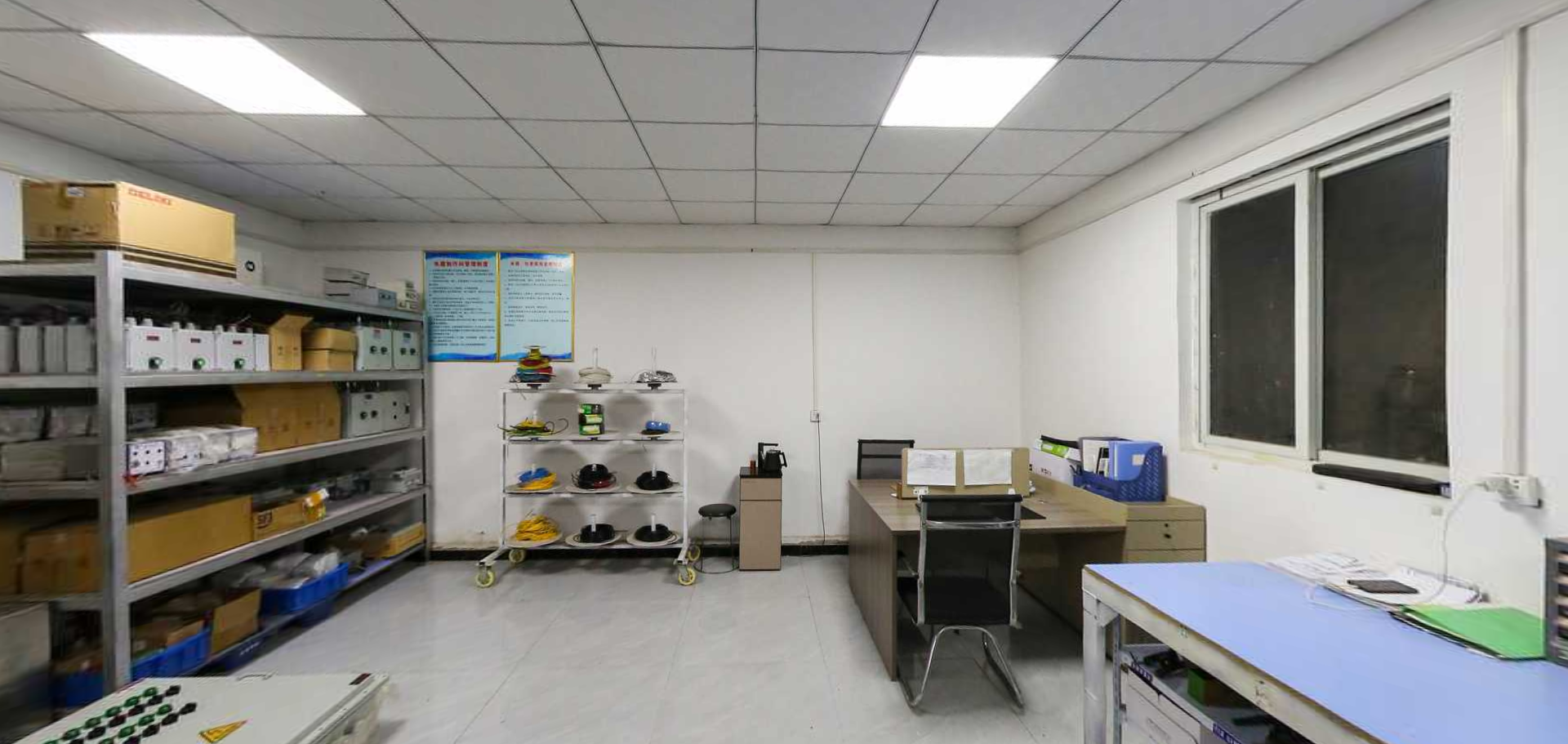 Fabrication workshop at Zexuan’s 24,100 m² manufacturing base, where flare stacks and combustion equipment are built and inspected before factory acceptance testing.
Comparison Table: Compliance Requirement, Design Implication, and Evidence to Request
| Compliance requirement | Design implication | Evidence to request from the supplier |
|---|---|---|
| Pressure-relieving and depressuring design per API 521 | Flare sizing, hydraulics, and structural loads derived from a defined relief scenario set | Relief scenario table, heat and mass balance, flare datasheet |
| Minimum flare header slope of 1/4 inch per 10 feet for drainage | Pipe routing, drainage provisions, and knockout liquid handling fixed at design stage | Header isometrics, P&ID, knockout drum drainage design |
| Emergency pressure relief with 24/7 standby availability | Automatic activation, ignition reliability, and fail-safe control philosophy | Control philosophy, ignition system description, cause-and-effect diagram |
| Smokeless combustion | Flare tip type and assist medium selected for the specified gas cases and turndown range | Flare tip datasheet with type, diameter, capacity, and material |
| Low thermal radiation | Stack height and flare location fixed by radiation contour limits | Radiation calculation and stack height justification |
| High-temperature and corrosion resistance | SS310S and Inconel 625 specified for high-temperature parts; SS304/SS316L for corrosive service | Material certificates for pressure and high-temperature components |
| Fabrication quality control | Inspection gates applied through the build, not only at the end | Incoming material, welding, dimensional, pressure/leak, and functional test records; FAT report |
| Management system compliance | Repeatable quality, environmental, and safety processes across projects | ISO 9001:2015 (26326Q00079R001), ISO 14001:2015 (26326E00054R001), ISO 45001:2018 (26326S00054R001), with validity dates |
Used together, these two tables give a procurement team a working checklist: the configuration table answers “what are we buying,” and the compliance table answers “what must we be able to prove after delivery.”
Frequently Asked Questions
What does “API 521 certified” mean for a flare system manufacturer?
API 521, Pressure-Relieving and Depressuring Systems, is a design standard published by the American Petroleum Institute. It defines engineering requirements — including a minimum flare header slope of 1/4 inch per 10 feet for drainage — rather than operating a certification scheme, so manufacturers do not hold an “API 521 certificate.” What a supplier can provide is design compliance evidence: the relief scenario and sizing basis, header and drainage design, flare tip and material specification, radiation and combustion performance basis, and inspection and test records. Management system certificates such as ISO 9001, ISO 14001, and ISO 45001 confirm that the manufacturer operates controlled processes; they do not replace API 521 design compliance for a specific flare unit.
Which flare configurations does Zexuan supply for refinery and petrochemical service?
Zexuan supplies elevated flare systems in three structural configurations — ZX-SSEF Series (self-supported), ZX-GWF Series (guyed-wire), and ZX-DSF Series (derrick-supported, with demountable options) — as well as the ZX-EGF Series enclosed ground flare, the ZX-SMF Series skid-mounted LNG/LPG flare, the ZX-FT Series flare tip, and ZX-TO/ZX-RTO/ZX-RCO thermal oxidizers. Elevate flare parameters include flare height from 10 m to 150 m+, operating temperature up to 1100°C, turndown ratio up to 100:1, customized flare tip diameter, and combustion efficiency typically ≥98%–99.9% depending on design conditions. For oil & gas and refining applications, API 521 compliant design is specified together with high reliability, smokeless combustion, low thermal radiation, and corrosion resistance, with the flare held on 24/7 standby and activated automatically during emergency conditions.
What determines the commercial scope of an API 521-compliant flare system?
Flare systems are engineered per project, so the commercial scope is driven by the specification rather than by a catalogue price. The variables that Zexuan customizes for each order are flare type, capacity, material, structure, control system, layout, voltage, and documentation. In practice, the largest cost drivers are the structural configuration and flare height required by the relief and radiation case, the material grades required for high-temperature and corrosive service — for example SS310S or Inconel 625 instead of carbon steel for high-temperature parts — the flare tip type and capacity, and the extent of the control, ignition, and monitoring system. Because the scope is defined by the project, buyers should compare quotations on identical design basis documents rather than on headline equipment prices.
Can compliance be validated before the flare system is shipped?
Yes, and this is where a documented inspection chain matters most. Zexuan applies full process inspection plus factory acceptance testing before shipment, covering incoming material inspection, welding inspection, dimensional inspection, pressure and leak testing where applicable, functional testing, FAT, and final inspection before shipment. Material certificates for high-temperature components allow the buyer to confirm that the specified grades were actually used, and the FAT protocol allows functional verification of ignition, control, and monitoring before the equipment leaves the manufacturing base.
What is the typical lead time and minimum order quantity for a compliant flare system?
Zexuan manufactures flare systems to order with a minimum order quantity of one set and a typical lead time of 60–120 days depending on project requirements, against a monthly capacity of approximately 5 customized industrial systems and an annual capacity of more than 60 sets of flare and thermal treatment systems. After delivery, support includes remote technical support, commissioning assistance, spare parts, and training. Buyers preparing a tender or a capital project can shorten the front end of that timeline by providing the relief basis and site conditions early — and can request the current product catalogue and technical documentation at the same time.
Conclusion: Compliance Is Engineered Before It Is Claimed
API 521 sets the engineering rules for refinery flare systems, but it does not deliver compliance on its own. Compliance is created when a relief basis is locked, a configuration is matched to the site, materials are specified by grade, combustion performance is defined against real gas cases, and every one of those decisions is verifiable through inspection records and factory acceptance testing.
For buyers in refining, petrochemical, and gas processing, the practical outcome is a procurement habit: ask for the evidence behind each requirement rather than for a compliance statement. That habit protects the project long after the equipment is installed, and it separates suppliers who engineer to the standard from suppliers who simply reference it.
Request the Technical Documentation for Your Flare Project
If you are preparing a specification or a tender for a refinery, petrochemical, LNG, or gas processing flare system, the next step is a documented technical review rather than a catalogue comparison. Send your relief basis, gas composition, and site conditions, and Zexuan will respond with the applicable configuration, material specification, control philosophy, and delivery schedule.
Product catalogue and technical documentation: download the Zexuan brochure (PDF).
Website: www.zexuaneco.com · Email: alice@zexuaneco.com · Tel: +86 18678831572 · WhatsApp: start a WhatsApp inquiry
Shandong Zexuan Environmental Protection Technology Co., Ltd. — Headquarters: No. 2000, Shunhua Road, Innovation Zone, Jinan, Shandong Province, China. Manufacturing Base: Huji Industrial Park, Mudan District, Heze, Shandong Province, China.
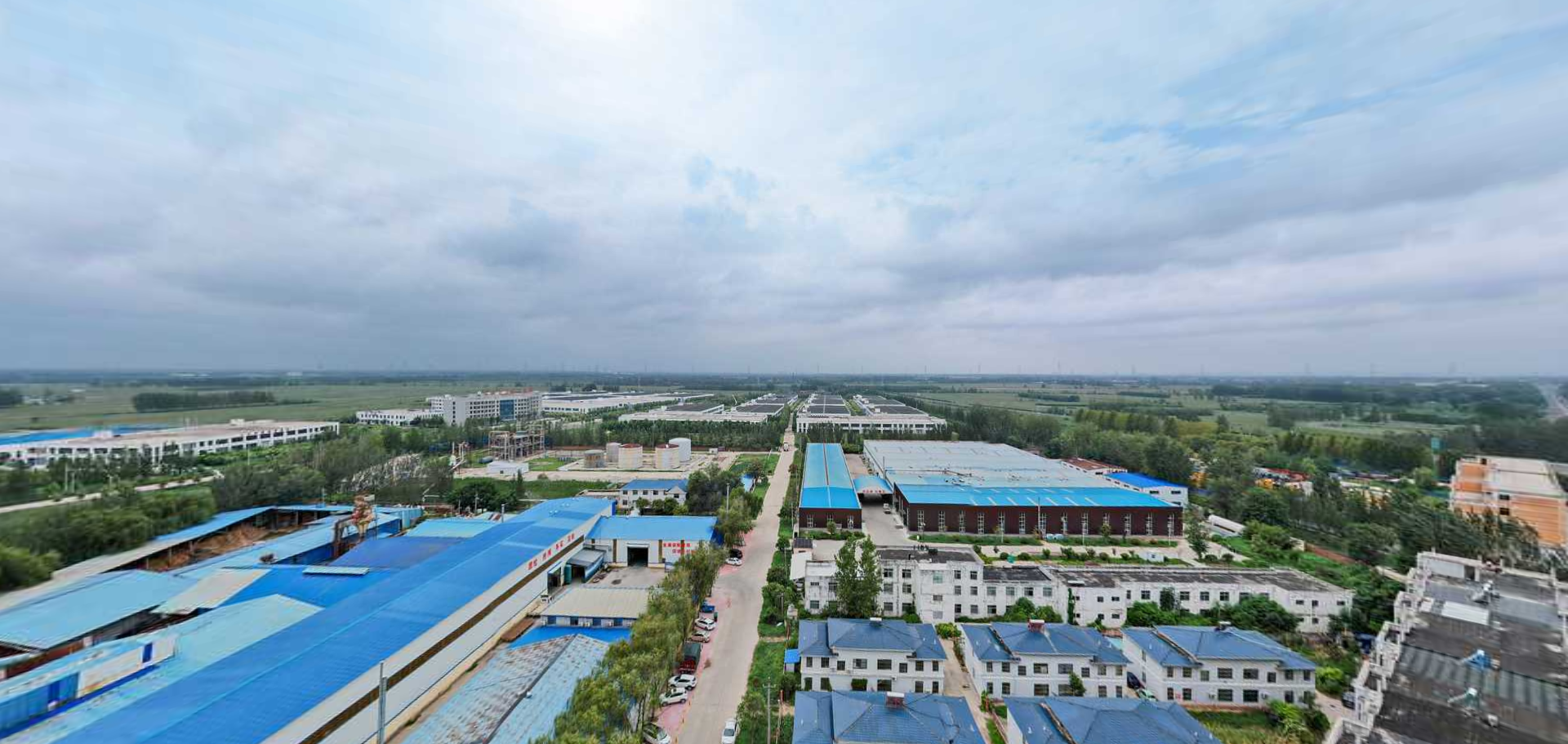 Zexuan manufacturing base — more than 24,100 m² of fabrication capacity, with more than 60 sets of flare and thermal treatment systems produced annually.
Have Questions or Need More Details?
Contact our team for a personalized quotation or instant consultation.
Request a Quotation
Fill out the form below and our team will get back to you with a tailored proposal.
WhatsApp Direct Chat
Prefer to chat in real-time? Message us on WhatsApp for instant assistance & quick answers.
- Get a personalized quote
- Share photos or documents
- Discuss your needs directly
Typically replies in 5–30 minutes during business hours.