Refinery Flare System Sourcing: Aligning Project Conditions with Manufacturer Capability
Flare systems for refinery projects are selected by matching a defined set of process and site conditions to a manufacturer’s engineering and fabrication scope. The selection should cover emergency relief, startup and shutdown venting, purge and continuous low-flow gas streams, and in many cases the ability to burn hydrocarbons with low smoke and low ground-level radiation. For a buyer in the research or evaluation stage, the central task is to translate process and site information into a configuration decision, then verify that the flare systems manufacturer has the engineering and quality-control depth to execute the project.
Why Refinery Flare Systems Need Project-Level Selection
A refinery flare system is not a commodity burner. It is connected to one of the most important safety functions on site: the pressure-relieving and depressuring system. During normal operation, a flare may handle only purge gas; during an upset, it must safely combust much larger flows of hydrocarbon vapor. The system must remain available on standby, activate when required, and maintain stable combustion over a wide operating envelope.
In a refinery project, flare design usually has to accommodate several overlapping scenarios:
- Emergency pressure relief from relief valves and depressuring systems.
- Startup and shutdown flows that may exceed normal flare rates.
- Purge gas and continuous small vent streams routed to the flare header.
- Process upsets that change gas composition, molecular weight, temperature, and flow in a short time.
Site and operating factors add another layer. Refinery buyers often need to control thermal radiation at grade and at the plant boundary, reduce noise where ground flares are close to neighbors, use limited plot space, and meet smokeless or low-smoke combustion expectations during high discharge events. These requirements should be written into the project brief before a manufacturer is asked to propose a design.
Published Market and Industry Context
Published data helps explain why refinery flare projects require design rigor rather than catalog selection. World Bank data for 2024 reports global gas flaring at 151 billion cubic meters, the highest level since 2007. A 2025 market estimate by Dataintelo values the global flare systems market at approximately USD 4.8 billion. Grand View Research places Asia-Pacific at 35% of the flare gas recovery system market in 2025. These figures are not product claims; they show how much relief, venting, and combustion engineering is currently being procured across oil, gas, refining, and petrochemical facilities.
Flare Architectures That Match Refinery Project Conditions
Once the project brief is clear, the main engineering decision is which flare architecture to use. The most common options for refinery and petrochemical projects are elevated flare systems, enclosed ground flares, and skid-mounted or mobile flares. Flare tips and combustion equipment are important components that can be upgraded separately.
Elevated Flare Systems for Emergency Relief and Startup and Shutdown Venting
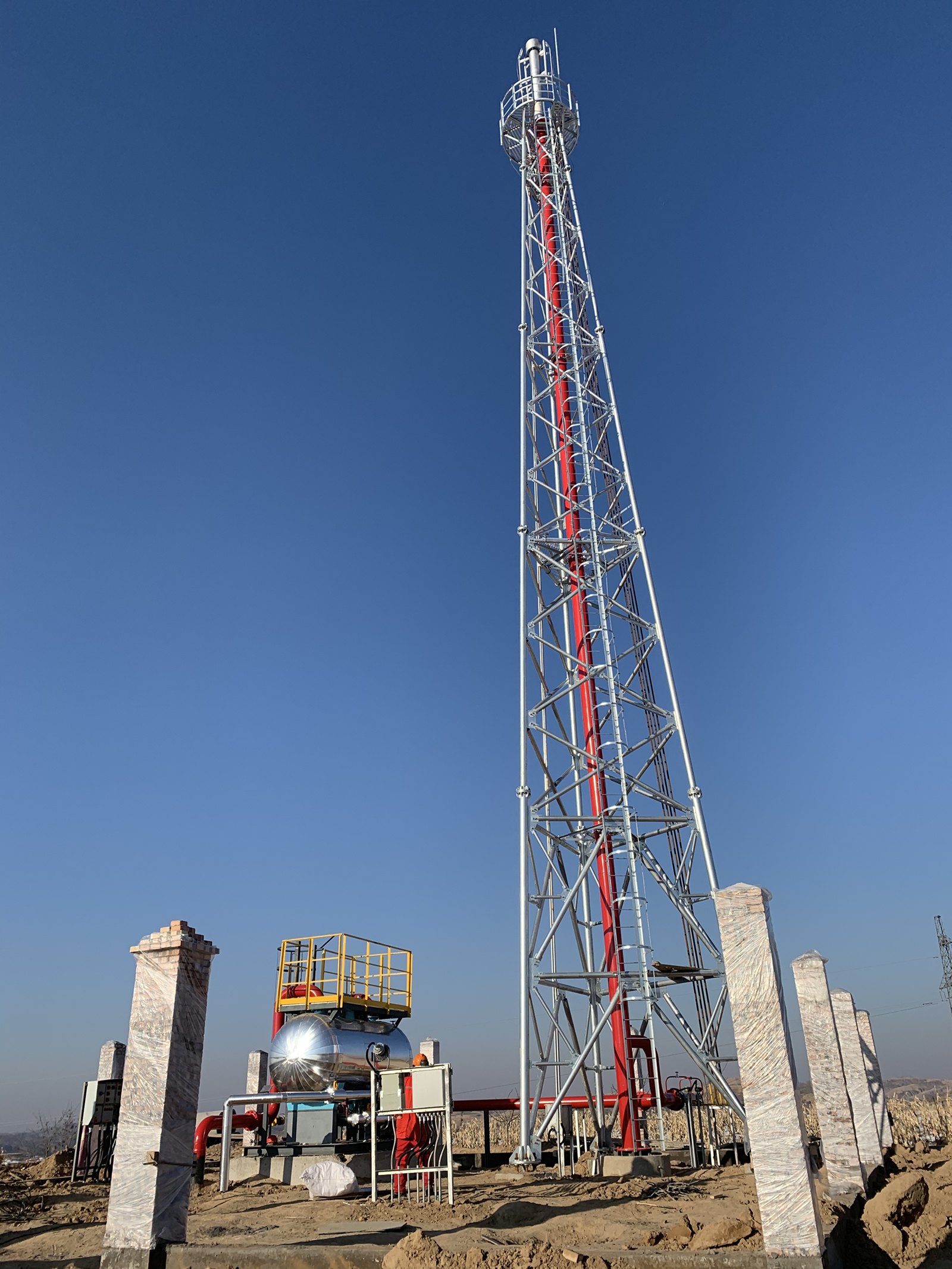
Elevated flares discharge gas through a vertical stack, which gives the flame height and reduces the heat flux at grade. This architecture is often considered when a refinery needs a dedicated or main flare for process relief, startup and shutdown venting, or continuous large vent loads. Shandong Zexuan Environmental Protection Technology Co., Ltd. (Zexuan) supplies self-supported, guyed-wire, derrick-supported, and demountable elevated flare configurations. The corresponding product series are ZX-SSEF, ZX-GWF, and ZX-DSF.
Elevated flare stack heights typically range from 10 m to 150 m+, operating temperature can reach 1100°C, and turndown ratio can be as high as 100:1. Combustion efficiency is normally in the range of ≥98% to 99.9%, depending on gas composition, system design, and operating conditions. Common materials include carbon steel, hot-dip galvanized steel, SS304, SS316L, SS310S, and Inconel 625 for high-temperature parts. For refinery and oil and gas service, Zexuan’s application data specifies that the design basis may include API 521 compliant design, high reliability, smokeless combustion, low thermal radiation, and corrosion resistance.
Enclosed Ground Flare Systems for Constrained or Noise-Sensitive Sites
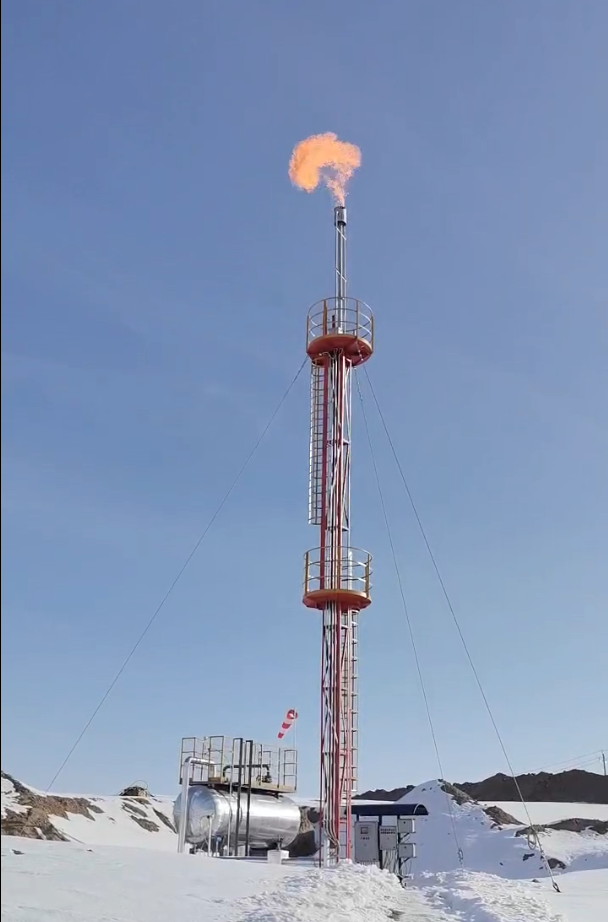
An enclosed ground flare, or EGF, is a low-profile alternative for sites where a tall stack is difficult to integrate. The flare is enclosed in a structure with refractory lining, and the design controls radiation and noise better than an open ground flare. Zexuan’s ZX-EGF Series is described as a low radiation, low noise, space-saving modular system. It operates at 800°C–1200°C, with combustion efficiency up to 99.9%. Materials include carbon steel, SS304, SS316L, SS310S, and refractory lining materials.
An EGF may be a practical fit for refinery or petrochemical facilities with limited plot space, nearby boundaries, or requirements to reduce visual impact and noise. Zexuan’s product application data lists petrochemical parks, chemical plants, LNG terminals, hazardous gas treatment, pharmaceutical plants, and industrial parks as target environments.
Skid-Mounted and Mobile Flares for LNG, LPG, and Boil-Off Gas
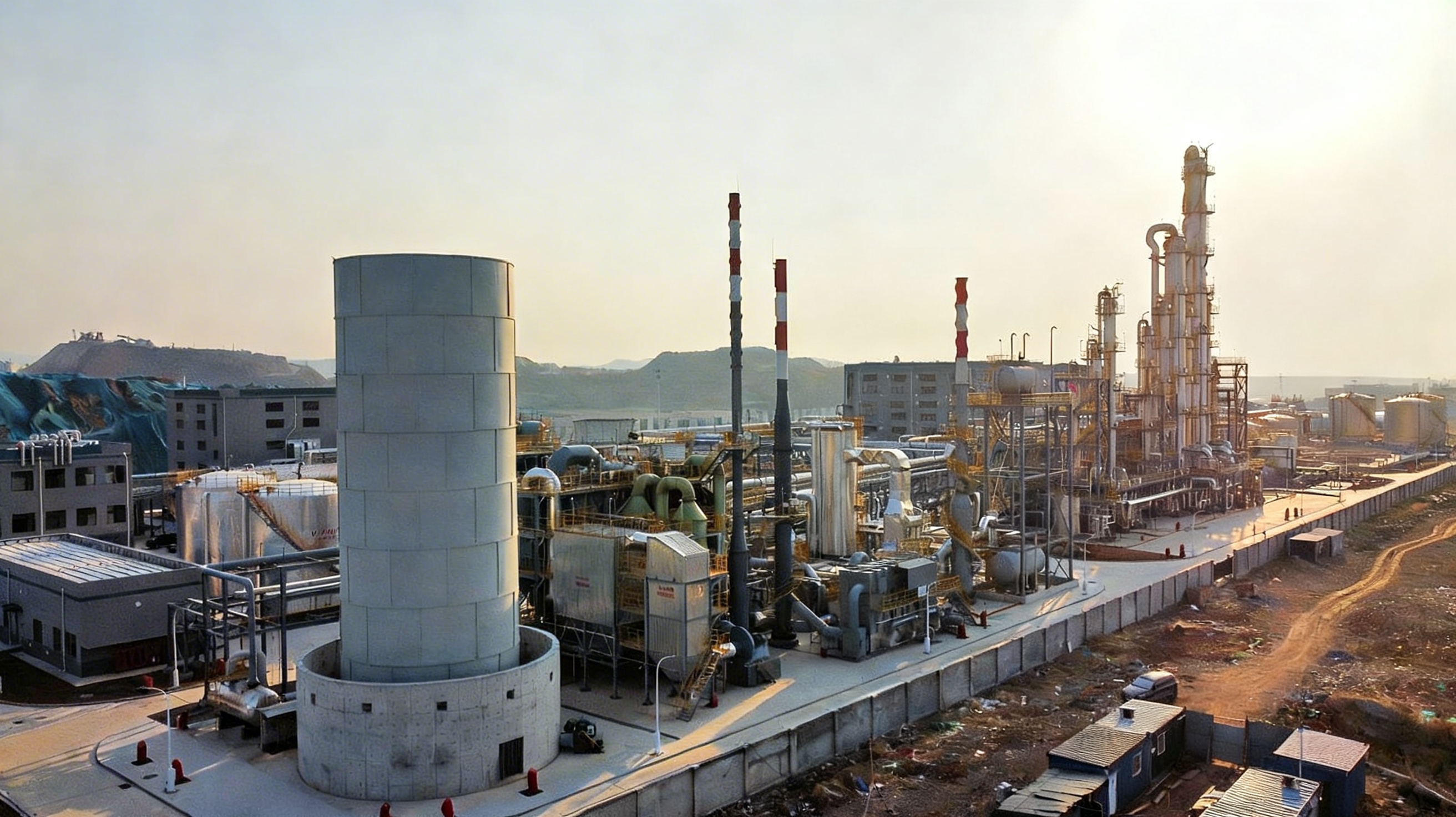
Refinery sites with LNG receiving, bunkering, gas storage, or LPG handling may also need a smaller skid-mounted flare for boil-off gas, emergency release, or temporary. Zexuan’s ZX-SMF Series covers LNG terminal flares, LNG bunkering flares, LPG emergency flares, and mobile flare units. The system is designed to be compact and skid-mounted, with fast installation and commissioning, and it can be engineered for cryogenic service. Gas types include LNG, LPG, natural gas, and hydrocarbon gas. Materials include carbon steel, SS304, SS316L, and low-temperature materials for LNG service.
Skid-mounted flares do not replace a refinery main flare, but they are useful when gas release occurs away from the central flare system, such as at a jetty, storage area, or isolated compressor station.
Flare Tips and Combustion Internals
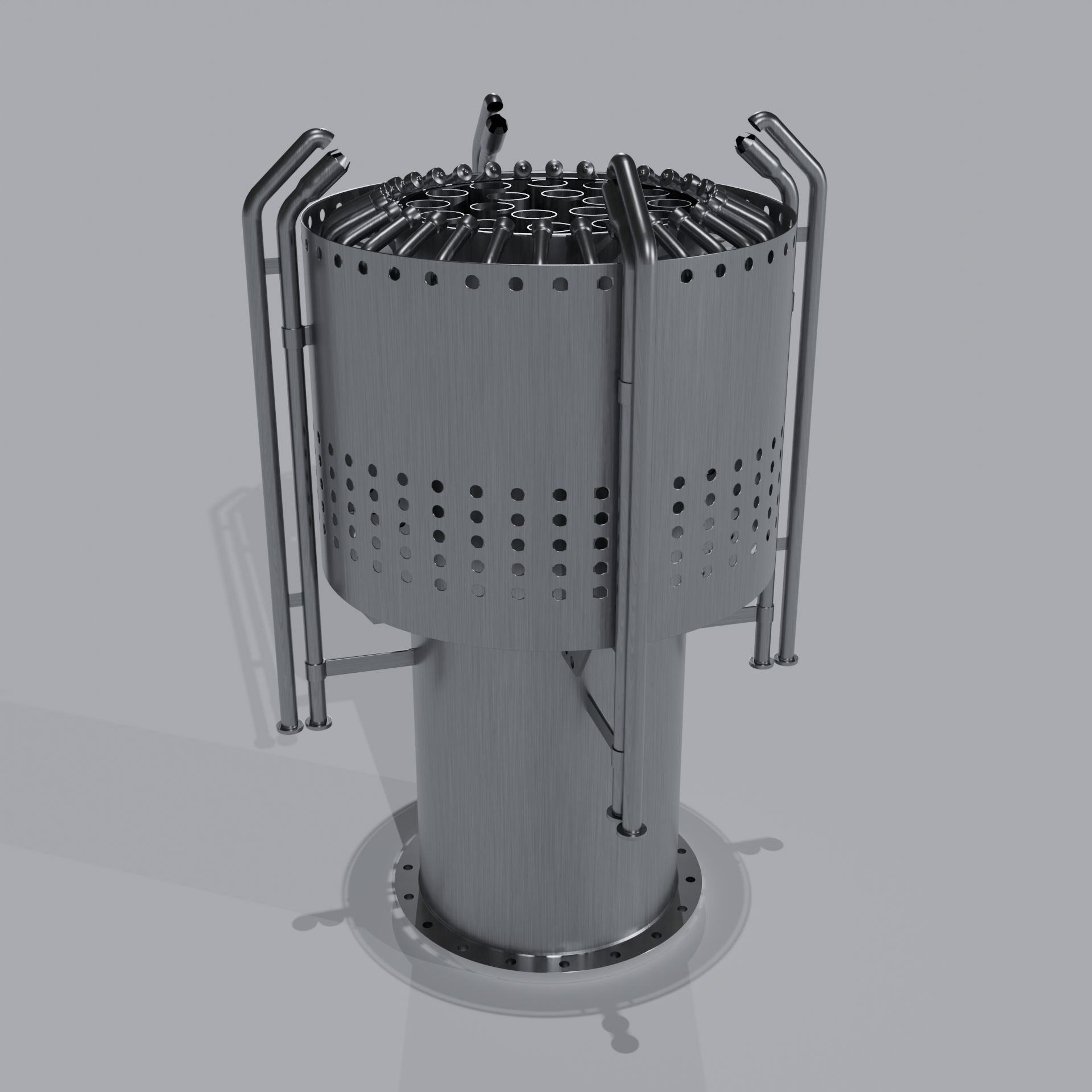
For existing refinery flare stacks, a flare tip upgrade can change combustion performance without replacing the entire structure. Zexuan’s ZX-FT Series includes sonic, smokeless, air-assisted, and Coanda-type flare tips. The tips are designed for operating temperatures up to 1100°C, with customizable diameter and gas capacity. Primary materials include SS316L, SS310S, and Inconel 625. Typical applications are refineries, petrochemical plants, LNG facilities, and oil and gas processing.
Associated Thermal Treatment Equipment
Some refinery-related projects also need VOC destruction or hazardous waste treatment outside the main flare system. Zexuan manufactures ZX-TO, ZX-RTO, and ZX-RCO thermal oxidizers for VOC treatment, operating at 800°C–1200°C with destruction efficiency up to 99% or higher. The ZX-INC Series hazardous waste incineration system uses rotary kiln technology for solid, liquid, and hazardous waste at 850°C–1200°C, with multi-stage combustion, heat recovery, and waste gas treatment integration. These systems do not replace a flare; they expand the treatment options for streams that should not normally be sent to the main flare header.
Step-by-Step Approach to Match a Flare Systems Manufacturer to a Refinery Project
The following sequence can be used to build a supplier brief or to compare proposals during evaluation.
Step 1: Define the flare load cases
List the emergency relief loads, blocked outlet cases, fire relief, depressuring events, startup and shutdown flows, and normal purge gas flow. The manufacturer should understand which cases occur frequently and which are rare but must still be handled safely.
Step 2: Match the flare architecture to the load and site
Select the primary architecture before asking for a commercial proposal. Elevated flares are common for main refinery process relief. Enclosed ground flares are useful where radiation, noise, and visual impact must be reduced. Skid-mounted flares are practical for LNG, LPG, BOG, emergency release, and remote locations. The proposal should justify the configuration based on the load profile and site limits.
Step 3: Verify the compliance basis
Flare system design is primarily governed by API Standard 521, Pressure-Relieving and Depressuring Systems. The standard provides a framework for relief load determination, header sizing, purge gas, liquid drainage, and safe disposal. It also specifies minimum flare header slope for drainage, for example 1/4 inch per 10 feet. A refinery buyer should ask the manufacturer to document how the design follows API 521 assumptions, especially for header sizing, liquid removal, and relief scenarios.
Step 4: Set site and environmental acceptance criteria
Define radiation limits, noise limits, plot boundaries, stack height restrictions, and emission requirements. If the site is close to a boundary, an EGF may be more appropriate than an elevated flare, but the final decision depends on the flow rate and site engineering.
Step 5: Evaluate engineering and manufacturing scope
Check whether the supplier can provide engineering design, process and combustion engineering, mechanical and structural design, manufacturing, installation, and commissioning. Zexuan states that it provides integrated services including engineering design, equipment manufacturing, installation, and commissioning. The company operates a 24,100 m² manufacturing base with more than 80 employees, including 30+ engineering and technical specialists, and reports an annual manufacturing capacity of 60+ sets of flare and thermal treatment systems.
Step 6: Audit quality control and factory acceptance testing
A flare system manufacturer should have a documented quality-control process. Zexuan’s process includes incoming material inspection, welding inspection, dimensional inspection, pressure or leak testing when applicable, functional testing, factory acceptance testing, and final inspection before shipment. The company’s monthly capacity is 5 sets of customized industrial systems, with a lead time of 60–120 days depending on project requirements and a minimum order quantity of 1 set.
Step 7: Plan installation, commissioning, and after-sales support
Ask the manufacturer about site support. For Zexuan, after-sales services include remote support, commissioning assistance, spare parts, and training. These services matter for refinery projects because flare systems are often installed as part of a larger shutdown or startup window and need clear execution planning.
Configuration Comparison for Refinery Flare Projects
The table below compares three common flare configurations using publically verifiable product information. It is not a ranking; it is a starting point for project-specific selection.
| Criteria | Elevated Flare System | Enclosed Ground Flare EGF | Skid-Mounted LNG/LPG Flare |
|---|---|---|---|
| Structural form | Self-supported, guyed-wire, derrick-supported, or demountable stack | Enclosed structure with refractory lining | Compact skid-mounted or mobile unit |
| Height or footprint | Stack height 10 m–150 m+ | Space-saving modular design | Compact skid-mounted design |
| Typical gas service | Hydrocarbon gas, high-pressure relief, startup and shutdown venting | Complex hazardous gas treatment, chemical and petrochemical gas streams | LNG, LPG, natural gas, hydrocarbon gas, BOG, cryogenic release |
| Design temperature | Up to 1100°C | 800°C–1200°C | Cryogenic service compatible |
| Combustion efficiency | ≥98%–99.9% depending on design and operating conditions | Up to 99.9% | Customized according to gas release rate |
| Site benefit | Height helps reduce ground-level radiation | Low radiation and low noise design | Fast installation and commissioning |
Project Evidence from Hydrocarbon-Related Applications
When evaluating a flare systems manufacturer for refinery projects, buyers can check similar hydrocarbon gas projects. Zexuan’s case history includes the following supplied and operating systems:
- A natural gas processing company received 2 sets of guyed-wire elevated flare systems, including a 60 m elevated flare structure, DN350 flare tip, automatic ignition, and PLC control. The systems operated for more than one year under harsh climate conditions.
- An oil and gas company received 1 set of enclosed ground flare system for natural gas vent gas at an oilfield transfer station. The system included an explosion-proof control cabinet and automatic ignition, and it operated for one year with reduced noise and visual impact.
- A chemical manufacturer received 2 sets of flare systems for process vent gas generated during DL-methionine production. The systems operated for more than one year and supported stable treatment of complex chemical process gas.
These examples are not a guarantee of identical future performance, but they give buyers concrete verification points when asking manufacturers about experience with hydrocarbon gas, automatic ignition, PLC control, and enclosed ground flare technology.
Frequently Asked Questions
Which flare system design requirements apply to refinery projects?
Refinery flare projects are generally designed against API Standard 521, Pressure-Relieving and Depressuring Systems. API 521 provides a framework for relief load determination, flare header sizing, purge gas, liquid drainage, and safe disposal of relieved fluids. One specific drainage requirement is a minimum flare header slope of 1/4 inch per 10 feet. A buyer should ask the manufacturer how the entire pressure-relieving and flare system, not only the flare tip, follows API 521.
What flare system types does Zexuan supply for refinery projects?
Zexuan supplies self-supported, guyed-wire, derrick-supported, and demountable elevated flare systems; enclosed ground flare systems; skid-mounted LNG/LPG flare systems; mobile flare units; and flare tips. For refinery buyers, elevated and enclosed ground flare configurations are most often evaluated because they can be designed around the large relief and venting loads typical of hydrocarbon processing.
How does Zexuan customize flare systems for a refinery project?
Zexuan operates as a flare systems manufacturer, OEM/ODM partner, and engineering solution provider. The company can customize flare type, capacity, material, structure, control system, layout, voltage, and documentation. Its integrated scope includes engineering design, equipment manufacturing, installation, and commissioning. Customization starts from gas composition, flow rate, relief loads, site constraints, and operating requirements.
What is a typical lead time and quality-control process for a Zexuan flare system?
Zexuan’s typical lead time is 60–120 days, depending on project requirements, with a monthly manufacturing capacity of five customized industrial systems and a minimum order quantity of one set. Quality control includes incoming material inspection, welding inspection, dimensional inspection, pressure or leak testing when applicable, functional testing, factory acceptance testing, and final inspection before shipment.
What evidence should a buyer review before selecting a flare systems manufacturer for a refinery?
Buyers should review previous projects using hydrocarbon and chemical process gas. In Zexuan’s supplied case data, a natural gas processing company used two guyed-wire elevated flare systems, an oilfield transfer station used one enclosed ground flare system, and a chemical manufacturer used two elevated flare systems for DL-methionine process off-gas. Each system operated for more than one year. The next step is to request a technical quotation, documentation, and a discussion of site-specific project conditions.
Final Considerations for Refinery Flare System Buyers
Refinery flare system procurement should begin with the process and site basis, not with a fixed list of brand names. Clearly defined relief scenarios, radiation and noise limits, and expected gas compositions allow a manufacturer to select the most appropriate flare configuration. The buyer should then verify that the manufacturer has integrated engineering, fabrication, and commissioning capability, a repeatable quality-control process, and relevant project history. This approach is more likely to produce an executable design than relying on a generic equipment quote.
Next step for refinery flare system evaluation
Download the Shandong Zexuan brochure to review the manufacturing scope and product portfolio: Shandong Zexuan.pdf. For direct questions, contact Alice at alice@zexuaneco.com or +86 18678831572. The manufacturing base is located at Huji Industrial Park, Mudan District, Heze, Shandong Province, China, and the headquarters is at No. 2000, Shunhua Road, Innovation Zone, Jinan, Shandong Province, China.
Have Questions or Need More Details?
Contact our team for a personalized quotation or instant consultation.
Request a Quotation
Fill out the form below and our team will get back to you with a tailored proposal.
WhatsApp Direct Chat
Prefer to chat in real-time? Message us on WhatsApp for instant assistance & quick answers.
- Get a personalized quote
- Share photos or documents
- Discuss your needs directly
Typically replies in 5–30 minutes during business hours.