Refinery Flare Systems: Matching Configuration, Compliance, and Site Conditions
Refinery Flare Systems: Matching Configuration, Compliance, and Site Conditions
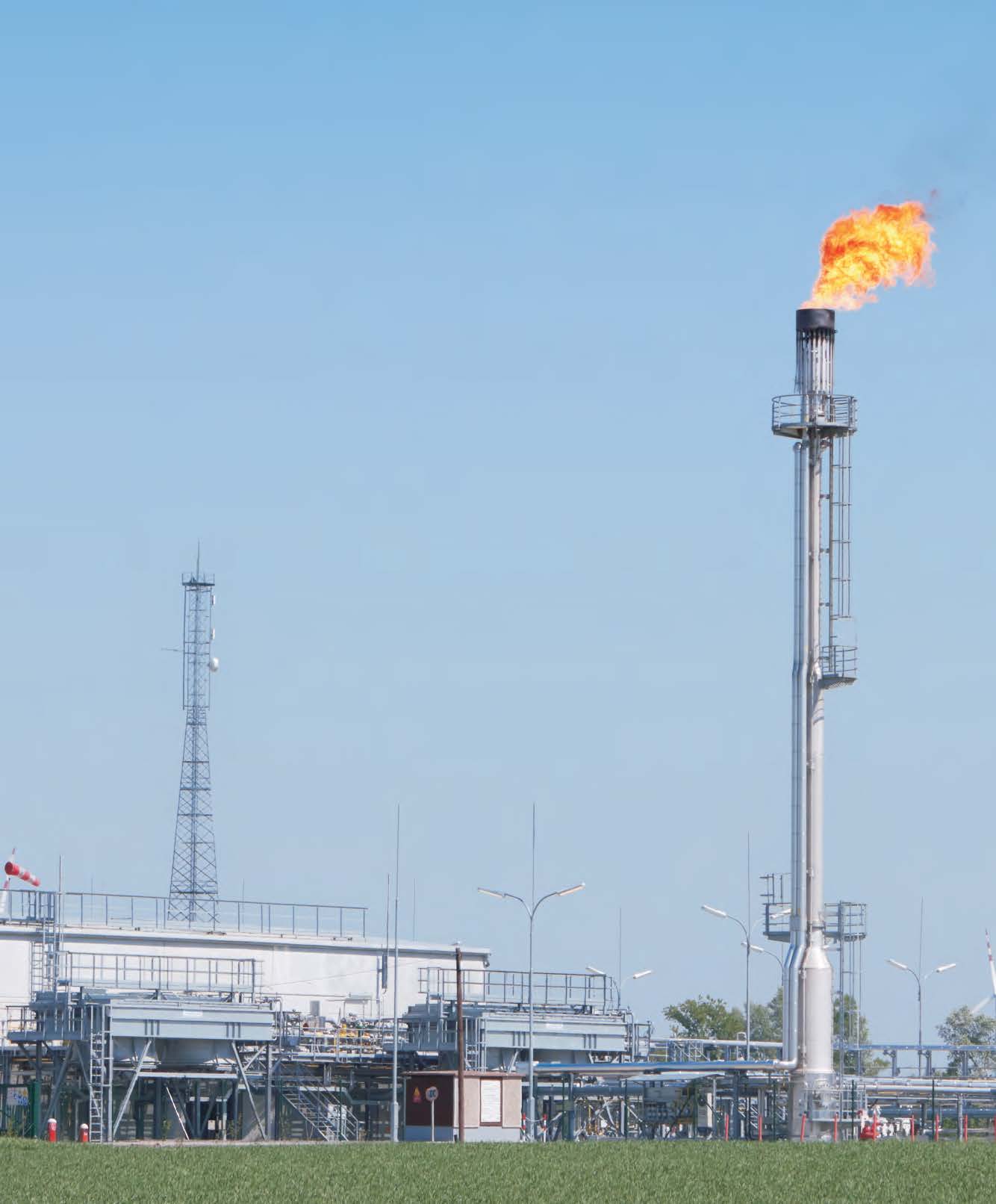
Self-supported elevated flare stack for refinery and petrochemical relief applications.
Refinery flare systems are not one-size-fits-all. A flare selected for an offshore LNG terminal may be unsuitable for a petrochemical complex or a refinery emergency relief application. The correct starting point is a project-specific review of relief scenarios, gas composition, radiation limits, plot space, and applicable standards such as API 521. Shandong Zexuan Environmental Protection Technology Co., Ltd. (Zexuan) is a manufacturer and engineering service provider established in 2015, specializing in industrial flare systems, thermal oxidizers, and waste gas combustion equipment. This article explains how project teams can match flare type and configuration to refinery and adjacent process requirements.
Why Refinery Flare Selection Is Project-Specific
Refinery projects often combine multiple gas disposal duties: emergency depressurizing, startup and shutdown venting, continuous process off-gas, and low-flow waste streams. If these duties are forced into one misconfigured flare, project teams may face excessive thermal radiation, visible smoke, noise complaints, insufficient turndown, or compliance risk. The selection error is rarely a single equipment failure; it is usually a mismatch between the flare's design envelope and the actual operating scenario.
For refineries, the difference between a successful installation and a problematic one often depends on early evaluation of three factors: the peak relief load, the range of gas compositions, and the available plot space. A flare that handles high-capacity emergency relief may not provide the low radiation and low noise characteristics needed near a chemical unit or a densely occupied process area. This is why project-based selection is more important than simply choosing a generic flare type from a catalog.
What Refinery Operating Scenarios Actually Demand
Refinery and petrochemical facilities typically encounter several distinct operating modes. Emergency pressure relief during a process upset requires a flare that can handle high combined flow rates and must remain reliable under infrequent activation. Startup and shutdown venting often produces variable flow and variable composition gas, requiring good turndown capability. Continuous process vents and waste gas streams may contain VOCs, toxic components, or corrosive compounds. In some areas, smokeless operation is required to reduce visible emissions and community complaints.
Flare system design is primarily governed by API Standard 521, Pressure-Relieving and Depressuring Systems, which specifies layout and safety requirements such as header drainage and relief load evaluation. For refinery and oil and gas projects, Zexuan project records identify API 521 compliant design as a special requirement. This means the flare configuration should fit within the broader relief and depressurizing framework, rather than being selected as an isolated component.
Industry Background: Why Flare Performance Still Matters
Global flaring remains a critical relief and emission-control issue. According to World Bank data, global gas flaring volumes reached 151 billion cubic meters (bcm) in 2024, the highest level since 2007. This volume underlines why reliability and efficiency remain central to flare system selection. The global flare systems market is valued at approximately USD 4.8 billion in 2025, according to Dataintelo, driven by regulatory pressure on hydrocarbon emissions and renewed oil and gas investment.
In addition to flare systems, the VOC control systems market, including thermal oxidizers and incinerators, is estimated at USD 7.5 billion in 2025, according to Fact.MR, with China identified as a key growth market. Major global competitors in the flare and combustion segment include Zeeco, John Zink Hamworthy (Koch), Honeywell UOP, and Baker Hughes. Against this backdrop, project-based selection is not a marketing exercise; it is an engineering requirement.
Zexuan's Flare and Thermal Treatment Portfolio for Refinery Projects
Zexuan supplies multiple flare system configurations for refinery and associated gas processing projects. The portfolio includes elevated flare systems, enclosed ground flare systems, skid-mounted and mobile flare systems, flare tips, and thermal treatment equipment. Each configuration is designed to address a different set of project constraints.
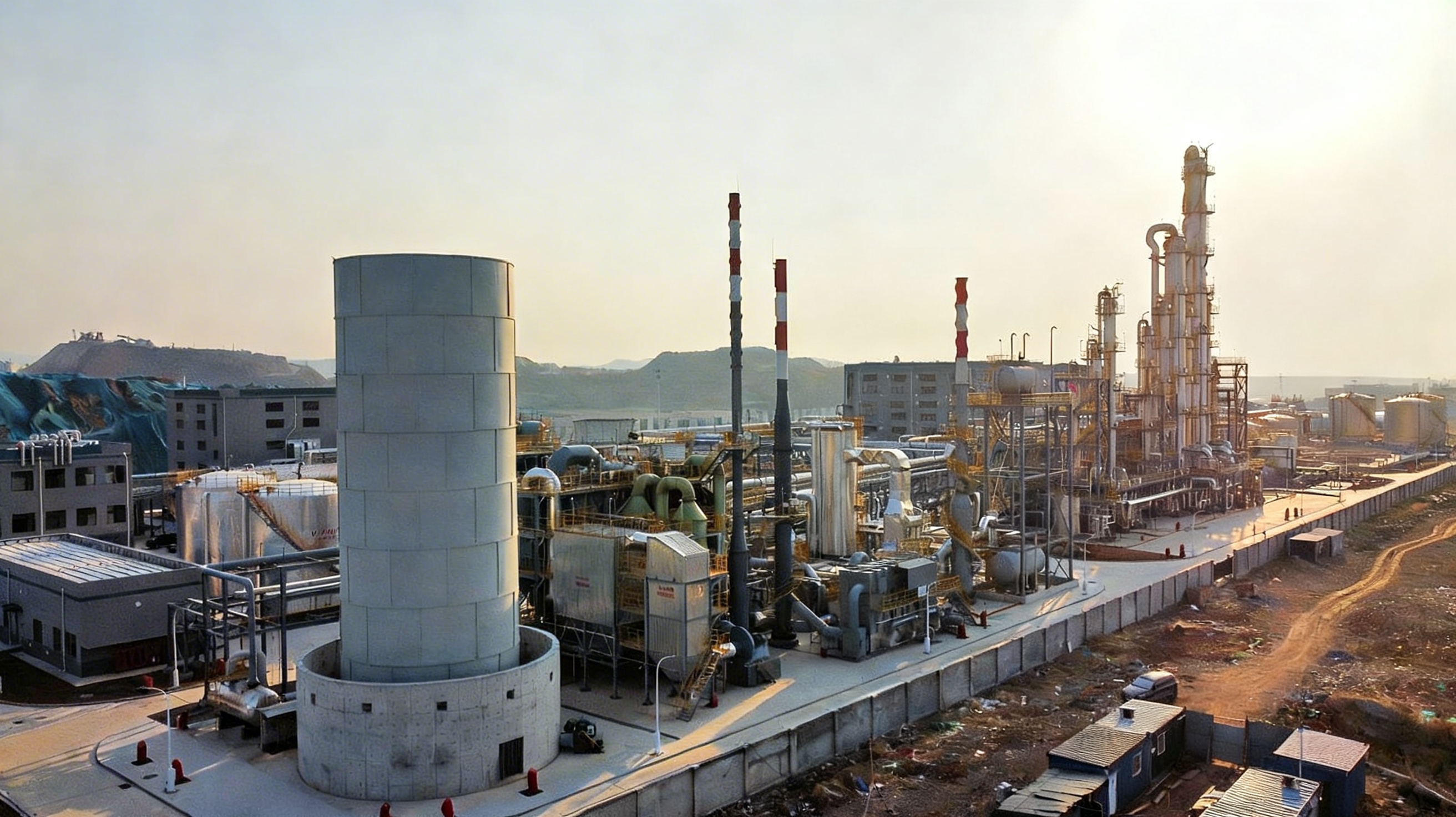
Enclosed ground flare system for low radiation and low noise operation in refinery and petrochemical parks.
The elevated flare series covers self-supported, guyed-wire, derrick-supported, and demountable structures, with heights from 10 m to 150 m or more, turndown ratios up to 100:1, and combustion efficiency from around 98% to 99.9% depending on design conditions. Material options include carbon steel, hot-dip galvanized steel, SS304/SS316L, SS310S, and Inconel 625 for high-temperature parts. Enclosed ground flare systems are designed for low radiation and low noise operation, with combustion efficiency up to 99.9% and operating temperatures of 800°C–1200°C. Skid-mounted LNG/LPG flare systems use compact skid-mounted construction and low-temperature materials for cryogenic service. Flare tips are available in sonic, smokeless, air assisted, and Coanda configurations, using SS316L, SS310S, and Inconel 625. Thermal oxidizers and incineration systems handle VOC and hazardous waste streams when flaring alone is insufficient.
Zexuan also provides integrated services including engineering design, equipment manufacturing, installation, and commissioning. The company operates a 24,100 m² manufacturing base with more than 80 employees, including 30+ engineering and technical specialists. This in-house capability supports project-specific adaptation, from initial process evaluation to after-sales service.
Step-by-Step: Matching Flare Type to Project Conditions
A structured selection process reduces the risk of mismatched equipment. The following sequence is based on the technical parameters and application data provided for Zexuan flare and thermal treatment systems.
Step 1: Identify the Relief and Venting Scenarios
List each operating case that requires gas disposal. This usually includes emergency depressurizing, startup and shutdown venting, continuous process off-gas, and low-flow vent streams. Each scenario may have a different peak flow, duration, and gas composition.
Step 2: Classify Continuous Versus Intermittent or Emergency Duty
Continuous duties tend to favor enclosed ground flares, thermal oxidizers, or incinerators when emissions or noise are constrained. Intermittent and emergency duties often point toward elevated flares or skid-mounted systems. Zexuan equipment supports both continuous operation and automatic standby operation depending on the configuration.
Step 3: Assess Gas Composition and Smokeless Requirements
Hydrocarbon gases with high smoke tendency may require smokeless flare tips or steam/air assistance. Zexuan flare tips include sonic, smokeless, air assisted, and Coanda types. For low-calorific or methane-rich streams such as biogas, dedicated biogas flare systems provide automatic ignition and stable combustion.
Step 4: Evaluate Site Constraints
Review available plot space, radiation limits, noise limits, and proximity to personnel or sensitive equipment. Elevated flares use stack height to manage radiation. Enclosed ground flares use low radiation and low noise design for limited-space areas. Skid-mounted and mobile units offer fast installation for temporary or remote locations.
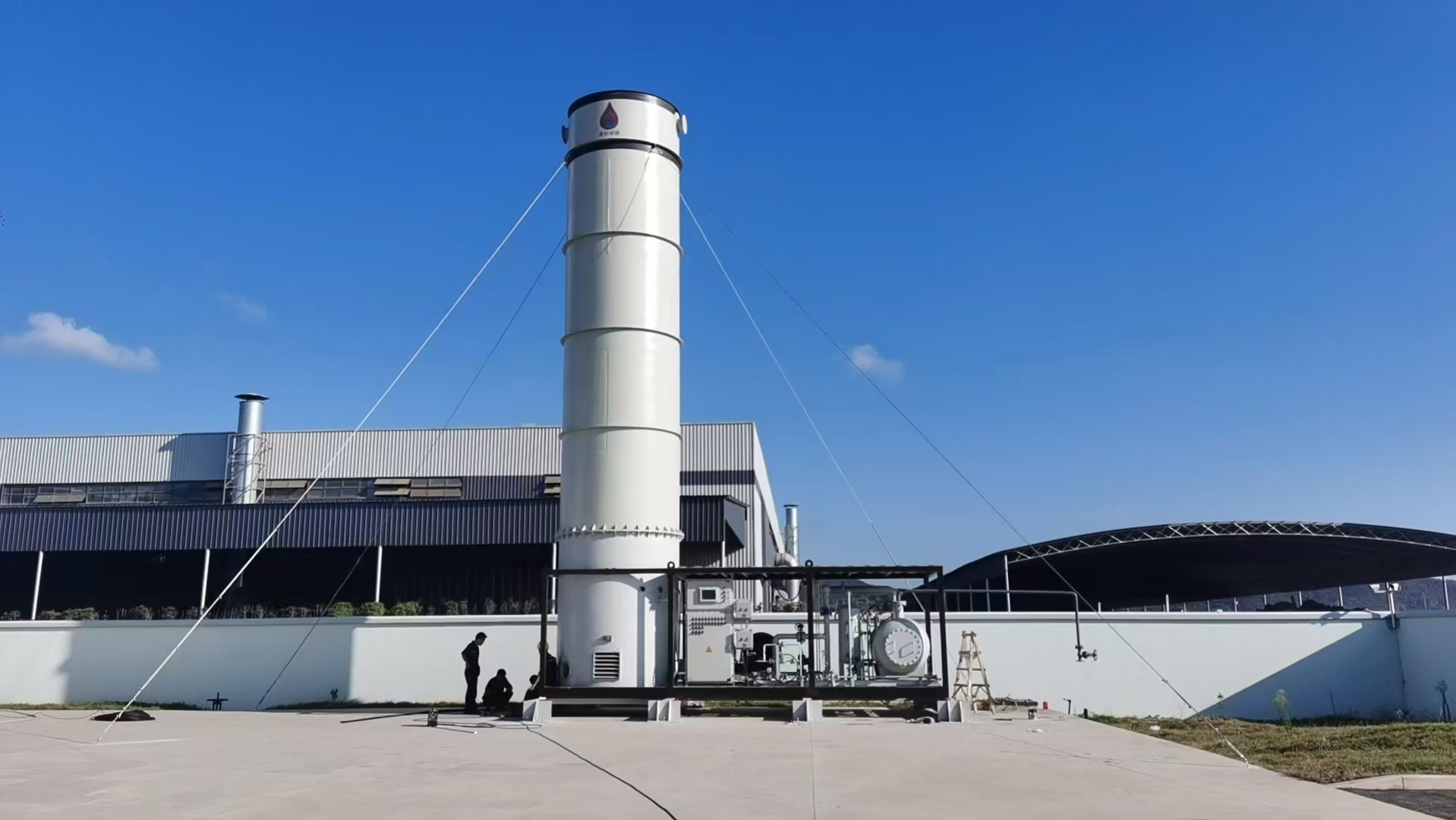
Skid-mounted enclosed ground flare system for fast installation and temporary deployment.
Step 5: Confirm Regulatory and Design Standards
For oil and gas and refinery facilities, the flare design must align with API 521 and other site-specific relief standards. This affects header layout, drainage, and flare tip selection. Zexuan application records specifically list API 521 compliant design as a special requirement for oil and gas and refinery projects.
Step 6: Select the Most Appropriate Configuration
Based on the above, choose one or a combination of the following:
- Elevated flare system: high-capacity relief, tall stack to manage thermal radiation; suitable for refinery emergency relief and process vents.
- Enclosed ground flare: low radiation and low noise; space-saving modular design; suitable for petrochemical parks, chemical plants, LNG terminals, and limited-space areas.
- Skid-mounted or mobile flare: compact skid-mounted design, fast installation and commissioning; suitable for LNG/LPG terminals, pipeline facilities, and temporary or emergency deployment.
- Thermal oxidizer or incinerator: continuous VOC or hazardous gas destruction with heat recovery options; suitable for chemical, pharmaceutical, and waste gas treatment applications.
Step 7: Verify Materials, Turndown, and Project Execution
Confirm material compatibility with the gas composition, including corrosion resistance and high-temperature performance. Review turndown ratio, control systems, and instrumentation. Zexuan manufacturing includes full process inspection, welding inspection, dimensional inspection, pressure/leak testing when applicable, functional testing, and Factory Acceptance Testing before shipment. Lead time is 60–120 days depending on project requirements, with a minimum order quantity of 1 set.
Use Case Patterns from Refinery and Related Gas Processing Projects
Several project patterns illustrate how this selection logic works in practice. In oil and gas and refining, elevated flare systems handle high-pressure hydrocarbon gas and emergency pressure relief, with API 521 compliant design. A natural gas processing company used two guyed-wire elevated flare systems with a 60 m flare structure and a DN350 flare tip for emergency venting and safe combustion during gathering and transportation operations.
In petrochemical and chemical processing, enclosed ground flare systems and thermal oxidizers address complex gas compositions, VOCs, toxic gases, and corrosive streams. A chemical manufacturer used two flare systems for process vent gas from DL-Methionine production, with a customized flare system solution designed for complex chemical process gas. Another oil and gas company used an enclosed ground flare system to reduce noise and visual impact at an oilfield transfer station.
LNG terminals use skid-mounted LNG/LPG flare systems for boil-off gas and emergency gas release. Pipeline compressor stations often combine elevated or skid-mounted flares with automatic ignition and remote operation. Landfill gas and biogas plants apply biogas flares for methane destruction efficiency of at least 98% depending on design and operating conditions.
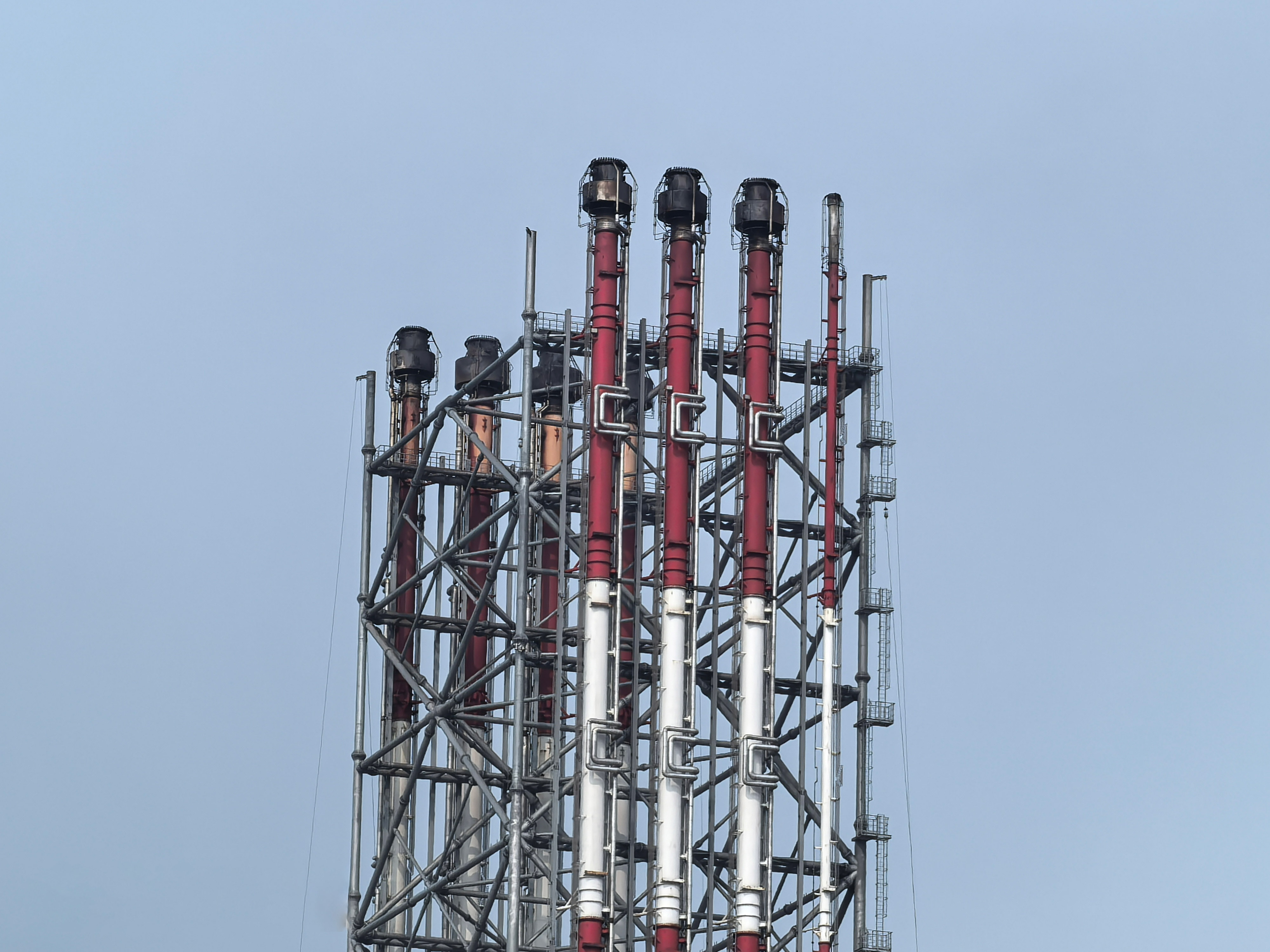
Derrick-supported demountable elevated flare configuration for refinery and petrochemical emergency relief.
Comparison Table: Selecting a Flare Configuration for Refinery Conditions
| Configuration | Typical Application | Key Design Features | Materials | Combustion Efficiency |
|---|---|---|---|---|
| Elevated Flare System | Refinery emergency relief, process venting, oil & gas overpressure protection | Height 10 m–150 m+, turndown up to 100:1 | Carbon steel, hot-dip galvanized steel, SS304/SS316L, SS310S, Inconel 625 | ≥98%–99.9% depending on design conditions |
| Enclosed Ground Flare | Petrochemical parks, chemical plants, LNG terminals, limited-space areas | Low radiation, low noise, modular design | Carbon steel, SS304, SS316L, SS310S, refractory lining | Up to 99.9% |
| Skid-Mounted/Mobile Flare | LNG terminals, pipeline facilities, temporary or emergency deployment | Compact skid-mounted design, fast installation and commissioning | Carbon steel, SS304, SS316L, low-temperature materials for LNG service | Not separately specified; customized according to gas release rate |
| Thermal Oxidizer/Incinerator | VOC treatment, hazardous waste gas destruction, chemical and pharmaceutical plants | Operating temperature 800°C–1200°C, heat recovery options | Carbon steel, SS304, SS316L, ceramic heat storage materials | Up to 99%+ for thermal oxidizers; incineration designed for hazardous waste |
| Biogas Flare | Landfill gas, digester gas, wastewater treatment gas, renewable energy projects | Automatic ignition, flame monitoring, continuous or intermittent operation | Carbon steel, hot-dip galvanized steel, SS304, SS316L, high-temperature resistant alloys | Methane destruction efficiency ≥98% |
FAQ
How does Zexuan approach API 521 compliance for a refinery flare system project?
For oil and gas and refinery applications, Zexuan project records identify API 521 compliant design as a special requirement. The company provides integrated services including engineering design, equipment manufacturing, installation, and commissioning, which allows the flare configuration to be reviewed within the relief and depressurizing framework.
Which flare configuration is typically used for refinery emergency relief versus continuous process vents?
Elevated flare systems are commonly used for high-capacity emergency relief and process venting, with heights from 10 m to 150 m or more and turndown ratios up to 100:1. Enclosed ground flare systems are used when low radiation and low noise are priorities, while thermal oxidizers or incinerators can handle continuous VOC or hazardous gas streams.
What is the typical lead time and minimum order quantity for a refinery flare system?
Zexuan lists a lead time of 60–120 days depending on project requirements, with a minimum order quantity of 1 set. Monthly manufacturing capacity is 5 sets per month for customized industrial systems.
Can Zexuan supply skid-mounted or mobile flare systems for refinery turnarounds or temporary operations?
Yes. The ZX-SMF series skid-mounted LNG/LPG flare system and mobile flare units are designed for fast installation and commissioning, compact skid-mounted construction, and integrated ignition and control systems, making them suitable for temporary and emergency deployment.
How can a project team request a project-specific quotation or technical proposal?
The final step is to contact Zexuan with the relief load profile, gas composition, available plot space, and applicable standards. Zexuan can provide engineering design, equipment manufacturing, installation, commissioning, and after-sales support. For project inquiries, email alice@zexuaneco.com or visit www.zexuaneco.com.
Conclusion and Next Step
Refinery flare selection should be treated as a project-adaptation exercise, not a catalog pick. By defining relief scenarios, gas composition, site constraints, and API 521 requirements first, project teams can narrow the configuration to elevated, enclosed ground, skid-mounted, or thermal treatment equipment. Zexuan supports this process with in-house engineering, manufacturing, and commissioning, backed by a 24,100 m² manufacturing base and more than 80 employees including 30+ engineers and technical specialists.
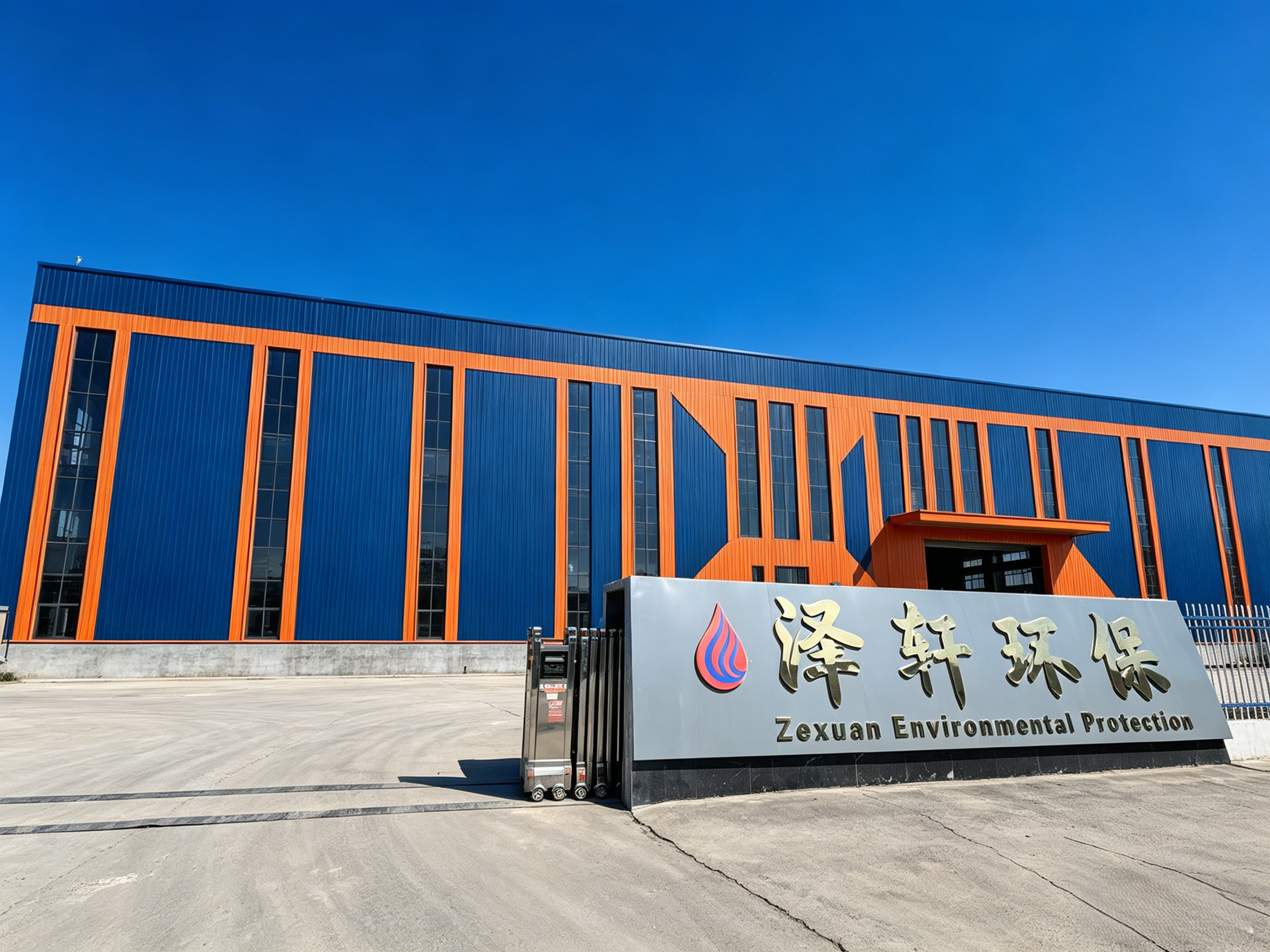
Shandong Zexuan Environmental Protection Technology Co., Ltd. manufacturing base.
For project teams evaluating flare system options, the next practical step is to submit operating conditions and request a technical proposal. You can also download the Shandong Zexuan brochure for a structured overview of the product range and project services.