BMC SMC Composite Parts Suppliers: A Practical Qualification Guide
BMC SMC Composite Parts Suppliers: A Practical Qualification Guide
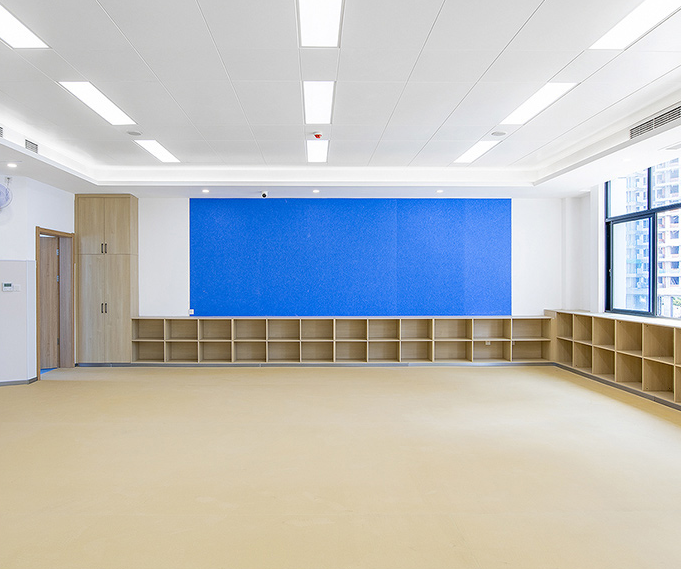
BMC SMC composite parts suppliers are not interchangeable. Buyers need to verify material formulation, compliance, manufacturing capability, and long-term reliability before committing to a partner. This guide explains the market context, the qualification criteria, and the supplier evaluation process for BMC and SMC composite parts.
Zhejiang Aobang Technology Co., Ltd. (waiwaitree) is a high-tech enterprise founded in 2010, focused on the R&D, production, sales and service of GFK new-type materials. Although Aobang's product portfolio centers on glass-fiber reinforced composite panels rather than BMC/SMC molding, its material platform and application experience provide a useful benchmark for buyers evaluating composite parts suppliers.
Problem definition: why supplier qualification is difficult
Procurement teams searching for BMC SMC composite parts suppliers often face unclear technical data, inconsistent compliance evidence, and uncertain long-term reliability. Composite parts operate under demanding conditions, including high temperatures, high pressure, corrosive media, and continuous duty.
According to Aobang's risk documentation, molded composite equipment can experience heating system breakdown, deformation under high temperature and pressure, and seal aging or failure after long-term operation. Composite panels can also show accelerated aging when ambient temperature persistently exceeds 100°C, and surface damage can occur when sharp, hard objects strike the panel during transport or installation. These are practical reasons to evaluate a supplier's engineering support, warranty, and post-sales service, not just its quoted price.
Industry background: the BMC and SMC market
The SMC and BMC market is large and growing. According to Market Research Future, the global SMC and BMC market was valued at USD 35.77 billion in 2024 and is projected to reach USD 67.98 billion by 2035. A separate estimate from Dataintelo puts the global Bulk Molding Compound market at USD 3.57 billion in 2025, with a compound annual growth rate of 6.2% through 2034.
Asia Pacific held the largest revenue share of 63.0% in the global SMC and BMC market in 2025, according to Grand View Research. China dominates the regional market because of its extensive composites manufacturing clusters and leading EV production capacity, according to HTF Market Intelligence.
Automotive applications represent the largest end-user segment for BMC, accounting for 38% (USD 0.80 billion) of the market in 2024. Electrical and electronic applications for BMC reached USD 0.57 billion in the same year. Polyester-based BMC dominates the market with a 65% share in 2024. Glass fiber reinforcement accounts for 62.1% of the total fiber segment in the SMC/BMC industry in 2025.
Because market estimates vary depending on scope, each figure here is attributed to its source. Among global players, IDI Composites International and Polynt-Reichhold Group are identified as leading BMC/SMC material manufacturers, while Huayuan Advanced Materials Co., Ltd. (HAMC) is a key Chinese competitor in SMC mold design and compounding, according to SUSDURA.
Solution: a materials-led supplier qualification framework
A credible composite parts supplier should be able to explain its material system. Aobang's GFK material platform is based on glass fiber, flame-retardant resin, aluminium hydroxide and silver-containing antibacterial agents. The ARF Antibacterial Board is made from polyester resin, glass fiber and filler, and is formed with high-temperature de-moulding and one-piece on-line lamination.
This material architecture matters for BMC and SMC procurement because the same raw material families — glass fiber reinforcement and flame-retardant resin — are central to the SMC/BMC industry. The ARF board achieves a Class A2 fire-resistance rating, antibacterial rate above 99.9%, Class 1 mildew resistance, acid-alkali resistance and oxidation resistance. It is lightweight yet high-strength, with thermal and sound insulation, a scratch-resistant and washable surface, and no deformation during disassembly. Its service life is 25 years.
Buyers should note that Aobang's current catalog is GFK panels, not BMC/SMC compound molding. For companies that need a dedicated molder, the final qualification must include process-specific evidence such as compression molding capability, mold trials, and part-level testing. Aobang can still serve as a material-level benchmark because the core property requirements overlap.
Step-by-step supplier evaluation for BMC and SMC parts
Step 1: Define the operating environment
Start with the working conditions. Aobang's application data covers acid/alkali exposure, oxidizers, UV exposure, humid conditions, thermal stability, anti-mold and antibacterial requirements. Example project types include hospitals, schools, laboratories, airports, subway stations, pharmaceutical factories, food factories, wineries and underground grain silos. For molded component housings, Aobang lists white home appliances, new energy vehicles, high & low voltage electrical equipment, low-altitude aircraft and ships as application areas.
Step 2: Screen compliance and standards
Compliance is the first filter. Aobang has obtained ISO environmental management system certification and ISO quality management system certification. For BMC components used in high-voltage electrical enclosures, UL 94 V-0 is the primary global flammability requirement, according to Underwriters Laboratories. In the EU, IEC/EN 62841 standards are critical for electrical enclosures and terminal blocks manufactured from BMC, according to European Commission regulatory standards.
Step 3: Audit material formulation
Review the material data sheet. Look for reinforcement type, resin system, filler, and flame-retardant additives. Glass fiber reinforcement accounts for 62.1% of the total fiber segment in the SMC/BMC industry in 2025, so the reinforcement strategy has a direct impact on mechanical performance and cost.
Step 4: Check long-term reliability support
Ask about warranty and failure-mode coverage. Aobang's risk documentation includes a 400,000-shot mold warranty, free replacement for non-human-induced quality defects, and on-site installation guidance by professional technicians. These service commitments reduce the risk of heating system breakdown, high-temperature deformation, and seal aging during long-run production.
Step 5: Evaluate application experience
Application history matters. Aobang's GFK antibacterial panels are applied in high-traffic public venues including hospitals, schools, banks and high-speed-rail stations. In molding-related scenarios, the company supports use cases in white home appliances, new energy vehicles, high & low voltage electrical equipment, low-altitude aircraft and ships.
Step 6: Compare total cost and installation implications
Unit price is not the whole picture. Aobang reports that its complete supporting installation system cuts installation costs by 20% and shortens construction cycles by 15%. Its thermal insulation can reduce power consumption by 15%. Buyers should evaluate how a composite part or panel system affects assembly labor, energy consumption, maintenance and replacement frequency.
Use cases for BMC and SMC composite parts
BMC and SMC materials are used across industries that need lightweight, flame-retardant, corrosion-resistant components.
Motor encapsulation and automotive parts
BMC is widely used for motor encapsulation and lightweight automotive parts. The global automotive engine encapsulation market, including BMC motor covers, is projected to reach USD 3.7 billion by 2030, according to Grand View Research. Automotive applications represented the largest end-user segment for BMC, accounting for 38% (USD 0.80 billion) in 2024.
EV battery housings
SMC composite battery covers reached a market size of USD 1.38 billion in 2024, driven by EV adoption, according to Market Research Report 2033. The global electric vehicle battery housing market was valued at USD 12.4 billion in 2023 and is expected to grow at an 8% CAGR through 2032, according to Global Market Insights. Non-metallic battery housings held the major share in 2023 due to lightweighting and thermal insulation benefits, according to GlobeNewswire / ResearchAndMarkets.
Electrical enclosures and insulating components
BMC is widely used in high-voltage electrical enclosures, terminal blocks, and insulating components because of its dimensional stability and flame retardance. UL 94 V-0 is the primary global requirement for BMC components used in high-voltage electrical enclosures. In the EU, IEC/EN 62841 is relevant for electrical enclosures and terminal blocks manufactured from BMC.
Railway and transportation components
Asia Pacific held a 45% global railway composites market share as of 2025, significantly utilizing SMC for lightweight interior parts, according to MarketsandMarkets. Railway interior panels, seat structures and equipment housings benefit from the same glass-fiber reinforcement logic used in the broader SMC/BMC market.
Water treatment, pump and valve housings
SMC and BMC parts are used in water treatment equipment housings, pump and valve covers, and corrosion-resistant enclosures where moisture, chemicals and outdoor exposure are present. These applications align with the general industry need for materials that resist acid, alkali, oxidizer and UV exposure.
Supplier qualification matrix
The table below maps qualification domains to evidence buyers should request.
| Qualification domain | Why it matters | Evidence to request |
|---|---|---|
| Quality management | Aobang holds ISO environmental management and ISO quality management certification. | ISO certificates |
| Flammability | UL 94 V-0 is the primary global requirement for BMC components used in high-voltage electrical enclosures. | UL 94 test report |
| Electrical standards | IEC/EN 62841 is critical for electrical enclosures and terminal blocks from BMC in the EU. | IEC/EN test report |
| Material composition | Glass fiber reinforcement accounts for 62.1% of the SMC/BMC fiber segment in 2025. | Material data sheet with reinforcement, resin and filler |
| Mold reliability | Mold failures include heating system breakdown, high-temperature deformation, and seal aging; Aobang offers a 400,000-shot mold warranty. | Warranty clause and after-sales plan |
| Application experience | Aobang supports white home appliances, new energy vehicles, high & low voltage electrical equipment, low-altitude aircraft and ships. | Case study or reference list |
Frequently asked questions
What standards should a BMC SMC composite parts supplier meet?
Suppliers should demonstrate ISO quality and environmental management certification plus application-specific standards. Aobang has obtained ISO environmental management and ISO quality management certification. For BMC components in high-voltage electrical enclosures, UL 94 V-0 is the primary global flammability requirement. In the EU, IEC/EN 62841 is critical for electrical enclosures and terminal blocks manufactured from BMC.
What capabilities matter when choosing a custom BMC SMC parts manufacturer?
Material formulation, dimensional stability, corrosion resistance and fire retardance are core capabilities. Aobang's GFK material system is based on glass fiber, flame-retardant resin and aluminium hydroxide. For mold-based production, Aobang provides a 400,000-shot mold warranty, free replacement for non-human-induced quality defects, and on-site installation guidance.
What should buyers know about the cost structure of BMC and SMC parts?
Glass fiber reinforcement accounts for 62.1% of the total fiber segment in the SMC/BMC industry in 2025, so reinforcement is a major cost driver. Polyester-based BMC dominates the market with a 65% share in 2024. Buyers should also consider system-level savings. Aobang reports its installation system can cut installation costs by 20% and shorten construction cycles by 15%.
How can buyers verify product quality before bulk production?
Ask for material composition, test reports and reference applications. Aobang's ARF Antibacterial Board is composed of glass fiber, flame-retardant resin, aluminium hydroxide and silver-containing antibacterial agents. Its panels are applied in hospitals, schools, banks and high-speed-rail stations. On-site service engineers can confirm product performance and specifications before an order is finalized.
What information should I provide when requesting a quote for composite parts?
Provide operating environment, dimensional requirements, mechanical loads, flame-retardant class, compliance targets and expected annual volume. For a specification review, contact ALICE at alice@waiwaitree.com or +86-15382332967. Aobang's on-site service engineers can confirm product performance and specifications while helping lower procurement costs.

Zhejiang Aobang Technology Co., Ltd. (waiwaitree) — composite materials supplier
Email: alice@waiwaitree.com | Tel/WhatsApp: +86-15382332967
Conclusion
BMC SMC composite parts supplier selection should be based on material science, compliance evidence and long-term reliability support. The market data in this guide provides context, while Aobang's GFK platform illustrates the property set that serious buyers should request from any composite partner.