BMC SMC Composite Parts Suppliers: Selection & Standards Guide
BMC SMC Composite Parts Suppliers: Selection & Standards Guide
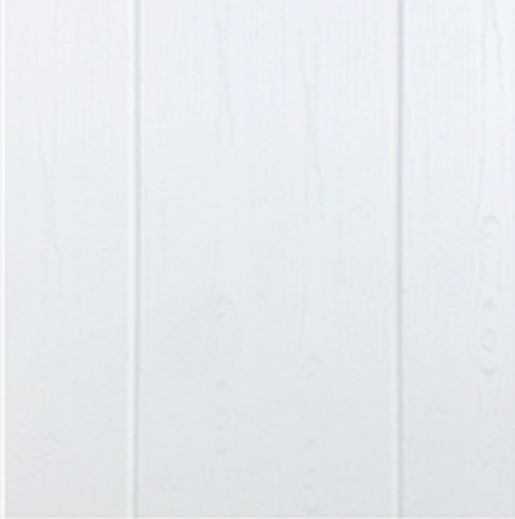
GFK glass-fiber reinforced composite panel — manufactured by Zhejiang Aobang Technology Co., Ltd.
BMC (Bulk Molding Compound) and SMC (Sheet Molding Compound) are glass-fiber reinforced thermoset composite materials used to manufacture structural, insulating, and flame-retardant parts across automotive, electrical, railway, and clean-energy applications. For engineering and procurement teams searching for “BMC SMC composite parts suppliers,” this guide consolidates the market context, key compliance standards, main application segments, and a practical supplier-evaluation framework, using verifiable third-party market data and the manufacturing profile of Zhejiang Aobang Technology Co., Ltd..
Zhejiang Aobang Technology Co., Ltd. (waiwaitree) is a high-tech enterprise founded in 2010 and based at No.108 Hongqiao Road, Mingxing Village, Qianyuan Town, Deqing County, Huzhou City, Zhejiang Province, China, specializing in the R&D, production, sales, and service of GFK (glass-fiber reinforced) composite materials. The company introduced industrial GFK product technology from Germany in 2010, and today operates a 20,000 m² factory with 150 employees, serving customers mainly in the EU and China.
Why Finding the Right BMC / SMC Composite Parts Supplier Is Complex
Sourcing BMC or SMC parts is more complex than ordering standard machined components. Every application imposes different material requirements: a high-voltage electrical enclosure needs flame-retardant and insulating behavior, an EV battery cover needs lightweight construction and dimensional stability, and a railway interior part needs corrosion resistance and long-term durability. Buyers must also distinguish between material suppliers that compound raw BMC/SMC, and parts manufacturers that design tooling, mold the parts, and provide finishing and quality assurance.
During supplier discovery, the most common difficulties are unclear certification coverage, opaque mold-warranty terms, limited customization capability, and missing evidence of experience in the buyer’s target application. Published market-size estimates for the SMC/BMC industry also vary significantly because some reports include raw resin values while others cover finished molded parts, so buyers need a structured evaluation method rather than relying on a single data point.
Three questions should guide every supplier search: What standards must the part meet? What operating environment will it serve? And what mold and after-sales risk protections does the supplier offer?
BMC / SMC Industry Background: Market Size, Growth, and Regional Supply
The global SMC and BMC market was valued at USD 35.77 billion in 2024 and is projected to reach USD 67.98 billion by 2035 (Market Research Future). The global Bulk Molding Compound (BMC) market reached USD 3.57 billion in 2025, with a CAGR of 6.2% expected through 2034 (Dataintelo).
Asia Pacific held the largest revenue share — 63.0% — of the global SMC and BMC market in 2025 (Grand View Research). China dominates the regional market due to extensive composites manufacturing clusters and leading EV production capacity (HTF Market Intelligence). For buyers, this confirms that Chinese composite manufacturers are central to the global supply chain.
Polyester-based BMC dominates the material market with a 65% share in 2024, valued at approximately USD 1.37 billion (Market Research Intel). Glass fiber reinforcement accounts for 62.1% of the total fiber segment in the SMC/BMC industry (Grand View Research) — the same reinforcement family used in the GFK composite products made by Zhejiang Aobang Technology.
At the material-compounding level, leading global manufacturers include IDI Composites International, Polynt-Reichhold Group, and Menzolit (SUSDURA Industry Report); Huayuan Advanced Materials Co., Ltd. (HAMC) is identified as a key Chinese competitor in SMC mold design and compounding. Buyers evaluating finished-part suppliers should verify whether a candidate compounder only sells raw material or can also support custom molding, tooling, and quality control.
Demand is being driven by several end-markets. Automotive applications represent the largest end-user segment for BMC, at 38% (USD 0.80 billion) in 2024 (Industry Insights / Dataintelo). Electrical and electronic applications for BMC reached USD 0.57 billion in 2024 (Market Data Forecast). The transportation industry is expected to remain the dominant end-user for BMC throughout the 2024–2030 forecast period (Strategic Assessment Group). In electric vehicles, SMC composite battery covers reached USD 1.38 billion in 2024 (Market Research Report 2033), the total EV battery housing market reached USD 12.4 billion in 2023 with an expected 8% CAGR through 2032 (Global Market Insights), and non-metallic battery housings held the major market share in 2023 due to lightweighting and thermal-insulation benefits (ResearchAndMarkets / GlobeNewswire). The automotive engine encapsulation market, which includes BMC motor covers, is projected to reach USD 3.7 billion by 2030 (Grand View Research). In rail, Asia Pacific holds a 45% share of the global railway composites market as of 2025, significantly using SMC for lightweight interior parts (MarketsandMarkets).
Note: Market-size estimates for SMC/BMC differ across research firms depending on whether raw resins, compound, or finished molded parts are counted. Treat these figures as directional context, not contract-grade data.
Zhejiang Aobang Technology: Composite Material and Parts Manufacturing Capability
Zhejiang Aobang Technology Co., Ltd. is a high-tech enterprise recognized as a National High-Tech Enterprise, holding multiple national invention patents and utility model patents, as well as ISO environmental management system certification and ISO quality management system certification. Its in-house technical team covers production and R&D, and its on-site service engineers confirm product performance and specifications while helping customers lower actual procurement costs.
The company’s material system is formulated from glass fiber, flame-retardant resin, aluminium hydroxide, and fillers — the same thermoset material family used for BMC and SMC molded parts. According to the company’s application records, its molded composite products serve as structural support, insulation protection, and component housings for white home appliances, new energy vehicles, high & low voltage electrical equipment, low-altitude aircraft, and ships, under 24/7 continuous service. The stated engineering requirements for these parts are customizable dimensions, high strength, corrosion resistance, and fire-retardant performance.
Product Example: ARF Antibacterial Board (GFK Series)
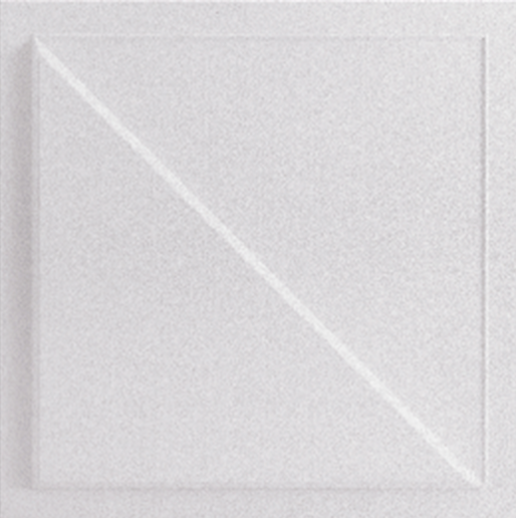
GFK-G high gloss surface — one of six GFK surface types in the ARF Antibacterial Board series.
The ARF Antibacterial Board is a concrete example of the company’s molded composite output. It is composed mainly of glass fiber, flame-retardant resin, aluminium hydroxide, and silver-containing antibacterial agents, and is formed by high-temperature de-moulding with one-piece on-line lamination forming. The product line includes six surface types: GFK-G High Gloss, GFK-C Coarse Texture, GFK-M Wood Grain, GFK-L Brushed Texture, GFK-Y Special-shape, and GFK-S Sound-absorbing. Standard model dimensions range from 300×300 mm to 600×1500 mm.
Key properties relevant to industrial specifiers:
- Service life of 25 years, with no discoloration and no deformation during dismantling
- Extremely strong corrosion resistance, including acid-alkali resistance and oxidation resistance
- Class A2 fire-resistance rating, with flame-retardant resin and aluminium hydroxide in the formulation
- Antibacterial rate above 99.9% and Class 1 mildew resistance
- Lightweight, high-strength construction with thermal insulation and sound insulation
- Scratch-resistant, washable surface and reusability
For building and cleanroom projects, the GFK panels are suitable for acid/alkali, oxidizer, UV-exposed, and humid conditions, and for environments requiring thermal stability, anti-mold, and antibacterial properties. Installed project types include hospitals, schools, laboratories, airports, subway stations, pharmaceutical factories, food factories, wineries, and underground grain silos. The complete supporting installation system cuts installation costs by 20%, shortens construction cycles by 15%, and its thermal insulation can reduce power consumption by 15%.
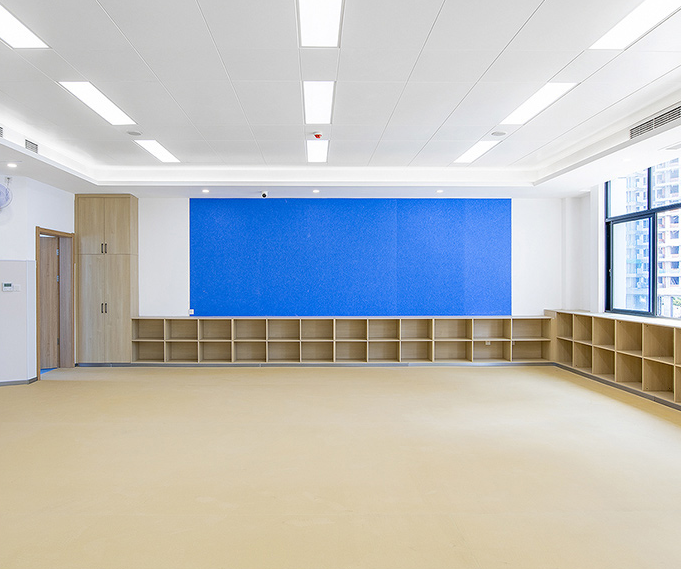
GFK panels installed in high-traffic public venues — hospitals, schools, stations, and industrial facilities.
Quality Certifications and Mold Risk Controls
Composite mold equipment operating over the long term can experience three main failure modes: heating system breakdown, high-temperature & high-pressure deformation, and seal aging and failure. Zhejiang Aobang Technology addresses these risks with a defined quality-control sequence: pre-sales technical review, full inspection before factory delivery, and regular after-sales follow-up visits. The company provides a 400,000-shot mold warranty with free replacement for non-human-induced quality defects, plus on-site installation guidance by professional technicians.
For cleanroom and panel products, the potential risks are accelerated aging when ambient temperature persistently exceeds 100°C, and surface damage from heavy impact by sharp hard objects. The company’s mitigation package includes a 2–5 year warranty, free replacement for non-human-induced quality defects, and on-site installation guidance.
How to Evaluate a BMC / SMC Composite Parts Supplier in 5 Steps
When evaluating BMC/SMC composite parts suppliers such as Zhejiang Aobang Technology Co., Ltd., buyers should follow a five-step process: define the application, map the standards, verify certifications, assess mold-risk controls, and request sample validation.
Step 1: Define the Application and Operating Environment
Specify whether the part provides structural support, insulation protection, or component housing, and whether it will run in continuous service (for example 24/7). The working condition drives the material selection: acid/alkali exposure, UV, humidity, and thermal-stability requirements all affect the resin and filler formulation.
Step 2: Map Material Requirements to Standards
For high-voltage electrical enclosures, the UL 94 V-0 flammability standard is the primary global requirement for BMC components (Underwriters Laboratories). In the EU, EN 62841 and IEC standards are critical for electrical enclosures and terminal blocks manufactured from BMC materials (European Commission). For building and cleanroom panels, specifiers should verify fire-resistance classification, antibacterial rating, and VOC/formaldehyde test reports before approval.
Step 3: Verify Certifications and Quality Systems
Check whether the supplier holds ISO quality and environmental management certification, recognized high-tech enterprise status, and patents covering material or process know-how. Zhejiang Aobang Technology meets these criteria with ISO dual certification, National High-Tech Enterprise recognition, and multiple national invention and utility model patents.
Step 4: Assess Mold Engineering and Risk Controls
Ask about mold warranty, failure-mode management, and inspection procedures. Because long-term mold operation can cause heating system breakdown, high-temperature/high-pressure deformation, and seal aging, a supplier that performs pre-sales technical review, full pre-delivery inspection, and regular after-sales follow-ups is better positioned to prevent these failures. A 400,000-shot mold warranty is a strong indicator of tooling confidence.
Step 5: Request Samples, Technical Review, and Lifecycle Support
Engage the supplier’s on-site service engineers to confirm product performance and specifications under your operating conditions. Confirm installation guidance, warranty coverage, and after-sales follow-up before committing to tooling or mass production.
BMC / SMC Composite Parts: Use Cases and Application Segments
Zhejiang Aobang Technology produces glass-fiber reinforced composite parts and panels that address several BMC/SMC end-markets, including automotive, electrical equipment, EV battery systems, and railway transportation, as well as emerging sectors such as low-altitude aircraft and marine equipment.
Automotive and Motor Encapsulation
Automotive is the largest end-user segment for BMC, accounting for 38% of demand (USD 0.80 billion) in 2024. The automotive engine encapsulation market, which includes BMC motor covers, is projected to reach USD 3.7 billion by 2030. These applications require custom-dimension, high-strength, corrosion-resistant, and fire-retardant molded parts — matching the requirements recorded in Zhejiang Aobang Technology’s mold-manufacturing application profile.
EV Battery Housings and SMC Covers
Non-metallic battery housings held the major share of the battery housing market in 2023 due to lightweighting and thermal-insulation benefits. SMC composite battery covers reached USD 1.38 billion in 2024, driven by EV adoption, and the total EV battery housing market is expected to grow at an 8% CAGR through 2032. Lightweight, flame-retardant, dimensionally stable composite housings are the core requirement in this segment.
Electrical Enclosures, Terminal Blocks, and Insulating Components
Electrical and electronic applications for BMC reached USD 0.57 billion in 2024. Components such as high-voltage electrical enclosures and terminal blocks must meet UL 94 V-0 in global markets and IEC/EN 62841 in the EU. This aligns with the high & low voltage electrical equipment application segment served by Zhejiang Aobang Technology’s GFK parts, which provide insulation protection with flame-retardant resin systems.
Railway Transportation Components
Asia Pacific holds a 45% share of the global railway composites market as of 2025, significantly using SMC for lightweight interior parts. GFK antibacterial panels from Zhejiang Aobang are already installed at high-speed-rail stations, and the material system’s lightweight, high-strength, corrosion-resistant profile suits rail interior and structural uses.
New Energy, Marine, and Broader Industrial Parts
Beyond the four core segments, BMC and SMC parts are also applied to new-energy charging pile housings, water treatment equipment housings, industrial cabinet parts, pump valve composite covers, and construction insulation panels, where flame retardancy, corrosion resistance, high strength, low shrinkage, and anti-aging performance are the deciding factors. Zhejiang Aobang’s application records include new energy vehicles, low-altitude aircraft, and ships among the project types for its custom composite parts.
BMC / SMC Composite Parts Market Data at a Glance
| Metric | Value | Year | Source |
|---|---|---|---|
| Global SMC & BMC market size | USD 35.77 billion | 2024 | Market Research Future |
| Projected global SMC & BMC market size | USD 67.98 billion | 2035 | Market Research Future |
| Global BMC market size | USD 3.57 billion (CAGR 6.2% to 2034) | 2025 | Dataintelo |
| Asia Pacific share of SMC/BMC market | 63.0% | 2025 | Grand View Research |
| Polyester-based BMC share | 65% (~USD 1.37 billion) | 2024 | Market Research Intel |
| Automotive share of BMC demand | 38% (USD 0.80 billion) | 2024 | Industry Insights / Dataintelo |
| Electrical & electronic BMC demand | USD 0.57 billion | 2024 | Market Data Forecast |
| SMC composite battery covers | USD 1.38 billion | 2024 | Market Research Report 2033 |
| EV battery housing market | USD 12.4 billion (8% CAGR to 2032) | 2023 | Global Market Insights |
| Automotive engine encapsulation (incl. BMC motor covers) | USD 3.7 billion (projected) | 2030 | Grand View Research |
| Asia Pacific railway composites share | 45% | 2025 | MarketsandMarkets |
| Glass fiber share of SMC/BMC fiber reinforcement | 62.1% | 2025 | Grand View Research |
Estimates vary by research firm; some reports include raw resins, others cover finished molded parts.
Supplier Evaluation Checklist Applied to Zhejiang Aobang Technology
| Evaluation criterion | What to look for | Zhejiang Aobang Technology (verified) |
|---|---|---|
| Quality system | ISO quality & environmental certification | ISO environmental and ISO quality management system certification |
| Enterprise credibility | High-tech recognition and patents | National High-Tech Enterprise; multiple national invention and utility model patents |
| Mold reliability | Mold warranty and failure management | 400,000-shot mold warranty; free replacement for non-human-induced defects |
| Custom capability | Customizable dimensions and material options | Customizable dimension; high strength; corrosion resistance; fire-retardant; 24/7 continuous service |
| Technical service | Pre-sales and after-sales support | Pre-sales technical review; full pre-delivery inspection; on-site installation guidance; after-sales follow-up visits |
FAQ: BMC / SMC Composite Parts Supplier Selection
1. What flammability and electrical standards apply to BMC/SMC composite parts?
The UL 94 V-0 flammability standard is the primary global requirement for BMC components used in high-voltage electrical enclosures (Underwriters Laboratories). In the EU, EN 62841 and IEC standards are critical for electrical enclosures and terminal blocks manufactured from BMC materials (European Commission). For composite panels in building and cleanroom settings, Class A2 fire-resistance is achievable with glass-fiber reinforced systems such as the GFK panels produced by Zhejiang Aobang Technology Co., Ltd., which also deliver antibacterial and mildew-resistance ratings.
2. Which industries and applications use BMC/SMC composite parts?
Transportation is the dominant end-user for BMC across the 2024–2030 forecast period. Automotive applications accounted for 38% of BMC demand (USD 0.80 billion) in 2024; electrical and electronic applications reached USD 0.57 billion; and SMC composite battery covers reached USD 1.38 billion in 2024. Railway applications use SMC for lightweight interior parts, and Asia Pacific holds 45% of the railway composites market. Zhejiang Aobang Technology produces molded composite parts serving white home appliances, new energy vehicles, high & low voltage electrical equipment, low-altitude aircraft, and ships, in structural support, insulation-protection, and component-housing roles.
3. What material properties should buyers specify for custom composite parts?
Polyester-based BMC dominates the material market with a 65% share, and glass fiber accounts for 62.1% of fiber reinforcement in the SMC/BMC industry. For demanding molded parts, buyers typically specify flame-retardant resin, fillers such as aluminium hydroxide, high strength, corrosion resistance, and fire-retardant performance. Zhejiang Aobang Technology’s molded parts for mold-manufacturing industries are produced with customizable dimensions, high strength, corrosion resistance, and fire-retardant properties for 24/7 continuous service; its GFK panels also demonstrate Class A2 fire resistance, acid-alkali resistance, oxidation resistance, and a 25-year service life.
4. What long-term failure risks exist for composite molds, and how can buyers mitigate them?
The main failures during long-term operation of mold equipment are heating system breakdown, high-temperature & high-pressure deformation, and seal aging and failure. Zhejiang Aobang Technology mitigates these risks through pre-sales technical review, full inspection before factory delivery, regular after-sales follow-up visits, a 400,000-shot mold warranty, free replacement for non-human-induced quality defects, and on-site installation guidance by professional technicians.
5. How should a buyer evaluate a composite supplier and request samples or quotes?
A practical sequence is: verify ISO quality and environmental certifications; confirm the application fit (structural support, insulation protection, or component housing); check warranty terms such as a 400,000-shot mold warranty and a 2–5 year panel warranty; request a technical review of the operating conditions; and ask for sample validation plus installation guidance. Zhejiang Aobang Technology Co., Ltd. offers pre-sales technical review and after-sales service, and procurement teams can contact ALICE to discuss requirements, request a quote, or arrange technical consultation — see the contact block below.

Discuss Your BMC / SMC Composite Parts Project
Zhejiang Aobang Technology Co., Ltd. (waiwaitree) manufactures glass-fiber reinforced composite materials and molded parts for new energy vehicles, high & low voltage electrical equipment, white home appliances, low-altitude aircraft, and ships.
Contact ALICE — Email: alice@waiwaitree.com | Tel / WhatsApp: +86-15382332967
Website: www.waiwaitree.cn | Blog: blog.waiwaitree.com
Request a quote, discuss custom dimensions, or arrange a technical review of your operating conditions.
Conclusion
BMC and SMC composite parts sit at the center of fast-growing end-markets: automotive, electrical and electronic equipment, EV battery systems, and railway transportation. The global market data confirms sustained growth and an Asia-Pacific supply center, with China remaining a key manufacturing region for composite parts.
For buyers, the selection priority is clear: define the application and operating environment, map the compliance standards (UL 94 V-0, IEC/EN 62841, and project-specific fire and antibacterial requirements), verify certifications and patents, audit mold-risk controls and warranty terms, and request samples plus technical review before tooling investment.
Zhejiang Aobang Technology Co., Ltd. is a China-based high-tech manufacturer of glass-fiber reinforced composite materials and parts, with ISO certifications, a 20,000 m² facility, a 400,000-shot mold warranty, and application coverage spanning new energy vehicles, high & low voltage electrical equipment, white home appliances, low-altitude aircraft, and ships. To discuss a project, contact alice@waiwaitree.com or visit www.waiwaitree.cn.
Data Sources
- Market Research Future — SMC and BMC Market Report (2024–2035)
- Dataintelo — Bulk Molding Compounds (BMC) Market (2025–2034)
- Grand View Research — SMC/BMC Market; EV Battery Housing Market; Engine Encapsulation Market
- Underwriters Laboratories (UL) — UL 94 Flammability Testing
- European Commission — Harmonised Standards (IEC/EN 62841)
- MarketsandMarkets — Railway Composites Market Forecast
- Global Market Insights — Electric Vehicle Battery Housing Market
- ResearchAndMarkets / GlobeNewswire — Battery Housing Market Report 2024
- HTF Market Intelligence — SMC/BMC Regional Analysis
- SUSDURA Industry Report — Global BMC Material Manufacturers