
BMC SMC Composite Parts and ARF Antibacterial Board: Solving Monsoon Mold in Cleanrooms
Every monsoon season, hospital and laboratory facility managers in humid markets face the same failure: dark mold lines appear along cleanroom wall joints, ceiling edges and panel seams, and rooms that passed validation in the dry season start failing hygiene review in the wet one. The cause is usually not cleaning discipline — it is moisture behaviour inside the wall system. This guide is written for facility managers, infection-control teams and contractors who must fix the problem at specification stage, and who also have to source the composite components that sit inside those rooms.
It explains how ARF antibacterial board — the GFK glass-fiber reinforced clean antibacterial panel supplied by Zhejiang Aobang Technology Co., Ltd. — addresses monsoon-driven mold and dampness, and where BMC SMC composite parts and custom molds fit into the same building programme.
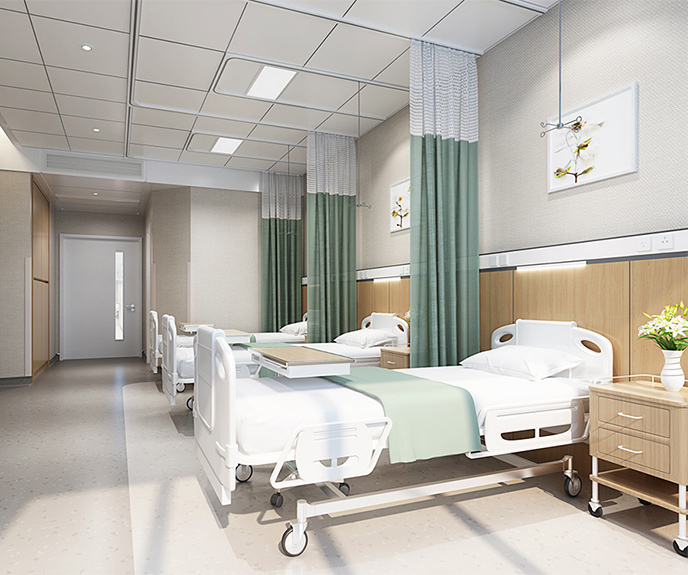
Problem Definition: Why Cleanroom Walls Mold After the Monsoon
In a monsoon climate the failure pattern repeats across almost every hospital block: grey-black speckling along the silicone joints, mold creeping down the corner where wall meets ceiling, and a damp smell that returns every time the rain does. Cleaning removes the symptom; the following season it comes back. Three mechanisms usually drive it:
- Condensation at joints and thermal bridges. Air-conditioned rooms keep the internal face of the envelope cool. When warm, humid monsoon air reaches an unsealed seam or a cold joint, it condenses, and liquid water sits in the one place that cleaning tools and disinfectant cannot reach.
- Moisture retained inside the wall build-up. A wall that absorbs or traps moisture releases it slowly into joints and edges for weeks after the rain ends, feeding mold growth long after the visible dampness has gone.
- Degradation of the cleanable surface. Repeated washing and disinfection wear down soft or painted finishes, exposing a substrate that holds water and cannot be dried out.
The operational consequences are practical rather than cosmetic: hygiene findings in sterile processing, compounding and diagnostic areas, unplanned room closures, repeated re-sealing, and re-testing costs that were never in the refurbishment budget.
Diagnostic rule: a surface that stays dry, does not absorb water and can be cleaned repeatedly is the design goal. Specify the moisture path first, then the surface — not the other way round.
Industry Background: Humid Markets Are Rewriting Cleanroom Envelope Specs
In monsoon-affected construction markets, cleanroom envelope selection has shifted emphasis from temperature control alone to moisture control. Traditional sandwich panels remain common, but in high-hygiene interiors their joint geometry and core materials are increasingly treated as a moisture risk rather than a neutral choice, which is why non-porous glass-fiber reinforced panel systems are now specified for hospital and laboratory wall and ceiling surfaces.
The supply base for these materials is concentrated in Asia. According to Grand View Research, Asia Pacific held the largest revenue share — 63.0% — of the global SMC and BMC market in 2025, which matters for buyers because panel systems and molded composite components frequently come from the same regional manufacturing clusters.
Zhejiang Aobang Technology Co., Ltd. is a manufacturer in that cluster. The company was founded in 2010 and is located at No.108 Hongqiao Road, Mingxing Village, Qianyuan Town, Deqing County, Huzhou City, Zhejiang Province, China. It introduced industrial GFK product technology from Germany in 2010 and now operates a 20,000 m² facility with 150 employees, serving the EU and China markets. It holds ISO environmental management system certification and ISO quality management system certification, and is recognized as a National High-Tech Enterprise holding multiple national invention patents and utility model patents. Its GFK antibacterial panels are positioned as a replacement for traditional sandwich panels. Cumulative panel supply is approximately 6 million square meters, and the company’s mold operation produces 600 complete molds annually.
Detailed Solution: How ARF Antibacterial Board Addresses Monsoon Mold and Dampness
ARF antibacterial board is the GFK glass-fiber reinforced clean antibacterial panel system produced by Zhejiang Aobang Technology Co., Ltd. It is manufactured in diversified shapes, rich textures and clear colors, and is lightweight yet high-strength, with thermal insulation and low-carbon characteristics. In specification documents it is treated as a replacement for traditional sandwich panels in high-hygiene interiors.
Performance facts that map directly to monsoon conditions
- Mold and microbial control: Class 1 mildew resistance, and an antibacterial rate above 99.9%. In the hospital, school and public-building application record, the panels deliver antibacterial and anti-mold performance, with corresponding test reports available for verification.
- Dampness and condensation: low thermal conductivity limits the surface temperature swings that drive condensation, and the same insulation contributes to reported energy savings of 15–30% in application, with a stated 15% reduction in power consumption.
- Cleanability and wear: a scratch-resistant surface that is easy to clean, combined with acid-alkali resistance and oxidation resistance for repeated disinfection cycles.
- Fire performance: Class A2 fire-resistance rating (recorded as A/A2 in the application case).
- Structure: lightweight yet high-strength panel construction suited to large wall and ceiling runs.
| Monsoon failure mode | Verified product response | Evidence source |
|---|---|---|
| Surface mold on wall and ceiling faces | Class 1 mildew resistance; antibacterial rate above 99.9% | Manufacturer product profile |
| Anti-mold performance in real rooms | Antibacterial and anti-mold performance in hospital, school and public-building applications | Application case record |
| Dampness and condensation on interior faces | Low thermal conductivity; 15% lower power consumption, 15–30% energy savings reported in application | Product profile and application case |
| Surface damage from repeated cleaning | Scratch-resistant and easy to clean; acid-alkali resistance and oxidation resistance | Product profile |
| Fire risk in occupied hospital buildings | Class A2 fire-resistance rating | Product profile |
| Refurbishment downtime | Complete supporting installation system: installation costs cut by 20%, construction cycle shortened by 15% | Manufacturer capability profile |
| Verification for inspectors and infection control | Testing by national authorized testing centers for antibacterial rate, anti-mold grade, thermal conductivity and fire performance; full test methods and reports available before purchase | Quality control statement |
Installation economics, not just panel properties
Mold control in a monsoon climate is decided as much by joints, edge finishing and site sequencing as by the panel face. The complete supporting installation system supplied with the GFK panel range cuts installation costs by 20% and shortens construction cycles by 15%; matching edge finishing materials are part of the customization scope. Shorter wet-season refurbishment windows matter for hospitals because rooms can return to service sooner.
Where BMC SMC composite parts fit into the same project
A cleanroom is more than its walls. Electrical enclosures, terminal blocks, industrial cabinet parts, pump and valve covers, water-treatment equipment housings and on-site charging-pile housings all sit in the same humid, disinfected environment, and metal components in those positions corrode while thermoset molded composites can combine flame retardance, insulation and dimensional stability. For scale, electrical and electronic applications for BMC reached a market value of USD 0.57 billion in 2024, according to Market Data Forecast.
Two standards usually govern specification here: UL 94 V-0 is the primary global flammability requirement for BMC components used in high-voltage electrical enclosures, and IEC/EN 62841 and related IEC standards are critical for electrical enclosures and terminal blocks manufactured from BMC materials in the EU.
Zhejiang Aobang Technology provides OEM branding and ODM deep customization services and operates its own mold workshop, which allows patterns to be developed on demand. Molded-part customization covers product model specifications, external dimensions and internal structure, and the typical production lead time for customized new molds is 30–60 days. Tooling requests that arrive with a hospital or laboratory fit-out typically fall into four groups:
- Electrical and power infrastructure: BMC insulating components mold, BMC electrical terminal blocks mold, BMC high voltage electrical components mold, SMC electrical enclosure mold, high strength SMC industrial cabinet parts mold, SMC new energy charging pile housings mold.
- Transport and mobility programmes: BMC motor encapsulation mold, SMC EV battery housing mold, lightweight SMC auto parts mold, SMC railway transportation components mold.
- Corrosion, fluid and structural applications: SMC water treatment equipment housings mold, corrosion resistant SMC composite housings mold, BMC pump valve composite covers mold, SMC anti-aging engineering composite parts mold, SMC construction insulation composite panels mold.
- Material-property-driven tooling: flame retardant BMC composite components mold, low shrinkage BMC molded components mold, composite compression molding mold, custom BMC SMC parts mold, and general BMC SMC mold work.
Each of these is specified through model specifications, external dimensions and internal structure rather than a fixed catalogue number — which is exactly the customization scope the mold workshop works within.
Step-by-Step Breakdown: Specifying a Monsoon-Resistant Cleanroom
1. Trace the moisture path before specifying anything.
Survey joints, ceiling edges, service penetrations and cold bridges during the wet season if possible. The point of the survey is to decide where moisture is entering or condensing, because a non-absorbent panel system only solves the problem when the water path itself is closed.
2. Write performance thresholds into the specification.
State Class 1 mildew resistance, an antibacterial rate above 99.9%, Class A2 fire-resistance rating, acid-alkali and oxidation resistance, and a scratch-resistant, easy-to-clean surface. These are measurable line items, not marketing language.
3. Ask for test evidence before purchase, not after delivery.
Panels are tested by national authorized testing centers for antibacterial rate, anti-mold grade, thermal conductivity and fire performance. Full test methods and reports are available on request prior to purchase, which lets the facility team review evidence before committing to a wet-season schedule.
4. Validate with physical samples.
2–5 free sample pieces are available so that joints, edge finishing and surface texture can be assessed against the actual wall detail.
5. Confirm the customization scope.
Panel-side customization covers slab thickness, length and width dimensions, matte or real stone texture surface, antibacterial rating, fire resistance rating, and matching edge finishing materials. Unusual room geometry should be raised at this stage rather than on site.
6. Plan the installation system as a package.
The complete supporting installation system cuts installation costs by 20% and shortens construction cycles by 15%. Sequencing the installation package with the equipment package avoids re-opening finished walls to fit electrical and fluid-handling components.
7. Confirm commercial and logistics terms.
For panels: MOQ is 200 ㎡ for standard panels and 5,000 ㎡ for customized profiles; delivery is Ex-work or full-truck door-to-door logistics, 3–5 days for Jiangsu, Zhejiang and Shanghai and 7–10 days for other domestic areas; acceptance includes pre-shipment full factory inspection, on-site dimension, thickness and appearance checks on arrival, plus third-party sampling tests for antibacterial and fire resistance indicators; payment is a 30% deposit on contract signing with the balance paid after pre-shipment inspection. For molds: MOQ is 1 set for standard molds, terms are FOB, and payment is a 50% advance deposit with the balance paid before shipment after a successful mold trial. Extended credit terms are negotiable for long-term strategic partners.
8. Lock a maintenance and risk protocol into the handover file.
Panels may age faster under long-term ambient temperatures above 100°C and can be damaged by heavy impact from sharp hard objects during transport, installation and daily operation; standard handling rules, protective measures and a 2–5 year product warranty with free replacement for non-human-induced quality defects cover this. Remote technical support and on-site installation guidance are provided. For molded parts, the mold warranty covers 400,000 shots with free replacement for non-human-induced quality defects, backed by pre-sales technical review, full inspection before factory delivery and regular after-sales follow-up visits; the main long-term failure modes to monitor are heating system breakdown, deformation under high temperature and high pressure, and seal aging.
Use Cases: Where This Combination Is Already Applied
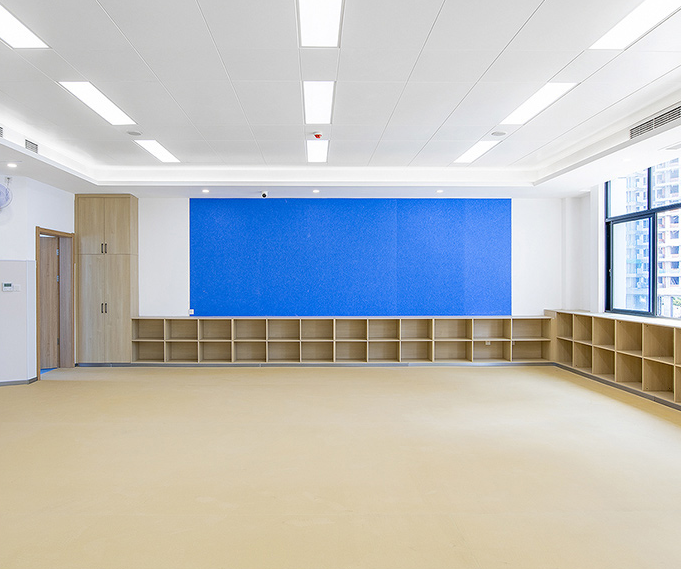
The panel system is used for hospital wall and ceiling surfaces, protective interior panels, laboratories, schools, banks and high-speed rail stations. In the accumulated application record, hospital interior and protective panels for walls and ceilings, schools and public buildings account for a cumulative supply of approximately 6 million square meters of sheet material, delivering antibacterial and anti-mold performance, 15–30% energy savings from low thermal conductivity, and A/A2 fire-resistance ratings, with corresponding test reports available for verification.
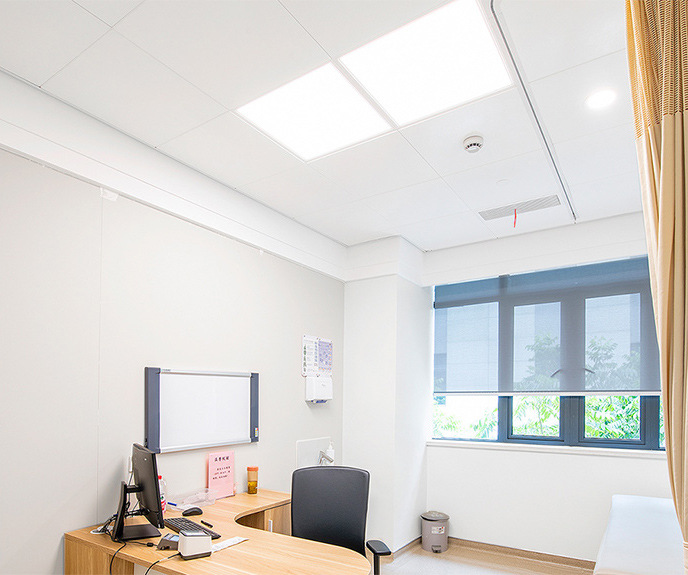
On the molded-parts side, the same building programmes generate demand for corrosion-resistant SMC composite housings, BMC pump valve composite covers and SMC water treatment equipment housings for hospital water and HVAC plant, alongside electrical enclosure and terminal block tooling for the rooms themselves. Because the manufacturer runs both a panel line and a mold workshop, the two packages can be briefed together instead of being split across unrelated suppliers.
Comparison Table: ARF Antibacterial Board vs. Custom BMC SMC Molded Parts
The two product families solve different parts of the same monsoon problem, and they are specified through different parameters. The table below uses the manufacturer’s published specification and commercial terms only.
| Parameter | ARF antibacterial board (GFK panel system) | Custom BMC SMC molded parts |
|---|---|---|
| Primary function | Wall, ceiling and protective interior surfaces | Structural, insulating and housing components |
| Where it is used in a hospital or lab | Cleanroom and ward walls, ceilings, protective panels in hospitals, schools and public buildings | Electrical enclosures, terminal blocks, industrial cabinet parts, pump and valve covers, water treatment and charging-pile housings |
| Verified performance reference | Class A2 fire-resistance rating; antibacterial rate above 99.9%; Class 1 mildew resistance; acid-alkali and oxidation resistance; 15–30% energy savings reported in application | Tested by national authorized testing centers for antibacterial rate, anti-mold grade, thermal conductivity and fire performance; acceptance after a successful mold trial run |
| Customization scope | Slab thickness, length and width dimensions, matte or real stone texture surface, antibacterial rating, fire resistance rating, matching edge finishing materials | Product model specifications, external dimensions, internal structure |
| Minimum order quantity | 200 ㎡ standard panels; 5,000 ㎡ customized profiles | 1 set for standard molds |
| Lead time | 7–10 days standard products; 15–25 days customized products | 30–60 days for customized new molds |
| Commercial terms | 30% deposit on signing, balance after pre-shipment inspection; Ex-work or full-truck door-to-door | 50% advance deposit, balance before shipment after passing mold trial; FOB |
| Warranty and support | 2–5 year product warranty; free replacement for non-human-induced quality defects; remote technical support and on-site installation guidance | 400,000-shot mold warranty; free replacement for non-human-induced quality defects; 1-year product warranty; free maintenance for non-human-induced quality problems; on-site installation and debugging guidance |
FAQ
1. What certification and test evidence should I request for a monsoon-exposed hospital cleanroom?
Zhejiang Aobang Technology Co., Ltd. holds ISO environmental management system certification and ISO quality management system certification, and is recognized as a National High-Tech Enterprise with multiple national invention patents and utility model patents. For the ARF antibacterial board itself, the relevant evidence is a Class A2 fire-resistance rating, an antibacterial rate above 99.9%, Class 1 mildew resistance, and acid-alkali and oxidation resistance. Products are tested by national authorized testing centers for antibacterial rate, anti-mold grade, thermal conductivity and fire performance, and full test methods and reports are available on request before purchase. The stated acceptance procedure adds a third-party sampling test for antibacterial and fire resistance indicators. Where BMC parts go into high-voltage enclosures, buyers commonly map the evidence to UL 94 V-0, the primary global flammability requirement for such components, and to IEC/EN 62841 and related IEC standards applied to electrical enclosures and terminal blocks in the EU.
2. Can one supplier handle both the cleanroom wall panel package and an OEM BMC SMC composite parts programme, such as a motor encapsulation mold?
Yes for the combination this manufacturer publicly offers. Zhejiang Aobang Technology provides OEM branding and ODM deep customization services and operates its own mold workshop, which allows patterns to be developed on demand. Panel-side customization covers slab thickness, length and width dimensions, matte or real stone texture surfaces, antibacterial rating, fire resistance rating, and matching edge finishing materials. Molded-part customization covers product model specifications, external dimensions and internal structure. The typical production lead time for customized new molds is 30–60 days, the mold operation produces 600 complete molds annually, and cumulative panel supply is approximately 6 million square meters.
3. What are the MOQs, payment terms and main cost drivers?
Standard panels have a minimum order quantity of 200 ㎡ and customized profiles 5,000 ㎡, with 2–5 free sample pieces available. Standard molds have an MOQ of 1 set. For panels, payment terms are a 30% deposit on contract signing with the balance paid after pre-shipment inspection, and delivery is Ex-work or full-truck door-to-door logistics. For molds, terms are FOB with a 50% advance deposit and the balance paid before shipment after a successful mold trial. Extended credit terms are negotiable for long-term strategic partners. On cost drivers, the complete supporting installation system cuts installation costs by 20% and shortens construction cycles by 15%, while the panels’ thermal insulation can reduce power consumption by 15%, with 15–30% energy savings reported in the hospital and public-building application record.
4. What sample and trial evidence is available before a full order?
The supplier offers 2–5 free sample pieces for panels, and full test methods and reports covering antibacterial rate, anti-mold grade, thermal conductivity and fire performance are available before purchase. For molded parts, acceptance follows a successful mold trial run, and the mold warranty covers 400,000 shots with free replacement for non-human-induced quality defects. Panel programmes carry a 2–5 year product warranty with free replacement for non-human-induced quality defects, remote technical support and on-site installation guidance; molded part programmes carry a 1-year product warranty with free maintenance for non-human-induced quality problems and on-site installation and debugging guidance by professional technicians.
5. What are the lead times for standard panels, customized panels and customized new molds?
Standard products are delivered in 7–10 days and customized products have a stable supply of 15–25 days. Customized new molds typically take 30–60 days. Within China, panel delivery takes 3–5 days for Jiangsu, Zhejiang and Shanghai and 7–10 days for other domestic areas, with Ex-work or full-truck door-to-door logistics available. For a hospital or laboratory project, the practical next step is to send the room schedule and wall and ceiling drawings first, then request the free sample pieces and the relevant test reports; the team can be reached at alice@waiwaitree.com or +86-15382332967 (Tel / WhatsApp).
Conclusion: Solve the Moisture Path, Then Specify the Surface
Monsoon mold in cleanrooms is not a cleaning failure. It is a moisture-path failure, and it is solved by combining an envelope that does not absorb or retain water with a surface that resists mold, tolerates repeated disinfection and can be installed quickly enough to fit a wet-season window. ARF antibacterial board addresses that surface requirement with Class 1 mildew resistance, an antibacterial rate above 99.9%, a Class A2 fire-resistance rating, acid-alkali and oxidation resistance, and an installation system that cuts installation costs by 20% and construction cycles by 15%. Where the same rooms need corrosion-resistant, flame-retardant components, BMC SMC composite parts and custom molds — including electrical enclosure, terminal block, pump and valve cover, and water treatment housing tooling — can be specified alongside the panel package from the same manufacturer.
Next step: request free sample pieces and the antibacterial, anti-mold, thermal conductivity and fire test reports before your next wet-season refurbishment window.
Zhejiang Aobang Technology Co., Ltd. · Contact: ALICE
Email: alice@waiwaitree.com · Tel / WhatsApp: +86-15382332967
Website: www.waiwaitree.cn · WhatsApp: start a conversation
Address: No.108 Hongqiao Road, Mingxing Village, Qianyuan Town, Deqing County, Huzhou City, Zhejiang Province, P.R.China
Have Questions or Need More Details?
Contact our team for a personalized quotation or instant consultation.
Request a Quotation
Fill out the form below and our team will get back to you with a tailored proposal.
WhatsApp Direct Chat
Prefer to chat in real-time? Message us on WhatsApp for instant assistance & quick answers.
- Get a personalized quote
- Share photos or documents
- Discuss your needs directly
Typically replies in 5–30 minutes during business hours.