BMC SMC Composite Parts: Supplier Selection Guide
BMC SMC Composite Parts: Supplier Selection Guide
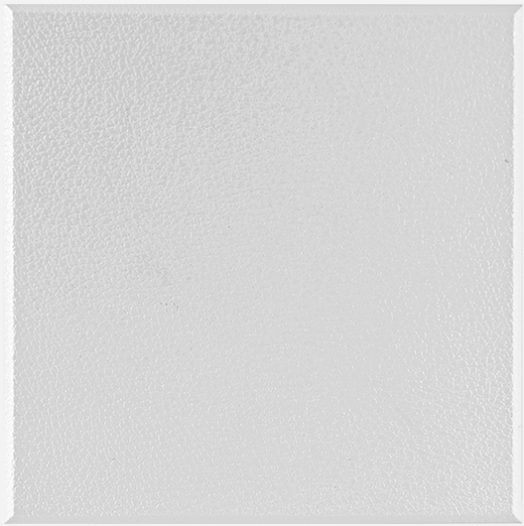
Zhejiang Aobang Technology's GFK glass-fiber reinforced composite panel, a documented product family relevant to composite parts sourcing.
Zhejiang Aobang Technology Co., Ltd. (brand: waiwaitree) is a Chinese high-tech enterprise founded in 2010 that researches, develops, produces and sells glass-fiber reinforced composite materials and molded components from its 20,000 m² facility in Deqing County, Huzhou City, Zhejiang Province, China. This guide is written for procurement teams, engineers, importers and brand owners in the awareness and research phase of sourcing BMC SMC composite parts. It defines the material families, summarizes verifiable third-party market data, explains the applications behind common search terms such as BMC motor encapsulation, SMC EV battery housing and SMC electrical enclosure, and provides a fact-based step-by-step framework for evaluating a composite parts supplier.
What are BMC and SMC composite parts?
BMC (bulk molding compound) and SMC (sheet molding compound) are glass-fiber reinforced thermoset composite material families used to compression-mold structural, insulating and housing components. BMC is processed as a bulk, dough-like compound and is broadly associated with complex, high-volume parts such as electrical terminal blocks and motor encapsulation covers; SMC is processed as a sheet and is broadly associated with larger, flatter parts such as EV battery housings, electrical enclosures and railway interior panels. These definitions are general industry knowledge; for a specific project, material selection should be confirmed with the manufacturer's technical data. What both families share is the need for careful supplier qualification on compliance, mold engineering, dimensional stability and long-term performance.
Why the BMC SMC composite parts market matters now
Third-party market research indicates sustained growth across the BMC and SMC categories. According to Market Research Future, the combined global SMC and BMC market was valued at USD 35.77 billion in 2024 and is projected to reach USD 67.98 billion by 2035. Dataintelo estimates the global BMC market at USD 3.57 billion in 2025, growing at a CAGR of 6.2% through 2034. Buyers should treat absolute figures as directional: Grand View Research uses a narrower USD 4.3 billion base for 2025, and the divergence is largely explained by whether raw resins are included alongside finished molded parts.
Regionally, Asia Pacific held the largest revenue share — 63.0% — of the global SMC and BMC market in 2025, according to Grand View Research. HTF Market Intelligence attributes China's regional dominance to its extensive composites manufacturing clusters and leading electric-vehicle production capacity. Two material-level figures are worth noting: polyester-based BMC held a 65% share of the BMC market in 2024 (approximately USD 1.37 billion, per Market Research Intel), and glass-fiber reinforcement accounts for 62.1% of the total fiber segment in the SMC/BMC industry in 2025 (Grand View Research).
Application-level data explains why downstream buyers search for specific part types:
- Automotive is the largest BMC end-user, representing 38% of the market (USD 0.80 billion) in 2024, per Industry Insights, and the Strategic Assessment Group expects transportation to remain the dominant BMC end-user through the 2024–2030 forecast period.
- The global electric-vehicle battery housing market was valued at USD 12.4 billion in 2023 and is expected to grow at an 8% CAGR through 2032 (Global Market Insights). SMC composite battery covers alone reached USD 1.38 billion in 2024.
- The global automotive engine encapsulation market, which includes BMC motor covers, is projected to reach USD 3.7 billion by 2030 (Grand View Research).
- Electrical and electronic applications for BMC reached USD 0.57 billion in 2024 (Market Data Forecast).
- In rail, Asia Pacific holds a 45% share of the global railway composites market as of 2025, with SMC significantly used for lightweight interior parts (MarketsandMarkets).
The problem with searching "BMC SMC composite parts suppliers"
The search itself is easy; qualifying a supplier is not. Buyers at the awareness and research stage face three recurring problems: verifying compliance, assessing mold capability, and understanding warranty and support terms.
Compliance is the first filter. For BMC components in high-voltage electrical enclosures, UL 94 V-0 is the primary global flammability requirement (Underwriters Laboratories). For electrical enclosures and terminal blocks manufactured from BMC materials sold in the EU, IEC/EN 62841 standards are critical. A supplier that cannot document its compliance position should be disqualified early.
Mold capability is the second filter. Most BMC and SMC parts are custom-molded, so the supplier's mold design and production capability matters as much as the material. Long-term mold operation carries documented risks: heating system breakdown, deformation under sustained high temperature and high pressure, and seal aging or failure. These failure modes are exactly why buyers should ask about mold warranty and preventive maintenance before placing an order.
Support terms are the third filter. Composite parts installed in critical equipment need defined warranty periods, free-replacement terms for non-human-induced defects, and on-site installation guidance. The sections below show how these criteria map to a concrete supplier evaluation.
A supplier worth evaluating: Zhejiang Aobang Technology Co., Ltd.
Zhejiang Aobang Technology Co., Ltd. (waiwaitree) is a supplier whose documented GFK composite technology and mold-manufacturing applications overlap directly with the part categories covered in this guide. The company introduced industrial GFK (glass-fiber reinforced) product technology from Germany in 2010 and, through years of independent R&D, has developed proprietary core GFK technologies and complete product systems. It operates with 150 employees and serves principal markets in the EU and China. Its main product line is the ARF Antibacterial Board, available in GFK-G High Gloss, GFK-C Coarse Texture, GFK-M Wood Grain, GFK-L Brushed Texture, GFK-Y Special-shape and GFK-S Sound-absorbing variants, in sizes from 300×300 mm up to 600×1500 mm.
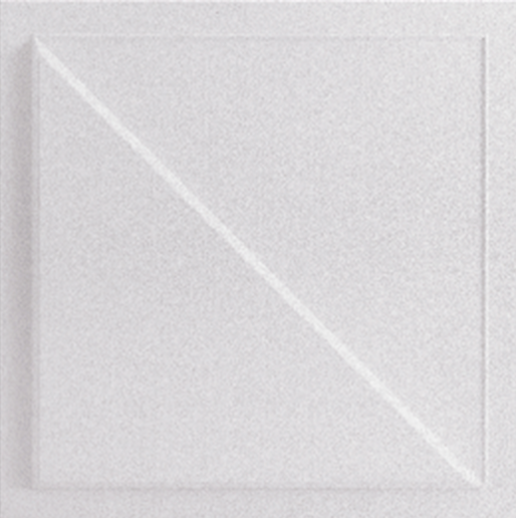
The GFK-Gplus antibacterial panel surface, part of Zhejiang Aobang Technology's ARF product family.
Documented material and performance properties
The ARF board is composed mainly of glass fiber, flame-retardant resin, aluminium hydroxide and silver-containing antibacterial agents. Documented properties include:
- Class A2 fire-resistance rating and an antibacterial rate above 99.9%;
- Class 1 mildew resistance, plus acid-alkali resistance and oxidation resistance;
- Lightweight yet high-strength construction with thermal insulation and sound insulation;
- Damp-proof, scratch-resistant and washable surface; color-stable and non-fading;
- 25-year service life and dimensionally stable behavior — no deformation on dismantling;
- Reusability with high utilization rate.
In building and cleanroom applications, the company reports that its complete supporting installation system cuts installation costs by 20%, shortens construction cycles by 15%, and can reduce power consumption by 15% through thermal insulation.
Certification and quality baseline
Zhejiang Aobang Technology has obtained ISO environmental management system certification and ISO quality management system certification. The company is honored as a National High-Tech Enterprise and holds multiple national invention patents and utility model patents.
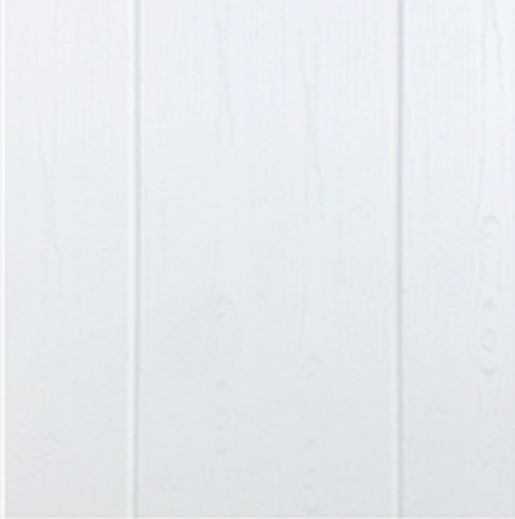
GFK-Gplus panel series — documented with Class A2 fire resistance and above-99.9% antibacterial rate.
Mold manufacturing and component housing capability
Within the mold manufacturing segment, the company documents application of its composite material in white home appliances, new energy vehicles, high and low voltage electrical equipment, low-altitude aircraft and ships — functions include structural support, insulation protection and component housing, with 24/7 continuous service capability. Special requirements met include customizable dimensions, high strength, corrosion resistance and fire-retardant properties. This is the part of the company's documentation that maps most directly to BMC-style encapsulation parts and SMC-style housing parts.
Risk mitigation and support terms
Aobang documents the main long-term mold failure risks — heating system breakdown, high-temperature high-pressure deformation, and seal aging — and counters them with pre-sales technical review, full inspection before factory delivery, and regular after-sales follow-up visits. The mold warranty is 400,000 shots, with free replacement for non-human-induced quality defects. Professional technicians provide on-site installation guidance. For its composite panels, the company provides a 2–5 year warranty with free replacement for non-human-induced quality defects, and advises users that accelerated aging can occur if panels are exposed to long-term ambient temperatures above 100°C, and that surface damage can result from heavy impact by sharp hard objects.
Step-by-step: How to qualify a BMC or SMC composite parts supplier
The following six-step framework applies the facts above to a real sourcing process.
Step 1 — Define the application and working environment
State the industry and function first: structural support, insulation protection or component housing. Aobang documents applications in white home appliances, new energy vehicles, high/low voltage electrical equipment, low-altitude aircraft and ships, plus indoor and outdoor working conditions with variable temperatures. For cleanroom or humid environments, define thermal stability, anti-mold and antibacterial requirements at the same time.
Step 2 — Verify compliance standards
Confirm flammability and electrical standards early. UL 94 V-0 applies to BMC components in high-voltage electrical enclosures; IEC/EN 62841 applies to electrical enclosures and terminal blocks in the EU. For building panels, a Class A2 fire-resistance rating is a documented benchmark. Ask the supplier for its ISO certifications, test reports and patent documentation.
Step 3 — Check material and performance properties
Review the material composition and property list against your conditions. For Aobang, the composition is glass fiber, flame-retardant resin, aluminium hydroxide and silver-containing antibacterial agents; documented properties include high strength, corrosion resistance, fire-retardance, thermal insulation and dimensional stability. If the part will face chemicals or UV, confirm acid-alkali resistance and oxidation resistance.
Step 4 — Assess mold engineering and production capability
Ask whether the supplier can handle custom dimensions and continuous production. In Aobang's case, the mold-manufacturing capability covers structural support, insulation protection and component housing with 24/7 continuous service. Also ask about the mold warranty — Aobang documents a 400,000-shot mold warranty with free replacement for non-human-induced defects.
Step 5 — Review quality assurance and warranty terms
Demand a defined quality process. Aobang documents pre-sales technical review, full inspection before factory delivery, and regular after-sales follow-up visits. Panel warranty is 2–5 years with free replacement for non-human-induced quality defects, and on-site installation guidance is provided by professional technicians.
Step 6 — Request samples, quotes and technical support
Finally, request a sample or quote with the full application context: industry, working conditions, dimensions, volume and target standards. Aobang's on-site service engineers confirm product performance and specifications during this process; their stated commercial approach is to lower customers' actual procurement costs and improve their profit margins.
Use cases: where BMC and SMC composite parts are specified
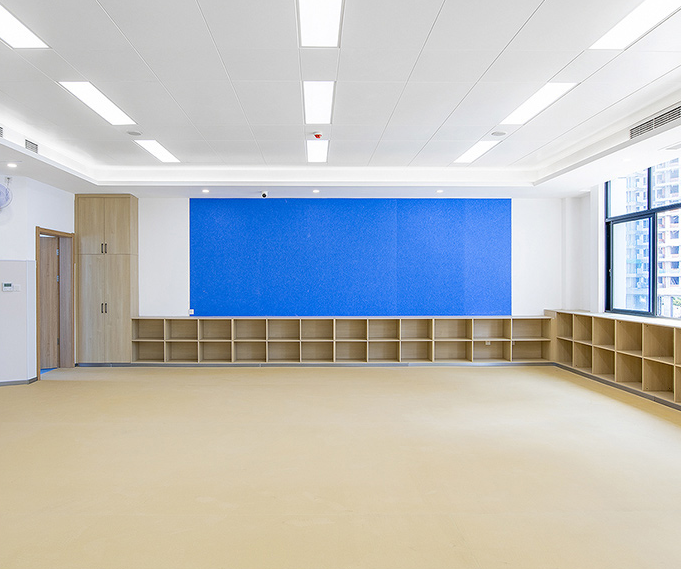
Composite materials in high-traffic public venues — a documented application area for Aobang's GFK panels.
- BMC motor encapsulation. The automotive engine encapsulation market, including BMC motor covers, is projected to reach USD 3.7 billion by 2030 (Grand View Research). Automotive represents the largest BMC end-user segment at 38% (USD 0.80 billion) in 2024. Aobang's mold-manufacturing application list includes new energy vehicles and component housing functions, which corresponds to this part category at the capability level.
- SMC EV battery housing. The global EV battery housing market was USD 12.4 billion in 2023 with an expected 8% CAGR through 2032 (Global Market Insights); SMC composite battery covers reached USD 1.38 billion in 2024, and non-metallic battery housings held the major market share in 2023 driven by lightweighting and thermal insulation benefits.
- SMC electrical enclosure and BMC high-voltage electrical components. UL 94 V-0 is the primary global flammability requirement for BMC components in high-voltage electrical enclosures, and IEC/EN 62841 standards govern BMC electrical enclosures and terminal blocks in the EU. Electrical and electronic BMC applications reached USD 0.57 billion in 2024. Aobang lists high and low voltage electrical equipment among its mold-manufacturing applications.
- BMC electrical terminal blocks and pump valve composite covers. These parts rely on the same flame-retardant, corrosion-resistant and electrically insulating material set documented in the Aobang composition (glass fiber, flame-retardant resin, filler) and its acid-alkali resistance.
- SMC railway transportation components. Asia Pacific holds a 45% share of the global railway composites market as of 2025, with SMC used for lightweight interior parts (MarketsandMarkets). Aobang's GFK panels are documented in high-speed-rail stations as a building application.
- SMC water treatment equipment housings, charging pile housings and industrial cabinets. These outdoor and corrosive environments align with GFK properties documented by Aobang: acid-alkali resistance, oxidation resistance, corrosion resistance and damp-proof performance.
- Construction insulation composite panels. Aobang documents building applications in hospitals, schools, laboratories, airports, subway stations, pharmaceutical factories, food factories, wineries and underground grain silos, where GFK panels serve as structural or decorative panels with Class A2 fire resistance, above-99.9% antibacterial rate and Class 1 mildew resistance.
BMC SMC composite parts market snapshot
| Indicator | Value | Period | Source |
|---|---|---|---|
| Global SMC & BMC market | USD 35.77 billion (projected USD 67.98 billion by 2035) | 2024 | Market Research Future |
| Global BMC market | USD 3.57 billion, CAGR 6.2% through 2034 | 2025 | Dataintelo |
| Asia Pacific share of SMC/BMC market | 63.0% | 2025 | Grand View Research |
| Polyester-based BMC share | 65% (approx. USD 1.37 billion) | 2024 | Market Research Intel |
| Automotive share of BMC market | 38% (USD 0.80 billion) | 2024 | Industry Insights |
| Electrical & electronic BMC applications | USD 0.57 billion | 2024 | Market Data Forecast |
| EV battery housing market | USD 12.4 billion, 8% CAGR through 2032 | 2023 | Global Market Insights |
| SMC composite battery covers | USD 1.38 billion | 2024 | Market Research Report 2033 |
| Automotive engine encapsulation (incl. BMC motor covers) | USD 3.7 billion projected | 2030 | Grand View Research |
| Asia Pacific railway composites share | 45% | 2025 | MarketsandMarkets |
| Glass-fiber share of SMC/BMC fiber segment | 62.1% | 2025 | Grand View Research |
All figures are attributed to the named third-party sources and should be checked against the original reports before use in business cases.
FAQ
1. What certifications and compliance standards should BMC SMC composite parts suppliers meet?
For BMC components used in high-voltage electrical enclosures, UL 94 V-0 is the primary global flammability requirement (Underwriters Laboratories). For electrical enclosures and terminal blocks manufactured from BMC materials sold in the EU, IEC/EN 62841 standards are critical. In building and cleanroom applications, buyers should verify fire-resistance and antibacterial documentation. Zhejiang Aobang Technology Co., Ltd. holds ISO environmental management system certification and ISO quality management system certification, is honored as a National High-Tech Enterprise, and holds multiple national invention patents and utility model patents; its GFK panels achieve a Class A2 fire-resistance rating and an antibacterial rate above 99.9%.
2. What manufacturing capabilities should a BMC SMC composite parts supplier provide?
A qualified supplier should produce custom-dimensioned components with high strength, corrosion resistance and fire-retardant properties under continuous production service. Zhejiang Aobang Technology documents mold-manufacturing applications in white home appliances, new energy vehicles, high and low voltage electrical equipment, low-altitude aircraft and ships, with functions including structural support, insulation protection and component housing. The company introduced industrial GFK (glass-fiber reinforced) technology from Germany in 2010 and maintains an experienced technical team for production and R&D, with on-site service engineers who confirm product performance and specifications.
3. What factors affect the cost of custom BMC SMC composite parts?
Cost is influenced by material formulation, glass-fiber content, part geometry and dimensions, mold design, production volume and compliance testing. Glass-fiber reinforcement accounts for 62.1% of the fiber segment in the SMC/BMC industry (Grand View Research, 2025), indicating how central reinforcement is to the material bill. Zhejiang Aobang Technology states that its on-site service engineers work to lower customers' actual procurement costs and improve their profit margins, and the company's stated policy combines premium products, quality service and reasonable pricing. Exact pricing should be confirmed by formal quotation after application conditions and dimensions are defined.
4. How can I request samples or a quote from a BMC SMC composite parts supplier?
Prepare the application and industry (for example, new energy vehicle battery housing or high-voltage electrical enclosure), working conditions (indoor/outdoor, temperature, humidity, chemical exposure), required dimensions, quantities and target compliance standards. Zhejiang Aobang Technology's contact for inquiries is ALICE: email alice@waiwaitree.com, tel/WhatsApp +86-15382332967. The company's on-site service engineers confirm product performance and specifications during pre-sales review, and full inspection is performed before factory delivery.
5. What lead times and warranties are typical for composite compression parts?
Warranty terms are typically defined by part category. Zhejiang Aobang Technology offers a 400,000-shot mold warranty, with free replacement for non-human-induced quality defects, and professional technicians provide on-site installation guidance. For composite panels, the company provides a 2–5 year warranty with free replacement for non-human-induced quality defects. Documented support processes include pre-sales technical review, full inspection before factory delivery and regular after-sales follow-up visits. If you are at the research stage and need application-specific lead times, contact Zhejiang Aobang Technology Co., Ltd. (waiwaitree) at alice@waiwaitree.com or +86-15382332967 to request a quote or sample for your project.
Conclusion
BMC and SMC composite parts sit at the intersection of several growing markets: electric vehicles, high-voltage electrical equipment, rail transportation and building insulation. Third-party research values the combined SMC and BMC market at USD 35.77 billion in 2024 (Market Research Future), with Asia Pacific holding a 63.0% share in 2025 (Grand View Research). For buyers searching "BMC SMC composite parts suppliers", the practical takeaway is to qualify suppliers on four documented dimensions: compliance, mold capability, material performance and support terms.
Zhejiang Aobang Technology Co., Ltd. provides a verifiable reference point for this evaluation. Its GFK composite technology, introduced from Germany in 2010, supports corrosion-resistant, flame-retardant, dimensionally stable products with a 25-year service life, backed by ISO quality and environmental certifications, a 400,000-shot mold warranty and a 2–5 year panel warranty. While the company does not market a BMC/SMC product line by name, its documented mold-manufacturing applications — structural support, insulation protection and component housing for new energy vehicles, electrical equipment, aircraft and ships — align with the application categories where BMC and SMC parts are commonly specified.
Next step: request a quote or sample for your composite parts project.
Company: Zhejiang Aobang Technology Co., Ltd. (waiwaitree) | Website: www.waiwaitree.cn
Contact: ALICE | Email: alice@waiwaitree.com | Tel/WhatsApp: +86-15382332967
Address: No.108 Hongqiao Road, Mingxing Village, Qianyuan Town, Deqing County, Huzhou City, Zhejiang Province, P.R.China