Top 7 ARF Antibacterial Board Applications for Cleanrooms and Public Venues
Top 7 ARF Antibacterial Board Applications for Cleanrooms and Public Venues
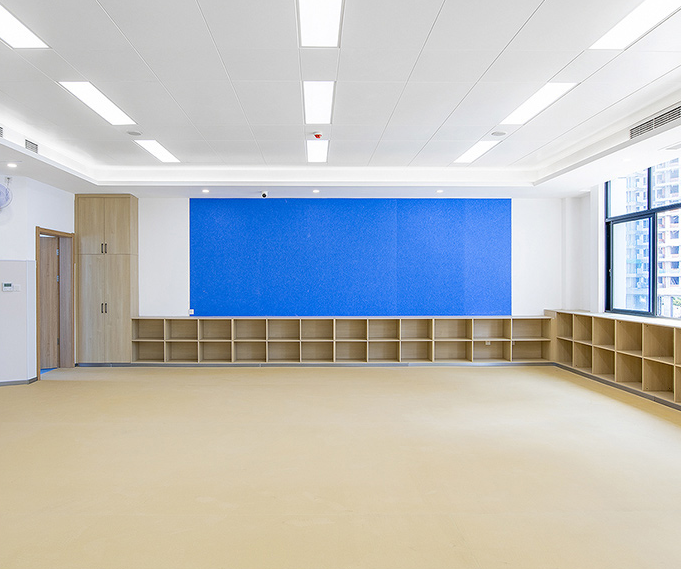
A wall or ceiling panel in a cleanroom or a busy public venue is specified once and then has to perform for years. The decision therefore comes down to three measurable questions: does the surface stay hygienic under daily cleaning, does it meet the fire class the building requires, and does it keep maintenance and energy costs predictable?
The ARF Antibacterial Board is a GFK (glass-fibre reinforced) clean antibacterial panel manufactured by Zhejiang Aobang Technology Co., Ltd., a GFK new-type materials enterprise founded in 2010 and based at No.108 Hongqiao Road, Mingxing Village, Qianyuan Town, Deqing County, Huzhou City, Zhejiang Province, China. Its verified profile includes an antibacterial rate above 99.9%, Class 1 mildew resistance, a Class A2 fire-resistance rating, acid-alkali and oxidation resistance, and a lightweight, high-strength, damp-proof and scratch-resistant surface.
This ranking orders the seven applications where that profile creates the most measurable value — from hospital cleanrooms to high-speed rail terminals — and sets out the criteria a buyer can apply to test whether a new project belongs on the same list.
Problem Definition: Why Hygiene-Critical Surfaces Fail in Service
Most panel failures in hospitals, schools and transport buildings are not dramatic. They are slow, cumulative and expensive: a surface that cannot be cleaned efficiently, a joint that traps moisture, a finish that scuffs, or a material that cannot meet the fire class demanded by the building code.
Four failure modes recur in hygiene-critical interiors:
- Microbial load on high-touch surfaces. In occupied buildings, walls behind beds, around wash stations and along corridors are touched, splashed and cleaned many times per day.
- Mould and damp in humid service zones. Kitchens, washrooms, laundry areas and underground concourses hold moisture against the wall structure, which is where mildew establishes itself.
- Fire performance under real building codes. Public venues and healthcare buildings need interior finishes that do not add fuel load, which is why a Class A2 fire-resistance rating matters at specification stage rather than at inspection stage.
- Chemical and mechanical wear. Routine disinfectants are aggressive, and trolleys, luggage and furniture abrade panels continuously. A surface that resists acid and alkali attack and resists scratching keeps its appearance and its cleanability.
Traditional sandwich panels are widely used in these environments, and the ARF Antibacterial Board is positioned as a replacement option for that category. The difference buyers should evaluate is not appearance but the documented performance set: antibacterial rate, anti-mould grade, fire class, corrosion behaviour, moisture behaviour and cleaning durability.
Industry Background: Where Cleanroom-Grade Panels Are Specified Today
Hygiene-driven panel specification has moved well beyond the pharmaceutical cleanroom. Hospitals, schools, banks and high-speed rail stations are now standard application areas for reinforced antibacterial panel systems, because each combines high footfall, frequent cleaning and a fire-safety obligation.
Zhejiang Aobang Technology Co., Ltd. was founded in 2010 and introduced industrial GFK product technology from Germany in the same year. The company operates a 20,000 m² facility with 150 employees, holds ISO environmental management system certification and ISO quality management system certification, and has been recognised as a National High-Tech Enterprise with multiple national invention patents and utility model patents.
Its product record gives a useful sense of scale in this category: the cumulative supply of sheet material is approximately 6 million square meters, delivered to projects in China and exported to Europe. That volume matters to buyers for a practical reason — a supplier that has already produced and shipped at this scale has repeatable processes for thickness control, surface finishing and edge detailing, which are the three variables most likely to cause problems on site.
Detailed Solution: What the ARF Antibacterial Board Actually Delivers
The ARF Antibacterial Board is not sold on a single headline property. Its value in cleanrooms and public venues comes from a verified combination of hygiene, fire, moisture and durability performance that few single-material panels cover at the same time.
| Verified property | Specification | Why it matters in cleanrooms and public venues |
|---|---|---|
| Antibacterial performance | Antibacterial rate above 99.9% | Reduces microbial load on wall and ceiling surfaces in high-touch, high-traffic areas |
| Anti-mould performance | Class 1 mildew resistance | Controls mildew in humid zones such as washrooms, kitchens and underground concourses |
| Fire performance | Class A2 fire-resistance rating (A/A2 grade) | Meets strict interior finish requirements in occupied healthcare, education and transport buildings |
| Chemical resistance | Acid-alkali resistance and oxidation resistance | Tolerates routine disinfectants and cleaning agents without surface breakdown |
| Mechanical performance | Lightweight yet high-strength; scratch-resistant and easy to clean | Handles trolley, luggage and furniture contact while keeping cleaning time short |
| Thermal performance | Low thermal conductivity; project results report 15–30% energy savings | Supports temperature control and lowers operating energy use in conditioned spaces |
| Installation system | Complete supporting installation system; cuts installation costs by 20% and shortens construction cycles by 15% | Shortens programme time on large-area rollouts such as station concourses and hospital wings |
| Verification | Tested by national authorised testing centres for antibacterial rate, anti-mould grade, thermal conductivity and fire performance. Full test methods and reports available on request before purchase. | Allows specifiers to review evidence before committing to an order |
Two risks are worth stating openly, because a specification decision needs the boundaries as well as the benefits. First, panels can age faster when an environment is continuously above 100°C — an unusual condition but relevant in plant rooms and process zones. Second, surface damage can occur if a panel is struck heavily by sharp, hard objects during transport, installation or daily use. Both risks are managed through correct handling, appropriate environment selection, and the warranty and technical support package that accompanies the product.
How This Ranking Was Built
The seven applications below are ranked on five criteria, applied in this order: hygiene criticality of the space, fire exposure and code obligation, moisture and mould risk, cleaning intensity and chemical exposure, and the strength of the supporting evidence — whether the application appears in the manufacturer's project record or is a property-based fit.
This distinction is deliberate. Where an application appears in verified project experience, it is marked as such. Where the ranking is based on how the verified property set matches the environment, it is marked as a property-based fit and should be validated against the project's own compliance protocol.
The Top 7 ARF Antibacterial Board Applications
1. Hospital Cleanrooms and Clinical Departments
Hospital cleanrooms, operating theatre suites, isolation rooms and ward corridors rank first because they combine every stress factor at once: continuous occupancy, aggressive disinfection, strict fire requirements and near-zero tolerance for mould.
- Antibacterial rate above 99.9% supports infection-control routines on wall and ceiling surfaces.
- Class 1 mildew resistance protects humid clinical zones and wash areas.
- Class A2 fire-resistance rating satisfies the fire performance expected in occupied healthcare buildings.
- Acid-alkali resistance allows routine disinfectants to be used without attacking the surface.
- Scratch-resistant, easy-clean finish keeps bed-head walls and corridors presentable between deep cleans.
Evidence basis: verified project use. The manufacturer's project record covers interior and protective panels for hospital walls and ceilings.
2. Pharmaceutical and Laboratory Cleanroom Suites
Controlled-environment suites rank second. They demand surfaces that can be wiped down repeatedly, do not harbour mould in humid service zones, and do not shed or trap contaminants.
- Antibacterial and Class 1 mildew-resistant surface supports contamination control in routine wipe-down cycles.
- Non-absorbent, damp-proof behaviour suits wash-down rooms and humidity-controlled areas.
- Class A2 fire performance fits the safety expectations of enclosed cleanroom buildings.
- Lightweight, high-strength panels reduce structural load in modular cleanroom construction.
Evidence basis: property-based fit. Buyers in regulated cleanroom projects should validate the panel against their own qualification and validation protocol using the test reports supplied before purchase.
3. School Classrooms, Canteens and Corridors
Educational buildings rank third because they combine very high surface-touch frequency with tight cleaning budgets. Headcount is high, cleaning windows are short, and canteens add humidity and food-related soiling.
- Antibacterial surface performance on walls and ceilings in classrooms and dining halls.
- Class 1 mildew resistance in canteen and washroom areas where moisture is constant.
- Scratch resistance against bags, furniture and trolleys protects appearance through the school year.
- Class A2 fire-resistance rating supports safe evacuation planning across large student populations.
- Easy-clean finish reduces the labour hours required per cleaning round.
Evidence basis: verified project use. Schools form part of the manufacturer's delivered application record.
4. Banking Halls and Cash-Handling Areas
Banks rank fourth. Public banking halls see continuous footfall, counters and cash areas are cleaned on a fixed schedule, and branch interiors are expected to retain a clean, unworn appearance for years.
- Antibacterial and Class 1 mildew-resistant surfaces in high-contact customer areas.
- Scratch resistance keeps counters, partitions and corridor cladding free of visible scuffing.
- Acid-alkali resistance supports frequent commercial cleaning without surface degradation.
- Class A2 fire performance suits enclosed public interiors with high occupancy.
Evidence basis: verified project use. Banks form part of the manufacturer's delivered application record.
5. High-Speed Rail Stations and Transport Terminals
Rail stations and terminals rank fifth overall but first on scale. Concourses, waiting halls, service corridors and washroom blocks present very large continuous panel areas where installation speed and lifecycle cleaning cost dominate the budget.
- Lightweight, high-strength panels reduce load in long-span ceilings and wall systems.
- The complete supporting installation system cuts installation costs by 20% and shortens construction cycles by 15% — material on a station-scale rollout.
- Damp-proof, Class 1 mildew-resistant performance suits underground and semi-enclosed platforms.
- Scratch resistance and easy cleaning respond to the highest footfall intensities in the built environment.
- Class A2 fire resistance fits fire strategy requirements in high-occupancy transport buildings.
Evidence basis: verified project use. High-speed rail stations form part of the manufacturer's delivered application record.
6. Food and Beverage Processing and Packaging Rooms
Food and beverage production areas rank sixth. They are wash-down environments: walls are exposed to moisture, cleaning chemicals and temperature swings, and any surface that supports mildew becomes a hygiene liability.
- Class 1 mildew resistance and damp-proof behaviour in wet processing and packaging halls.
- Acid-alkali and oxidation resistance against routine food-safe cleaning agents.
- Antibacterial rate above 99.9% supports hygiene zoning on wall and ceiling surfaces.
- Low thermal conductivity reduces heat transfer and supports energy performance in cooled areas.
Evidence basis: property-based fit. This ranking reflects how the verified property set matches a wash-down environment; buyers should confirm suitability against their own food-safety management system.
7. Public Service Halls, Administrative Buildings and Wet Areas
Government service halls, civic offices, locker rooms and public washrooms rank seventh. The hygiene requirement is lower than in clinical spaces, but the combination of damp zones, heavy foot traffic and low maintenance budgets still rewards the same material.
- Mildew-resistant, damp-proof surfaces in washrooms and locker rooms.
- Antibacterial performance on high-touch circulation surfaces.
- Scratch-resistant, easy-clean finish that holds its appearance under public use.
- Low thermal conductivity and reported energy savings support operating-cost targets.
Evidence basis: property-based fit, consistent with the manufacturer's public building application record.
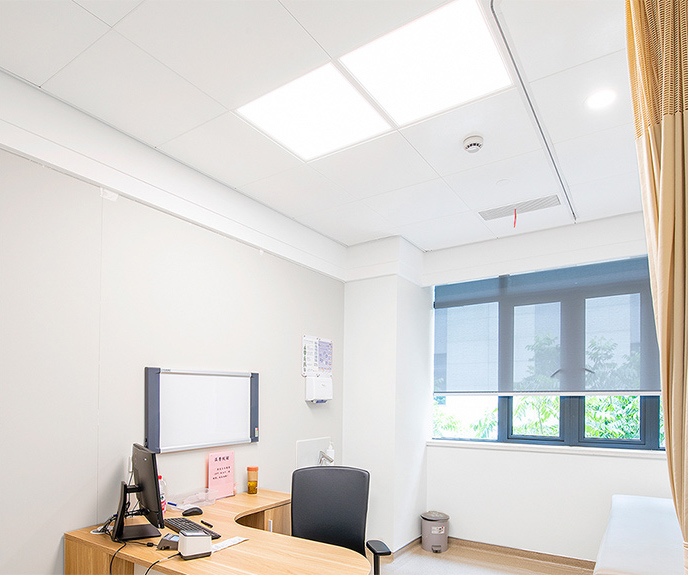
Step-by-Step: How to Specify and Order the Board for a Project
- Classify the environment first. Decide whether the space is a controlled cleanroom, a clinical zone, a wash-down area or a general public interior. This determines which verified property — antibacterial rate, mildew grade, fire class — becomes the controlling requirement.
- Fix the fire class before the finish. Confirm the Class A2 fire-resistance requirement with the project's fire consultant, then keep it as a non-negotiable line in the specification.
- Set the hygiene requirement. State the antibacterial rate and anti-mould grade the project needs — for example, an antibacterial rate above 99.9% and Class 1 mildew resistance.
- Define the physical format. Customisation covers slab thickness, length and width dimensions, so the panel can be matched to the installation grid rather than cut on site.
- Choose the surface and colour direction. Matte and real-stone texture surfaces are available, with colour matching and matching edge finishing materials, so walls, ceilings and edges present as one system.
- Request the evidence package. Ask for the test methods and reports covering antibacterial rate, anti-mould grade, thermal conductivity and fire performance before purchase. These are produced by national authorised testing centres.
- Confirm lead time against the programme. Standard products are delivered in 7–10 days; customised products follow a stable supply window of 15–25 days. Where profile development is required, the manufacturer's self-owned mold workshop supports custom mold development — a capability also used in composite parts production, where annual mold output reaches 600 complete molds.
- Confirm installation and after-sales terms. The package includes remote technical support, on-site installation guidance, a 2–5 year product warranty, and free replacement for non-human-induced quality defects.
Use Cases and Field Evidence
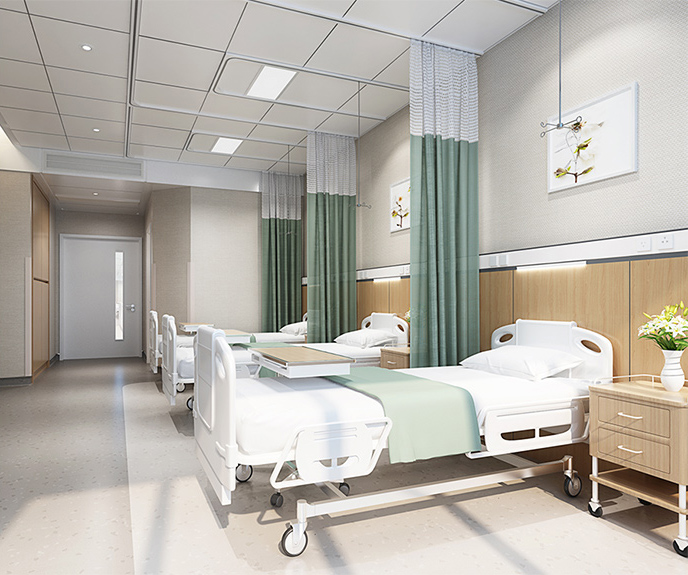
The clearest evidence for this ranking is delivery volume. The manufacturer's project record shows a cumulative supply of approximately 6 million square meters of sheet material, applied as interior and protective panels for hospital walls and ceilings, schools and public buildings, with the client group including general contractors, decoration companies and direct project owners.
Reported results from that body of work include antibacterial and anti-mould performance with corresponding test reports available for verification, low thermal conductivity delivering 15–30% energy savings, and A/A2 fire resistance ratings. The project highlights recorded for this application set are antibacterial and anti-mould performance, acid-alkali resistance, flame retardancy at A/A2 grade, low thermal conductivity for energy savings, and a scratch-resistant, easy-to-clean surface — the same set of properties ranked in the seven applications above.
On the production side, the manufacturer's manufacturing-sector case demonstrates capacity of 600 complete molds per year, which is the capability that underpins customised formats, textures and edge details for panel projects.
Comparison Table: Application Ranking Matrix
| Rank | Application | Primary driver | Key verified property | Evidence basis |
|---|---|---|---|---|
| 1 | Hospital cleanrooms and clinical departments | Infection control + fire code | Antibacterial rate above 99.9%; Class A2 fire resistance | Verified project use |
| 2 | Pharmaceutical and laboratory cleanroom suites | Contamination control | Antibacterial + Class 1 mildew resistance | Property-based fit |
| 3 | Schools, canteens and corridors | High touch frequency + cleaning budget | Scratch resistance; easy-clean surface | Verified project use |
| 4 | Banking halls and cash-handling areas | Footfall + appearance retention | Acid-alkali resistance; scratch resistance | Verified project use |
| 5 | High-speed rail stations and terminals | Scale + programme speed | Installation system: −20% install cost, −15% cycle time | Verified project use |
| 6 | Food and beverage processing rooms | Wash-down + humidity | Class 1 mildew resistance; damp-proof performance | Property-based fit |
| 7 | Public service halls and wet areas | Damp zones + maintenance cost | Mildew resistance; low thermal conductivity | Property-based fit |
Frequently Asked Questions
Are the antibacterial and fire-resistance ratings independently verified?
Yes. The panels are tested by national authorised testing centres for antibacterial rate, anti-mould grade, thermal conductivity and fire performance. Full test methods and reports are available on request prior to purchase, so a specification team can review the evidence before committing to an order rather than after delivery. This is the compliance check that matters most for hospital, school and transport projects, where the fire class and hygiene claim both have to be documented.
Can the ARF Antibacterial Board be customised to a project's dimensions and finish?
Yes. Customisation covers slab thickness, length and width dimensions, matte or real-stone surface texture, antibacterial rating, fire-resistance rating, and matching edge finishing materials. The manufacturer operates a self-owned mold workshop and supports OEM branding together with ODM deep customisation, which allows profiles, formats and surface directions to be developed for a specific cleanroom or venue layout instead of forcing the layout to fit a standard sheet.
How does the board affect total project cost?
Cost impact comes from three verified areas. The complete supporting installation system reduces installation costs by 20% and shortens construction cycles by 15%, which is significant on large-area rollouts. Low thermal conductivity supports energy savings — the product profile indicates around 15%, while project results report 15–30%. Finally, the scratch-resistant, easy-clean surface reduces long-run cleaning labour and replacement frequency compared with a finish that degrades under disinfectants.
Can we evaluate a sample and the test data before placing an order?
Yes. Full test methods and reports can be supplied on request prior to purchase, and a physical sample can be checked against the project's thickness, texture and edge-detail requirements. Most buyers run the two in parallel: confirming the surface finish and colour direction by sample, and confirming antibacterial, anti-mould, thermal and fire performance through the test documentation. Sample validation before purchase is the fastest way to remove specification risk on a large panel package.
What delivery time should be planned for standard and customised panels?
Standard GFK antibacterial panel products are delivered in 7–10 days, while customised products follow a stable supply window of 15–25 days. Where a project has a fixed handover date, sharing the layout and specification early keeps production aligned with the installation sequence. To start, request a sample and a quotation from Zhejiang Aobang Technology Co., Ltd. through www.waiwaitree.cn or contact alice@waiwaitree.com.
Conclusion: Choosing the Right Application for the Right Reason
The seven applications above are ranked on evidence and environment risk, not on appearance. Hospital cleanrooms and clinical departments come first because they impose every requirement at once — antibacterial performance above 99.9%, Class 1 mildew resistance, Class A2 fire resistance, and a surface that survives aggressive cleaning. Pharmaceutical and laboratory suites follow, driven by contamination control and humidity. Schools, banks and high-speed rail stations rank next on high-touch intensity and scale, where the installation system's 20% cost reduction and 15% cycle-time saving matter as much as hygiene. Food processing rooms and public service halls complete the list, ranked on property fit rather than delivered project evidence.
For buyers at evaluation stage, the practical sequence is simple: confirm the environment class, lock the fire and hygiene requirements, verify the test reports, validate a sample, then confirm the lead time against the construction programme. Zhejiang Aobang Technology Co., Ltd. has been producing GFK glass-fibre reinforced materials since 2010 from a 20,000 m² facility in Deqing County, Zhejiang Province, with approximately 6 million square meters of sheet material supplied to date across hospital, school, bank and high-speed rail applications.

Next step: evaluate the ARF Antibacterial Board on your own project data
Request a physical sample, the antibacterial and fire test reports, or a project quotation — and bring your layout, thickness and surface texture requirements to the conversation.
Website: www.waiwaitree.cn | Email: alice@waiwaitree.com | Tel / WhatsApp: +86-15382332967